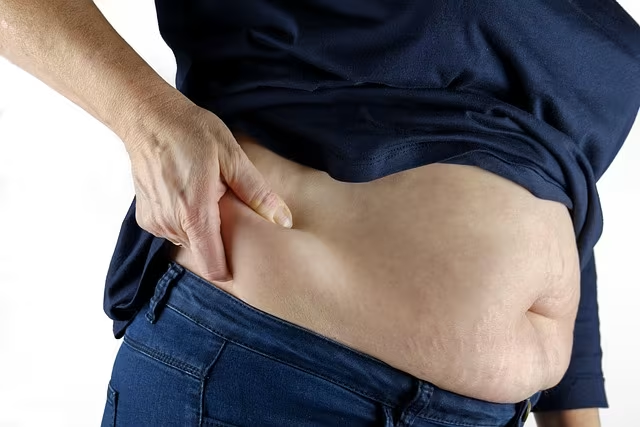
Becoming a mother brings immeasurable joy and love, but it also brings significant changes to your body.
General shopping ideas, independent of this article’s advice.
Swipe to compare products → Biofinest Effervescent Vitamin C 1000mg D3 Zinc Collagen Multivitamin Calcium Magnesium Zinc Tablets Drink Sugar FreeFrom S$5.95Biofinest Probiotic 50 Billion CFU Enzyme Supplement 12 + 3 Prebiotics – Diet Slimming Eczema Detox Men Women (60 caps)From S$22.40Estalife Magnesium Glycinate 1000MG | Heart, Bone, Muscle, Sleep, Mood Health | 60 Veg CapsFrom S$13.99
Prices may vary by option. Check the final price and delivery on Shopee.
While pregnancy is a beautiful journey, many women struggle with their post-pregnancy bodies, particularly stubborn fat deposits that seem resistant to diet and exercise.
If you’re feeling frustrated with these changes, liposuction after pregnancy might be an option worth considering.
Read more: The Comprehensive Guide to Liposuction in Singapore
Understanding Post-Pregnancy Body Changes
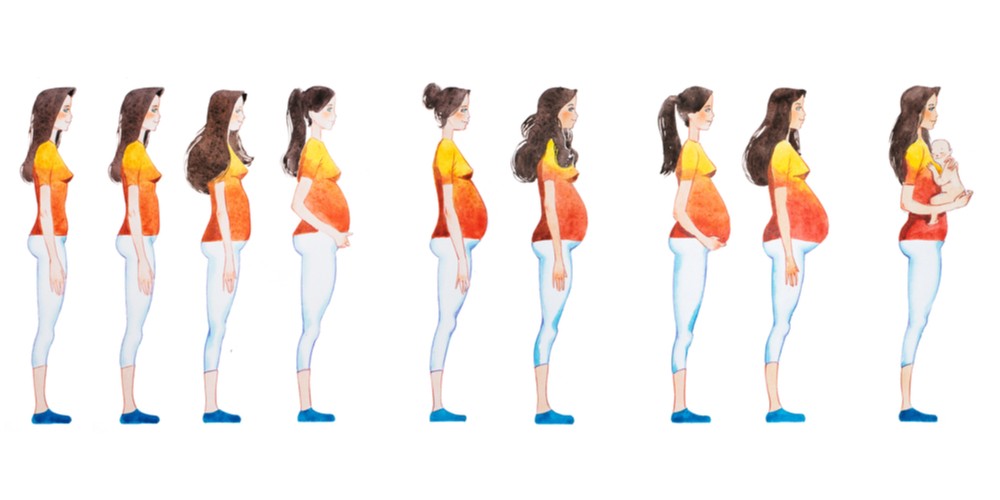
During pregnancy, your body undergoes tremendous transformations to accommodate and nurture your growing baby.
Your body stores extra energy in the form of fat, which changes your shape and proportions.
After childbirth, hormonal fluctuations continue to affect how your body distributes and holds onto fat.
For many women, despite maintaining a healthy diet and regular exercise routine, certain areas retain stubborn fat that seems impossible to shed naturally. Common problem areas include:
- Abdomen
- Hips
- Thighs
- Back
- Arms
- Flanks (love handles)
These persistent changes can impact self-confidence and quality of life during what should be an exciting new chapter of motherhood.
Read more: Which Liposuction Clinic in Singapore Should You Consider? (Sort by Reviews)
What is Liposuction and How Can It Help?
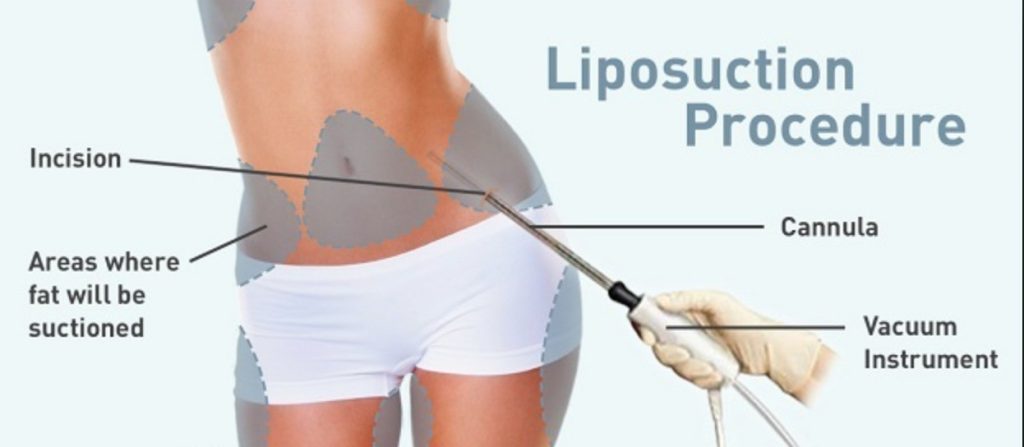
Liposuction is a minimally invasive cosmetic procedure designed to remove unwanted fat from specific areas of the body.
For post-pregnancy bodies, it offers a targeted solution to address those stubborn fat deposits that don’t respond to traditional weight loss methods.
During the procedure, a plastic surgeon makes small incisions in the target area and inserts a thin tube called a cannula.
The cannula loosens fat cells, which are then effectively suctioned out of the body. The surgeon carefully contours the area to create a smoother, more defined shape.
It’s important to understand that liposuction is not a weight loss procedure but rather a body contouring method.
It works best for women who are already at or near their goal weight but struggle with disproportionate fat distribution after pregnancy.
When is it Safe to Have Liposuction After Pregnancy?
The timing of liposuction after pregnancy varies depending on individual circumstances and the recommendations of your surgeon. However, there are general guidelines to consider:
Recommended Waiting Period
Most plastic surgeons recommend waiting at least six months to one year after giving birth before undergoing liposuction. This waiting period allows:
- Your body to heal naturally
- Hormones to stabilize
- Weight to normalize
- Skin elasticity to improve
Some doctors may consider performing liposuction as early as three to four months postpartum, while others prefer a longer waiting period of nine to twelve months. The specific timeline depends on several factors unique to each woman.
You might like: Fat Freezing Singapore: Cryolipolysis Treatment Guide
Factors Affecting Timing
Several key factors influence when it’s appropriate to undergo liposuction after pregnancy:
Type of delivery – Recovery from a C-section typically takes longer than from a vaginal birth
Breastfeeding status – Many surgeons recommend waiting until you’ve completed breastfeeding
Overall health – Your body needs to be fully recovered from pregnancy and childbirth
Weight stability – Achieving a stable weight before the procedure ensures better results
Future pregnancy plans – Consider whether you plan to have more children, as subsequent pregnancies can affect results
Breastfeeding Considerations
If you’re breastfeeding, most surgeons will recommend waiting until you’ve completely weaned your baby before undergoing liposuction. This recommendation is based on several factors:
- Anesthesia and medications used during surgery may enter breast milk
- Your body continues to undergo hormonal changes during breastfeeding
- Recovery from surgery while caring for a nursing infant can be challenging
Related article: CoolSculpting Singapore: Costs, Benefits, Risks
Liposuction After C-Section
Women who have delivered via C-section have specific considerations when it comes to liposuction. A C-section involves cutting through multiple layers of tissue, including muscle, which requires additional healing time.
Timing After C-Section
Most plastic surgeons recommend waiting at least six to nine months after a C-section before considering liposuction. This extended timeline allows:
- The C-section scar to fully heal
- Internal tissues to recover completely
- Abdominal muscles to regain strength
- The body to stabilize after surgery
This might help: Guide to Finding a Good Aesthetic Doctor in Singapore
C-Section Pouch Concerns
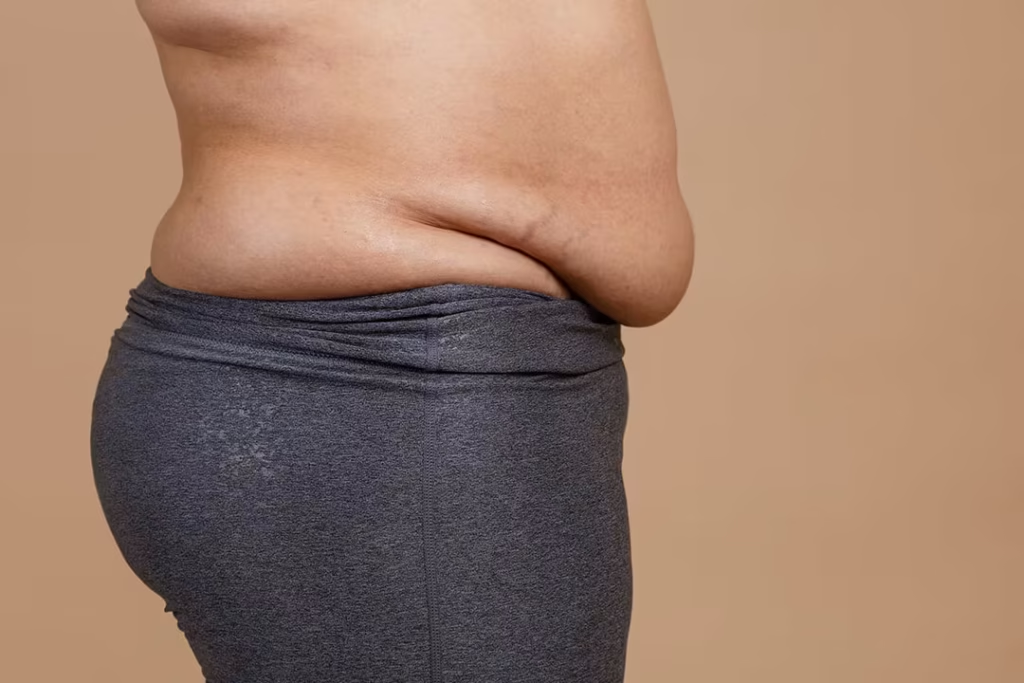
Many women develop what’s commonly called a “C-section pouch” or “shelf” above their surgical scar. It’s important to understand that this pouch is often the result of several factors:
- Excess fat deposits
- Weakened abdominal muscles
- Scar tissue formation
- Separation of abdominal muscles (diastasis recti)
While liposuction can effectively address the fat component of a C-section pouch, it cannot repair weakened or separated muscles. In cases where muscle separation is significant, a tummy tuck (abdominoplasty) might be more appropriate, either alone or in combination with liposuction.
Read more: Non-Invasive Body Contouring Treatments in Singapore
Benefits of Liposuction After Pregnancy
Liposuction offers several advantages for post-pregnancy body contouring:
1. Enhanced Body Confidence
Perhaps the most significant benefit is the restoration of self-confidence. Many new mothers report feeling more comfortable in their bodies and clothing after liposuction, allowing them to focus on enjoying motherhood rather than feeling self-conscious about their appearance.
2. Targeted Fat Removal
Unlike diet and exercise, which reduce overall body fat without targeting specific areas, liposuction allows for precise sculpting of problem areas. This targeted approach addresses the disproportionate fat distribution that often occurs after pregnancy.
3. Long-lasting Results
Fat cells removed during liposuction don’t regenerate. Once removed, these cells are gone permanently. With a stable weight and healthy lifestyle, results can be maintained long-term.
Read more: Non-Surgical Fat Reduction: Treatments, Benefits, and Risks
4. Relatively Quick Recovery
Compared to more invasive procedures like tummy tucks, liposuction typically has a shorter recovery period. Most women can resume light activities within days and return to normal routines within a few weeks.
5. Versatile Treatment
Liposuction can be performed on multiple areas of the body in a single session, allowing for comprehensive body contouring. Common treatment areas for post-pregnancy liposuction include the abdomen, hips, thighs, back, and arms.
6. Minimally Invasive
Modern liposuction techniques are less invasive than in the past, resulting in smaller incisions, less trauma to surrounding tissues, and reduced scarring.
Recovery From Liposuction After Pregnancy
Understanding what to expect during recovery helps prepare for the procedure and ensures optimal results.
Typical Recovery Timeline
The recovery process follows a predictable timeline for most patients. During the first 24-48 hours, rest is essential with minimal movement and activity.
From 3-7 days, most women experience bruising and swelling in treated areas. At 1-2 weeks, many patients return to light daily activities and work, while exercise can gradually be reintroduced at 3-4 weeks.
Final results begin to appear as swelling fully subsides between 6-12 weeks post-procedure.
Post-Operative Care
Your surgeon will provide specific post-operative instructions to ensure optimal healing and results.
These typically include wearing compression garments to reduce swelling and support healing, taking prescribed medications for pain management and infection prevention, and keeping incision sites clean and dry.
You’ll need to avoid strenuous activities until cleared by your doctor and maintain proper hydration and nutrition to support the healing process.
Managing Recovery as a New Mom
Recovering from liposuction while caring for a baby presents unique challenges that require thoughtful planning.
Consider arranging for additional support during the first week of recovery and set up a comfortable recovery area with easy access to baby essentials.
Use pillows strategically when nursing or holding your baby to avoid pressure on treated areas, accept help from family and friends when offered, and consider timing the procedure when your baby is in a more predictable routine.
Liposuction vs. Tummy Tuck: Which is Right for You?
When considering post-pregnancy body contouring, many women wonder whether liposuction or a tummy tuck (abdominoplasty) would better address their concerns. Understanding the differences between these procedures can help you make an informed decision.
Comparing the Procedures
| Feature | Liposuction | Tummy Tuck |
|---|---|---|
| Primary target | Removes excess fat | Removes excess fat AND loose skin |
| Addresses muscle separation | No | Yes |
| Removes stretch marks | No | Can remove some stretch marks |
| Recovery time | 3-4 weeks | 6-8 weeks or longer |
| Scarring | Minimal, small incisions | Larger scar along bikini line |
| Invasiveness | Minimally invasive | More invasive surgical procedure |
| Cost | Generally lower | Generally higher |
When to Choose Liposuction
Liposuction may be the better option if your primary concern is excess fat and you have good skin elasticity.
It’s also suitable if you don’t have significant muscle separation, prefer a shorter recovery time, and want minimal scarring.
When to Choose a Tummy Tuck
A tummy tuck might be more appropriate if you have excess, loose skin that doesn’t retract, significant stretch marks, or diastasis recti (separated abdominal muscles).
This procedure is also ideal if you’re willing to undergo a more invasive procedure for more dramatic results.
Combining Procedures
Many women benefit from combining liposuction with a tummy tuck for comprehensive results.
This combination allows surgeons to remove excess fat through liposuction, tighten loose skin and repair separated muscles with abdominoplasty, and create a smoother, more contoured appearance overall.
What is a Mommy Makeover?
A “mommy makeover” is a customized combination of cosmetic procedures designed to address the various changes that occur during pregnancy and breastfeeding.
Rather than a standardized package, it’s a personalized approach that targets your specific concerns.
Common Mommy Makeover Procedures
A mommy makeover typically includes two or more of the following:
- Liposuction – To remove stubborn fat deposits
- Tummy tuck – To remove excess skin and tighten abdominal muscles
- Breast augmentation – To restore volume lost during pregnancy and breastfeeding
- Breast lift – To address sagging that often occurs after breastfeeding
- Breast reduction – For women whose breasts remain uncomfortably large after pregnancy
- Brazilian butt lift – Using fat transfer to enhance buttock shape
Benefits of Combined Procedures
Opting for a mommy makeover offers several advantages. You’ll have a single recovery period for multiple procedures, achieve comprehensive transformation, and enjoy coordinated results across different body areas.
Combined procedures are potentially more cost-effective than separate surgeries.
Timing Considerations
If you’re considering a mommy makeover, timing is particularly important. Most surgeons recommend waiting until you’ve completed your family, as recovery will be more extensive than from a single procedure.
You’ll need significant support during recovery, especially with young children.
Ideal Candidates for Post-Pregnancy Liposuction
Not everyone is an ideal candidate for liposuction after pregnancy. Understanding the criteria can help you determine if this procedure is right for you.
Who Makes a Good Candidate?
Ideal candidates for post-pregnancy liposuction typically are at or near their target weight, within 30% of ideal body weight, and have maintained a stable weight for at least 3-6 months.
They have good skin elasticity that will contract after fat removal, realistic expectations about outcomes, and are in good overall health.
Candidates should have completed breastfeeding, don’t plan to have more children in the immediate future, and follow a healthy lifestyle with regular exercise and balanced nutrition.
They also have specific areas of stubborn fat that don’t respond to diet and exercise.
Who Should Consider Alternatives?
Liposuction may not be the best option if you are significantly overweight, as liposuction is not a weight loss procedure.
It’s also not suitable if you have poor skin elasticity, significant loose skin, or severe diastasis recti (separated abdominal muscles).
Additionally, if you plan to become pregnant again soon or have unrealistic expectations about what liposuction can achieve, alternative treatments should be considered.
Cost of Liposuction After Pregnancy
The cost of liposuction varies widely depending on several factors.
Average Cost Range
In the United States, the cost of liposuction typically ranges from $2,000 to $10,000, with the average procedure costing around $3,500 to $5,000.
Factors Affecting Cost
Several factors influence the total cost:
- Geographic location – Procedures typically cost more in urban areas and regions with a higher cost of living
- Surgeon’s expertise – More experienced surgeons usually charge higher fees
- Number of areas treated – Each additional area increases the total cost
- Type of liposuction – Advanced techniques like ultrasound-assisted or laser-assisted liposuction may cost more
- Facility fees – Where the procedure is performed affects cost
- Anesthesia fees – Typically range from $500 to $1,500
- Post-operative care – Including compression garments, medications, and follow-up visits
Additional Expenses to Consider
When budgeting for liposuction, remember to account for:
- Pre-operative medical tests
- Prescription medications
- Compression garments
- Time off work during recovery
- Childcare assistance during recovery
Insurance Considerations
Liposuction is typically considered a cosmetic procedure and not covered by health insurance. However, in rare cases where liposuction is deemed medically necessary, partial coverage might be possible. Always check with your insurance provider directly.
Financing Options
Many plastic surgery practices offer financing options to make liposuction more accessible:
- Medical credit cards (like CareCredit)
- Payment plans through the surgeon’s office
- Personal loans
- Healthcare financing companies
Risks and Side Effects
Like all surgical procedures, liposuction carries certain risks and potential side effects that should be carefully considered.
Common Side Effects
Most patients experience these temporary side effects following liposuction. Swelling and bruising in the treated areas are common, along with temporary numbness or changes in sensation.
Soreness and discomfort are expected during the initial recovery period, and fluid accumulation may occur as the body heals.
Temporary contour irregularities may also be noticeable as swelling subsides, but these typically resolve over time.
Potential Complications
More serious, but less common complications may include infection, poor wound healing, and blood clots.
Fat embolism is a rare but serious concern, as are adverse reactions to anesthesia.
Contour irregularities that persist beyond the healing period can occur, along with skin discoloration and damage to deeper structures like nerves or blood vessels.
Minimizing Risks
To reduce these risks, choose a board-certified plastic surgeon with extensive experience in the procedure.
Disclose your complete medical history to your surgeon to ensure safe planning and execution.
Follow all pre-operative and post-operative instructions carefully, maintain realistic expectations about your results, and report any concerning symptoms promptly to your medical team.
Choosing the Right Surgeon
Selecting a qualified plastic surgeon is crucial for safety and optimal results.
Qualifications to Look For
When researching potential surgeons, verify board certification in plastic surgery and check credentials and hospital privileges.
Review years of experience, particularly with post-pregnancy patients, and examine before-and-after photos of previous patients.
Read patient reviews and testimonials to understand other patients’ experiences, and schedule consultations to assess communication style and your comfort level with the surgeon.
Questions to Ask During Consultation
Prepare a list of questions to help you make an informed decision. Ask how many post-pregnancy liposuction procedures the surgeon has performed and what technique they recommend for your specific situation.
Inquire about what results you can realistically expect and request a complete cost breakdown.
Discuss what the recovery process will be like and ask what complications the surgeon has encountered and how they were handled.
Request to see before-and-after photos of similar cases to better understand potential outcomes.
FAQ Section
How does pregnancy affect the results of previous liposuction?
Pregnancy after liposuction can affect your results, as your body will still store fat to support the pregnancy.
While the fat cells removed during liposuction are gone permanently, the remaining fat cells can expand, and new fat can be distributed differently.
If you’ve had liposuction and then become pregnant, you might notice changes in your body contours after childbirth.
Many women find that fat may collect in different areas than before. For this reason, many surgeons recommend completing your family before undergoing liposuction.
Can liposuction help with stretch marks?
Liposuction alone cannot remove or improve stretch marks. Stretch marks are actually scars in the dermis layer of the skin, while liposuction targets fat beneath the skin.
If reducing the appearance of stretch marks is a priority, you might want to consider a tummy tuck, which can remove the skin containing some stretch marks, particularly those below the navel.
Other options for addressing stretch marks include laser treatments, microneedling, or topical treatments containing retinoids.
How much weight can I lose with liposuction?
Liposuction is not a weight loss procedure but rather a body contouring method.
Typically, surgeons remove between 1-5 liters of fat (roughly 2-10 pounds) during a single procedure, depending on the areas treated and your individual circumstances.
The primary goal is improved body contour and proportion, not weight reduction.
For significant weight loss, traditional methods like diet and exercise or bariatric surgery are more appropriate options.
Will liposuction results last forever?
The fat cells removed during liposuction are permanently gone from the treated areas. However, remaining fat cells can still expand if you gain weight.
To maintain your results long-term, it’s important to maintain a stable weight through healthy eating and regular exercise, stay well-hydrated, avoid significant weight fluctuations, and consider the effects of aging, which naturally changes fat distribution.
Most patients describe liposuction recovery discomfort as moderate, similar to muscle soreness after an intense workout.
Pain is typically most intense in the first 2-3 days and gradually improves.
Your surgeon will prescribe pain medication to manage discomfort during the initial recovery period. Many patients transition to over-the-counter pain relievers within a few days.
Wearing compression garments helps minimize pain by reducing swelling and supporting the treated areas.
Can I have liposuction while breastfeeding?
Most plastic surgeons recommend against having liposuction while breastfeeding for several reasons.
Anesthesia and medications used during and after surgery may pass into breast milk, hormonal fluctuations during breastfeeding can affect healing and results, recovery while caring for a nursing infant can be challenging, and your body continues to change during breastfeeding.
It’s generally advised to wait until at least 3-6 months after weaning before undergoing liposuction.
How soon can I exercise after liposuction?
Recovery timelines vary by individual, but a general exercise progression might include light walking only during the first 1-2 weeks.
At 2-3 weeks, you can resume light, low-impact activities like gentle yoga or stationary biking, while moderate exercise can typically be reintroduced at 3-4 weeks.
Between 4-6 weeks, you can return to more strenuous activities and strength training, and at 6+ weeks, you can resume your full exercise routine.
Always follow your surgeon’s specific recommendations and listen to your body during the recovery process.
What’s the difference between traditional liposuction and newer techniques?
Several liposuction techniques are available today. Traditional liposuction uses a cannula and suction to remove fat, while tumescent liposuction involves injecting a solution containing saline, lidocaine, and epinephrine to reduce bleeding and ease fat removal.
Ultrasound-assisted liposuction (UAL) uses ultrasonic energy to liquefy fat before removal, and laser-assisted liposuction employs laser energy to liquefy fat.
Power-assisted liposuction (PAL) uses a cannula that moves back and forth to facilitate fat removal, while VASER liposuction uses ultrasound technology that may offer skin-tightening benefits.
Your surgeon will recommend the most appropriate technique based on your specific needs and goals.
Can liposuction fix diastasis recti (separated abdominal muscles)?
No, liposuction cannot repair diastasis recti. This condition occurs when the abdominal muscles separate during pregnancy, creating a bulge or pooch that persists after childbirth.
Liposuction only removes fat, not addresses muscle separation. For diastasis recti, a tummy tuck (abdominoplasty) is typically recommended, as it can surgically repair the separated muscles in addition to removing excess fat and skin.
How do I know if I need liposuction or a tummy tuck?
To determine which procedure is right for you, consider several factors. If your main concern is excess fat with good skin elasticity, liposuction may be sufficient.
If you have significant loose skin, stretch marks, or muscle separation, a tummy tuck might be more appropriate. If you’re concerned about recovery time, liposuction typically has a shorter recovery period.
If you want more dramatic results and are willing to accept a longer scar, a tummy tuck might be preferable. A consultation with a board-certified plastic surgeon is the best way to determine which procedure will help you achieve your goals.
How can I prepare for liposuction surgery?
To prepare for liposuction, achieve a stable, healthy weight and stop smoking at least 4-6 weeks before surgery.
Avoid medications that increase bleeding risk, such as aspirin, as directed by your surgeon. Arrange for help during your recovery, especially if you have young children, and prepare your recovery space with necessary supplies.
Follow any specific pre-operative instructions from your surgeon, complete any required medical tests, stay well-hydrated before surgery, and eat nutritiously in the weeks leading up to your procedure.
When will I see the final results of my liposuction?
While you’ll notice changes immediately after surgery, the final results of liposuction typically become apparent after 3-6 months. Initially, swelling, bruising, and fluid retention will obscure your results.
As these subside over the first few weeks, you’ll begin to see improvements. The treated areas will continue to refine as the skin contracts and tissues settle.
Complete healing and final contour results generally take 3-6 months, though some patients may continue to see improvements for up to a year.
Conclusion
Liposuction after pregnancy can be an effective solution for addressing stubborn fat deposits that don’t respond to diet and exercise.
By removing these fat cells permanently, the procedure can help restore pre-pregnancy contours and boost confidence during the postpartum period.
However, it’s important to approach liposuction with realistic expectations, understanding that it’s a body contouring procedure rather than a weight loss solution.
Timing the procedure appropriately after childbirth, selecting a qualified surgeon, and following all pre- and post-operative instructions are crucial steps in achieving optimal results.
Whether you choose liposuction alone or as part of a mommy makeover, the decision should be based on your personal goals, health status, and lifestyle considerations.
By thoroughly researching your options and consulting with experienced professionals, you can make an informed choice about whether liposuction is right for your post-pregnancy body transformation journey.
General shopping ideas, independent of this article’s advice.
Swipe to compare products →Biofinest Gummy Vitamin Supplement – Beauty Energy Sleep Metabolism Men Women Kids Probiotics Multivitamin (60 Gummies)From S$17.95Tradishot Immunity Boost Drink | Turmeric Shot (Extra Strength) | Boost Immunity Energy & Well-being [7x35mL]S$38.00Optimum Nutrition, Gold Standard, 100% Whey Protein Powder, 2lbs (907g ) / 5 lbs (2.27 kg) / 10 lbs (4.54 kg)From S$82.89Prices may vary by option. Check the final price and delivery on Shopee.