

Mental health awareness has reached unprecedented levels in Singapore, particularly following the challenges brought by the global pandemic.
General shopping ideas, independent of this article’s advice.
Swipe to compare products → Biofinest Effervescent Vitamin C 1000mg D3 Zinc Collagen Multivitamin Calcium Magnesium Zinc Tablets Drink Sugar FreeFrom S$5.35Biofinest Probiotic 50 Billion CFU Enzyme Supplement 12 + 3 Prebiotics – Diet Slimming Eczema Detox Men Women (60 caps)From S$22.40Estalife Magnesium Glycinate 1000MG | Heart, Bone, Muscle, Sleep, Mood Health | 60 Veg CapsFrom S$13.99
Prices may vary by option. Check the final price and delivery on Shopee.
As more individuals recognize the importance of psychological well-being, the demand for qualified psychologists has grown significantly.
Whether you’re dealing with stress, anxiety, relationship challenges, or seeking personal growth, understanding the landscape of psychological services in Singapore can help you make informed decisions about your mental health journey.
Related article: Psychiatrists in Singapore: How Can They Help?
Understanding Psychology and What Psychologists Do

Psychology encompasses the scientific study of human behavior, thoughts, and emotions. Psychologists are trained professionals who apply this knowledge to help individuals overcome mental health challenges, improve their quality of life, and achieve personal growth.
Unlike popular misconceptions, psychologists are not mind readers but rather skilled practitioners who use evidence-based techniques to understand and address psychological concerns.
In Singapore’s context, psychologists serve diverse roles ranging from direct clinical care to research, organizational consulting, and educational support.
They work across various settings including private practices, hospitals, community centers, schools, and corporate environments.
Read more: Art Therapy in Singapore: A Therapeutic Healing Method
Core Functions of Psychologists
Psychologists primarily focus on three main areas:
Assessment and Evaluation: Conducting comprehensive psychological assessments to understand an individual’s mental health status, cognitive abilities, personality traits, and specific challenges. This includes standardized testing, clinical interviews, and behavioral observations.
Therapeutic Intervention: Providing evidence-based psychotherapy and counseling services tailored to individual needs. This involves developing treatment plans, implementing therapeutic techniques, and monitoring progress throughout the healing process.
Prevention and Education: Offering guidance on mental health promotion, stress management, and developing healthy coping strategies. Many psychologists also engage in community education and workplace wellness programs.
Related article: ADHD Diagnosis in Singapore
Types of Psychology Specialists in Singapore
Singapore’s psychology landscape encompasses several specialized fields, each addressing specific aspects of human behavior and mental health.
Clinical Psychology
Clinical psychologists represent the largest group of practicing psychologists in Singapore. They specialize in diagnosing and treating mental health disorders, emotional difficulties, and behavioral problems.
Their expertise covers a wide range of conditions from mild adjustment issues to severe psychiatric disorders.
Clinical psychologists often collaborate with psychiatrists and other healthcare professionals to provide comprehensive care.
They are particularly skilled in conducting psychological assessments and delivering various forms of psychotherapy.
You might be interested: Comprehensive Guide to Drug Addiction Treatment in Singapore
Educational Psychology
Educational psychologists focus on learning processes and educational environments. In Singapore’s education-focused society, these professionals play crucial roles in supporting students with learning difficulties, behavioral challenges, and academic performance issues.
They work closely with schools, parents, and students to identify learning disabilities, develop intervention strategies, and create supportive educational environments. Educational psychologists must typically hold teaching qualifications alongside their psychology credentials.
You might like: Comprehensive Guide to Gambling Addiction Treatment in Singapore
Industrial and Organizational Psychology
Also known as I/O Psychology, this field applies psychological principles to workplace settings.
These professionals address employee satisfaction, organizational behavior, leadership development, and workplace productivity.
In Singapore’s corporate landscape, I/O psychologists contribute to human resource management, employee assessment, performance evaluation, and organizational development initiatives.
Counseling Psychology
Counseling psychologists typically work with individuals facing life transitions, relationship issues, and adjustment difficulties.
While similar to clinical psychology, counseling psychology generally focuses on less severe mental health concerns and emphasizes personal growth and development.
These professionals often provide marriage and family counseling, career guidance, and support for individuals navigating major life changes.
This might help: Pornography Addiction Treatment in Singapore
Forensic Psychology
A specialized and growing field in Singapore, forensic psychology applies psychological principles to legal and criminal justice contexts.
Forensic psychologists conduct risk assessments, provide expert testimony, and work with law enforcement agencies.
They may evaluate mental capacity, assess risk of violence or reoffending, and provide psychological services within correctional facilities.
Comprehensive Services and Specializations
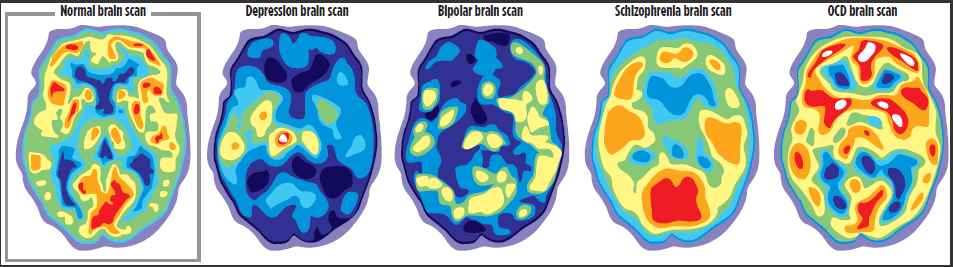
Modern psychological practice in Singapore addresses a broad spectrum of mental health concerns through specialized services and treatment approaches.
Mental Health Conditions Treated
Anxiety Disorders: Including generalized anxiety, panic disorder, social anxiety, and specific phobias. Treatment typically involves cognitive-behavioral interventions, exposure therapy, and relaxation techniques.
Read more: Autism Assessment in Singapore
Mood Disorders: Depression, bipolar disorder, and seasonal affective disorders require specialized approaches combining psychotherapy with close monitoring and potential collaboration with psychiatrists.
Trauma and PTSD: Specialized trauma-informed care helps individuals process traumatic experiences, develop coping strategies, and manage symptoms through approaches like EMDR and trauma-focused CBT.
Relationship and Family Issues: Addressing communication problems, marital conflicts, family dynamics, and interpersonal difficulties through couples therapy and family counseling.
Neurodevelopmental Conditions: Supporting individuals with ADHD, autism spectrum disorders, and learning disabilities through behavioral interventions and skill development programs.
Stress Management: Helping individuals develop effective coping strategies for work-related stress, academic pressure, and life transitions.
Related article: Couples Counselling in Singapore
Specialized Assessment Services
Psychological assessment forms a cornerstone of professional psychology practice in Singapore.
These comprehensive evaluations provide crucial insights for diagnosis, treatment planning, and understanding individual strengths and challenges.
Cognitive and Intelligence Testing: Comprehensive IQ assessments help identify intellectual capabilities, cognitive strengths, and areas requiring support.
These evaluations are particularly valuable for educational planning and identifying giftedness or intellectual disabilities.
You might like: Divorce Counselling in Singapore
Neurodevelopmental Assessments: Specialized testing for ADHD, autism spectrum disorders, and learning disabilities involves detailed behavioral observations, standardized assessments, and comprehensive developmental history reviews.
Neuropsychological Evaluation: Advanced assessments examining cognitive functioning, memory, attention, and executive skills. These evaluations are crucial for individuals experiencing cognitive changes due to aging, medical conditions, or brain injuries.
Personality Assessment: Comprehensive personality evaluations help understand individual traits, behavioral patterns, and psychological functioning. These assessments inform treatment planning and personal development goals.
Forensic Assessments: Specialized evaluations for legal contexts, including competency evaluations, risk assessments, and psychological factors relevant to legal proceedings.
Related article: Gaming Addiction Treatment in Singapore
Evidence-Based Treatment Approaches
Singapore’s psychology community emphasizes evidence-based practice, utilizing therapeutic approaches with strong research support and proven effectiveness.
Cognitive Behavioral Therapy (CBT)
CBT represents one of the most widely used and researched therapeutic approaches in Singapore.
This approach focuses on identifying and modifying unhelpful thought patterns and behaviors that contribute to emotional distress.
The structured nature of CBT makes it particularly effective for anxiety disorders, depression, and trauma-related conditions.
Clients learn practical skills for managing symptoms and preventing relapse.
You might be interested: Sex Addiction Treatment in Singapore
Dialectical Behavior Therapy (DBT)
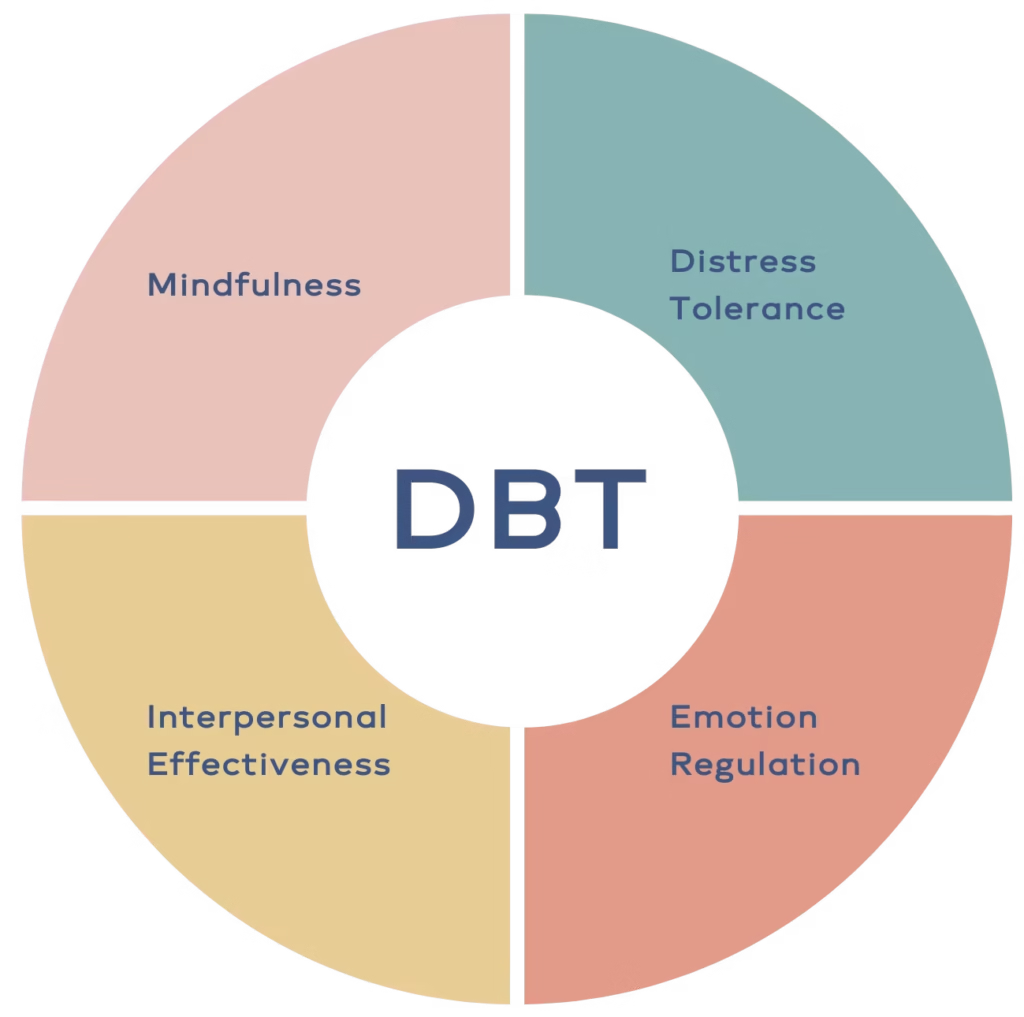
Originally developed for borderline personality disorder, DBT has proven effective for individuals struggling with emotional regulation, interpersonal difficulties, and self-destructive behaviors.
DBT combines mindfulness practices with practical skills training in emotion regulation, distress tolerance, and interpersonal effectiveness.
Acceptance and Commitment Therapy (ACT)
ACT helps individuals develop psychological flexibility by accepting difficult thoughts and emotions while committing to values-based actions.
This approach is particularly effective for anxiety, depression, and chronic pain conditions.
The mindfulness-based components of ACT align well with Singapore’s multicultural context and emphasis on holistic well-being.
Family and Systemic Therapy
Recognizing the importance of family systems in Singapore’s cultural context, many psychologists specialize in family therapy approaches.
These interventions address relationship dynamics, communication patterns, and systemic issues affecting family functioning.
Understanding Professional Differences
Singapore’s mental health landscape includes various professionals with distinct roles and qualifications. Understanding these differences helps individuals choose the most appropriate care.
| Professional | Education Requirements | Primary Services | Prescriptive Authority |
|---|---|---|---|
| Psychologist | Master’s or Doctorate in Psychology | Psychotherapy, assessment, counseling | No medication prescribing |
| Psychiatrist | Medical degree plus psychiatry specialization | Medication management, psychotherapy, hospitalization | Can prescribe medications |
| Counselor | Variable (certificate to degree level) | Counseling, support services | No medication prescribing |
Choosing the Right Professional
The choice between different mental health professionals depends on several factors:
Severity of Symptoms: Individuals experiencing severe mental health symptoms, particularly those requiring medication evaluation, may benefit from initial consultation with a psychiatrist.
Type of Concerns: Relationship issues, stress management, and personal growth goals often align well with psychologist or counselor services.
Assessment Needs: Comprehensive psychological testing and detailed assessments typically require a qualified psychologist with specialized training.
Treatment Preferences: Some individuals prefer therapy-focused approaches, while others may benefit from combined medication and therapy interventions.
Current Regulatory Landscape and Future Developments
Singapore’s psychology profession is undergoing significant transformation as the government works toward establishing formal registration and regulation requirements for practicing psychologists.
Upcoming Registration Requirements
The Ministry of Health has announced plans to implement registration requirements for psychologists practicing in Singapore. This initiative aims to enhance professional standards, ensure public safety, and increase confidence in psychological services.
Key aspects of the upcoming regulation include:
- Mandatory registration for psychologists providing direct care
- Standardized qualification requirements
- Professional supervision and development requirements
- Ethical guidelines and misconduct procedures
- Quality assurance measures
Benefits of Regulation
The implementation of professional registration offers several advantages:
Enhanced Public Safety: Standardized qualifications and oversight mechanisms help ensure that individuals receiving psychological services meet established competency standards.
Professional Accountability: Clear regulatory frameworks provide mechanisms for addressing professional misconduct and maintaining ethical standards.
Quality Assurance: Registration requirements help ensure that psychological services meet established quality standards and evidence-based practices.
Public Confidence: Formal regulation increases public trust in psychological services and helps individuals make informed choices about their mental health care.
(If you’re unsure whether a clinic’s claims are backed by evidence, it helps to consult someone outside the clinic itself — a specialist or an independent digital marketing agency who works closely with these practices can often give you a clearer picture.)
Current Professional Standards
While formal regulation is being developed, Singapore’s psychology community maintains professional standards through the Singapore Psychological Society (SPS).
The organization provides professional development opportunities, ethical guidelines, and maintains a directory of qualified psychologists.
Youth Mental Health Services and Innovations
Recognizing the unique mental health needs of young people, Singapore has developed specialized services and innovative approaches to youth mental health care.
Addressing Consent Issues
One significant barrier to youth mental health services has been parental consent requirements. The government is developing nuanced guidelines to address situations where parental consent may not be in the young person’s best interest while still recognizing the importance of family involvement in treatment.
These guidelines will cover various scenarios and provide clear guidance for mental health professionals working with young people.
Making Mental Health Care Accessible
Singapore’s mental health community recognizes the importance of making psychological services accessible to individuals from diverse backgrounds and economic circumstances.
Insurance Coverage Considerations
Mental health insurance coverage varies significantly across different insurance providers and plans.
Many private insurance policies include some coverage for psychological services, though coverage limitations and requirements vary.
Individuals seeking psychological services should:
- Review their insurance policy details
- Contact their insurance provider to understand coverage limitations
- Inquire about preferred provider networks
- Understand any pre-authorization requirements
Community Mental Health Resources
Beyond private practice services, Singapore offers various community-based mental health resources:
- Community mental health centers
- Hospital-based psychology services
- Employee assistance programs
- University counseling centers
- Volunteer counseling organizations
Crisis Resources and Emergency Support
For individuals experiencing mental health crises or considering self-harm, immediate support resources are available:
Emergency Medical Services: Call 995 for immediate medical emergencies
National CARE Hotline: 1800 202 6868 for crisis support and counseling
Samaritans of Singapore: 1800 221 4444 for suicide prevention support
Institute of Mental Health: 6389 2222 for psychiatric emergencies
Singapore Association for Mental Health: 1800 283 7019 for mental health support
TOUCH Community Services: 1800 377 2252 for youth-focused crisis support
Frequently Asked Questions
How do I know if I need to see a psychologist?
Consider seeking psychological support if you’re experiencing persistent emotional distress, difficulty managing daily responsibilities, relationship problems, or significant life changes that feel overwhelming.
You don’t need to wait until problems become severe – early intervention often leads to better outcomes.
What happens during the first appointment with a psychologist?
The initial session typically involves a comprehensive assessment where the psychologist gathers information about your concerns, personal history, and goals for therapy.
This helps develop an understanding of your situation and create an appropriate treatment plan tailored to your needs.
How long does psychological therapy typically take?
Therapy duration varies significantly depending on individual circumstances, the nature of concerns, and treatment goals.
Some people experience improvement within a few sessions, while others benefit from longer-term support over several months. Most individuals see positive changes within 12 to 20 sessions.
Are psychological services covered by insurance in Singapore?
Insurance coverage for psychological services varies by provider and policy type. Some private insurance plans include mental health benefits, while others may have limited coverage.
It’s important to check with your insurance provider about specific coverage details and any requirements for reimbursement.
What’s the difference between seeing a psychologist and a psychiatrist?
Psychologists focus primarily on providing therapy and psychological assessments, while psychiatrists are medical doctors who can prescribe medication and provide medical treatment for mental health conditions.
Many individuals benefit from working with both professionals for comprehensive care.
How do I choose the right psychologist for my needs?
Consider factors such as the psychologist’s specialization, treatment approaches, location, availability, and whether you feel comfortable with their communication style.
Many psychologists offer brief initial consultations to help determine if they’re a good fit for your needs.
Can children and teenagers see psychologists without parental consent?
Currently, parental consent requirements vary among service providers, though the government is developing guidelines to address situations where young people need mental health support.
Some providers may see adolescents without parental consent in specific circumstances.
What should I expect to pay for psychological services in Singapore?
Costs for psychological services vary depending on the provider, location, and type of service.
Private practice sessions typically range from moderate to higher fees, while community-based services may offer more affordable options. Many psychologists offer sliding scale fees based on financial circumstances.
Are online psychology sessions available in Singapore?
Many psychologists now offer online therapy sessions, which became more common during the pandemic.
Online therapy can be effective for many types of concerns and offers increased accessibility for individuals with scheduling or mobility challenges.
How do I find a qualified psychologist in Singapore?
You can find qualified psychologists through the Singapore Psychological Society directory, hospital referrals, your primary care physician, or online directories.
Ensure that any psychologist you choose has appropriate qualifications and is registered with relevant professional bodies.
What types of therapy approaches are most effective?
The effectiveness of therapy approaches depends on individual circumstances and the nature of concerns being addressed.
Cognitive Behavioral Therapy (CBT), Dialectical Behavior Therapy (DBT), and Acceptance and Commitment Therapy (ACT) have strong research support for many conditions.
Can I switch psychologists if I’m not satisfied with my current one?
Absolutely. The therapeutic relationship is crucial for successful treatment, and it’s perfectly acceptable to seek a different psychologist if you don’t feel comfortable or aren’t seeing progress with your current provider.
Conclusion
Singapore’s psychology landscape continues to evolve with increasing recognition of mental health importance and ongoing professional development initiatives.
Whether you’re seeking support for specific mental health concerns, relationship issues, or personal growth, qualified psychologists throughout Singapore offer evidence-based services tailored to diverse needs.
The upcoming regulation of the psychology profession promises to enhance service quality and public confidence while maintaining the accessibility of mental health care.
As Singapore continues to prioritize mental health and well-being, individuals have access to an expanding range of psychological services and innovative treatment approaches.
Remember that seeking psychological support is a sign of strength and self-awareness, not weakness. Mental health care is an investment in your overall well-being and quality of life.
If you’re considering psychological services, take the time to research your options, understand what to expect, and choose a professional who aligns with your needs and goals.
The journey toward better mental health is personal and unique for each individual, but you don’t have to navigate it alone.
Singapore’s psychology community is committed to providing compassionate, professional, and effective support for individuals, families, and communities throughout their mental health journeys.
General shopping ideas, independent of this article’s advice.
Swipe to compare products →Biofinest Gummy Vitamin Supplement – Beauty Energy Sleep Metabolism Men Women Kids Probiotics Multivitamin (60 Gummies)From S$17.95Tradishot Immunity Boost Drink | Turmeric Shot (Extra Strength) | Boost Immunity Energy & Well-being [7x35mL]S$38.00Optimum Nutrition, Gold Standard, 100% Whey Protein Powder, 2lbs (907g ) / 5 lbs (2.27 kg) / 10 lbs (4.54 kg)From S$82.89Prices may vary by option. Check the final price and delivery on Shopee.