

Mental health awareness has grown significantly in Singapore, with more individuals recognizing the importance of professional psychiatric care.
Whether you’re dealing with stress, anxiety, depression, or more complex mental health conditions, finding the right psychiatrist in Singapore can be a crucial step toward recovery and wellbeing.
General shopping ideas, independent of this article’s advice.
Swipe to compare products → Biofinest Effervescent Vitamin C 1000mg D3 Zinc Collagen Multivitamin Calcium Magnesium Zinc Tablets Drink Sugar FreeFrom S$5.95Biofinest Probiotic 50 Billion CFU Enzyme Supplement 12 + 3 Prebiotics – Diet Slimming Eczema Detox Men Women (60 caps)From S$22.40Estalife Magnesium Glycinate 1000MG | Heart, Bone, Muscle, Sleep, Mood Health | 60 Veg CapsFrom S$13.99
Prices may vary by option. Check the final price and delivery on Shopee.
Understanding Psychiatry and Mental Health Care in Singapore
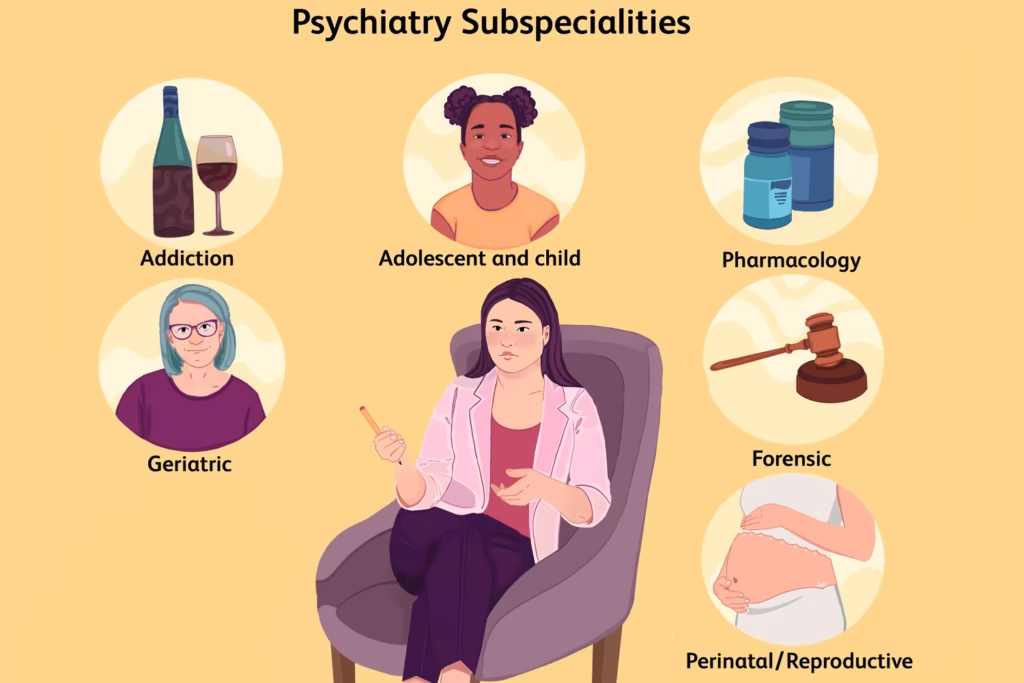
Psychiatry represents a specialized medical field focused on diagnosing, treating, and preventing mental health disorders.
In Singapore, psychiatrists are medical doctors who have completed extensive training in understanding both the psychological and physical aspects of mental health conditions.
Their comprehensive approach combines medication management, therapeutic interventions, and psychosocial support to address the full spectrum of mental health needs.
You might be interested: Psychologists in Singapore: How Can They Help?
When Should You Consider Seeing a Psychiatrist in Singapore?

Recognizing when to seek professional help is often the first and most important step in mental health recovery.
Understanding the signs that indicate you may benefit from psychiatric care can make a significant difference in your overall well-being and quality of life.
Related article: Sex Addiction Treatment in Singapore
Emotional and Mood-Related Symptoms
You should consider consulting a psychiatrist if you experience persistent feelings of sadness, hopelessness, or emptiness that last more than two weeks.
These prolonged emotional states can significantly impact your daily functioning and relationships.
Additionally, extreme mood swings or emotional instability that feel beyond your control warrant professional attention.
Another important indicator is the loss of interest in activities you previously enjoyed, a condition known as anhedonia.
This symptom often accompanies depression and can make life feel colorless and meaningless.
Overwhelming feelings of guilt, worthlessness, or inadequacy that persist despite rational evidence to the contrary also suggest the need for professional support.
You might like: Gaming Addiction Treatment in Singapore
Behavioral and Cognitive Changes
Significant changes in eating patterns or dramatic weight fluctuations without intentional dietary changes can indicate underlying mental health issues.
These changes often accompany mood disorders and eating disorders that require specialized treatment.
Sleep disturbances present another crucial warning sign. Whether you’re experiencing insomnia, excessive sleeping, or disrupted sleep patterns, these changes can both contribute to and result from mental health conditions.
Similarly, difficulty concentrating, making decisions, or remembering things can indicate cognitive changes associated with various psychiatric conditions.
Increased irritability, anger outbursts, or aggressive behavior that seems disproportionate to situations also warrant professional evaluation.
These behavioral changes can strain relationships and create additional stress in your life.
You might be interested: Divorce Counselling in Singapore
Severe Psychological Symptoms
Certain symptoms require immediate professional attention. Thoughts of self-harm or suicide should always be taken seriously, and you should seek help immediately if you experience these thoughts.
Mental health professionals are trained to assess and manage these dangerous situations safely.
Hallucinations, such as seeing or hearing things that others don’t perceive, require prompt psychiatric evaluation.
These symptoms can indicate serious mental health conditions that benefit significantly from professional treatment.
Similarly, delusions or persistent false beliefs that you maintain despite contradictory evidence suggest the need for psychiatric care.
Panic attacks or overwhelming anxiety that interferes with your daily life, work, or relationships also indicate that professional help would be beneficial.
These conditions are highly treatable with appropriate intervention.
You might like: Couples Counselling in Singapore
Physical Manifestations
Mental health conditions often manifest physically, and unexplained physical symptoms like chronic headaches, digestive issues, or chest pain may have psychological components.
While it’s important to rule out medical causes first, persistent physical symptoms without clear medical explanations sometimes improve with mental health treatment.
Fatigue that doesn’t improve with rest can indicate depression or other mood disorders.
Additionally, significant changes in appetite or energy levels that persist for extended periods often accompany mental health conditions and warrant professional evaluation.
Related article: Autism Assessment in Singapore
Comprehensive Range of Mental Health Conditions Treated
Singapore’s psychiatrists are equipped to handle a diverse array of mental health conditions, providing specialized care tailored to individual needs.
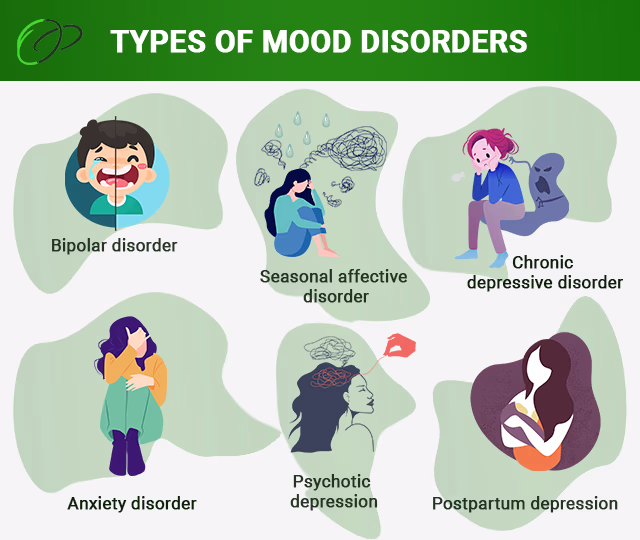
Mood Disorders
| Condition | Key Characteristics | Treatment Approach |
|---|---|---|
| Major Depression | Persistent sadness, loss of interest, sleep/appetite changes | Antidepressants, psychotherapy, lifestyle modifications |
| Bipolar Disorder | Alternating periods of depression and mania/hypomania | Mood stabilizers, therapy, medication management |
| Seasonal Affective Disorder | Depression with seasonal patterns, typically winter onset | Light therapy, antidepressants, behavioral interventions |
| Dysthymic Disorder | Long-term mild depression lasting over two years | Continuous therapy, medication, social support |
Anxiety Disorders
Anxiety disorders are among the most common mental health conditions treated by psychiatrists in Singapore. These include:
- Generalized Anxiety Disorder: Persistent, excessive worry about multiple life areas
- Panic Disorder: Recurrent panic attacks with intense fear and physical symptoms
- Social Anxiety Disorder: Intense fear of social situations and potential judgment
- Specific Phobias: Irrational fears of particular objects, situations, or activities
- Obsessive-Compulsive Disorder: Intrusive thoughts and repetitive behaviors
Related article: Insomnia Treatment in Singapore
Attention and Behavioral Disorders
- Adult ADHD: Difficulty with attention, hyperactivity, and impulse control continuing from childhood
- Conduct and behavioral issues: Patterns of disruptive or antisocial behavior
Read more: ADHD Diagnosis in Singapore
Psychotic Disorders
- Schizophrenia: Complex disorder involving hallucinations, delusions, and thought disturbances
- Delusional Disorder: Persistent false beliefs without other significant psychotic symptoms
- Brief Psychotic Episodes: Short-term psychotic symptoms often triggered by stress
Trauma and Stress-Related Conditions
- Post-Traumatic Stress Disorder (PTSD): Persistent symptoms following traumatic experiences
- Adjustment Disorders: Difficulty adapting to significant life changes or stressors
- Acute Stress Reactions: Immediate responses to overwhelming stressful events
Related article: Comprehensive Guide to Drug Addiction Treatment in Singapore
Specialized Psychiatric Services in Singapore
Women’s Mental Health
Women face unique psychological challenges that require specialized understanding and treatment approaches. Singapore psychiatrists provide dedicated care for:
- Perinatal Mental Health: Depression and anxiety during pregnancy and postpartum periods
- Menopause-Related Mood Changes: Hormonal fluctuations affecting emotional wellbeing
- Work-Life Balance Stress: Managing career demands alongside family responsibilities
- Reproductive Health-Related Mood Disorders: Mental health impacts of fertility treatments, pregnancy loss, or gynecological conditions
Related article: Abortion in Singapore: A Comprehensive Guide
Elderly Mental Health and Dementia Care
Singapore’s aging population requires specialized psychiatric services addressing age-related mental health concerns:
Cognitive Assessment and Dementia Care:
- Comprehensive evaluation of memory problems and cognitive decline
- Early detection of Alzheimer’s disease and other forms of dementia
- Behavioral management for dementia-related symptoms
- Support for families dealing with progressive cognitive disorders
Late-Life Mental Health:
- Depression and anxiety in older adults
- Grief and bereavement counseling
- Adjustment to retirement and aging-related changes
- Management of mental health conditions alongside physical health problems
You might like: HPV Vaccination in Singapore: A Comprehensive Guide
Child and Adolescent Services
Many psychiatric clinics in Singapore provide specialized assessments and treatments for younger populations:
- Educational Assessments: ADHD evaluations, IQ testing, school readiness assessments
- Developmental Evaluations: Autism spectrum disorder assessments and support
- Behavioral Interventions: Treatment for conduct disorders and oppositional behaviors
Treatment Approaches and Therapeutic Modalities
Singapore’s psychiatric care system emphasizes evidence-based, individualized treatment plans that address each person’s unique circumstances and needs.
Mental health professionals in Singapore are trained in the latest therapeutic approaches and work collaboratively with patients to develop comprehensive treatment strategies.
Medication Management
Psychiatrists in Singapore receive extensive training in prescribing and monitoring psychiatric medications.
They carefully consider multiple factors when developing medication regimens, including individual symptom profiles and severity levels.
Your medical history and any concurrent health conditions play crucial roles in medication selection, as does the potential for drug interactions and side effects.
Patient preferences and lifestyle factors are also important considerations in medication management.
Psychiatrists take into account your daily routine, work schedule, and personal preferences when selecting appropriate medications.
Age-specific considerations ensure that children, adults, and elderly patients receive treatments tailored to their developmental stage and physiological needs.
Related article: Comprehensive Guide to Gambling Addiction Treatment in Singapore
Psychotherapy Options
Singapore offers various psychotherapy approaches to meet diverse patient needs. Cognitive Behavioral Therapy (CBT) focuses on identifying and changing negative thought patterns and behaviors that contribute to mental health problems.
This evidence-based approach helps patients develop practical skills for managing symptoms and improving their quality of life.
Psychodynamic therapy explores unconscious thoughts and past experiences that influence current emotional patterns and relationships.
This approach can provide valuable insights into recurring patterns and help patients understand the root causes of their difficulties.
Hypnotherapy uses guided relaxation and focused attention to address specific symptoms or behavioral patterns.
This specialized approach can be particularly effective for certain conditions and symptoms when used by trained professionals.
Family and couples therapy addresses relationship dynamics and communication patterns that impact mental health.
These therapeutic approaches recognize that mental health occurs within the context of relationships and can significantly benefit from addressing interpersonal dynamics.
Related article: Pornography Addiction Treatment in Singapore
Integrated Treatment Approaches
Many psychiatrists in Singapore adopt holistic treatment models that combine multiple therapeutic modalities. These comprehensive approaches typically include medication management with regular monitoring and adjustments to ensure optimal effectiveness and minimal side effects.
Related article: Best Yoga Classes in Singapore
Individual psychotherapy sessions are tailored to specific needs and goals, providing personalized support for each patient’s unique circumstances. Group therapy offers opportunities for shared experiences and peer support, which can be particularly valuable for certain conditions and patient populations.
Lifestyle counseling addresses stress management and wellness strategies that support overall mental health. This may include guidance on exercise, nutrition, sleep hygiene, and stress reduction techniques. Coordination with other healthcare providers ensures comprehensive care that addresses both mental and physical health needs.
Read more: Best Physiotherapist in Singapore
How to Find and Choose a Psychiatrist in Singapore
Singapore offers both public and private psychiatric care options, each with distinct advantages and considerations.
Understanding these options can help you make informed decisions about your mental health care.
Public vs. Private Psychiatric Care
Public Healthcare Options
Singapore’s public healthcare system provides accessible mental health services through several channels.
The Institute of Mental Health serves as the primary psychiatric hospital, offering specialized care for serious mental health conditions.
General hospitals throughout Singapore also maintain psychiatric departments that provide comprehensive mental health services.
Polyclinic referrals provide access to subsidized care for citizens and permanent residents. While public healthcare options typically involve longer waiting times, they offer significantly lower costs, making mental health care accessible to a broader population.
Private Psychiatric Services
Private psychiatric services offer immediate appointments without referral requirements, providing faster access to care when needed.
These services typically provide personalized treatment plans and flexible scheduling options that can accommodate busy lifestyles and specific preferences.
While private care involves higher costs, these expenses are often covered by insurance plans.
Private practice also typically allows for more extensive consultation time and individualized attention, which some patients prefer for their mental health care.
Factors to Consider When Selecting a Psychiatrist
Professional Qualifications and Experience
When choosing a psychiatrist, consider their board certification and specialized training in areas relevant to your specific needs.
Experience treating your particular condition can significantly impact treatment outcomes.
Language preferences and cultural sensitivity are also important factors, particularly in Singapore’s diverse cultural landscape.
Hospital affiliations and emergency coverage arrangements provide important information about continuity of care and access to additional resources when needed.
Treatment Philosophy and Approach
Different psychiatrists may have varying preferences for medication, therapy, or combined approaches.
Understanding their treatment philosophy can help ensure alignment with your preferences and goals.
Consider their willingness to involve family members in treatment if this is important to you.
Their approach to treatment goal-setting and progress monitoring can significantly impact your experience and outcomes.
Some patients prefer highly structured approaches, while others benefit from more flexible treatment plans.
Practical Considerations
Location and accessibility of the clinic affect your ability to attend appointments consistently.
Appointment availability and scheduling flexibility are particularly important for maintaining regular treatment engagement.
Insurance coverage and payment options should be clearly understood before beginning treatment.
Additionally, emergency contact procedures and after-hours support can provide peace of mind and ensure access to care when needed.
What to Expect During Psychiatric Treatment in Singapore
Understanding the treatment process can help reduce anxiety and ensure you’re prepared to make the most of your psychiatric care experience.
Initial Consultation Process
Your first appointment typically lasts 45-60 minutes and involves a comprehensive assessment of your mental health needs. This thorough evaluation provides the foundation for developing an effective treatment plan.
Comprehensive Assessment
The initial consultation includes a detailed discussion of your current symptoms and concerns.
Your psychiatrist will explore when symptoms began, their severity, and how they impact your daily life.
A review of your medical and psychiatric history helps identify patterns and previous treatment responses.
Exploration of family mental health history provides important information about genetic factors and family patterns that may influence your condition.
Assessment of social, work, and relationship functioning helps your psychiatrist understand the broader context of your mental health.
Mental Status Examination
Your psychiatrist will conduct an evaluation of your mood, thought processes, and behavior during the appointment.
This assessment examines cognitive functioning and insight into your condition. Risk evaluation for self-harm or harm to others ensures your safety and appropriate level of care.
Physical Health Evaluation
A basic physical examination may be conducted if medically indicated, as physical health can significantly impact mental health. Your psychiatrist will review current medications and assess potential interactions with psychiatric treatments. Discussion of lifestyle factors affecting mental health helps identify areas for improvement and support.
Ongoing Treatment and Follow-up
Treatment Planning
Treatment planning is a collaborative process involving the development of specific, measurable treatment goals.
Your psychiatrist will discuss various treatment options, including their benefits and potential risks. Together, you’ll establish timelines and progress indicators to track improvement.
Regular Monitoring
Scheduled follow-up appointments allow for ongoing assessment of treatment progress and any necessary adjustments.
Medication adjustments are based on your response to treatment and any side effects you may experience.
Therapy approaches may be modified as your needs change or as you progress in treatment.
Communication with other healthcare providers involved in your care ensures coordinated, comprehensive treatment that addresses all aspects of your health.
Treatment Duration and Expectations
Mental health treatment timelines vary significantly depending on multiple factors. The severity and complexity of your condition influence how quickly you may see improvement.
Individual response to treatment interventions varies from person to person, and some people respond more quickly than others.
The presence of concurrent medical or psychological issues can affect treatment duration and complexity.
Your personal goals and motivation for change play significant roles in treatment progress. Social support systems and current life circumstances also impact recovery timelines.
Some individuals may see improvement within weeks of beginning treatment, while others require months or years of ongoing treatment for optimal management of chronic conditions.
Your psychiatrist will work with you to set realistic expectations and adjust treatment plans as needed.
Understanding Mental Health Stigma and Seeking Help
Despite growing awareness and education efforts, mental health stigma remains a significant concern in Singapore.
Understanding and addressing these concerns can help you feel more comfortable seeking the help you need.
Many individuals worry about potential professional or academic consequences of seeking mental health treatment.
It’s important to know that mental health records are confidential, and seeking treatment demonstrates self-awareness and responsibility rather than weakness or instability.
Family and social judgment or misunderstanding can create additional stress for those considering mental health treatment.
Education and open communication can help address misconceptions and build support systems.
Confidentiality and privacy concerns are natural when considering mental health treatment.
Singapore’s healthcare system has strict confidentiality requirements that protect your privacy and personal information.
Cultural beliefs about mental health and treatment may create internal conflicts about seeking help.
Mental health professionals in Singapore are trained to be culturally sensitive and can work with you to address these concerns while respecting your cultural background and values.
Remember that seeking mental health treatment is a sign of strength and self-care. Taking steps to address mental health concerns early can prevent more serious problems and improve your overall quality of life.
Singapore’s mental health resources are designed to be accessible, confidential, and culturally sensitive to serve the diverse population effectively.
Cost and Insurance Considerations
Public Healthcare Costs
Singaporeans and permanent residents can access subsidized psychiatric care through the public healthcare system:
- Polyclinic consultations: Highly subsidized rates for referrals
- Specialist outpatient visits: Subsidized fees based on income and subsidy eligibility
- Inpatient psychiatric care: Covered under Medisave and insurance schemes
Private Healthcare Costs
Private psychiatric consultations typically range from SGD $200-500 for initial consultations, with follow-up visits costing SGD $150-300.
Many private insurance plans provide coverage for mental health services, though coverage limits and requirements vary.
Insurance Coverage Considerations:
- Check your policy’s mental health benefits and annual limits
- Understand requirements for referrals or pre-authorization
- Clarify coverage for different types of treatments (medication, therapy, etc.)
- Review coverage for both inpatient and outpatient services
Supporting Recovery and Wellness
Building a Support Network
Successful psychiatric treatment often involves building strong support systems that include:
- Family members and close friends who understand your condition
- Mental health professionals providing ongoing care
- Support groups with others experiencing similar challenges
- Workplace or academic accommodations when needed
Lifestyle Factors Supporting Mental Health
Singapore’s psychiatrists emphasize the importance of lifestyle factors in mental health recovery:
Physical Wellness:
- Regular exercise and physical activity
- Balanced nutrition and healthy eating patterns
- Adequate sleep hygiene and rest
- Limiting alcohol and avoiding recreational drugs
Stress Management:
- Mindfulness and relaxation techniques
- Time management and work-life balance
- Engaging in hobbies and enjoyable activities
- Connecting with nature and outdoor environments
Social Connections:
- Maintaining meaningful relationships
- Participating in community activities
- Seeking social support during difficult times
- Contributing to causes important to you
Frequently Asked Questions
How do I know if I need to see a psychiatrist rather than a psychologist or counselor?
Psychiatrists are medical doctors who can prescribe medications and treat complex mental health conditions that may have biological components.
Consider seeing a psychiatrist if you’re experiencing severe symptoms, haven’t responded to counseling alone, or suspect you might benefit from medication.
Psychologists provide therapy and psychological testing but cannot prescribe medications, while counselors offer general guidance and support for life challenges.
What should I expect during my first appointment with a psychiatrist in Singapore?
Your initial consultation will typically last 45-60 minutes and involve a comprehensive assessment of your mental health history, current symptoms, medical background, and life circumstances.
The psychiatrist will conduct a mental status examination and may perform a basic physical examination. Together, you’ll discuss treatment options and develop a preliminary treatment plan. You should feel comfortable asking questions about the proposed treatment approach.
How long does psychiatric treatment typically take in Singapore?
Treatment duration varies significantly depending on your specific condition, its severity, and your individual response to treatment.
Some people experience improvement within weeks of starting treatment, while others may need ongoing support for months or years.
Acute conditions like adjustment disorders might resolve relatively quickly, while chronic conditions like bipolar disorder typically require long-term management.
Are psychiatric consultations in Singapore confidential?
Yes, psychiatric consultations are strictly confidential and protected by medical privacy laws.
Your psychiatrist cannot share information about your treatment without your explicit consent, except in rare circumstances involving immediate safety risks.
This confidentiality extends to family members, employers, and other healthcare providers unless you provide specific permission for information sharing.
How much does it cost to see a psychiatrist in Singapore?
Costs vary between public and private healthcare systems. Singaporeans and permanent residents can access subsidized care through polyclinics and public hospitals, with consultation fees ranging from SGD $30-150 depending on subsidy eligibility.
Private consultations typically cost SGD $200-500 for initial visits and SGD $150-300 for follow-ups. Many insurance plans provide coverage for mental health services.
Can I see a psychiatrist in Singapore without a referral?
For private psychiatric care, you can typically book an appointment directly without a referral. However, to access subsidized care in the public healthcare system, you’ll generally need a referral from a polyclinic or general practitioner. Some insurance plans also require referrals for coverage, so check your policy requirements.
What’s the difference between a psychiatrist and a psychologist in Singapore?
Psychiatrists are medical doctors who completed medical school followed by specialized psychiatric training.
They can prescribe medications, diagnose mental health conditions, and provide various forms of treatment including therapy.
Psychologists hold doctoral degrees in psychology and specialize in therapy, psychological testing, and behavioral interventions, but cannot prescribe medications. Both professions play important roles in mental healthcare.
How do I choose the right psychiatrist for my needs in Singapore?
Consider factors such as the psychiatrist’s specialization and experience with your specific condition, their treatment approach (medication-focused, therapy-focused, or integrated), location and accessibility, language preferences, and whether you feel comfortable communicating with them.
You might also want to consider their hospital affiliations, emergency coverage arrangements, and whether they accept your insurance.
Will seeing a psychiatrist affect my employment or insurance in Singapore?
Seeking psychiatric treatment should not affect your employment, as mental health information is confidential and protected by law. Most employers cannot access your medical records without your consent.
For insurance purposes, existing mental health conditions might affect new policy applications, but current coverage typically cannot be cancelled due to mental health treatment. Always review your specific policy terms.
What should I do if I’m having thoughts of self-harm or suicide?
If you’re experiencing thoughts of self-harm or suicide, seek immediate help. In Singapore, you can contact the Samaritans of Singapore (SOS) 24-hour hotline at 1767, visit the nearest hospital emergency department, or call emergency services at 995.
Many psychiatric clinics also provide emergency contact information for urgent situations outside regular hours.
Can children and adolescents see psychiatrists in Singapore?
Yes, many psychiatrists in Singapore provide specialized services for children and adolescents. Some focus specifically on developmental disorders, behavioral issues, or emotional problems in young people.
Educational assessments for conditions like ADHD and autism spectrum disorders are also available. Parental involvement is typically required for minors seeking psychiatric care.
How often will I need to see my psychiatrist for follow-up appointments?
Follow-up frequency depends on your condition, treatment phase, and individual needs. Initially, you might see your psychiatrist weekly or bi-weekly to monitor your response to treatment and make necessary adjustments.
As your condition stabilizes, appointments might become monthly or even less frequent. Ongoing monitoring is important for medication management and tracking your progress.
What if I don’t feel comfortable with my assigned psychiatrist?
It’s important to feel comfortable with your psychiatrist, as the therapeutic relationship significantly impacts treatment success. If you don’t feel a good connection, you can request to see a different psychiatrist.
In private practice, you can simply book with another provider. In public healthcare settings, you can discuss your concerns with the clinic coordinator to explore alternative options.
Are there support groups available for mental health conditions in Singapore?
Singapore offers various support groups for different mental health conditions, including depression, anxiety, bipolar disorder, and eating disorders.
Some are facilitated by mental health professionals, while others are peer-led. Your psychiatrist can provide information about relevant support groups, or you can contact organizations like the Singapore Association for Mental Health (SAMH) for resources.
How can family members support someone receiving psychiatric treatment?
Family support is crucial for mental health recovery. Family members can help by learning about the condition, attending family therapy sessions when appropriate, providing emotional support without judgment, helping with medication compliance, and recognizing warning signs of relapse.
Many psychiatric clinics offer family education programs to help loved ones understand how to provide effective support while maintaining their own wellbeing.
General shopping ideas, independent of this article’s advice.
Swipe to compare products →Biofinest Gummy Vitamin Supplement – Beauty Energy Sleep Metabolism Men Women Kids Probiotics Multivitamin (60 Gummies)From S$17.95Tradishot Immunity Boost Drink | Turmeric Shot (Extra Strength) | Boost Immunity Energy & Well-being [7x35mL]S$38.00Optimum Nutrition, Gold Standard, 100% Whey Protein Powder, 2lbs (907g ) / 5 lbs (2.27 kg) / 10 lbs (4.54 kg)From S$82.89Prices may vary by option. Check the final price and delivery on Shopee.