

Understanding Gallbladder and Gallstones
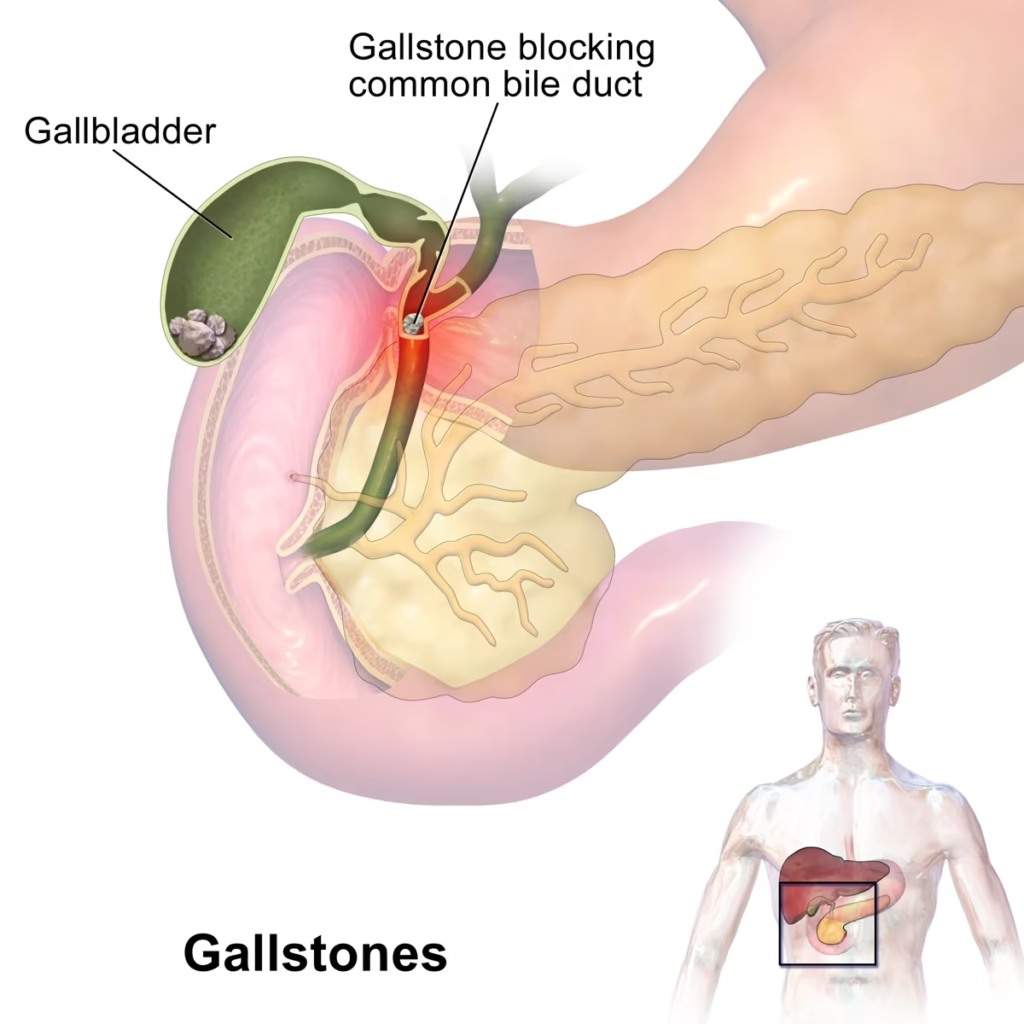
The gallbladder is a small, pear-shaped organ located beneath the liver on the right upper side of your abdomen.
Its primary function is to store bile, a digestive fluid produced by the liver that aids in the digestion of fats. When you consume a meal, especially one high in fat, the gallbladder contracts to release bile into the small intestine via the bile duct.
General shopping ideas, independent of this article’s advice.
Swipe to compare products → Biofinest Effervescent Vitamin C 1000mg D3 Zinc Collagen Multivitamin Calcium Magnesium Zinc Tablets Drink Sugar FreeFrom S$5.95Biofinest Probiotic 50 Billion CFU Enzyme Supplement 12 + 3 Prebiotics – Diet Slimming Eczema Detox Men Women (60 caps)From S$22.40Estalife Magnesium Glycinate 1000MG | Heart, Bone, Muscle, Sleep, Mood Health | 60 Veg CapsFrom S$13.99
Prices may vary by option. Check the final price and delivery on Shopee.
Gallstones are hard deposits that form within the gallbladder when substances in bile become imbalanced and crystallize.
These stones can vary in size and composition, with most containing cholesterol, bile salts, and bilirubin. Over time, a dysfunctional gallbladder may create a stagnant pool of concentrated bile, providing the perfect environment for stone formation.
How Gallstones Form
The formation of gallstones typically begins in the gallbladder itself. Several factors contribute to their development, including high levels of cholesterol in bile, elevated bilirubin concentration, gallbladder dysfunction affecting bile expulsion, and concentration of bile due to inadequate emptying.
Risk factors that increase your likelihood of developing gallstones include obesity, a high-cholesterol or high-fat diet, certain medical conditions, age (more common in middle-aged individuals), gender (women are more susceptible), family history of gallstones, and Asian ethnicity, as Asians have a higher predisposition compared to Western populations.
Read more: Health Screening in Singapore
Gallstone Symptoms and Complications
Many people with gallstones may remain asymptomatic for years. However, when stones block the bile ducts or cause inflammation, symptoms can manifest and often require medical attention.
Common Symptoms
- Upper Abdominal Discomfort: Bloating and discomfort, particularly after consuming heavy or fatty meals
- Pain: Severe and persistent pain in the upper right quadrant of the abdomen, which may radiate to the back or right shoulder blade
- Nausea and Vomiting: Digestive distress often accompanying gallbladder attacks
- Belching: Excessive burping and gas
- Indigestion: Difficulty digesting food, particularly fatty meals
- Diarrhea: Changes in bowel movements
Potential Complications
If left untreated, gallstones can lead to serious complications:
- Acute Cholecystitis: Inflammation of the gallbladder
- Cholangitis: Blockage and infection of the bile ducts resulting in pain, fever, and jaundice
- Pancreatitis: Inflammation of the pancreas due to blockage of the pancreatic duct
- Jaundice: Yellowing of the skin and eyes due to bile duct obstruction
- Sepsis: In severe cases, infection can spread to the bloodstream
Related article: Best JB Health Screening Clinics for Singaporeans
Diagnosis of Gallstones
If gallbladder disease is suspected based on your symptoms, your doctor will typically recommend the following diagnostic procedures:
- Abdominal Ultrasound: The most common and non-invasive method to detect gallstones
- Blood Tests: To check liver function and detect signs of infection or inflammation
- CT Scan: For more detailed imaging, especially when complications are suspected
- MRI Scan: To examine the bile ducts and detect stones that may have moved from the gallbladder
You might be interested: Irritable Bowel Syndrome (IBS): Causes, Symptoms and Treatment in Singapore
Treatment Options for Gallstones
Treatment approaches vary depending on the severity of symptoms and individual circumstances. The main options include:
Conservative Management
For asymptomatic gallstones, your doctor may recommend monitoring without immediate intervention, reducing fat intake, and being vigilant for worsening symptoms.
Medication
Medical treatment to dissolve gallstones is possible in certain scenarios but has limitations.
This approach takes months or even years for stones to dissolve, gallstones often recur when treatment stops, it’s not always effective, and it’s generally recommended only for patients who cannot undergo surgery.
You might like: Functional Dyspepsia Treatment in Singapore
Surgical Removal
Cholecystectomy (gallbladder removal) is the most definitive treatment for symptomatic gallstones. Since the gallbladder is not essential for digestion, removing it eliminates both the source of pain and prevents gallstones from recurring.
Types of Gallbladder Removal Surgeries
There are several surgical approaches to gallbladder removal, each with its own benefits and considerations.
Laparoscopic Cholecystectomy
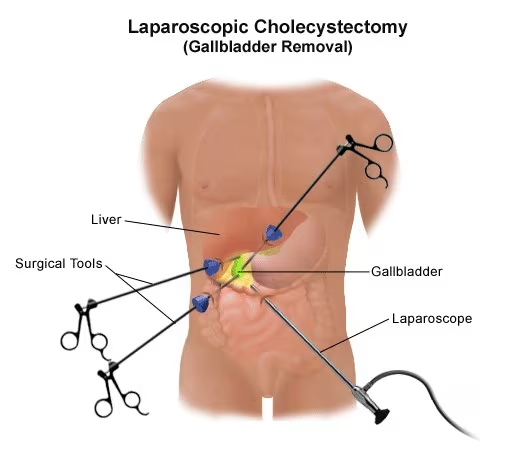
Laparoscopic cholecystectomy is now the standard and preferred method of gallbladder removal in Singapore. This minimally invasive procedure involves:
- Making 3-4 small incisions (0.5-1.0 cm) in the abdomen
- Inserting a laparoscope (a thin tube with a camera) through one incision
- Using specialized surgical instruments through the other incisions
- Visualizing the gallbladder on a monitor and carefully removing it
The procedure typically follows these steps:
- Identification of the gallbladder and surrounding structures
- Careful clipping and cutting of the cystic duct and cystic artery
- Dissection of the gallbladder from the liver
- Extraction of the gallbladder through one of the small incisions
You might like: Homeopathy in Singapore
Open Cholecystectomy
Open gallbladder removal involves making a single, larger incision (about 8 cm) in the abdomen to remove the gallbladder. This approach is generally necessary only in specific circumstances:
- Presence of significant scar tissue from previous surgeries
- Anatomical complications that make laparoscopic surgery difficult
- Severe inflammation or infection of the gallbladder
- Complications during a laparoscopic procedure requiring conversion to open surgery
Single Incision Laparoscopic Surgery (SILS)
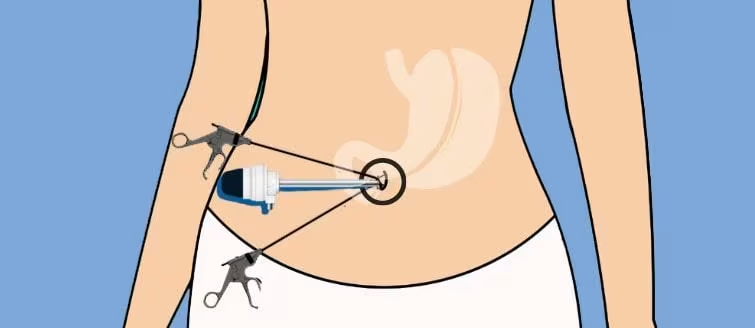
For patients particularly concerned about cosmetic outcomes, single incision laparoscopic surgery offers an attractive option:
- All surgical instruments are placed through a single small incision hidden in the umbilicus (belly button)
- Results in virtually no visible scarring once healed
- Maintains the benefits of minimally invasive surgery
You might like: Comprehensive Guide to Colonoscopy in Singapore
Benefits of Gallbladder Removal Surgery
Gallbladder removal offers several advantages for patients suffering from symptomatic gallstones:
Symptom Relief
- Eliminates pain and discomfort caused by gallstones
- Prevents recurrence of gallstone-related symptoms
Benefits of Laparoscopic Approach
The laparoscopic approach offers several advantages, including smaller and less noticeable scars, reduced blood loss during surgery, less post-operative pain, shorter hospital stay (typically one night or even same-day discharge), lower risk of infection, and faster overall recovery time (days to weeks versus weeks to months with open surgery).
This might help: The Ultimate Guide to Losing Weight in Singapore
Preparing for Gallbladder Removal Surgery
Proper preparation helps ensure a smooth surgical experience and optimal recovery.
Pre-Surgical Consultation
Your gastroenterologist or surgeon will conduct a comprehensive evaluation, review all blood tests and imaging results, discuss your medical history and medications, and explain the procedure, risks, and expected outcomes.
Pre-Surgery Instructions
Typical preparations include fasting (no food or drinks) for at least 4-6 hours before surgery, using antibacterial soap when showering before coming to the hospital, arranging transportation home after surgery, having someone available to stay with you during initial recovery, and temporarily stopping certain medications as advised by your doctor.
Recovery After Gallbladder Removal
Recovery timelines vary based on the surgical approach and individual healing factors.
Hospital Stay
- Laparoscopic surgery: Usually one night, sometimes same-day discharge for younger, healthier patients
- Open surgery: Typically 3-5 nights
Post-Operative Care
Post-operative care includes pain management with prescribed oral medications, caring for incision wounds as instructed by your surgeon, gradual return to normal activities, and follow-up appointments to monitor healing.
Activity Resumption
Normal activities are often possible the day after laparoscopic surgery. Gentle exercise can usually begin 1-2 weeks post-surgery, heavy lifting should be avoided for several weeks, and driving can typically be resumed when you’re pain-free and no longer taking narcotic pain medications.
Dietary Adjustments
Return to a normal diet is usually possible the day after surgery. Initial avoidance of fatty and oily foods is recommended, increased fiber intake (fruits and vegetables) aids digestion, and small, frequent meals may be easier to digest during early recovery.
Potential Risks and Complications
While gallbladder removal is generally safe, it’s important to understand potential risks:
Surgical Risks
These include reaction to anesthesia, bleeding during or after surgery, injury to bile ducts, intestines, or other nearby organs, deep vein thrombosis or blood clots, and wound infection.
Post-Surgery Side Effects
Common side effects include temporary difficulty digesting fatty foods, diarrhea or loose stools during the adjustment period, flatulence and gas, and abdominal discomfort.
Most side effects are temporary and can be managed with dietary modifications and, when necessary, medications. The body typically adjusts to functioning without a gallbladder within a few weeks to months.
Is Gallbladder Removal Right for You?
The decision to proceed with gallbladder removal should be made after careful consideration of the severity and frequency of symptoms, impact on quality of life, presence of complications, overall health and surgical risk factors, and thorough discussion of benefits and risks with your surgeon.
Remember that while the gallbladder serves a purpose in bile storage, it is not essential for digestion. The liver continues to produce bile, which flows directly into the small intestine even after the gallbladder is removed.
Frequently Asked Questions
Why remove the gallbladder instead of just the stones?
The fundamental issue with gallstones is often the gallbladder dysfunction that causes them to form. Simply removing the stones without addressing the dysfunctional gallbladder would likely result in stone recurrence. Gallbladder removal addresses both the current stones and prevents future formations, providing a definitive solution.
Will I need to change my diet after gallbladder removal?
While many patients can return to a normal diet after recovery, some dietary adjustments may be beneficial, especially initially.
Limiting high-fat foods, eating smaller, more frequent meals, and gradually reintroducing fats can help your digestive system adjust. Most patients eventually adapt to life without a gallbladder and can enjoy a normal diet with few restrictions.
Can gallstones come back after gallbladder removal?
Gallstones cannot recur after complete gallbladder removal since the organ that formed them is no longer present.
However, in rare cases, stones might form in the bile ducts. Maintaining a healthy diet and lifestyle can help prevent this uncommon occurrence.
How long is the recovery period after surgery?
Recovery varies by individual and surgical approach. After laparoscopic surgery, most patients return to light activities within days and normal activities within 1-2 weeks. Full recovery, including ability to lift heavy objects, typically takes 4-6 weeks. Open surgery generally requires a longer recovery period of 6-8 weeks or more.
Is it safe to delay gallstone removal if symptoms are mild?
Asymptomatic gallstones often don’t require immediate treatment. However, even mild symptoms may indicate potential for complications.
The decision to delay surgery should be made in consultation with your healthcare provider, who can assess your individual risk factors and symptom progression.
What factors contribute to the cost of gallbladder removal in Singapore?
Costs include surgical fees, anesthesia, hospital stay, pre-operative tests, and post-operative care. The type of procedure (laparoscopic vs. open) also affects pricing.
Singapore offers various healthcare financing options, including Medisave, MediShield Life, and private insurance coverage, which can substantially reduce out-of-pocket expenses.
Can I drive or return to work soon after surgery?
Most patients can return to desk jobs within a week after laparoscopic surgery. Driving is usually possible once you’re no longer taking pain medications and can comfortably perform emergency maneuvers (typically 5-7 days). Jobs requiring physical exertion may require a longer recovery period of 2-4 weeks.
Are there non-surgical alternatives for treating gallstones?
Non-surgical options include oral medications to dissolve gallstones and dietary modifications.
However, these approaches have limitations: medications work slowly (if at all), stones often recur when treatment stops, and they’re only suitable for certain types of gallstones. For symptomatic gallstones, surgery remains the most effective and definitive treatment.
What are the signs that I need emergency gallbladder treatment?
Seek immediate medical attention if you experience:
- Severe, unrelenting abdominal pain
- Pain accompanied by fever and chills
- Yellowing of skin or eyes (jaundice)
- Persistent nausea and vomiting
- Dark urine and/or clay-colored stools These symptoms may indicate serious complications requiring urgent intervention.
Will my digestion be affected permanently after gallbladder removal?
The gallbladder stores bile but isn’t essential for digestion. After removal, bile flows directly from the liver to the intestine.
Most patients experience minimal long-term digestive changes. Some may notice increased frequency of bowel movements or difficulty digesting very fatty meals, but these effects typically improve over time as the body adjusts.
How do I find the right surgeon for gallbladder removal in Singapore?
Look for board-certified surgeons with specific experience in gallbladder procedures.
Consider their experience with laparoscopic techniques, complication rates, and patient reviews.
University hospitals and specialized digestive centers often have surgeons who perform numerous gallbladder surgeries annually, which typically correlates with better outcomes.
Can gallstones be prevented through diet and lifestyle?
While not all gallstone risk factors are modifiable, maintaining a healthy weight, eating a balanced diet low in saturated fats and high in fiber, regular exercise, and staying well-hydrated may help reduce risk.
However, factors like age, gender, and genetic predisposition cannot be changed.
Conclusion
Gallbladder removal surgery is a common, safe, and effective solution for patients suffering from symptomatic gallstones.
With modern laparoscopic techniques, most patients experience minimal discomfort and quick recovery times.
While living without a gallbladder requires some adjustment, the vast majority of patients find that the benefits of eliminating gallstone pain and preventing future complications far outweigh any temporary inconveniences during recovery.
If you’re experiencing symptoms of gallstones, consulting with a qualified healthcare provider can help determine whether gallbladder removal is the right choice for your situation.
With proper preparation and care, you can look forward to a life free from gallstone pain and its associated complications.
General shopping ideas, independent of this article’s advice.
Swipe to compare products →Biofinest Gummy Vitamin Supplement – Beauty Energy Sleep Metabolism Men Women Kids Probiotics Multivitamin (60 Gummies)From S$17.95Tradishot Immunity Boost Drink | Turmeric Shot (Extra Strength) | Boost Immunity Energy & Well-being [7x35mL]S$38.00Optimum Nutrition, Gold Standard, 100% Whey Protein Powder, 2lbs (907g ) / 5 lbs (2.27 kg) / 10 lbs (4.54 kg)From S$82.89Prices may vary by option. Check the final price and delivery on Shopee.