

Singapore’s world-class healthcare system offers comprehensive orthopedic care for residents and visitors alike.
General shopping ideas, independent of this article’s advice.
Swipe to compare products → Biofinest Effervescent Vitamin C 1000mg D3 Zinc Collagen Multivitamin Calcium Magnesium Zinc Tablets Drink Sugar FreeFrom S$5.95Biofinest Probiotic 50 Billion CFU Enzyme Supplement 12 + 3 Prebiotics – Diet Slimming Eczema Detox Men Women (60 caps)From S$22.40Estalife Magnesium Glycinate 1000MG | Heart, Bone, Muscle, Sleep, Mood Health | 60 Veg CapsFrom S$13.99
Prices may vary by option. Check the final price and delivery on Shopee.
Whether you’re dealing with sports injuries, age-related joint problems, or chronic musculoskeletal conditions, understanding the costs involved in orthopedic treatment is crucial for making informed healthcare decisions.
This comprehensive guide explores everything you need to know about orthopedic costs in Singapore, from consultation fees to major surgical procedures, insurance coverage, and how to choose the right specialist for your needs.
Understanding Orthopedic Care in Singapore
Orthopedics represents a specialized branch of medicine focused on diagnosing, treating, and preventing conditions affecting the musculoskeletal system.
This includes bones, joints, ligaments, tendons, muscles, and nerves.
Singapore’s orthopedic specialists utilize various treatment approaches including surgery, physical therapy, medications, and minimally-invasive operations to help restore function and relieve pain for patients.
The field encompasses numerous subspecialties, allowing patients to receive highly targeted care for specific conditions. These subspecialties include spine surgery, joint replacement, sports medicine, hand and wrist surgery, foot and ankle care, pediatric orthopedics, and musculoskeletal oncology.
Read more: Which Orthopedic Doctor in Singapore Should You Consider?
Public vs Private Orthopedic Care: Cost Comparison
One of the most significant factors affecting orthopedic costs in Singapore is whether you choose public or private healthcare.
The price difference can be substantial, but each option offers distinct advantages.
Major Surgical Procedures Cost Comparison
| Procedure | Public Healthcare (Ward B2) | Private Healthcare |
|---|---|---|
| Total Knee Replacement | S$5,000 – S$8,000 | S$8,500 – S$13,000 |
| Total Hip Replacement | S$6,000 – S$9,300 | S$8,550 – S$12,850 |
| Partial Hip Replacement | S$4,400 – S$7,300 | S$6,400 – S$9,100 |
| Arm Realignment & Fracture Repair | S$2,100 – S$2,700 | S$6,300 – S$8,550 |
| Knee Ligament Repair | S$2,800 – S$4,900 | S$7,500 – S$10,700 |
Note: Costs assume no serious complications and may vary based on individual circumstances
Consultation and Diagnostic Costs
Consultation Fees:
- Public hospitals: S$50 – S$150 per visit (after subsidies for citizens/PRs)
- Private clinics: S$150 – S$300 per visit
Diagnostic Tests:
- X-ray: S$50 – S$100
- MRI scan: S$1,000 – S$2,000
- CT scan: S$400 – S$1,400
Non-Surgical Treatments:
- Physiotherapy: S$170 – S$300 per session
- Physical therapy: From S$180 per session
You might be interested: Best Orthopedic Doctor in JB for Singaporeans
Advanced Surgical Procedures
For more complex procedures, the costs can be significantly higher:
- Arthroscopy: Up to S$18,000
- Spinal surgery: S$30,000 – S$60,000
- Hip replacement (comprehensive): S$14,000 – S$30,000
- Knee replacement (comprehensive): S$19,000 – S$32,000
Factors Influencing Orthopedic Treatment Costs
Several variables affect the total cost of orthopedic care in Singapore:
Treatment Complexity:
Simple procedures like minor fracture repairs cost significantly less than complex joint replacements or spinal surgeries.
The level of surgical intervention required directly impacts pricing.
Surgeon’s Expertise and Reputation:
Highly experienced specialists with established reputations typically charge premium fees.
Surgeons with subspecialty training or academic appointments may command higher consultation and surgical fees.
Related article: Sports Doctors in Singapore: Guide to Finding a Suitable Specialist
Healthcare Facility:
Private hospitals and specialized orthopedic centers generally charge more than public institutions.
However, they often provide shorter waiting times and more luxurious amenities.
Diagnostic Requirements:
Comprehensive diagnostic workups including multiple imaging studies, specialized tests, and laboratory work can add substantially to overall costs.
Post-Operative Care:
Rehabilitation services, follow-up consultations, physical therapy sessions, and potential complications requiring additional treatment contribute to total expenses.
Insurance Coverage and Financial Assistance
Government-Sponsored Insurance Schemes
Singapore residents have access to several government insurance programs that help offset orthopedic costs:
Medisave:
This mandatory medical savings account can cover up to S$5,000 for surgical procedures, depending on the type of surgery.
Medisave also covers hospitalization expenses including daily ward charges, doctor’s fees, and medical supplies.
You might like: Total Knee Replacement Surgery in Singapore
Medishield Life:
This basic insurance scheme helps subsidize large medical bills, reducing the amount you need to pay from your Medisave account.
It provides coverage for both inpatient and selected outpatient treatments.
Medifund:
Serving as a safety net, Medifund assists patients who cannot afford treatment even after utilizing Medisave and Medishield benefits.
Medication Assistance Fund:
This program helps cover prescription medications not included in the standard drug list, subject to doctor’s assessment and approval.
Private Insurance Options
Many Singaporeans supplement government schemes with private health insurance, which can provide additional coverage for orthopedic treatments.
These plans often cover the gap between actual costs and government subsidies, and may offer benefits like choice of private specialists, shorter waiting times, premium ward accommodations, and coverage for experimental or newer treatments.
This might be helpful: ACL Reconstruction Surgery in Singapore: Causes, Costs
When to Seek Orthopedic Care
Conditions Requiring Immediate Orthopedic Attention
Certain situations warrant direct consultation with an orthopedic specialist rather than starting with a general practitioner:
Fractures and Broken Bones:
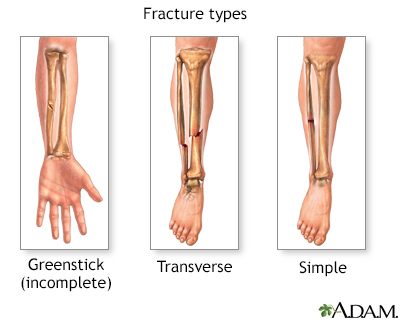
Major fractures with visible bone displacement or minor fractures that cause persistent, worsening pain during weight-bearing activities require immediate specialist attention.
Joint Dislocations:
When bones pop out of their joints, professional reduction and imaging are necessary to prevent future instability and complications.
Related article: Hip Replacement Surgery in Singapore: Cost, Risks
Complete Muscle or Ligament Tears:
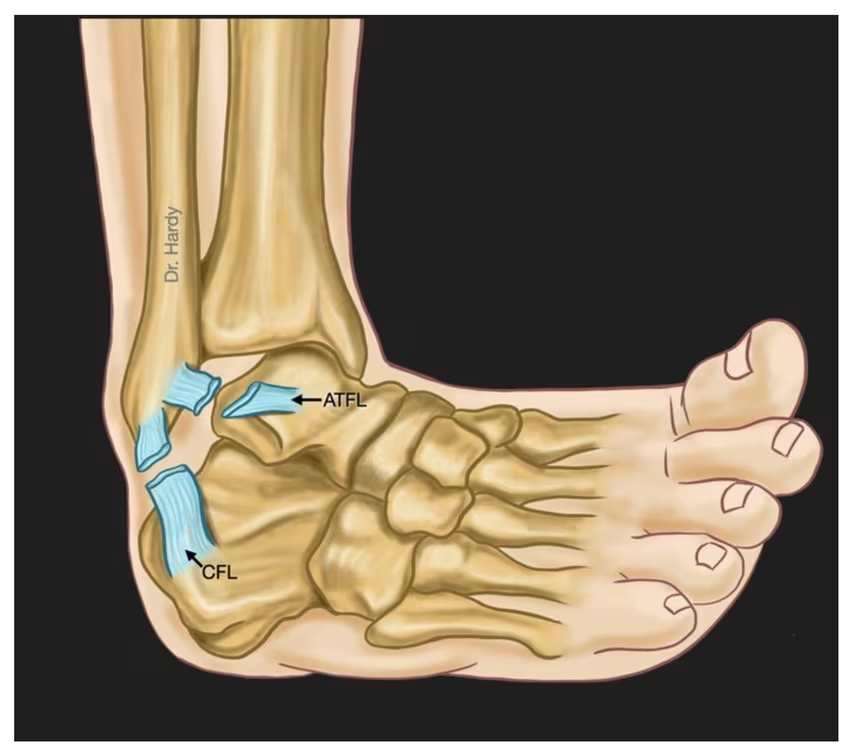
Distinguished from strains by severe pain, loss of function, and sometimes an audible “pop” during injury, these injuries require surgical repair for optimal recovery.
Bone Tumors:
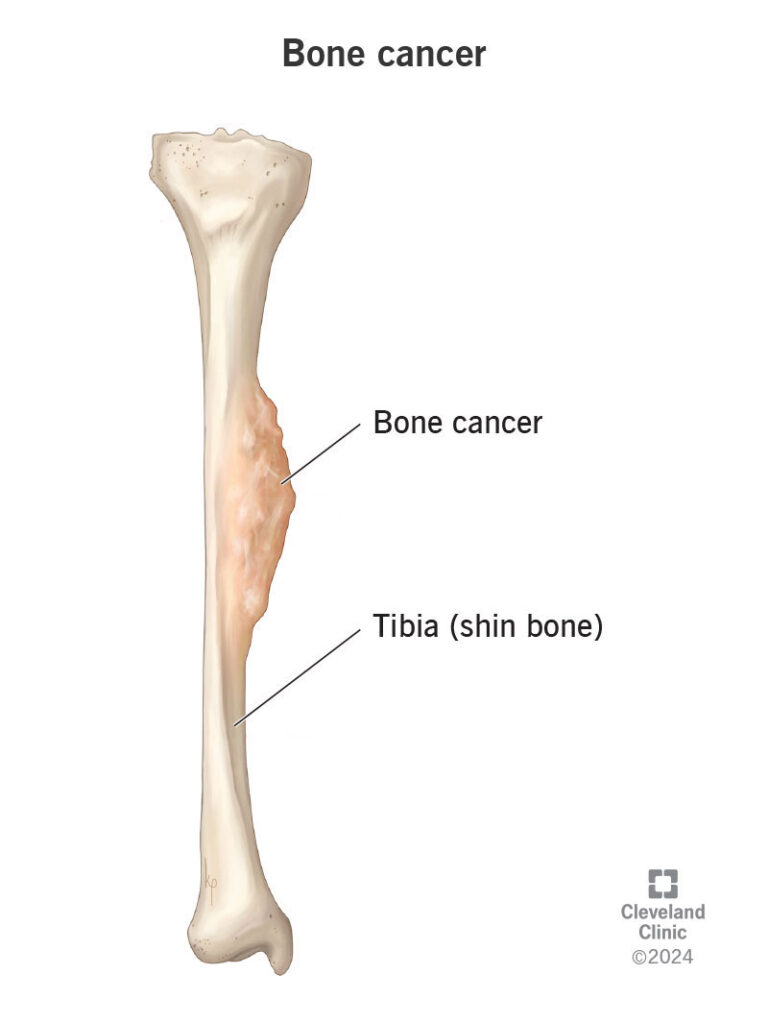
Though rare, any suspicious lumps, unexplained bone pain, or incidental findings on routine imaging require evaluation by a multidisciplinary team including orthopedic oncologists.
Conditions That May Start with GP Care
For minor injuries, starting with a general practitioner is often appropriate and cost-effective:
- Muscle strains from sports activities
- Minor sprains and twists
- General aches and pains from overexertion
- Soft tissue injuries that may respond to rest, ice, and anti-inflammatory medications
If these conditions don’t improve within 12 weeks of conservative treatment, referral to an orthopedic specialist becomes necessary.
You might like: Tennis Elbow Treatment in Singapore: Causes, Symptoms, Recovery
Warning Signs Requiring Orthopedic Evaluation
Several symptoms indicate the need for specialized orthopedic care. Chronic pain persisting longer than 12 weeks despite treatment requires professional evaluation, as does progressive joint stiffness and reduced range of motion.
Instability during basic activities like walking or standing should not be ignored. Signs of infection including warmth, redness, and swelling need immediate attention.
Additionally, soft tissue injuries not improving within 48 hours and joint pain that worsens during rest periods warrant specialist consultation.
Choosing the Right Orthopedic Specialist
Public vs Private Healthcare Considerations
Public Healthcare Advantages:
Public healthcare offers significantly lower costs, especially for Singaporean citizens and permanent residents.
Patients gain access to highly trained specialists and cutting-edge medical equipment, along with comprehensive multidisciplinary teams for complex conditions.
Government subsidies and insurance coverage further reduce financial burden.
Public Healthcare Limitations:
The main drawbacks include longer waiting times for appointments and procedures, limited choice in selecting specific surgeons, and potential assignment to junior residents or fellows.
Additionally, the service tends to be less personalized with fewer premium amenities.
Private Healthcare Advantages:
Private care provides rapid appointment scheduling and shorter waiting times, along with freedom to choose specific specialists.
Patients receive personalized care in premium facilities, often from experienced surgeons who have transitioned from public practice.
Private Healthcare Limitations:
The primary concerns are substantially higher costs and limited insurance coverage for certain procedures.
Private facilities may also have less comprehensive emergency care capabilities compared to major public hospitals.
Selecting the Right Subspecialist
Orthopedic medicine encompasses numerous subspecialties, and choosing a specialist whose expertise aligns with your condition is crucial.
Spine surgery specialists focus on back pain, disc problems, and spinal deformities.
Joint replacement experts specialize in hip and knee replacement surgeries. Sports medicine practitioners concentrate on athletic injuries and performance optimization.
Hand and wrist surgeons handle complex upper extremity conditions, while foot and ankle surgeons specialize in lower extremity problems.
Pediatric orthopedics addresses children’s musculoskeletal conditions, and orthopedic oncology focuses on bone and soft tissue tumors.
Evaluating Surgeon Credentials
When selecting an orthopedic surgeon, consider these important factors:
Education and Training:
Look for surgeons with proper medical degrees (MBBS or MD) followed by specialized orthopedic training.
Fellowship qualifications like FRCS (Royal College of Surgeons) or FRACS (Royal Australasian College of Surgeons) indicate advanced training.
Experience Level:
Consider the surgeon’s years of practice and specific experience with your condition.
Surgeons who have performed hundreds of procedures similar to yours typically achieve better outcomes.
Academic Involvement:
Surgeons with academic appointments, research publications, or teaching responsibilities often stay current with latest techniques and technologies.
Patient Reviews and Outcomes:
Research patient testimonials and, when available, outcome statistics for specific procedures.
Common Orthopedic Treatments and Procedures
Joint Replacement Surgery
Total Knee Replacement:
One of the most frequently performed orthopedic procedures in Singapore, particularly beneficial for patients with severe arthritis.
The procedure involves replacing damaged knee components with artificial materials designed to restore function and reduce pain.
Total Hip Replacement:
Commonly recommended for elderly patients with osteoarthritis or those who have suffered hip fractures. The surgery replaces the damaged hip joint with prosthetic components.
Partial Joint Replacement:
Less invasive than total replacement, this procedure addresses only the damaged portion of the joint while preserving healthy tissue.
Minimally Invasive Procedures
Arthroscopy: This keyhole surgery technique allows surgeons to diagnose and treat joint problems through small incisions, resulting in faster recovery times and reduced scarring.
Hyaluronic Acid Injections:
Also known as viscosupplementation, this treatment involves injecting gel-like substances into joints to improve lubrication and reduce pain associated with arthritis.
Fracture Management
Simple Fracture Repair:
Minor fractures may require only casting or splinting, while complex fractures need surgical intervention with plates, screws, or other hardware.
Complex Fracture Reconstruction:
Severe trauma cases often require extensive surgical reconstruction using multiple implants and specialized techniques.
Ligament and Tendon Surgery
ACL Reconstruction:
Common among athletes, this procedure rebuilds the anterior cruciate ligament using tendon grafts from other parts of the body.
Rotator Cuff Repair:
Addresses tears in the shoulder’s rotator cuff muscles and tendons, which are crucial for arm movement and stability.
Age-Related Orthopedic Conditions
Osteoporosis Management
Singapore sees high rates of osteoporosis, particularly among post-menopausal women. This condition causes bones to become progressively brittle, increasing fracture risk.
Treatment approaches include hormone replacement therapy for appropriate candidates, calcium and vitamin D supplementation, antiresorptive medications to slow bone loss, weight-bearing exercise programs, and fall prevention strategies.
Arthritis Treatment
Various forms of arthritis affect Singapore’s aging population, with treatment options ranging from conservative management to surgical intervention.
These include anti-inflammatory medications, physical therapy and exercise programs, joint injections with corticosteroids or hyaluronic acid, and ultimately joint replacement when conservative measures fail.
Navigating Singapore’s Healthcare System
Public Healthcare Pathway
Accessing public orthopedic care typically involves:
- Initial consultation with a polyclinic general practitioner
- Referral to a public hospital orthopedic department
- Waiting period of 2 weeks to 2 months for specialist appointment
- Additional waiting time for diagnostic tests and procedures
- Potential total timeline of up to one year from initial complaint to final treatment
Private Healthcare Access
Private orthopedic care offers more direct access:
- Direct appointment booking with chosen specialist
- Consultation typically available within one week
- Rapid scheduling of diagnostic tests and procedures
- Treatment can often begin within 1-2 weeks of initial consultation
Preparing for Orthopedic Treatment
Financial Planning
Before undergoing orthopedic treatment, consider important financial aspects.
Obtain detailed cost estimates including all associated fees and verify insurance coverage and pre-authorization requirements.
Understand payment schedules and financing options, budget for rehabilitation and follow-up care costs, and consider potential time off work and associated income loss.
Pre-Treatment Preparation
Successful orthopedic treatment often depends on proper preparation.
Complete all recommended diagnostic tests and follow pre-operative instructions carefully.
Arrange for post-operative support and transportation, prepare your home environment for recovery, and understand rehabilitation expectations and timeline.
Recovery and Rehabilitation
Post-Surgical Care
Most orthopedic procedures require comprehensive rehabilitation programs:
Physical Therapy:
Essential for restoring strength, flexibility, and function. Sessions may continue for several months depending on the procedure complexity.
Occupational Therapy:
Helps patients adapt daily activities during recovery and learn techniques to prevent re-injury.
Pain Management:
Proper pain control facilitates better participation in rehabilitation and faster recovery.
Follow-Up Care:
Regular monitoring ensures proper healing and early detection of potential complications.
Return to Activities
Recovery timelines vary significantly based on the procedure and individual factors.
Minor arthroscopic procedures typically require 2-6 weeks for full recovery, while joint replacement surgery needs 3-6 months.
Complex reconstructive surgery may take 6-12 months or longer, and spinal surgery recovery is highly variable depending on procedure complexity.
Frequently Asked Questions
How much does it cost to see an orthopedic specialist in Singapore
The cost varies significantly between public and private healthcare. In public hospitals, consultation fees range from S$50-S$150 per visit for citizens and permanent residents after subsidies.
Private specialist consultations typically cost S$150-S$300 per visit, with additional charges for diagnostic tests and procedures.
Should I go to a public or private orthopedic surgeon
The choice depends on your priorities and circumstances.
Public healthcare offers significant cost savings and access to highly qualified specialists, but involves longer waiting times and limited choice of surgeons.
Private care provides faster access, surgeon selection, and personalized service at substantially higher costs.
What insurance covers orthopedic treatment in Singapore
Singapore residents can use Medisave for surgical procedures up to S$5,000, Medishield Life for larger medical bills, and Medifund as a safety net for those who cannot afford treatment.
Many residents also maintain private health insurance to cover gaps in government coverage and access premium services.
When should I see an orthopedic surgeon instead of a GP
See an orthopedic surgeon directly for fractures, joint dislocations, complete muscle or ligament tears, suspected bone tumors, chronic pain lasting over 12 weeks, progressive joint stiffness, instability during basic activities, or soft tissue injuries not improving within 48 hours.
How long do I have to wait for orthopedic surgery in Singapore
Waiting times vary dramatically between public and private healthcare. Public patients may wait 2 weeks to 2 months for initial specialist consultation, with additional waiting time for surgery that can extend the total timeline to nearly a year.
Private patients can typically schedule surgery within 1-2 weeks of consultation.
What should I look for when choosing an orthopedic surgeon
Consider the surgeon’s subspecialty training relevant to your condition, years of experience, fellowship qualifications (FRCS or FRACS), academic involvement, patient reviews, and hospital affiliations.
Ensure they have extensive experience with your specific procedure and maintain good communication skills.
Are orthopedic procedures covered by Medisave
Yes, Medisave covers many orthopedic procedures including hospitalization expenses, surgical fees, doctor’s attendance fees, and medical supplies.
Coverage limits depend on the specific procedure, with surgical coverage up to S$5,000 for most operations.
How much does knee replacement surgery cost in Singapore
Total knee replacement costs range from S$5,000-S$8,000 in public hospitals (Ward B2) and S$8,500-S$13,000 in private facilities.
Comprehensive private knee replacement including all associated costs can reach S$19,000-S$32,000.
What is the difference between public and private orthopedic care quality
Both sectors maintain high medical standards with qualified specialists.
Public hospitals often have access to cutting-edge equipment and comprehensive multidisciplinary teams, while private facilities offer more personalized service and potentially more experienced surgeons who have transitioned from public practice.
Can foreigners access orthopedic care in Singapore
Yes, foreigners can access both public and private orthopedic care in Singapore, though they pay full fees without subsidies available to citizens and permanent residents.
Many expatriates rely on private health insurance provided by their employers or purchase individual coverage.
How much does hip replacement surgery cost in Singapore
Total hip replacement costs S$6,000-S$9,300 in public hospitals and S$8,550-S$12,850 in private facilities for the basic procedure. Comprehensive private hip replacement including all related expenses can cost S$14,000-S$30,000.
What are the most common orthopedic procedures in Singapore
The most frequently performed procedures include total knee replacement, total hip replacement, arthroscopic surgery, ligament reconstruction (particularly ACL repair), fracture fixation, and spinal surgery.
Joint replacement procedures are especially common due to Singapore’s aging population.
How do I prepare financially for orthopedic surgery
Obtain detailed cost estimates from your healthcare provider, verify insurance coverage and pre-authorization requirements, understand your Medisave benefits, consider private insurance options, budget for rehabilitation costs, and plan for potential time off work during recovery.
What happens during an orthopedic consultation
Expect to complete paperwork regarding your medical history and symptoms, undergo a physical examination focusing on the affected area, potentially receive additional diagnostic tests like X-rays or MRIs, and discuss treatment options ranging from conservative management to surgical intervention.
How long is recovery time for orthopedic surgery
Recovery varies by procedure complexity. Minor arthroscopic procedures may require 2-6 weeks, joint replacement surgery typically needs 3-6 months for full recovery, complex reconstructive procedures can take 6-12 months, and spinal surgery recovery is highly variable depending on the specific procedure performed.
Conclusion
Understanding orthopedic costs in Singapore requires careful consideration of multiple factors including the type of treatment needed, choice between public and private healthcare, insurance coverage, and long-term financial planning.
While Singapore’s healthcare system offers world-class orthopedic care through both public and private channels, the cost differential can be substantial.
The key to making informed decisions lies in thoroughly researching your options, understanding available insurance benefits, and choosing specialists whose expertise aligns with your specific condition.
Whether you opt for the cost-effective public system or the convenience of private care, Singapore’s orthopedic specialists are well-equipped to provide excellent treatment outcomes.
Remember that investing in proper orthopedic care can significantly impact your long-term quality of life, mobility, and overall health.
While costs may seem substantial initially, early intervention and appropriate treatment often prevent more expensive complications and provide better outcomes than delayed care.
For the most current pricing information and to explore your specific insurance coverage options, consult directly with healthcare providers and insurance advisors who can provide personalized guidance based on your individual circumstances and medical needs.
General shopping ideas, independent of this article’s advice.
Swipe to compare products →Biofinest Gummy Vitamin Supplement – Beauty Energy Sleep Metabolism Men Women Kids Probiotics Multivitamin (60 Gummies)From S$17.95Tradishot Immunity Boost Drink | Turmeric Shot (Extra Strength) | Boost Immunity Energy & Well-being [7x35mL]S$38.00Optimum Nutrition, Gold Standard, 100% Whey Protein Powder, 2lbs (907g ) / 5 lbs (2.27 kg) / 10 lbs (4.54 kg)From S$82.89Prices may vary by option. Check the final price and delivery on Shopee.