
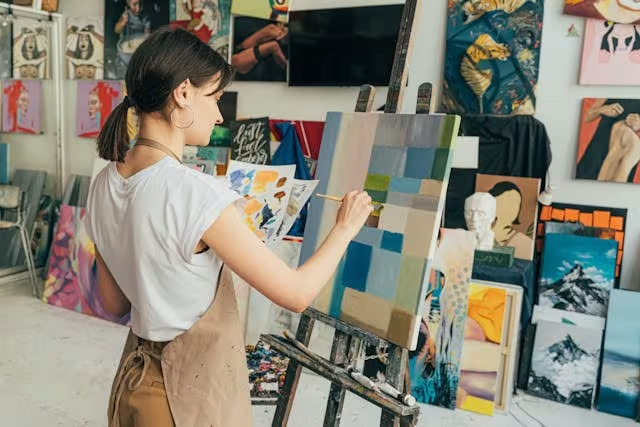
Art therapy has emerged as a powerful and transformative approach to mental health treatment, offering individuals a unique pathway to healing through creative expression.
General shopping ideas, independent of this article’s advice.
Swipe to compare products → Biofinest Effervescent Vitamin C 1000mg D3 Zinc Collagen Multivitamin Calcium Magnesium Zinc Tablets Drink Sugar FreeFrom S$5.95Biofinest Probiotic 50 Billion CFU Enzyme Supplement 12 + 3 Prebiotics – Diet Slimming Eczema Detox Men Women (60 caps)From S$22.40Estalife Magnesium Glycinate 1000MG | Heart, Bone, Muscle, Sleep, Mood Health | 60 Veg CapsFrom S$13.99
Prices may vary by option. Check the final price and delivery on Shopee.
In Singapore, this innovative therapeutic modality has gained significant recognition as an effective intervention for people across all age groups, from children to adults, who are seeking emotional healing, personal growth, and psychological well-being.
Understanding Art Therapy: More Than Just Creating Art
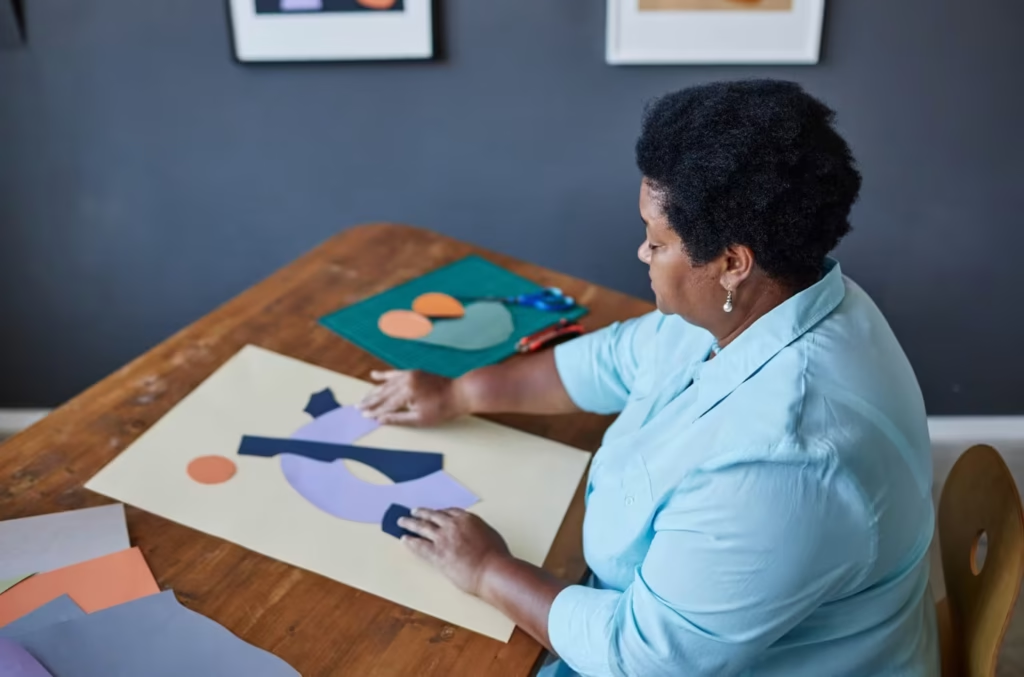
Art therapy represents a specialized form of psychotherapy that harnesses the power of artistic creation as its primary vehicle for expression and communication.
Unlike traditional talk therapy, this approach recognizes that sometimes words alone cannot adequately capture or process complex emotions, traumatic experiences, or internal conflicts.
Related article: Psychiatrists in Singapore: How Can They Help?
Through the creative process, individuals can access and explore aspects of their psychological landscape that might otherwise remain hidden or difficult to articulate.
The fundamental principle underlying art therapy rests on the understanding that the act of creating art engages multiple areas of the brain simultaneously, activating neural pathways associated with visual processing, emotional regulation, motor function, and memory formation.
This multi-sensory engagement creates opportunities for healing that extend beyond conventional therapeutic approaches.
Art therapy distinguishes itself from art classes or recreational art activities through its therapeutic framework and clinical objectives.
While artistic skill or previous experience is never required, the process is facilitated by trained professionals who understand how to guide clients through meaningful exploration of their creative expressions in service of therapeutic goals.
You might like: Psychologists in Singapore: How Can They Help?
The Multifaceted Benefits of Art Therapy
The therapeutic benefits of art therapy extend across numerous dimensions of human experience, addressing psychological, emotional, cognitive, and social aspects of well-being.
Research has consistently demonstrated that engagement in art therapy can lead to significant improvements in emotional regulation, helping individuals develop more effective strategies for managing difficult feelings such as anxiety, depression, anger, or grief.
One of the most profound benefits of art therapy lies in its capacity to enhance self-awareness and self-understanding.
Through the creative process, individuals often discover aspects of themselves that were previously unconscious or unexpressed.
The artwork serves as a mirror, reflecting internal states and providing insights that can lead to greater self-acceptance and personal growth.
The non-verbal nature of artistic expression makes art therapy particularly valuable for individuals who struggle with traditional verbal therapies.
Related article: Sex Addiction Treatment in Singapore
This includes people who have experienced trauma, those with developmental or learning differences, individuals dealing with grief or loss, and anyone who finds it challenging to articulate their emotions through words alone.
Art therapy also provides significant benefits for cognitive function, including improvements in problem-solving abilities, enhanced concentration, and increased mental flexibility.
The creative process requires individuals to make decisions, experiment with different approaches, and adapt to unexpected outcomes, all of which strengthen cognitive resilience and adaptability.
Social and interpersonal benefits emerge through group art therapy sessions, where participants can share their creative experiences, provide mutual support, and develop stronger communication skills.
Even in individual therapy, the relationship between client and therapist is enriched through the shared exploration of artistic creations.
You might like: Gaming Addiction Treatment in Singapore
The Therapeutic Process: How Art Therapy Creates Change
The mechanism through which art therapy facilitates healing operates on multiple levels simultaneously.
At the neurological level, engaging in creative activities stimulates the release of dopamine and other neurotransmitters associated with pleasure and reward, creating positive associations with the therapeutic process and enhancing motivation for continued engagement.
The creative process itself provides a safe container for exploring difficult emotions or traumatic memories.
You might like: Comprehensive Guide to Drug Addiction Treatment in Singapore
Unlike direct verbal processing, which can sometimes feel overwhelming or retraumatizing, artistic expression allows individuals to approach sensitive material gradually and at their own pace.
The artwork serves as an intermediary, providing psychological distance that makes exploration feel safer and more manageable.
Art therapy also facilitates what psychologists call “externalizing” internal experiences. By giving form to feelings, thoughts, or memories through artistic creation, individuals can observe and examine these aspects of their experience from a new perspective.
This externalization often leads to increased insight and understanding, as well as a greater sense of control over previously overwhelming experiences.
The symbolic nature of artistic expression allows for multiple layers of meaning and interpretation.
A single piece of artwork might represent different aspects of an individual’s experience simultaneously, providing rich material for therapeutic exploration and understanding.
Related article: Divorce Counselling in Singapore
What to Expect During Art Therapy Sessions
- Safe and Welcoming Environment – Sessions take place in carefully structured spaces designed to provide both safety and creative freedom, with a non-judgmental atmosphere and all necessary art materials provided by the therapist while maintaining appropriate therapeutic boundaries
- Initial Rapport Building and Introduction – Early sessions focus on building trust and rapport while introducing clients to various art materials and techniques, with therapists explaining the therapeutic process and helping establish treatment goals while addressing any concerns about artistic abilities
- Flexible Session Structure – Ongoing sessions vary based on individual needs and therapeutic goals, with some beginning with specific art directives from the therapist while others involve open-ended exploration of materials and creative processes
- Active Therapist Engagement During Creation – Throughout the creative process, therapists remain actively engaged by observing both the artwork being created and the creation process itself, including the client’s choices, hesitations, breakthroughs, and emotional responses
- Collaborative Reflection and Discussion – Following the creation phase, therapist and client engage in dialogue about the artwork and creative process to deepen understanding and integrate insights, with the therapist supporting clients in discovering their own meanings rather than providing interpretations
You might be interested: Couples Counselling in Singapore
Art Materials and Techniques in Therapeutic Practice
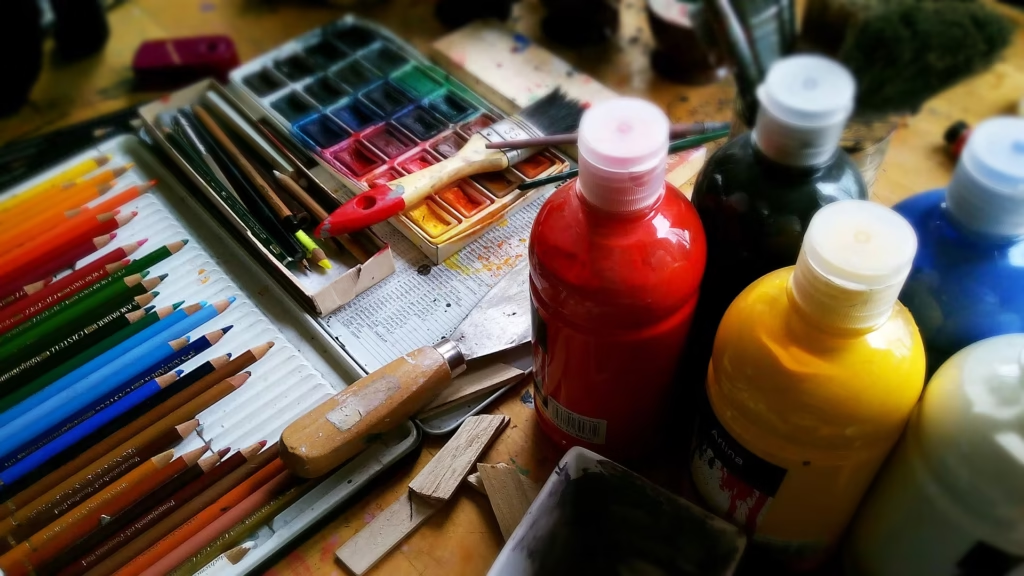
The range of materials and techniques available in art therapy is extensive, allowing therapists to match specific mediums to individual client needs and therapeutic objectives.
Traditional materials include various painting mediums such as watercolors, acrylics, and tempera paints, each offering different qualities and possibilities for expression.
Drawing materials encompass pencils, charcoal, pastels, and markers, providing options for detailed work or broad expressive strokes.
Three-dimensional materials such as clay, plasticine, and sculpture materials offer opportunities for tactile engagement and the creation of objects that can be manipulated and transformed.
Read more: Autism Assessment in Singapore
Collage materials, including magazines, fabric, natural materials, and found objects, support clients who prefer working with existing images and textures rather than creating from scratch.
Digital media and photography are increasingly incorporated into art therapy practice, particularly with younger clients who are comfortable with technology.
The selection of materials is always purposeful, with therapists considering factors such as the client’s age, developmental level, cultural background, physical abilities, and therapeutic goals.
Some materials are chosen for their regressive qualities, allowing clients to connect with younger parts of themselves, while others are selected for their potential to develop mastery and confidence.
Specialized techniques such as mandala creation, mask making, story illustration, and visual journaling provide structured approaches to exploring specific themes or concerns.
Sand play therapy, incorporating miniature figures and objects in sand trays, offers another avenue for symbolic expression and exploration.
You might like: Best K-pop Dance Classes in Singapore
Who Can Benefit from Art Therapy?
Art therapy demonstrates effectiveness across a remarkably broad range of populations and presenting concerns.
Children and adolescents often respond particularly well to art therapy, as creative expression feels natural and engaging to young people.
Art therapy supports children dealing with behavioral difficulties, learning challenges, family disruption, trauma, or developmental concerns.
Adults facing mental health challenges such as depression, anxiety, post-traumatic stress disorder, or substance abuse find art therapy provides alternative pathways to healing when traditional approaches feel insufficient or overwhelming.
The approach is particularly valuable for individuals who have experienced trauma, as it allows for processing difficult experiences without requiring direct verbal recounting.
Older adults benefit from art therapy’s capacity to support cognitive function, provide meaningful engagement, and offer opportunities for life review and legacy creation.
Art therapy programs in senior care settings often focus on maintaining cognitive abilities while providing emotional support and social connection.
People dealing with medical conditions, chronic illness, or physical disabilities find that art therapy offers ways to process the emotional impact of their health challenges while potentially supporting overall healing and well-being.
The approach is also valuable for individuals navigating major life transitions, grief and loss, relationship difficulties, or identity concerns.
Related article: Pornography Addiction Treatment in Singapore
Professional Standards and Training Requirements
- Master’s-Level Education Required – Art therapists must complete specialized master’s-level education in art therapy or art psychotherapy, combining knowledge of psychology, human development, and therapeutic techniques with understanding of art materials and processes
- Comprehensive Academic Coursework – Training programs include extensive study in psychological theory, human development, psychopathology, research methods, and therapeutic techniques, plus specialized training in art materials and processes to understand how different mediums support therapeutic objectives
- Supervised Clinical Training – Students complete supervised practicum experiences in various settings as a crucial component of professional preparation, allowing them to integrate academic learning with real-world practice under experienced supervision
- Ongoing Professional Development – Practicing art therapists must meet continuing education requirements to stay current with field developments, maintain clinical skills, and expand their knowledge base throughout their careers
- Professional Association Support – Professional associations provide ongoing resources, support, and opportunities for continued professional development and career growth
| Training Component | Requirements | Duration |
|---|---|---|
| Master’s Degree | Art Therapy or Art Psychotherapy | 2-3 years |
| Clinical Practicum | Supervised client contact hours | 700+ hours |
| Personal Therapy | Individual therapeutic experience | Ongoing |
| Continuing Education | Professional development courses | Annual |
Art Therapy Landscape in Singapore
Singapore has developed a robust art therapy community with growing recognition of the field’s value within the healthcare and social services sectors.
Professional art therapists in Singapore are encouraged to maintain membership in relevant professional associations and pursue credentialing through recognized bodies to ensure adherence to international standards of practice.
The Singapore healthcare system increasingly recognizes art therapy as a valuable complement to traditional medical and psychiatric treatment.
Art therapists work in various settings throughout Singapore, including hospitals, mental health facilities, schools, community centers, and private practice settings.
Cultural sensitivity represents an important consideration in Singapore’s diverse multicultural environment.
Art therapists working in Singapore are trained to understand and respect the cultural backgrounds of their clients, adapting their approaches to be culturally appropriate and relevant.
Access to art therapy services continues to expand throughout Singapore, with both public and private options available.
Some services may be covered by insurance plans, though coverage varies significantly between providers and specific policy terms.
Research Foundation and Evidence Base
The effectiveness of art therapy is supported by a growing body of research demonstrating positive outcomes across diverse populations and settings.
Neuroimaging studies have revealed specific patterns of brain activation during art-making that support therapeutic benefits, including increased activity in areas associated with emotional regulation and stress reduction.
Clinical research has documented significant improvements in symptoms of depression, anxiety, and trauma-related disorders among individuals participating in art therapy programs.
Studies with children and adolescents have shown particular promise, with art therapy demonstrating effectiveness for young people dealing with behavioral difficulties, family disruption, and emotional challenges.
Research on art therapy with older adults has revealed benefits for cognitive function, mood, and quality of life.
Studies in medical settings have shown that art therapy can reduce anxiety, pain perception, and stress while supporting overall healing and recovery processes.
The evidence base continues to expand as researchers explore art therapy’s applications with new populations and in novel settings.
This ongoing research supports the field’s credibility and informs best practices for therapeutic intervention.
Frequently Asked Questions
What exactly happens during an art therapy session?
Art therapy sessions typically begin with a brief check-in between therapist and client to discuss current concerns or experiences.
The therapist may then introduce specific art materials or suggest a particular creative direction, though clients are always free to work on whatever feels most meaningful to them.
During the creative process, the therapist observes and may engage in supportive dialogue, but the focus remains on the client’s creative exploration.
Sessions conclude with discussion and reflection on both the artwork created and the process of creating it.
Do I need to have artistic talent or experience to benefit from art therapy?
Artistic skill or previous experience is never required for art therapy. The therapeutic value lies in the process of creating and exploring, not in producing aesthetically pleasing artwork.
Many clients initially feel concerned about their artistic abilities, but therapists are skilled at helping individuals move beyond these concerns to focus on the therapeutic benefits of creative expression.
How is art therapy different from regular art classes or recreational art activities?
While both involve creating art, art therapy is conducted by trained mental health professionals within a therapeutic framework designed to address specific psychological and emotional concerns.
The focus is on therapeutic process and outcomes rather than artistic instruction or skill development.
Art therapy sessions include clinical assessment, treatment planning, and therapeutic intervention strategies that are not present in educational or recreational art activities.
What types of art materials are typically used in art therapy sessions?
Art therapy utilizes a wide range of materials including paints, drawing materials, clay, collage supplies, fabric, natural materials, and digital media.
The selection of materials is purposeful and based on therapeutic goals, client preferences, and individual needs.
All materials are provided by the therapist, and clients are encouraged to experiment with different mediums to discover what feels most expressive and meaningful.
Can art therapy help with specific mental health conditions?
Research has demonstrated art therapy’s effectiveness for numerous mental health conditions including depression, anxiety, trauma-related disorders, eating disorders, substance abuse, and behavioral difficulties.
The approach is particularly valuable for individuals who find traditional talk therapy challenging or insufficient.
However, art therapy is not a replacement for medical treatment of serious mental health conditions and works best as part of comprehensive treatment planning.
How long does art therapy treatment typically last?
The duration of art therapy varies significantly based on individual needs, presenting concerns, and treatment goals.
Some clients benefit from short-term intervention lasting several months, while others engage in longer-term therapy extending over multiple years.
The therapist and client work together to determine appropriate treatment length and frequency of sessions.
Is art therapy appropriate for children?
Art therapy is particularly well-suited for children and adolescents, as creative expression often feels natural and engaging for young people.
Children may find it easier to express complex feelings through art rather than words.
Art therapy can address various childhood concerns including behavioral difficulties, family changes, trauma, grief, and developmental challenges.
What should I expect during my first art therapy session?
Initial sessions typically involve completing intake paperwork and getting acquainted with the therapist and therapeutic environment.
The therapist will explain the art therapy process, discuss your goals and concerns, and introduce you to available art materials.
You may create some artwork during this first session, though the primary focus is on establishing comfort and understanding of the therapeutic process.
How do I find a qualified art therapist in Singapore?
Qualified art therapists in Singapore hold master’s degrees in art therapy or art psychotherapy and maintain professional credentials through recognized associations.
You can search online directories of registered professionals, contact professional associations for referrals, or inquire at healthcare facilities about art therapy services.
It’s important to verify that potential therapists have appropriate training and credentials.
Is art therapy covered by insurance in Singapore?
Insurance coverage for art therapy varies significantly between providers and individual policy terms.
Some insurance plans may cover art therapy when provided by licensed mental health professionals, while others may not include coverage for this specialized service.
It’s advisable to contact your insurance provider directly to understand your specific coverage options and requirements.
Can art therapy be combined with other forms of treatment?
Art therapy often works effectively in combination with other therapeutic approaches, medical treatment, or psychiatric care.
Many art therapists collaborate with other healthcare professionals as part of comprehensive treatment teams.
The integration of multiple treatment modalities can enhance overall therapeutic outcomes and provide more complete support for complex concerns.
What happens to the artwork I create during therapy sessions?
Artwork created during therapy sessions belongs to the client and remains confidential within the therapeutic relationship.
Therapists maintain records of artwork for treatment purposes but do not share images without explicit client consent.
At the conclusion of treatment, artwork is typically returned to the client, though some pieces may be retained throughout the therapeutic process to support ongoing exploration and insight.
General shopping ideas, independent of this article’s advice.
Swipe to compare products →Biofinest Gummy Vitamin Supplement – Beauty Energy Sleep Metabolism Men Women Kids Probiotics Multivitamin (60 Gummies)From S$17.95Tradishot Immunity Boost Drink | Turmeric Shot (Extra Strength) | Boost Immunity Energy & Well-being [7x35mL]S$38.00Optimum Nutrition, Gold Standard, 100% Whey Protein Powder, 2lbs (907g ) / 5 lbs (2.27 kg) / 10 lbs (4.54 kg)From S$82.89Prices may vary by option. Check the final price and delivery on Shopee.