
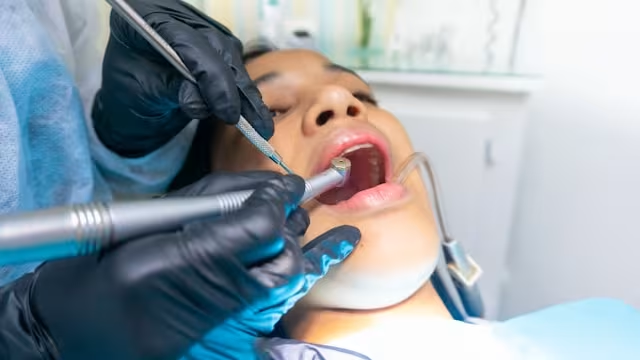
Root canal treatment, also known as endodontic treatment, is a dental procedure designed to save teeth that would otherwise need extraction due to infection or damage.
This procedure is essentially a lifesaver for compromised teeth, preserving your natural smile and maintaining proper oral function.
General shopping ideas, independent of this article’s advice.
Swipe to compare products → Biofinest Effervescent Vitamin C 1000mg D3 Zinc Collagen Multivitamin Calcium Magnesium Zinc Tablets Drink Sugar FreeFrom S$5.95Biofinest Probiotic 50 Billion CFU Enzyme Supplement 12 + 3 Prebiotics – Diet Slimming Eczema Detox Men Women (60 caps)From S$22.40Estalife Magnesium Glycinate 1000MG | Heart, Bone, Muscle, Sleep, Mood Health | 60 Veg CapsFrom S$13.99
Prices may vary by option. Check the final price and delivery on Shopee.
To understand root canal treatment, it’s helpful to first understand the anatomy of a tooth. Each tooth consists of three main layers:
- The outer enamel – the hard white protective surface
- The middle layer made of dentine and cementum
- The innermost pulp (pulp chamber) – containing nerves and blood vessels
The pulp is normally protected by the thick layers of enamel and dentine. However, when bacteria penetrate these protective layers and reach the pulp, an infection occurs, causing inflammation and pain.
Read more: Pulpotomy Treatment in Singapore
During a root canal procedure, the infected or damaged pulp is removed, the canals are cleaned, disinfected, and then sealed to prevent further infections and maintain the tooth’s structural integrity.
In Singapore, approximately 8% of adults have undergone root canal treatment. It’s a common and necessary procedure that helps thousands of patients avoid tooth extraction while preserving their natural smile and maintaining oral health.
Root Canal Treatment Benefits
Undergoing root canal treatment offers numerous advantages:
- Pain relief: Eliminates the persistent tooth pain that may have been keeping you awake at night.
- Tooth preservation: Allows you to keep your natural tooth instead of requiring extraction.
- Prevents infection spread: Stops infection from progressing to other teeth, the jaw, soft tissues, or facial spaces.
- Function restoration: Enables normal chewing and biting without discomfort.
- Natural appearance: The treated tooth can be capped with a natural-looking crown.
- Cost-effective: Generally less expensive than extracting and replacing a tooth with alternatives like implants or bridges.
- Quick recovery: Most patients can return to normal activities the day after treatment.
- Maintains oral hygiene: You can brush and floss the treated tooth just like your other teeth, promoting overall dental health.
With proper care and regular dental check-ups, a root canal treated tooth can last a lifetime, functioning just as effectively as your other natural teeth.
Read more: The Ultimate Guide To Seeing A Dentist In Singapore
Signs and Symptoms That May Indicate You Need a Root Canal
You might need root canal treatment if you experience:
Pain and Sensitivity
- Persistent toothache: A deep, aching pain in your tooth that doesn’t subside
- Temperature sensitivity: Sharp pain when consuming hot or cold foods and drinks that lingers after the stimulus is removed
- Pain when chewing: Discomfort or sharp pain when biting down on food
Visual and Physical Changes
- Chipped or cracked tooth: Damage that compromises the protective layers of your tooth
- Swollen gums: Puffiness or tenderness around the affected tooth
- Discolored tooth: A tooth that has darkened to a grayish or blackish color
- Loose tooth: A tooth that feels wobbly or moves slightly when touched
- Pimple on gum: A small bump near the painful tooth that may drain pus
These symptoms typically indicate that tooth decay, deep cavities, a leaky filling, or a cracked tooth has reached the pulp of your tooth. If you notice any of these signs, it’s crucial to consult a dentist promptly.
Read more: Choosing The Right Dental Surgeon in Singapore
Not all tooth pain necessitates a root canal. Sometimes a simple filling can resolve the issue. However, if the decay or damage is severe, root canal therapy might be your best option to preserve your natural tooth.
When to Seek Dental Help
You should see a dentist as soon as possible if you experience:
- Persistent pain: Severe toothache that lasts more than one to two days, especially when chewing or applying pressure
- Prolonged temperature sensitivity: Sensitivity to hot or cold that persists for more than a few seconds after the stimulus is removed
- Gum issues: Swelling or tenderness of the gums that continues for more than a few days
- Visible abscess: A lesion resembling a pimple on your gums that doesn’t go away or keeps returning
- Tooth discoloration: Any sudden or noticeable darkening of a tooth
- Facial or neck swelling: Swelling around your face or neck, which could indicate a spreading infection requiring immediate attention
Even if symptoms seem to fade, it doesn’t necessarily mean the problem has been resolved.
Sometimes, as the pulp dies, symptoms temporarily subside while the infection continues to spread throughout the root canal system, potentially leading to more serious complications if left untreated.
Common Causes of Root Canal Infections
Tooth Decay
The primary reason for root canal treatment is tooth decay that has progressed deep enough to reach the pulp.
When decay penetrates the enamel and dentin, bacteria can infect the pulp, causing inflammation and necessitating treatment. Early detection and treatment of tooth decay can prevent the need for root canal therapy.
Cracked or Fractured Teeth
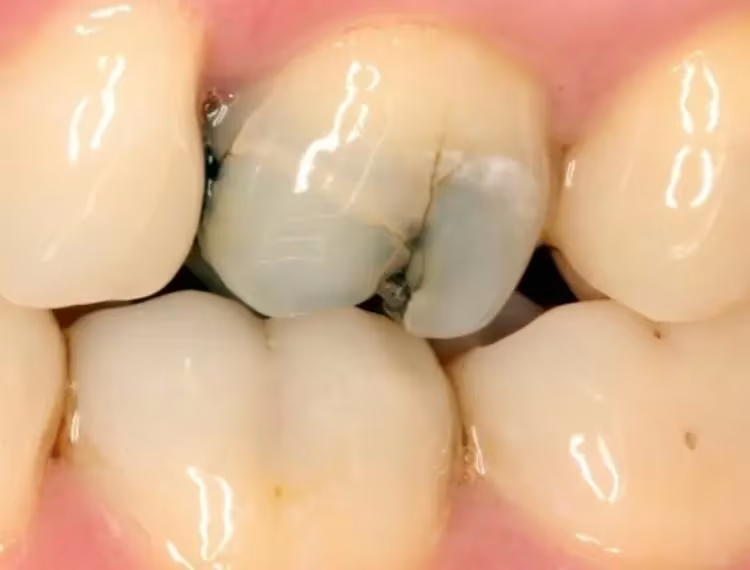
Cracks in teeth can expose the pulp to bacteria, leading to infection. If left untreated, these infections can cause significant pain and potentially lead to tooth loss. Regular dental check-ups help identify and address cracks before they develop into major problems.
Repeated Dental Procedures
Multiple procedures on the same tooth can stress the tooth structure, particularly the pulp. Over time, this can cause pulp inflammation or irreversible damage, requiring root canal treatment.
Minimizing unnecessary procedures on the same tooth helps preserve its health and integrity.
Issues With Existing Dental Work
Problems with old fillings or poorly fitting crowns can allow bacteria to seep in and infect the pulp. Regular dental check-ups ensure fillings and crowns remain intact and functional, preventing pulp damage.
Traumatic Dental Injuries
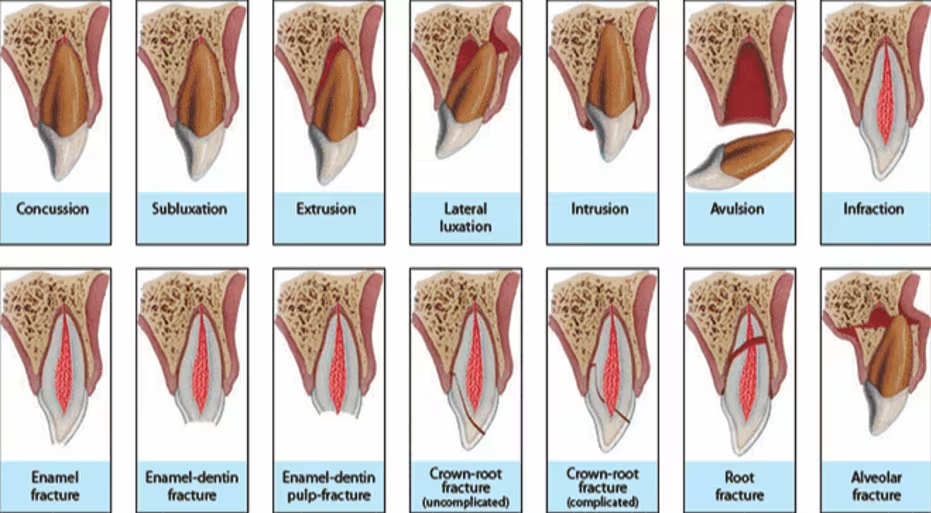
Impact injuries can crack teeth or damage nerves, potentially leading to pulp death. Root canal treatment removes the damaged pulp and allows the tooth to be saved. Wearing mouthguards during sports can reduce the risk of such injuries.
Advanced Gum Disease (Periodontitis)
Severe gum disease can expose tooth roots and potentially the pulp by causing receding gums and bone loss. This exposure may allow bacteria to reach the pulp and cause infection.
Prevention and treatment of gum disease are crucial to avoid complications requiring root canal therapy.
Deep Cavities
Deep cavities provide pathways for bacteria to reach and infect the pulp.
The infected pulp must be removed during a root canal procedure to prevent further damage. Regular dental check-ups and good oral hygiene practices can prevent cavities from reaching this severe stage.
Tooth Abscess
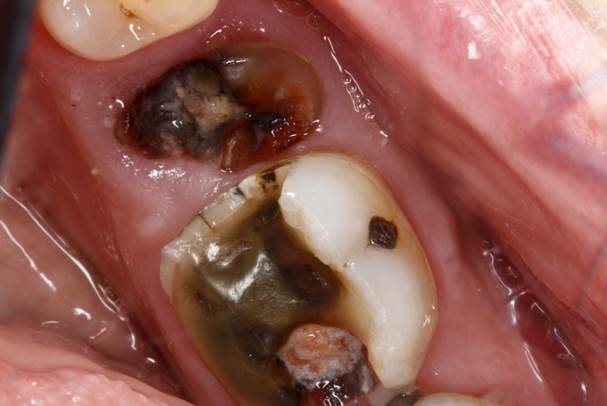
An abscess is a direct indication for root canal treatment. Bacteria entering the tooth pulp can cause an infection that compromises the tooth structure. Early treatment of tooth abscesses is essential for overall dental health and to avoid extraction.
Types of Root Canal Treatments
Root canal treatments can be classified into two main categories: surgical and non-surgical procedures, each addressing different dental needs.
Non-Surgical Root Canal Treatment
This is the most common type of root canal procedure, used for contained pulp infections. It involves:
- Accessing the infected pulp through the crown of the tooth
- Cleaning out the infected pulp tissue
- Disinfecting the root canals
- Sealing the canals to prevent future infections
Non-surgical root canal treatment is generally less invasive and offers a more straightforward way to relieve pain and save the natural tooth.
Surgical Root Canal Treatment (Apicoectomy)
Surgical intervention becomes necessary in more complex cases where non-surgical methods won’t be effective. This typically occurs due to:
- Unusual root structures
- Hidden canals not detected during initial treatments
- Persistent infections after conventional root canal therapy
- Infection extending to the bone around the root
- A tooth that has had multiple treatments
During an apicoectomy, the dentist makes an incision in the gum tissue to access the bone and root directly. The infected portion of the root tip is removed, and the area is sealed to prevent future infection, preserving the tooth and maintaining overall oral health.
The Root Canal Treatment Procedure
Root canal treatment is a multi-step process designed to save a severely damaged or infected tooth.
While root canal procedures are typically performed by general dentists, more complicated cases may require intervention from specialists called endodontists, who have additional training in treating severe root canal infections.
Before the Procedure
- Your dentist will take X-rays and possibly perform an electric pulp test (EPT) to determine if you need a root canal and assess the complexity of the case
- The procedure will be explained, and your questions answered
- An appointment will be scheduled
- It’s advisable to eat before your appointment as you may not be able to eat for a few hours afterward
- Consider arranging transportation home, especially if sedation will be used
During the Procedure
- Anesthesia: Local anesthesia is administered to numb the tooth and surrounding area, ensuring you won’t feel pain during the treatment.
- Isolation: A rubber dam (a thin sheet of rubber) is placed around the tooth to keep it dry and clean. This protects your mouth from instruments and chemicals used during the procedure while enhancing the success of the treatment.
- Access Creation: The dentist creates a small opening in the tooth to reach the pulp chamber and root canals.
- Pulp Removal: The infected or damaged pulp is carefully removed from the pulp chamber and root canals.
- Canal Cleaning and Shaping: The canals are cleaned, shaped, and disinfected to remove bacteria and prepare them for filling.
- Canal Filling: The cleaned canals are filled with a rubber-like material called gutta-percha, which seals the canals and prevents bacteria from re-entering.
- Temporary Filling: A temporary filling is placed to protect the tooth until a permanent crown can be made.
- Post Placement: If the tooth lacks sufficient structure to support restoration, your dentist may insert a post inside the tooth for additional support.
After the Procedure
- Your dentist may apply a topical antibiotic to eliminate any remaining infection and prevent reinfection
- You might experience jaw soreness for a few days, which can be managed with over-the-counter pain relievers
- Avoid chewing on the treated tooth until you receive your permanent crown to prevent damage to the temporary filling
- Maintain your regular oral hygiene routine but be gentle around the treated area
- A follow-up appointment will be scheduled to check your recovery and fit your permanent crown
- Contact your dentist immediately if you experience severe pain, swelling, or if your temporary filling falls out
Root Canal Treatment Risks and Complications
While root canal treatments are generally safe and effective, like any medical procedure, they come with potential risks and complications. Understanding these risks can help you make informed decisions about your dental care.
Potential Risks
- Swelling: Gums may swell around the treated tooth.
- Tooth discoloration: The treated tooth may darken over time.
- Instrument separation: In rare cases, instruments may break off inside the root canal.
- Root canal perforation: The canal wall may be accidentally punctured during the procedure.
- Incomplete treatment: It may not be possible to access the full length of the root canal in some cases.
- Allergic reaction: Though rare, you may react to materials used in the procedure.
- Tooth fracture: Treated teeth may become more brittle and prone to cracking, which is why crowns are often recommended after treatment
Possible Complications
- Persistent pain: Discomfort lasting longer than a few days after the procedure could indicate a problem.
- Reinfection: Sometimes, not all infected pulp tissue is removed, leading to recurring infection. This might require retreatment or extraction.
- Nerve damage: In very rare instances, nearby nerves might be affected, causing numbness or tingling.
- Uncleaned root canals: If one of the root canals remains uncleaned during the procedure, bacteria can remain, leading to infection.
- Undetected root cracks: These can provide a pathway for bacteria to enter, causing infection even after treatment.
- Restoration issues: A faulty restoration may allow bacteria to penetrate and reach the inner tooth, compromising the success of the root canal.
- Breakdown of sealing material: Over time, the breakdown of the sealing material inside the tooth can create gaps where bacteria can reenter.
To minimize these risks, follow your dentist’s advice carefully and take any prescribed antibiotics to prevent bacterial infection.
If you experience severe pain, swelling, or signs of infection, contact your dentist immediately for evaluation and appropriate treatment.
Cost of Root Canal Treatment in Singapore
The cost of root canal treatment in Singapore varies depending on several factors, including the type of tooth being treated, the complexity of the case, and whether you’re visiting a public institution or a private clinic.
Average Cost Breakdown
Root Canal Treatment:
- Basic range: SGD 400 – SGD 800
- Incisors and premolars: SGD 760 – SGD 870
- Molars: SGD 1,200 – SGD 1,450
Additional Costs to Consider:
- Initial consultation: SGD 75 – SGD 192
- X-rays: SGD 30 – SGD 300
Dental Crowns (often required after root canal):
- Metal/Ceramic Crown: SGD 700 – SGD 800
- Semi-Precious/Precious Metal Crown: From SGD 750
- Porcelain/Ceramic Crown: SGD 750 – SGD 950
- Zirconia Crown: SGD 1,100
You might be interested in: Everything You Need to Know About Dental Crowns and Bridges In Singapore
Cost Factors
The final cost depends on several key factors:
- Tooth type: Molars tend to be larger than premolars, canines, and incisors. They also have more roots and often multiple root canals within those roots, making their treatment more complex and typically more expensive.
- Root anatomy: Complex root structures require more time and expertise to treat properly.
- Remaining tooth structure: The more extensive the damage or loss of healthy tooth structure, the more structure your dentist will need to replace. This may mean a larger permanent filling (core), a post within the root canal system, and often a permanent crown following treatment completion.
- Crown material: Since dental crowns are typically required to restore your tooth after a root canal, their cost depends on the type of material used (porcelain, ceramic, or metal).
Subsidies for Root Canal Treatment
While root canal treatments are not MediSave claimable, CHAS (Community Health Assist Scheme) subsidies are available for eligible patients:
| Dental Service | CHAS Orange | CHAS Blue | Pioneer/Merdeka |
|---|---|---|---|
| Root Canal Treatment (Anterior) | SGD 109.50 | SGD 164.00 | SGD 169.00-174.00 |
| Root Canal Treatment (Pre-molar) | SGD 140.00 | SGD 210.00 | SGD 215.00-220.00 |
| Root Canal Treatment (Molar) | SGD 170.50 | SGD 256.50 | SGD 261.50-266.50 |
| Permanent Crown | SGD 84.50 | SGD 127.50 | SGD 132.50-137.50 |
CHAS subsidies for root canal treatment are limited to 2 per calendar year, while subsidies for dental crowns are limited to 4 per calendar year. For more detailed information about eligibility and coverage, visit the official CHAS website.
Taking Care of Your Tooth After Root Canal Treatment
Proper aftercare is crucial for the success and longevity of your root canal treatment. Here are essential guidelines to follow:
Immediate Aftercare
- Follow all specific instructions provided by your dentist
- Take any prescribed medications as directed
- Avoid chewing on the treated tooth until your dentist gives you clearance
- If prescribed antibiotics, complete the entire course even if symptoms improve
- Apply ice packs if recommended to reduce swelling
Pain Management
- Mild discomfort is normal for a few days after the procedure
- Take over-the-counter pain relievers as recommended by your dentist
- Contact your dentist if pain persists or worsens significantly
Dietary Considerations
- Stick to soft foods initially to avoid putting pressure on the treated tooth
- Avoid extremely hot or cold foods that might trigger sensitivity
- Stay away from hard, crunchy, or sticky foods that could damage the temporary filling
- Consider chewing on the opposite side of your mouth until the tooth is fully restored
Oral Hygiene
- Continue your regular brushing and flossing routine
- Be gentle around the treated area to avoid disturbing the temporary filling
- Use an antimicrobial mouthwash if recommended by your dentist
- Keep the area clean to prevent infection
Long-term Care
- A tooth that has undergone root canal treatment may be more prone to fracture, so avoid biting on hard foods
- Schedule follow-up appointments as recommended by your dentist
- Have your permanent restoration (filling or crown) placed as soon as possible
- Maintain regular dental check-ups to monitor the health of the treated tooth
- Continue practicing good oral hygiene to prevent tooth decay or gum disease
Warning Signs
Contact your dentist immediately if you experience:
- Severe pain or pressure lasting more than a few days
- Visible swelling inside or outside of your mouth
- Return of original symptoms
- An allergic reaction to medication (rash, hives, or itching)
- Your bite feels uneven
- The temporary filling or crown comes loose or falls out
With proper care and regular dental visits, a root canal treated tooth can function normally for many years, often for a lifetime.
Preventing Root Canals
While root canal treatment is effective at saving damaged teeth, prevention is always better than cure. Here are strategies to help you avoid the need for root canal therapy:
Daily Oral Hygiene
- Brush twice daily: Use fluoride toothpaste and brush thoroughly for at least two minutes, especially before bedtime, to remove the day’s buildup of plaque and prevent decay.
- Floss daily: Clean between teeth where toothbrushes can’t reach to remove plaque and food particles, reducing the risk of decay and gum disease.
- Use the right tools: Choose a soft-bristled toothbrush to avoid damaging gums and enamel. Replace it every 3-4 months or sooner if bristles are frayed. Consider an electric toothbrush, which can be more effective at removing plaque and reducing gingivitis.
Dietary Considerations
- Limit sugary foods and acidic drinks: Reduce consumption of items that can erode tooth enamel and cause decay.
- Choose tooth-friendly snacks: Opt for vegetables, nuts, and cheese, which help neutralize mouth acids and rebuild tooth enamel.
- Stay hydrated: Drinking water helps wash away food particles and maintains saliva production, which naturally protects teeth.
Protective Measures
- Dental sealants: Ask your dentist about applying sealants to your teeth, especially the back molars. These protective coatings can prevent decay on biting surfaces.
- Mouthguards: Wear a properly fitted mouthguard during sports activities to reduce the risk of dental injuries like cracked or broken teeth.
- Night guards: If you grind your teeth at night (bruxism), a custom night guard can protect your teeth from excessive wear and potential fractures.
Regular Dental Care
- Biannual check-ups: Visit your dentist every six months for professional cleanings and examinations.
- Early intervention: Address small cavities, minor cracks, or other issues before they develop into problems requiring root canal treatment.
- Professional cleanings: Regular professional cleanings remove tartar buildup that regular brushing can’t eliminate.
Address Issues Promptly
- Don’t ignore symptoms: Seek dental attention at the first sign of tooth pain, sensitivity, or other dental problems.
- Treat gum disease: Address gingivitis or periodontitis promptly to prevent it from affecting tooth roots.
- Replace old fillings: Have worn or damaged fillings replaced before they allow bacteria to enter and cause infection.
By maintaining good oral hygiene practices, making smart dietary choices, using protective measures, and seeking regular professional dental care, you can significantly reduce your risk of developing conditions that require root canal treatment.
Alternatives to Root Canal Treatment
While root canal treatment is often the preferred method for saving a damaged or infected tooth, there are alternatives to consider.
It’s important to note that these alternatives may not be as effective in certain cases, and the decision should be made in consultation with your dentist.
Tooth Extraction
This involves completely removing the affected tooth. While this eliminates the source of infection or pain, losing a natural tooth can lead to various issues:
- Difficulties with chewing
- Changes in bite alignment
- Potential shifting of neighboring teeth
- Bone loss in the jaw where the tooth was extracted
After extraction, you’ll need to consider replacement options, which include:
- Dental implant: A titanium post surgically placed in the jawbone with an artificial tooth attached
- Dental bridge: A false tooth anchored to adjacent teeth
- Partial denture: A removable replacement for missing teeth
Apicoectomy
This surgical procedure involves removing the tip of the tooth’s root along with any infected tissue. It’s typically considered when a traditional root canal has failed or cannot be performed. During the procedure:
- The gum tissue near the tooth is opened
- Inflamed tissue is removed
- The end of the root is sealed
- The gum is stitched back in place
Medication
Antibiotics and painkillers may be prescribed to manage infection and symptoms temporarily. However, this approach:
- Doesn’t address the underlying issue
- Is not a definitive treatment
- Only provides temporary relief
- May allow the condition to worsen over time
Watchful Waiting
In some cases, especially with teeth that don’t exhibit symptoms such as pain, your dentist may choose to monitor the situation and intervene only if the condition worsens. This approach requires:
- Regular dental check-ups
- Vigilant monitoring for any changes
- Immediate action if symptoms develop
Each alternative has its advantages and disadvantages. The best choice depends on factors such as the tooth’s condition, your overall oral health, personal preferences, and financial considerations.
A thorough discussion with your dentist will help you make an informed decision tailored to your specific situation.
Specialist Root Canal Treatment in Singapore
For complex root canal cases, seeking treatment from a specialist can be beneficial.
These specialists, known as endodontists, have undergone additional training beyond dental school specifically focused on diagnosing tooth pain and performing root canal treatment and other procedures relating to the interior of the tooth.
When to See an Endodontist
Consider consulting an endodontist if:
- You’re experiencing severe tooth pain
- Your case is diagnosed as complex by your general dentist
- You have a tooth with unusual root canal anatomy
- Previous root canal treatment has failed
- You have a calcified canal that’s difficult to navigate
- There’s a perforation or other complication during treatment
Endodontists use specialized techniques, tools, and microscopes to treat difficult cases and often can help save teeth that might otherwise need extraction.
Frequently Asked Questions (FAQ)
Is root canal treatment painful?
Modern root canal procedures are generally not painful thanks to effective local anesthesia.
Most patients report that the procedure feels similar to having a filling placed. You might experience some discomfort for a few days after treatment, but this can typically be managed with over-the-counter pain medications.
How long does a root canal procedure take?
The duration varies depending on the complexity of the case. For front teeth with simpler anatomy, treatment typically takes 1-2 visits of about an hour each.
Molars, with their more complex root systems, may require 2-3 visits of an hour or more each.
How long does a root canal treated tooth last?
With proper care, a root canal treated tooth can last a lifetime. The durability depends largely on how well you maintain your oral hygiene and whether you protect the tooth with a crown if recommended by your dentist.
Can I eat normally after root canal treatment?
You should avoid eating until the numbness from the anesthesia has worn off to prevent accidentally biting your cheek or tongue.
After that, it’s advisable to avoid chewing on the treated tooth until it has been restored with a permanent filling or crown. Once fully restored, you can eat normally, though it’s still wise to avoid excessively hard foods that might damage the restoration.
What happens if a root canal fails?
If a root canal treatment fails, you might experience recurring pain, swelling, or infection. In such cases, retreatment options include:
- Redoing the root canal treatment
- Performing an apicoectomy (surgical procedure)
- Extracting the tooth if it cannot be saved
Can I use MediSave for root canal treatment?
Generally, MediSave does not cover root canal treatments unless they involve surgical procedures deemed medically necessary. Non-surgical dental treatments, including routine root canals, are typically not eligible for claims under the MediSave scheme.
Are root canals covered by CHAS?
Yes, CHAS provides subsidies for root canal treatments, limited to 2 per calendar year. The subsidy amount varies based on your CHAS card type (Blue, Orange, Merdeka Generation, or Pioneer Generation) and the type of tooth being treated (anterior, premolar, or molar).
How soon can I return to work after a root canal?
Most patients can return to work or their normal activities the day after the procedure. However, if your job involves physical labor, you might want to take an extra day off to ensure proper healing.
Can children get root canals?
Yes, children sometimes need root canal therapy on primary (baby) teeth to prevent premature tooth loss and the complications that can result. The procedure is adapted for children’s teeth and is called a pulpotomy or pulpectomy, depending on the extent of the treatment needed.
Will I need a crown after a root canal?
In most cases, especially for back teeth (premolars and molars), a crown is recommended after root canal treatment. Front teeth may not always require crowns if they have sufficient remaining structure. Your dentist will advise you based on your specific situation.
How can I tell if I need a root canal?
Common signs include persistent tooth pain, sensitivity to temperature that lingers, pain when biting or chewing, swollen or tender gums near the affected tooth, darkening of the tooth, and a pimple-like bump on the gum.
However, sometimes there are no symptoms at all, which is why regular dental check-ups are important.
Can antibiotics eliminate the need for a root canal?
While antibiotics can temporarily relieve symptoms by controlling the infection, they cannot repair damaged pulp tissue or prevent the infection from returning.
They are generally used as a complementary treatment to reduce infection before the root canal procedure but are not a substitute for it.
Can pregnant women undergo root canal treatment?
Yes, root canal treatment is safe during pregnancy. In fact, treating dental infections promptly during pregnancy is important as untreated infections could potentially affect both maternal and fetal health. The second trimester is generally considered the safest time for dental procedures during pregnancy.
How long should I expect sensitivity after a root canal?
Some sensitivity or mild discomfort for a few days after the procedure is normal. If pain or sensitivity persists beyond a week or becomes severe, you should contact your dentist as this could indicate a complication that needs attention.
Can a tooth that’s had a root canal get infected again?
Yes, although rare, it’s possible for a tooth to become reinfected after a root canal. This can happen if:
- There was a crack in the root that wasn’t detected
- The sealing material breaks down over time
- The restoration (crown or filling) becomes damaged or develops leaks
- Not all canals were properly cleaned and sealed
- New decay develops around the restored tooth
Regular dental check-ups can help catch these issues early if they occur.
Is it better to have a root canal or extract the tooth?
Whenever possible, saving your natural tooth through root canal treatment is preferable to extraction.
Natural teeth are more efficient for chewing, help maintain jawbone structure, keep adjacent teeth from shifting, and preserve your natural smile. However, in cases where a tooth is severely damaged and cannot be saved, extraction followed by a suitable replacement option may be necessary.
What’s the difference between a dentist and an endodontist for root canal treatment?
While general dentists can perform root canal procedures, endodontists are specialists who have completed additional years of training focused specifically on root canal treatments. They typically handle more complex cases, use specialized equipment like dental microscopes, and have more experience with difficult root canal anatomies and complications.
By understanding these aspects of root canal treatment, you can make informed decisions about your dental care and take appropriate steps to maintain your oral health before, during, and after the procedure.
General shopping ideas, independent of this article’s advice.
Swipe to compare products →Biofinest Gummy Vitamin Supplement – Beauty Energy Sleep Metabolism Men Women Kids Probiotics Multivitamin (60 Gummies)From S$17.95Tradishot Immunity Boost Drink | Turmeric Shot (Extra Strength) | Boost Immunity Energy & Well-being [7x35mL]S$38.00Optimum Nutrition, Gold Standard, 100% Whey Protein Powder, 2lbs (907g ) / 5 lbs (2.27 kg) / 10 lbs (4.54 kg)From S$82.89Prices may vary by option. Check the final price and delivery on Shopee.