

Gum disease, also known as periodontal disease, affects millions of people worldwide and remains one of the leading causes of tooth loss in adults.
Understanding this condition—its causes, symptoms, and treatment options—is crucial for maintaining not just oral health but overall well-being. This comprehensive guide explores everything you need to know about gum disease treatments and preventive measures.
General shopping ideas, independent of this article’s advice.
Swipe to compare products → AIR⁺ KN95 Mask | SML Sizes | 5PC | BFE 99.9% | PFE95% | PM2.5 | Made in SingaporeS$5.8050pcs FREE 50pcs 100pcs FREE 200pcs | Custom Print | Mirrorcoat Sticker | Cheapest on ShopeeFrom S$0.11MASK mixshop KF94 4 PLY mask, (10pcs pack) SG ready stock, BFE>99.9%From S$2.34
Prices may vary by option. Check the final price and delivery on Shopee.
What is Gum Disease?
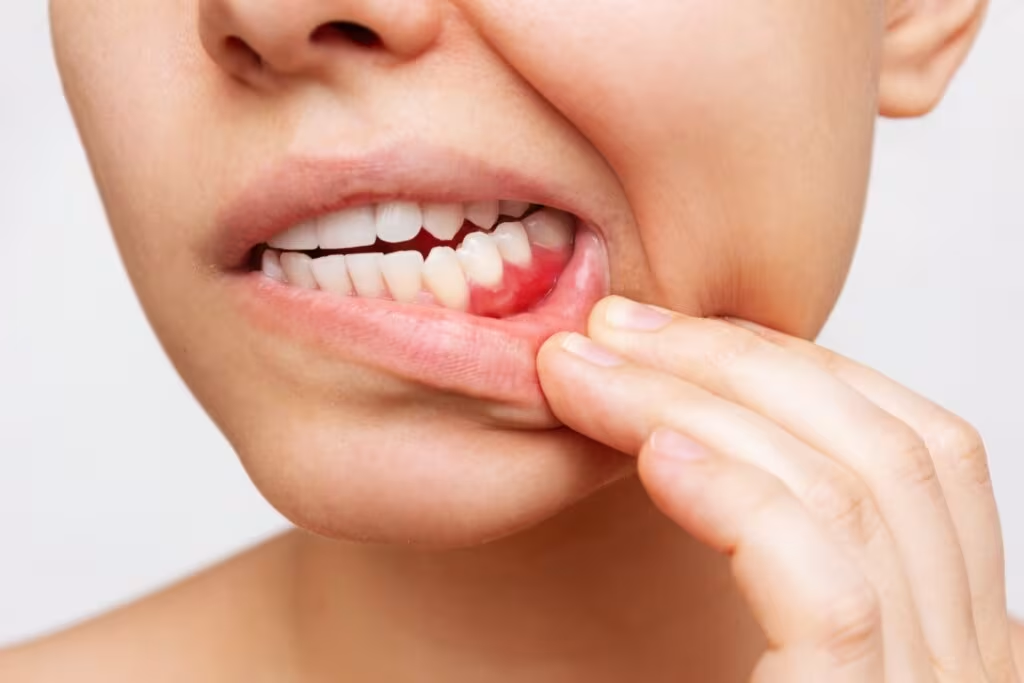
Gum disease refers to a bacterial infection that affects the gums and the bone supporting your teeth. This persistent infection can occur in one or more teeth and may affect anyone at any age, though risk factors increase its likelihood in certain populations.
The bacteria in your mouth form a sticky film called plaque on your teeth around the gum area.
If not removed properly through regular oral hygiene practices, this plaque can harden into tartar (calculus), which can only be removed by professional dental cleaning. When these substances accumulate, they trigger inflammation in the gums, leading to various stages of periodontal disease.
Related article: The Ultimate Guide To Seeing A Dentist In Singapore
Types of Gum Disease
Gum disease generally progresses through distinct stages, each with increasing severity and potential consequences:
Gingivitis
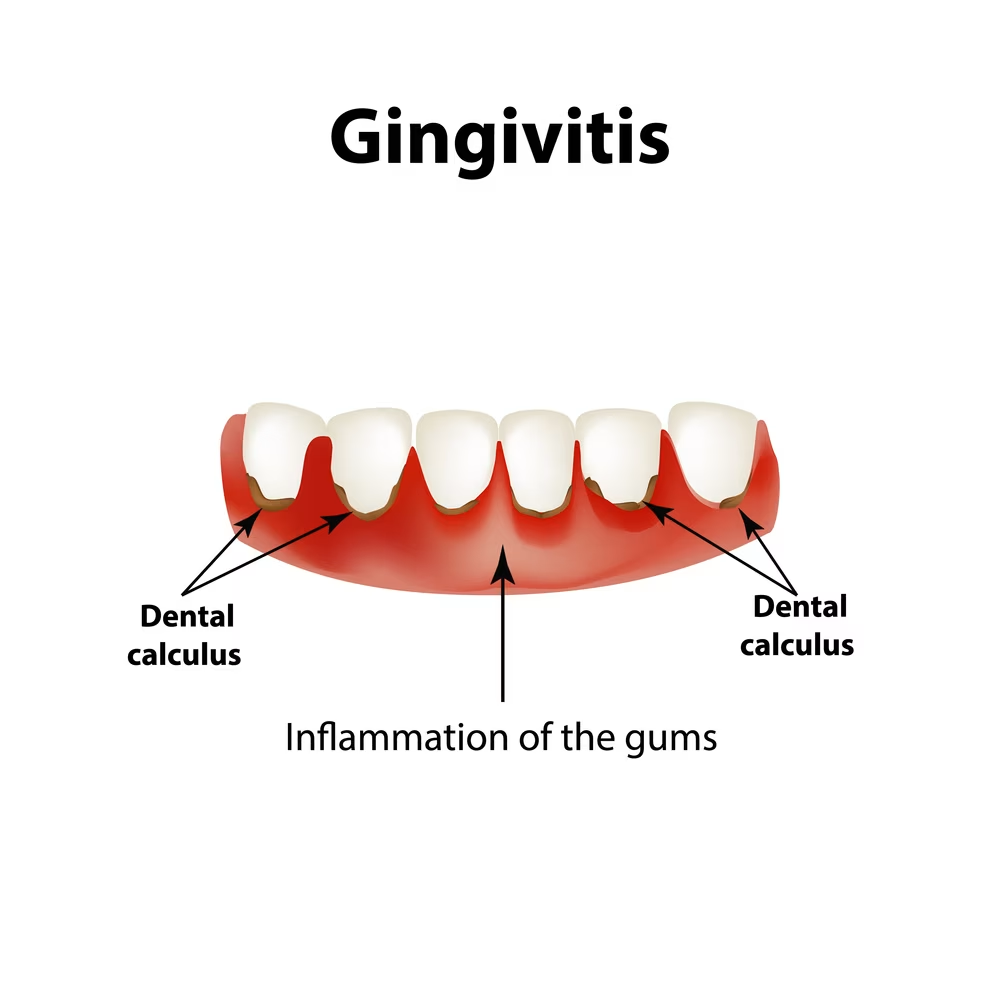
Gingivitis is the earliest and mildest form of gum disease. It involves inflammation of the gums, characterized by:
- Redness and swelling of gum tissue
- Bleeding during brushing or flossing
- Minimal discomfort or pain
- No irreversible damage to bone or connective tissue
The good news is that gingivitis is reversible with proper oral hygiene and professional dental care. Regular dental cleanings coupled with diligent at-home care can typically restore gum health at this stage.
Periodontitis
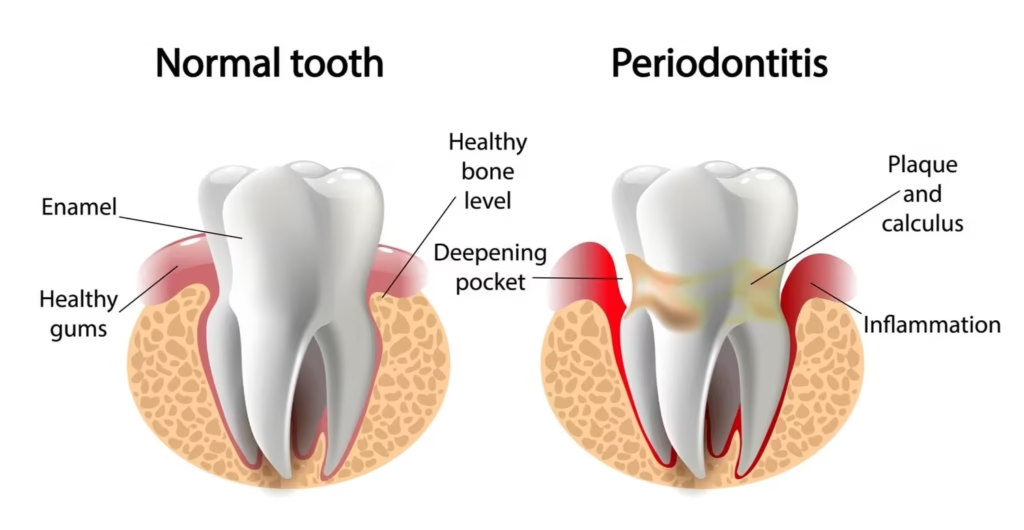
If gingivitis is left untreated, it can progress to periodontitis, a more serious condition where:
- Inflammation spreads below the gum line
- Gums begin to separate from teeth, forming “pockets” that collect debris and bacteria
- Supporting tissues and bone begin to deteriorate
- Teeth may become loose as their anchoring weakens
- Infection may become more widespread and difficult to control
Advanced Periodontitis
This critical stage represents severe progression of the disease, characterized by:
- Significant bone and tissue loss
- Deep periodontal pockets
- Noticeable tooth mobility
- Severe pain during chewing
- Teeth that may eventually fall out or require extraction
Acute Necrotizing Ulcerative Gingivitis (ANUG)
This is a less common but particularly severe form of gum disease that develops suddenly. Symptoms include:
- Painful, bleeding gums
- Ulcers and sores in the mouth
- Foul breath
- Metallic taste
- Excess saliva production
- Difficulty swallowing or speaking
- Fever
Read more: Receding Gums in Singapore: Causes, Treatments & Prevention
Prevalence of Gum Disease
Gum disease is more common than many people realize. According to the National Adult Oral Health Survey (2019), 77.6% of Singaporeans have some form of periodontal disease.
The World Health Organization (WHO) estimates that globally, severe gum disease affects approximately 19% of the adult population—more than 1 billion adults worldwide.
You might be interested: Complete Guide to Fixing a Gummy Smile: Causes and Treatment Options
Causes and Risk Factors
While bacterial plaque is the primary cause of gum disease, several factors can increase your risk of developing this condition:
Poor Oral Hygiene
Inconsistent or improper brushing and flossing allow plaque to accumulate along the gumline, eventually hardening into tartar that can only be removed professionally.
Smoking and Tobacco Use
Tobacco products severely impair blood circulation, suppress the immune system, and hamper the body’s ability to repair damaged gum tissue, making smokers up to six times more likely to develop gum disease.
Genetic Factors
Some individuals have a genetic predisposition to gum disease, making them more susceptible despite good oral hygiene practices.
Hormonal Changes
Fluctuations in hormones during pregnancy, puberty, menstruation, and menopause can increase gum sensitivity and vulnerability to inflammation.
Medical Conditions
Several systemic conditions can increase the risk of developing periodontal disease:
- Diabetes (particularly when poorly controlled)
- Autoimmune disorders
- Rheumatoid arthritis
- Crohn’s disease
- HIV/AIDS
Medications
Certain prescription medications can reduce saliva flow or cause abnormal gum tissue growth:
- Anticonvulsants (like Dilantin)
- Anti-angina drugs (such as Procardia and Adalat)
- Immunosuppressants
- Some calcium channel blockers
Nutritional Deficiencies
Diets lacking essential nutrients, particularly vitamin C, can compromise gum health and healing ability.
Teeth Grinding/Clenching
The force from grinding or clenching teeth can accelerate the breakdown of periodontal tissues.
You might want to read: Smile Makeovers in Singapore: Costs, Procedures, and Benefits
Signs and Symptoms of Gum Disease
Gum disease often progresses silently in its early stages, which is why regular dental check-ups are crucial for early detection. However, be vigilant for these warning signs:
Gum-Related Symptoms
- Bleeding gums during brushing or flossing
- Red, swollen, or tender gums
- Receding gums (teeth appearing longer)
- Persistent bad breath or unpleasant taste in the mouth
Tooth-Related Symptoms
- Loose or shifting teeth
- Changes in how teeth fit together when biting
- Sensitivity to hot or cold temperatures
- Pain when chewing
Advanced Indicators
- Visible pus between teeth and gums
- New spaces developing between teeth
- Changes in the fit of partial dentures
Many people ignore mild bleeding during brushing, attributing it to brushing too hard. However, healthy gums should not bleed during normal oral hygiene activities. Any bleeding is a potential sign of gingivitis and warrants attention.
Read more: Common Dental Problems in the Elderly: Symptoms, Prevention, and Treatment
Complications of Untreated Gum Disease
Neglecting gum disease can lead to serious consequences beyond oral health:
Oral Complications
- Tooth loss: Advanced periodontitis is the leading cause of adult tooth loss
- Receding gums: Exposure of tooth roots leading to sensitivity and decay
- Bone loss: Deterioration of jawbone structure
- Abscesses: Painful infections that can spread to other areas
Systemic Health Connections
Research suggests that periodontal disease is linked to several serious health conditions:
- Cardiovascular disease: Bacteria from infected gums can enter the bloodstream and contribute to heart disease
- Stroke: Increased risk due to inflammatory processes
- Respiratory issues: Bacteria from the mouth can be aspirated into the lungs
- Pregnancy complications: Including premature birth and low birth weight
- Diabetes complications: Periodontal disease can make blood sugar control more difficult
- Alzheimer’s disease: Emerging research suggests possible links
- Certain cancers: Some studies indicate associations with pancreatic and other cancers
Diagnosis of Gum Disease
Proper diagnosis is essential for effective treatment. Here’s how dental professionals typically assess gum health:
Medical History Review
Your dentist will evaluate your overall health history, including conditions and medications that might affect gum health, along with lifestyle factors like smoking.
Oral Examination
A thorough examination checks for:
- Gum inflammation, redness, and bleeding
- Tartar and plaque accumulation
- Tooth mobility
Gum Pocket Measurement
Using a dental probe, your dentist will measure the depth of spaces between your teeth and gums at multiple points.
Healthy pockets typically measure 1-3mm. Depths exceeding 4mm suggest periodontitis, while pockets deeper than 5mm may require specialized treatment.
Dental X-Rays
Radiographs help assess bone loss, especially in areas with deeper pockets, providing a clearer picture of disease progression below the gumline.
Classification
Based on findings, your dental professional will classify the stage and grade of periodontitis, considering:
- Disease severity
- Treatment complexity
- Risk factors
- Overall health status
This comprehensive evaluation guides the development of an appropriate treatment plan.
Treatment Options for Gum Disease
Treatment approaches vary based on the stage and severity of the disease, ranging from simple non-surgical procedures to advanced surgical interventions.
Non-Surgical Treatments
Professional Dental Cleaning (Scaling and Polishing)
Suitable for: Mild cases of gum disease or preventive care
This standard cleaning procedure removes plaque and tartar buildup from above and slightly below the gumline.
For people with gingivitis or as maintenance following more extensive treatment, regular professional cleanings (typically every 6 months) are essential.
Root Planing (Deep Cleaning)
Suitable for: Moderate periodontitis
This thorough cleaning process focuses on the roots of the teeth, smoothing rough spots to:
- Remove bacteria, toxins, and tartar
- Eliminate infection-causing agents
- Create a clean surface for gums to reattach
- Reduce inflammation
The procedure is typically performed under local anesthesia in one or more sessions, with each session focusing on a different section of the mouth.
Medication
Various medications may complement other treatment methods:
- Antiseptic mouthwash: Prescribed for daily use after brushing
- Antibiotic treatments: May include:
- Topical antibiotics applied directly to infected areas
- Antibiotic mouth rinses
- Oral antibiotics for systemic treatment of infection
- Antibiotic microspheres placed in deep pockets to slowly release medication
Laser Therapy
Laser periodontal treatment employs specific wavelengths of light to:
- Remove diseased gum tissue
- Eliminate bacterial biofilm and calculus
- Promote healing with less bleeding and discomfort than traditional methods
- Stimulate healthy tissue regeneration
The Fotona Twin Light Therapy uses dual laser wavelengths for effective healing without incisions, reducing bleeding, swelling, and recovery time.
Surgical Treatments
When non-surgical approaches aren’t sufficient, various surgical options may be recommended:
Flap Surgery (Pocket Reduction)
When periodontal pockets are too deep to clean with non-surgical methods, flap surgery may be necessary. This procedure involves:
- Lifting back the gums to expose roots for effective cleaning
- Removing infected tissue
- Securing the gum tissue back in place, often in a position that makes future cleaning easier
- Reducing pocket depth to minimize areas where bacteria can hide
Gum Grafts
For areas with significant gum recession, grafting procedures can:
- Cover exposed roots
- Reduce sensitivity
- Improve aesthetic appearance
- Protect vulnerable root surfaces from decay
- Prevent further recession
Tissue may be taken from the roof of the mouth or other sources, including donor tissue.
Bone Grafting
When periodontitis has destroyed bone surrounding tooth roots, bone grafts can help:
- Prevent tooth loss
- Provide a foundation for natural bone regrowth
- Support dental implants if needed
- Restore stability to loose teeth
Materials may include fragments of your own bone, synthetic bone, or donated bone.
Guided Tissue Regeneration
This specialized procedure encourages the regrowth of bone damaged by bacteria. A small piece of mesh-like material is placed between the bone and gum tissue, preventing the gum from growing into areas where bone should be and allowing bone to regrow.
Tissue-Stimulating Proteins
Application of special proteins that mimic the natural proteins in developing tooth enamel can stimulate the growth of healthy bone and tissue.
Pinhole Surgical Technique
A minimally invasive alternative to traditional gum grafting that involves making a small hole in the gum tissue and using special instruments to gently loosen and reposition the gum over exposed root surfaces.
Related article: Choosing The Right Dental Surgeon in Singapore
Treatment Methods by Disease Type
| Gum Disease Type | Treatment Methods |
|---|---|
| Gingivitis | • Professional cleaning • Improved home oral hygiene • Antimicrobial mouth rinses |
| Periodontitis | • Scaling and root planing • Local antimicrobials • Systemic antibiotics • Regular maintenance cleanings |
| Advanced Periodontitis | • Comprehensive periodontal therapy • Surgical interventions (flap surgery, bone grafts) • Guided tissue regeneration • Possible tooth extraction and replacement |
| ANUG | • Antibiotics to control infection • Professional cleaning • Pain management • Specialized mouth rinses |
Gum Disease Treatment Procedure
Before Treatment
The treatment process begins with thorough preparation:
- Initial examination: Comprehensive assessment of oral health and disease extent
- Medical history review: Identifying relevant health conditions and medications
- Treatment planning: Developing a customized approach based on disease severity
- Discussion of options: Reviewing potential procedures, expected outcomes, and care instructions
- Anesthesia considerations: Planning appropriate pain management, especially for patients with special health concerns
During Treatment
The actual procedure will vary based on the selected treatment approach:
- Local anesthesia: Administered to ensure comfort during more invasive procedures
- Cleaning procedures: From basic scaling to deep root planing
- Surgical interventions: If necessary, including flap procedures, grafts, or regenerative techniques
- Ongoing communication: Dental professionals should explain each step and address concerns
After Treatment
Post-treatment care is crucial for successful outcomes:
- Recovery instructions: Specific guidelines for the healing period
- Pain management: Recommendations for dealing with discomfort
- Dietary adjustments: Temporary modifications to protect healing tissues
- Follow-up appointments: Scheduled to monitor healing and remove any non-dissolving sutures
- Long-term maintenance plan: Strategy for preventing recurrence
Follow-Up and Maintenance Care
Successful gum disease treatment doesn’t end with the procedure. Long-term management includes:
Regular Maintenance Visits
Depending on disease severity, follow-up visits might be recommended every 3-4 months rather than the standard 6-month interval. These appointments allow for:
- Professional cleaning to remove new buildup
- Monitoring for signs of disease recurrence
- Adjustments to the treatment plan if needed
Enhanced Home Care
Your dental professional will provide detailed instructions for home care, which may include:
- Specialized brushing techniques
- Interdental cleaning methods (floss, interdental brushes, water flossers)
- Antimicrobial mouth rinses
- Oral irrigation systems
Lifestyle Modifications
Certain changes can significantly improve treatment outcomes:
- Smoking cessation
- Improved diet with reduced sugar intake
- Stress management
- Better management of related health conditions (like diabetes)
Benefits of Gum Disease Treatment
Investing in periodontal treatment offers numerous advantages:
Oral Health Benefits
- Elimination of gum inflammation, bleeding, and discomfort
- Preservation of natural teeth
- Prevention of bone loss
- Fresher breath and improved taste sensation
- Enhanced smile aesthetics
Overall Health Benefits
- Reduced inflammation throughout the body
- Decreased risk of heart disease and stroke
- Better blood sugar control for diabetic patients
- Potential reduction in respiratory disease risk
- Possible benefits for cognitive health
Quality of Life Improvements
- Comfortable chewing and speaking
- Increased confidence in social situations
- Elimination of persistent bad breath
- Reduced dental expenses over time through prevention
Costs of Gum Disease Treatment
Treatment costs vary widely based on disease severity, treatment complexity, geographic location, and provider expertise. Here’s a general range of costs in Singapore:
| Treatment | Estimated Cost (SGD) |
|---|---|
| Scaling and Polishing | $100 – $300 |
| Root Planing | $200 – $600 |
| Antibiotics | $20 – $100 |
| LANAP (Laser-Assisted Therapy) | $1,000 – $3,000 |
| Soft Tissue Graft | $1,500 – $3,000 |
| Gum Contouring | $800 – $2,500 |
| Pinhole Gum Rejuvenation | $1,500 – $3,500 |
| Periodontal Surgery | $2,000 – $4,000 |
| Bone Surgery | $2,000 – $4,500 |
| Guided Bone Regeneration | $1,500 – $4,000 |
| Dental Bone Graft | $1,000 – $4,000 |
| Tissue-Stimulating Proteins | $500 – $2,000 |
Note: These estimates may not include consultation fees, medications, and other ancillary expenses.
You might be interested: A Dentist Explains Dental Implant Costs in Singapore
Financial Assistance Options
In Singapore, several financial assistance schemes can help with treatment costs:
- Medisave: Covers certain surgical periodontal treatments like guided bone regeneration (though not typically non-surgical procedures)
- Community Health Assist Scheme (CHAS): Provides subsidies based on card type (orange, blue, red, or crimson) for treatments like scaling and polishing
- Insurance coverage: Some dental insurance plans may cover portions of periodontal treatment
- Payment plans: Many dental practices offer installment payment options
It’s worth noting that early intervention for gum disease is not just better for your health—it’s also more economical.
As the disease progresses, treatments become more complex and costly.
Prevention of Gum Disease
Preventing gum disease is significantly easier and less expensive than treating it. Incorporate these practices into your routine:
Daily Oral Hygiene
- Brush teeth at least twice daily using a soft-bristled toothbrush and fluoride toothpaste
- Brush for two full minutes, reaching all surfaces
- Use proper brushing technique (45-degree angle to the gumline, gentle circular motions)
- Clean between teeth daily using floss, interdental brushes, or water flossers
- Consider using an antimicrobial mouthwash
Regular Dental Visits
- Schedule professional check-ups at least every six months
- Don’t postpone recommended cleanings
- Report any changes in oral health promptly
Healthy Lifestyle Choices
- Maintain a balanced diet rich in vitamins and minerals
- Limit sugary foods and beverages
- Stay hydrated with water
- Avoid tobacco products
- Moderate alcohol consumption
- Manage stress effectively
Special Considerations
- If you have diabetes, maintain good blood sugar control
- Consider orthodontic treatment for misaligned teeth that complicate cleaning
- Discuss medication side effects with your healthcare provider
- Address teeth grinding with appropriate interventions (night guards, stress reduction)
Who Should Seek Gum Disease Treatment?
Periodontal treatment benefits anyone showing signs of gum problems, but it’s especially important for:
Those With Risk Factors
- Family history of periodontal disease
- Tobacco users
- People with diabetes or autoimmune conditions
- Those taking medications that affect gum health
- Pregnant women experiencing hormonal changes
Those Experiencing Symptoms
- Bleeding gums during brushing or flossing
- Persistent bad breath
- Red, swollen, or tender gums
- Receding gums
- Loose teeth
- Changes in bite alignment
Those With Related Health Concerns
- Heart disease or cardiovascular risk factors
- Poorly controlled diabetes
- Respiratory conditions
- Planning pregnancy
- Preparing for major medical procedures
Potential Risks and Complications of Treatment
While gum disease treatment is generally safe and effective, potential risks include:
Temporary Effects
- Sensitivity to temperature and pressure
- Minor pain or discomfort
- Temporary gum inflammation
- Minimal bleeding
- Slight gum recession as inflammation subsides
Rare Complications
- Infection (addressed with antibiotics)
- Adverse reaction to anesthesia
- Excessive bleeding (more common in patients on blood thinners)
- Root sensitivity that persists
- For implant patients, potential peri-implantitis (inflammation around implants)
Reputable dental providers take necessary precautions to minimize these risks and ensure patient comfort and safety.
Frequently Asked Questions (FAQ)
Q: What is the difference between gingivitis and periodontitis?
A: Gingivitis and periodontitis are two stages of periodontal disease that differ in severity. Gingivitis is a mild, reversible inflammation of the gums characterized by redness, swelling, and occasional bleeding.
It doesn’t involve bone loss or permanent damage.
If left untreated, gingivitis can progress to periodontitis, which is more severe and involves inflammation that spreads below the gumline, creating pockets between teeth and gums, destroying supporting tissues, and potentially leading to tooth and bone loss.
Unlike gingivitis, periodontitis causes irreversible damage and requires more intensive treatment.
Q: How long does gum disease treatment take?
A: The duration of gum disease treatment varies depending on the severity of your condition and the type of procedure needed.
Basic scaling and polishing typically takes about 30 minutes. Root planing (deep cleaning) may require 1-2 hours and might be split across multiple appointments for different quadrants of the mouth.
Laser periodontal treatments usually take 30 minutes to 2 hours. Surgical interventions like flap surgery or bone grafts may take 2 hours or more.
The complete treatment plan, including follow-up visits, might span several months for severe cases.
Q: Is gum disease treatment painful?
A: Most gum disease treatments are performed with local anesthesia to ensure patient comfort. You should not experience pain during the procedure itself.
After treatment, particularly following more intensive procedures like root planing or surgery, you may experience some discomfort, sensitivity, or mild swelling for a few days.
This can typically be managed with over-the-counter pain relievers. Laser treatments often result in less post-procedure discomfort compared to traditional methods.
Your dental professional will provide specific instructions for pain management based on your treatment.
Q: Can receded gums grow back naturally?
A: Unfortunately, gum tissue cannot regenerate naturally once it has receded. When gum recession occurs due to periodontal disease, the tissue is permanently lost. This is why early treatment of gum disease is crucial—to prevent further recession.
However, there are several effective treatments available to address receded gums, including soft tissue grafts, pinhole surgical technique, and guided tissue regeneration.
These procedures can cover exposed tooth roots, improve appearance, and protect the affected areas from further damage.
Q: How can I prevent gum disease from recurring after treatment?
A: Preventing recurrence requires diligent maintenance:
- Follow a thorough oral hygiene routine, brushing at least twice daily and cleaning between teeth daily
- Use any prescribed antimicrobial rinses or products
- Attend regular maintenance appointments (which may be more frequent than standard cleanings)
- Address risk factors like smoking and poor diet
- Manage any contributing health conditions (like diabetes)
- Replace your toothbrush every 3-4 months
- Consider using an electric toothbrush for more effective plaque removal
- Follow any specific recommendations provided by your dental professional
Q: How often should I get professional dental cleanings to prevent gum disease?
A: For most people, professional dental cleanings are recommended every six months.
However, if you have a history of periodontal disease or have risk factors such as smoking, diabetes, or genetic predisposition, your dentist may recommend more frequent cleanings—typically every three to four months.
These maintenance visits are crucial for removing plaque and tartar buildup that can’t be addressed through home care alone.
Your dental professional will establish a personalized cleaning schedule based on your specific needs and risk factors.
Q: Can children get gum disease?
A: Yes, children can develop gum disease, though it’s more common in adults.
Gingivitis can occur in children of any age, particularly during puberty when hormonal changes increase susceptibility to gum inflammation.
While severe periodontitis is rare in children, certain factors can increase risk, including poor oral hygiene, mouth breathing, crowded teeth, and certain medical conditions like diabetes or immune deficiencies.
Regular dental check-ups, proper brushing and flossing, and addressing orthodontic issues can help prevent gum problems in children.
Q: Is gum disease contagious?
A: Gum disease itself is not directly contagious in the way a cold or flu is. However, the bacteria that cause gum disease can potentially be transmitted between people through saliva exchange (like sharing utensils, kissing, etc.).
This doesn’t mean that contact with someone who has gum disease will automatically cause you to develop it.
Your own oral hygiene practices, immune response, and risk factors play the most significant role in determining whether these bacteria will lead to gum disease.
That said, family members often share similar oral hygiene habits and genetic factors, which might explain why periodontal disease sometimes seems to run in families.
Q: Can gum disease affect my overall health beyond my mouth?
A: Yes, research has established strong connections between periodontal disease and various systemic health issues.
The inflammation and bacteria associated with gum disease can enter the bloodstream and potentially impact other parts of the body.
Studies have linked gum disease to increased risk of heart disease, stroke, diabetes complications, respiratory diseases, and adverse pregnancy outcomes. There’s also emerging research on connections to conditions like Alzheimer’s disease, certain cancers, and rheumatoid arthritis.
These relationships often work both ways—for instance, diabetes can worsen gum disease, while gum disease can make diabetes harder to control.
Q: Does dental insurance cover gum disease treatment?
A: Coverage for periodontal treatment varies widely among dental insurance plans. Most plans cover preventive care like regular cleanings and check-ups.
Basic periodontal treatments like scaling and root planing are typically covered at 50-80% after deductibles. More extensive surgical procedures might have lower coverage rates or annual maximum limits.
Some insurance plans require documentation of disease progression before approving certain treatments. It’s important to check with your specific insurance provider about coverage details, waiting periods, and pre-authorization requirements.
Many dental offices can help by submitting a pre-treatment estimate to determine your out-of-pocket costs.
Q: What’s the difference between regular cleaning and deep cleaning (scaling and root planing)?
A: Regular dental cleaning (prophylaxis) focuses on removing plaque and tartar from the tooth surfaces and just slightly below the gumline.
It’s primarily preventive maintenance for people with healthy gums or very mild gingivitis.
Deep cleaning, or scaling and root planing, is a therapeutic procedure for patients with periodontal disease.
It involves removing tartar and bacteria from both tooth surfaces and deeper periodontal pockets below the gumline, then smoothing the tooth roots to remove bacterial toxins and discourage further buildup.
Deep cleaning is more extensive, often requires local anesthesia, and may be performed over multiple appointments.
Q: How do I know if my gum disease is serious?
A: Signs that may indicate serious gum disease include:
- Persistent bleeding gums, especially during normal brushing or flossing
- Receding gums that make teeth appear longer
- Deep pockets between teeth and gums (your dentist can measure these)
- Loose or shifting teeth
- Changes in your bite or how partial dentures fit
- Persistent bad breath that doesn’t respond to oral hygiene
- Pus between teeth and gums
- Pain when chewing
Only a dental professional can definitively diagnose the severity of gum disease, so regular check-ups are essential for early detection and treatment.
If you notice any of these symptoms, schedule a dental appointment promptly.
Conclusion
Gum disease is a widespread but often overlooked health condition that can have serious consequences for both oral and overall health.
With early detection and appropriate treatment, the progression of periodontal disease can be halted and many of its effects reversed or mitigated.
The key takeaways from this comprehensive guide include:
- Prevention is paramount: Regular dental check-ups and diligent home care are your best defense against gum disease.
- Early intervention matters: The earlier gum disease is detected and treated, the better the outcomes and the less invasive and expensive the treatments.
- Treatment options are diverse: From simple professional cleanings to advanced surgical techniques, there are effective solutions for all stages of gum disease.
- Maintenance is essential: Following treatment, consistent follow-up care and excellent home hygiene are crucial for preventing recurrence.
- Overall health is connected: Addressing gum disease can have positive effects on many aspects of your general health.
By understanding the causes, prevention strategies, and treatment options for gum disease, you can take proactive steps to protect your smile and your health for years to come.
General shopping ideas, independent of this article’s advice.
Swipe to compare products →MillionParcel Bubble Polymailer Bag | Polymailer with Bubble Wrap | Bubble Mailer | Bubble EnvelopeFrom S$0.19MillionParcel Kraft Paper Bag for Gift | Door Gift Bag for Present | Gift Bags | Party Bag | Goodie BagFrom S$0.16MillionParcel Carton Box N | Packing Box | Moving Box | Cardboard box | Boxes for Moving | Delivery box | Storage BoxFrom S$0.57Prices may vary by option. Check the final price and delivery on Shopee.