
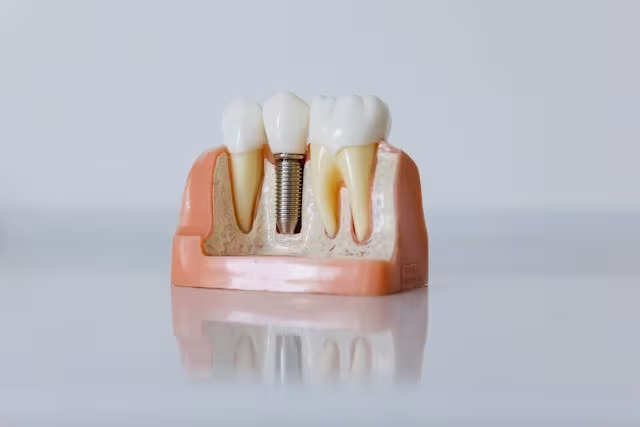
Understanding Sinus Lifts
If you’re considering dental implants to replace missing teeth in your upper jaw, you may have encountered the term “sinus lift.”
General shopping ideas, independent of this article’s advice.
Swipe to compare products → 50pcs FREE 50pcs 100pcs FREE 200pcs | Custom Print | Mirrorcoat Sticker | Cheapest on ShopeeFrom S$0.11MillionParcel Bubble Polymailer Bag | Polymailer with Bubble Wrap | Bubble Mailer | Bubble EnvelopeFrom S$0.19MillionParcel Kraft Paper Bag for Gift | Door Gift Bag for Present | Gift Bags | Party Bag | Goodie BagFrom S$0.16
Prices may vary by option. Check the final price and delivery on Shopee.
This procedure, while unfamiliar to most people, has become increasingly common as more Singaporeans choose dental implants as their preferred tooth replacement option.
A sinus lift becomes necessary when there isn’t enough bone in your upper jaw to securely support dental implants.
This comprehensive guide explores everything you need to know about sinus lifts—from why they’re needed to what recovery entails—helping you make informed decisions about your dental health journey.
What Is A Sinus Lift?
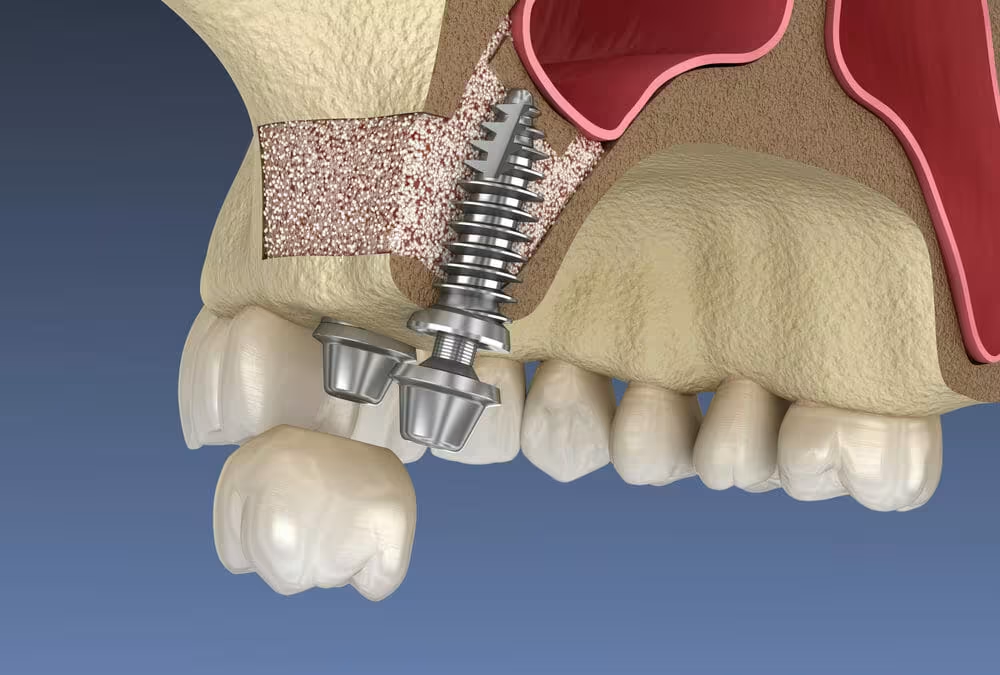
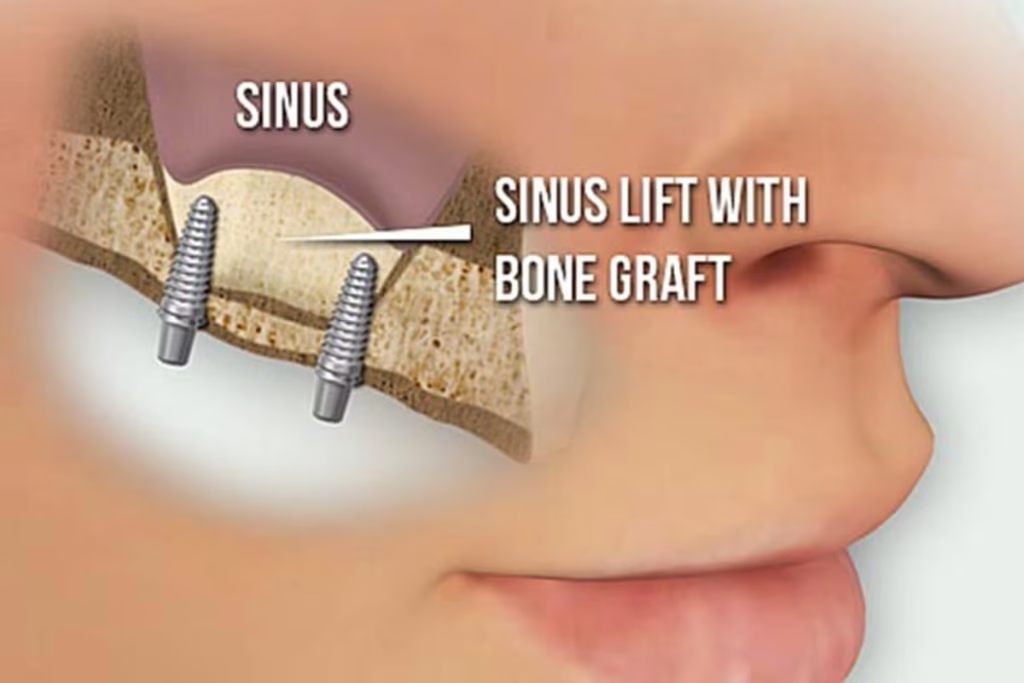
A sinus lift, also known as sinus augmentation, is a surgical procedure that increases the amount of bone in your upper jaw, specifically in the area of your premolars and molars. The procedure works by gently elevating the sinus membrane (the lining of your maxillary sinus) and placing bone graft material in the created space.
Your maxillary sinuses are hollow air-filled cavities located behind your cheeks and above your upper teeth.
In some cases, the roots of your upper teeth extend into these spaces. When these teeth are missing, there may only be a thin wall of bone separating your mouth from the sinuses, which is insufficient to support dental implants.
The sinus lift procedure addresses this issue by creating additional bone height and volume in your upper jaw, providing a solid foundation for dental implants.
This significantly increases the success rate of implant procedures in areas with previously inadequate bone structure.
You might be interested: The Ultimate Guide To Seeing A Dentist In Singapore
When Is A Sinus Lift Required?
Not all dental implants require a sinus lift. This specialized procedure is typically necessary under specific circumstances related to the unique anatomy of your upper jaw and the condition of your bone tissue.
Insufficient Bone Mass and Poor Bone Quality
Dental implants are designed to fuse with your jawbone through a process called osseointegration, essentially becoming permanent artificial tooth roots. Without adequate bone support, implants would become loose or fail completely.
Additionally, if the bone is too thin, an implant procedure could potentially damage the delicate sinus membranes that run parallel to your upper jaw.
You may need a sinus lift prior to dental implant placement if:
- Anatomical factors: The back of your upper jaw naturally contains less bone than your lower jaw due to the presence of the maxillary sinuses.
- Bone loss from periodontal disease: Advanced gum disease (periodontitis) can destroy surrounding bone tissue.
- Bone resorption: When teeth have been missing for some time, the body naturally reabsorbs the bone that previously supported them.
- Proximity of sinuses: Your maxillary sinuses are positioned too close to your upper jaw for implants to be safely inserted.
- Medical conditions: Certain conditions, including some cancers and their treatments, can affect bone density and quality.
- Birth defects: Some individuals may have distinct skull anatomy that results in less bone volume in the upper jaw.
You maybe interested in: Common Dental Problems in the Elderly: Symptoms, Prevention, and Treatment
The Sinus Augmentation Procedure: What to Expect
Understanding the sinus lift procedure can help alleviate concerns and prepare you for what lies ahead. The process typically involves several stages, from initial consultation through to recovery and eventual implant placement.
You might want to read: Orthognathic (Jaw) Surgery in Singapore: Costs, Risks, Recovery
Pre-Procedure Assessment
Before recommending a sinus lift, your dental surgeon will conduct a thorough examination of your jaw and sinuses. This typically involves:
- X-rays or digital 3D scans (CT scan) to assess bone structure
- Evaluation of sinus anatomy and position
- Review of your medical history
- Discussion of bone graft options
This assessment helps determine if you’re a suitable candidate for the procedure and allows your surgeon to develop a personalized treatment plan.
The Surgical Procedure
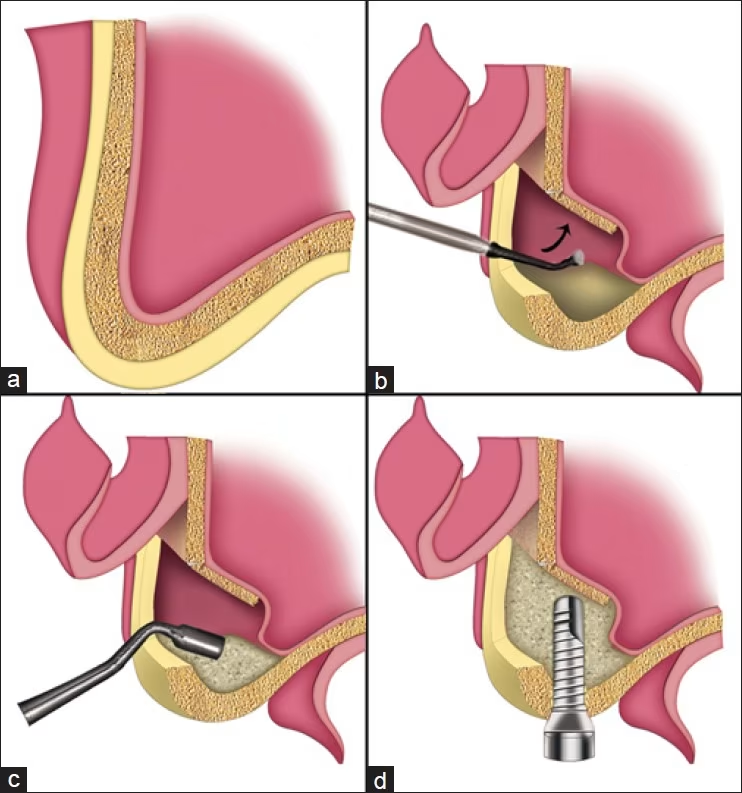
The sinus lift surgery typically takes between 60 to 120 minutes to complete, depending on the complexity of your case. The procedure generally involves:
- Anesthesia: Local anesthesia will be administered to ensure you feel no pain during the procedure. Depending on your preference and anxiety levels, sedation options may also be available, including intravenous sedation, nitrous oxide (laughing gas), or general anesthesia.
- Accessing the sinus: Your surgeon will make an incision in your gum tissue where your back teeth were previously located. The tissue is gently lifted to expose the underlying jawbone.
- Creating an entry point: A small opening is made in the bone to access the sinus cavity.
- Elevating the sinus membrane: The membrane lining the sinus is carefully raised upward and away from the jaw, creating space for the bone graft material.
- Placing the bone graft: The newly created space is filled with bone graft material. This serves as a scaffold for new bone growth.
- Closing the surgical site: The gum tissue is repositioned, and the incision is closed with stitches (either dissolvable or ones that will need removal).
Related article: The Complete Guide to Orthodontists in Singapore
Bone Graft Materials
The bone graft material used in sinus augmentation can come from various sources, each with its own advantages:
| Graft Type | Source | Advantages | Considerations |
|---|---|---|---|
| Autograft | Patient’s own body (typically from another part of the mouth, hip, or leg) | Contains living cells that promote natural bone growth; no risk of disease transmission or rejection | Requires a second surgical site; limited quantity available |
| Allograft | Donated human bone tissue | No second surgical site needed; readily available | Processed to eliminate disease risk; not living tissue |
| Xenograft | Animal bone (typically bovine/cow) | Structurally similar to human bone; readily available | Thoroughly processed to remove organic components and pathogens |
| Alloplastic | Synthetic materials (e.g., hydroxyapatite) | No risk of disease transmission; consistent quality | May take longer to integrate with natural bone |
Your dental surgeon will recommend the most appropriate bone graft material based on your specific needs, the amount of bone required, and other factors unique to your situation.
Preparing for a Sinus Lift
Proper preparation can help ensure a smooth procedure and successful outcome. Your dental surgeon will provide specific instructions tailored to your situation, but general preparation guidelines include:
- Quit smoking: If you smoke, you’ll be advised to quit at least two weeks before the procedure, as smoking can impair healing and increase complication risks.
- Medication management: You may need to temporarily stop taking certain medications, particularly anticoagulants (blood thinners), approximately two weeks before surgery.
- Dietary adjustments: Eating protein and vitamin-rich foods before surgery can help prepare your body for healing.
- Practical preparations: Stock up on soft, nutritious foods for your recovery period and arrange for someone to drive you home after the procedure.
Read more: Choosing The Right Dental Surgeon in Singapore
Recovery After a Sinus Lift
Immediate Post-Procedure Period
Following a sinus lift, some swelling and minor bleeding from the mouth or nose are normal. While this may cause some discomfort, most patients don’t experience severe pain and can return to work within two to three days.
Your surgeon will provide specific post-operative instructions, which may include:
- Taking prescribed or recommended over-the-counter pain relievers
- Using prescribed antibiotics to prevent infection
- Rinsing with antimicrobial mouthwash
- Applying cold packs to reduce swelling during the first 48 hours
- Using saline nasal spray to keep the sinus lining lubricated
Important Recovery Guidelines
To protect the surgical site and bone graft during healing:
- Oral hygiene: Avoid brushing or flossing the surgical area for the first week.
- Diet modifications: Choose soft foods and chew on the opposite side of your mouth. Avoid hard, crunchy, or hot foods that could irritate the surgical site.
- Activity restrictions: Avoid strenuous physical activity for at least one week.
- Sinus protection: Try not to blow your nose or sneeze forcefully for two to three weeks, as this could dislodge the bone graft or damage healing tissues. If necessary, use decongestants or nasal sprays as recommended by your surgeon.
Follow-Up Care
Your dentist will schedule a check-up appointment approximately 7-10 days after surgery to monitor your healing progress and remove stitches if non-dissolvable ones were used. Additional appointments may be scheduled throughout your healing period to ensure everything is progressing as expected.
Healing Timeline
Complete healing after a sinus lift takes time. The typical timeline includes:
- 1-2 weeks: Initial soft tissue healing
- 2-3 months: Early bone formation and integration
- 6-9 months: Complete bone maturation, providing sufficient strength to support dental implants
The exact healing time varies based on individual factors, including the type of bone graft material used, the extent of the augmentation, and your body’s natural healing capacity.
Dental Implant Placement After Sinus Lift
The main purpose of a sinus lift is to create sufficient bone to support dental implants. Once your jawbone has healed completely, which typically takes 6-9 months, your dental surgeon can proceed with implant placement.
In some cases, particularly when there is still enough natural bone to provide initial stability for the implant, your surgeon might place the implants simultaneously with the sinus lift. However, this approach is less common and depends on your specific circumstances.
The success rate of dental implants following a properly performed sinus lift is very high, with studies showing success rates comparable to implants placed in natural bone without augmentation.
Read more: The Ultimate Guide to Dental Implants in Singapore
Benefits of Sinus Lifts for Dental Implant Patients
Sinus augmentation offers several significant benefits for patients seeking dental implants:
- Enables implant placement: Makes dental implants possible for patients who would otherwise lack sufficient bone.
- Promotes bone regeneration: Stimulates natural bone growth in areas of the jaw that have experienced deterioration.
- Provides long-term solutions: Creates a stable foundation for dental implants, which can last a lifetime with proper care.
- Restores function: Helps restore proper chewing ability and bite strength.
- Improves appearance: Supports facial structures and helps maintain a youthful appearance by preventing the collapsed look that can occur with bone loss.
- Enhances quality of life: Contributes to better nutrition, speech, and self-confidence.
You might be interested: A Dentist Explains Dental Implant Costs in Singapore
Risks and Potential Complications
While sinus lifts are generally safe and routine procedures, as with any surgery, there are some potential risks:
- Infection: Though rare, infection can occur at the surgical site.
- Sinus membrane perforation: The sinus membrane may tear during the procedure. If this happens, your surgeon will repair it with a patch or stitches.
- Graft failure: In some cases, the bone graft may not successfully integrate with your natural bone, necessitating a repeat procedure.
- Implant failure: Although uncommon, there’s a small risk that implants placed after a sinus lift might not successfully integrate.
- Sinusitis: Inflammation of the sinus can occur, though this is uncommon with proper surgical technique.
It’s important to note that these complications are relatively rare, especially when the procedure is performed by an experienced dental surgeon. Choosing a qualified specialist is crucial for minimizing risks and ensuring optimal results.
Sinus Lift Costs in Singapore
The cost of a sinus lift procedure in Singapore varies based on several factors, including the complexity of your case, the type of bone graft material used, and the qualifications of your dental surgeon.
Typical costs include:
- Initial consultation: $80-$200
- Diagnostic imaging (X-rays): Approximately $160
- CT scans: $350-$600
- Sinus lift surgery: Starting from $2,000
Many patients are pleased to learn that MediSave can be used to pay for a portion of sinus lift procedures in Singapore, making this treatment more accessible.
When considering the cost, it’s important to view a sinus lift as an investment in your long-term oral health and quality of life. The procedure enables the placement of dental implants, which offer significant advantages over other tooth replacement options in terms of function, aesthetics, and longevity.
Is a Sinus Lift Right for You?
Determining whether a sinus lift is appropriate for your situation requires a professional assessment by a qualified dental surgeon. However, you might be a good candidate if:
- You’re missing one or more upper back teeth
- You have insufficient bone in your upper jaw for dental implants
- You’re in good general health
- You don’t have uncontrolled medical conditions that might impair healing
- You’re committed to maintaining good oral hygiene
- You don’t smoke, or you’re willing to quit before and during the healing process
A thorough evaluation, including 3D imaging of your jaw and sinuses, will help your dental professional determine if a sinus lift is necessary and appropriate for your specific circumstances.
Frequently Asked Questions About Sinus Lifts
Is a sinus lift painful?
No, the procedure itself is not painful as it’s performed under local anesthesia. You may feel some pressure or vibration during surgery, but no pain. After the procedure, mild to moderate discomfort can be managed with prescribed pain medications or over-the-counter pain relievers. Most patients report that the discomfort is less than expected and subsides within a few days.
How long does a sinus lift procedure take?
A typical sinus lift surgery takes between 60 to 120 minutes, depending on the complexity of your case and the amount of bone augmentation needed. The exact duration will be discussed during your pre-surgical consultation.
How long is the recovery period after a sinus lift?
Initial recovery, where you may experience swelling and minor discomfort, typically lasts 3-7 days. Most patients can return to work and normal activities within 2-3 days. However, complete healing of the bone graft takes 6-9 months before dental implants can be placed. Your surgeon will monitor your healing through follow-up appointments.
Will I have visible scars after a sinus lift?
No, all incisions for a sinus lift are made inside your mouth, so there will be no visible external scars. The intraoral incision heals quickly and becomes virtually undetectable over time.
Can I eat normally after a sinus lift?
For the first week after surgery, you should eat soft foods and chew on the opposite side of your mouth. Avoid hard, crunchy, spicy, or hot foods that could irritate the surgical site. As healing progresses, you can gradually return to your normal diet as comfortable, following your dentist’s guidance.
Can I brush my teeth after a sinus lift?
You should avoid brushing the surgical area for the first week to prevent disrupting the healing tissues and stitches. Your dentist may recommend gentle rinsing with salt water or a prescribed antimicrobial mouthwash instead. You can continue to brush and floss other areas of your mouth with caution.
What should I do if I feel the need to sneeze after a sinus lift?
Try to sneeze with your mouth open to reduce pressure on your sinuses. Avoid suppressing sneezes entirely, as this can actually increase sinus pressure. Your surgeon may prescribe decongestants or antihistamines to reduce the likelihood of sneezing during the initial healing period.
How successful are sinus lifts?
Sinus lifts have a very high success rate, with studies showing success rates of 90-95%. The success of subsequent dental implants placed after sinus augmentation is comparable to implants placed in natural bone without augmentation.
Can a sinus lift be performed on both sides of the mouth simultaneously?
Yes, bilateral sinus lifts can be performed in a single surgical session if needed. Your surgeon will determine if this approach is appropriate based on your specific needs and overall health.
Are there alternatives to a sinus lift for patients with insufficient bone in the upper jaw?
Yes, alternatives may include:
- Short dental implants that require less bone height
- Zygomatic implants that anchor in the cheekbone instead of the jawbone
- Alternative implant placement angles that maximize use of available bone
- In some cases, removable dentures or fixed bridges might be recommended instead of implants
Your dental surgeon will discuss all viable options based on your specific situation.
Will my insurance cover a sinus lift procedure?
In Singapore, MediSave can be used to cover a portion of the cost. Private dental insurance coverage varies significantly between providers and plans. It’s best to check with your insurance provider regarding your specific coverage. Many dental clinics also offer payment plans to help manage costs.
How soon after tooth extraction can I get a sinus lift?
While immediate sinus lifts (performed at the same time as tooth extraction) are possible in some cases, most surgeons prefer to wait 3-6 months after extraction to allow for initial healing. The timing depends on your specific situation, including the reason for the extraction and the condition of the surrounding bone and tissues.
Can I travel after a sinus lift?
It’s generally recommended to avoid air travel for at least 1-2 weeks after a sinus lift, as changes in cabin pressure could potentially affect your sinuses and the surgical site. For any planned travel, consult with your dental surgeon about appropriate timing.
Conclusion
Sinus lifts have revolutionized the field of dental implantology, making it possible for patients with bone deficiencies to benefit from the advantages of dental implants. While the procedure may sound intimidating at first, it is a routine, safe, and highly successful surgical technique when performed by qualified professionals.
If you’re considering dental implants for your upper jaw and have been told you need a sinus lift, take comfort in knowing that this procedure has helped countless patients in Singapore achieve functional, aesthetically pleasing, and long-lasting tooth replacements.
By understanding what the procedure entails, how to prepare, what to expect during recovery, and the significant benefits it offers, you can approach your sinus lift with confidence. Consult with a qualified dental surgeon to determine if a sinus lift is right for your specific needs and to develop a personalized treatment plan for your dental restoration journey.
General shopping ideas, independent of this article’s advice.
Swipe to compare products →MillionParcel Carton Box N | Packing Box | Moving Box | Cardboard box | Boxes for Moving | Delivery box | Storage BoxFrom S$0.57mixshop Dog Poop Bag/Pet Poop Bag/Small Garbage Rubbish bag, samll plastic bagFrom S$0.36Kirei Kirei Anti-Bacterial Hand Wash Hand Soap, (200ml Refill, 250ml/450ml Bottles)From S$1.62Prices may vary by option. Check the final price and delivery on Shopee.