

What is Cystic Acne?
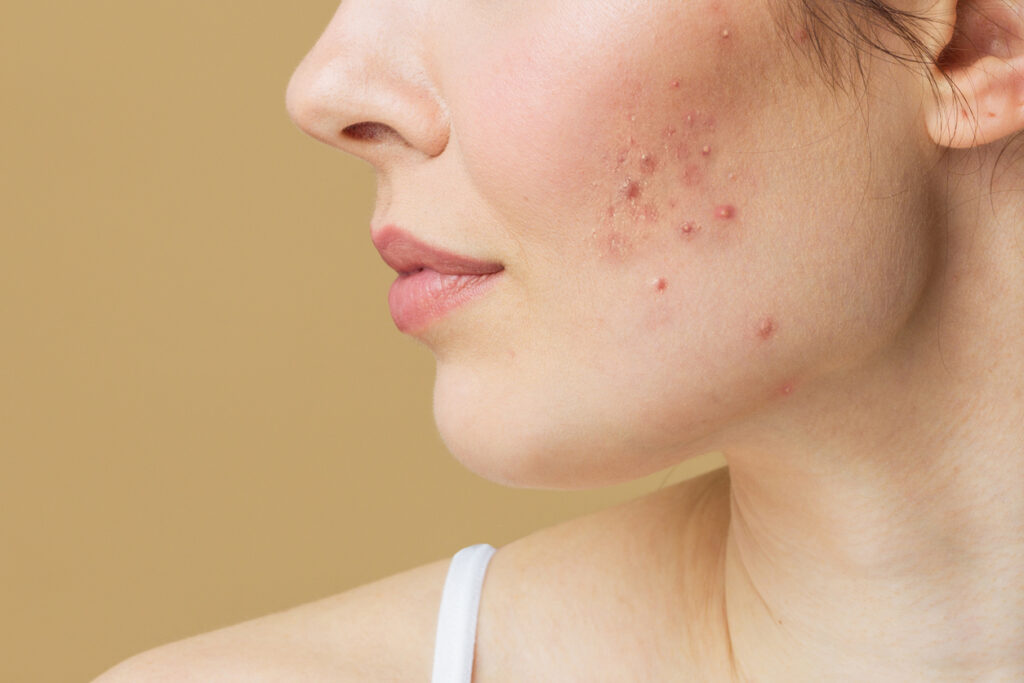
Cystic acne is a severe form of acne characterized by deep, inflamed, and painful cysts or nodules that develop beneath the skin’s surface.
Unlike regular pimples or whiteheads, cystic acne penetrates deeper into the skin, causing significant swelling, inflammation, and discomfort.
General shopping ideas, independent of this article’s advice.
Swipe to compare products → mixshop 3PLY disposable Medical mask & face mask for Adults and Kids, 99% BFEFrom S$2.48X Xingyao Black Frame Glasses Slimmer Look Small Face Nourishing GlassesS$1.09Iconic Medicare 5 Ply KN99/KN95/N95 Protective Medical Face Mask (10pcs)S$8.18
Prices may vary by option. Check the final price and delivery on Shopee.
These lesions appear as large, red, tender bumps that are often filled with pus and can result in substantial scarring if left untreated.
What distinguishes cystic acne from other forms of acne is that it stems from infections trapped beneath the skin, making it more resistant to over-the-counter treatments.
The cysts never bulge into a “poppable” head, which contributes to the pain as there is no opening to release the pent-up bacteria and oil.
Read more: The Ultimate Guide to Acne Removal in Singapore
What Causes Cystic Acne?
Cystic acne is a complex, multifactorial condition influenced by various elements:
Hormonal Fluctuations
A primary cause of cystic acne, particularly in women, is hormonal changes. The fluctuations that occur during menstrual cycles can lead to the overproduction of oil (sebum) in the sebaceous glands.
This excess oil mixes with dead skin cells, creating sticky plugs that clog pores and create the perfect environment for bacteria to thrive.
High levels of androgens and testosterone can further stimulate the sebaceous glands, exacerbating the production of sebum.
This hyperactivity can result in the pores becoming clogged, leading to severe acne formations.
According to the Acne Management Guidelines by the Dermatological Society of Singapore, cystic acne is seen more often in adults, affecting up to 69% of the female population in their adulthood.
Genetic Predisposition
Genetics play a significant role in the likelihood of developing cystic acne. If you have a family history of severe acne, the chances are higher that you might experience it too.
This genetic tendency often leads to the overproduction of sebum, resulting in oilier skin and an increased likelihood of acne breakouts.
Interestingly, one parent may pass on a hormonal abnormality that causes acne, while the other may pass on a greater inflammatory reaction to bacteria or other genetic variables.
Dietary Factors
Diet can also influence the severity and frequency of cystic acne. Certain foods are known to trigger skin inflammation and accelerate cyst formation.
High-glycemic (GI) foods, which cause a rapid increase in blood sugar, have been linked to the development of acne. These foods can exacerbate inflammation and contribute to the severity of acne symptoms.
High GI foods include:
- Sugar and sugary foods
- Sugary soft drinks
- White bread
- White rice
- Potatoes
Dairy products, particularly skim milk, have also been associated with triggering acne growth.
While there isn’t clear medical evidence linking milk to acne breakouts, many patients have reported improvements after changing their diet.
You might be interested: Scars, Pores, And Milia: A Doctor Answers Readers’ Skin Questions
Environmental Influences
Environmental factors, especially in urban settings like Singapore, can exacerbate cystic acne.
Pollution and humidity can clog pores with impurities and excess moisture, creating an ideal breeding ground for acne-causing bacteria.
The skin’s exposure to these environmental stressors can increase the severity of acne and also lead to other skin complications.
Lifestyle Factors
Lifestyle choices can significantly impact the development and persistence of cystic acne.
Stress, poor sleep, and inadequate skincare routines can all contribute to the worsening of acne.
High stress levels can lead to hormonal imbalances, further aggravating skin conditions.
Additionally, habits like wearing heavy makeup for prolonged periods without proper removal, using comedogenic skincare products, and touching your face with dirty hands can all exacerbate cystic acne.
Common Areas for Cystic Acne
Cystic acne typically occurs in areas with a higher concentration of sebaceous glands, which produce oil. These include:
Face
- Chin: Pimples on the chin are usually related to hormones, especially in women. Hormonal imbalances and shifts can disrupt the body’s healthy functioning and cause acne flare-ups. Acne growth on the chin may fluctuate during monthly periods.
- Cheeks: Acne on the cheeks is usually caused by oil and dirt buildup that clogs the pores over time. The dirt and debris that encourage bacteria growth on the cheek come from the environment, pillowcases, dirty smartphones, and habits of touching your face.
- Forehead: Sebaceous glands produce oil on our skin and hair. Acne forms when a sebaceous gland is blocked, and the oil cannot pass through. Factors that can cause more acne on the forehead include stress, hormonal changes, certain medications, and poor hygiene.
- Jawline: Hormonal-linked acne usually appears around the jawline and mouth, particularly in adults.
Other Areas
- Chest
- Back
- Upper arms
- Shoulders
You might be interested: Guide to Seeing a Dermatologist in Singapore
When to See a Doctor for Cystic Acne
As mentioned, cystic acne is a severe form of acne that, if left without appropriate treatment, risks permanent scarring.
While there are over-the-counter topical acne creams available for milder forms of acne, they are generally not effective enough to successfully target deep-seated bacteria.
Cystic acne involves deep-seated inflammation and infection within the skin, which requires more potent medications and targeted treatments.
Over-the-counter treatments typically contain lower concentrations of active ingredients and are not designed to address the underlying causes effectively.
Therefore, it is important to consult a doctor for cystic acne treatment to receive the most appropriate care and improve the chances of successful management while minimizing the risk of complications and scarring.
Cystic Acne Treatment Options in Singapore
1. Oral Medications
Oral medications are often prescribed for severe cystic acne. These require a doctor’s prescription and careful monitoring to ensure effectiveness and minimize potential side effects:
- Antibiotics: Help reduce inflammation and bacteria
- Hormonal treatments: Such as birth control pills for hormonal regulation
- Isotretinoin: Reduces oil gland size and sebum production
- Spironolactone: Often prescribed for women with hormonal acne
2. Anti-Acne Injections
Cortisone Injections
Anti-acne injections, also known as intralesional corticosteroid injections, are used to treat large, painful acne cysts.
The injection reduces inflammation, redness, and swelling, often showing improvement within a few days.
This treatment provides almost instant relief to the affected area but is usually a last resort for acne that doesn’t respond to other treatments.
Results can be seen within a few days, with a significant reduction in inflammation, pain, and swelling.
Additionally, cortisone injections can help prevent acne scarring by reducing the severity of the inflammation.
However, it’s essential to note that cortisone injections are not a long-term solution for acne and may need to be repeated periodically.
Potential side effects, such as skin thinning, stretch marks, and allergic reactions, should be carefully considered.
Antibiotic Injections
Antibiotic injections are often used to target bacterial infections that can contribute to acne breakouts. They’re particularly useful for cases where the infection is more severe.
Read more: The Ultimate Guide to Acne Treatments in Singapore
3. Drainage of Acne Cyst
In some cases, when a large cyst forms, a doctor may perform a drainage procedure. This involves carefully extracting the contents of the cyst using a small needle to reduce pain and accelerate healing.
Most patients tolerate the pain well, with only minor discomfort. In fact, draining acne cysts reduces discomfort and swelling almost immediately.
This procedure should only be performed by a qualified medical professional to prevent infection and scarring.
4. In-Clinic Treatments
While prescription medications play a crucial role in managing cystic acne, in-clinic treatments can add comprehensive value to the overall acne treatment plan:
Chemical Peels
Chemical peels, particularly those using salicylic acid, can be effective against cystic acne. The medically formulated chemical peel can penetrate deep into the skin layers to eliminate dead skin cells and bacteria, dissolving acne-causing bacteria.
Laser Treatments
Q-Switch laser is an effective treatment primarily to remove pigmentation and target acne conditions.
It can help brighten skin tone, purify pores, and treat acne. Fractional CO2 laser can also be used for healing acne scars.
More information: Q-Switched Laser Treatment in Singapore
RF (Radiofrequency) Treatments
Innoplus RF treatment can squeeze out acne sebum and eliminate bacteria with RF Thermolysis.
Patients can anticipate an 80-90 percent decrease in acne after three treatments, making it one of Singapore’s most effective cystic acne treatments.
Read more: INFINI RF Microneedling: Treat Your Acne Scars
Medical Facials
For severe acne on the cheeks, a facial treatment that contains cleansing, exfoliation, peeling, and infusion can soothe the skin and reduce inflammation. These treatments help minimize pores and reduce oil on the face.
5. Lifestyle Changes
Treating acne also includes lifestyle modifications:
- Balanced diet: Reduce consumption of high-glycemic foods and dairy
- Regular exercise: Helps improve overall health and reduce stress
- Adequate sleep: Poor sleep patterns can contribute to hormonal imbalances
- Stress management: High stress levels can trigger acne flare-ups
- Proper skincare routine: Follow a consistent skincare routine, remove makeup before bed, and cleanse your skin regularly
- Avoid picking: Never pick or squeeze acne, as this can lead to more inflammation and potential scarring
- Regular pillowcase changes: Changing sheets and pillowcases regularly can help reduce acne on the cheeks as they can be a breeding ground for bacteria
Related article: FAQs About Acne Scar Treatments In Singapore
Complications of Cystic Acne
Cystic acne is far more destructive to your skin than conventional acne. Several complications can arise if left untreated:
Scarring
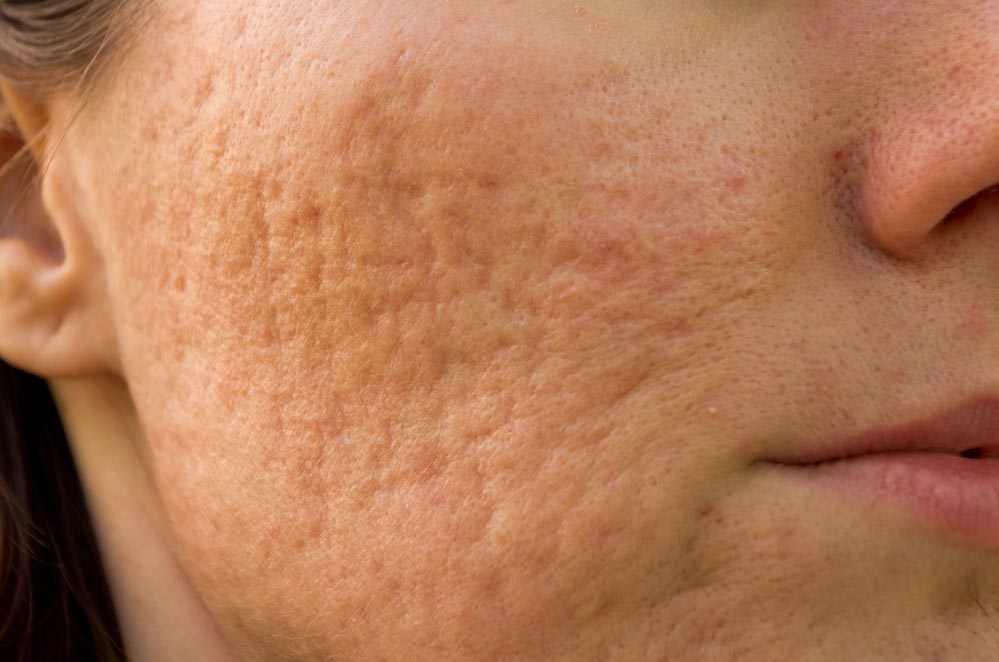
During the inflammation stage caused by the infection, the surrounding soft tissues of the skin are damaged.
This leads to excessive scarring including depressed pits and ice pick scars. Sometimes, bumpy hypertrophic scars and even keloids can form.
Spreading Infection
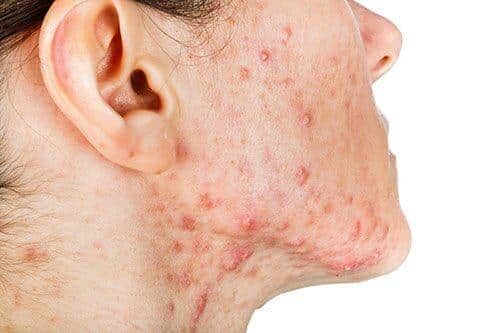
If the infected cyst spreads to the surrounding sebaceous glands, multiple cysts may form.
They tend to merge together, potentially resulting in a serious, deforming condition known as acne conglobata.
Secondary Infection
In severe cases, the skin and soft tissues around the cyst may become secondarily infected, leading to a condition known as cellulitis, which may spread rapidly.
This skin infection may cause tenderness, skin tightness, areas of inflamed red skin to grow larger, and may spread further into the bloodstream, causing high fever, chills, sweating, muscle aches, and pains.
Frequently Asked Questions
What is the fastest way to get rid of cystic acne?
The speed of treating cystic acne effectively varies from person to person. It’s advisable to consult with a doctor for personalized advice on suitable medications.
For severe cases, a doctor may discuss cortisone and/or antibiotics injections. In the meantime, please do not pick at your face, as this can worsen the condition.
What is the best cystic acne treatment?
There is no one “best” treatment as effectiveness differs depending on individual skin types and the specific nature of the acne.
Commonly used treatments include cortisone injections, oral medications like isotretinoin, antibiotics, and in-clinic procedures. It’s best to consult with a doctor to find the most suitable option for your case.
Can cystic acne be cured permanently?
While there is no guaranteed permanent cure for cystic acne, many people successfully manage and significantly reduce their symptoms.
Cystic acne may also lessen with age as hormonal levels stabilize. Consulting with a doctor can help in finding effective long-term management strategies.
What triggers cystic acne?
Cystic acne can be triggered by various factors, including hormonal imbalances (especially during menstruation and puberty), genetic predisposition, dietary factors (high-glycemic foods and dairy), stress, and certain medications. Environmental factors like pollution and humidity can also play a role.
Why am I getting cystic acne all of a sudden?
Sudden onset of cystic acne could be due to hormonal changes, stress, dietary factors, or changes in medication.
It’s important to discuss with a doctor who can assist in determining the cause and suggest appropriate treatments.
What worsens cystic acne?
Several factors can exacerbate cystic acne, such as wearing heavy makeup for prolonged periods without proper removal, consumption of whey protein supplements, use of comedogenic skincare products, stress, poor sleep, inadequate skincare routines, and picking at pimples.
A doctor can provide guidance on avoiding these aggravating factors.
What is cystic acne filled with?
Cystic acne is filled with pus, which is actually made up of white blood cells and is part of our immune system.
When cystic acne occurs, the body’s immune system is actually too strong, which is why too much pus is formed. This pus collects in a cyst, hence causing cystic acne.
When do most people get cystic acne and how long does it last?
Cystic acne is strongly linked to hormones; an estimated 85 percent of the time it occurs around hormone-heavy puberty and tends to persist until your 20s.
However, it is not uncommon to see women and men in their 40s who have cystic acne, even for the first time.
In women, hormonal changes during pregnancy or menopause can trigger cystic acne later in life. PCOS (Polycystic Ovary Syndrome), a hormonal imbalance where the body makes more testosterone-like hormones, is another common cause.
How much does the treatment for cystic acne cost in Singapore?
The cost of cystic acne treatment in Singapore starts from approximately $80 for acne injections. However, a customized approach that combines different treatment methods will vary in price.
It’s best to consult with a clinic for a personalized price quote based on your specific condition.
Is cystic acne contagious?
No, cystic acne is not contagious. You cannot “catch” acne from someone else. It is caused by internal factors like hormones, genetics, and individual skin conditions.
How long does a cortisone shot last for cystic acne?
A cortisone shot can last for several weeks to a few months, depending on the individual’s response to the treatment.
Results can typically be seen within a few days, with a significant reduction in inflammation, pain, and swelling.
Can diet alone cure cystic acne?
While dietary changes can help manage cystic acne for some individuals, diet alone is usually not sufficient to treat severe cystic acne.
A comprehensive treatment approach that includes medical interventions, proper skincare, and lifestyle modifications is typically necessary for effective management.
Is it safe to use home remedies for cystic acne?
Home remedies are generally not recommended for serious cystic acne as the products are not strong enough to penetrate through the deep inflammation.
It is best to consult with an experienced dermatologist for prescribed medication or professional skin treatments.
By understanding the nature of cystic acne and seeking appropriate medical treatment, individuals in Singapore can effectively manage this challenging skin condition and minimize the risk of permanent scarring and other complications.
General shopping ideas, independent of this article’s advice.
Swipe to compare products →[20Pcs] Made in Singapore KF94 design 3D Premium Face Mask BFE 99.9% UV SterilisedS$19.90【Local Ready Stock】 KF94 Korea Mask | BFE ≥99% | 4 PLY | 3D Face MaskS$2.80mixshop 3 PLY Medical Mask, Face Mask, BFE>99% Mask, SG STOCKFrom S$3.25Prices may vary by option. Check the final price and delivery on Shopee.