
Dark under-eye circles can prematurely age your appearance and often make you look perpetually tired or exhausted.
For many Singaporeans, especially those with Asian skin, dark eye circles present a significant aesthetic concern that impacts self-confidence.
The good news is that there are numerous effective treatments available in Singapore that can help diminish these unwelcome shadows without the need for invasive surgery.
Understanding Dark Eye Circles
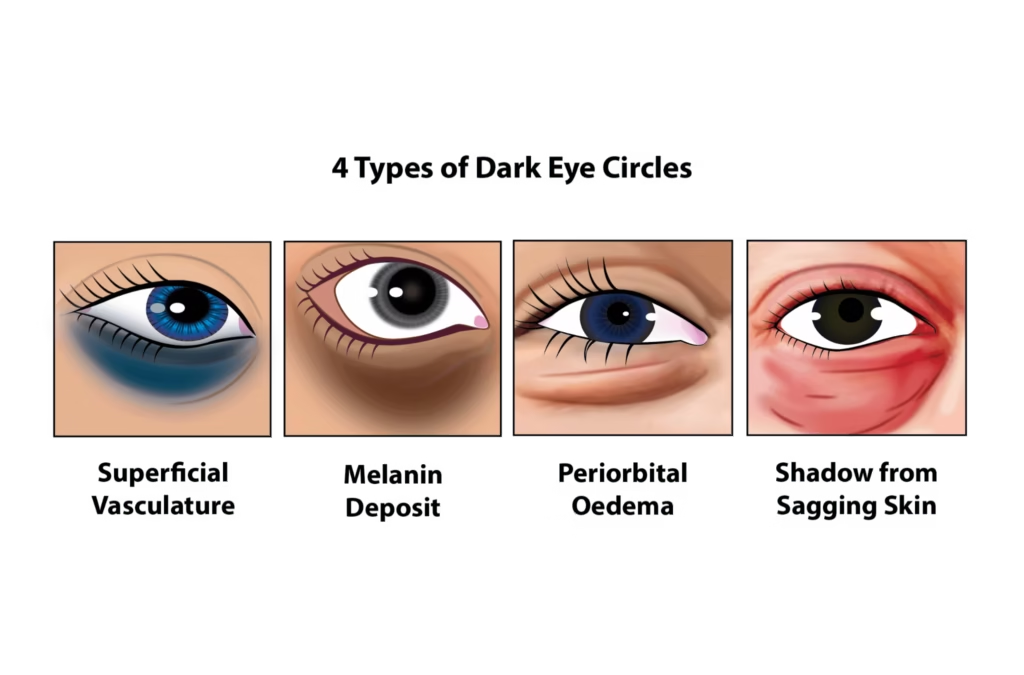
Dark eye circles are darkened areas of skin beneath the lower eyelids. These discolorations occur in the thinnest skin on your face, measuring only about 0.5mm thick compared to the average 2mm thickness of skin covering the rest of your body.
Dark, puffy under-eye circles develop from a combination of genetic factors and lifestyle habits.
These shadows under the eyes can make you look years older than your actual age and are often misunderstood as signs of fatigue, even when you’re well-rested.
What Causes Dark Eye Circles?
To effectively treat dark eye circles, it’s essential to understand their underlying causes:
1. Hyperpigmentation
Dark eye circles often begin in the capillaries beneath the thin skin under your eyes. These capillaries allow nutrient and oxygen exchange to supply vital muscle and tissue.
Sometimes, red blood cells leak out of these capillaries, staining the skin. When hemoglobin breaks down, its remaining components have a dark blue-black color—similar to a bruise.
This leakage of capillaries results in the prominent pigmentation we see as dark circles.
You might be interested: Laser Skin Pigmentation Treatment in Singapore
2. Thin Skin
This thinness makes the area more vulnerable to showing:
- Underlying bone structure
- Tiny blood vessels just beneath the skin surface
- Shadowing effects from structural features
The thin skin allows only blue/violet wavelengths of light to pass through, which is why veins and dark circles often appear bluish.
3. Loss of Volume
Dark eye circles commonly result from sunken eyes caused by the loss of fat in the under-eye area.
As this area loses volume and deflates inward, the blood vessels underneath move closer to the skin’s surface, creating visible darkness.
This volume loss is especially noticeable in people with naturally thin skin or as a natural part of the aging process.
4. Eye Bags
Another cause of dark circles is the formation of eye bags, where fat underneath the eye migrates forward towards the skin. This creates darkness in two ways:
- Blood vessels get pushed closer to the skin surface, causing discoloration
- The protruding eye bags cast shadows on the underside, creating the appearance of dark circles
5. Other Contributing Factors
Several other factors can cause or worsen dark eye circles:
- Sleep deprivation: Lack of sleep increases cortisol levels, which break down collagen and cause blood vessels to dilate
- Fluid retention: Swollen areas around the eyes create shadows, making the eyes appear darker
- Allergies: Can cause vessel dilation and accumulation of blood
- Genetics: Family history plays a significant role in dark circle development
- Aging: Causes reduced collagen and reduced levels of fatty tissue around the eyes
- Sun exposure: Increases melanin production and can damage thin skin
- Lifestyle factors: Poor diet, stress, smoking, and dehydration
- Medical conditions: Including thyroid issues, kidney diseases, and anemia
- Certain medications: Such as birth control pills
Read more: What Treatment is Best for Anti-Aging?
Who Is Dark Eye Circle Treatment For?
Dark eye circle treatment is suitable for individuals frustrated with persistent under-eye shadows that don’t respond to home remedies alone. Ideal candidates include:
- People experiencing dark circles due to genetics, aging, sleep deprivation, or lifestyle factors
- Those with inherited thin skin or pigmentation issues
- Individuals with visible blood vessels or capillaries around the eyes
- People with hollow or sunken under-eye areas
- Those concerned about fine lines and wrinkles in the under-eye region
- Individuals with puffiness or swelling under the eyes
It’s particularly common among Asian women, who often report psychological distress due to looking perpetually tired because of dark circles.
Comprehensive Treatment Options for Dark Eye Circles in Singapore
Singapore offers a wide range of treatment options for dark eye circles, from non-invasive procedures to more advanced medical techniques.
Understanding which treatment is most suitable depends on correctly diagnosing the underlying cause of your dark circles.
1. Laser Treatments
Laser therapy uses focused light energy to rejuvenate the skin by stimulating collagen production and promoting tissue repair.
Dual Laser Program (“Panda Eye Laser Program”)

Many clinics in Singapore offer a dual approach:
- Pro Yellow Vascular Laser: Constricts and minimizes the appearance of blood vessels under the eye, reducing under-eye discoloration
- Q-switch ND Yag/Spectra Pigmentation Laser: Breaks up hemoglobin present in the cells and reduces hyperpigmentation around the eyes
The advantage of this dual approach is that it addresses both causes of dark circles—pigmentation and vascular issues—rather than treating only one aspect.
Read more: Q-Switched Laser Treatment in Singapore
2. Dermal Fillers
Hyaluronic acid dermal fillers are injected under the eyes to fill the hollows that often accentuate darkness. This treatment:
- Fills out the volume lost, resulting in a fresh appearance
- Lightens dark circles by creating a smoother surface that doesn’t cast shadows
- Hydrates the under-eye area
- Improves wrinkles due to the boost of collagen production
- Can reduce the appearance of mild to moderate eye bags
Fillers are especially effective for tear trough deformities (the groove between the lower eyelid and cheek) because the problem is primarily a loss of volume.
Related article: Dermal Fillers in Singapore: The Comprehensive Guide
3. Skin-Tightening Treatments
Technologies such as radiofrequency (RF) or ultrasound are utilized to tighten the skin by heating its deeper layers, which encourages collagen production.
- Radiofrequency Treatment: RF uses energy waves to heat the deep layers of the skin, improving blood circulation and reducing the visibility of dark circles
- Ultrasound Treatments: Delivers focused ultrasound energy to deeper skin layers to stimulate collagen production, tightening and firming the under-eye skin
These treatments help reduce sagging and puffiness that contribute to the appearance of dark circles.
You might be interested: Which Skin Tightening Treatments in Singapore is Right For Me?
4. Microneedling
Microneedling stimulates collagen production and improves the absorption of topical treatments, leading to improved skin texture and reduced pigmentation problems.
Read more: The Ultimate Guide to Microneedling in Singapore
5. Chemical Peels
Light chemical peels can remove the top layer of skin, revealing fresher, lighter skin underneath.
This helps reduce pigmentation and improve the overall tone and texture of the skin under the eyes.
More information: Chemical Peels in Singapore: Costs, Benefits, Risks
6. Polynucleotide I (Eye)
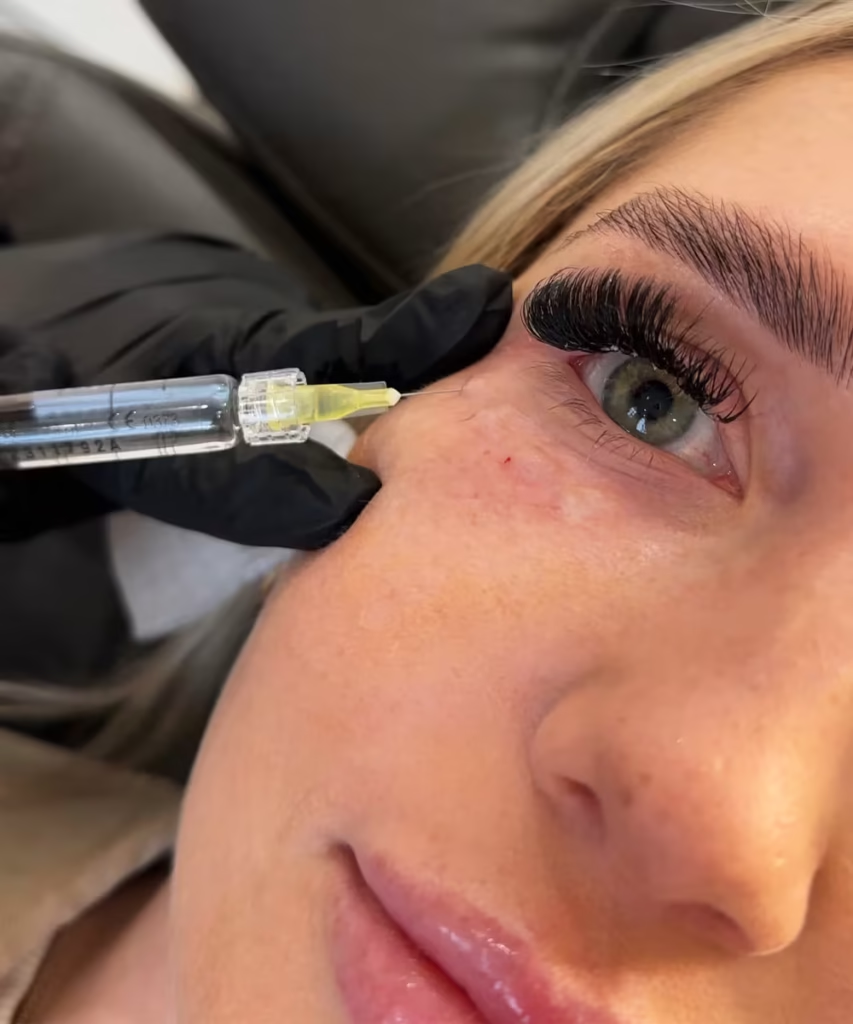
A treatment that originated in Korea, Polynucleotide (PN) is an upgraded form of Polydeoxyribonucleotide (PDRN) that boosts collagen production and rejuvenates skin naturally.
A diluted form of PN is injected under the thin skin around the eyes, improving darkness, reducing crow’s feet and wrinkles, and enhancing skin clarity.
The procedure typically involves:
- Topical anesthesia applied for 15 minutes
- PN product injected under the skin below the eye using a cannula for safety
- Quick procedure (about 15 minutes), with minimal discomfort and temporary swelling
- Recommended course: 3 sessions every 3-4 weeks
- Visible improvement after 4 weeks, with continued improveme nt over time
- Maintenance recommended every 3-6 months
7. Botox for Prominent Pre-tarsal Muscles
There are often two bulges present under the eyes. While the second bulge is typically regarded as eye bags, the first bulge is often just a prominent pre-tarsal muscle.
A few units of Botox under the eyes can reduce the size of these muscles, creating a smoother appearance.
8. Medical-Grade Topical Creams
Clinics in Singapore offer medical-grade treatment creams that are safe for use on eyelids and effective for hyperpigmentation and rejuvenation.
These typically contain ingredients like:
- Vitamin C: Brightens skin and reduces puffiness
- Retinol: Promotes cell turnover and collagen production
- Caffeine: Constricts blood vessels and reduces swelling
- Growth factors: Stimulate skin repair
Home Remedies for Dark Eye Circles
While professional treatments offer the most significant results, several home remedies can help reduce the appearance of dark circles:
1. Sufficient Sleep
Getting seven to eight hours of sleep prevents the skin around your eyes from becoming pale and dark. Proper sleep helps regulate cortisol levels, which impact collagen integrity.
2. Cold Compress
A cold compress can help reduce swelling and shrink dilated blood vessels, reducing the appearance of dark circles.
Cucumber slices, which are rich in folic acids and Vitamin C, can help fight free radicals and stimulate new collagen growth.
3. Aloe Vera
Aloe vera gel has proven scientific benefits for skin health. It can be applied with a few drops of rose water under the eyes before gently massaging for 15 minutes.
4. Coconut Oil
Coconut oil moisturizes the skin and provides resistance against factors that contribute to dark circles. Apply once daily for promising results.
5. Almond Oil
Almond oil is a rich source of vitamin E. Mixing it with honey and olive oil can improve skin health and give your skin a more youthful appearance.
6. Honey
Honey strengthens skin layers, neutralizes damage caused by free radicals, and prevents collagen degradation. Apply a spoonful of thin paste, leave for 10-15 minutes, then rinse with warm water.
7. Hydration and Diet
Staying well-hydrated and maintaining a balanced diet rich in vitamins A, C, E, and K, iron, and antioxidants can improve skin health and reduce the appearance of dark circles.
8. Sun Protection
Protect the under-eye area from sun exposure with sunglasses and sunblock. UV rays can damage the skin and make dark circles more noticeable.
Choosing the Right Treatment Approach
To effectively treat dark eye circles, the approach should be tailored to the specific cause and severity of your condition. A comprehensive treatment plan typically involves:
1. Proper Diagnosis
The first step to effective dark eye circle treatment is the correct diagnosis by a trusted professional aesthetic doctor.
There’s no use rushing to a treatment without understanding the condition you’re dealing with.
2. Personalized Treatment Plan
Different types of dark eye circles require different kinds of treatments.
A good aesthetic doctor will develop a treatment approach tailored to your specific skin condition, lifestyle factors, and the severity of your dark circles.
3. Combination Treatments
Often, the most effective approach is a combination of different treatments. For example:
- Laser therapy to address pigmentation
- Fillers to correct volume loss
- Topical creams for ongoing maintenance
4. Maintenance and Prevention
After treatment, it’s important to follow post-treatment care instructions and develop habits that help maintain results, such as:
- Using sun protection
- Maintaining a healthy diet
- Getting adequate sleep
- Staying hydrated
- Using recommended skincare products
Treatment Results and Expectations
When undergoing dark eye circle treatments, you can generally expect:
- Reduction in the appearance of dark circles
- Improved skin texture and tone around the eyes
- A brighter, more refreshed look
- Minimized puffiness and swelling
- Enhanced self-confidence with an improved appearance
The number of sessions needed varies depending on the severity of your dark circles, your skin type, and the specific treatment method used.
Typically, a series of 3 to 6 sessions spaced over several weeks is recommended for optimal results.
Treatment Safety and Side Effects
Most non-surgical dark eye circle treatments in Singapore are generally safe when performed by qualified professionals.
All fillers used in Singapore clinics are approved by Singapore’s Health Sciences Authority (HSA), and laser treatments are approved by the US Food and Drug Administration (FDA).
Potential Side Effects
Treatments may cause temporary side effects, including:
- Dermal fillers: Slight bruising, swelling, and redness around injection sites
- Lasers: Minor redness and swelling that typically subsides within a few hours
Post-Treatment Care
- After dermal fillers: Avoid rubbing the treated area for 2-3 days to prevent filler migration
- After laser treatments: Keep skin moisturized and clean, apply sunblock, and avoid sun exposure to prevent hyperpigmentation
FAQ Section
What exactly are dark eye circles?
Dark eye circles are the darkened areas of skin under the lower eyelids. They may appear purple, blue, or dark brown, depending on your skin color and condition.
They differ from eye bags (caused by fat and fluid accumulation) and tear troughs (the deep crease between the lower eyelid and cheek), although all three problems can occur simultaneously.
Which dark eye circles treatment is suitable for me?
The most suitable treatment depends on your specific condition, the underlying cause of your dark circles, and your expectations.
Factors to consider include whether your dark circles are caused by pigmentation, thin skin, volume loss, or eye bags.
A consultation with a qualified aesthetic doctor is essential to determine the best treatment plan for your unique situation.
How many sessions of treatment do I need to remove dark eye circles?
The number of sessions required depends on your condition and the treatment you’ve chosen.
Laser treatments typically require multiple sessions spaced several weeks apart, while one session of fillers can last up to a year.
For Polynucleotide I treatments, the recommended course is three sessions every 3-4 weeks, with maintenance treatments every 3-6 months.
Can we combine different treatment methods?
Yes, combining different treatment methods is often recommended for optimal results. The right combination of treatments can help address multiple causes of dark circles simultaneously, producing more natural-looking results and accelerating improvement.
For example, combining laser treatments for pigmentation with fillers for volume loss can be particularly effective.
Are the treatments painful?
Whether you opt for dermal fillers or lasers, a layer of numbing cream is typically applied 30 minutes prior to treatment to ensure comfort.
Most patients report minimal discomfort during the procedures. Polynucleotide I injections are described as painless, with some experiencing mild swelling for a few days afterward.
Are dark eye circle treatments safe?
The treatments are non-invasive, making them generally much safer than surgical alternatives.
All fillers used in Singapore clinics are approved by Singapore’s Health Sciences Authority (HSA), and laser treatments are approved by the US Food and Drug Administration (FDA).
The risk of serious complications is minimal when procedures are performed by qualified professionals.
What are the side effects of dark eye circle treatments?
Potential side effects are usually mild and temporary:
- Dermal fillers may cause slight bruising, swelling, and redness around the injection sites
- Laser treatments may result in slight redness and swelling after the procedure, but this typically resolves within a few hours
- Polynucleotide I injections may cause some swelling for a few days
What are the aftercare instructions for these treatments?
Aftercare varies depending on the treatment:
- Dermal fillers: Do not rub the treated area for 2-3 days to prevent the fillers from migrating to other areas
- Lasers: Keep your skin moisturized and clean, apply sunblock diligently, and avoid sun exposure to prevent hyperpigmentation
- Polynucleotide I: Follow your doctor’s specific instructions, which typically include gentle cleansing and avoiding excessive pressure on the treated area
How long do the results of dark eye circle treatments last?
Result duration varies by treatment:
- Dermal fillers typically last 6-12 months, depending on the product used and individual metabolism
- Laser treatment results can last for years with proper skincare and sun protection
- Polynucleotide I results improve over time, with maintenance recommended every 3-6 months
- Botox for pre-tarsal muscles typically lasts 3-4 months
What makes dark eye circles more prominent in Asian skin?
Dark eye circles are often more prominent in Asian skin due to several factors:
- Higher melanin content makes pigmentation issues more visible
- Genetic predisposition to thinner skin under the eyes
- Structural differences in facial anatomy that may create more pronounced tear troughs
- Higher prevalence of certain lifestyle factors that contribute to dark circles, such as increased screen time and urban pollution exposure
How much do dark eye circle treatments cost in Singapore?
Costs vary widely depending on the clinic, the specific treatment, and the number of sessions required. Generally:
- Laser treatments: $300-$800 per session
- Dermal fillers: $700-$1,500 per session
- Polynucleotide I: $500-$900 per session
- Chemical peels: $200-$400 per session
- Medical-grade creams: $100-$300 per product
Many clinics offer package pricing for multiple sessions, which can provide cost savings for comprehensive treatment plans.
How do I choose a reputable clinic for dark eye circle treatment in Singapore?
When selecting a clinic for dark eye circle treatment, consider:
- The qualifications and experience of the aesthetic doctor
- Before and after photos of previous patients
- Reviews and testimonials from other patients
- Whether the clinic uses approved products and technologies
- The clinic’s approach to consultation and personalized treatment planning
- Transparent pricing policies
Can makeup effectively conceal dark eye circles?
While makeup can temporarily conceal dark eye circles, it often doesn’t address the underlying causes.
Color-correcting concealers (orange or peach for blue-toned circles, yellow for purple tones) followed by a concealer matching your skin tone can help camouflage dark circles.
However, for a long-term solution, professional treatments are more effective, and many patients find they need less makeup after treatment.
Conclusion
Dark eye circles can significantly impact appearance and self-confidence, but with the advanced treatment options available in Singapore, they don’t have to be a permanent concern.
By understanding the specific causes of your dark circles and working with a qualified aesthetic doctor to develop a personalized treatment plan, you can achieve a fresher, more youthful appearance.
Whether through laser treatments, dermal fillers, skin-tightening procedures, or a combination approach, effective solutions are available to address this common aesthetic concern.
Complement professional treatments with good skincare habits, adequate sleep, proper hydration, and sun protection to maintain your results and keep your under-eye area looking its best.
Explore everyday essentials and compare current offers on Shopee.
Browse ShopeeAffiliate link: Urban Living may earn a commission from qualifying purchases, at no extra cost to you.