
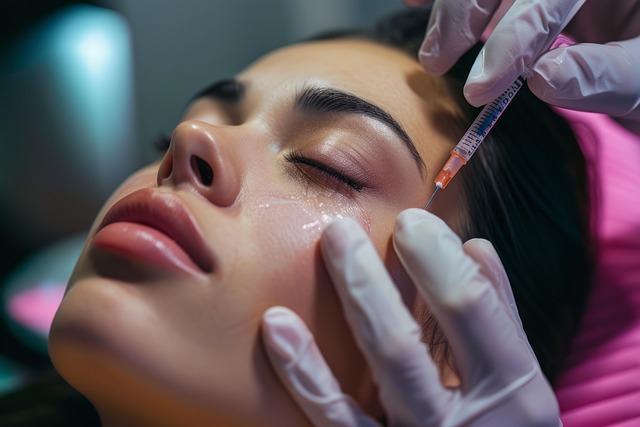
Botox has emerged as one of the world’s most popular non-surgical cosmetic procedures, renowned for its ability to reduce wrinkles and create a more youthful appearance.
Despite its widespread use and proven track record, numerous misconceptions continue to circulate about this treatment.
These persistent myths can prevent people from making well-informed decisions about whether Botox might be right for them.
In this comprehensive guide, we’ll separate fact from fiction by exploring the most common Botox myths and providing accurate, evidence-based information to help you understand the true nature of this revolutionary treatment.
Read more: Best Botox Clinic in Singapore
Understanding Botox: What It Is and How It Works
Before addressing the misconceptions, it’s important to understand what Botox actually is.
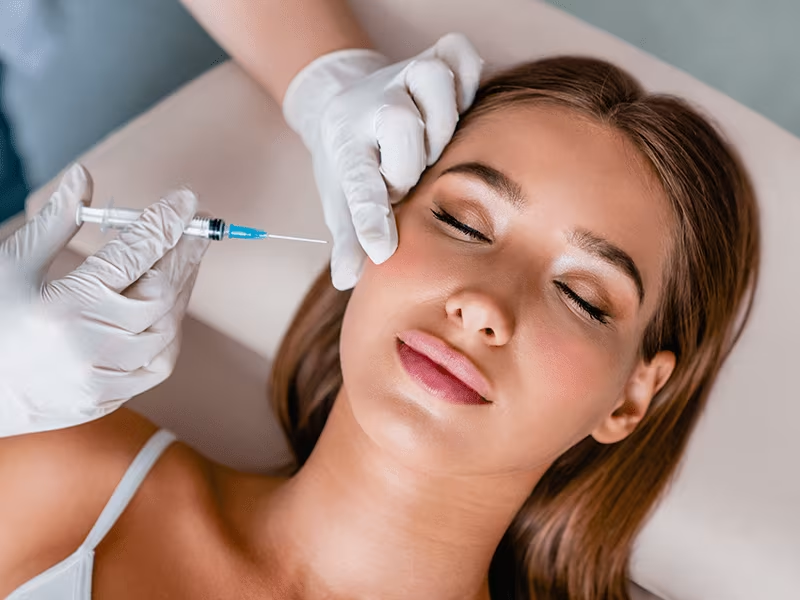
Botox is derived from a purified form of botulinum toxin, produced by the bacterium Clostridium botulinum. When injected in controlled, small doses into specific muscles, it temporarily blocks nerve signals that cause muscle contractions.
This blocking action prevents the targeted muscles from forming wrinkles when you make facial expressions.
The result is smoother skin and a more refreshed appearance. Beyond cosmetic applications, Botox has numerous medical uses, including treatment for chronic migraines, excessive sweating, and muscle spasms.
You might like: Botox Costs in Singapore
Top 10 Myths About Botox Debunked
Myth 1: Botox Is Only for Older People
The Truth: Botox benefits individuals across various age groups. While many people associate Botox with treating existing wrinkles in older adults, younger individuals increasingly use it as a preventative measure.
Starting treatments in your late 20s or early 30s can potentially delay the formation of deep-set wrinkles by training facial muscles to move less, thereby preventing dynamic wrinkles from becoming permanent static wrinkles over time.
Many dermatologists now recommend “preventative Botox” as an effective strategy for maintaining a youthful appearance longer. The approach focuses on treating areas where repetitive movements eventually lead to wrinkles, addressing these patterns before deep lines form.
Myth 2: Botox Will Make Your Face Look Frozen and Expressionless
The Truth: The infamous “frozen face” or “expressionless look” often associated with Botox is almost always the result of improper technique or excessive dosage—not an inherent effect of the treatment itself.
When administered by a skilled and qualified professional, Botox provides natural-looking results that soften wrinkles while preserving your ability to express emotions.
Modern Botox techniques aim for subtle enhancement rather than dramatic change. A good practitioner understands facial anatomy and knows precisely how much product to use for each individual’s desired outcome.
They’ll customize your treatment to ensure you can still smile, frown, and show surprise—just with fewer pronounced lines when you do.
Related article: Botox vs Dermal Fillers: Which is Better?
Myth 3: Botox Is Toxic and Dangerous
The Truth: While botulinum toxin can be dangerous in large, concentrated doses, the Botox used in medical and cosmetic procedures contains extremely diluted amounts that are safe when properly administered. It has been extensively researched and is FDA-approved for both cosmetic and therapeutic uses.
With over 30 years of clinical application and thousands of studies confirming its safety profile, Botox has established itself as a safe treatment option when performed by qualified professionals following proper protocols.
The risk of serious side effects is minimal when the treatment is administered correctly.
You might like: How to Get Rid of Smile Lines
Myth 4: Botox Is Permanent
The Truth: Botox effects are temporary, typically lasting between 3 to 6 months depending on the individual, the area treated, and the dosage used.
As the neurotoxin gradually wears off, muscle activity returns, and dynamic wrinkles may reappear.
This temporary nature actually provides several advantages:
- It allows for adjustments in subsequent treatments to refine results
- If you’re unhappy with results, they will naturally fade
- You can discontinue treatment at any time without lasting effects
- The treatment can be adapted as your face changes with age
Regular maintenance treatments are necessary to sustain the desired effects, typically scheduled 3-4 times per year for optimal results.
You might like: Comprehensive Guide to Cheek Fillers in Singapore
Myth 5: Botox Injections Are Extremely Painful
The Truth: Most patients report that Botox injections cause minimal discomfort, often described as a slight pinch or quick sting that subsides almost immediately.
The needles used are very fine, and the procedure is relatively quick—usually completed within 10-15 minutes.
Many practitioners further minimize discomfort by:
- Applying topical numbing creams before treatment
- Using ice to numb the area briefly
- Employing distraction techniques
- Using specialized techniques to reduce pain during injection
The minimal invasiveness of Botox injections makes them manageable even for those with lower pain thresholds. Most patients find the mild, temporary discomfort well worth the results they achieve.
You might like: Chemical Peels in Singapore: Costs, Benefits, Risks
Myth 6: Botox Is Physically Addictive
The Truth: Botox contains no chemically addictive properties whatsoever. There is no physical dependency created by the treatment, and you can stop at any time without withdrawal symptoms or adverse effects.
Some people may become psychologically accustomed to their refreshed appearance and choose to continue treatments because they’re pleased with the results—not because of addiction.
When treatments stop, facial muscles gradually return to their pre-treatment function, and wrinkles reappear at their natural pace.
You might be interested: HydraFacial Singapore: Benefits, Costs, Risks
Myth 7: Botox Is Only Used for Cosmetic Wrinkle Reduction
The Truth: While wrinkle reduction is its most well-known application, Botox has numerous medical uses approved by regulatory authorities worldwide. These include:
- Treatment of chronic migraines
- Management of excessive sweating (hyperhidrosis)
- Reducing muscle spasms and stiffness
- Treating overactive bladder
- Correcting crossed eyes (strabismus)
- Alleviating temporomandibular joint disorder (TMJ)
- Treating cervical dystonia (painful neck muscle contractions)
- Managing eye twitching (blepharospasm)
These therapeutic applications demonstrate that Botox is a versatile treatment with benefits extending far beyond cosmetic enhancement. Many patients receive Botox primarily for these medical conditions rather than cosmetic purposes.
Myth 8: Any Beauty Practitioner Can Administer Botox
The Truth: Botox should only be administered by qualified healthcare professionals with specific training in facial anatomy and injection techniques. This includes dermatologists, plastic surgeons, aesthetic physicians, and in some locations, specially trained registered nurses or physician assistants working under medical supervision.
The practitioner’s expertise significantly impacts your results and safety. Proper injection requires understanding of:
- Facial muscle anatomy and function
- Appropriate dosing for different areas
- Proper injection depth and technique
- Recognition and management of potential complications
Always research your provider’s credentials, experience, and before-and-after results before proceeding with treatment.
Myth 9: Botox Will Erase All Types of Wrinkles
The Truth: There are two primary types of wrinkles:
- Dynamic wrinkles – Caused by muscle movements (e.g., smile lines, frown lines)
- Static wrinkles – Present at rest, often due to sun damage, aging, or gravity
Botox most effectively treats dynamic wrinkles in areas like the forehead, between the eyebrows, and crow’s feet around the eyes.
Static wrinkles typically require different treatments such as dermal fillers, laser therapy, or chemical peels.
While Botox may help improve the appearance of some static wrinkles by preventing further deepening, it’s not designed to eliminate all types of facial lines.
For comprehensive facial rejuvenation, many practitioners recommend combination treatments tailored to address both types of wrinkles and other signs of aging.
Myth 10: Botox and Dermal Fillers Are the Same Thing
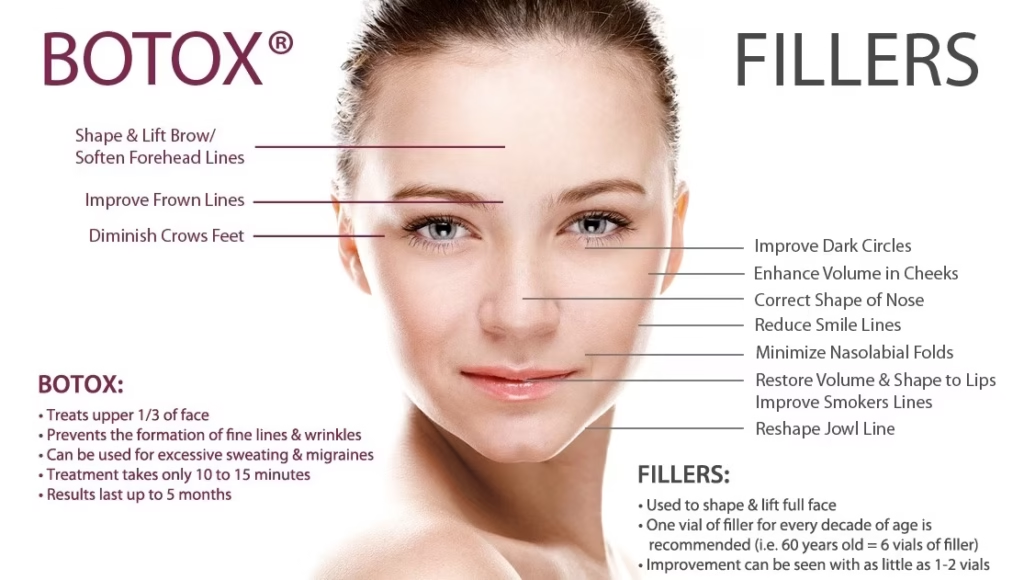
The Truth: Botox and dermal fillers are entirely different treatments that address different aspects of facial aging:
| Botox | Dermal Fillers |
|---|---|
| Relaxes muscles to reduce wrinkles caused by movement | Add volume to areas that have lost fullness |
| Made from purified botulinum toxin | Typically made from hyaluronic acid, calcium hydroxylapatite, or poly-L-lactic acid |
| Best for dynamic wrinkles (forehead lines, crow’s feet, frown lines) | Best for static wrinkles, volume loss, and enhancing facial features |
| Results last 3-6 months | Results last 6-24 months depending on the product |
| Works by blocking nerve signals to muscles | Works by physically filling space beneath the skin |
What Happens If You Stop Getting Botox?
A common concern is what happens when you discontinue Botox treatments. Contrary to another persistent myth, stopping Botox does not make your wrinkles worse than they were originally.
When you stop Botox:
- Muscle movement gradually returns to normal
- Dynamic wrinkles reappear at their natural progression
- Your skin returns to its pre-treatment state
- There are no withdrawal effects or rebounding
What some people perceive as “worse” wrinkles is actually just the contrast between their appearance with and without Botox, combined with the natural aging that occurred during the treatment period.
If you’ve become accustomed to a smoother appearance, returning to your natural state might seem more noticeable, but the wrinkles are not actually deeper than they would have been without treatment.
The Botox Procedure: What to Expect
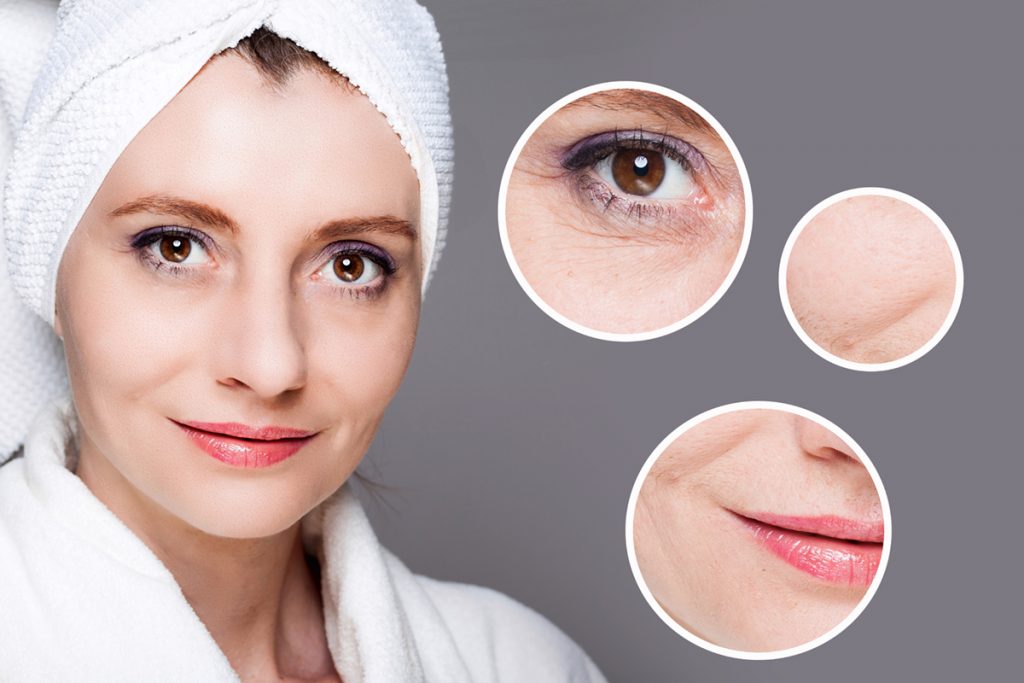
A typical Botox treatment follows these steps:
- Consultation – Discussion of goals, medical history, and treatment areas
- Preparation – Cleansing of the treatment area and possibly application of a topical numbing agent
- Treatment – Quick injections using a very fine needle into targeted muscles
- Post-treatment care – Brief instructions about activities to avoid (typically including not lying down, exercising, or massaging the treated area for 4-6 hours)
The entire procedure usually takes 15-20 minutes, earning it the nickname “lunchtime procedure.” Most patients can immediately return to their normal activities, though some may experience slight redness or swelling at injection sites that typically resolves within hours.
Results begin to appear within 2-5 days, with full effect visible after 7-14 days. The gradual onset contributes to the natural-looking results most patients desire.
Choosing a Qualified Botox Provider
The key to safe, effective Botox treatments is selecting a qualified provider. When researching potential practitioners:
- Verify medical credentials and specialized training in cosmetic injections
- Review before and after photos of actual patients
- Read patient testimonials and reviews
- Ask about their experience with the specific concerns you want to address
- Ensure they use FDA-approved, genuine Botox from reputable sources
- Choose a provider who takes time to understand your goals and explains the procedure thoroughly
- Consider the cleanliness and professionalism of their facility
Remember that expertise and experience matter more than price when it comes to injectable treatments. Heavily discounted Botox may indicate diluted product, inexperienced injectors, or even counterfeit products.
FAQ: Your Top Questions About Botox Answered
Will my face look worse if I stop doing Botox?
No, your face will not look worse than it would have naturally if you stop Botox treatments. When you discontinue Botox, your muscles gradually regain their normal movement, and wrinkles return to their natural progression. What people sometimes perceive as “worse” wrinkles is actually just the contrast between their appearance with and without Botox, combined with the natural aging that would have occurred regardless of treatment.
Your wrinkles will simply return to how they would have looked had you never had Botox in the first place. They won’t be deeper or more pronounced than they would have been naturally. This misconception often comes from people who haven’t tried Botox rather than from actual patients.
Is Botox safe for long-term use?
Yes, Botox has been shown to be safe for long-term use when administered properly by qualified professionals. Studies following patients who have received regular Botox treatments for 10-15+ years show no long-term adverse effects from properly administered treatments.
The safety profile of Botox has been well-established through decades of use in both cosmetic and medical applications. Many patients continue receiving treatments for many years with excellent safety records and consistent results. As with any medical procedure, it’s important to have treatments performed by qualified professionals who understand proper dosing and technique.
At what age should I start getting Botox?
There’s no single “right age” to start Botox treatments as this decision varies based on individual factors including facial anatomy, genetics, lifestyle, and personal goals. Some general guidelines:
- Early-to-mid 20s: Generally too early unless you have very pronounced expression lines
- Late 20s to early 30s: Many begin “preventative Botox” to address fine lines before they become deeper
- Mid 30s to 40s: Common starting age when dynamic wrinkles become more noticeable
- 50s and beyond: Still beneficial, often combined with other treatments for comprehensive rejuvenation
The decision should be based on when you begin to notice lines that bother you, rather than a specific age threshold. A consultation with a qualified provider can help determine the appropriate timing for your specific situation.
Can men get Botox too?
Absolutely! While Botox marketing has traditionally targeted women, an increasing number of men seek Botox treatments—sometimes referred to as “Brotox.” Male patients typically receive treatments for the same areas as women: forehead lines, crow’s feet, and frown lines between the eyebrows.
The technique may differ slightly for men to maintain a naturally masculine appearance, as male facial anatomy and aesthetic goals often differ from women’s.
Many men appreciate Botox for its ability to make them look more refreshed and less stressed or angry without obvious signs of having had “work done.”
The number of male patients seeking Botox continues to rise steadily each year.
How much does Botox cost?
Botox pricing varies widely depending on several factors:
- Geographic location (major cities typically have higher rates)
- Provider expertise and reputation
- Treatment area (some areas require more units than others)
- Number of units used
Botox is typically priced either per unit (ranging from $10-25 per unit) or per area (approximately $200-800 per area). A typical treatment might use:
- 10-30 units for forehead lines
- 15-25 units for frown lines
- 10-30 units for crow’s feet
Be wary of providers offering prices significantly below market rates, as this may indicate diluted product or inexperienced injectors.
Most importantly, remember that expertise, safety, and results should be prioritized over finding the lowest price.
Can Botox be combined with other cosmetic treatments?
Yes, Botox is frequently combined with other cosmetic procedures for comprehensive facial rejuvenation. Common complementary treatments include:
- Dermal fillers: Add volume to areas of the face that have lost fullness
- Chemical peels: Improve skin texture and tone
- Microdermabrasion: Exfoliate and rejuvenate skin surface
- Laser treatments: Address pigmentation, scarring, or skin tightening
- Microneedling: Stimulate collagen production
- Thread lifts: Provide lifting effects for sagging tissue
- Specialized skincare regimens: Maintain and enhance results
A knowledgeable provider can create a treatment plan combining multiple modalities for optimal results.
However, some treatments may need to be scheduled separately to avoid interference or increased risk of side effects.
What are the possible side effects of Botox?
Most side effects from Botox are mild and temporary. Common side effects include:
- Bruising or redness at injection sites
- Slight swelling or tenderness
- Headache (usually brief)
- Temporary drooping of the eyelid or eyebrow (rare when properly administered)
- Asymmetry (can usually be corrected with touch-up injections)
- Flu-like symptoms (very rare)
Serious side effects are extremely rare when Botox is administered by qualified professionals using proper technique and appropriate dosing.
Always disclose your complete medical history to your provider to minimize risks, including any neurological conditions, pregnancy, breastfeeding status, or medications you take.
Can I exercise after getting Botox?
It’s generally recommended to avoid strenuous exercise for 24 hours after Botox injections. Physical activity increases blood flow, which could potentially cause the Botox to migrate to unintended areas before it fully binds to the targeted muscles.
Walking and light activities are usually fine, but high-intensity workouts, hot yoga, or activities that involve lying down or inverting (where your head is positioned lower than your heart) should be postponed for a day after treatment.
Your provider will give you specific post-treatment instructions based on the areas treated and your normal activity level.
How long does it take to see results from Botox?
Botox doesn’t work immediately. The timeline typically follows this pattern:
- 24-48 hours: Some patients may notice initial effects
- 3-5 days: Most patients begin to see visible improvements
- 7-14 days: Full results become apparent
- 3-6 months: Results typically last this long before gradually fading
This gradual onset actually contributes to the natural-looking results most patients desire. If you’re getting Botox for a special occasion, plan to have your treatment at least two weeks in advance to ensure full effect and to allow time for any potential touch-ups if needed.
Can pregnant or breastfeeding women get Botox?
Botox is not recommended for women who are pregnant, planning to become pregnant, or breastfeeding.
Although there are no definitive studies showing harmful effects on the fetus or infant, the safety of Botox during pregnancy and lactation has not been established, and most medical professionals take a cautious approach.
As a precautionary measure, it’s generally advised to wait until after the breastfeeding period to resume or start Botox treatments.
This is a temporary postponement that prioritizes the safety of both mother and child. Always inform your provider if you are pregnant, trying to conceive, or breastfeeding.
Conclusion
By understanding the facts about Botox and dispelling these common myths, you can make more informed decisions about whether this treatment is right for you.
Botox has proven itself to be a safe, effective option for both cosmetic enhancement and medical treatment when administered by qualified professionals.
Remember that individual results may vary, and a personalized treatment plan is crucial to achieving your desired outcome.
Whether you’re considering Botox for cosmetic reasons or medical purposes, always consult with a reputable healthcare provider to ensure a tailored approach that aligns with your unique needs and goals.
Explore everyday essentials and compare current offers on Shopee.
Browse ShopeeAffiliate link: Urban Living may earn a commission from qualifying purchases, at no extra cost to you.