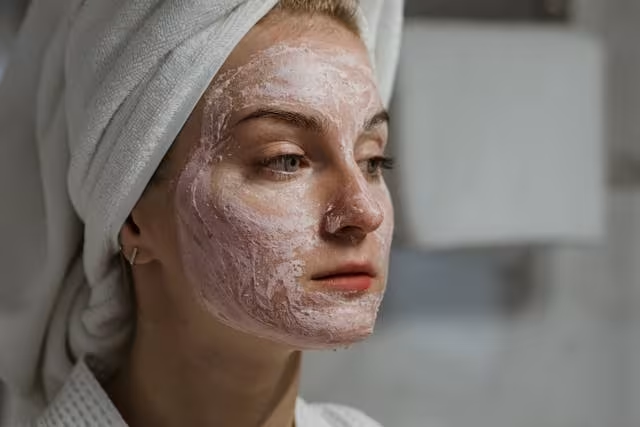
The pursuit of youthful, radiant skin has led many to explore various cosmetic treatments available in the market today. Among these treatments, Ultherapy stands out as an innovative, non-invasive option for those seeking to combat signs of aging without surgery.
This comprehensive guide will walk you through everything you need to know about Ultherapy—from how it works and its benefits to costs, preparation tips, and what to expect during and after treatment.
Read more: Ultherapy Cost in Singapore: Is It Right For Me?
Understanding Ultherapy: The Science Behind the Treatment
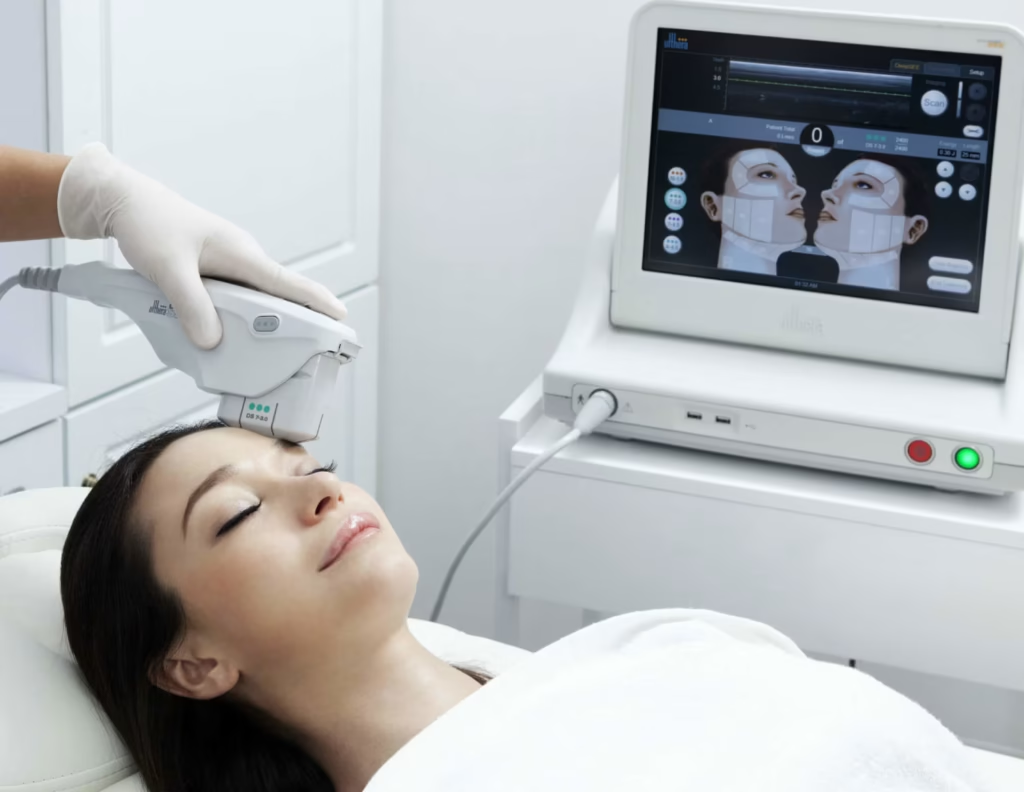
Ultherapy represents a breakthrough in non-invasive facial rejuvenation technology. It utilizes precisely focused ultrasound energy to target deep tissue layers beneath the skin’s surface—the same foundational layers addressed during surgical facelifts, but without any cutting or recovery time.
The procedure directs ultrasound energy waves to penetrate the deep soft biological tissues of the face and neck at temperatures reaching approximately 60-70 degrees Celsius.
These targeted tissues respond to the ultrasound by initiating a natural regenerative process, stimulating new collagen and elastin production. This response leads to gradual tightening and lifting of the skin over several months following treatment.
What makes Ultherapy truly distinctive is its FDA approval specifically for lifting and tightening the face and neck. It also holds EU-CE certification, confirming it meets stringent standards for health, safety, and environmental protection.
Related article: Best Ultherapy Clinic in Singapore
This dual certification provides patients with confidence in the treatment’s safety and efficacy profile.
Unlike many other facial rejuvenation treatments, Ultherapy employs real-time visualization technology called DeepSEE.
This ultrasound imaging capability allows practitioners to see beneath the skin’s surface, ensuring energy is delivered precisely to where it will be most effective. This unique feature enables treatment customization and optimal results for each patient’s specific needs.
The Remarkable Benefits of Ultherapy
Ultherapy offers numerous advantages for those seeking skin rejuvenation without surgery. Here’s a detailed look at what this treatment can do for you:
Natural Skin Lifting and Tightening
The primary benefit of Ultherapy is its ability to naturally lift and tighten skin on the face and neck.
The treatment creates a more defined facial contour by stimulating collagen production. As new collagen forms, it provides structural support to sagging skin, resulting in a natural-looking lift that develops gradually over time.
You might want to read: Best Ultherapy Clinic in JB for Singaporeans
Reduction of Fine Lines and Wrinkles
Ultherapy effectively addresses fine lines and wrinkles by encouraging skin regeneration from within.
The ultrasound energy stimulates collagen and elastin production, which helps smooth deep lines around the nose and mouth, under-eye areas, and forehead creases.
Read more: How to Get Rid of Smile Lines
Enhanced Facial Contouring
One of the most appreciated benefits is how Ultherapy refines facial contours, especially around the jawline and under the chin. It helps reduce jowls and creates a more defined jawline, improving overall facial harmony and proportion.
Brow Lifting Effect
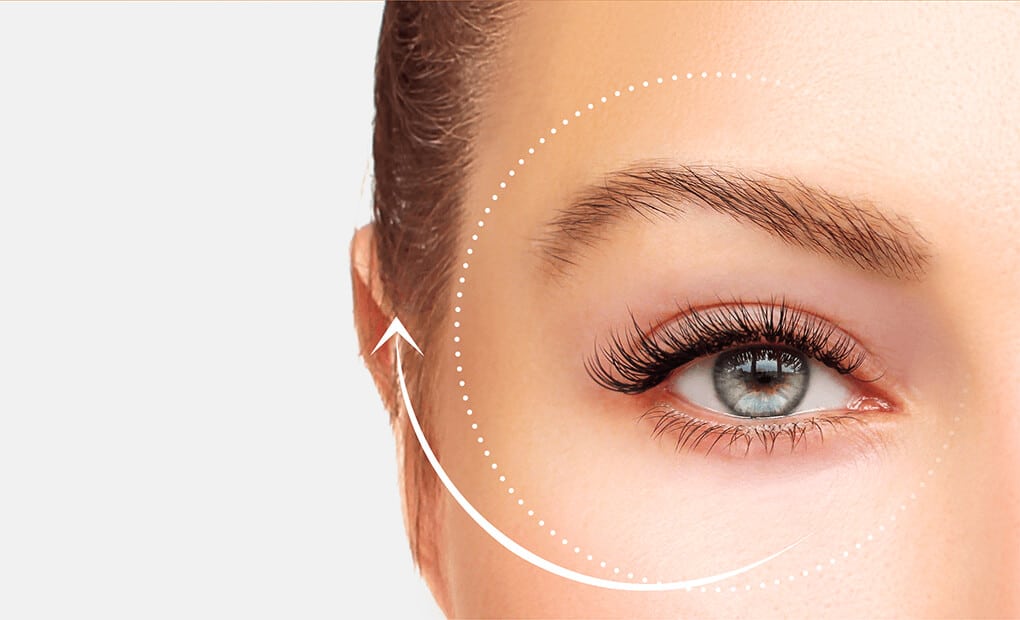
The treatment can provide a subtle yet noticeable lift to drooping eyebrows and outer corners of the eyes. This brow-lifting effect creates a more open, alert appearance to the eyes and upper face.
Read more: Which Skin Tightening Treatments in Singapore is Right For Me?
Long-Lasting, Natural Results
Unlike some treatments that offer only temporary improvement, Ultherapy produces results that continue to improve over several months as your body generates new collagen. These results can last up to two years with proper skin care and maintenance.
Non-Invasive with No Downtime
Perhaps one of the most significant advantages of Ultherapy is that it’s completely non-invasive.
There are no incisions, no scarring, and no required recovery period. Most patients can return to their normal activities immediately after treatment.
You might like: What Treatment is Best for Anti-Aging?
Precision Treatment
The advanced ultrasound imaging allows for precision targeting even in small, delicate areas. This ensures that energy is delivered exactly where needed, making the treatment highly effective for specific concerns.
Who Is Ultherapy Best Suited For?
Ultherapy isn’t for everyone, but it may be perfect for you if you fall into one of these categories:
Age Range Considerations
Typically, Ultherapy provides optimal results for individuals aged 30 and up. At this age range, people are often beginning to notice early signs of skin laxity, fine lines, and slight sagging.
The treatment can address these concerns before they become more pronounced.
You might like: Best Facelift Clinic in Singapore
Mild to Moderate Skin Laxity
Ultherapy works best for those with mild to moderate skin laxity. If you’re noticing some sagging around your jawline, neck, or brow but aren’t ready for surgery, Ultherapy might be ideal. It can provide noticeable improvement for individuals who want natural-looking results without dramatic changes.
Specific Area Concerns
The treatment is particularly effective for people experiencing:
- Drooping eyelids or sagging skin around the eyes
- Loose skin on the neck (sometimes called “turkey neck”)
- Excess facial fat around the cheeks or under the chin
- Sagging jawline and formation of jowls
- Loss of definition in facial contours
Preventative Approach
Some individuals choose Ultherapy as a preventative measure. Those who want to maintain youthful skin and prevent significant sagging before it occurs may benefit from early treatment, as it helps strengthen and rejuvenate the skin’s supporting structures.
Busy Lifestyle
Ultherapy is perfect for people with busy schedules who cannot afford downtime associated with more invasive procedures. Since you can immediately return to your daily activities, it fits seamlessly into even the most demanding lifestyles.
Treatment Areas: Where Ultherapy Works Best
Ultherapy can effectively treat various areas of the face and upper body:
Forehead and Temples
Treatment in this area helps smooth forehead lines and provides a subtle lifting effect to the brows. This can create a more refreshed, alert appearance.
Eye Area
Ultherapy can address sagging skin around the eyes, reducing the appearance of hooded eyelids and crow’s feet. The result is a more open, youthful eye area.
Cheeks and Jowls
By targeting the middle and lower face, Ultherapy helps restore volume to sagging cheeks and reduce the formation of jowls. This creates more defined facial contours and a more youthful appearance.
Under Chin and Jawline
One of the most popular treatment areas, Ultherapy effectively tightens loose skin under the chin and along the jawline. This improves facial definition and reduces the appearance of a double chin.
Neck
Ultherapy can significantly improve the appearance of a sagging neck, reducing horizontal bands and tightening loose skin for a smoother, more youthful neck contour.
Décolletage (Chest Area)
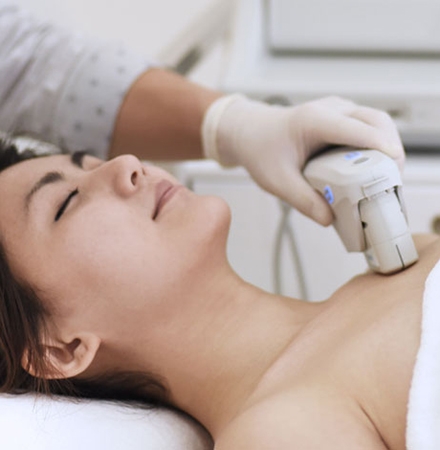
Beyond the face and neck, Ultherapy is also FDA-approved for improving lines and wrinkles on the chest area. Treatment here can smooth chest wrinkles and improve overall skin quality.
The Ultherapy Treatment Process: What to Expect
Understanding what happens during an Ultherapy treatment can help ease any apprehension and prepare you for the experience.
Consultation and Assessment
Your Ultherapy journey begins with a thorough consultation. A qualified practitioner will assess your skin condition, discuss your goals, and determine if you’re a suitable candidate. They’ll also explain the procedure, potential outcomes, and answer any questions you may have.
Preparing for Treatment
Prior to your appointment, you’ll receive specific instructions. Generally, these include avoiding blood-thinning medications and supplements (like aspirin, ibuprofen, vitamin E, and fish oil) if approved by your primary care physician. You should also discontinue use of skincare products that accelerate cell turnover, such as retinol and glycolic acid.
On the day of treatment, arrive with clean skin, free of makeup, moisturizers, or creams, as your skin will be cleansed before the procedure begins.
During the Procedure
An Ultherapy session typically follows these steps:
- Your skin will be cleaned, and ultrasound gel will be applied to the treatment areas.
- Using the Ultherapy device, your practitioner will use ultrasound imaging to see beneath your skin’s surface and plan the optimal placement of ultrasound energy.
- The device then delivers focused ultrasound energy to predetermined depths, targeting the foundational layer of skin tissue where collagen production is stimulated.
- You may feel brief sensations of heat and tingling as the energy is delivered. The intensity of these sensations varies among individuals, but comfort measures are available.
- Treatment time depends on the areas being addressed but typically ranges from 30 to 90 minutes.
Comfort Management
While Ultherapy isn’t typically described as painful, some discomfort can occur during the procedure. Practitioners offer various options to ensure comfort, including:
- Strong topical numbing creams
- Oral pain relievers
- Oral sedation
- Inhaled anesthesia
- Injectable anesthesia
- Intravenous sedation for those who might require it
The level of comfort management is tailored to your needs and the areas being treated.
Post-Treatment: Recovery and Results
Immediate Aftermath
One of the most appealing aspects of Ultherapy is that there’s virtually no downtime. After treatment, you can immediately return to your regular activities. Some patients may experience mild redness, swelling, or tenderness in the treated areas, but these effects typically subside within a few hours to days.
The Results Timeline
Patience is key when it comes to seeing results from Ultherapy. Here’s what you can expect:
- Initial changes: Some patients notice a small immediate effect, though this isn’t typical for everyone.
- 2-3 months: This is when most patients begin to see noticeable improvement as new collagen forms.
- 3-6 months: Results continue to improve and become more apparent.
- Full results: The complete effects are typically visible within 6 months.
- Duration: Results can last up to 2 years, depending on your body’s aging process and how well you care for your skin.
Maintenance Treatments
For optimal long-term results, maintenance treatments are recommended. Most practitioners suggest:
- Annual treatments for ongoing collagen stimulation
- Customized timing based on your skin’s condition and response to the initial treatment
Ultherapy Aftercare: Maximizing Your Results
Proper aftercare can significantly impact the longevity and quality of your Ultherapy results. Follow these guidelines for optimal outcomes:
Gentle Skincare
After treatment, your skin deserves gentle care. Use mild cleansers and moisturizers that won’t irritate the treated areas. Avoid harsh products containing strong acids or exfoliants for at least a week following your procedure.
Sun Protection
UV exposure can break down collagen and counteract the benefits of your treatment. Apply broad-spectrum sunscreen with at least SPF 30 daily, wear protective clothing, and limit direct sun exposure, especially during peak hours.
Hydration and Nutrition
Support collagen production by:
- Drinking plenty of water
- Eating a diet rich in antioxidants, vitamins, and proteins
- Considering collagen-supporting supplements (after consulting with your healthcare provider)
Avoid Heat Exposure
For at least a week post-treatment, avoid:
- Saunas and steam rooms
- Hot tubs and very hot showers
- Strenuous exercise that raises body temperature significantly
No Pressure on Treated Areas
Avoid massaging, rubbing, or applying pressure to the treated areas, as this may interfere with the collagen-building process and compromise your results.
Lifestyle Considerations
For long-lasting results, minimize:
- Smoking (which breaks down collagen)
- Excessive alcohol consumption
- Stress (which can accelerate aging)
Understanding Ultherapy Costs
The investment in Ultherapy varies widely depending on several factors. Understanding the cost structure can help you plan accordingly.
Price Range and Factors
Ultherapy treatment typically costs between $1,500 to $4,500 USD or 12,000 to 110,000 Baht, with variations based on:
- Geographic location and clinic reputation
- Areas being treated (full face and neck versus smaller areas)
- Practitioner’s expertise and experience
- Number of “lines” or treatment passes required
- Whether you’re getting Ultherapy or the newer Ultherapy PRIME
Value Perspective
When considering the cost, keep in mind:
- Ultherapy results can last up to two years, making it cost-effective over time
- The procedure requires no downtime, meaning no lost work days
- It’s a non-surgical alternative to more expensive surgical procedures
- Many clinics offer financing options or payment plans
Treatment Frequency
Most practitioners recommend not undergoing Ultherapy more than twice a year. A single treatment is often sufficient, with maintenance sessions scheduled annually or as needed based on your individual aging process.
Ultherapy vs. Other Treatments: Making an Informed Choice
Understanding how Ultherapy compares to other treatments can help you make the right decision for your skin concerns.
Ultherapy vs. Surgical Facelift
| Ultherapy | Surgical Facelift | |
|---|---|---|
| Invasiveness | Non-invasive, no cutting | Surgical procedure requiring incisions |
| Downtime | None to minimal | Weeks of recovery |
| Results | Gradual, natural-looking | Immediate, more dramatic |
| Duration | Up to 2 years | 5-10 years |
| Risk level | Minimal risk | Higher risks associated with surgery |
| Best for | Mild to moderate skin laxity | Moderate to severe skin laxity |
Ultherapy vs. Thermage
Thermage uses radiofrequency energy rather than ultrasound and typically suits patients with thinner tissue types. It provides more superficial tightening, while Ultherapy reaches deeper layers and may be more effective for patients with thicker tissue types, especially Asians. Both are non-invasive options with minimal downtime.
Ultherapy vs. Ultherapy PRIME
The newer Ultherapy PRIME builds on the original technology with enhanced customization, greater comfort during treatment, and faster sessions. It offers the same collagen-stimulating benefits but with improvements that make it more patient-friendly and versatile for treating all areas with precision and care.
Important Considerations Before Choosing Ultherapy
Before deciding on Ultherapy, keep these important factors in mind:
Results Take Time
Unlike some cosmetic treatments that provide immediate results, Ultherapy works gradually through collagen stimulation. The process occurs over 2-3 months, with results continuing to improve for up to 6 months. Patience is essential as your body naturally responds to the treatment.
Not a Replacement for Surgery
While Ultherapy provides noticeable lifting and tightening for mild to moderate skin laxity, it may not match the dramatic results of surgical procedures for those with severe sagging. Understanding this limitation helps set realistic expectations.
Practitioner Expertise Matters
The success of your Ultherapy treatment largely depends on the skill and experience of your provider. A qualified practitioner should have:
- Specific training in Ultherapy techniques
- Understanding of facial anatomy
- Ability to customize treatment based on your unique needs
- Experience determining the appropriate depth and energy levels
Authenticity Verification
Ensure you’re receiving genuine Ultherapy treatment by verifying:
- The clinic has a certificate of authenticity
- The machine includes real-time imaging/DeepSEE technology
- The practitioner is certified in Ultherapy administration
Not Always Suitable for Everyone
Certain conditions may make you unsuitable for Ultherapy, including:
- Skin disorders or active skin infections in the treatment area
- Open wounds or lesions
- Severe or cystic acne
- Active implants such as pacemakers or defibrillators
- Pregnancy (treatment should be postponed until after childbirth)
Always discuss your full medical history with your practitioner before proceeding.
FAQ Section
What is the difference between Ultherapy and other skin tightening treatments?
Ultherapy stands out from other skin tightening treatments because it uses ultrasound energy that can reach deeper tissue layers—the same ones addressed in surgical facelifts—without any cutting. Unlike laser treatments that typically work on surface layers, Ultherapy penetrates deeper to stimulate collagen production at the foundation of your skin.
And unlike radiofrequency treatments like Thermage that provide more superficial tightening, Ultherapy’s precision targeting with real-time visualization ensures treatment at optimal depths.
The results develop naturally over time as your body produces new collagen, rather than creating immediate but potentially short-lived effects.
How painful is Ultherapy treatment?
The sensation during Ultherapy varies among individuals. Most patients describe feeling a warm tingling or prickling sensation when the ultrasound energy is delivered. Some may experience brief moments of discomfort rather than sustained pain.
The level of discomfort typically depends on the treatment area and your personal pain threshold.
To enhance comfort, practitioners offer various pain management options, including topical numbing creams, oral pain relievers, oral sedation, inhaled anesthesia, and even injectable or intravenous sedation for those who might need it.
These comfort measures effectively manage any potential discomfort, making the procedure quite tolerable for most patients.
How many Ultherapy sessions will I need?
For most patients, just one Ultherapy session is sufficient to achieve noticeable results.
The treatment stimulates your body’s natural collagen production process, which continues for several months following your procedure.
However, depending on your skin’s laxity, age, and how your body responds to the initial treatment, your practitioner might recommend a follow-up session after evaluating your results at the 3-6 month mark.
For maintenance, annual treatments are typically suggested to counteract the natural aging process and maintain your results. Your practitioner will create a personalized treatment plan based on your specific needs and goals.
When will I see results from Ultherapy?
Ultherapy results develop gradually as your body produces new collagen in response to the treatment. Some patients might notice a slight immediate effect, but this isn’t typical for everyone.
Most people begin to see noticeable improvements around 2-3 months after treatment when collagen production is well underway.
The results continue to improve and become more apparent over 3-6 months, with full effects typically visible within 6 months.
This timeline reflects the natural process of collagen regeneration and remodeling in your skin. The gradual development of results also ensures they look natural rather than sudden or obvious.
How long do Ultherapy results last?
Ultherapy results typically last between 1-2 years, depending on several factors including your body’s aging process, lifestyle habits, and skincare routine.
While the treatment stimulates new collagen production, your natural aging process continues, and environmental factors like sun exposure and pollution can impact how long your results last.
Many patients choose to have annual maintenance treatments to preserve and enhance their results over time.
Proper skincare, sun protection, hydration, and healthy lifestyle choices can significantly extend the longevity of your Ultherapy results.
Is there any downtime after Ultherapy?
One of the most appealing aspects of Ultherapy is that there’s virtually no downtime required.
Most patients can return to their normal activities immediately after treatment, including work, exercise, and social engagements.
Some may experience mild redness, swelling, tenderness, or slight bruising in the treated areas, but these effects are typically temporary and resolve within a few hours to days.
Unlike surgical procedures that require weeks of recovery, Ultherapy allows you to maintain your regular schedule without interruption.
This makes it an excellent option for those with busy lifestyles who cannot afford extended recovery periods.
Who should avoid Ultherapy treatment?
Ultherapy isn’t suitable for everyone. Those who should avoid or postpone treatment include individuals with skin disorders or active infections in the treatment area, open wounds or lesions, severe or cystic acne in the treatment area, and those with active implants such as pacemakers or defibrillators.
Pregnant women should postpone Ultherapy until after childbirth. Additionally, those with extremely thin skin or significant sun damage might not be ideal candidates, as the treatment might not provide the desired results.
People with unrealistic expectations about what non-surgical treatments can achieve should also reconsider or have a thorough consultation to understand the realistic outcomes of Ultherapy.
What’s the difference between Ultherapy and Ultherapy PRIME?
Both Ultherapy and Ultherapy PRIME use focused ultrasound technology to stimulate collagen production for skin lifting and tightening.
However, Ultherapy PRIME represents the second generation of this technology with several enhancements. PRIME offers improved customization capabilities, allowing practitioners to tailor treatment more precisely to individual needs.
It provides greater comfort during the procedure, reducing the discomfort some patients experience with traditional Ultherapy. PRIME also features faster treatment sessions, making it more convenient for patients with busy schedules.
These improvements make Ultherapy PRIME more patient-friendly and versatile for treating various areas with precision and care, while maintaining the same effective collagen-stimulating benefits of the original technology.
What should I do before my Ultherapy treatment?
Before your Ultherapy treatment, follow these important preparations: First, consult with your doctor about temporarily discontinuing blood-thinning medications and supplements like aspirin, ibuprofen, ginkgo, vitamin E, and fish oil, if medically appropriate.
Avoid skincare products that accelerate cell turnover, such as retinol, tretinoin, and glycolic acid, for several days before treatment. Stay well-hydrated in the days leading up to your appointment.
Avoid excessive sun exposure, alcohol consumption, and smoking for at least 24 hours prior. On the day of treatment, arrive with clean skin free of makeup, moisturizers, or creams.
If you have any skin conditions in the treatment area, address these before your appointment or discuss them with your specialist. Finally, arrange transportation if you’ll be using sedation for comfort during the procedure.
Can Ultherapy be combined with other cosmetic treatments?
Yes, Ultherapy can be effectively combined with other cosmetic treatments as part of a comprehensive approach to facial rejuvenation.
Many practitioners recommend combining Ultherapy with treatments like Botox or dermal fillers for enhanced results.
While Ultherapy addresses skin laxity by stimulating collagen production and providing lift, Botox can relax dynamic wrinkles, and fillers can restore lost volume.
These treatments complement each other by targeting different aspects of facial aging. Other compatible treatments include laser therapy for surface texture improvements and chemical peels for addressing pigmentation issues. H
owever, proper timing between treatments is crucial, and your practitioner should create a customized treatment plan that sequences these procedures appropriately to maximize benefits while ensuring safety.
What aftercare is required following Ultherapy?
After your Ultherapy treatment, follow these aftercare guidelines to maximize results: Use only gentle cleansers and moisturizers on the treated areas and avoid harsh skincare products containing acids or retinoids for at least a week.
Apply broad-spectrum sunscreen with SPF 30 or higher daily and limit direct sun exposure, as UV rays can break down collagen. Stay well-hydrated to support your body’s healing process.
Avoid high-heat environments like saunas, steam rooms, hot tubs, and strenuous exercise for several days following treatment. Do not massage, rub, or apply pressure to the treated areas, as this may interfere with the collagen-building process.
Minimize smoking and alcohol consumption, as these can compromise collagen production. Finally, follow any specific instructions provided by your practitioner, as they may offer personalized advice based on your treatment areas and skin condition.
Conclusion
Ultherapy represents a significant advancement in non-invasive skin tightening technology, offering those seeking facial rejuvenation an effective alternative to surgery.
By understanding the procedure, its benefits, limitations, and what to expect during and after treatment, you can make an informed decision about whether Ultherapy is right for you.
Remember that choosing a qualified, experienced practitioner is crucial to achieving optimal results.
Take the time to research providers, ask questions during your consultation, and verify that you’re receiving authentic Ultherapy treatment with real-time visualization technology.
With realistic expectations and proper aftercare, Ultherapy can help you achieve a naturally lifted, more youthful appearance that enhances your confidence and complements your natural beauty.
Explore everyday essentials and compare current offers on Shopee.
Browse ShopeeAffiliate link: Urban Living may earn a commission from qualifying purchases, at no extra cost to you.