
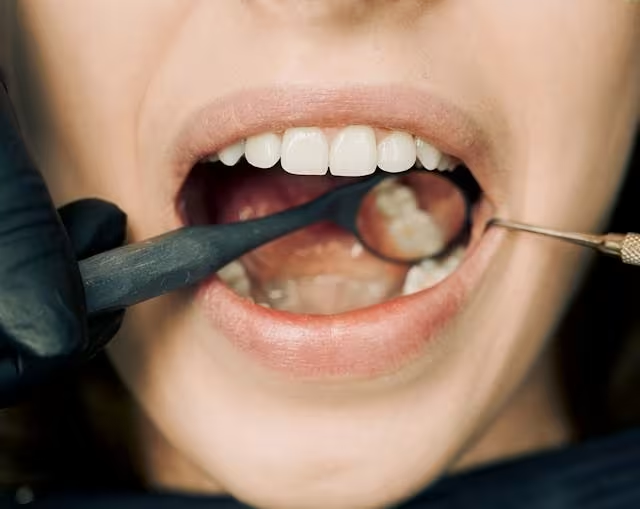
Modern dentistry has evolved significantly over the years, introducing innovative technologies that enhance patient comfort while delivering superior results.
Explore everyday essentials and compare current offers on Shopee.
Browse ShopeeAmong these advancements, Airflow treatment stands out as a revolutionary approach to dental cleaning that has gained tremendous popularity in Singapore’s dental practices.
Unlike conventional cleaning methods that rely heavily on manual scraping and polishing, Airflow treatment represents a paradigm shift in how dental professionals approach teeth cleaning, stain removal, and preventive care.
This comprehensive guide explores everything you need to know about this cutting-edge dental treatment available across Singapore.
What is Airflow Treatment?
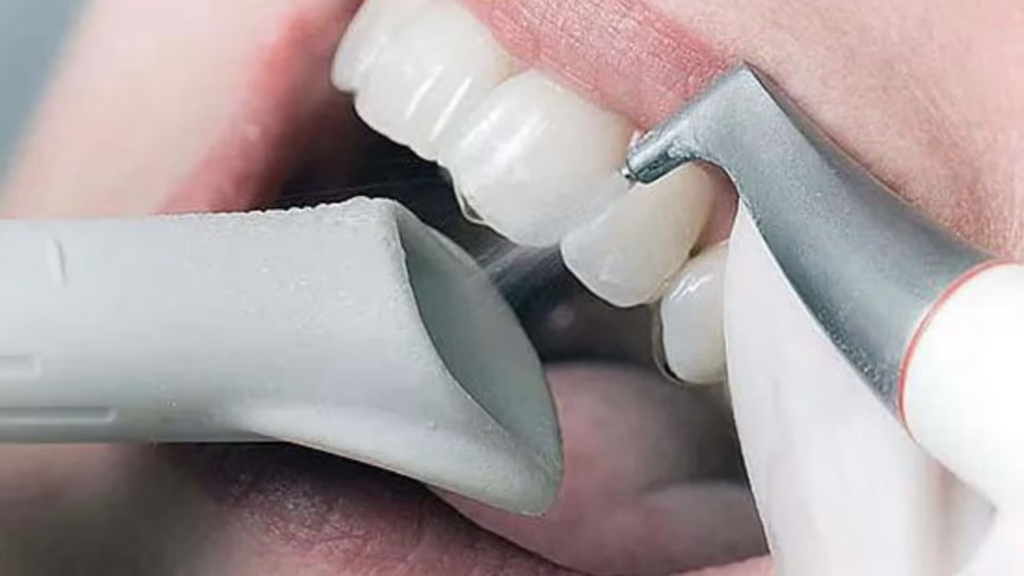
Airflow treatment is an advanced dental cleaning procedure that utilizes a specialized device to deliver a controlled stream of fine powder particles, compressed air, and water directly onto tooth surfaces.
Often described as an “air-polishing” system, this treatment effectively removes stains, plaque, and biofilm without the discomfort associated with traditional scaling methods.
The technology behind Airflow treatment was developed in Switzerland and has since become a preferred cleaning method among dental professionals worldwide, including those in Singapore.
The system’s ability to provide thorough cleaning while preserving tooth structure has made it particularly appealing to both dentists and patients seeking effective yet gentle oral care solutions.
You might be interested: Which Dental Clinic in Singapore Should You Consider? (Sort by Reviews)
How Airflow Treatment Works: The Science Behind the System
Understanding the mechanics of Airflow treatment helps appreciate its effectiveness.
The procedure employs a three-component system:
- Fine Powder Particles: Typically composed of sodium bicarbonate (baking soda) or other specially formulated dental powders
- Compressed Air: Creates the pressure needed to propel the cleaning mixture
- Water Spray: Helps direct the powder and rinses away debris during treatment
When activated, the Airflow device delivers this mixture through a specialized nozzle that the dentist moves systematically across each tooth surface.
The combination creates a powerful but controlled cleaning action that:
- Dislodges stubborn stains from the tooth surface
- Disrupts and removes bacterial biofilm
- Cleans difficult-to-reach areas between teeth and along the gumline
- Polishes the tooth surface to a smooth finish
The science behind this approach is both elegant and effective—instead of physically scraping away deposits with metal tools, Airflow treatment uses kinetic energy and mild abrasion to clean teeth thoroughly without excessive pressure or friction against sensitive tooth structures.
You might like: Smile Makeovers in Singapore: Costs, Procedures, and Benefits
The Complete Airflow Treatment Process in Singapore Dental Clinics
When you book an Airflow treatment at a Singapore dental clinic, you can expect a structured process designed to maximize both comfort and results:
Initial Assessment Phase
Your dental visit begins with a comprehensive examination of your oral health. The dentist evaluates:
- Current condition of teeth and gums
- Presence and severity of staining
- Amount of plaque and tartar buildup
- Any existing dental work that requires special care
This assessment helps determine if Airflow treatment is appropriate for your specific needs or if additional procedures might be required beforehand.
Related article: The Ultimate Guide To Seeing A Dentist In Singapore
Pre-Treatment Preparation
If significant calculus (hardened tartar) is present, your dentist may first perform traditional scaling to remove these larger deposits before proceeding with Airflow treatment. This combined approach ensures optimal results, as Airflow treatment works best on surfaces without heavy calculus buildup.
The Airflow Procedure
During the main treatment phase:
- The dentist positions a suction device to collect excess water and powder
- The Airflow handpiece is moved methodically across all tooth surfaces
- Special attention is given to stained areas and spaces between teeth
- The gumline is treated carefully to remove biofilm in this critical area
- Each quadrant of the mouth receives thorough attention
Throughout the procedure, you might experience a sensation similar to having your teeth blown dry, but without pain or significant discomfort. Most patients report that Airflow treatment feels considerably more comfortable than traditional scaling.
Post-Treatment Care and Guidance
After completing the cleaning process, your dentist will:
- Show you the results using a mirror to highlight the improvement
- Provide personalized oral hygiene advice to maintain the results
- Recommend an appropriate interval for your next cleaning session
- Address any questions or concerns you might have about the treatment
The entire process typically takes about 30 minutes, making it a convenient option even for those with busy schedules.
Key Benefits of Airflow Treatment for Singapore Patients
Airflow treatment offers numerous advantages that explain its growing popularity among dental patients in Singapore:
Superior Stain Removal
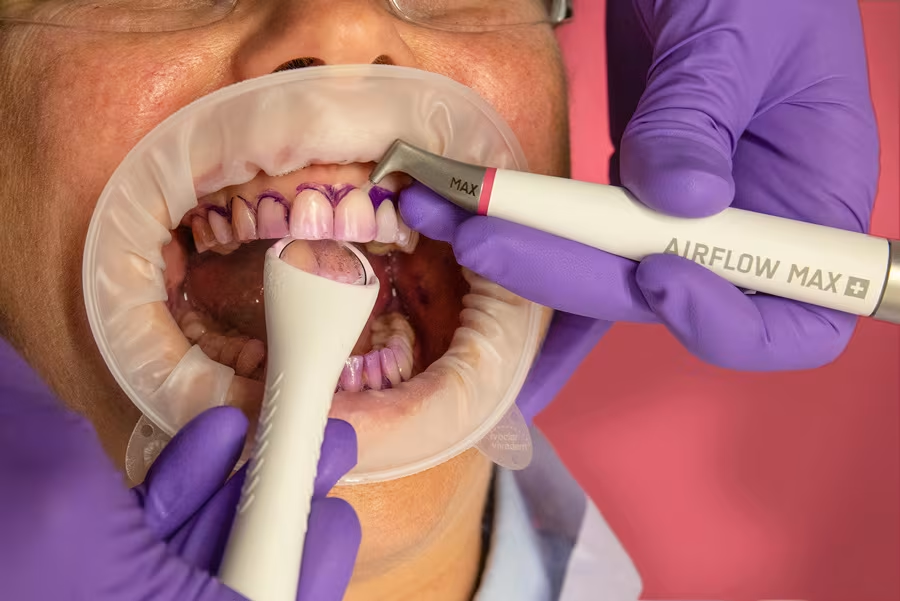
One of the most immediate and visible benefits is the treatment’s exceptional ability to remove stubborn stains caused by:
- Coffee and tea consumption (particularly prevalent in Singapore’s coffee culture)
- Red wine
- Tobacco use
- Curry and spicy foods common in local cuisine
- Soy sauce and other dark condiments
The treatment effectively restores teeth to their natural whiteness without using harsh bleaching chemicals, providing a healthier alternative to cosmetic whitening procedures for many patients.
Read more: Teeth Whitening in Singapore
Comprehensive Plaque Elimination
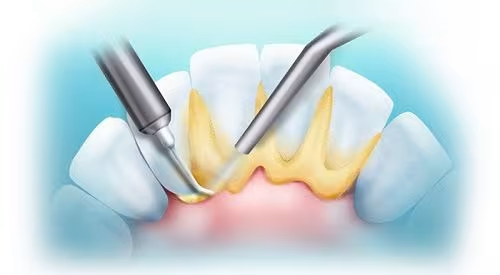
Beyond aesthetic improvements, Airflow treatment excels at removing bacterial biofilm and plaque—even from areas difficult to reach with conventional tools. This thorough cleaning:
- Reduces the risk of tooth decay
- Helps prevent gingivitis and periodontitis
- Decreases the likelihood of bad breath
- Creates an environment less conducive to new plaque formation
By removing plaque at its early stages, the treatment helps prevent the formation of calculus, which requires more invasive removal techniques.
You might like: Receding Gums in Singapore: Causes, Treatments & Prevention
Enhanced Comfort During Treatment
For many patients, especially those with dental anxiety or sensitive teeth, comfort during procedures is paramount. Airflow treatment offers:
- Minimal to no discomfort during the procedure
- No scraping sensation against tooth surfaces
- Reduced sensitivity compared to traditional scaling
- A gentler experience for patients with receding gums
The non-invasive nature of Airflow makes it particularly suitable for patients who find traditional cleaning methods uncomfortable or anxiety-inducing.
Preservation of Tooth Structure
Unlike some aggressive cleaning methods that can potentially damage enamel over time, Airflow treatment:
- Removes stains and plaque without excessive abrasion
- Preserves the integrity of the tooth’s natural structure
- Is gentle on exposed root surfaces and sensitive areas
- Reduces the risk of gum recession from aggressive cleaning
This preservation aspect is especially valuable for long-term oral health, as maintaining healthy enamel is crucial for preventing sensitivity and decay.
Read more: White Spots On Teeth: Causes, Treatments, and Prevention
Effective Cleaning Around Dental Work
Patients with dental restorations or orthodontic appliances often face challenges with traditional cleaning methods. Airflow treatment provides:
- Safe and effective cleaning around crowns and bridges
- Thorough plaque removal around orthodontic brackets and wires
- Gentle cleaning around dental implants without risking damage
- Removal of stains from composite fillings and bonding materials
This versatility makes Airflow treatment particularly valuable for patients with extensive dental work who require special care during cleaning procedures.
Preparation for Dental Procedures
When restorative or cosmetic dental work is planned, having pristine tooth surfaces is essential for optimal results. Airflow treatment:
- Creates an ideal surface for bonding procedures
- Ensures complete plaque removal before placing fillings or crowns
- Enhances the longevity of dental restorations by providing a clean foundation
- Improves the accuracy of shade matching for aesthetic procedures
Many Singapore dental clinics now recommend Airflow cleaning before significant dental work to maximize the success and durability of restorations.
Comparing Airflow Treatment to Traditional Dental Cleaning Methods
To better understand the advantages of Airflow treatment, it’s helpful to compare it with conventional cleaning approaches commonly used in Singapore dental practices:
| Aspect | Traditional Scaling & Polishing | Airflow Treatment |
|---|---|---|
| Comfort Level | May cause discomfort, especially for sensitive patients | Generally pain-free with minimal sensitivity |
| Stain Removal Effectiveness | Moderately effective on surface stains | Highly effective on stubborn stains |
| Cleaning in Difficult Areas | Limited access between teeth and deep pockets | Excellent access to interproximal spaces and periodontal pockets |
| Treatment Time | Typically 45-60 minutes | Usually completed in 30 minutes |
| Sensation During Treatment | Scraping feeling, sometimes pressure or vibration | Feeling of air pressure, similar to having teeth blown dry |
| Effect on Tooth Structure | May cause minimal enamel abrasion over time | Preserves enamel integrity |
| Post-Treatment Sensitivity | Moderate sensitivity common | Minimal to no sensitivity |
| Effectiveness on Dental Work | May be challenging around certain restorations | Safe and effective around most dental restorations |
While traditional methods remain valuable for specific conditions (such as heavy calculus removal), Airflow treatment offers distinct advantages for routine maintenance and stain removal that many patients find preferable.
Ideal Candidates for Airflow Treatment in Singapore
While most dental patients can benefit from Airflow treatment, certain individuals may find it particularly advantageous:
Patients with Aesthetic Concerns
Those concerned about staining from:
- Coffee, tea, or wine consumption
- Smoking or tobacco use
- Food-related stains common in Singapore’s diverse cuisine
- Professional requirements for a bright smile
Individuals with Sensitive Teeth
- Patients who experience discomfort during traditional scaling
- Those with exposed root surfaces or gum recession
- Individuals with a history of dental anxiety
- People who have postponed dental cleaning due to fear of discomfort
Related article: Common Dental Problems in the Elderly: Symptoms, Prevention, and Treatment
Wearers of Orthodontic Appliances
- Patients with braces who struggle with thorough cleaning
- Individuals with lingual (behind-the-teeth) orthodontic devices
- Those with clear aligners who need periodic professional cleaning
- People with permanent retainers that collect plaque in difficult-to-reach areas
Patients with Dental Restorations
- Individuals with multiple crowns, bridges, or veneers
- Dental implant recipients requiring gentle yet effective maintenance
- Patients with extensive composite bonding or esthetic restorations
- Those with tooth-colored fillings that can stain over time
Health-Conscious Individuals
- Patients with systemic health conditions requiring optimal oral hygiene
- Those at higher risk for periodontal disease
- Individuals seeking preventive care rather than reactive treatment
- People focused on natural approaches to dental care
Frequency Recommendations for Airflow Treatment
The optimal frequency for Airflow treatment depends on individual factors including oral hygiene practices, diet, and susceptibility to plaque and staining:
Standard Recommendation
Most dental professionals in Singapore recommend professional cleaning every six months for patients with:
- Good home oral hygiene practices
- No significant staining habits
- Healthy gums and minimal plaque formation
- No underlying dental or medical conditions affecting oral health
Increased Frequency Considerations
More frequent treatments (every 3-4 months) may be beneficial for:
- Smokers and tobacco users: Tobacco causes significant staining and increases periodontal disease risk
- Heavy coffee, tea, or wine consumers: These beverages cause progressive staining between cleanings
- Orthodontic patients: Braces create additional surfaces for plaque accumulation
- Individuals with diabetes: Diabetic patients have higher susceptibility to gum disease
- Those with history of periodontal disease: Maintenance is crucial after periodontal treatment
- Patients with dry mouth conditions: Reduced saliva increases plaque accumulation and staining
Your dentist will recommend a personalized schedule based on your specific needs and risk factors.
Cost Considerations for Airflow Treatment in Singapore
The investment in Airflow treatment varies across dental practices in Singapore, influenced by several factors:
Typical Price Range
Airflow treatment in Singapore typically costs between S$160 and S$200 per session. This price may increase if:
- Additional procedures (like deep scaling) are required
- The treatment is performed by a specialist rather than a general dentist
- The dental practice is located in a premium area or medical center
- Advanced equipment or premium powders are used
Insurance and Medisave Considerations
Many dental insurance plans in Singapore provide coverage for professional cleaning services, which may include Airflow treatment. However, coverage limits and specific inclusions vary by policy. Some key points to consider:
- Basic dental insurance typically covers regular prophylaxis (professional cleaning)
- Some plans may categorize Airflow as a “standard cleaning” while others may consider it an upgrade
- Medisave generally does not cover routine dental procedures including Airflow treatment
- Corporate dental benefits may offer more comprehensive coverage for preventive care
It’s advisable to check with your insurance provider about specific coverage details before scheduling treatment.
Value Perspective
When evaluating the cost of Airflow treatment, consider these value factors:
- Prevention of more expensive dental procedures through effective plaque removal
- Aesthetic benefits that might otherwise require costlier cosmetic treatments
- Comfort advantages for patients who find traditional cleaning uncomfortable
- Time efficiency with shorter appointment duration compared to some traditional methods
- Potential for extended intervals between treatments due to thoroughness
Many Singapore dental practices offer package deals or membership programs that include Airflow treatments at reduced rates for regular patients.
The Science of Biofilm and Why Airflow Treatment Matters
Understanding the biological basis for dental cleaning helps contextualize the importance of effective treatments like Airflow:
The Biofilm Lifecycle
Dental biofilm follows a predictable development pattern:
- Initial attachment: Bacteria adhere to the pellicle (protein layer) on tooth surfaces
- Colonization: Bacterial cells multiply and begin producing a protective matrix
- Maturation: The biofilm becomes more complex with multiple bacterial species
- Dispersion: Bacteria can detach and colonize new surfaces
Without disruption, this biofilm becomes increasingly difficult to remove and begins mineralizing into calculus (tartar) within 24-72 hours.
Why Standard Brushing Isn’t Enough
Even with diligent brushing and flossing:
- Approximately 35% of tooth surfaces remain uncleaned
- Biofilm in interproximal spaces continues to mature
- Subgingival (below the gumline) biofilm remains undisturbed
- Bacterial communities develop resistance to mechanical removal
These limitations highlight why professional cleaning technologies like Airflow treatment are essential components of comprehensive oral health care.
The Inflammation Connection
Persistent biofilm triggers an inflammatory response in gum tissues, which:
- Begins as gingivitis (reversible gum inflammation)
- Can progress to periodontitis (irreversible bone loss)
- Creates a chronic inflammatory state with potential systemic health implications
- May contribute to conditions including cardiovascular disease and diabetes complications
Airflow treatment’s superior biofilm removal capability addresses this fundamental cause of dental disease more effectively than some traditional methods.
Airflow Treatment for Special Dental Situations
Beyond routine cleaning, Airflow technology offers valuable applications in specialized dental situations:
Orthodontic Care
For patients with braces or other orthodontic appliances:
- Airflow effectively cleans around brackets and wires where traditional tools struggle
- Helps prevent white spot lesions (early decay) common during orthodontic treatment
- Reduces gingivitis risk, which affects up to 85% of orthodontic patients
- Provides refreshing cleaning without risking damage to orthodontic components
Many orthodontists in Singapore now recommend periodic Airflow treatment as part of comprehensive orthodontic care.
Implant Maintenance
Dental implants require specialized cleaning approaches:
- Traditional metal scaling instruments can damage implant surfaces
- Airflow with appropriate powders safely cleans around implants
- Effective biofilm removal helps prevent peri-implantitis (implant inflammation)
- Preserves the integrity of the implant-tissue interface
With the growing prevalence of dental implants in Singapore, safe and effective maintenance protocols are increasingly important.
Pre-Procedural Preparation
Before certain dental procedures:
- Airflow creates an ideal surface for bonding procedures
- Removes biofilm that could compromise adhesion
- Ensures accurate shade matching for aesthetic restorations
- Reduces bacterial load before invasive procedures
This preparatory application enhances the success rate and longevity of numerous dental treatments.
Periodontal Maintenance
For patients with a history of gum disease:
- Special Airflow nozzles can clean periodontal pockets up to 5mm deep
- Disrupts biofilm in areas unreachable with manual tools
- Creates a healthier environment for gum healing
- Complements traditional periodontal therapy
Many periodontists incorporate Airflow treatment into comprehensive maintenance protocols for patients with controlled gum disease.
Airflow Technology Advancements in Singapore Dental Practices
Singapore’s dental community has enthusiastically adopted advancements in Airflow technology:
Powder Innovations
Modern Airflow systems in Singapore utilize various powder formulations:
- Traditional sodium bicarbonate for stubborn stains
- Erythritol-based powders for gentle yet effective cleaning
- Glycine powders for sensitive areas and maintenance around implants
- Specialized formulations for specific clinical situations
These powder options allow dentists to customize treatment based on individual patient needs.
Equipment Evolution
The latest Airflow devices in Singapore dental practices feature:
- Precision water control to minimize splatter
- Ergonomic handpieces for better access to all tooth surfaces
- Improved suction systems for patient comfort
- Temperature-controlled water for reduced sensitivity
- Digital controls for customized pressure settings
These technological improvements enhance both the effectiveness and comfort of the treatment.
Integration with Digital Dentistry
Forward-thinking practices integrate Airflow treatment with digital workflows:
- Pre-treatment intraoral scanning to identify problem areas
- Post-treatment documentation of improvement
- Patient education using digital visualization tools
- Treatment planning that coordinates cleaning with other digital procedures
This integration represents the cutting edge of preventive dental care in Singapore.
At-Home Care After Airflow Treatment
To maximize the benefits of your Airflow treatment, Singapore dental professionals typically recommend these post-treatment practices:
Immediate Aftercare (First 24 Hours)
- Avoid strongly pigmented foods and beverages (coffee, red wine, curry) if possible
- If consuming staining substances, rinse afterward with water
- Brush gently using a soft-bristled toothbrush
- Consider waiting 2-3 hours before using mouthwash containing alcohol
Ongoing Maintenance
- Maintain regular brushing with fluoride toothpaste twice daily
- Use interdental cleaning tools (floss, interdental brushes) daily
- Consider an electric toothbrush for enhanced plaque removal
- Use a tongue cleaner to reduce bacterial load
- Stay hydrated to maintain healthy saliva flow
Lifestyle Considerations
- Be mindful of consumption of staining foods and beverages
- Rinse after consuming pigmented substances when possible
- Consider using a straw for staining beverages
- If applicable, explore smoking cessation resources
- Maintain regular dental check-ups and cleaning appointments
Following these recommendations helps extend the aesthetic and health benefits of your Airflow treatment.
Finding Airflow Treatment Providers in Singapore
Airflow treatment is widely available across Singapore’s dental landscape:
Types of Practices Offering Airflow
- General dental clinics throughout residential neighborhoods
- Dental centers in major shopping areas and business districts
- Specialized cosmetic dental practices
- Periodontal specialist offices
- Dental departments in major hospitals
Factors to Consider When Choosing a Provider
When selecting a dental practice for Airflow treatment, consider:
- Experience and training with Airflow technology
- Type of Airflow system used (newer systems may offer enhanced comfort)
- Availability of different powder options for personalized treatment
- Comprehensive approach that includes oral health education
- Transparent pricing and payment options
- Convenient location and appointment availability
Questions to Ask Potential Providers
Before scheduling, consider asking:
- Is Airflow treatment appropriate for my specific dental conditions?
- What preparation is needed before treatment?
- What types of powder do you use for different situations?
- Do you combine Airflow with traditional cleaning methods when needed?
- How often do you recommend Airflow treatment for my situation?
- Are there package options for regular maintenance?
Taking time to find the right provider ensures you receive optimal care tailored to your needs.
FAQ Section
What exactly is Airflow dental treatment?
Airflow dental treatment is an advanced cleaning procedure that uses a combination of fine powder particles (typically sodium bicarbonate or glycine), compressed air, and water delivered through a specialized handpiece to remove stains, plaque, and biofilm from teeth. Unlike traditional cleaning methods that rely on manual scraping, Airflow uses this controlled spray to clean teeth thoroughly yet gently, making it particularly effective for stain removal while being comfortable for patients with sensitive teeth.
How does Airflow treatment differ from regular dental cleaning?
Traditional dental cleaning (scaling and polishing) primarily uses manual or ultrasonic instruments to physically scrape away plaque and calculus, followed by polishing with abrasive paste. Airflow treatment, in contrast, uses a pressurized stream of powder, water, and air to remove stains and biofilm without direct mechanical contact with tooth surfaces. This results in several key differences: Airflow is generally more comfortable, excels at removing stains, cleans more effectively in difficult-to-reach areas, and is gentler on tooth enamel and gum tissue than traditional methods.
Is Airflow treatment painful or uncomfortable?
Most patients find Airflow treatment considerably more comfortable than traditional scaling procedures. The sensation is often described as feeling like a stream of cool water and air on the teeth—similar to having your teeth blown dry. Some temporary sensitivity might occur, particularly if you have exposed root surfaces, but significant discomfort is rare. The procedure eliminates the scraping sensation that many patients find unpleasant during traditional cleaning, making it an excellent option for those with dental anxiety or sensitive teeth.
How long does an Airflow treatment session take?
A typical Airflow treatment session in Singapore takes approximately 30 minutes, though this can vary depending on the extent of staining and whether additional procedures (such as traditional scaling for heavy calculus) are needed. The efficiency of the Airflow system allows for thorough cleaning in less time than some conventional methods, making it convenient even for patients with busy schedules. Your dentist will provide a more specific time estimate based on your individual needs during your initial assessment.
How often should I get Airflow treatment?
For most patients, Airflow treatment is recommended every six months as part of regular dental maintenance. However, individuals with certain risk factors may benefit from more frequent treatments—typically every three to four months. These risk factors include: heavy consumption of staining beverages (coffee, tea, red wine), tobacco use, wearing orthodontic appliances, having a history of periodontal disease, or being diagnosed with diabetes. Your dentist will recommend an appropriate interval based on your specific oral health status and lifestyle factors.
Can Airflow treatment remove all types of tooth stains?
Airflow treatment is highly effective at removing extrinsic stains—those on the outer surface of teeth caused by substances like coffee, tea, wine, tobacco, and certain foods. However, it cannot remove intrinsic stains, which occur within the tooth structure due to factors such as medication use (like tetracycline), excessive fluoride exposure during tooth development, or internal tooth trauma. For intrinsic staining, other cosmetic procedures such as professional whitening, veneers, or crowns may be recommended in addition to Airflow treatment for optimal aesthetic results.
Is Airflow treatment safe for dental restorations?
Yes, when performed correctly, Airflow treatment is safe for most dental restorations including composite fillings, crowns, bridges, veneers, and implants. In fact, it’s often preferred for cleaning around restorations because the powder-water combination is less abrasive than traditional polishing methods, reducing the risk of scratching or damaging restoration surfaces. However, your dentist will adjust the treatment parameters (powder type, pressure settings) based on your specific restorations to ensure their longevity while providing effective cleaning.
How much does Airflow treatment cost in Singapore?
In Singapore, the cost of Airflow treatment typically ranges from S$160 to S$200 per session. Pricing varies depending on the dental practice location, the dentist’s experience, whether additional procedures are required, and if the treatment is performed as a standalone service or part of a comprehensive dental package. Some dental insurance plans may provide partial coverage for professional cleaning services, though specific coverage for Airflow technology varies by provider. Many dental practices offer package deals or membership programs that include Airflow treatments at preferred rates for regular patients.
Can Airflow treatment replace regular brushing and flossing?
No, Airflow treatment complements but does not replace daily oral hygiene practices. While professional Airflow cleaning provides thorough removal of accumulated stains and biofilm, regular brushing and flossing remain essential for day-to-day plaque control. Airflow treatment is typically performed every 3-6 months, while bacterial biofilm begins forming within hours after cleaning. Maintaining excellent home care between professional treatments is crucial for preventing decay, gum disease, and rapid restaining of teeth.
What preparation is needed before an Airflow treatment?
Minimal preparation is required before Airflow treatment. You should brush your teeth normally before your appointment, but intensive cleaning isn’t necessary as the professional treatment will address plaque and stains. If you wear removable appliances (like clear aligners or retainers), bring them to your appointment as they may need cleaning as well. Inform your dentist about any dental sensitivity, recent dental work, or health conditions that might affect your treatment. Otherwise, you can eat and drink normally before the procedure—unlike some dental treatments, no fasting or special preparations are required.
What should I avoid after Airflow treatment?
For 24-48 hours after Airflow treatment, dental professionals typically recommend avoiding substances that cause staining, such as coffee, tea, red wine, curry, soy sauce, and tobacco products. This allows the newly cleaned tooth surfaces time to remineralize naturally. If you do consume staining substances, rinsing with water afterward can help minimize their effect. Some dentists also suggest waiting 2-3 hours before using alcohol-based mouthwashes, which can cause temporary sensitivity on freshly cleaned teeth. Following these guidelines helps maximize the aesthetic benefits and longevity of your Airflow treatment.
Can pregnant women undergo Airflow treatment?
Yes, Airflow treatment is generally considered safe during pregnancy. In fact, maintaining optimal oral health is particularly important during pregnancy, as hormonal changes can increase susceptibility to gum inflammation and periodontal issues. The non-invasive nature of Airflow cleaning makes it an appropriate choice for pregnant patients. However, as with any dental procedure during pregnancy, you should inform your dentist about your pregnancy so they can make any necessary adjustments to ensure your comfort and safety during treatment.
Is Airflow treatment suitable for children?
Airflow treatment can be appropriate for older children and teenagers, particularly those with orthodontic appliances that make traditional cleaning challenging. The procedure’s comfort level and effectiveness in removing plaque around braces make it especially valuable for young orthodontic patients. However, for very young children, traditional gentle cleaning methods may be sufficient as they typically have less staining and calculus formation. Your pediatric dentist can advise whether Airflow treatment would benefit your child based on their specific oral health needs and ability to cooperate during the procedure.
Can Airflow treatment help with bad breath?
Yes, Airflow treatment can help significantly with halitosis (bad breath) by effectively removing bacterial biofilm—a primary cause of oral malodor. The technology’s ability to clean interdental spaces and other areas where bacteria accumulate makes it particularly effective at addressing the root causes of bad breath. However, for persistent bad breath issues, a comprehensive approach is recommended, including tongue cleaning, addressing any periodontal issues, and ruling out non-oral causes. Your dentist can determine if Airflow treatment should be part of your strategy for managing halitosis based on your specific situation.
How does Airflow treatment benefit patients with dental implants?
Airflow treatment is particularly valuable for maintaining dental implants because it effectively removes biofilm without risking damage to implant surfaces. Traditional metal scaling instruments can scratch titanium implant surfaces, potentially creating areas where bacteria can accumulate. Airflow using appropriate low-abrasive powders (such as glycine or erythritol) safely cleans around implants and their components while preserving their integrity. Regular maintenance with Airflow technology helps prevent peri-implantitis—an inflammatory condition that can lead to implant failure—making it an important component of long-term implant care protocols in many Singapore dental practices.
Conclusion: The Future of Dental Cleaning in Singapore
As dental technology continues to evolve, Airflow treatment represents a significant advancement in preventive care that balances effectiveness with patient comfort. For Singapore residents seeking optimal oral health maintenance, this innovative approach offers compelling advantages over traditional methods.
The growing adoption of Airflow technology across Singapore’s dental practices reflects both professional recognition of its clinical benefits and patient appreciation for its comfort and results. As awareness continues to increase, Airflow treatment is likely to become an even more integral component of routine dental care throughout the country.
By understanding the benefits, process, and considerations surrounding Airflow treatment, you can make informed decisions about incorporating this advanced cleaning method into your personal oral health routine. Consult with your dental professional to determine if Airflow treatment is right for your specific needs and how it can be optimally integrated into your comprehensive dental care plan.
Explore everyday essentials and compare current offers on Shopee.
Browse Shopee