

Introduction to Bite Guard Therapy
Bite guard therapy has emerged as an effective solution for those suffering from teeth grinding and jaw-related issues.
General shopping ideas, independent of this article’s advice.
Swipe to compare products → Biofinest Effervescent Vitamin C 1000mg D3 Zinc Collagen Multivitamin Calcium Magnesium Zinc Tablets Drink Sugar FreeFrom S$5.35Biofinest Probiotic 50 Billion CFU Enzyme Supplement 12 + 3 Prebiotics – Diet Slimming Eczema Detox Men Women (60 caps)From S$22.40Estalife Magnesium Glycinate 1000MG | Heart, Bone, Muscle, Sleep, Mood Health | 60 Veg CapsFrom S$13.99
Prices may vary by option. Check the final price and delivery on Shopee.
This treatment involves wearing a custom-fabricated oral appliance designed to protect your teeth and guide your jaw into more optimal positions.
Whether you’re experiencing nighttime grinding, jaw pain, or other dental issues, bite guard therapy might be the solution you’ve been searching for.
What Is a Bite Guard?
A bite guard (also known as an occlusal splint, night guard, or mouth guard) is a custom-made clear removable appliance that fits over either your upper or lower teeth.
Crafted precisely in a dental laboratory according to specific measurements of your dental structure and jaw movements, bite guards serve multiple purposes:
- Protecting teeth from damage caused by grinding and clenching
- Guiding the jaw into stable, healthy positions
- Reducing pressure on jaw joints and muscles
- Preventing further deterioration of dental structures
- Promoting relaxation of facial muscles
You might be interested: Choosing The Right Dental Surgeon in Singapore
Understanding Bruxism: The Root Cause
Bruxism—the medical term for teeth grinding or clenching—affects millions of people worldwide and can occur during both waking hours and sleep.
Many sufferers are unaware of their condition until symptoms appear or their dentist identifies telltale signs during a routine examination.
Causes of Bruxism
Teeth grinding can stem from various factors, including:
- Stress and anxiety
- Sleep disorders
- Misaligned teeth or abnormal bite
- Jaw joint problems (TMJ dysfunction)
- Certain medications
- Lifestyle factors (caffeine, alcohol, smoking)
You might like: Guide to Square Jaw Reduction in Singapore
Common Symptoms of Bruxism
If you experience any of the following symptoms, you might be dealing with bruxism:
- Morning jaw soreness or pain
- Frequent headaches, especially around the temples
- Sensitive, worn, chipped, or fractured teeth
- Facial muscle tension
- Sleep disruption
- Popping or clicking sounds in the jaw joint
- Tooth mobility or loosening
- Changes in facial appearance due to jaw misalignment
Related article: Orthognathic (Jaw) Surgery in Singapore: Costs, Risks, Recovery
Types of Bite Guards
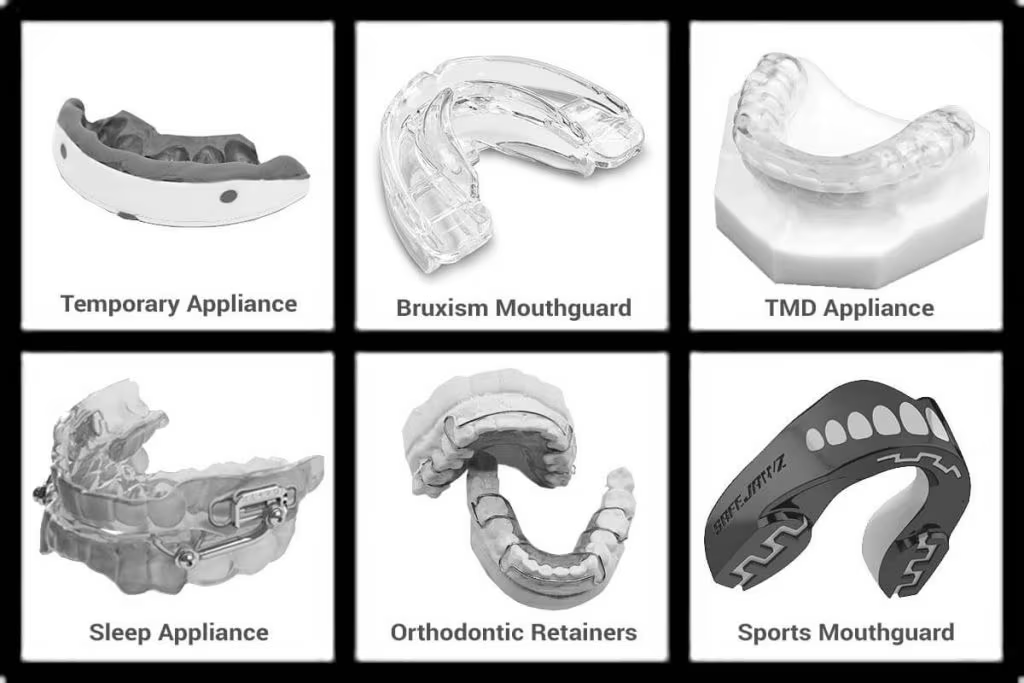
Several types of bite guards are available, each designed for specific purposes:
Night Guards
Primarily worn during sleep, these guards protect against nighttime grinding. They’re usually thicker and more durable to withstand the intense forces that can occur during sleep bruxism.
Daytime Guards
Thinner and less obtrusive than night guards, these are designed for people who clench or grind their teeth during waking hours. They’re more discreet and won’t significantly affect speech.
This might help: The Complete Guide to Orthodontists in Singapore
Sports Guards
These thicker guards are specifically designed to protect teeth during athletic activities where impact to the face is possible. They help prevent dental injuries during contact sports.
Therapeutic Guards
Specifically engineered to address TMJ disorders, these guards help position the jaw correctly to alleviate joint pain and dysfunction.
Sleep Apnea Appliances
These specialized devices help keep airways open during sleep while also protecting teeth from grinding forces.
The Bite Guard Therapy Process
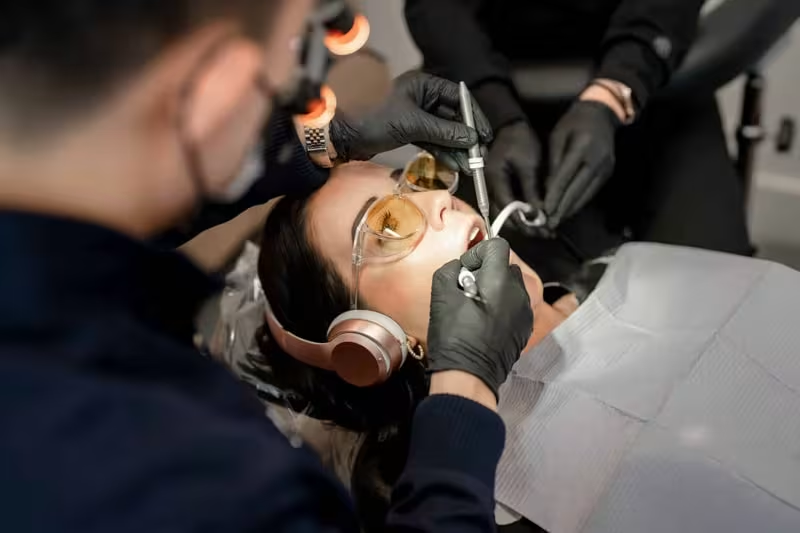
Initial Consultation and Diagnosis
The journey begins with a comprehensive assessment of your dental condition. Your dentist will:
- Discuss your concerns and symptoms
- Perform a thorough oral examination
- Take necessary diagnostic records, which may include:
- X-rays
- CBCT scans (cone-beam computed tomography)
- Intraoral scans
- T-scans (computerized bite analysis)
- EMG (electromyography to measure muscle activity)
- Dental impressions
Read more: Which Orthodontist in Singapore Should You Consider? (Sort by Reviews)
These diagnostic procedures are non-invasive and cause minimal discomfort. Based on the findings, your dentist will determine whether bite guard therapy is appropriate for your situation.
Bite Guard Fabrication
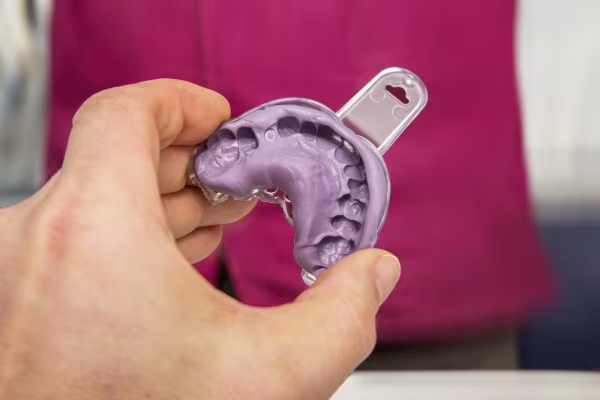
Once bite guard therapy is recommended:
- Your dental records are sent to a specialized dental laboratory
- Technicians construct your custom bite guard according to your dentist’s specifications
- Materials are chosen based on your specific needs and condition
- The manufacturing process typically takes 1-2 weeks
Fitting and Adjustment
When your bite guard is ready:
- Your dentist will check and fit the guard in your mouth
- Minor adjustments may be made to ensure optimal fit and function
- You’ll receive instructions on wear duration and care
- Most patients notice an immediate change in their bite when wearing the device
This might help: Periodontist vs Orthodontist: Who You Should See
Follow-Up Care
After receiving your bite guard:
- Regular check-ups allow your dentist to evaluate treatment effectiveness
- Adjustments can be made as needed
- Your dentist will monitor your progress and address any concerns
- Follow-up appointments are typically scheduled within 2-6 weeks
Benefits of Bite Guard Therapy
Bite guard therapy offers multiple advantages for those suffering from bruxism and related conditions:
Protection from Dental Damage
Creates a protective barrier against excessive grinding forces, preventing further wear, chipping, and fractures of teeth.
Reduced Joint Pressure
Alleviates pressure on jaw joints and muscles, helping to relieve pain and inflammation associated with TMJ disorders.
Improved Bite Alignment
Enhances bite function, which can improve chewing efficiency and speaking abilities.
You might be interested: The Ultimate Guide To Seeing A Dentist In Singapore
Muscle Relaxation
Promotes relaxation of facial muscles, potentially reducing headaches and facial tension that often accompany bruxism.
Better Sleep Quality
By addressing grinding issues, many patients experience improved sleep, resulting in enhanced mood and energy levels throughout the day.
Caring for Your Bite Guard
Proper maintenance ensures the effectiveness and longevity of your bite guard:
Daily Care
- Rinse thoroughly with cool water before and after each use
- Brush gently with a soft toothbrush and mild soap or non-abrasive toothpaste
- Avoid hot water, which can warp the material
Storage
- Store in a protective case when not in use
- Keep away from pets and children
- Avoid exposure to high temperatures (hot car dashboards, direct sunlight)
Long-Term Care
- Bring to regular dental appointments for professional cleaning and evaluation
- Watch for signs of wear and tear that might indicate the need for replacement
- Expect to replace your bite guard every 2-5 years, depending on the severity of your grinding and quality of materials
Cost of Bite Guards in Singapore
The cost of bite guards in Singapore varies depending on the type and complexity:
- Custom-made bite guards from dental clinics: Typically range from $400-$800
- Over-the-counter guards: Usually between $100-$200
While over-the-counter options are less expensive, they offer significantly less protection and comfort compared to professionally made custom guards. The investment in a properly fitted custom bite guard can prevent costly dental repairs in the future.
Long-Term Management of Bruxism
While bite guard therapy effectively manages the symptoms of bruxism, addressing underlying causes can provide comprehensive relief:
Stress Management
- Meditation and mindfulness practices
- Regular exercise
- Adequate sleep hygiene
- Counseling or therapy when needed
Lifestyle Modifications
- Reducing caffeine and alcohol intake, especially before bedtime
- Avoiding chewy foods or gum that can fatigue jaw muscles
- Practicing relaxation techniques for the jaw muscles
Additional Therapies
- Physical therapy for jaw muscles
- Behavioral therapy to address habits like daytime clenching
- Jaw exercises to strengthen and relax muscles
Children and Bruxism
Teeth grinding is surprisingly common in children, with studies suggesting that 6% to nearly 50% of children engage in bruxism during the night. While most children outgrow this habit by age 6, persistent grinding should be addressed by a dental professional.
Signs of Bruxism in Children
- Squeaky, popping, or crunching noises during sleep
- Complaints of morning jaw soreness
- Headaches upon waking
- Worn tooth enamel
- Increased tooth sensitivity
Treatment Approaches for Children
- Monitoring for self-resolution
- Identifying and addressing underlying causes (stress, anxiety)
- Creating relaxing bedtime routines
- Using custom-fitted mouth guards for persistent cases
- Regular dental check-ups
Choosing the Right Provider in Singapore
When seeking bite guard therapy in Singapore, consider the following factors:
Dentist’s Expertise
Look for a dentist with specific experience in treating bruxism and TMJ disorders. Specialists in this area will have a deeper understanding of the complex relationship between your teeth, jaw, and overall oral health.
Comprehensive Assessment
Ensure your dentist performs a thorough evaluation before recommending treatment. This should include a detailed examination of your teeth, jaw joints, and muscles.
Quality of Materials
Inquire about the materials used for bite guards. High-quality materials contribute to better comfort, durability, and effectiveness.
Follow-Up Care
Choose a provider who offers comprehensive follow-up care, including adjustments and regular evaluations of your bite guard’s effectiveness.
Conclusion
Bite guard therapy represents an effective, non-invasive approach to managing bruxism and its associated symptoms.
By protecting teeth from grinding damage and guiding the jaw into healthier positions, these custom appliances help preserve dental health and improve quality of life.
If you’re experiencing symptoms such as jaw pain, headaches, or tooth sensitivity, consult with a dentist in Singapore to determine if bite guard therapy might be beneficial for your specific situation.
With proper diagnosis, customized treatment, and consistent follow-up care, bite guard therapy can provide significant relief from the discomfort and damage associated with teeth grinding and jaw dysfunction.
Frequently Asked Questions
How long does it take to get used to wearing a bite guard?
Most patients adapt to wearing a bite guard within a few days to a week. Initially, you may notice increased salivation or slight changes in speech, but these effects typically diminish quickly as you become accustomed to the device.
Consistency in wearing the guard as directed by your dentist will speed up the adaptation process.
Wearing it regularly helps your mouth adjust faster, and many find that after the first week, they barely notice it’s there when going to sleep.
Can I eat or drink while wearing my bite guard?
Generally, it’s recommended to remove your bite guard while eating to prevent damage to both the appliance and your teeth.
Drinking water with the guard in place is usually acceptable, but beverages that are hot, sugary, or acidic should be avoided as they may damage the material or promote bacterial growth.
Hot drinks can potentially warp the plastic, while sugary or acidic beverages can become trapped between the guard and your teeth, increasing the risk of decay.
Always follow your dentist’s specific instructions regarding your particular bite guard type.
How long will my bite guard last?
With proper care and maintenance, a high-quality custom bite guard can last between 2-5 years.
Factors affecting longevity include the severity of your grinding, quality of materials used, and how well you maintain the device.
Regular dental check-ups allow your dentist to assess wear and determine when replacement is necessary.
Signs that your bite guard may need replacement include visible cracks, perforations, significant discoloration, or an increasingly poor fit.
Will a bite guard completely stop my teeth grinding?
A bite guard does not necessarily stop the grinding action itself but rather protects your teeth and distributes forces more evenly.
For many patients, wearing a bite guard may reduce muscle activity over time as the jaw becomes accustomed to a more relaxed position.
However, addressing underlying causes of bruxism (such as stress or sleep disorders) may be necessary for comprehensive management.
Think of the bite guard as protection against the effects of grinding rather than a cure for the grinding behavior itself.
Is bite guard therapy covered by insurance?
Coverage varies widely depending on your dental insurance provider and specific plan.
Some plans cover bite guards when they’re deemed medically necessary, particularly for diagnosed TMJ disorders or severe bruxism.
Others may classify them as preventive care or partially cover the cost. In Singapore, the extent of coverage can vary significantly between insurers.
Consult with your dental office’s administrative staff who can help verify your benefits and explore potential coverage options before proceeding with treatment.
Can I get an over-the-counter bite guard instead of a custom one?
While over-the-counter “boil-and-bite” guards are available and less expensive, they offer significantly less protection and comfort compared to professionally made custom guards. Stock guards often fit poorly, can damage soft tissues, and may even worsen TMJ issues in some cases. Custom bite guards are precisely crafted to your unique dental anatomy, providing optimal protection and therapeutic benefits that generic options cannot match. The investment in a custom-made guard typically pays off through better protection, comfort, and effectiveness.
Will wearing a bite guard affect my speech?
Initially, you may notice some minor speech changes, particularly with sounds like “s” and “th.”
However, most patients adapt quickly, and speech returns to normal within a few days of consistent wear.
Custom-made guards are designed to be as minimally intrusive as possible while still providing necessary protection.
Many people find that speaking slowly and deliberately when first wearing the guard helps train the tongue to adjust to the new oral environment.
If speech problems persist beyond a week, consult your dentist for possible adjustments.
Can children use bite guards?
Yes, bite guards can be appropriate for children who show signs of bruxism. Since children’s mouths are still developing, their bite guards may need more frequent replacement as their dental structures change.
A pediatric dentist can determine if bite guard therapy is suitable for your child and monitor their progress accordingly.
For children, special consideration is given to ensure the bite guard doesn’t interfere with normal jaw development and growth.
Softer materials may sometimes be used for younger children to accommodate their changing dentition.
What is the difference between a mouth guard and a retainer?
Mouth guards and retainers are both oral appliances used to protect your dental structures, but they serve different purposes.
A mouth guard is designed to absorb the impact of physical activities like sports or grinding your teeth at night.
They’re typically made from firm materials like plastic. Retainers, however, are meant to hold your teeth in place after orthodontic treatment such as braces and are often made from flexible materials like acrylic or metal wires.
While a bite guard protects against damage, a retainer maintains the position of teeth to prevent shifting.
How do I know if I need a bite guard?
You might need a bite guard if you experience symptoms such as morning jaw pain, frequent headaches (especially around the temples), worn or sensitive teeth, chipped or cracked teeth, facial muscle soreness, or disrupted sleep.
Often, a sleeping partner may notice you grinding your teeth during the night, which can be a clear indicator.
Regular dental check-ups are crucial, as your dentist can identify signs of bruxism even before symptoms become apparent by recognizing patterns of wear on teeth.
If you suspect you might be grinding your teeth, consulting with a dental professional is the first step toward diagnosis and treatment.
What causes teeth grinding?
Teeth grinding (bruxism) can be caused by multiple factors, including stress and anxiety, sleep disorders like sleep apnea, an abnormal bite, missing or crooked teeth, and certain medications.
Some studies suggest that people with competitive, aggressive, or hyperactive personalities may be more prone to teeth grinding. Lifestyle factors such as smoking, heavy alcohol consumption, or caffeine intake can also contribute to or worsen bruxism.
Sometimes, teeth grinding is a side effect of certain psychiatric medications or a symptom of diseases affecting the central nervous system.
Understanding the underlying cause is important for comprehensive treatment beyond just using a bite guard.
How is a custom bite guard made?
The process of creating a custom bite guard involves several precise steps:
- Your dentist takes detailed impressions or digital scans of your teeth
- These records are sent to a dental laboratory where specialists create a model of your mouth
- Using this model, technicians craft the bite guard from high-quality materials specifically selected for your condition
- The guard is carefully designed to fit your unique dental anatomy and address your specific needs
- Once fabricated, your dentist checks the fit and makes any necessary adjustments before providing it to you
This custom approach ensures maximum comfort, protection, and therapeutic benefit compared to generic alternatives.
What type of bite guard is best for me?
The best type of bite guard for you depends on your specific condition, the severity of your bruxism, and your lifestyle.
Night guards are ideal for sleep bruxism, while daytime guards work better for those who clench while awake.
Sports guards provide necessary protection during athletic activities. For those with TMJ disorders, therapeutic guards specifically designed to position the jaw correctly may be recommended.
Your dentist will evaluate your condition through a comprehensive examination and recommend the most appropriate type of bite guard for your unique needs.
The decision should be made in consultation with a dental professional rather than self-diagnosis.
General shopping ideas, independent of this article’s advice.
Swipe to compare products →Biofinest Gummy Vitamin Supplement – Beauty Energy Sleep Metabolism Men Women Kids Probiotics Multivitamin (60 Gummies)From S$17.95Tradishot Immunity Boost Drink | Turmeric Shot (Extra Strength) | Boost Immunity Energy & Well-being [7x35mL]S$37.42Optimum Nutrition, Gold Standard, 100% Whey Protein Powder, 2lbs (907g ) / 5 lbs (2.27 kg) / 10 lbs (4.54 kg)From S$82.89Prices may vary by option. Check the final price and delivery on Shopee.