

Understanding Disclusion Time Reduction Therapy
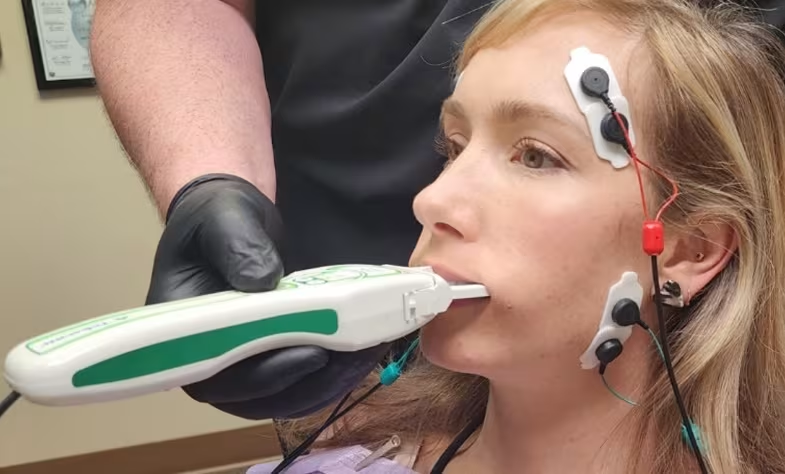
Disclusion Time Reduction (DTR) Therapy represents a groundbreaking advancement in dental treatment technology designed specifically to address temporomandibular joint (TMJ) disorders and occlusal-related issues.
This innovative approach has gained significant recognition in Singapore’s dental community for its precision and effectiveness in treating various jaw-related problems.
General shopping ideas, independent of this article’s advice.
Swipe to compare products → Biofinest Effervescent Vitamin C 1000mg D3 Zinc Collagen Multivitamin Calcium Magnesium Zinc Tablets Drink Sugar FreeFrom S$5.95Biofinest Probiotic 50 Billion CFU Enzyme Supplement 12 + 3 Prebiotics – Diet Slimming Eczema Detox Men Women (60 caps)From S$22.40Estalife Magnesium Glycinate 1000MG | Heart, Bone, Muscle, Sleep, Mood Health | 60 Veg CapsFrom S$13.99
Prices may vary by option. Check the final price and delivery on Shopee.
The term “disclusion time” refers to how long your back teeth remain in contact when you move your jaw sideways or back and forth.
DTR Therapy focuses on reducing the time your teeth spend in contact during lateral and protrusive jaw movements through precise, computer-guided adjustments to your bite.
By optimizing the way your teeth interact, this treatment aims to minimize stress on the temporomandibular joint and surrounding muscles, leading to improved function and significant pain relief.
Read more: The Complete Guide to Orthodontists in Singapore
The Evolution of TMJ Treatment
The field of TMJ disorder treatment has evolved significantly over the years. Traditional approaches often involved general adjustments to occlusion without the precise calibration that modern technology now allows.
The introduction of DTR Therapy marks a substantial advancement in dental technology, driven by both the development of sophisticated diagnostic tools and a deeper understanding of jaw biomechanics.
Historically, patients suffering from TMJ disorders in Singapore had limited options, often relying on night guards, splints, pain medication, or even invasive surgical procedures.
DTR Therapy has emerged as a more targeted, less invasive alternative that addresses the root cause of the problem rather than merely managing symptoms.
You might be interested: Which Dental Clinic in Singapore Should You Consider? (Sort by Reviews)
How DTR Therapy Works
The DTR process employs a systematic approach that leverages advanced technology to ensure precise diagnosis and treatment.
Here’s a detailed breakdown of how the therapy works:
Comprehensive Digital Analysis
The treatment begins with a thorough digital analysis of your jaw function using two key technologies:
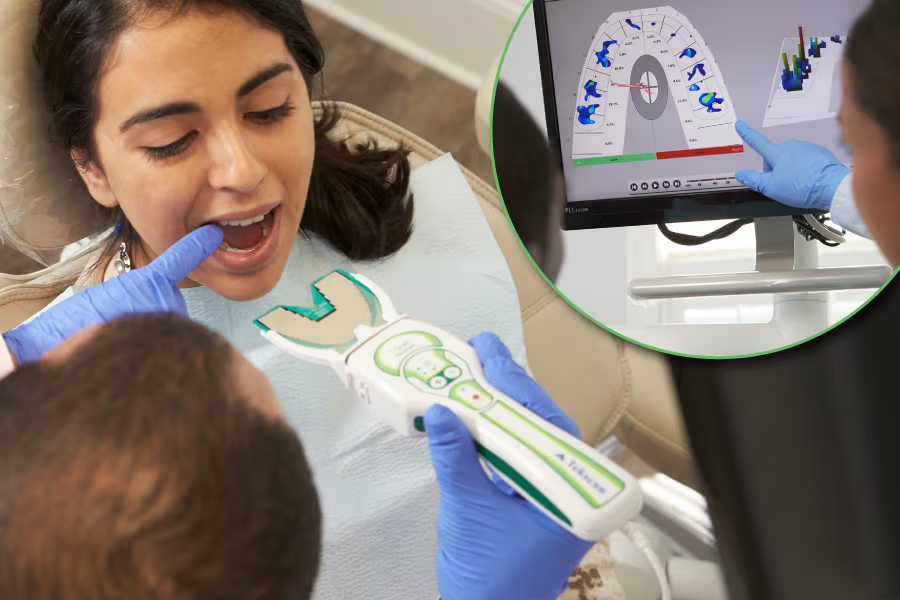
This provides detailed information on occlusal forces and timing, allowing for precise analysis of how your teeth come together during various jaw movements. The T-Scan system captures data about pressure points, force distribution, and the sequence of tooth contact.
You might like: Which Orthodontist in Singapore Should You Consider? (Sort by Reviews)
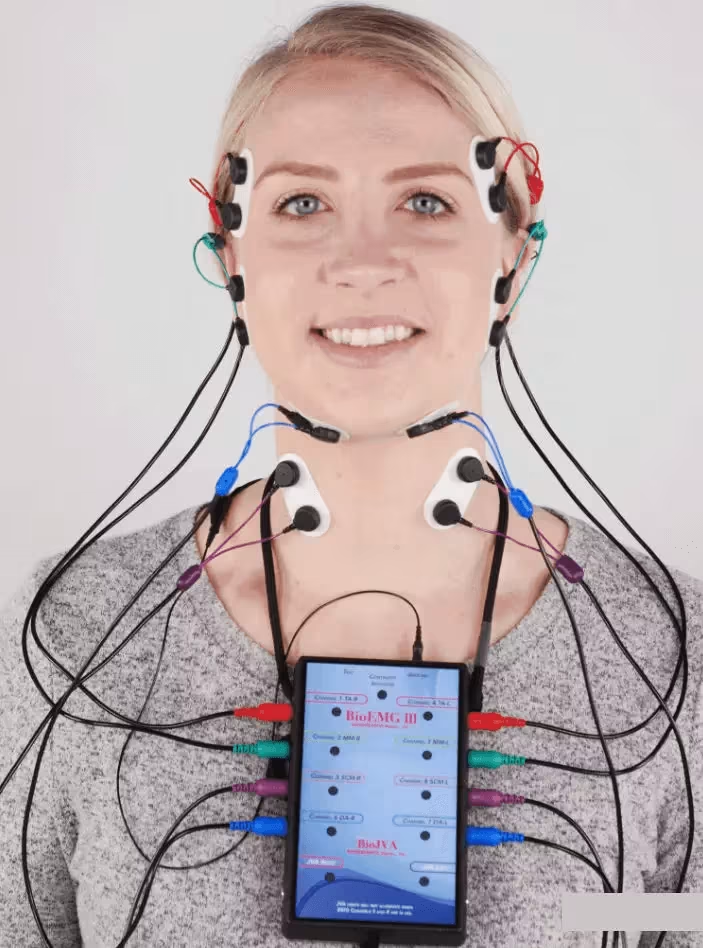
This measures the electrical activity of your jaw muscles, providing critical insights into muscle function and identifying areas of excessive strain or dysfunction. EMG readings help determine which muscles are working harder than necessary during normal jaw movements.
Together, these technologies create a complete digital picture of your bite and jaw function, highlighting problematic areas that contribute to TMJ pain and dysfunction.
Related article: Orthognathic (Jaw) Surgery in Singapore: Costs, Risks, Recovery
Computer-Guided Adjustments
Based on the data collected from the T-Scan and EMG analysis, your dentist in Singapore will make targeted adjustments to specific areas of your teeth.
These adjustments are precisely calibrated and minimally invasive, typically involving:
- Adding tooth-colored composite material to specific surfaces
- Minimal removal of tooth substance (typically less than 1mm)
- Fine-tuning the occlusal contacts to achieve optimal bite balance
The goal is to create a bite pattern that minimizes muscle strain and reduces stress on the TMJ during all jaw movements.
Unlike traditional approaches that might involve extensive reshaping of teeth or the use of appliances, DTR adjustments are specifically designed to be minimal while achieving maximum functional improvement.
This might help: What’s Bimaxillary Protrusion And How To Fix It?
Continuous Monitoring and Refinement
Throughout the DTR process, your dentist will continuously monitor your response to adjustments.
After initial modifications, the T-Scan and EMG measurements are retaken to verify that the changes have effectively reduced the strain on your chewing muscles.
This iterative approach ensures that the treatment provides optimal results, with further refinements made as needed to achieve the desired outcome.
The DTR Therapy Treatment Process
The DTR Therapy treatment process in Singapore typically follows a structured approach:
Initial Consultation
Your journey begins with a comprehensive consultation where your dentist will:
- Thoroughly explore your concerns and symptoms
- Conduct a detailed examination of your mouth and jaw function
- Take necessary diagnostic records, which may include X-rays, CBCT scans, T-scan measurements, and EMG readings
- Discuss whether DTR Therapy or other treatment options are recommended based on the findings
This initial assessment is crucial as it establishes a baseline for your condition and helps determine if you’re a suitable candidate for DTR Therapy.
The DTR Procedure
If DTR Therapy is determined to be appropriate for your condition, the treatment procedure will typically:
- Last between 30 to 90 minutes, depending on the number of areas requiring adjustment
- Be relatively painless and minimally invasive, often not requiring local anesthetic
- Involve precise modifications to your bite based on the computer-guided recommendations and your dentist’s clinical analysis
- Focus on optimizing the way your teeth interact during all jaw movements
You might be interested: Guide to Square Jaw Reduction in Singapore
Post-Treatment Care and Follow-up
After completing the DTR procedure:
- You will likely notice an immediate change in your bite, which should feel more comfortable
- Most patients adapt quickly to their new, healthier bite pattern
- Your dentist will schedule a follow-up appointment a few weeks after the procedure to evaluate your progress
- Additional adjustments may be made if necessary to further refine the results
Benefits of DTR Therapy
Disclusion Time Reduction Therapy offers numerous advantages for patients suffering from TMJ disorders and occlusal issues:
You might like: Periodontist vs Orthodontist: Who You Should See
Effective Pain Relief
One of the primary benefits of DTR Therapy is its ability to alleviate pain associated with TMJ disorders.
By optimizing occlusion and reducing stress on the TMJ, patients in Singapore often experience significant relief from symptoms such as:
- Jaw pain and tenderness
- Chronic headaches and migraines
- Facial discomfort
- Ear pain and ringing (tinnitus)
- Neck and shoulder pain related to jaw dysfunction
Enhanced Jaw Function
DTR Therapy promotes improved jaw function by ensuring that the teeth come together in a way that supports natural movement.
This functional improvement often results in:
- Reduction in jaw clicking and popping sounds
- Elimination of jaw locking or catching
- Increased range of motion
- Smoother, more comfortable chewing movements
- Reduced muscle fatigue during eating and speaking
Non-Invasive Approach
Unlike traditional treatments for TMJ disorders that may involve invasive procedures, DTR Therapy focuses on making precise, minimal adjustments to the teeth. This conservative approach:
- Reduces the need for surgical interventions
- Avoids the discomfort associated with wearing splints or night guards
- Preserves natural tooth structure
- Minimizes recovery time
- Provides long-lasting results without ongoing appliance use
Comprehensive Solution
DTR Therapy addresses the root cause of TMJ dysfunction rather than merely managing symptoms.
By correcting the underlying occlusal issues that contribute to muscle strain and joint stress, the treatment provides a comprehensive solution that offers:
- Long-term relief rather than temporary symptom management
- Reduced dependency on pain medications
- Less need for ongoing treatments
- Improved overall oral health and function
Personalized Treatment
Each DTR Therapy treatment in Singapore is highly personalized, taking into account the unique needs and occlusal patterns of each patient.
The use of advanced diagnostic tools allows for:
- Customized adjustments tailored to your specific condition
- Treatment that addresses your particular symptoms and concerns
- Precise modifications based on objective measurements rather than subjective assessment
Evidence Supporting DTR Therapy
Research studies have demonstrated the effectiveness of DTR Therapy in treating TMJ disorders. A nine-year follow-up study reported that:
- Results from DTR Therapy typically last for years in most cases
- Patients experience a significantly more comfortable life following treatment
- The need for splints, soft food diets, and physical therapy is virtually eliminated
- Long-term use of pain medication is reduced by over 90%
These findings highlight the long-term benefits and success rates of DTR Therapy as a treatment option for TMJ disorders.
Is DTR Therapy Right for You?
You may be a good candidate for Disclusion Time Reduction Therapy if:
- Your chewing muscles are hyperactive and strained
- You experience significant symptoms such as jaw pain, headaches, or limited mouth opening
- Traditional treatments like night guards or pain medications have provided limited relief
- You’re seeking a non-invasive solution for your TMJ problems
- You grind or clench your teeth, contributing to muscle strain and TMJ stress
Your dentist in Singapore can determine if DTR Therapy is appropriate for your specific condition through a comprehensive evaluation of your symptoms, jaw function, and occlusal patterns.
DTR Therapy in Singapore
Singapore has been at the forefront of adopting advanced dental technologies, including DTR Therapy.
Many dental clinics in Singapore now offer this innovative treatment, with dentists specially trained in the use of T-Scan technology and EMG analysis.
The precise, technology-driven approach of DTR Therapy aligns well with Singapore’s reputation for excellence in healthcare and dental services.
Patients in Singapore benefit from access to this cutting-edge treatment performed by skilled dental professionals in modern facilities.
Frequently Asked Questions
What makes DTR Therapy different from traditional TMJ treatments?
DTR Therapy differs from traditional TMJ treatments in its precise, computer-guided approach.
Rather than using general adjustments or appliances like night guards, DTR uses advanced technology (T-Scan and EMG) to identify and address specific occlusal interferences that cause muscle strain.
This targeted approach focuses on minimizing the time teeth spend in contact during jaw movements, directly addressing the root cause of TMJ dysfunction rather than simply managing symptoms.
How long does DTR Therapy treatment take?
DTR Therapy treatment typically requires one to three visits, with each session lasting between 30 to 90 minutes depending on the complexity of your case and the number of areas requiring adjustment.
The actual treatment time is relatively short compared to other TMJ therapies that might require ongoing management for months or years.
Is DTR Therapy painful?
DTR Therapy is generally a painless and minimally invasive procedure. Most patients don’t require local anesthetic during the treatment.
The adjustments made to your teeth are precise and minimal, typically involving either small additions of tooth-colored filling material or minimal removal of tooth substance (less than 1mm).
Patients usually experience little to no discomfort during or after the procedure.
How long do the results of DTR Therapy last?
According to follow-up studies, the results of DTR Therapy typically last for years in most cases.
A nine-year follow-up study demonstrated long-term effectiveness with minimal need for retreatment.
Unlike temporary solutions such as night guards or pain medications that provide only symptomatic relief, DTR Therapy addresses the underlying cause of TMJ problems, leading to more sustainable results.
Will I need to wear a splint or night guard after DTR Therapy?
One of the significant advantages of DTR Therapy is that it typically eliminates the need for splints or night guards.
By optimizing your occlusion and reducing muscle strain, the treatment addresses the root cause of grinding and clenching behaviors.
Most patients find they no longer need to wear appliances following successful DTR Therapy.
How soon will I notice improvements after DTR Therapy?
Many patients report immediate improvements in comfort and function following DTR Therapy.
You may notice changes in your bite pattern right away, and many patients experience a reduction in pain and muscle tension within days of treatment.
However, the full benefits may develop over a few weeks as your muscles adapt to your new, optimized bite patterns.
Can DTR Therapy help with headaches?
Yes, DTR Therapy can be effective in reducing headaches associated with TMJ disorders. Many headaches are caused by referred pain from strained jaw muscles or joint inflammation.
By reducing muscle hyperactivity and optimizing jaw function, DTR Therapy often leads to a significant reduction in the frequency and severity of TMJ-related headaches.
Is DTR Therapy covered by insurance in Singapore?
Insurance coverage for DTR Therapy in Singapore varies depending on your specific insurance plan. Some plans may cover part of the treatment, especially if it’s deemed medically necessary for TMJ dysfunction.
It’s recommended to check with your insurance provider regarding coverage details and to discuss payment options with your dental clinic.
What happens if DTR Therapy doesn’t work for me?
While DTR Therapy has a high success rate, it may not be effective for every patient.
If you don’t experience satisfactory improvement after treatment, your dentist will reassess your condition and may recommend alternative approaches.
The good news is that DTR Therapy is non-invasive and doesn’t preclude other treatment options if needed.
Can children undergo DTR Therapy?
DTR Therapy is primarily designed for adults whose dental and jaw development is complete.
For children with TMJ issues, dentists typically recommend more conservative approaches tailored to growing jaws.
However, each case is evaluated individually, and in some specific circumstances, aspects of DTR principles might be applied to adolescent patients under careful supervision.
Conclusion
Disclusion Time Reduction Therapy represents a significant advancement in the treatment of TMJ disorders and occlusal issues.
By leveraging advanced technology to make precise, targeted adjustments to the bite, DTR Therapy addresses the root cause of TMJ dysfunction, providing long-lasting relief from pain and improved jaw function.
For residents of Singapore seeking effective solutions for TMJ problems, DTR Therapy offers a non-invasive, technology-driven approach that aligns with the country’s reputation for excellence in healthcare.
By consulting with a qualified dental professional trained in DTR techniques, patients can determine if this innovative treatment is right for their specific condition.
With its focus on precision, personalization, and lasting results, DTR Therapy continues to transform the landscape of TMJ treatment in Singapore, offering hope to those suffering from chronic jaw pain and dysfunction.
General shopping ideas, independent of this article’s advice.
Swipe to compare products →Biofinest Gummy Vitamin Supplement – Beauty Energy Sleep Metabolism Men Women Kids Probiotics Multivitamin (60 Gummies)From S$17.95Tradishot Immunity Boost Drink | Turmeric Shot (Extra Strength) | Boost Immunity Energy & Well-being [7x35mL]S$38.00Optimum Nutrition, Gold Standard, 100% Whey Protein Powder, 2lbs (907g ) / 5 lbs (2.27 kg) / 10 lbs (4.54 kg)From S$82.89Prices may vary by option. Check the final price and delivery on Shopee.