
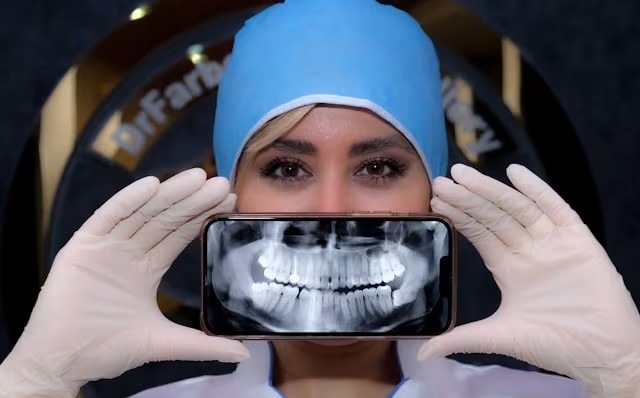
Dental emergencies never arrive at convenient times. Whether you’re dealing with excruciating tooth pain at midnight or facing a knocked-out tooth during a weekend sports match, knowing how to respond can make the difference between saving and losing a tooth.
General shopping ideas, independent of this article’s advice.
Swipe to compare products → Biofinest Effervescent Vitamin C 1000mg D3 Zinc Collagen Multivitamin Calcium Magnesium Zinc Tablets Drink Sugar FreeFrom S$5.95Biofinest Probiotic 50 Billion CFU Enzyme Supplement 12 + 3 Prebiotics – Diet Slimming Eczema Detox Men Women (60 caps)From S$22.40Estalife Magnesium Glycinate 1000MG | Heart, Bone, Muscle, Sleep, Mood Health | 60 Veg CapsFrom S$13.99
Prices may vary by option. Check the final price and delivery on Shopee.
Singapore offers comprehensive emergency dental services, but understanding when to seek immediate care, what treatments are available, and how much they cost can help you navigate these stressful situations more effectively.
Read more: Best Dental Clinic in JB for Singaporeans
Understanding Dental Emergencies: When Every Minute Counts
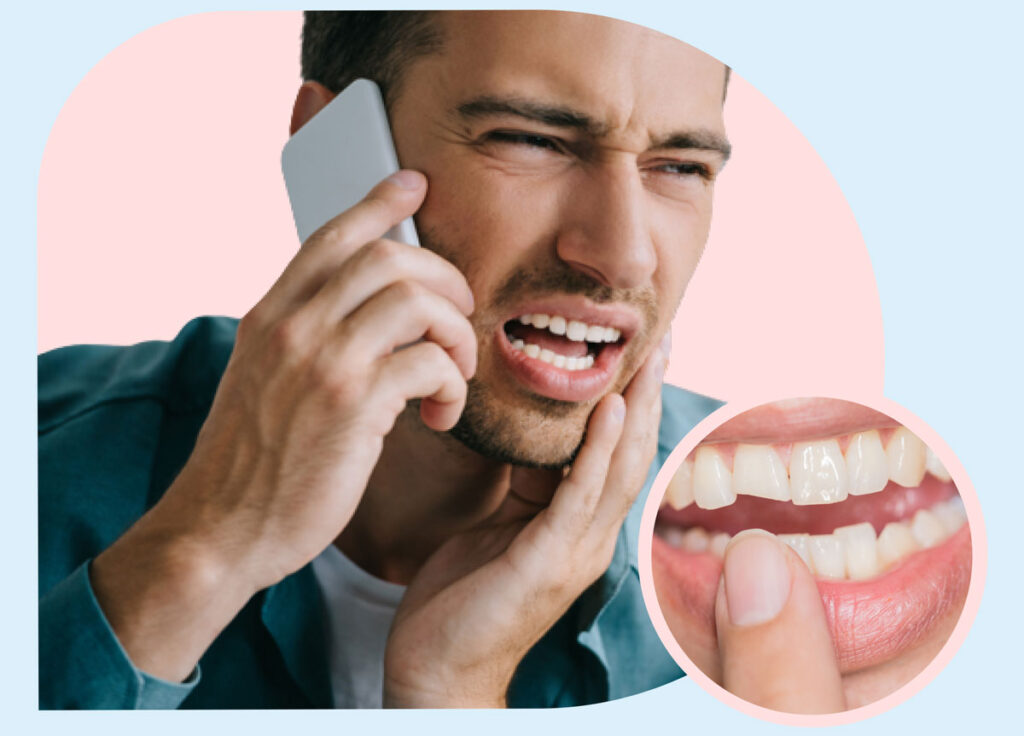
A dental emergency encompasses any oral health situation that requires immediate professional attention to save a tooth, stop ongoing pain, or prevent serious complications.
Unlike routine dental issues that can wait for a regular appointment, true emergencies demand swift action to minimize long-term damage and provide relief from severe discomfort.
Related article: A Comprehensive Guide to All-On-4 Dental Implants in Singapore
Situations Requiring Immediate Emergency Dental Care:
- Traumatic dental injuries from accidents, falls, or sports
- Severe facial or jaw fractures affecting oral structures
- Deep lacerations to lips, tongue, inner cheeks, or gums with uncontrolled bleeding
- Completely dislodged, loosened, or fractured teeth
- Intense swelling or unbearable pain of dental origin
- Persistent bleeding from the oral cavity that won’t stop
- Dental abscesses with signs of spreading infection
The severity of your situation determines the appropriate level of care. Major traumatic injuries from vehicle accidents or workplace incidents require immediate hospital emergency department attention.
However, localized dental trauma from sports injuries or accidental falls can typically be managed at specialized dental emergency clinics, particularly when occurring outside normal business hours.
You might like: The Complete Guide to Teeth in a Day in Singapore
Immediate Response: Critical Actions for Common Dental Emergencies
Knocked-Out Tooth (Dental Avulsion)
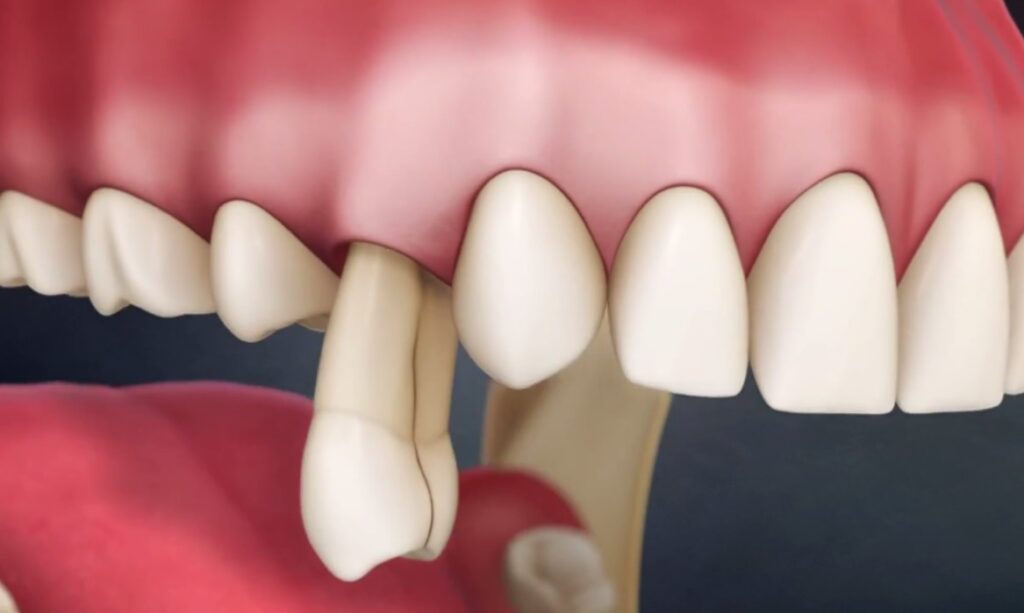
Time becomes your most valuable asset when dealing with a completely knocked-out permanent tooth.
Research consistently shows that teeth replanted within thirty minutes have significantly higher survival rates compared to those replanted after longer delays.
You might like: Everything You Need to Know About Dental Crowns and Bridges In Singapore
Essential Steps for Tooth Avulsion:
- Remain calm and locate the tooth immediately
- Handle only the crown (white visible part) – never touch the root surface
- Rinse gently with cold water for no more than 10 seconds if dirty
- Attempt immediate replantation if possible, biting down gently on gauze
- Store properly if replantation isn’t feasible – milk, saline solution, or saliva work best
- Seek emergency care immediately – every minute matters
Important Note: Never attempt to replant a baby tooth, as this can damage the developing permanent tooth underneath.
You might be interested: Invisalign vs Clear Aligners: What are the Differences?
Fractured or Chipped Teeth
Even seemingly minor chips can expose sensitive inner tooth structures to bacteria, potentially leading to infections or further damage without prompt treatment.
Immediate Care for Broken Teeth:
First, rinse your mouth thoroughly with warm water to remove any debris from the damaged area.
Next, locate and preserve any tooth fragments in saline solution or milk to maintain their viability.
Apply cold compresses externally to the affected area to reduce swelling and provide pain relief. It’s important to avoid placing medications directly on the tooth or gums, as this can cause additional irritation.
Finally, schedule emergency dental care as soon as possible to prevent further complications.
You might like: Invisalign vs Zenyum: Which is Better?
Severe Toothache and Dental Pain
Persistent, throbbing tooth pain often signals underlying infection, deep decay, or nerve damage requiring urgent intervention.
Pain Management Strategies:
Begin by rinsing with warm salt water to reduce the bacterial load in your mouth. Use over-the-counter pain relievers exactly as directed on the packaging for temporary relief.
Apply cold compresses externally to numb the pain and reduce swelling in the affected area. Never place aspirin directly against gum tissue, as this can cause painful chemical burns.
Additionally, avoid consuming extremely hot or cold foods and beverages, which can intensify the pain.
Read more: Which Orthodontist in Singapore Should You Consider? (Sort by Reviews)
Dental Abscesses and Serious Infections
A dental abscess represents a pocket of pus caused by bacterial infection, potentially becoming life-threatening if the infection spreads to other body areas.
Read more: The Complete Guide to Protruding Teeth: Causes, Complications and Treatment Options
Warning Signs of Serious Dental Infection:
Watch for severe, persistent toothache that doesn’t respond to pain medication. Monitor for swelling of the face, jaw, or neck, which indicates spreading infection.
Be alert for fever and general malaise, as these are systemic signs of infection. Seek immediate help if you experience difficulty swallowing or breathing.
Check for swollen lymph nodes in your neck area. Finally, note any pus drainage from the affected tooth or surrounding gums.
Read more: An Orthodontist’s Comprehensive Guide to Braces for Children
Emergency Response:
Rinse multiple times with mild salt water to help draw the infection to the surface and reduce bacterial load. Seek immediate emergency dental care without delay, as dental infections can spread rapidly.
If you’re experiencing breathing difficulties or high fever, go directly to a hospital emergency department, as these symptoms indicate a potentially life-threatening situation.
Related article: Damon Braces Singapore: Benefits, Cost & Treatment
Uncontrolled Oral Bleeding
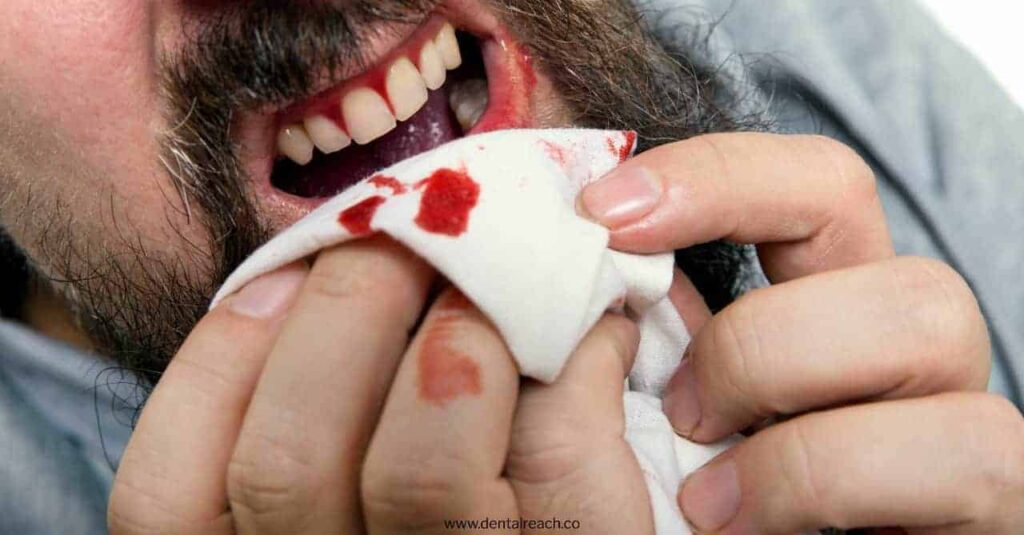
Whether from trauma, surgery complications, or gum disease, excessive oral bleeding requires prompt attention.
This might help: Everything You Need to Know About Dental Veneers in Singapore (2025)
Bleeding Control Measures:
Apply direct, firm pressure over the bleeding site using clean gauze or a clean cloth. Maintain this pressure consistently for 10-15 minutes without checking frequently, as lifting the pressure can disrupt clot formation.
Use cold compresses externally to help constrict blood vessels and reduce bleeding. Avoid rinsing vigorously or spitting forcefully, as these actions can dislodge blood clots that are forming.
Seek emergency dental care immediately if bleeding continues despite applying proper pressure for the recommended time period.
Related article: The Ultimate Cost Guide for Dental Veneers in Singapore
Emergency Dental Services and Treatment Options in Singapore
Singapore’s emergency dental care system provides comprehensive services designed to address urgent oral health needs promptly and effectively.
Standard Emergency Procedures
Initial Assessment and Diagnosis: Emergency dental visits typically begin with thorough examination and X-rays to determine the extent of damage and appropriate treatment approach.
This assessment guides the treatment plan and helps prioritize immediate interventions.
Pain and Infection Management: Emergency dentists focus first on providing immediate relief from pain and controlling any active infections.
This may involve antibiotics, drainage procedures, or temporary restorative work to stabilize the situation.
Sedation Options: Many emergency dental clinics offer various sedation methods to help anxious patients feel more comfortable during urgent procedures. Options range from local anesthesia to nitrous oxide, depending on the complexity of treatment needed.
This might help: What’s Bimaxillary Protrusion And How To Fix It?
Treatment Duration and Follow-up Care
Emergency dental appointments typically require 30-60 minutes, though complex cases may need longer.
Some situations, such as dental implant placement for knocked-out teeth, may require multiple visits to complete treatment properly.
The initial emergency visit focuses on stabilizing your condition and providing immediate relief.
Follow-up appointments allow for comprehensive treatment and long-term restoration of function and aesthetics.
Read more: Smile Makeovers in Singapore: Costs, Procedures, and Benefits
Cost Considerations for Emergency Dental Care in Singapore
Understanding the financial aspects of emergency dental care helps you make informed decisions during stressful situations.
Typical Emergency Consultation Fees
| Service Type | Cost Range (SGD) |
|---|---|
| Emergency Consultation | $100 – $180 |
| After-hours Surcharge | Varies by clinic |
| Basic Emergency Treatment | $30 – $200 |
Common Treatment Costs
| Treatment | Price Range (SGD) |
|---|---|
| Wisdom Tooth Surgical Extraction | $950 – $1,800 |
| Root Canal Treatment | From $1,000 |
| Emergency Tooth Restoration | $200 – $800 |
| Abscess Treatment | $300 – $1,200 |
Insurance and Financing Options
Medisave Coverage: Certain emergency dental procedures qualify for Medisave claims, including surgical wisdom tooth removal and dental implants for trauma-related tooth loss.
However, Medisave typically doesn’t cover root canal treatments, simple extractions, or routine scaling and polishing.
CHAS Benefits: Patients with Community Health Assist Scheme (CHAS) cards may receive subsidies for emergency dental care at participating clinics, making treatment more affordable for eligible individuals.
Alternative Financing: Many clinics offer flexible payment plans, including interest-free installments through major banks and Buy Now Pay Later (BNPL) options through platforms like Atome.
Some practices also provide in-house financing plans to spread treatment costs over time.
When Dental Issues Can Wait
Not every dental concern constitutes a true emergency requiring immediate after-hours care.
Understanding which situations can wait until regular business hours can save you money and ensure appropriate resource allocation.
Non-Emergency Situations:
- Mild toothaches manageable with over-the-counter pain relievers
- Small chips without pain or sharp edges
- Lost fillings without severe pain
- Orthodontic appliance adjustments
- Routine cleaning or check-up needs
Managing Non-Emergency Discomfort: For situations that can wait, focus on pain management through appropriate medications, soft food diets, and good oral hygiene.
Schedule an appointment during regular hours for proper evaluation and treatment.
Read more: Guide to Square Jaw Reduction in Singapore
Preventing Dental Emergencies: Proactive Oral Health Strategies
While accidents happen, many dental emergencies can be prevented through consistent oral care and smart lifestyle choices.
Essential Prevention Strategies:
- Maintain excellent oral hygiene with twice-daily brushing and daily flossing
- Schedule regular dental check-ups every six months for early problem detection
- Wear protective mouthguards during sports and recreational activities
- Avoid using teeth as tools for opening packages or bottles
- Limit hard, sticky, or sugary foods that can damage teeth or restorations
- Address dental problems promptly before they become emergencies
Lifestyle Factors: Smoking increases the risk of gum disease and slows healing after dental procedures.
Maintaining a balanced diet rich in calcium and vitamin D supports strong teeth and bones, while staying hydrated helps maintain healthy saliva production for natural mouth cleaning.
Finding Emergency Dental Services in Singapore
Singapore offers numerous options for emergency dental care, with many clinics providing after-hours services and weekend availability.
Types of Emergency Dental Providers:
- Hospital emergency departments for severe trauma
- Dedicated emergency dental clinics
- General dental practices with after-hours availability
- Specialized oral surgery centers
What to Expect During Emergency Visits: Emergency dental appointments prioritize immediate pain relief and stabilization over cosmetic concerns.
Your dentist will focus on saving teeth, controlling infections, and ensuring your comfort while developing a plan for comprehensive follow-up care.
Technology and Advanced Treatment Options
Modern emergency dental care in Singapore incorporates advanced diagnostic and treatment technologies to provide faster, more accurate care.
Digital Imaging: High-resolution digital X-rays and 3D imaging allow emergency dentists to quickly assess damage and plan appropriate treatments with minimal radiation exposure.
Same-Day Restorations: Computer-aided design and manufacturing (CAD/CAM) technology enables some clinics to create custom crowns, inlays, and other restorations during emergency visits, eliminating the need for temporary solutions.
Comprehensive FAQ Section
What qualifies as a true dental emergency requiring immediate care?
A genuine dental emergency involves severe pain, trauma, infection, or bleeding that threatens your oral health or overall well-being. This includes knocked-out teeth, severe abscesses, uncontrolled bleeding, facial swelling affecting breathing, or intense pain that prevents normal function. When in doubt, contact an emergency dental service for professional guidance.
How quickly should I seek treatment after a tooth gets knocked out?
Time is absolutely critical for knocked-out teeth, with the best outcomes occurring when teeth are replanted within 30 minutes of the injury. However, successful replantation is still possible several hours later if the tooth is properly stored in milk, saliva, or saline solution. Never delay seeking emergency care, as every minute significantly impacts the tooth’s survival chances.
Are emergency dental services available during weekends and holidays in Singapore?
Yes, many dental clinics in Singapore provide emergency services during weekends, holidays, and after regular business hours.
Some operate dedicated emergency hotlines, while others coordinate with answering services to connect patients with on-call dentists.
Hospital emergency departments also handle severe dental trauma requiring immediate medical intervention.
Will my dental insurance cover emergency treatment costs?
Coverage for emergency dental care varies significantly depending on your insurance provider and specific plan details.
Many policies cover emergency treatments that address pain, infection, or trauma, but may exclude certain procedures or require pre-authorization.
Contact your insurance provider to understand your coverage limits and any required procedures for emergency claims.
Can I use Medisave for emergency dental procedures in Singapore?
Medisave covers specific emergency dental procedures, including surgical wisdom tooth removal and dental implants for trauma-related tooth loss.
However, routine procedures like simple extractions, root canals, and basic restorations typically aren’t covered. Check with your dental provider about Medisave eligibility for your specific emergency treatment.
What should I do if I experience severe dental pain in the middle of the night?
For severe nighttime dental pain, start with over-the-counter pain relievers following package directions, rinse with warm salt water, and apply cold compresses externally.
Many emergency dental services operate 24-hour hotlines for guidance and urgent appointments. If pain is accompanied by facial swelling, fever, or difficulty swallowing, seek immediate hospital emergency care.
How much can I expect to pay for emergency dental care in Singapore?
Emergency dental consultation fees typically range from $100-$180, with additional costs for specific treatments.
Simple procedures may cost $200-$500, while complex treatments like root canals or surgical extractions can range from $1,000-$1,800.
Many clinics offer financing options and accept various insurance plans to help manage costs.
Is it safe to try home remedies for dental emergencies?
While some home remedies can provide temporary relief, they should never replace professional emergency dental care.
Salt water rinses, over-the-counter pain medications, and cold compresses are generally safe for temporary management.
However, avoid placing medications directly on teeth or gums, using sharp objects to remove debris, or attempting to perform dental procedures yourself.
Can children receive emergency dental treatment at the same facilities as adults?
Many emergency dental clinics in Singapore treat both children and adults, though some specialize in pediatric emergency care.
Children’s dental emergencies often require different approaches and techniques, so inform the emergency service about your child’s age when calling.
Some treatments, like replanting baby teeth, differ significantly from adult protocols.
What happens if I delay seeking treatment for a dental emergency?
Delaying emergency dental treatment can lead to serious complications, including tooth loss, spreading infections, increased pain, and more complex treatment requirements.
Infections can spread to other areas of the face, neck, or even bloodstream, potentially becoming life-threatening. Early intervention typically results in better outcomes and lower overall treatment costs.
How can I find a reliable emergency dentist in Singapore?
Look for emergency dental services that are registered with the Singapore Dental Council, have positive patient reviews, and offer clear pricing information.
Many established dental clinics provide emergency contact numbers for existing patients, while others operate dedicated emergency practices.
Hospital emergency departments can also provide referrals to appropriate dental specialists.
Should I go to a hospital emergency room or dental clinic for my emergency?
Choose hospital emergency departments for severe facial trauma, suspected jaw fractures, difficulty breathing or swallowing, high fever with dental pain, or extensive bleeding that won’t stop.
For isolated dental issues like toothaches, knocked-out teeth, or dental abscesses without systemic symptoms, specialized emergency dental clinics typically provide more appropriate and cost-effective care.
What medications might an emergency dentist prescribe?
Emergency dentists commonly prescribe antibiotics for infections, pain medications for severe discomfort, and anti-inflammatory drugs to reduce swelling. They may also provide specific mouth rinses or topical treatments.
Always inform your emergency dentist about existing medications, allergies, and medical conditions to ensure safe prescribing practices.
Can emergency dental treatment be performed under sedation for anxious patients?
Many emergency dental clinics offer various sedation options to help anxious patients feel more comfortable during urgent procedures.
Options may include nitrous oxide (laughing gas), oral sedation, or intravenous sedation, depending on the procedure complexity and patient needs.
Discuss your anxiety concerns with the emergency dental team to explore appropriate options.
How do I care for my mouth after emergency dental treatment?
Post-emergency care instructions vary depending on your specific treatment, but generally include avoiding hard or hot foods, taking prescribed medications as directed, maintaining gentle oral hygiene, and using salt water rinses.
Follow all specific instructions provided by your emergency dentist and attend scheduled follow-up appointments to ensure proper healing and optimal outcomes.
General shopping ideas, independent of this article’s advice.
Swipe to compare products →Biofinest Gummy Vitamin Supplement – Beauty Energy Sleep Metabolism Men Women Kids Probiotics Multivitamin (60 Gummies)From S$17.95Tradishot Immunity Boost Drink | Turmeric Shot (Extra Strength) | Boost Immunity Energy & Well-being [7x35mL]S$38.00Optimum Nutrition, Gold Standard, 100% Whey Protein Powder, 2lbs (907g ) / 5 lbs (2.27 kg) / 10 lbs (4.54 kg)From S$82.89Prices may vary by option. Check the final price and delivery on Shopee.