
Do you wake up with a sore jaw? Have you been told that you make grinding noises while sleeping? If so, you might be experiencing bruxism, a common dental condition affecting millions of people worldwide. Bruxism, or teeth grinding, can occur during sleep or while awake and, if left untreated, may lead to significant dental problems and discomfort.
General shopping ideas, independent of this article’s advice.
Swipe to compare products → AIR⁺ KN95 Mask | SML Sizes | 5PC | BFE 99.9% | PFE95% | PM2.5 | Made in SingaporeS$5.8050pcs FREE 50pcs 100pcs FREE 200pcs | Custom Print | Mirrorcoat Sticker | Cheapest on ShopeeFrom S$0.11MASK mixshop KF94 4 PLY mask, (10pcs pack) SG ready stock, BFE>99.9%From S$2.34
Prices may vary by option. Check the final price and delivery on Shopee.
This comprehensive guide will explore the causes, effects, and treatments for bruxism in Singapore, providing you with the information you need to address this often-overlooked dental issue.
This might help: Periodontists in Singapore: Everything You Need to Know
What is Bruxism?
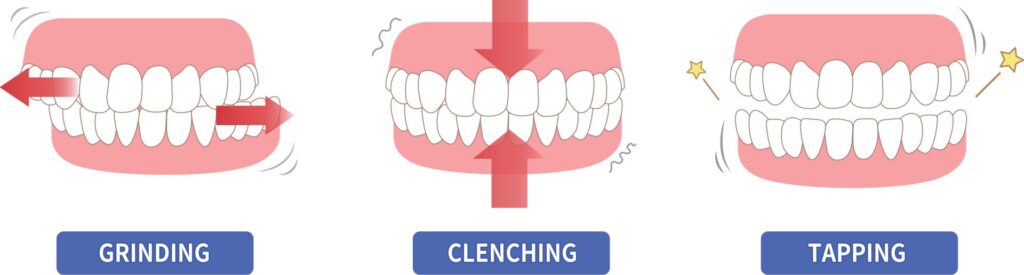
Bruxism refers to the involuntary clenching, grinding, or gnashing of teeth. This dental condition is broadly categorized into two types based on when it occurs:
Awake Bruxism
Awake bruxism happens when you’re conscious, often triggered by stress, anxiety, or intense concentration. Since you’re awake, you typically have more awareness of the habit and greater potential to control it. This type is frequently associated with emotional factors such as feeling anxious, stressed, or angry.
The advantage of awake bruxism is that you can notice it happening and take conscious steps to stop. Stress management techniques and increased awareness of grinding episodes can help reduce its frequency.
Related article: Periodontist vs Orthodontist: Who You Should See
Sleep Bruxism
Sleep bruxism occurs during sleep and is more concerning than other forms of teeth grinding for several important reasons that make it both harder to detect and more potentially damaging.
The most significant challenge with sleep bruxism is that you’re completely unaware it’s happening until symptoms or complications arise, making early intervention difficult.
Unlike daytime grinding, which you can consciously recognize and control, you have no conscious control over sleep bruxism episodes, leaving your teeth and jaw vulnerable throughout the night.
You might like: Root Canal Treatment in Singapore
The grinding force generated during sleep can be significantly stronger than daytime grinding, with some individuals exerting up to 250 pounds of pressure on their teeth and jaw structures.
This intense nocturnal activity can disrupt sleep quality for both you and your partner, as the grinding sounds and associated movement create disturbances throughout the night.
Perhaps most importantly, sleep bruxism often leads to more severe dental damage over time due to the combination of increased force, longer duration, and lack of conscious protection.
Sleep bruxism is particularly troublesome because you may not notice it until you begin experiencing telltale symptoms like morning headaches, jaw pain, or visible tooth damage, by which point significant harm may have already occurred to your dental structures and jaw joints.
This might help: Sinus Lifts and Augmentation in Singapore
Causes of Bruxism
While the exact causes of bruxism aren’t fully understood, several risk factors have been identified:
Psychological Factors
- Stress and anxiety
- Depression
- High concentration on tasks
This might help: Psychologists in Singapore: How Can They Help?
Physical and Medical Factors
- Sleep disorders (particularly obstructive sleep apnea)
- Malocclusion (improper alignment of teeth)
- Medications (particularly certain antidepressants)
- Neurological conditions
You might like: Pulpotomy Treatment in Singapore
Lifestyle Factors
- Caffeine consumption (especially in the evening)
- Alcohol consumption
- Smoking
- Recreational drug use
Other Factors
- Family history of bruxism
- Age (more common in children, typically outgrown by age 6)
You might like: Wisdom Tooth Extraction Costs in Singapore
How to Identify if You Have Bruxism
Bruxism can be challenging to identify, especially if it occurs during sleep. Here are several indicators that may suggest you’re grinding your teeth:
Physical Signs
- Worn, flattened, fractured, or chipped teeth
- Loose teeth
- Increased tooth sensitivity
- Jaw or facial pain and soreness
- Tired or tight jaw muscles
- Pain that feels like an earache
- Dull headaches that start at the temples
- Damage to the inside of your cheek
This might help: Wisdom Tooth Removal Surgery: Risks, Benefits, Recovery
Behavioral Signs
- Grinding sounds during sleep (often reported by a partner)
- Disrupted sleep
- Waking up due to grinding
- Difficulty opening or closing your mouth
If you notice any of these signs, it’s advisable to consult with a dentist in Singapore for a proper diagnosis and treatment plan.
You might like: Teeth Whitening in Singapore
Consequences of Untreated Bruxism
When left untreated, bruxism can lead to various complications, including:
Dental Problems
The most immediate consequences of bruxism affect your teeth directly. Enamel erosion occurs over time, making teeth more sensitive and susceptible to cavities as the protective outer layer wears away.
The constant grinding pressure can result in cracked, fractured, or broken teeth that may require extensive dental work to repair. Additionally, the force can cause teeth to become loose in their sockets, compromising their stability.
Abfraction cavities, which appear as notches at the gumline, develop from the flexing stress placed on teeth during grinding episodes.
Existing dental restorations, including fillings, crowns, and implants, are also vulnerable to damage from the excessive forces generated during bruxism.
Read more: Everything You Need to Know About Dental Veneers in Singapore
Jaw Problems
The jaw joint and surrounding muscles bear significant stress from bruxism, often leading to temporomandibular joint disorders (TMD).
Patients may experience limited mouth opening, making it difficult to eat or speak comfortably.
Clicking or popping sounds when opening or closing the mouth become common as the joint mechanics are disrupted.
In severe cases, individuals may experience a locked jaw, where they cannot open or close their mouth properly, requiring immediate medical attention.
Read more: Guide to Square Jaw Reduction in Singapore
Other Issues
Beyond dental and jaw complications, bruxism creates a cascade of additional health problems.
Chronic headaches develop from the constant muscle tension and stress placed on the head and neck region. Facial pain becomes a persistent issue as the muscles of mastication remain in a state of chronic tension.
Sleep disturbances affect both the individual and their sleeping partner, as the grinding sounds and associated movement disrupt restful sleep.
Over time, the facial appearance may change, developing a more squarish jaw due to enlarged chewing muscles from constant use.
The combination of these physical symptoms creates a negative impact on overall quality of life, affecting work performance, relationships, and daily activities.
Read more: The Complete Guide to Protruding Teeth: Causes, Complications and Treatment Options
Treatment Options for Bruxism in Singapore
Mouthguards and Occlusal Splints
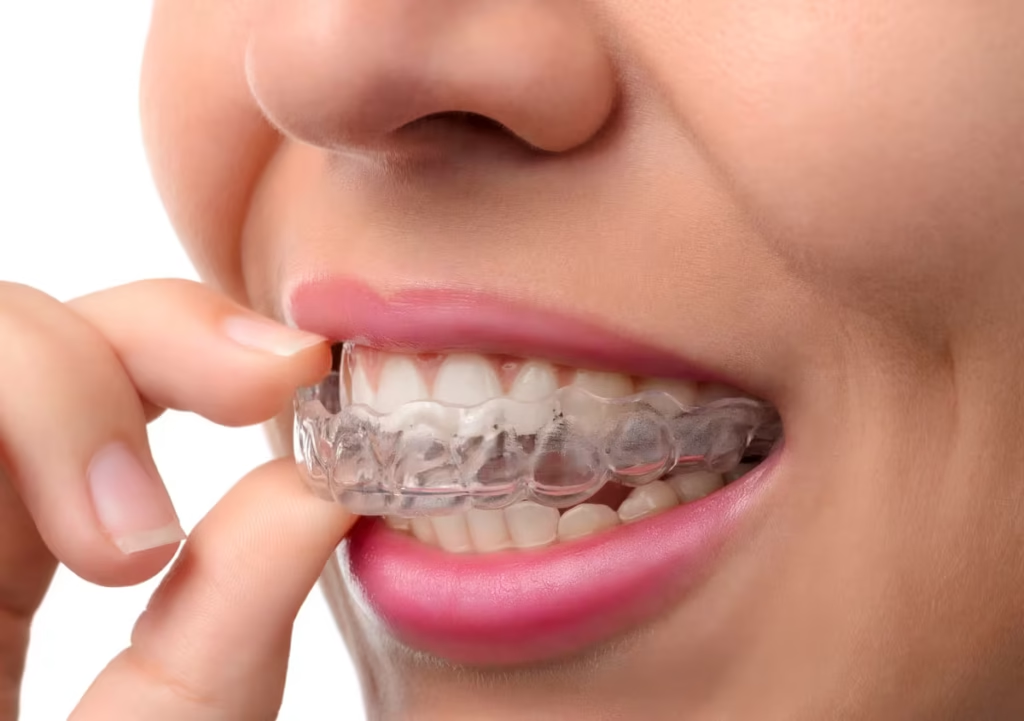
One of the most effective treatments for bruxism is a custom-fitted mouthguard or occlusal splint.
In Singapore, dental professionals offer two primary types of mouthguards to address different severity levels and patient needs.
Soft material mouthguards cost approximately $350 (excluding GST) and provide several benefits for patients.
These guards are comfortable to wear and easier to adjust to, making them ideal for individuals new to mouthguard therapy.
They work best for mild to moderate grinding cases where the forces generated are not excessive enough to damage the softer material.
This might help: Best Teeth Whitening Clinic in JB for Singaporeans
Hard material mouthguards are priced at approximately $500 (excluding GST) and offer enhanced durability for more challenging cases.
These guards are more durable than their soft counterparts and can control bite mechanics while lasting longer under heavy use.
They represent the best choice for severe grinding cases and for patients who have previously damaged soft mouthguards through intense grinding activity.
Custom-fitted mouthguards from dental professionals like Smilepoint Dental Centre in Singapore offer superior protection compared to over-the-counter options.
They’re precisely molded to the shape of your teeth, ensuring both comfort and optimal protection throughout the night.
The fabrication process typically involves taking an impression of your teeth, which is then sent to a laboratory for precise fabrication.
Once completed, the mouthguard is fitted to ensure proper positioning and comfort, with adjustments made as needed to optimize the fit.
While mouthguards don’t stop the grinding behavior itself, they protect your teeth from damage and help distribute the pressure evenly across the dental arch.
Medical Treatments
In addition to mouthguards, several medical treatments may be recommended depending on the severity and underlying causes of your bruxism.
Various medications can provide relief from bruxism-related symptoms. Pain relievers help manage jaw discomfort and associated headaches that result from chronic grinding.
Muscle relaxants work to reduce muscle tension in the jaw and surrounding areas, potentially decreasing the intensity of grinding episodes.
Anti-anxiety medication may be prescribed if stress is identified as a primary factor contributing to the bruxism, addressing the root psychological cause.
Botulinum toxin (Botox) injections to the chewing muscles (muscles of mastication) can be highly effective for severe cases where other treatments have proven insufficient.
The benefits of this treatment include reduced muscle strength and grinding force, which directly decreases damage to teeth and existing dental work.
Patients often experience significant relief from jaw pain and may notice potential facial slimming as a secondary cosmetic effect.
Many individuals also report improved sleep quality as the reduced muscle activity leads to less sleep disruption.
Physical therapy techniques can help relax the jaw muscles and improve overall jaw function through various therapeutic approaches.
Targeted jaw exercises help strengthen and stretch the appropriate muscle groups while promoting proper jaw mechanics. Heat and cold therapy applications provide pain relief and reduce inflammation in affected tissues.
Ultrasound treatments penetrate deep into muscle tissue to promote healing and relaxation. Electrical stimulation can help retrain muscle patterns and reduce chronic tension in the jaw region.
Behavioral and Lifestyle Modifications
Several self-care strategies can help manage bruxism:
Stress Management
Effective stress management forms the cornerstone of bruxism treatment for many patients. Regular exercise helps reduce overall stress levels and promotes better sleep quality, both of which can decrease grinding frequency.
Meditation and mindfulness practices teach individuals to become more aware of their jaw tension and provide tools for conscious relaxation.
Yoga combines physical movement with stress reduction techniques, offering dual benefits for bruxism management.
Deep breathing exercises can be performed throughout the day to release jaw tension and promote relaxation.
Ensuring adequate sleep is crucial, as fatigue and sleep deprivation often exacerbate bruxism symptoms.
Dietary Changes
Specific dietary modifications can significantly impact bruxism severity and frequency.
Reducing caffeine intake, especially in the evening hours, helps decrease nervous system stimulation that can contribute to nighttime grinding.
Limiting alcohol consumption is important because while alcohol may initially seem relaxing, it can disrupt sleep patterns and increase grinding activity.
Avoiding hard or chewy foods helps prevent additional strain on already overworked jaw muscles. Ensuring adequate intake of magnesium and calcium supports proper muscle function and may help reduce muscle cramping and tension.
Sleep Hygiene
Proper sleep hygiene practices create an environment conducive to restful sleep and reduced bruxism activity.
Maintaining a regular sleep schedule helps regulate your body’s circadian rhythms and promotes deeper, more restorative sleep.
Creating a relaxing bedtime routine signals to your body that it’s time to unwind and prepare for rest. Ensuring a comfortable sleep environment with appropriate temperature, lighting, and noise levels supports quality sleep.
Avoiding screen time before bed prevents blue light exposure that can interfere with natural sleep hormone production.
Advanced Treatments for Severe Cases
For severe cases where more conservative treatments aren’t effective, additional interventions may be necessary:
Orthodontic Treatment
Correcting misaligned teeth can sometimes help reduce grinding by improving bite mechanics.
Dental Corrections
Reshaping the chewing surfaces of teeth or repairing damaged teeth with crowns can help stabilize the bite.
Joint Treatments
For cases involving TMJ disorders that don’t respond to conservative management, more invasive treatments may be considered.
Joint washout (arthrocentesis) involves removing inflammatory mediators from the joint space to reduce pain and improve function.
Arthroscopy offers a minimally invasive approach to joint repair, allowing surgeons to address internal joint problems with small incisions.
Open-joint surgery (arthrotomy) represents the most invasive option and is reserved for severe cases where other treatments have failed.
Bruxism in Children
Bruxism is relatively common in children, affecting anywhere from 6% to almost 50% of children according to some studies. The good news is that most children outgrow this habit by age 6.
Read more: Which Kids Dentist in Singapore Should You Consider? (Sort by Reviews)
Managing Bruxism in Children
If your child grinds their teeth, several gentle approaches can help manage the condition while allowing for natural resolution.
Monitor the situation carefully but avoid overreacting, as most pediatric cases resolve spontaneously without intervention.
Create a relaxing bedtime routine that helps reduce stress and anxiety, which are common triggers for childhood bruxism. Limit screen time before bed to promote better sleep quality and reduce nervous system stimulation.
Avoid caffeine in foods and beverages, as children are particularly sensitive to its stimulating effects. Consult a pediatric dentist if grinding continues beyond the typical age range or if it begins causing visible dental problems.
Consider a custom-fitted mouthguard for older children if the grinding is severe enough to cause dental damage, though this is rarely necessary in younger children.
Regular dental check-ups become particularly important for children with bruxism, as they help identify and address any dental damage in its early stages before it becomes more serious.
Read more: Pediatric Dentistry in Singapore: Complete Guide to Kids’ Dental Care
Preventing Bruxism
While it may not be possible to completely prevent bruxism, several strategies can help reduce its frequency and severity:
Stress Reduction
Identify sources of stress in your life and work systematically to address them, as stress is one of the most significant modifiable risk factors for bruxism.
Implement regular stress management techniques that work for your lifestyle and preferences, whether that’s exercise, meditation, or other relaxation methods.
Consider professional counseling or therapy if stress feels overwhelming or if you’re struggling to manage it independently.
Awareness Training
Develop awareness of clenching or grinding behaviors during the day, as daytime habits often translate into nighttime problems.
Practice keeping your teeth slightly apart when not actively eating or speaking, as this is the natural resting position for the jaw.
Set regular reminders throughout the day to check your jaw tension and consciously relax the muscles if you notice tightness or clenching.
Regular Dental Check-ups
Schedule consistent dental examinations to enable early detection of tooth wear patterns that may indicate developing bruxism.
Professional monitoring allows for timely identification of potential bruxism before significant damage occurs.
Early intervention prevents serious long-term damage and often requires less invasive and less expensive treatments.
Finding Help for Bruxism in Singapore
Singapore offers numerous dental clinics specializing in bruxism treatment, providing patients with access to comprehensive care options.
When seeking professional help, consider dentists with specific experience in TMJ disorders and bruxism management, as this specialized knowledge is crucial for effective treatment.
Look for dental clinics that offer custom-fitted mouthguards fabricated on-site or through reputable laboratories.
Seek out professionals who take a holistic approach to treatment, addressing not just the symptoms but also the underlying causes of your bruxism.
Don’t hesitate to ask potential dentists about their experience with bruxism cases and their preferred approach to treatment, as this information will help you find the best match for your specific needs.
Living with Bruxism
For many individuals, bruxism is a chronic condition that requires ongoing For many individuals, bruxism is a chronic condition that requires ongoing management rather than a one-time cure. Successful long-term management involves several key strategies and lifestyle adjustments.
Wear your mouthguard consistently as recommended by your dentist, even if it feels uncomfortable initially, as consistency is key to protecting your teeth and breaking the grinding cycle.
Follow up regularly with your dental professional to monitor the condition’s progression and adjust treatment as needed.
Be particularly vigilant about dental hygiene to protect potentially vulnerable teeth that may be more susceptible to decay due to enamel damage.
Communicate openly with sleeping partners about the condition so they understand the night sounds and can provide support for your treatment efforts.
Consider joining support groups for individuals with TMJ disorders or bruxism, as connecting with others who understand the challenges can provide valuable emotional support and practical tips.
Remember that successful management often involves addressing multiple aspects of the condition simultaneously, combining physical treatments with lifestyle modifications and stress management techniques for the best long-term outcomes.
Conclusion
Bruxism is a common but potentially serious dental condition that affects many Singaporeans. By understanding its causes, recognizing its symptoms, and seeking appropriate treatment, you can protect your dental health and improve your quality of life.
If you suspect you or your child may be grinding teeth, consult with a dental professional in Singapore for a comprehensive evaluation and personalized treatment plan.
With proper care and management, the effects of bruxism can be minimized, allowing you to maintain a healthy smile and comfortable jaw function.
Frequently Asked Questions (FAQ)
What is the difference between bruxism and TMJ disorder?
Bruxism refers specifically to teeth grinding or clenching, while temporomandibular joint (TMJ) disorder involves dysfunction of the jaw joint itself.
Though related, they’re distinct conditions—bruxism can lead to or worsen TMJ disorders, but not everyone with bruxism develops TMJ problems.
Both conditions can cause jaw pain, but TMJ disorders typically involve additional symptoms like clicking sounds, jaw locking, or difficulty with mouth movement.
How long do mouthguards for bruxism typically last?
The lifespan of a mouthguard depends on the material and the severity of grinding. Soft mouthguards typically last 6 months to 2 years, while hard acrylic mouthguards may last 3-5 years with proper care.
Severe grinders may need replacements more frequently—some patients require a new mouthguard every 1-2 years due to wear patterns created by aggressive grinding. Your dentist will recommend when replacement is necessary during regular check-ups.
Can bruxism cause headaches?
Yes, bruxism commonly causes headaches, particularly tension-type headaches that start in the temples. When you grind your teeth, the muscles in your jaw, temples, and scalp contract forcefully for extended periods, leading to tension and pain. These headaches typically occur in the morning upon waking and may be accompanied by jaw soreness. Treating the underlying bruxism often helps reduce or eliminate these headaches.
Is teeth grinding genetic?
There appears to be a hereditary component to bruxism, with the condition sometimes running in families. Studies suggest that if you have a family member who grinds their teeth, you may have an increased risk of developing bruxism yourself.
However, genetic factors likely interact with environmental influences like stress and lifestyle habits, making it difficult to determine exactly how much of bruxism is genetic versus environmental.
Can stress reduction techniques alone stop bruxism?
While stress reduction techniques can significantly help manage awake bruxism, they’re usually insufficient as the sole treatment for sleep bruxism.
Stress management methods like meditation, exercise, and counseling may reduce the frequency and intensity of grinding episodes, but most individuals with sleep bruxism still require physical interventions like mouthguards to prevent dental damage.
A comprehensive approach combining stress management with dental treatments typically yields the best results.
Are there any natural remedies for teeth grinding?
Several natural approaches may help reduce bruxism, though their effectiveness varies by individual. These include:
- Magnesium and calcium supplements, as deficiencies in these minerals are linked to muscle tension
- Warm compresses applied to the jaw before sleep to relax muscles
- Herbal teas like chamomile or valerian to promote relaxation before bed
- Lavender essential oil aromatherapy, which has calming properties
- Jaw massage techniques to release tension While these may provide some relief, they should complement rather than replace professional dental treatment.
Can children outgrow bruxism?
Yes, most children do outgrow bruxism. Pediatric bruxism is common, affecting up to 50% of children, but it typically resolves naturally as they grow older, particularly by age 6-7 when their adult teeth begin coming in.
However, if a child’s grinding is severe, causes pain, or damages teeth, dental intervention may be necessary even if the condition is likely temporary.
Regular dental check-ups can help monitor a child’s grinding and determine if treatment is needed.
Do I need to wear a mouthguard during the day if I grind my teeth while awake?
For awake bruxism, wearing a mouthguard during the day is less common but might be recommended in severe cases.
Daytime grinding is usually better addressed through awareness training and stress management, as you can consciously control the behavior when awake.
However, if you experience significant daytime grinding that you struggle to control, your dentist might suggest wearing a thin, discreet mouthguard during particularly stressful situations or activities that trigger grinding.
How does sleep apnea relate to teeth grinding?
Sleep apnea and bruxism are frequently connected. When breathing is obstructed during sleep apnea episodes, the brain may trigger teeth grinding as a protective response to reopen the airway.
Studies show that many individuals with sleep apnea also experience bruxism, and treating the sleep apnea often reduces grinding.
If you have bruxism, especially if accompanied by snoring, daytime fatigue, or interrupted sleep, your dentist might recommend a sleep study to check for sleep apnea.
Can dietary changes help reduce teeth grinding?
Certain dietary modifications may help reduce bruxism triggers. Limiting caffeine (coffee, tea, chocolate, energy drinks) and alcohol, especially in the evening, can decrease nervous system stimulation that contributes to grinding.
Some individuals find that avoiding very chewy foods or hard candies helps reduce jaw muscle fatigue.
Additionally, ensuring adequate hydration and maintaining balanced nutrition with sufficient magnesium and calcium may help normalize muscle function and potentially reduce grinding episodes.
Will dental insurance in Singapore cover bruxism treatments?
Coverage for bruxism treatments varies widely among insurance providers in Singapore.
Basic dental plans typically cover diagnostic consultations but may consider mouthguards and occlusal splints as elective treatments with limited or no coverage.
More comprehensive plans might partially cover these devices, usually at 50-80% of the cost up to a maximum limit. Medisave generally doesn’t cover mouthguards, though it might cover certain surgical interventions if bruxism has led to serious TMJ disorders.
Always check with your specific insurance provider for details on coverage limits and requirements.
General shopping ideas, independent of this article’s advice.
Swipe to compare products →MillionParcel Bubble Polymailer Bag | Polymailer with Bubble Wrap | Bubble Mailer | Bubble EnvelopeFrom S$0.19MillionParcel Kraft Paper Bag for Gift | Door Gift Bag for Present | Gift Bags | Party Bag | Goodie BagFrom S$0.16MillionParcel Carton Box N | Packing Box | Moving Box | Cardboard box | Boxes for Moving | Delivery box | Storage BoxFrom S$0.57Prices may vary by option. Check the final price and delivery on Shopee.