
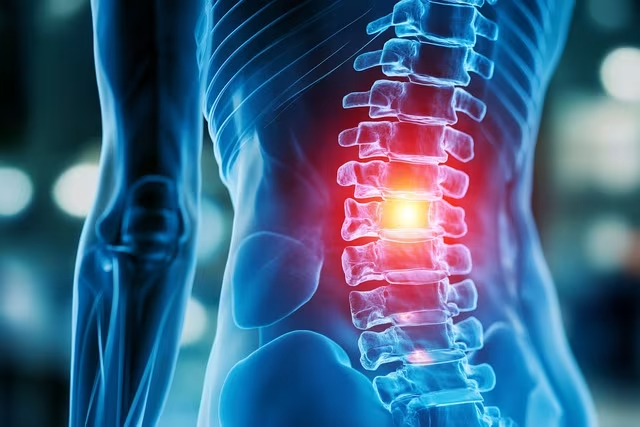
Low back pain represents one of the most common health complaints in Singapore, affecting up to 80% of the population at some point in their lives.
Despite its prevalence, the good news is that most cases are not serious or life-threatening.
Explore everyday essentials and compare current offers on Shopee.
Browse ShopeeThe vast majority of patients experience improvement or complete recovery within approximately 6 weeks through proper self-management techniques, often without requiring medical intervention.
This comprehensive guide explores the causes, symptoms, prevention strategies, and treatment options for low back pain specifically within the Singaporean context, providing you with the knowledge to effectively manage this condition.
Read more: Which Orthopedic Doctor in Singapore Should You Consider?
Understanding Your Spine
The spine (also known as the backbone) is a complex structure that extends from the base of your skull to your buttocks.
It consists of more than 20 separate bones called vertebrae stacked on top of one another.
Between each pair of vertebrae sits a flexible disc that acts as a cushion, and these components are held together by ligaments.
The spinal cord and nerves run through the center of this spinal column, protected by the bony vertebrae.
This intricate design allows for both stability and flexibility, enabling you to bend, twist, and support your body weight while protecting the vital nervous system structures within.
Understanding this basic anatomy helps explain why back pain can have so many different causes and manifestations.
Related article: Best Orthopedic Doctor in JB for Singaporeans
Common Symptoms of Low Back Pain
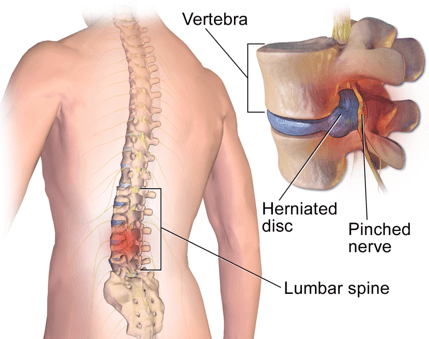
Low back pain is a symptom rather than a specific diagnosis, and beyond the primary complaint of pain in the lower back region, you may experience several associated symptoms.
These include back stiffness and soreness, pain that worsens with coughing or sneezing, weakness, numbness or tingling sensations radiating down one or both legs, and difficulty standing, sitting, or bending for prolonged periods.
Additional symptoms encompass reduced mobility and flexibility, pain that may be dull and constant or sharp and intermittent, and discomfort that worsens after long periods in one position.
In more severe cases, back pain might be accompanied by other concerning symptoms that require immediate medical attention, which we’ll discuss in a later section.
You might like: Osteoarthritis Treatment in Singapore: Symptoms, Prevention
Risk Factors and Common Causes
Several factors can increase your likelihood of experiencing low back pain. In Singapore’s fast-paced urban environment, many of these risk factors are particularly relevant:
Lifestyle-Related Risk Factors
- Prolonged sitting or standing: Common in office environments and certain occupations
- Sedentary lifestyle: Lack of regular physical activity
- Being overweight or obese: Puts additional stress on the spine and supporting structures
- Repetitive activities: Frequent heavy lifting or movements that strain the back
- Poor posture: Especially while working at desks or using mobile devices
- Stress: Can contribute to muscle tension in the back
Physical and Medical Causes
- Muscle or ligament strain: Often from improper lifting or sudden movements
- Bulging or ruptured discs: When the soft core of a spinal disc pushes through a tear in the outer layer
- Degenerative disc disease: Age-related wear and tear of spinal discs
- Spinal stenosis: Narrowing of the spinal canal that puts pressure on nerves
- Arthritis: Inflammation of joints in the spine
- Osteoporosis: Weakening of bones that can lead to painful fractures
- Structural problems: Such as scoliosis (curvature of the spine)
It’s important to note that age-related changes like degeneration or “wear and tear” are common and not always directly related to pain. Research shows that many people with these changes on imaging tests experience no pain at all.
Read more: Arthritis Treatment in Singapore: Causes, Risks, Symptoms
When to Seek Medical Attention
While most cases of low back pain resolve on their own with proper self-care, certain symptoms warrant immediate medical attention. Being aware of these warning signs can help prevent serious complications.
Seek Urgent Medical Care If You Experience:
You should seek immediate medical attention if you experience changes in urinary or bowel control or incontinence, numbness or tingling sensation over your legs or private region, severe, unrelenting pain that doesn’t improve with rest, progressive weakness in the legs, or difficulty walking or unsteady gait.
Related article: Slipped Disc Treatment in Singapore: Causes, Risks, Cost
Consult a Doctor Early If You Notice:
You should consult a doctor promptly if you notice unexplained weight loss alongside back pain, persistent pain following an injury, fever or night sweats, pain that doesn’t improve after rest or pain medication, swelling, redness, or severe pain affecting multiple joints, or any loss of function or mobility.
These symptoms may indicate more serious underlying conditions that require prompt medical evaluation and treatment.
How Back Pain is Diagnosed
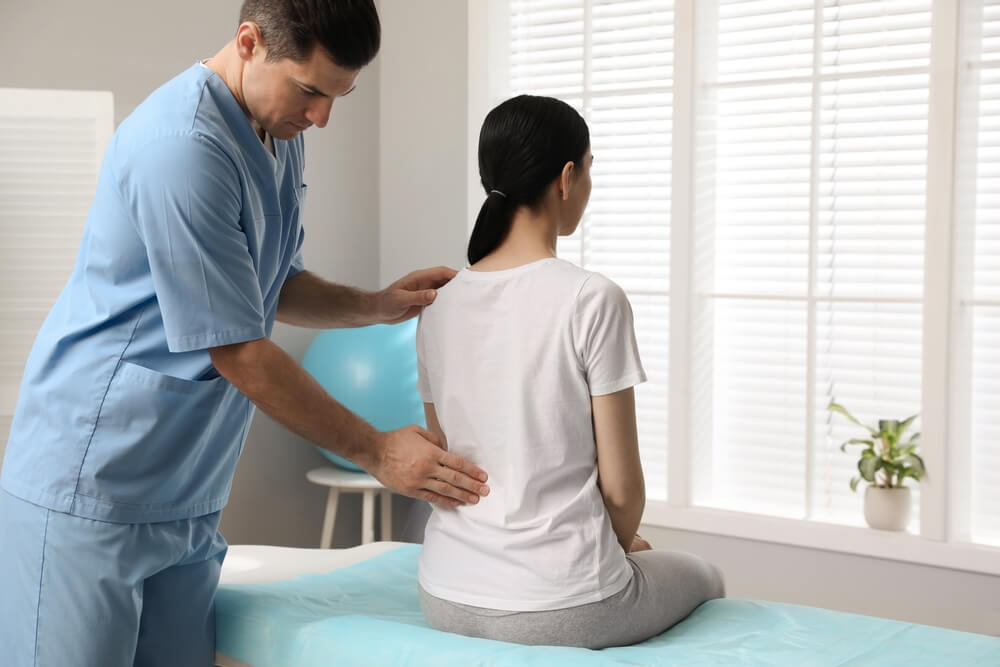
If your symptoms warrant medical attention, your healthcare provider will typically follow a systematic approach to diagnosis:
- Medical history: Detailed questions about your symptoms, when they started, what makes them better or worse, and your overall health
- Physical examination: Testing your range of motion, nerve function, and identifying areas of tenderness
- Basic assessments: Evaluating your ability to walk, stand, sit, and perform simple movements
In most cases of acute low back pain, no further testing is immediately needed.
However, if your doctor suspects a specific underlying condition or if your pain persists despite treatment, they may recommend:
- Blood tests: To check for signs of infection or inflammation
- X-rays: Can show alignment of bones and detect fractures, but have limitations for soft tissue
- MRI scans: Provide detailed images of soft tissues, including discs, nerves, and muscles
- CT scans: Offer detailed bone imaging and can help diagnose specific conditions
- Nerve conduction studies/EMG: Tests that can help determine if nerves are functioning properly
It’s important to note that imaging findings often don’t fully explain back symptoms. Many people without back pain show disc degeneration or other changes on scans, while some with severe pain have normal-looking imaging results. This is why doctors consider your symptoms and physical examination alongside any test results.
You might like: Rotator Cuff Tear Treatment in Singapore
Recovery Timeline and Expectations
Understanding the typical recovery pattern for low back pain can help manage expectations and reduce anxiety.
Most episodes of low back pain improve or recover in approximately 6 weeks with appropriate self-management, though for some individuals, symptoms may recur periodically over time.
The recovery process typically follows a gradual improvement rather than immediate relief, and even after pain subsides, continuing with preventive measures is important to reduce the risk of recurrence.
Some cases of low back pain may persist and require ongoing management.
Factors that support successful recovery include understanding the nature of your pain, making appropriate lifestyle modifications, setting realistic goals for activity and recovery, and following recommended exercises and treatments consistently.
You might be interested: Hip Replacement Surgery in Singapore: Cost, Risks
Treatment Approaches for Low Back Pain
Treatment for low back pain typically follows a stepped approach, beginning with conservative measures and progressing to more specialized interventions only if needed.
Self-Management Strategies
For most cases of acute low back pain, self-management is the first and often most effective approach.
Staying active is crucial, as contrary to older advice, complete bed rest is not recommended; gentle movement actually helps recovery.
Pain relief can be achieved through over-the-counter medications like paracetamol or non-steroidal anti-inflammatory drugs (NSAIDs) to help manage discomfort.
Hot or cold therapy involves applying ice packs for the first 48-72 hours, then switching to heat to provide relief.
Gentle stretching with simple stretches for the back, hips, and legs can reduce tension throughout the affected areas.
Learning proper body mechanics teaches you how to lift, sit, and move without straining your back.
Finally, stress management techniques like deep breathing and mindfulness can help reduce muscle tension that contributes to pain.
Professional Treatment Options
If self-management isn’t providing adequate relief, several professional treatment approaches may be beneficial:
Medication
Various medications can provide more targeted relief than over-the-counter options.
Pain relievers include prescription-strength NSAIDs or other specialized pain medications for more severe discomfort.
Muscle relaxants help reduce painful muscle spasms that often accompany back injuries.
Nerve pain medications are specifically designed for pain associated with nerve compression.
Short-term use of sedatives may help with sleep disruption caused by persistent pain.
Physical Therapy
Physical therapy offers structured, professional guidance for recovery.
Targeted exercises focus on strengthening the back, core, and supporting muscles to provide better spinal support.
Manual therapy involves hands-on techniques performed by therapists to improve mobility and reduce pain.
Posture training teaches optimal positions for different daily activities.
Activity modification helps patients adapt their movements to reduce strain on the back during routine tasks.
Interventional Treatments
For persistent pain that doesn’t respond to conservative measures, more specialized interventions are available.
Epidural steroid injections work to reduce inflammation around compressed nerves.
Nerve blocks specifically target pain-transmitting nerves to interrupt pain signals.
Radiofrequency ablation uses controlled heat to reduce nerve pain signals.
Spinal cord stimulation employs electrical impulses that interrupt pain signals before they reach the brain.
Surgical Options
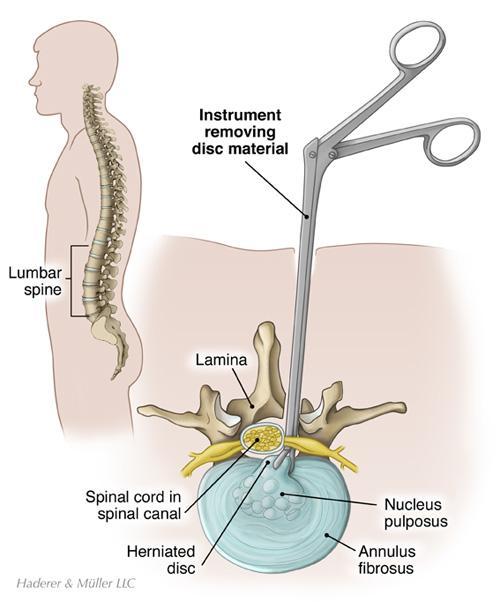
Surgery is typically only recommended when specific criteria are met: there is severe or progressive nerve damage, significant structural problems are identified, conservative treatments have failed, or the patient experiences loss of bladder or bowel control or severe mobility limitations.
Common surgical procedures include several options depending on the specific condition.
Discectomy involves removal of a portion of a herniated disc that is pressing on nerves.
Laminectomy removes bone to create space for compressed nerves.
Spinal fusion joins vertebrae together to reduce painful movement.
Artificial disc replacement substitutes a damaged disc with an artificial one to maintain mobility.
Special Focus: Slipped Disc
A slipped disc (also called herniated or ruptured disc) is a common cause of back pain that deserves special attention:
What Happens in a Slipped Disc
As people age, the nucleus (soft jelly-like core) in the discs of the lower back may begin to dry out, making them less effective at cushioning the spine. The hard exterior (annulus) surrounding the core can tear, causing pain. In some cases, a portion of the nucleus herniates through this tear and protrudes outside the disc wall.
Symptoms Specific to Slipped Discs
Slipped discs present with characteristic symptoms that help distinguish them from other causes of back pain.
Patients typically experience back pain that may be severe in intensity. Pain, numbness, or tingling often radiates down one or both legs, a condition known as sciatica.
Many people report sensations of “coldness” or pins and needles in the thigh and calf areas.
The pain characteristically worsens with certain movements or positions, such as bending forward or sitting for extended periods.
Muscle weakness in the affected leg or legs may also develop, particularly in cases of significant nerve compression.
Treatment for Slipped Discs
Most cases of slipped discs improve without surgery through proper rest, physical therapy, and appropriate medication management.
Manual treatments including massage, mobilization, and careful manipulation may provide significant relief for many patients.
However, for severe cases where significant disc material compresses nerves and causes progressive neurological symptoms, surgical removal of the herniated fragment may be necessary to achieve faster recovery and prevent permanent nerve damage.
Prevention Strategies and Lifestyle Modifications
Preventing low back pain—or reducing the frequency and severity of recurrences—involves adopting healthy habits and making appropriate lifestyle changes:
Posture and Body Mechanics
Proper posture and movement techniques form the foundation of back health.
Maintaining a neutral spine position while sitting and standing helps distribute weight evenly across spinal structures.
Using proper lifting techniques means bending at the knees rather than the waist to protect the lower back.
Holding objects close to your body when carrying them reduces the leverage force on your spine.
Avoiding twisting your spine while lifting prevents dangerous rotational stress on discs and joints.
If getting out of bed is difficult due to pain, try turning your body to the side first, then use your arms to push yourself up rather than sitting straight up.
Physical Activity
Regular physical activity strengthens supporting muscles and maintains flexibility.
Engaging in regular aerobic exercise like walking, swimming, or cycling improves overall fitness and circulation to spinal tissues.
Performing specific exercises to strengthen back and core muscles provides better support for the spine during daily activities.
Incorporating stretching routines helps maintain flexibility in muscles and joints that support the back.
Aiming for at least 30 minutes of moderate activity most days provides optimal benefits for spinal health.
Starting any new exercise program gradually helps avoid injury while building strength and endurance.
Workspace Ergonomics
Creating a back-friendly work environment reduces daily strain on spinal structures.
Adjusting your chair to support the natural curve of your spine maintains proper alignment during long periods of sitting.
Positioning computer monitors at eye level prevents neck strain and forward head posture.
Using a headset for phone calls rather than cradling the phone prevents neck and shoulder tension.
Taking regular breaks to stand, stretch, and move around prevents stiffness from prolonged static positions.
Considering a standing desk option allows you to alternate between sitting and standing throughout the workday.
Weight Management
Maintaining appropriate body weight reduces mechanical stress on spinal structures.
Following a balanced diet rich in anti-inflammatory foods supports tissue healing and reduces inflammation.
Staying adequately hydrated helps maintain disc health, as discs depend on fluid for proper function.
Consulting healthcare professionals for guidance on healthy weight loss ensures safe and effective approaches when weight reduction is needed.
Stress Reduction
Managing psychological stress helps reduce physical tension that contributes to back pain.
Practicing relaxation techniques like deep breathing or meditation activates the body’s relaxation response.
Ensuring adequate sleep on a supportive mattress allows tissues to heal and regenerate overnight.
Managing stress through mindfulness, yoga, or other calming activities reduces overall muscle tension.
Seeking support for mental health concerns that may contribute to physical tension addresses the mind-body connection in pain management.
Chronic Back Pain Management
When back pain persists beyond 12 weeks, it’s classified as chronic. This condition requires a comprehensive management approach:
Understanding Chronic Pain
- Chronic pain often involves complex changes in how the nervous system processes pain signals
- The relationship between tissue damage and pain sensation may become less direct
- Psychological and social factors can influence pain perception and coping abilities
- A multidisciplinary approach is typically most effective
Multidisciplinary Treatment Approaches
- Pain specialists: Physicians specializing in pain management
- Physiotherapists: For targeted exercise and movement therapy
- Psychologists: To address psychological aspects of chronic pain
- Occupational therapists: To help adapt daily activities and work environments
- Nutritionists: For dietary guidance that may influence inflammation and healing
Self-Management for Chronic Pain
- Develop pain coping strategies
- Practice pacing activities to avoid flare-ups
- Keep a pain diary to identify triggers and patterns
- Join support groups to connect with others experiencing similar challenges
- Set achievable goals for function and quality of life, rather than focusing solely on pain reduction
Frequently Asked Questions
Should I rest in bed all day when I have low back pain?
No, complete bed rest is not recommended for low back pain.
While brief periods of rest might be helpful during acute pain episodes, prolonged inactivity can actually worsen your condition.
When you avoid movement entirely, your muscles generally become weaker and stiffer, potentially prolonging your recovery.
Instead, aim for a balance of rest and gentle activity.
Try to maintain as much of your normal routine as possible, modifying activities that cause significant pain.
Light walking, gentle stretching, and basic daily movements help maintain muscle function and promote healing.
Gradually increase your activity level as your pain allows.
Can I exercise if I was told that I have degeneration or wear and tear in my back?
Yes, you can and should exercise even if you have been diagnosed with spinal degeneration or wear and tear.
Getting older does not directly cause low back pain, and these age-related changes are extremely common.
Research consistently shows that these changes seen on imaging are not strongly related to experiencing pain.
Exercise will not worsen the degeneration or wear and tear.
In fact, appropriate exercise helps strengthen the muscles surrounding your spine, providing better support for your joints and potentially reducing pain.
The key is to start with gentle, low-impact activities like walking, swimming, or specialized back exercises recommended by a healthcare professional.
Gradually increase intensity as tolerated, and always listen to your body’s signals.
Do I need imaging tests like X-rays or MRIs for my back pain?
Most cases of back pain, especially those that have lasted less than 6 weeks, do not require imaging tests.
Changes related to normal aging and wear and tear are commonly seen on imaging and are not always the cause of pain.
Many people without any back pain show disc degeneration and other changes on scans, while some with severe pain have normal-looking imaging.
X-ray findings often do not fully explain back symptoms and may cause unnecessary fear and anxiety when minor abnormalities are detected. Your doctor will typically recommend imaging only if:
- Your pain persists despite several weeks of appropriate treatment
- You have specific symptoms suggesting a serious underlying condition
- There is suspicion of infection, fracture, or other specific diagnoses requiring confirmation
- You’re considering specialized treatments or surgery that would require detailed anatomical information
If your back pain persists or presents with other concerning symptoms, your doctor may advise further imaging such as X-rays, CT scans or MRI to guide treatment decisions.
Is it true that I have to sit straight to prevent low back pain?
No, it’s a myth that a “straight and upright” posture is always best for preventing low back pain.
There is no single ideal posture that works for everyone. Human bodies are designed for movement and variation rather than maintaining any single position for extended periods.
What’s more important than perfect posture is changing positions frequently and avoiding prolonged sitting in any single position.
The healthiest approach is to adjust your position regularly, take frequent short breaks to stand and move, and ensure your workspace is ergonomically arranged to support a comfortable neutral position.
Some people may find that slightly reclined sitting positions actually reduce pressure on spinal discs compared to sitting fully upright.
The key is finding positions that feel comfortable for your individual body and frequently changing between different comfortable positions throughout the day.
Do I need to see a specialist for my back pain?
Most cases of low back pain do not require specialist treatment.
General practitioners can effectively manage the majority of back pain episodes with advice on self-management, appropriate medication, and referral to physiotherapy if needed.
Your doctor will only refer you to a specialist, such as an orthopedic surgeon, rheumatologist, or pain specialist, under specific circumstances.
These include situations where your pain is severe and persists despite appropriate primary care management.
Referral also occurs when there are signs of serious underlying conditions requiring specialized care, or when you have significant neurological symptoms like weakness or numbness that suggest nerve involvement.
Additionally, specialists become involved when specific treatments only available through specialized care might benefit your condition, or when surgery might be a consideration based on your specific diagnosis and symptoms.
It’s worth noting that even for chronic low back pain, injections, surgery, and strong medications do not usually provide complete long-term relief.
A comprehensive approach to management, including appropriate exercise, lifestyle modifications, and pain coping strategies, remains essential regardless of whether you see a specialist.
My back is often sore at the end of a day’s work. How can I prevent this?
Several strategies can help prevent end-of-day back soreness.
Modifying your work environment is fundamental to preventing workplace back pain.
Ensure your workspace is ergonomically arranged with an appropriate chair height, desk setup, and monitor position that support proper spinal alignment throughout your workday.
Changing positions frequently prevents the static loading that contributes to soreness.
Avoid staying in one position for more than 30-60 minutes, and set a timer to remind yourself to stand, stretch, or walk briefly to relieve accumulated tension.
Practicing proper body mechanics involves learning how to lift, carry, bend, and move in ways that minimize back strain.
Keep heavy objects close to your body when lifting and use your legs rather than your back to generate lifting power.
Strengthening supporting muscles through regular core and back strengthening exercises helps your body better tolerate work demands.
A stronger muscular foundation provides better support for your spine during prolonged work activities.
Incorporating microbreaks throughout your workday can make a significant difference.
Even 30-second breaks to stretch or change position can reduce cumulative strain that builds up over hours of work.
Developing end-of-day routines helps address minor soreness before it accumulates into more significant discomfort.
This might include gentle stretches, heat therapy, or other relaxation techniques that help your body recover from the day’s activities.
Specific instructions on how to modify your particular work activities can be provided by an occupational therapist, physiotherapist, or physician with expertise in occupational health, who can assess your specific work environment and tasks.
How long will my back pain last?
The duration of back pain varies considerably between individuals and depends on several factors including the cause, severity, your general health, and how the condition is managed. However, some general timelines can provide guidance:
- Acute back pain: Typically lasts less than 6 weeks and often improves significantly within the first 2-3 weeks with appropriate self-management.
- Subacute back pain: Lasts between 6 and 12 weeks, often showing gradual improvement but may require more structured interventions.
- Chronic back pain: Persists beyond 12 weeks and may require comprehensive, multidisciplinary management approaches.
For most people with new-onset back pain, the prognosis is good.
Approximately 90% experience significant improvement within six weeks, even if complete resolution doesn’t occur.
However, recurrence is common, with 30-40% of people experiencing another episode within the first few months after initial recovery.
Following recommended management strategies, maintaining physical activity, and addressing risk factors can help shorten the duration of pain episodes and reduce the likelihood of recurrence.
Can back pain be completely cured?
Rather than thinking in terms of a “complete cure,” it’s more accurate to consider back pain as a condition that can be effectively managed and controlled.
For many people, episodes of back pain will resolve completely, but the underlying factors that contributed to the pain may still exist, creating potential for recurrence.
A more realistic and helpful goal is to:
- Manage current pain episodes effectively
- Learn strategies to prevent or minimize future episodes
- Develop resilience and coping mechanisms for flare-ups
- Maintain optimal back health through ongoing good habits
With appropriate care and lifestyle modifications, most people can achieve good control of their back pain and maintain healthy, active lifestyles, even if occasional mild symptoms occur.
The focus should be on functional improvement and quality of life rather than expecting permanent and complete elimination of all potential for back discomfort.
Conclusion
Low back pain affects the majority of Singaporeans at some point in their lives, but armed with the right knowledge and approach, most cases can be effectively managed and resolved.
Understanding the causes, recognizing warning signs, and implementing appropriate self-care strategies are key to addressing this common condition.
Remember that in most cases, back pain is not a sign of serious disease and will improve with time and proper management.
By staying active, maintaining healthy habits, and seeking medical advice when appropriate, you can minimize the impact of back pain on your life and activities.
If you experience persistent or concerning symptoms, don’t hesitate to consult a healthcare professional who can provide personalized guidance and treatment recommendations based on your specific situation.
Explore everyday essentials and compare current offers on Shopee.
Browse Shopee