

Though it’s commonly diagnosed in children and young adults, it can also develop later in life.
Explore everyday essentials and compare current offers on Shopee.
Browse ShopeeManaging this chronic condition requires specialized care, consistent monitoring, and proper treatment.
This comprehensive guide explores everything you need to know about type 1 diabetes treatment in Singapore, from understanding the condition to the latest treatment options available.
Read more: Which Endocrinologist in Singapore Should You Consider?
Understanding Type 1 Diabetes Mellitus
What is Type 1 Diabetes?
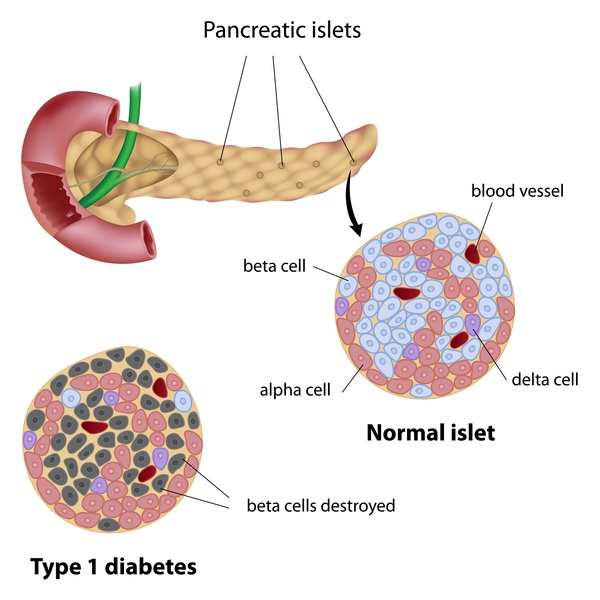
Type 1 diabetes is an autoimmune condition where the body’s immune system mistakenly attacks and destroys the insulin-producing beta cells in the pancreas.
Without these cells, the body cannot produce insulin, the hormone that enables glucose to enter cells and provide energy.
In a healthy individual, the pancreas produces insulin continuously in response to blood glucose levels.
This process is so precise that it maintains blood glucose within the narrow range of 4-6.5 mmol/L.
However, in someone with type 1 diabetes, this automatic regulation is lost, making blood glucose management a constant challenge.
Read more: Diabetes Treatment in Singapore: Types, Risks
How Type 1 Diabetes Differs from Other Types
Type 1 diabetes is fundamentally different from other forms of diabetes:
Type 1 Diabetes: An autoimmune condition where the body cannot produce insulin. It typically develops quickly, usually in childhood or young adulthood, and requires insulin therapy for life.
Type 2 Diabetes: A metabolic disorder where the body becomes resistant to insulin or doesn’t produce enough insulin. It’s often associated with lifestyle factors like obesity and physical inactivity.
Gestational Diabetes: A temporary form of diabetes that occurs during pregnancy, typically resolving after childbirth.
Read more: Gestational Diabetes Treatment in Singapore
Causes and Risk Factors
The exact cause of type 1 diabetes remains unknown, but several factors contribute to its development:
Having certain genes increases the risk of developing type 1 diabetes. If a parent or sibling has type 1 diabetes, the risk is slightly higher.
Autoimmune Response: The immune system mistakenly identifies beta cells as foreign invaders and attacks them.
Environmental Triggers: Certain viruses or environmental factors may trigger the autoimmune response in genetically susceptible individuals.
Geography: Interestingly, the incidence of type 1 diabetes varies by location, suggesting environmental factors may play a role.
Related article: Type 2 Diabetes Treatment in Singapore: Symptoms, Risks
Signs and Symptoms of Type 1 Diabetes
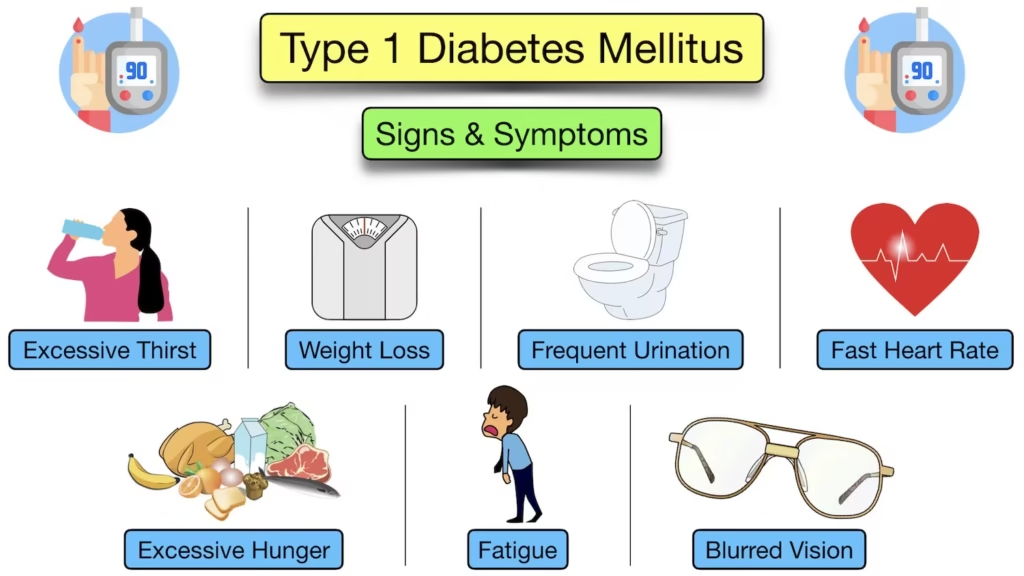
The onset of type 1 diabetes is often rapid, and symptoms can develop over days or weeks. Key symptoms include:
- Excessive thirst and frequent urination: The body tries to eliminate excess glucose through urine, leading to dehydration and increased thirst.
- Extreme hunger: Despite eating, cells are starved of glucose, triggering hunger signals.
- Unexplained weight loss: Without insulin, the body burns fat and muscle for energy, resulting in weight loss despite normal or increased food intake.
- Fatigue: Cells cannot access glucose for energy, leading to tiredness.
- Blurred vision: High blood glucose can affect the fluid in the eye lenses.
- Slow-healing sores or frequent infections: Elevated blood glucose impairs the body’s natural healing processes.
A serious complication called diabetic ketoacidosis (DKA) may also develop, causing:
- Rapid breathing
- Nausea or vomiting
- Abdominal pain
- Fruity-smelling breath
Read more: Diabetes Myths Debunked: Separating Fact from Fiction
Diagnosing Type 1 Diabetes in Singapore
Singapore’s healthcare system offers various tests to diagnose type 1 diabetes accurately:
Blood Glucose Tests
Random Blood Glucose Test: A blood sample taken at any time showing glucose levels of 11.1 mmol/L or higher suggests diabetes.
Fasting Blood Glucose Test: After an overnight fast, a reading of 7.0 mmol/L or higher on two separate occasions confirms diabetes.
Oral Glucose Tolerance Test (OGTT): After consuming a sugary solution, blood glucose levels are measured periodically. A reading of 11.1 mmol/L or higher after two hours indicates diabetes.
Additional Diagnostic Tests
Glycated Hemoglobin (HbA1c) Test: Shows average blood glucose levels over the past 2-3 months.
C-Peptide Test: Measures the level of C-peptide, which is produced alongside insulin. Low levels suggest type 1 diabetes.
Autoantibody Tests: Identifies antibodies commonly present in type 1 diabetes, confirming an autoimmune process.
You might like: Pituitary Gland Disorders Treatment in Singapore: Symptoms, Causes
Type 1 Diabetes Treatment Approaches in Singapore
Treatment for type 1 diabetes in Singapore focuses on replacing insulin, monitoring blood glucose levels, and preventing complications through a combination of approaches.
Insulin Therapy
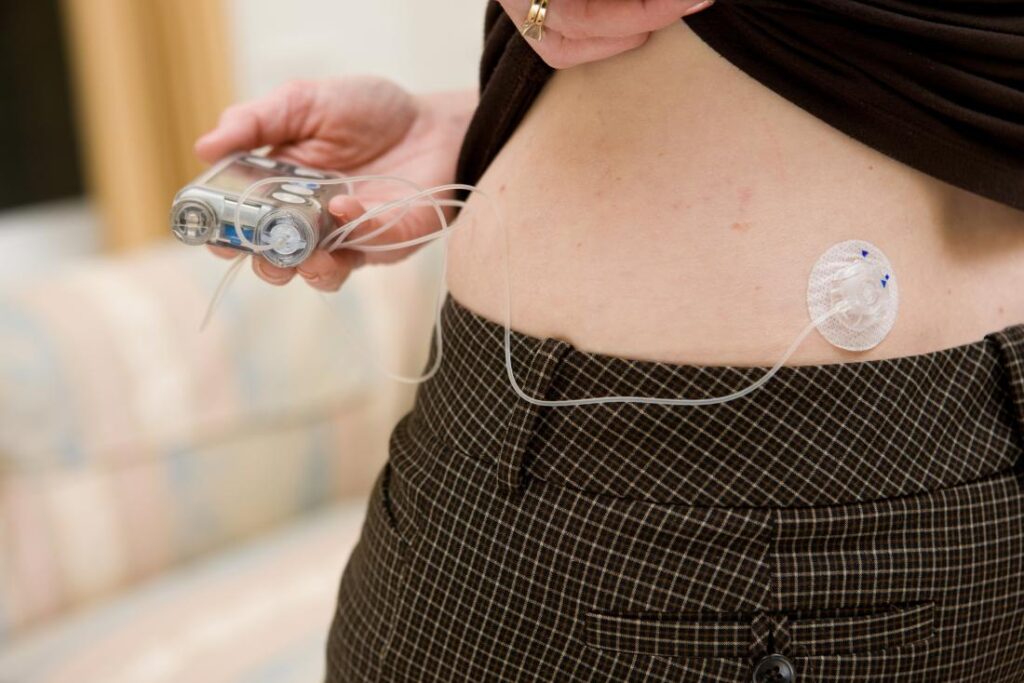
Since the body cannot produce insulin, replacement therapy is essential. In Singapore, patients typically follow a basal-bolus insulin regimen:
Basal (Background) Insulin: Provides a constant supply of insulin throughout the day and night, mimicking the pancreas’s baseline insulin production.
Bolus (Mealtime) Insulin: Quick-acting insulin taken before meals to handle the rise in blood glucose after eating.
The specific insulin types available in Singapore include:
Long-acting insulin analogs (for basal insulin): Last up to 24 hours with a steady effect
Rapid-acting insulin analogs (for bolus insulin): Begin working within 15 minutes and last 3-4 hours
Regular human insulin: Takes longer to start working but costs less than analogs
You might be interested: Cushing Syndrome Treatment: Causes, Symptoms
Insulin Delivery Methods
Singapore offers several options for insulin delivery:
- Insulin Pens: Pre-filled or refillable devices that make injections simpler and more discreet.
- Insulin Pumps: Small electronic devices that deliver continuous insulin. These are becoming increasingly available in Singapore’s healthcare system.
- Traditional Syringes: Still used by some patients due to lower cost.
Blood Glucose Monitoring
Regular monitoring is crucial for managing type 1 diabetes effectively:
- Self-Monitoring Blood Glucose (SMBG): Using glucometers to check blood glucose levels multiple times daily.
- Continuous Glucose Monitoring (CGM): Provides real-time glucose readings throughout the day and night. This technology is becoming more accessible in Singapore, though costs remain a consideration.
- Flash Glucose Monitoring: A hybrid approach where a sensor is worn continuously but must be scanned to obtain readings.
Dietary Management
Nutrition plays a vital role in controlling blood glucose levels:
Carbohydrate Counting: Learning to estimate the amount of carbohydrates in meals helps determine appropriate insulin doses.
Glycemic Index Awareness: Understanding how different foods affect blood glucose levels.
Balanced Diet: Emphasizing whole foods, lean proteins, healthy fats, fruits, vegetables, and whole grains while limiting processed foods and added sugars.
Singapore’s multi-ethnic cuisine presents both challenges and opportunities for meal planning. Working with a dietitian familiar with local food options can help patients navigate dietary choices.
Physical Activity
Regular exercise offers numerous benefits for people with type 1 diabetes:
- Improved Insulin Sensitivity: Physical activity helps the body use insulin more efficiently.
- Better Cardiovascular Health: Reduces the risk of heart disease, a common complication of diabetes.
- Weight Management: Helps maintain a healthy weight.
However, exercise can affect blood glucose levels, sometimes causing unexpected drops or rises. Patients should monitor their levels before, during, and after activity and adjust insulin or carbohydrate intake accordingly.
Healthcare Resources for Type 1 Diabetes in Singapore
Support and Education
- Diabetes Singapore: A non-profit organization providing education, support groups, and resources.
- T1DM Support Groups: Both online and in-person communities where people with type 1 diabetes can share experiences and advice.
- Diabetes Education Programs: Available through hospitals and clinics, covering everything from insulin administration to carbohydrate counting.
Living with Type 1 Diabetes in Singapore
Daily Management
Managing type 1 diabetes requires a consistent daily routine:
- Regular Blood Glucose Monitoring: Testing before meals, after meals, before and after exercise, and at bedtime.
- Insulin Administration: Taking basal insulin once or twice daily and bolus insulin before meals.
- Meal Planning: Considering carbohydrate content when preparing and consuming food.
- Physical Activity: Incorporating regular exercise while monitoring its effects on blood glucose.
- Record Keeping: Tracking blood glucose levels, insulin doses, food intake, and physical activity to identify patterns.
Preventing Complications
Long-term complications of type 1 diabetes can affect various body systems:
Eye Damage (Retinopathy): Regular eye examinations can detect early changes.
Kidney Disease (Nephropathy): Annual kidney function tests help monitor kidney health.
Nerve Damage (Neuropathy): Regular foot examinations can detect early nerve damage.
Cardiovascular Disease: Managing blood pressure, cholesterol, and avoiding smoking reduces heart disease risk.
In Singapore, these preventive screenings are typically covered under diabetes care programs in both public and private healthcare settings.
Handling Emergencies
People with type 1 diabetes and their close contacts should know how to handle:
- Hypoglycemia (Low Blood Glucose): Symptoms include shakiness, sweating, confusion, and in severe cases, unconsciousness. Treatment involves consuming fast-acting carbohydrates like glucose tablets or juice.
- Hyperglycemia (High Blood Glucose): Persistent high levels require additional insulin and increased fluid intake. Severe hyperglycemia can lead to diabetic ketoacidosis, requiring immediate medical attention.
- Sick Day Management: Illness can affect blood glucose levels, requiring more frequent monitoring and possibly adjusted insulin doses.
Latest Advancements in Type 1 Diabetes Treatment
Singapore stays current with global advancements in diabetes care:
Technology Integration
Hybrid Closed-Loop Systems: Combining insulin pumps with continuous glucose monitors to automate some insulin delivery adjustments.
Smart Insulin Pens: Connected devices that track insulin doses and suggest adjustments.
Smartphone Apps: For tracking blood glucose, insulin, food, and activity.
Research and Clinical Trials
Singapore participates in international research on:
Immune Therapy: Aiming to prevent or reverse the autoimmune attack on beta cells.
Beta Cell Transplantation: Replacing destroyed insulin-producing cells.
Smart Insulins: Developing insulin that automatically activates when blood glucose rises and deactivates when it falls.
Cost and Financial Assistance for Type 1 Diabetes in Singapore
Managing type 1 diabetes involves ongoing expenses:
Treatment Costs
- Insulin: Monthly costs vary depending on the type and brand.
- Blood Glucose Testing Supplies: Test strips, lancets, and meters.
- Delivery Devices: Syringes, pen needles, or pump supplies.
- Medical Consultations: Regular visits with endocrinologists and other specialists.
Financial Assistance Programs
Several options help offset these costs:
- MediSave: Can be used for outpatient treatments and certain diabetes-related expenses.
- MediShield Life: Covers hospitalization costs related to diabetes complications.
- Community Health Assist Scheme (CHAS): Provides subsidies for medical care at participating clinics.
- Medication Assistance Fund: Helps eligible patients access specific medications.
- Diabetes Singapore Subsidies: Offers discounted supplies for members.
FAQ About Type 1 Diabetes in Singapore
What is the difference between type 1 and type 2 diabetes?
Type 1 diabetes is an autoimmune condition where the body cannot produce insulin because the immune system has destroyed the insulin-producing cells in the pancreas.
It typically develops quickly and requires insulin therapy for life. Type 2 diabetes, which is more common in Singapore, is a metabolic disorder where the body becomes resistant to insulin or doesn’t produce enough insulin.
It develops gradually and can often be managed initially with lifestyle changes and oral medications.
Can type 1 diabetes be prevented?
Currently, there are no known ways to prevent type 1 diabetes.
Unlike type 2 diabetes, which has clear lifestyle risk factors, type 1 diabetes appears to develop from a combination of genetic predisposition and environmental triggers that are not yet fully understood.
Research continues in this area, but at present, the focus remains on early diagnosis and effective management rather than prevention.
How is type 1 diabetes diagnosed in Singapore?
Diagnosis typically involves blood tests showing elevated glucose levels.
For a definitive diagnosis, doctors in Singapore usually perform a random blood glucose test (showing levels ≥11.1 mmol/L with symptoms), a fasting blood glucose test (≥7.0 mmol/L on two occasions), or an oral glucose tolerance test.
Additional tests to confirm type 1 diabetes include measuring C-peptide levels (which are low in type 1) and testing for autoantibodies commonly found in type 1 diabetes.
What insulin treatments are available in Singapore?
Singapore offers a wide range of insulin treatments, including long-acting insulins for basal coverage (such as insulin glargine, insulin detemir), rapid-acting insulins for mealtime coverage (insulin aspart, insulin lispro), and regular human insulins.
Delivery methods include traditional syringes, insulin pens (both disposable and reusable), and insulin pumps.
The specific treatment plan depends on individual needs, lifestyle, and financial considerations.
How do I manage type 1 diabetes during Ramadan if I am Muslim?
Managing type 1 diabetes during Ramadan requires careful planning.
While many religious scholars consider people with type 1 diabetes exempt from fasting due to health risks, those who choose to fast should consult their healthcare provider well before Ramadan.
Adjustments might include changing insulin timing and dosages, monitoring blood glucose more frequently, ensuring pre-dawn and post-sunset meals are balanced, and breaking the fast immediately if blood glucose drops too low.
Specialized Ramadan diabetes management programs are available at some Singapore hospitals.
What support groups exist for people with type 1 diabetes in Singapore?
Several support networks exist in Singapore for people with type 1 diabetes.
Diabetes Singapore offers education programs and support groups specifically for type 1 diabetes.
Hospital-based support groups are available at major healthcare institutions like Singapore General Hospital and National University Hospital.
Online communities specific to Singapore connect people with type 1 diabetes through platforms like Facebook and WhatsApp.
These support networks provide emotional support, practical advice, and opportunities to share experiences with others facing similar challenges.
How does hot and humid Singapore weather affect type 1 diabetes management?
Singapore’s tropical climate can influence diabetes management in several ways.
Heat can increase blood circulation, potentially accelerating insulin absorption and leading to unexpected low blood glucose.
High humidity may affect glucose monitoring accuracy as sweat can interfere with test strips.
Insulin should be stored properly, as exposure to heat can degrade its effectiveness.
People with type 1 diabetes should stay well-hydrated, check glucose levels more frequently during outdoor activities, and be aware that heat can mask hypoglycemia symptoms.
What should schools in Singapore know about supporting students with type 1 diabetes?
Schools need to understand that students with type 1 diabetes require: regular blood glucose monitoring, insulin administration during school hours, access to quick-acting carbohydrates for low blood glucose, flexibility for bathroom breaks, and possibly modified physical education participation based on blood glucose levels.
Singapore’s Ministry of Education provides guidelines for schools, and parents should work with school administrators to develop an individualized diabetes management plan.
Many Singapore schools have trained staff or school health coordinators who can assist with diabetes care.
How can I travel safely with type 1 diabetes?
When traveling from Singapore or within the country, people with type 1 diabetes should plan ahead by:
Carrying extra supplies (including insulin) in carry-on luggage, bringing a doctor’s letter explaining the need for medical supplies, wearing medical identification, packing fast-acting carbohydrates for treating low blood glucose, and researching medical facilities at destinations.
For international travel, consider time zone changes when planning insulin dosing, check insulin storage options if traveling to places without refrigeration, and ensure travel insurance covers diabetes-related emergencies.
What are the latest technological advances for type 1 diabetes available in Singapore?
Singapore’s healthcare system offers access to several advanced technologies for type 1 diabetes management.
These include continuous glucose monitoring systems (CGM) that provide real-time glucose readings, flash glucose monitoring systems requiring periodic scanning, insulin pumps that deliver programmable insulin doses, and hybrid closed-loop systems that partially automate insulin delivery based on glucose readings.
Singapore also has smartphone apps that connect with these devices, allowing data tracking and sharing with healthcare providers.
While these technologies are available, coverage and subsidies vary, so patients should discuss options with their healthcare team.
Conclusion
Living with type 1 diabetes in Singapore presents unique challenges, but with the country’s advanced healthcare system, comprehensive treatment options, and growing support networks, individuals with this condition can lead full and healthy lives.
The key lies in understanding the condition, adhering to treatment plans, staying informed about advancements, and building a supportive healthcare team.
By combining insulin therapy with careful monitoring, appropriate nutrition, regular physical activity, and preventive care, people with type 1 diabetes can minimize complications and maintain good quality of life.
As research continues and technology advances, the management of type 1 diabetes will likely become even more effective, offering hope for easier and more precise control in the future.
Explore everyday essentials and compare current offers on Shopee.
Browse Shopee