

Understanding Sciatica: The Basics
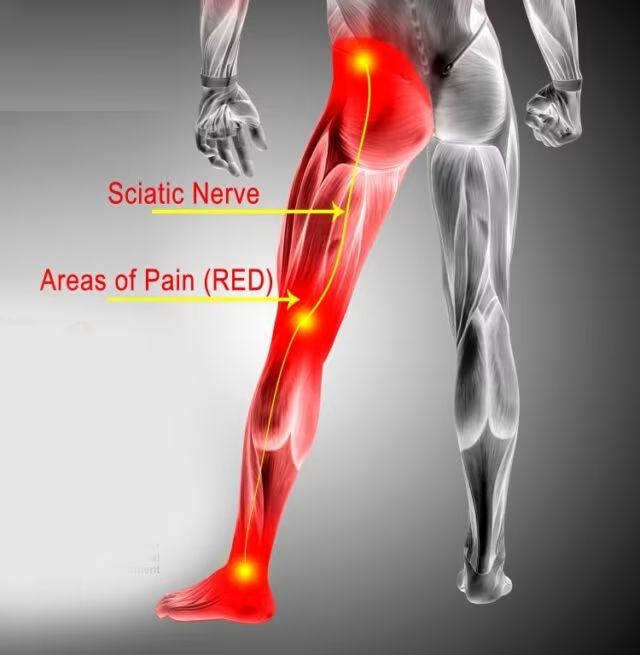
Sciatica is characterized by pain that radiates along the path of the sciatic nerve, which extends from the lower back through the hips and buttocks and down each leg.
This condition occurs when the sciatic nerve becomes irritated or compressed, typically due to a problem in the lower spine.
General shopping ideas, independent of this article’s advice.
Swipe to compare products → Biofinest Effervescent Vitamin C 1000mg D3 Zinc Collagen Multivitamin Calcium Magnesium Zinc Tablets Drink Sugar FreeFrom S$5.35Biofinest Probiotic 50 Billion CFU Enzyme Supplement 12 + 3 Prebiotics – Diet Slimming Eczema Detox Men Women (60 caps)From S$22.40Estalife Magnesium Glycinate 1000MG | Heart, Bone, Muscle, Sleep, Mood Health | 60 Veg CapsFrom S$13.99
Prices may vary by option. Check the final price and delivery on Shopee.
The sciatic nerve is the longest and thickest nerve in the human body. It’s formed by five nerve roots: two from the lumbar spine (lower back) and three from the sacrum (bottom of the spine).
When any part of this nerve becomes compressed or irritated, it can result in pain ranging from mild discomfort to severe, debilitating sensations.
Related article: Scoliosis Treatment in Singapore: Causes and Symptoms
What Causes Sciatica?
Several conditions can lead to sciatic nerve compression or irritation:
Herniated Disc (Slipped Disc)
Most sciatica cases are caused by a herniated or slipped disc in the lumbar spine. The intervertebral discs serve as shock absorbers between the vertebrae.
When a disc herniates, its soft inner core pushes out through the tough outer layer, potentially pressing on the sciatic nerve and causing inflammation, pain, and numbness.
Read more: Slipped Disc Treatment in Singapore: Causes, Risks, Cost
Spinal Stenosis
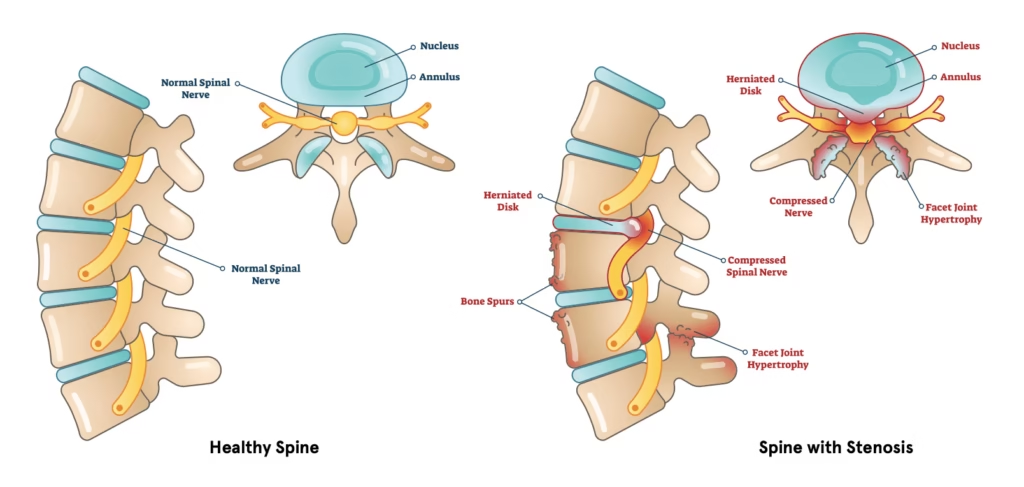
This progressive condition involves the narrowing of the spinal canal, which can compress the nerve roots.
Lumbar spinal stenosis often develops over many years due to age-related changes and is more common in older adults.
It typically results from a combination of bulging discs, thickened ligaments, and enlarged joints between the vertebrae.
You might like: Hip Replacement Surgery in Singapore: Cost, Risks
Spondylolisthesis
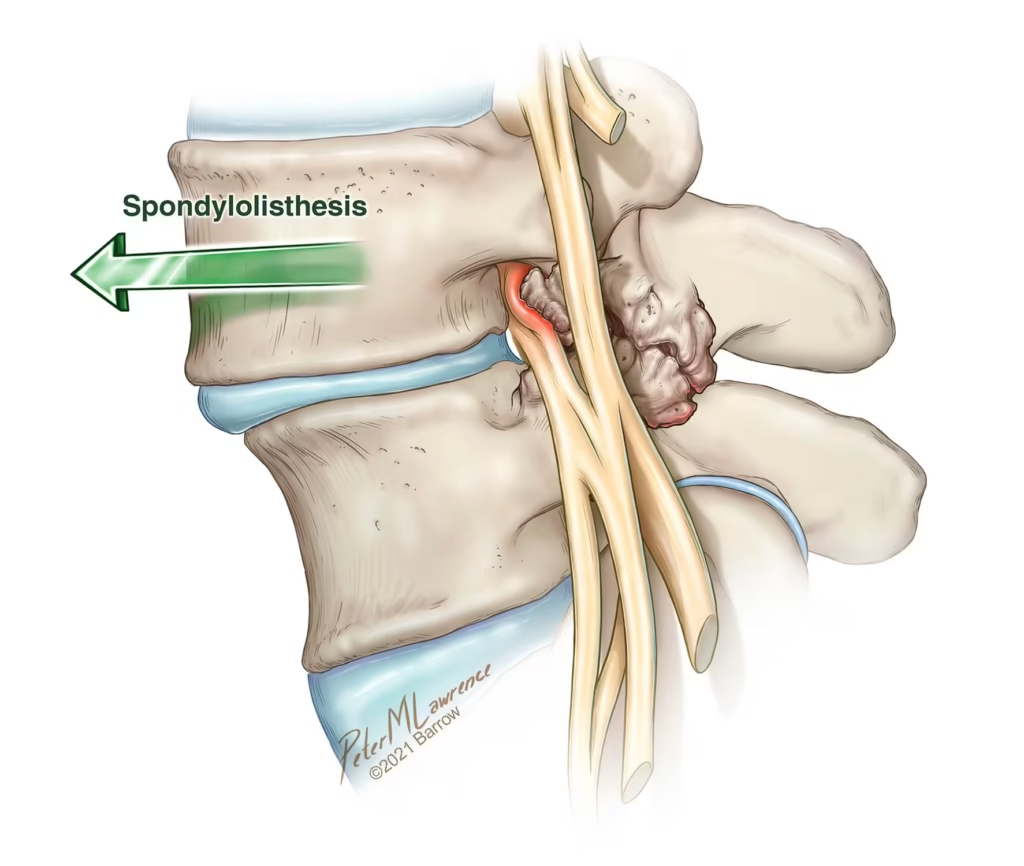
This condition occurs when one vertebra slips out of alignment with the vertebra below it, potentially compressing the spinal nerve roots.
Degenerative spondylolisthesis (caused by wear and tear) is commonly associated with spinal stenosis and may indicate instability in the spine.
Related article: Low Back Pain in Singapore: Causes, Prevention and Treatment
Bone Spurs (Osteophytes)
Bone spurs can develop on the vertebrae due to osteoarthritis and may compress parts of the sciatic nerve, causing pain and numbness in the lower body.
Piriformis Syndrome
About 30% of sciatica cases result from piriformis syndrome, where the piriformis muscle (located in the buttock region) irritates or compresses the sciatic nerve.
Other Causes
- Trauma or injury
- Pregnancy (due to hormonal changes loosening ligaments and shifting the body’s center of gravity)
- Tumors (rare)
- Diabetes (can damage the nerve)
Risk Factors for Developing Sciatica
Certain factors can significantly increase your risk of developing sciatica throughout your lifetime.
Age plays a major role as wear and tear of the spine naturally increases with advancing years, making disc degeneration and herniation more likely.
Obesity places excess weight and additional stress on the spine, particularly affecting the lower back where sciatica typically originates.
Occupational factors contribute significantly to sciatica risk, especially jobs involving heavy lifting, frequent twisting motions, or prolonged sitting that can strain spinal structures.
A sedentary lifestyle weakens the supporting muscles around the spine, reducing natural protection against injury.
Medical conditions such as diabetes can affect nerve health and increase susceptibility to nerve-related problems like sciatica.
Smoking may accelerate disc degeneration and reduce blood flow to spinal tissues, while previous back injuries create areas of weakness that may predispose individuals to future sciatica episodes.
You might be interested: Which Orthopedic Doctor in Singapore Should You Consider?
Recognizing Sciatica Symptoms
The hallmark of sciatica is pain that follows the path of the sciatic nerve. However, symptoms can vary in intensity and nature:
Pain Characteristics
Sciatica typically presents as radiating pain that travels from the lower back through the buttock and down the back of the leg, sometimes extending all the way to the foot.
The condition often affects only one side of the body, though bilateral symptoms can occasionally occur.
The pain intensity can range from a mild ache to a sharp, burning sensation or excruciating pain that significantly interferes with daily activities.
Symptoms may worsen with certain movements or positions, particularly sitting, coughing, sneezing, or prolonged standing that increases pressure on the affected nerve.
Related article: ACL Reconstruction Surgery in Singapore: Causes, Costs
Associated Symptoms
Associated symptoms include numbness or tingling sensations in the affected leg, muscle weakness in the leg or foot that may affect walking or standing, and a feeling of heaviness in the affected leg.
In severe cases, patients may experience loss of bowel or bladder control, which requires immediate medical attention as it may indicate a serious condition called cauda equina syndrome.
How Sciatica is Diagnosed in Singapore
Physical Examination
The diagnostic process for sciatica typically begins with a thorough physical examination conducted by healthcare providers.
During this evaluation, doctors will review your complete medical history and ask detailed questions about the location, intensity, and specific triggers of your pain to understand the pattern and severity of symptoms.
Healthcare providers will test muscle strength and reflexes in the affected leg to assess nerve function and identify areas of weakness or altered sensation.
Patients are typically asked to perform specific activities such as walking on toes or heels, rising from a squatting position, and lifting their legs while lying down to evaluate nerve function and identify the source of nerve compression.
Related article: Best Orthopedic Doctor in JB for Singaporeans
Imaging Tests
If symptoms persist or are severe, your doctor may recommend:
- X-rays: To check bone alignment and look for issues like bone spurs
- MRI scan: Provides detailed images of soft tissues, including discs, nerves, and potential sources of nerve compression
- CT scan: Sometimes used to examine bone structures in greater detail
Nerve Tests
In some cases, nerve conduction studies or electromyography (EMG) may be performed to determine if nerve damage is present and identify the location and extent of nerve involvement.
Sciatica Treatment Options in Singapore
Treatment approaches for sciatica in Singapore range from conservative management to surgical interventions, depending on the severity and cause of the condition.
You might be interested: Rotator Cuff Tear Treatment in Singapore
Non-Surgical Treatments
Medications
- Pain relievers: Over-the-counter medications like ibuprofen or naproxen can help reduce inflammation and pain
- Muscle relaxants: May be prescribed for short-term relief of muscle spasms
- Nerve medications: For nerve pain relief in more persistent cases
Physical Therapy
A physical therapist can design a personalized rehabilitation program that includes:
- Exercises to strengthen back and core muscles
- Stretches to improve flexibility and reduce pressure on the sciatic nerve
- Posture correction techniques
- Activity modification guidance
Therapeutic Injections
For more severe or persistent pain, injection therapies may be recommended:
- Epidural steroid injections: Anti-inflammatory medication injected into the space around the spinal nerves to reduce inflammation and pain
- Nerve blocks: Temporarily block pain signals from specific nerves
Neuromodulation
For chronic sciatica, neuromodulation techniques might be considered:
- Spinal Cord Stimulation (SCS): Involves implanting a small device that sends electrical pulses to the spinal nerves, helping to manage chronic pain by masking pain signals
- Peripheral Nerve Stimulation (PNS): Targets specific peripheral nerves to treat localized pain
Surgical Treatments
Surgery is typically considered when non-surgical treatments haven’t provided relief, or when there’s significant weakness, progressive neurological deficit, or issues with bowel or bladder function.
Surgical Options Include:
- Microdiscectomy: A minimally invasive procedure to remove the portion of a herniated disc that’s pressing on the sciatic nerve
- Laminectomy: Removal of part of the vertebral bone (lamina) to relieve pressure on the nerves
- Spinal fusion: For cases involving instability, vertebrae may be fused together to provide support and reduce nerve compression
Most sciatica patients in Singapore don’t require surgery, with many experiencing improvement within 4-8 weeks using conservative treatments.
Self-Care Measures for Sciatica Relief
In addition to medical treatments, several self-care strategies can help manage sciatica:
Short-Term Rest
Brief periods of rest can help reduce inflammation during acute flare-ups, but prolonged bed rest is not recommended as it can lead to muscle weakness and stiffness.
Instead, patients should return to normal activities gradually as symptoms improve and pain levels become tolerable.
Hot and Cold Therapy
Cold packs applied during the early stages of symptoms, particularly within the first 48-72 hours, can help reduce inflammation and provide pain relief.
After the acute phase subsides, heat therapy can improve blood flow and help relax tense muscles.
Both treatments should be applied for 15-20 minutes at a time, several times daily for optimal benefit.
Gentle Exercise and Stretching
Specific exercises can help strengthen the back muscles and improve flexibility to support recovery.
Beneficial exercises include knee-to-chest stretches, standing hamstring stretches, pelvic tilts, bridge exercises, and gentle yoga poses that promote spinal mobility without causing additional irritation.
Proper Posture and Ergonomics
Maintaining good posture when sitting and standing helps reduce pressure on the sciatic nerve.
Using chairs with good lumbar support and keeping knees and hips at a 90-degree angle when sitting promotes proper spinal alignment.
Avoiding prolonged sitting by taking breaks every 20-30 minutes prevents stiffness and pressure buildup.
Consider using a small cushion or rolled towel to support your lower back when sitting for extended periods.
Sleep Positions
Optimal sleep positions include side sleeping with a pillow between the knees to maintain hip alignment, or back sleeping with a pillow under the knees to support the natural curve of the spine.
Using a medium-firm mattress helps maintain proper spinal alignment throughout the night.
Alternative Therapies for Sciatica
Several complementary approaches may provide additional relief for some individuals:
Massage Therapy
While massage therapy is unlikely to address the underlying structural cause of sciatica, it can provide symptomatic relief by relieving muscle tension that may be putting additional pressure on the sciatic nerve.
Massage also stimulates endorphin release, which increases pain threshold, and improves circulation to the affected area.
Acupuncture
There is mixed evidence regarding acupuncture’s effectiveness for sciatica, but some studies suggest potential benefits for pain relief.
Treatment by a licensed professional is generally considered safe and may be worth trying for patients seeking alternative approaches.
Chiropractic Care
Some evidence suggests that sciatica may respond to chiropractic treatment, which focuses on spinal adjustments to improve spinal mobility, restore proper alignment, and decrease pain while improving function.
However, chiropractic care may not be appropriate for all types of radiating pain, and consultation with a healthcare provider is recommended before starting treatment.
Sciatica During Pregnancy
Pregnancy can sometimes trigger sciatica due to several Pregnancy can sometimes trigger sciatica due to several physiological changes that occur during this time.
Hormonal changes, particularly increased levels of the hormone relaxin, loosen ligaments throughout the body and can cause the spine to become less stable.
The weight of the growing baby shifts the body’s center of gravity forward, placing additional stress on the lower back, while direct pressure on the sciatic nerve can occur due to the baby’s position in the womb.
For pregnant women experiencing sciatica, safe management options include gentle stretching exercises approved for pregnancy, maintaining proper posture and body mechanics throughout daily activities, and prenatal massage performed by qualified therapists experienced in treating pregnant women.
Chiropractic care from providers experienced in treating pregnant women can be beneficial, along with warm (not hot) compresses applied to the affected area.
Rest and activity modification help prevent symptom worsening while allowing for continued safe movement.
Sciatica symptoms typically resolve naturally after childbirth as the body returns to its non-pregnant state and the physical stresses contributing to nerve compression are eliminated.
Prevention Strategies
While not all cases of sciatica can be prevented, these practices may help reduce your risk:
- Maintain a healthy weight: Excess weight puts additional stress on your spine
- Exercise regularly: Focus on core-strengthening exercises to support your back
- Practice proper lifting techniques: Bend at the knees, not the waist, and keep the load close to your body
- Maintain good posture: Be mindful of your posture while sitting, standing, and sleeping
- Take breaks from sitting: If you have a desk job, stand up and move around regularly
- Quit smoking: Smoking can accelerate disc degeneration
- Manage stress: Stress can increase muscle tension, potentially worsening sciatic pain
When to Seek Immediate Medical Attention
While most cases of sciatica improve with time and conservative treatment, certain symptoms warrant immediate medical care:
- Sudden, severe pain in the lower back or leg
- Numbness or muscle weakness that progressively worsens
- Loss of bladder or bowel control
- Symptoms following a traumatic injury
- Sciatica accompanied by fever or unexplained weight loss
These symptoms may indicate serious conditions like cauda equina syndrome (a surgical emergency) or other problems requiring prompt intervention.
Frequently Asked Questions About Sciatica
How long does sciatica last?
Sciatica episodes can be acute (short-term) or chronic (long-term). Acute episodes typically last 1-2 weeks, though some numbness may persist after the pain subsides.
Chronic sciatica refers to pain that’s almost always present, though it may be less intense than acute episodes. Most sciatica cases improve within 4-6 weeks with appropriate treatment.
Does sciatica go away on its own?
Most episodes of sciatica do resolve within 6 weeks with rest and appropriate self-care measures.
However, it’s important to consult with a healthcare provider to assess the severity of your condition and get advice on management strategies.
If symptoms persist beyond 6-8 weeks or worsen, further medical intervention may be necessary.
How should I sleep with sciatica pain?
Sleep positions that maintain proper spinal alignment can help reduce sciatic pain.
Try sleeping on your side with a pillow between your knees to keep your hips and spine neutral.
If you prefer sleeping on your back, place a pillow or rolled towel under your knees to maintain the natural curve of your back.
Medium to firm mattresses generally provide better spinal support than soft ones.
Can exercise help sciatica?
Yes, appropriate exercise is beneficial for sciatica management.
Gentle stretching and strengthening exercises can help relieve pressure on the sciatic nerve and prevent future episodes.
However, not all exercises are suitable for everyone with sciatica.
Consult with a healthcare provider or physical therapist to determine which activities are best for your specific condition.
Can massage help sciatica?
Massage therapy may provide temporary relief from sciatic pain by relaxing tight muscles that could be putting pressure on the sciatic nerve.
It also stimulates endorphin release, which can increase your pain threshold. While massage is unlikely to resolve the underlying cause of sciatica, it can be a helpful component of a comprehensive treatment plan.
Always consult with your healthcare provider before starting massage therapy.
Is acupuncture effective for sciatica?
Research on acupuncture for sciatica shows mixed results. Some people experience significant pain relief, while others notice little benefit.
Studies indicate potential benefits for pain management in general, and treatment by a licensed professional is generally considered safe and well-tolerated.
If you’re interested in trying acupuncture, discuss it with your healthcare provider as part of your overall treatment strategy.
Can chiropractic treatment help sciatica?
There is some evidence that chiropractic care may be beneficial for certain types of sciatica.
Chiropractic adjustments aim to improve spinal mobility, restore alignment, and decrease pain. However, results vary among individuals, and chiropractic treatment may not be appropriate for all causes of radiating pain.
Consult with a healthcare provider before beginning chiropractic care.
Should I run or exercise with sciatica?
Whether running or certain exercises are appropriate depends on the cause, location, and severity of your sciatica.
Running can potentially worsen symptoms since it involves muscles connected to the sciatic nerve.
If you do run with sciatica, take precautions such as proper warm-up and cool-down, stretching (especially hip flexors and glutes), and adjusting intensity.
Consult with a healthcare provider or physical therapist for personalized advice.
How do I sit with sciatica pain?
If you have sciatica, limit prolonged sitting and take standing breaks every 20 minutes.
When sitting, maintain proper ergonomics: keep hips and knees at a 90-degree angle, place feet flat on the floor, support your lower back with a cushion if needed, and avoid crossing your legs.
Choose chairs with good support, and consider using ergonomic office equipment if you have a desk job.
Can an MRI scan miss a pinched nerve?
While MRI scans are highly effective at visualizing spinal structures, they aren’t 100% accurate for all nerve impingements.
Standard MRIs are performed with the patient lying down, which doesn’t replicate how the spine is loaded when standing.
Some nerve compressions only occur in certain positions, which an MRI might miss.
If your symptoms strongly suggest nerve compression despite normal imaging, your doctor may recommend additional tests or weight-bearing imaging.
Can sciatica affect your bowels?
In rare cases, severe nerve compression in the spine can affect the nerves controlling bowel and bladder function, potentially leading to incontinence or constipation. This condition, known as cauda equina syndrome, is a medical emergency requiring immediate attention. If you experience sciatic pain along with any changes in bowel or bladder control, seek medical care immediately.
How is sciatica different from regular back pain?
Sciatica specifically involves pain that radiates from the lower back down the leg along the path of the sciatic nerve.
Regular back pain typically remains localized in the back and doesn’t travel below the gluteal area.
Sciatica often includes numbness, tingling, or weakness in the affected leg, and may worsen with specific activities like sitting, coughing, or sneezing.
Is sciatica the same as diabetic neuropathy?
While both conditions can cause similar symptoms, they have different causes.
Sciatica starts in the lower back and radiates down the leg due to compression or irritation of the sciatic nerve.
Diabetic neuropathy is nerve damage resulting from diabetes, typically beginning in the feet and moving upward.
Sciatica usually affects one side, while diabetic neuropathy often affects both sides symmetrically.
Who should I see for sciatica treatment in Singapore?
Treatment for sciatica in Singapore may involve various specialists depending on your condition:
- General practitioners for initial assessment
- Orthopedic specialists or neurosurgeons for complex cases
- Physiotherapists for rehabilitation exercises
- Pain specialists for persistent pain management
- Rheumatologists if inflammation is a significant factor
- Chiropractors or osteopaths for spine alignment issues
Your primary care doctor can help determine which specialists would be most appropriate for your specific situation.
General shopping ideas, independent of this article’s advice.
Swipe to compare products →Biofinest Gummy Vitamin Supplement – Beauty Energy Sleep Metabolism Men Women Kids Probiotics Multivitamin (60 Gummies)From S$17.95Tradishot Immunity Boost Drink | Turmeric Shot (Extra Strength) | Boost Immunity Energy & Well-being [7x35mL]S$38.00Optimum Nutrition, Gold Standard, 100% Whey Protein Powder, 2lbs (907g ) / 5 lbs (2.27 kg) / 10 lbs (4.54 kg)From S$82.89Prices may vary by option. Check the final price and delivery on Shopee.