
Singapore offers various treatment options for individuals struggling with alcohol addiction, ranging from outpatient counseling programs to intensive rehabilitation services.
General shopping ideas, independent of this article’s advice.
Swipe to compare products → Biofinest Effervescent Vitamin C 1000mg D3 Zinc Collagen Multivitamin Calcium Magnesium Zinc Tablets Drink Sugar FreeFrom S$5.95Biofinest Probiotic 50 Billion CFU Enzyme Supplement 12 + 3 Prebiotics – Diet Slimming Eczema Detox Men Women (60 caps)From S$22.40Estalife Magnesium Glycinate 1000MG | Heart, Bone, Muscle, Sleep, Mood Health | 60 Veg CapsFrom S$13.99
Prices may vary by option. Check the final price and delivery on Shopee.
Understanding the available resources and treatment approaches can help individuals and families make informed decisions about recovery.
Understanding Alcohol Use Disorder in Singapore
Alcohol Use Disorder represents a significant health challenge that affects individuals across all demographics in Singapore.
Recent statistics indicate that approximately 2.8% of Singapore residents consume alcohol regularly, with a concerning 9.6% prevalence of binge drinking behaviors.
The lifetime prevalence of illicit drug consumption stands at 2.3%, while past 12-month prevalence reaches 0.7%, indicating that substance use disorders remain a persistent public health concern.
The condition encompasses both physical dependence and psychological reliance on alcohol, creating changes in brain chemistry that make it difficult for individuals to control their consumption patterns.
Unlike previous classifications that separated alcohol abuse from alcohol dependence, modern diagnostic criteria recognize these as part of a unified disorder with varying severity levels.
This might help: Which Psychologist in Singapore Should You Consider? (Sort by Reviews)
The Neurobiological Impact
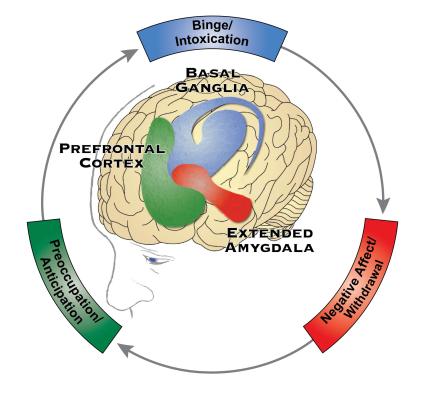
Alcohol addiction fundamentally alters brain structure and function, particularly affecting the reward pathways, decision-making centers, and impulse control mechanisms.
Chronic alcohol consumption leads to neuroadaptations that create tolerance, requiring increasing amounts to achieve the same effects.
These changes explain why willpower alone is often insufficient for recovery and why professional treatment becomes essential.
Related article: Which Psychiatrist in Singapore Should You Consider?
Cultural and Social Context in Singapore
Singapore’s unique cultural landscape, combining Western business practices with Asian social traditions, creates specific challenges for alcohol addiction treatment.
The city-state’s reputation as a global financial hub often involves social drinking as part of business culture, making it difficult for some individuals to recognize problematic drinking patterns.
Additionally, the multicultural society means treatment approaches must be sensitive to various cultural attitudes toward addiction and mental health.
Recognizing the Warning Signs
Early identification of alcohol-related problems can significantly improve treatment outcomes. Key indicators include:
- Consuming larger quantities or drinking for longer periods than originally intended
- Experiencing persistent cravings or strong urges to consume alcohol
- Unsuccessful attempts to reduce or eliminate alcohol consumption
- Diminished interest in previously enjoyed activities due to drinking behaviors
- Significant time spent obtaining alcohol, consuming it, or recovering from its effects
- Engaging in risky behaviors while under the influence
- Continued drinking despite negative impacts on relationships, work, or education
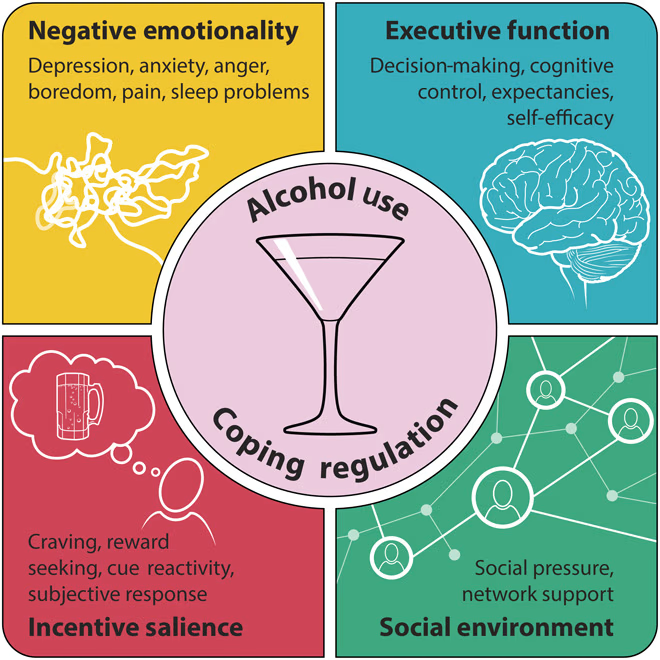
- Drinking to cope with emotional distress or anxiety
- Developing increased tolerance requiring more alcohol to achieve desired effects
- Experiencing withdrawal symptoms when alcohol consumption ceases
Related article: Eating Disorder Treatment in Singapore: Causes, Recovery
Health Implications of Alcohol Addiction
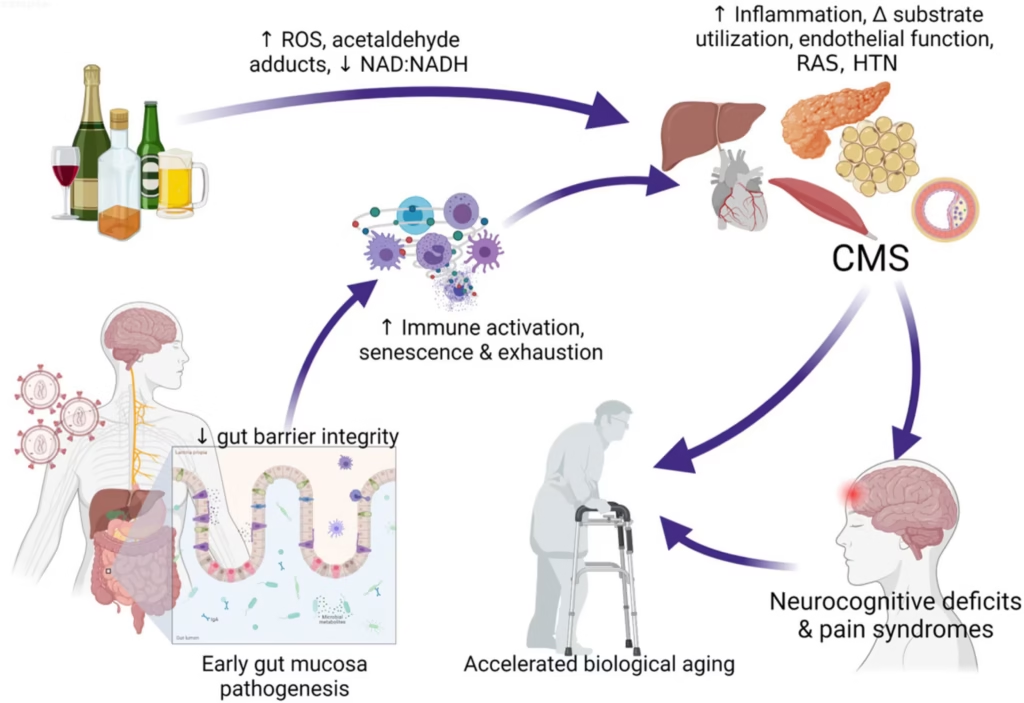
Prolonged alcohol abuse creates serious health complications affecting multiple body systems.
Physical consequences include liver disease, kidney damage, compromised immune function, and impaired cognitive development.
The cardiovascular system faces increased risks of heart disease, while the digestive system may develop ulcers and stomach-related cancers.
Mental health impacts are equally concerning, with alcohol addiction frequently contributing to depression, heightened anxiety levels, and memory impairment.
Many individuals initially consume alcohol to manage loneliness or stress, but chronic use often exacerbates these underlying mental health conditions.
Physical Health Consequences
The liver bears the primary burden of alcohol metabolism, and chronic consumption can lead to fatty liver disease, alcoholic hepatitis, and ultimately cirrhosis.
These conditions can be life-threatening and may require liver transplantation in severe cases.
The kidneys also suffer significant damage, with alcohol contributing to high blood pressure and increasing the risk of kidney disease.
Neurological complications include peripheral neuropathy, causing numbness and tingling in extremities, and central nervous system disorders that affect coordination and cognitive function.
Long-term alcohol use can result in permanent brain damage, including conditions like Wernicke-Korsakoff syndrome, which affects memory and learning ability.
Read more: Comprehensive Guide to Drug Addiction Treatment in Singapore
Co-occurring Mental Health Disorders
Approximately 60-80% of individuals with alcohol addiction also experience co-occurring mental health disorders, a condition known as dual diagnosis.
Common comorbidities include major depressive disorder, anxiety disorders, bipolar disorder, and post-traumatic stress disorder.
These conditions often require simultaneous treatment for optimal recovery outcomes.
The relationship between alcohol addiction and mental health is complex, with each condition potentially triggering or worsening the other.
This interconnection necessitates integrated treatment approaches that address both the addiction and underlying mental health issues simultaneously.
Read more: Complete Guide to Depression Therapy in Singapore
Treatment Approaches Available in Singapore
Initial Assessment and Screening
The treatment journey begins with a comprehensive evaluation conducted by qualified addiction specialists.
This assessment examines the individual’s physical health, mental well-being, social circumstances, and spiritual aspects to develop a complete understanding of their situation.
During this phase, healthcare providers identify the presence and severity of drinking problems while evaluating potential negative consequences.
The assessment also considers individual strengths, challenges, and specific needs to determine the most appropriate treatment approach.
Medical Detoxification Services
For individuals with severe alcohol dependence, medically supervised detoxification may be necessary.
This process involves the safe and gradual withdrawal from alcohol under professional medical care, often conducted in hospital settings as part of comprehensive medical services.
Detoxification helps alleviate severe withdrawal symptoms such as anxiety, sweating, nausea, and tremors while ensuring the individual’s physical safety throughout the process. This stage establishes a foundation for subsequent treatment interventions.
Related article: Psychotherapy in Singapore: Types, Benefits, and How to Get Started
The SOAR Programme Structure
The Substance or Alcohol Recovery (SOAR) Programme represents a structured therapeutic approach designed specifically for individuals with alcohol abuse problems. Trained addiction specialists provide counseling services through this evidence-based program.
| Program Component | Details |
|---|---|
| Individual Sessions | 6 personalized counseling sessions |
| Family Sessions | 2 optional family therapy sessions |
| Group Sessions | 4 peer support group meetings |
| Additional Support | Extended sessions based on individual needs |
Therapeutic Interventions
Various evidence-based therapies form the cornerstone of alcohol addiction treatment.
Cognitive Behavioral Therapy helps individuals identify and modify thought patterns and behaviors that contribute to drinking problems.
Motivational Enhancement Therapy focuses on building internal motivation for change and recovery.
Individual counseling sessions provide personalized attention to address underlying causes of addiction, such as trauma, depression, or anxiety disorders.
Group therapy sessions offer peer support and shared experiences that can enhance the recovery process.
Related article: Insomnia Treatment in Singapore
Specialized Therapeutic Approaches
Dialectical Behavior Therapy (DBT) teaches emotional regulation skills and distress tolerance techniques, particularly beneficial for individuals with co-occurring mental health conditions.
This approach helps patients develop healthier coping mechanisms when facing emotional triggers.
Mindfulness-Based Relapse Prevention combines traditional relapse prevention strategies with mindfulness meditation practices.
This approach helps individuals develop awareness of triggers and cravings while building the capacity to respond rather than react to challenging situations.
12-Step Facilitation Therapy integrates the principles into professional treatment settings.
This approach helps individuals understand the spiritual and community aspects of recovery while building connections with peer support networks.
Family Systems Therapy addresses the impact of addiction on family dynamics and relationships.
This approach helps family members understand their roles in both the addiction cycle and recovery process, promoting healthier communication patterns and boundaries.
Medication-Assisted Treatment
Healthcare providers may prescribe medications to support the recovery process by reducing cravings, managing withdrawal symptoms, and preventing relapse.
These medications work in conjunction with behavioral therapies to provide comprehensive treatment.
Common Medications Used
Naltrexone blocks the euphoric effects of alcohol, reducing the reward associated with drinking and helping prevent relapse.
This medication can be administered orally or through monthly injections.
Acamprosate helps restore normal brain chemistry altered by chronic alcohol use, reducing cravings and supporting long-term abstinence.
This medication is particularly effective for individuals who have achieved initial sobriety.
Disulfiram creates unpleasant physical reactions when alcohol is consumed, serving as a deterrent to drinking.
However, this medication requires strict adherence and careful medical supervision.
Topiramate and other anticonvulsants may be prescribed off-label to reduce alcohol cravings and support treatment goals.
These medications can be particularly helpful for individuals with co-occurring mood disorders.
Intensive Treatment Programs
For individuals with more severe cases of Alcohol Use Disorder, intensive outpatient programs provide structured environments conducive to healing. These programs typically include:
- Multiple group therapy sessions per week
- Individual counseling appointments
- Educational workshops about addiction and recovery
- Skills training for relapse prevention
- Family counseling and support services
Risk Factors and Prevention
Understanding risk factors can help individuals and families recognize potential vulnerability to alcohol addiction:
Genetic and Biological Factors:
- Family history of alcohol or substance use disorders
- Co-occurring mental health conditions such as anxiety, depression, or bipolar disorder
- Traumatic experiences or adverse childhood events
Environmental and Social Factors:
- High-stress environments or occupations
- Peer pressure or social environments that promote heavy drinking
- Cultural acceptance of excessive alcohol consumption
- Easy access to alcohol in social or professional settings
Behavioral Patterns:
- History of binge drinking behaviors
- Combining alcohol with other substances
- Using alcohol as a primary coping mechanism for stress or emotional difficulties
Aftercare and Long-term Recovery Support
Recovery extends far beyond initial treatment completion. Aftercare programs provide ongoing support through:
- Regular follow-up appointments with addiction specialists
- Participation in support groups such as Alcoholics Anonymous
- Continued individual or group counseling sessions
- Relapse prevention planning and skill development
- Family therapy to rebuild and strengthen relationships
Treatment Facilities and Services in Singapore
Singapore offers various treatment options through both public and private healthcare systems.
The National Addiction Management Service (NAMS) provides comprehensive services to residents and non-residents through a multidisciplinary team of addiction experts.
Private outpatient clinics offer specialized addiction treatment services with flexible scheduling options to accommodate work and family commitments.
Community-based organizations also provide support services for individuals and families affected by alcohol addiction.
For those with financial resources, overseas residential treatment facilities in Thailand, Malaysia, and Bali offer intensive inpatient programs.
These facilities often provide luxury amenities alongside evidence-based treatment approaches.
Public Healthcare Options
Institute of Mental Health (IMH) serves as Singapore’s primary public mental health institution, offering comprehensive addiction treatment services through NAMS.
The facility provides inpatient detoxification, outpatient counseling, and long-term aftercare support.
Services are subsidized for Singapore citizens and permanent residents, making treatment more accessible.
Polyclinics and Community Health Centers offer initial screening and assessment services, with referrals to specialized treatment centers when needed.
These facilities serve as important entry points into the healthcare system for individuals seeking help.
Public Hospital Addiction Units provide medical detoxification and crisis intervention services.
These facilities are equipped to handle severe withdrawal symptoms and medical complications associated with alcohol addiction.
Private Treatment Facilities
Private Psychiatry Clinics throughout Singapore offer specialized addiction treatment services with shorter waiting times and more personalized attention.
These facilities often provide comprehensive assessments and tailored treatment plans.
Wellness Centers and Rehabilitation Clinics offer alternative approaches to traditional medical treatment, incorporating holistic therapies, nutritional counseling, and lifestyle modification programs alongside conventional addiction treatment methods.
Community Support Organizations
We Care Community Services provides comprehensive addiction treatment and support services for individuals and families affected by substance use disorders.
The organization offers counseling, support groups, and educational programs.
Singapore Anti-Narcotics Association (SANA) focuses on prevention and treatment services, offering community-based programs that address addiction while promoting social reintegration.
International Treatment Options
Many Singaporeans choose overseas treatment facilities for several reasons, including enhanced privacy, intensive residential programs, and specialized treatment approaches not available locally.
Thailand-based Facilities offer luxury residential treatment centers with comprehensive medical and therapeutic services.
Popular options include facilities in Phuket and Koh Samui that provide beachfront settings conducive to healing and reflection.
Malaysian Treatment Centers provide more affordable residential options while maintaining high treatment standards.
These facilities often offer cultural familiarity and language accessibility for Singaporean patients.
Bali Rehabilitation Centers combine traditional Indonesian healing practices with modern addiction treatment approaches, offering unique therapeutic experiences in serene tropical settings.
Legal and Confidentiality Considerations
Singapore maintains strict confidentiality standards for addiction treatment, ensuring that personal information shared during treatment remains protected.
However, individuals should be aware that healthcare providers may have legal obligations to report certain situations to relevant authorities.
Treatment providers work within established ethical guidelines to balance patient confidentiality with public safety considerations.
Individuals seeking treatment should discuss confidentiality policies with their healthcare providers to understand their rights and protections.
Cost Considerations and Insurance Coverage
Treatment costs vary significantly depending on the type and duration of services required.
Outpatient counseling programs typically cost less than intensive residential treatment options.
Some insurance plans may provide coverage for addiction treatment services, though coverage levels vary.
Public healthcare options through institutions like the Institute of Mental Health may offer more affordable treatment alternatives for Singapore residents.
Private treatment facilities often provide payment plans or financing options to make treatment more accessible.
Detailed Cost Breakdown
Public Healthcare Services:
- Initial assessment and screening: $50-150 SGD for residents
- Outpatient counseling sessions: $30-80 SGD per session with subsidies
- Medical detoxification: $200-500 SGD per day in public hospitals
- Group therapy sessions: $20-50 SGD per session
- Medication costs: Subsidized rates for essential medications
Private Healthcare Services:
- Comprehensive initial assessment: $300-800 SGD
- Individual therapy sessions: $150-400 SGD per hour
- Group therapy sessions: $80-200 SGD per session
- Medical detoxification: $800-2000 SGD per day in private hospitals
- Intensive outpatient programs: $2000-8000 SGD per month
International Treatment Options:
- Thailand residential programs: $15,000-50,000 SGD per month
- Malaysia treatment centers: $8,000-25,000 SGD per month
- Bali rehabilitation facilities: $10,000-35,000 SGD per month
Insurance Coverage and Benefits
Medisave Utilization: Singapore citizens can use Medisave funds for certain addiction treatment services, including inpatient psychiatric care and approved outpatient treatments. Coverage limits apply, and pre-approval may be required for some services.
Medishield Coverage: Basic insurance coverage may include emergency detoxification and psychiatric hospitalization, though outpatient therapy sessions typically require additional coverage or out-of-pocket payment.
Private Insurance Plans: Comprehensive health insurance policies may provide coverage for addiction treatment, including outpatient counseling and residential treatment programs. Coverage levels vary significantly between providers and policy types.
Employee Assistance Programs: Many multinational corporations and government agencies offer employee assistance programs that provide confidential addiction treatment resources, including assessment services and referrals to appropriate treatment providers.
Financial Assistance Options
Social Service Office (SSO) Support: Low-income individuals and families may qualify for financial assistance through SSO programs that help cover treatment costs for essential addiction services.
Community Foundation Grants: Various charitable organizations provide grants and scholarships for addiction treatment, particularly for individuals demonstrating financial need and treatment motivation.
Payment Plans and Financing: Many private treatment facilities offer flexible payment arrangements, allowing patients to spread treatment costs over extended periods.
Some facilities partner with healthcare financing companies to provide low-interest loans.
Employer Sponsored Benefits: Some employers provide addiction treatment benefits beyond standard insurance coverage, including access to specialized treatment programs and enhanced mental health services.
Supporting a Loved One with Alcohol Addiction
Family members and friends play crucial roles in supporting individuals through recovery. Effective support strategies include:
- Encouraging professional help-seeking behavior without being confrontational
- Learning about addiction as a medical condition rather than a moral failing
- Participating in family therapy sessions when appropriate
- Establishing healthy boundaries while maintaining supportive relationships
- Avoiding enabling behaviors that may inadvertently support continued drinking
Intervention Strategies
Professional Intervention Services: Trained intervention specialists can help families plan and conduct structured interventions designed to encourage treatment participation.
These professionals provide guidance on timing, messaging, and follow-through strategies.
Family Education Programs: Many treatment centers offer educational workshops for family members, covering topics such as addiction science, communication techniques, and self-care strategies for supporters.
Support Groups for Families: Organizations like Al-Anon provide support groups specifically for family members and friends of individuals with alcohol addiction.
These groups offer peer support and practical guidance for navigating relationship challenges during recovery.
Workplace Considerations and Employee Support
Singapore’s competitive business environment creates unique challenges for individuals seeking addiction treatment while maintaining professional responsibilities.
Understanding workplace rights and resources can facilitate successful treatment completion.
Employment Protection and Rights
Medical Leave Provisions: Employees in Singapore are entitled to medical leave for addiction treatment under the Employment Act, provided proper medical documentation is submitted.
Extended leave may require approval and documentation from qualified healthcare providers.
Workplace Confidentiality: Employers are legally required to maintain confidentiality regarding employee health information, including addiction treatment participation.
This protection helps reduce stigma and employment-related concerns.
Reasonable Accommodations: Many employers provide flexible scheduling, modified work arrangements, or temporary duty adjustments to support employees participating in addiction treatment programs.
Employee Assistance Programs (EAPs)
Confidential Assessment Services: EAPs typically offer free, confidential assessment services to help employees identify addiction issues and connect with appropriate treatment resources.
Treatment Referrals: These programs maintain networks of qualified treatment providers and can facilitate referrals to services that meet individual needs and insurance coverage requirements.
Return-to-Work Support: EAPs often provide ongoing support for employees returning to work after treatment, including monitoring, counseling, and relapse prevention resources.
Special Populations and Tailored Approaches
Youth and Young Adults
Alcohol addiction among youth requires specialized treatment approaches that address developmental considerations, family dynamics, and educational continuity.
Treatment programs for young people often incorporate peer support, family therapy, and educational support services.
Elderly Population
Older adults with alcohol addiction face unique challenges, including medical complications, social isolation, and medication interactions.
Treatment approaches must consider age-related health issues and may require modified therapeutic techniques.
Expatriate Community
Singapore’s large expatriate population may face additional challenges accessing addiction treatment, including cultural barriers, insurance complications, and concerns about employment implications.
Specialized services for expatriates often provide culturally sensitive care and assistance with navigation of the healthcare system.
Measuring Treatment Success
Recovery success is measured through various indicators including sustained abstinence, improved physical and mental health, restored relationships, and enhanced quality of life.
Treatment providers use standardized assessment tools to track progress and adjust treatment plans as needed.
Success rates vary based on individual factors, treatment approach, and level of commitment to the recovery process. Long-term recovery often requires ongoing support and lifestyle changes that extend beyond formal treatment completion.
Prevention and Early Intervention Strategies
Prevention efforts focus on reducing the likelihood of alcohol addiction development through education, policy measures, and community-based interventions.
Early intervention programs target individuals showing early signs of problematic drinking before addiction fully develops.
Community Prevention Programs
School-Based Education: Comprehensive alcohol education programs in schools provide students with accurate information about addiction risks, decision-making skills, and healthy coping strategies.
These programs often include peer education components and family involvement.
Workplace Prevention Initiatives: Many organizations implement alcohol awareness programs, stress management training, and healthy lifestyle promotion to reduce addiction risk among employees.
These initiatives often include policy development and supervisory training.
Public Health Campaigns: Government-sponsored awareness campaigns educate the public about alcohol addiction risks, available treatment resources, and strategies for supporting affected individuals and families.
Technology Integration in Treatment
Modern addiction treatment increasingly incorporates technological solutions to enhance accessibility, engagement, and treatment outcomes.
Digital Therapeutic Tools
Mobile Applications: Smartphone apps provide daily support for individuals in recovery, including mood tracking, craving management, peer support networks, and appointment reminders.
Popular applications include features for emergency support and progress monitoring.
Telemedicine Services: Virtual therapy sessions enable greater access to specialized addiction treatment services, particularly beneficial for individuals with transportation limitations, work constraints, or privacy concerns.
Virtual Reality Therapy: Emerging VR technologies allow exposure therapy for triggering situations in controlled environments, helping individuals develop coping skills without real-world risks.
Remote Monitoring Systems
Wearable Devices: Fitness trackers and smartwatches can monitor physiological indicators of stress, sleep patterns, and activity levels, providing valuable data for treatment planning and relapse prevention.
Electronic Medication Monitoring: Smart pill dispensers and reminder systems help ensure medication adherence for individuals receiving medication-assisted treatment.
Outcome Measurement and Quality Assurance
Treatment providers utilize various assessment tools and metrics to evaluate program effectiveness and individual progress throughout the recovery process.
Standardized Assessment Instruments
AUDIT (Alcohol Use Disorders Identification Test): This screening tool helps identify individuals with problematic drinking patterns and assess addiction severity levels.
CIWA (Clinical Institute Withdrawal Assessment): Medical professionals use this scale to monitor withdrawal symptoms and guide detoxification protocols.
Beck Depression Inventory and Anxiety Scales: These instruments assess co-occurring mental health conditions that may impact treatment planning and outcomes.
Long-term Follow-up Protocols
Six-Month and Annual Assessments: Treatment providers conduct regular follow-up evaluations to monitor sustained recovery, identify challenges, and adjust support services as needed.
Quality of Life Measures: Comprehensive outcome assessment includes evaluation of employment status, relationship quality, physical health, and overall life satisfaction.
Biomarker Testing: Laboratory tests can provide objective measures of alcohol abstinence and overall health improvement throughout recovery.
Frequently Asked Questions
How do I know if I need professional treatment for alcohol use?
Professional treatment becomes necessary when alcohol consumption begins interfering with daily responsibilities, relationships, or health. Warning signs include inability to control drinking amounts, experiencing withdrawal symptoms, neglecting important activities, or continuing to drink despite negative consequences.
What should I expect during my first treatment appointment?
The initial appointment involves a comprehensive assessment covering your physical health, mental state, drinking patterns, and social circumstances.
The healthcare provider will ask detailed questions about your alcohol use history, medical background, and treatment goals to develop an appropriate treatment plan.
How long does alcohol addiction treatment typically last?
Treatment duration varies significantly based on individual needs and addiction severity.
Basic outpatient programs may last several weeks to a few months, while more intensive treatments can extend for six months to a year or longer.
Many individuals benefit from ongoing aftercare support for extended periods.
Will my treatment information remain confidential?
Singapore maintains strict confidentiality standards for medical treatment, including addiction services.
Healthcare providers are bound by professional ethics to protect patient information, though certain legal obligations may require reporting in specific circumstances involving public safety.
Can I continue working while receiving treatment?
Many treatment programs offer flexible scheduling options designed to accommodate work and family commitments.
Outpatient programs typically allow individuals to maintain their regular schedules while attending therapy sessions and medical appointments.
What role can family members play in treatment?
Family involvement often enhances treatment effectiveness through participation in family therapy sessions, learning about addiction as a medical condition, and providing emotional support throughout recovery. Many programs offer specific family counseling components.
What happens if I experience a relapse during treatment?
Relapse is often considered part of the recovery process rather than a treatment failure.
Treatment providers work with individuals to identify triggers that led to relapse, adjust treatment strategies, and develop stronger coping mechanisms for future challenges.
Are medications used in alcohol addiction treatment safe?
Medications used in addiction treatment are prescribed and monitored by qualified medical professionals.
These medications have undergone clinical testing for safety and effectiveness. Healthcare providers carefully evaluate each individual’s medical history before prescribing any medications.
How much does alcohol addiction treatment cost in Singapore?
Treatment costs vary widely depending on the type and intensity of services required.
Public healthcare options may be more affordable for residents, while private treatment facilities typically charge higher fees. Many providers offer payment plans or accept insurance coverage.
What treatment options are available for severe alcohol addiction?
Severe alcohol addiction may require intensive interventions including medical detoxification, residential treatment programs, or intensive outpatient services with multiple therapy sessions per week.
Treatment providers assess individual needs to recommend the most appropriate level of care.
Can alcohol addiction be completely cured?
Alcohol addiction is considered a chronic condition that can be effectively managed through appropriate treatment and ongoing support.
While there is no definitive “cure,” many individuals achieve long-term recovery and maintain healthy, fulfilling lives without alcohol consumption.
What support is available after completing formal treatment?
Aftercare support includes ongoing counseling sessions, participation in support groups, regular medical follow-ups, and relapse prevention programs.
Many treatment facilities provide alumni programs that connect former patients for continued peer support and encouragement.
General shopping ideas, independent of this article’s advice.
Swipe to compare products →Biofinest Gummy Vitamin Supplement – Beauty Energy Sleep Metabolism Men Women Kids Probiotics Multivitamin (60 Gummies)From S$17.95Tradishot Immunity Boost Drink | Turmeric Shot (Extra Strength) | Boost Immunity Energy & Well-being [7x35mL]S$38.00Optimum Nutrition, Gold Standard, 100% Whey Protein Powder, 2lbs (907g ) / 5 lbs (2.27 kg) / 10 lbs (4.54 kg)From S$82.89Prices may vary by option. Check the final price and delivery on Shopee.