

Depression represents one of the most prevalent mental health challenges affecting individuals across Singapore today.
General shopping ideas, independent of this article’s advice.
Swipe to compare products → Biofinest Effervescent Vitamin C 1000mg D3 Zinc Collagen Multivitamin Calcium Magnesium Zinc Tablets Drink Sugar FreeFrom S$5.95Biofinest Probiotic 50 Billion CFU Enzyme Supplement 12 + 3 Prebiotics – Diet Slimming Eczema Detox Men Women (60 caps)From S$22.40Estalife Magnesium Glycinate 1000MG | Heart, Bone, Muscle, Sleep, Mood Health | 60 Veg CapsFrom S$13.99
Prices may vary by option. Check the final price and delivery on Shopee.
With modern life’s increasing demands and pressures, many people find themselves struggling with persistent feelings of sadness, hopelessness, and disconnection from activities they once enjoyed.
Understanding depression and accessing appropriate therapeutic interventions can make a transformative difference in one’s quality of life and overall well-being.
Read more: Which Psychologist in Singapore Should You Consider? (Sort by Reviews)
What Constitutes Depression Beyond Ordinary Sadness
While everyone experiences occasional sadness or disappointment, clinical depression extends far beyond these temporary emotional states.
Depression manifests as a persistent mood disorder that significantly impacts daily functioning, relationships, and overall life satisfaction.
Unlike situational sadness that typically resolves with time or circumstances, depression creates a pervasive sense of hopelessness that can feel inescapable without proper intervention.
Clinical depression involves complex neurochemical changes in the brain that affect how individuals process emotions, thoughts, and experiences.
This mental health condition can emerge from various factors including genetic predisposition, environmental stressors, traumatic experiences, or significant life changes.
The condition affects approximately 6.9% of Singapore’s adult population during their lifetime, making it the most commonly diagnosed mental health disorder in the country.
The distinguishing characteristics of depression include persistent low mood lasting for extended periods, typically two weeks or longer, accompanied by a constellation of physical, emotional, and cognitive symptoms.
Unlike temporary sadness, depression interferes with work performance, social relationships, personal care, and decision-making abilities.
Many individuals describe the experience as living under a suffocating cloud or feeling trapped in an emotional void.
Read more: Which Psychiatrist in Singapore Should You Consider?
Recognizing the Multifaceted Symptoms of Depression
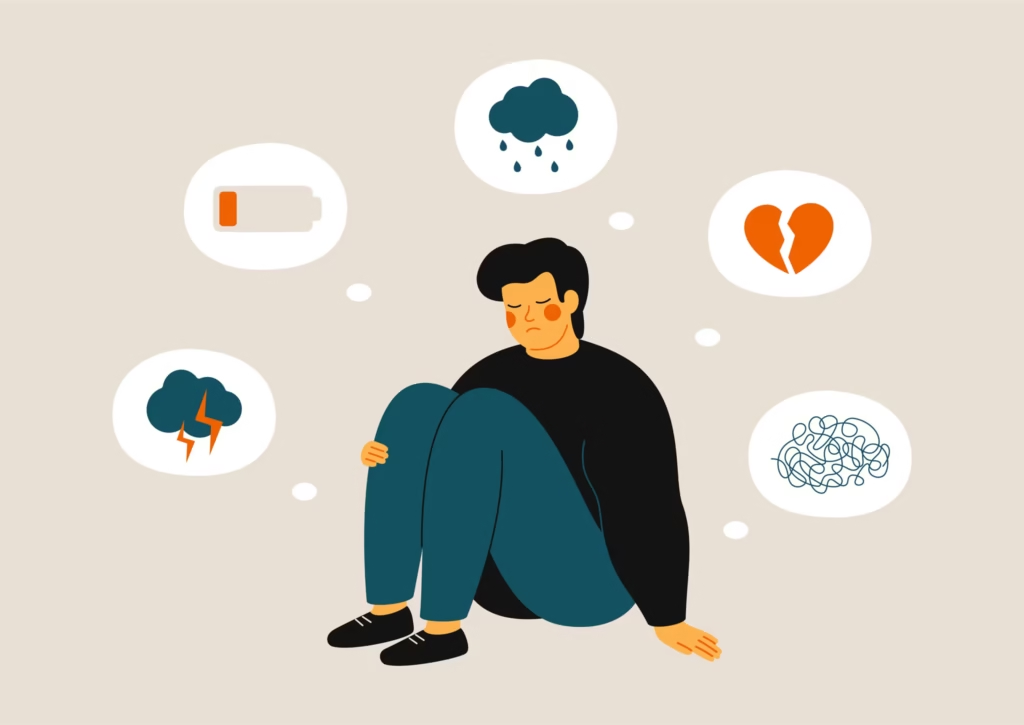
Depression presents through various symptoms that can affect every aspect of an individual’s life.
The emotional symptoms often include overwhelming feelings of sadness, emptiness, or hopelessness that persist throughout most days.
Individuals frequently lose interest or pleasure in activities they previously found enjoyable, including hobbies, social interactions, or intimate relationships.
Physical manifestations of depression can be equally debilitating. Many people experience significant changes in appetite and weight, either losing interest in food entirely or engaging in emotional overeating.
Sleep disturbances are common, ranging from difficulty falling asleep and staying asleep to sleeping excessively but still feeling unrested.
Chronic fatigue and decreased energy levels make even simple daily tasks feel overwhelming and exhausting.
Cognitive symptoms significantly impact thinking processes and decision-making abilities.
Concentration difficulties make it challenging to focus on work, studies, or conversations. Memory problems may interfere with remembering important information or completing tasks efficiently.
Many individuals experience persistent feelings of worthlessness, excessive guilt, or harsh self-criticism that perpetuates negative thought cycles.
Physical symptoms often accompany the emotional and cognitive aspects of depression. Unexplained aches and pains, headaches, digestive issues, and muscle tension may persist despite medical treatment.
Some individuals experience increased irritability, restlessness, or agitation, while others may notice slowed movements and speech patterns.
The most concerning symptoms involve thoughts of death or suicide, which require immediate professional attention.
Additionally, some people engage in reckless or self-destructive behaviors as a way to cope with overwhelming emotional pain.
Related article: Complete Guide to Anger Management in Singapore
Exploring Different Types of Depression
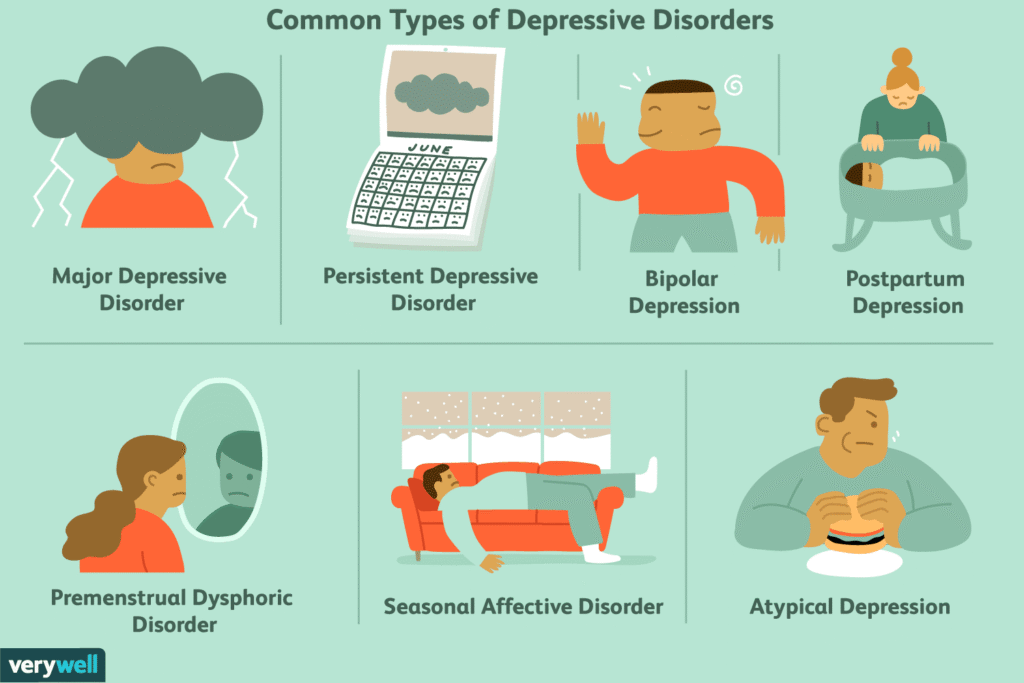
Depression encompasses several distinct types, each with unique characteristics and treatment considerations.
Understanding these variations helps ensure appropriate therapeutic approaches and treatment planning.
Major Depressive Disorder represents the most recognized form of depression, characterized by severe symptoms that significantly impair daily functioning.
Individuals must experience at least five specific symptoms consistently for a minimum of two weeks, including persistent depressed mood or loss of interest in activities.
The severity can range from moderate to severe, with some cases requiring intensive intervention and support.
Persistent Depressive Disorder, previously known as dysthymia, involves chronic low-grade depression lasting for at least two years.
While symptoms may be less severe than Major Depressive Disorder, the prolonged duration creates significant challenges.
Many individuals with this condition describe feeling like they were “born this way,” often not recognizing their experience as treatable depression.
Read more: PTSD Treatment in Singapore: Types, Recovery and Healing
Postpartum Depression affects new mothers during pregnancy or after childbirth, impacting approximately 10-20% of childbearing women.
This condition extends beyond typical “baby blues” and can include feelings of inadequacy, difficulty bonding with the baby, fears of harming oneself or the child, and overwhelming anxiety about parenting responsibilities.
Interestingly, new fathers can also experience perinatal depression due to lifestyle changes and increased responsibilities.
Bipolar Disorder involves extreme mood fluctuations between depressive episodes and manic or hypomanic periods.
During depressive phases, individuals experience typical depression symptoms, while manic episodes may include elevated mood, increased energy, racing thoughts, decreased need for sleep, and potentially risky behavior.
The cyclical nature of this condition requires specialized treatment approaches.
Seasonal Affective Disorder typically occurs during winter months when natural sunlight exposure decreases.
This type of depression is particularly relevant in regions with limited daylight hours and may involve disruptions in serotonin and melatonin levels that regulate mood and sleep patterns.
Related article: Anxiety Therapy in Singapore: Treatment and Recovery
The Current State of Mental Health in Singapore
Singapore’s mental health landscape reflects global trends while presenting unique cultural and social considerations.
The island nation’s fast-paced lifestyle, academic and professional pressures, and cultural expectations contribute to mental health challenges across all age groups.
According to the World Health Organization, approximately 350 million people worldwide suffer from depression, and Singapore’s statistics align with these global patterns.
The prevalence of depression in Singapore has prompted increased awareness and resource allocation toward mental health services.
Government initiatives and healthcare policies now recognize mental health as equally important as physical health, leading to expanded access to therapeutic services and reduced stigma surrounding mental health treatment.
Cultural factors in Singapore can both positively and negatively impact depression treatment.
While strong family and community support systems provide valuable resources, cultural stigma around mental health may prevent some individuals from seeking help.
Traditional beliefs about emotional resilience and self-reliance can create barriers to acknowledging depression and accessing professional support.
Read more: Psychotherapy in Singapore: Types, Benefits, and How to Get Started
Comprehensive Treatment Approaches for Depression
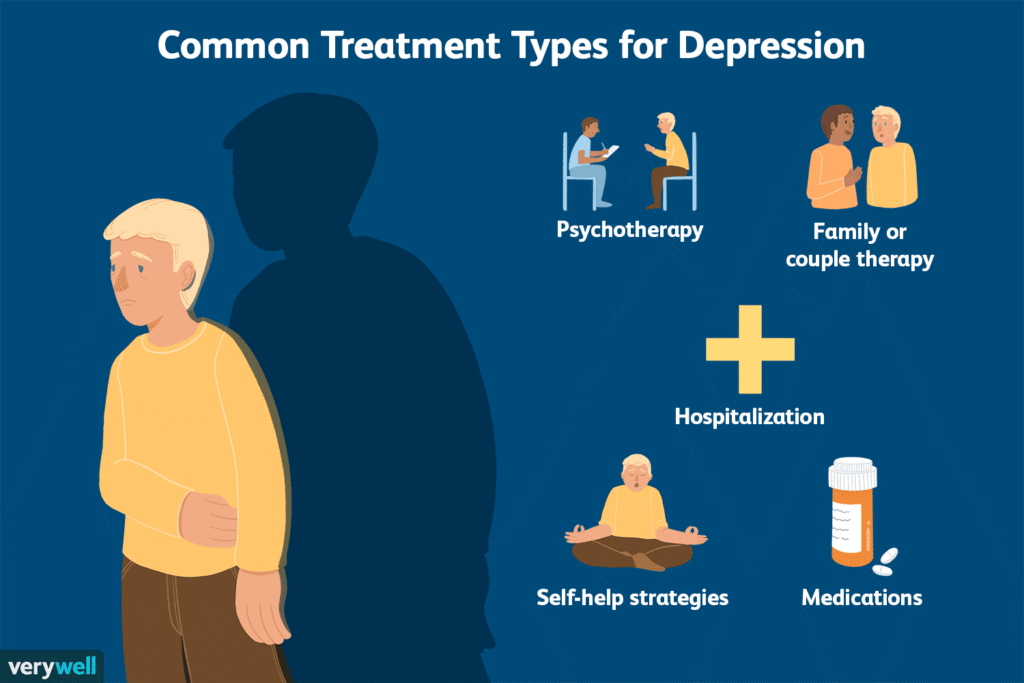
Effective depression treatment typically involves a multimodal approach combining various therapeutic interventions tailored to individual needs and circumstances.
Professional treatment planning considers the type and severity of depression, personal preferences, cultural factors, and any co-occurring conditions.
Psychotherapy represents a cornerstone of depression treatment, offering evidence-based approaches that help individuals understand and modify thought patterns, behaviors, and coping strategies.
Cognitive Behavioral Therapy stands as one of the most researched and effective therapeutic modalities for depression.
This approach helps individuals identify and challenge negative thought patterns while developing healthier coping mechanisms and problem-solving skills.
Acceptance and Commitment Therapy offers another valuable approach, focusing on accepting difficult emotions and thoughts rather than avoiding or suppressing them.
This therapeutic model emphasizes developing psychological flexibility and committing to actions aligned with personal values, even in the presence of challenging emotions.
Interpersonal Psychotherapy addresses depression by improving relationship patterns and social functioning.
This approach recognizes that interpersonal difficulties often contribute to and maintain depressive symptoms, focusing on communication skills, conflict resolution, and building supportive relationships.
Mindfulness-Based Cognitive Therapy combines traditional cognitive therapy with mindfulness practices, helping individuals develop awareness of thoughts and feelings without judgment.
This approach is particularly effective for preventing depression relapse and managing chronic symptoms.
Medication management may be recommended for moderate to severe depression or when psychotherapy alone is insufficient.
Antidepressant medications work by balancing neurotransmitters in the brain that affect mood regulation.
Various classes of antidepressants are available, and healthcare providers work with patients to find the most effective medication with manageable side effects.
Read more: Insomnia Treatment in Singapore
Lifestyle Interventions and Self-Care Strategies
While professional treatment remains essential for depression management, lifestyle modifications and self-care practices play crucial supporting roles in recovery and maintenance of mental wellness.
These approaches work synergistically with therapy and medication to optimize treatment outcomes.
Regular physical activity provides significant mood-boosting benefits through the release of endorphins and other neurotransmitters that promote positive feelings.
Exercise doesn’t require intensive workouts; even moderate activities like walking, swimming, or yoga can contribute to improved mood and energy levels.
The key lies in consistency and finding activities that feel enjoyable rather than burdensome.
Nutrition plays an important role in mental health, with certain dietary patterns supporting optimal brain function and mood regulation.
A balanced diet rich in omega-3 fatty acids, complex carbohydrates, lean proteins, and plenty of fruits and vegetables provides the nutrients necessary for neurotransmitter production and overall brain health.
Limiting processed foods, excessive sugar, and alcohol can help stabilize mood and energy levels.
Sleep hygiene represents another critical component of depression management. Establishing consistent sleep schedules, creating a restful sleep environment, and practicing relaxation techniques before bedtime can significantly improve sleep quality.
Since sleep disturbances are both a symptom and contributing factor to depression, addressing sleep issues often leads to improvements in overall mood and functioning.
Social connection and support systems provide invaluable resources for individuals managing depression.
Maintaining relationships with family and friends, participating in community activities, or joining support groups can help combat isolation and provide emotional support.
Even when depression makes social interaction feel difficult, gradual engagement with others can contribute to recovery.
Stress management techniques such as meditation, deep breathing exercises, progressive muscle relaxation, and mindfulness practices can help individuals cope with daily stressors that may exacerbate depression symptoms.
These techniques can be learned through classes, apps, or therapeutic guidance and practiced regularly for maximum benefit.
Specialized Considerations for Different Populations
Depression treatment in Singapore must account for the diverse population and varying cultural backgrounds represented in the country.
Different age groups, cultural communities, and life circumstances may require tailored approaches to ensure effective treatment engagement and outcomes.
Adolescents and young adults may present unique challenges in depression treatment, as they navigate educational pressures, identity development, and social relationships.
Treatment approaches for younger individuals often involve family therapy components and may address academic stress, peer relationships, and future planning concerns.
Older adults may experience depression related to health issues, retirement adjustments, loss of loved ones, or social isolation.
Treatment for this population often involves addressing grief and loss, maintaining independence, and adapting to physical changes while building social connections and meaningful activities.
Working professionals in Singapore’s competitive environment may experience depression related to career stress, work-life balance challenges, or financial pressures.
Treatment approaches might focus on stress management, boundary setting, career counseling, and developing resilience in high-pressure environments.
Expatriate communities may face unique challenges including cultural adjustment, social isolation, and separation from family support systems.
Therapeutic approaches for this population might address acculturation stress, building new support networks, and maintaining cultural identity while adapting to new environments.
The Role of Technology in Modern Depression Treatment
Singapore’s technologically advanced healthcare system increasingly incorporates digital tools and platforms to enhance depression treatment accessibility and effectiveness.
Teletherapy options provide convenient access to mental health services, particularly important during times when in-person sessions may be challenging to arrange.
Mental health apps and digital platforms can supplement traditional therapy by providing mood tracking, guided meditation, cognitive behavioral therapy exercises, and crisis support resources.
These tools offer 24/7 accessibility and can help individuals practice therapeutic techniques between sessions.
Online support groups and communities provide additional resources for individuals seeking peer support and shared experiences.
These platforms can be particularly valuable for those who may feel isolated or prefer anonymous interactions while building connections with others facing similar challenges.
Overcoming Barriers to Treatment
Despite the availability of depression treatment options in Singapore, various barriers may prevent individuals from accessing care.
Understanding and addressing these obstacles is crucial for ensuring that those who need help can receive appropriate support.
Stigma surrounding mental health remains a significant barrier, with some individuals fearing judgment from family, friends, or employers.
Cultural beliefs about mental strength and self-reliance may discourage help-seeking behavior.
Education and awareness campaigns continue to address these issues by normalizing mental health treatment and emphasizing that seeking help represents strength rather than weakness.
Financial concerns may impact treatment access, although Singapore’s healthcare system provides various options for mental health coverage.
Understanding insurance benefits, government subsidies, and sliding-scale fee options can help make treatment more accessible for individuals with financial constraints.
Time constraints due to work or family obligations may prevent some individuals from prioritizing mental health treatment.
Flexible scheduling options, including evening and weekend appointments, teletherapy sessions, and intensive treatment programs can help accommodate busy schedules.
Language barriers may affect some individuals’ ability to access appropriate care. Singapore’s multicultural environment requires mental health services that can accommodate various languages and cultural communication styles to ensure effective therapeutic relationships.
Prevention and Early Intervention Strategies
While treatment for existing depression is crucial, prevention and early intervention strategies can help reduce the overall impact of depression on individuals and communities.
These approaches focus on building resilience, identifying risk factors, and providing support before symptoms become severe.
Education about mental health and depression helps individuals recognize early warning signs in themselves and others.
Understanding the difference between normal sadness and clinical depression empowers people to seek help appropriately and support others who may be struggling.
Stress management education in schools, workplaces, and communities can help individuals develop coping skills before experiencing overwhelming stress that might contribute to depression.
These programs might include techniques for managing academic pressure, work stress, relationship challenges, and life transitions.
Building social support networks and community connections provides protective factors against depression development.
Community programs, support groups, and social activities can help individuals maintain connections and reduce isolation that often contributes to depression.
Regular mental health check-ups, similar to routine physical health screenings, can help identify emerging mental health concerns before they become severe.
Healthcare providers can assess mood, stress levels, and life circumstances during routine appointments to provide early intervention when needed.
The Future of Depression Treatment in Singapore
Singapore’s commitment to mental health advancement continues to drive innovation in depression treatment approaches and accessibility.
Ongoing research into personalized medicine approaches may lead to more targeted treatments based on individual genetic, neurological, and psychological profiles.
Integration of mental health services with primary healthcare ensures that depression screening and treatment become routine parts of overall health maintenance.
This integration helps normalize mental health care and provides more convenient access to services.
Continued investment in mental health infrastructure, including training more mental health professionals and expanding service availability, will help meet the growing demand for depression treatment services.
This expansion includes specialized programs for specific populations and innovative treatment approaches.
Community-based interventions and prevention programs will likely continue expanding to address depression at the population level rather than focusing solely on individual treatment.
These approaches recognize that mental health is influenced by social, economic, and environmental factors that require broader community responses.
Taking the First Step Toward Recovery
Recovery from depression is absolutely possible with appropriate treatment and support.
The journey may involve trying different therapeutic approaches, medications, or lifestyle changes to find the most effective combination for each individual’s unique situation.
Patience and persistence are essential, as improvement often occurs gradually rather than immediately.
The most important step in addressing depression is recognizing that professional help is both necessary and beneficial.
Mental health professionals possess the training and experience to accurately assess depression severity, recommend appropriate treatments, and provide ongoing support throughout the recovery process.
Building a comprehensive support team typically includes mental health professionals, healthcare providers, family members, friends, and potentially support group members.
This network provides various types of support and encouragement throughout the treatment process. Recovery from depression is rarely a linear process, and temporary setbacks or challenging periods are normal parts of the healing journey.
Maintaining hope and continuing with treatment even during difficult times is crucial for long-term success.
Essential steps for beginning treatment include:
- Acknowledging that depression requires professional intervention
- Researching qualified mental health professionals in your area
- Scheduling an initial consultation to discuss symptoms and treatment options
Frequently Asked Questions
What is the difference between feeling sad and having clinical depression?
Sadness represents a normal emotional response to disappointing or difficult situations that typically resolves naturally over time.
Clinical depression involves persistent, intense symptoms lasting at least two weeks that significantly interfere with daily functioning, work performance, relationships, and overall quality of life.
Depression often occurs without clear external triggers and involves physical symptoms, cognitive changes, and neurochemical imbalances that require professional treatment.
How long does depression therapy typically take to show results?
The timeline for depression therapy varies significantly depending on individual circumstances, depression severity, treatment approach, and personal factors.
Some individuals notice improvements within a few weeks, while others may require several months of consistent treatment.
Generally, most people experience meaningful progress within 10-15 therapy sessions, though some may need longer-term support.
The key is maintaining consistency with treatment and being patient with the gradual nature of healing.
Can depression be completely cured or is it a lifelong condition?
Depression can absolutely be effectively treated and managed, with many individuals experiencing complete recovery and maintaining good mental health long-term.
While some people may be more susceptible to depression recurrence due to genetic or environmental factors, proper treatment, coping skills development, and lifestyle modifications can prevent future episodes or reduce their severity.
Many individuals live fulfilling, productive lives after successful depression treatment.
What should I expect during my first therapy session for depression?
Initial therapy sessions typically involve comprehensive assessment where the therapist gathers information about your symptoms, personal history, current life circumstances, and treatment goals.
This might include discussing your medical history, family background, current stressors, and previous mental health experiences.
The therapist will explain their treatment approach, discuss confidentiality, and work with you to develop a personalized treatment plan.
Most people find the first session somewhat easier than expected and feel relief at beginning the healing process.
Are there any side effects from depression therapy?
Psychotherapy generally has minimal negative side effects compared to medical treatments, though some temporary discomfort may occur as you process difficult emotions or memories.
Initial sessions might bring up challenging feelings or thoughts as you explore underlying issues. Some people experience temporary increases in emotional intensity as they work through problems.
However, these effects are typically part of the healing process and resolve as therapy progresses.
Your therapist will help you manage any difficult emotions that arise during treatment.
How do I choose the right therapist for depression treatment in Singapore?
Selecting an appropriate therapist involves considering their credentials, specializations, treatment approaches, and how comfortable you feel with them personally.
Look for licensed mental health professionals with specific experience treating depression. Consider whether you prefer certain therapeutic approaches like Cognitive Behavioral Therapy or interpersonal therapy.
Practical factors like location, scheduling availability, language preferences, and insurance coverage are also important. Many therapists offer brief consultations to help determine if they’re a good fit for your needs.
Can I combine therapy with medication for depression treatment?
Combining therapy and medication often provides the most comprehensive treatment approach for moderate to severe depression. Research shows that this combination can be more effective than either treatment alone for many individuals.
Your therapist and prescribing physician will coordinate care to ensure treatments complement each other effectively.
The decision to use medication should be made collaboratively with healthcare providers based on your specific symptoms, severity, preferences, and any other health considerations.
What role does family play in depression treatment?
Family involvement can significantly enhance depression treatment outcomes by providing emotional support, understanding, and encouragement throughout the recovery process.
Some therapists recommend family therapy sessions to address relationship dynamics that may contribute to depression or to help family members understand how to best support their loved one.
However, the level of family involvement depends on individual preferences, family dynamics, and cultural considerations. Clear boundaries and communication are essential when involving family in treatment.
Is online therapy as effective as in-person sessions for depression?
Research indicates that online therapy can be equally effective as in-person sessions for treating depression, particularly when using structured approaches like Cognitive Behavioral Therapy.
Online platforms offer convenience, accessibility, and comfort for some individuals who might otherwise avoid treatment.
However, the effectiveness depends on having reliable technology, a private space for sessions, and feeling comfortable with the digital format.
Some individuals prefer the personal connection of face-to-face sessions, while others thrive with online options.
How can I support someone I know who has depression?
Supporting someone with depression involves offering consistent emotional support while encouraging professional treatment. Listen without judgment, validate their feelings, and avoid trying to “fix” their problems or offer simple solutions.
Encourage them to seek professional help and offer practical support like helping them find therapists or accompanying them to appointments if requested.
Maintain regular contact, engage in enjoyable activities together when possible, and educate yourself about depression to better understand their experience. Remember to take care of your own mental health while supporting others.
What happens if therapy doesn’t seem to be working for my depression?
If therapy isn’t providing expected improvements after several weeks or months, discuss your concerns openly with your therapist.
Sometimes adjustments to the treatment approach, session frequency, or therapeutic techniques can improve effectiveness. In other cases, trying a different therapist or therapeutic modality might be beneficial.
Your therapist should be willing to evaluate progress honestly and make recommendations for alternative approaches, including referrals to other professionals or consideration of additional treatments like medication.
Persistence and willingness to try different approaches often lead to eventual success.
Are there specific types of therapy that work best for different types of depression?
Different therapeutic approaches may be more effective for specific types of depression or individual circumstances. Cognitive Behavioral Therapy shows strong evidence for treating Major Depressive Disorder and preventing relapse.
Interpersonal Therapy works well for depression related to relationship issues or major life transitions.
Acceptance and Commitment Therapy can be particularly helpful for chronic depression or when other approaches haven’t been fully effective.
Your therapist will assess your specific situation and recommend the most appropriate treatment approach, potentially combining multiple techniques for optimal results.
General shopping ideas, independent of this article’s advice.
Swipe to compare products →Biofinest Gummy Vitamin Supplement – Beauty Energy Sleep Metabolism Men Women Kids Probiotics Multivitamin (60 Gummies)From S$17.95Tradishot Immunity Boost Drink | Turmeric Shot (Extra Strength) | Boost Immunity Energy & Well-being [7x35mL]S$38.00Optimum Nutrition, Gold Standard, 100% Whey Protein Powder, 2lbs (907g ) / 5 lbs (2.27 kg) / 10 lbs (4.54 kg)From S$82.89Prices may vary by option. Check the final price and delivery on Shopee.