

Attention Deficit Hyperactivity Disorder (ADHD) affects millions of people worldwide, yet many individuals remain undiagnosed well into adulthood.
General shopping ideas, independent of this article’s advice.
Swipe to compare products → Biofinest Effervescent Vitamin C 1000mg D3 Zinc Collagen Multivitamin Calcium Magnesium Zinc Tablets Drink Sugar FreeFrom S$5.95Biofinest Probiotic 50 Billion CFU Enzyme Supplement 12 + 3 Prebiotics – Diet Slimming Eczema Detox Men Women (60 caps)From S$22.40Estalife Magnesium Glycinate 1000MG | Heart, Bone, Muscle, Sleep, Mood Health | 60 Veg CapsFrom S$13.99
Prices may vary by option. Check the final price and delivery on Shopee.
In Singapore, understanding how to navigate the healthcare system for ADHD diagnosis and treatment can be challenging.
This comprehensive guide provides everything you need to know about getting an ADHD diagnosis in Singapore, from recognizing symptoms to finding the right healthcare providers and treatment options.
You might like: Which Psychologist in Singapore Should You Consider? (Sort by Reviews)
Understanding ADHD: More Than Just Hyperactivity

ADHD is a neurodevelopmental condition that affects how the brain manages attention, impulse control, and activity levels.
Contrary to popular misconceptions, ADHD isn’t simply about being hyperactive or having difficulty focusing occasionally.
It’s a complex neurological condition that significantly impacts daily functioning across multiple areas of life.
The condition manifests through persistent patterns of inattention, hyperactivity, and impulsivity that interfere with development and daily activities.
Research indicates that approximately 5% of children and 3-7% of adults worldwide have ADHD, making it one of the most common neurodevelopmental disorders.
You might be interested: Which Psychiatrist in Singapore Should You Consider?
The Three Primary Types of ADHD
Understanding the different presentations of ADHD is crucial for proper diagnosis and treatment. There are three main types:
- Predominantly Inattentive Type: Difficulties with sustained attention, organization, and task completion; individuals may appear daydreamy, forgetful, or easily distracted
- Predominantly Hyperactive-Impulsive Type: Excessive movement, restlessness, and impulsive decision-making; people may fidget constantly, have difficulty remaining seated, and talk excessively
- Combined Presentation: Most common type displaying significant symptoms from both categories; requires meeting criteria for at least six symptoms from each category for children, or five symptoms for adults aged 17 and older
Recognizing ADHD Symptoms Across Different Life Stages
ADHD in Children
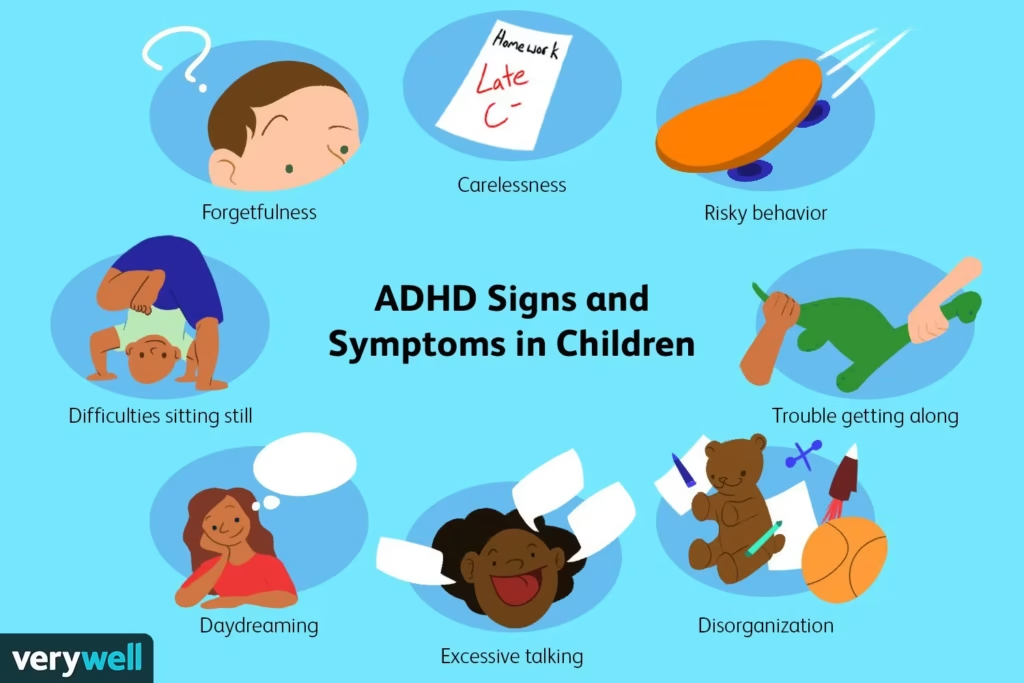
Childhood ADHD symptoms often become apparent in school settings where sustained attention and behavioral control are required.
Inattentive symptoms include making frequent careless mistakes in schoolwork or other activities, difficulty maintaining focus during tasks, games, or conversations, and appearing not to listen when spoken to directly.
Children may fail to complete assignments, chores, or responsibilities while struggling with organization and time management.
They often avoid tasks requiring sustained mental effort and frequently lose necessary items like school supplies or toys.
Being easily distracted by external stimuli and displaying forgetfulness in daily routines are also common indicators.
Hyperactive-impulsive symptoms manifest as constant fidgeting, tapping, or squirming, with inability to remain seated when expected.
Children may run or climb inappropriately in various situations and have difficulty engaging in quiet activities. They often act as if “driven by a motor” and talk excessively without pause.
Blurting out answers before questions are completed, struggling with turn-taking, and interrupting others’ conversations or activities are typical behaviors.
Read more: Autism Assessment in Singapore
ADHD in Adults
Adult ADHD often presents differently than childhood symptoms, with hyperactivity typically manifesting as internal restlessness rather than physical overactivity.
Professional challenges include chronic difficulties with deadline management, frequent job changes or performance issues, and problems with time management and prioritization.
Adults may struggle with detailed paperwork or administrative tasks and face challenges in maintaining professional relationships.
Personal life impact encompasses relationship difficulties due to perceived carelessness or inattention, financial management problems, and chronic disorganization in living spaces.
Emotional regulation challenges are common, along with increased substance abuse risks and higher rates of anxiety and depression.
You might like: PTSD Treatment in Singapore: Types, Recovery and Healing
Gender Differences in ADHD Presentation
Research has revealed significant gender differences in how ADHD manifests, leading to historical underdiagnosis in females.
Males with ADHD typically display more externalized behaviors that are easily recognizable, including obvious hyperactive behaviors, disruptive classroom conduct, physical restlessness and fidgeting, aggressive or impulsive actions, and academic performance issues that draw attention.
Females often present with internalized symptoms that can be overlooked.
These include inattentive daydreaming rather than disruptive behavior, self-blame and internalized criticism, and perfectionist tendencies that mask difficulties.
Social withdrawal or relationship challenges are common, with late diagnosis often occurring in adulthood.
Females with ADHD show higher rates of anxiety and mood disorders along with compensatory behaviors that hide struggles.
Related article: Psychotherapy in Singapore: Types, Benefits, and How to Get Started
The ADHD Diagnosis Process in Singapore
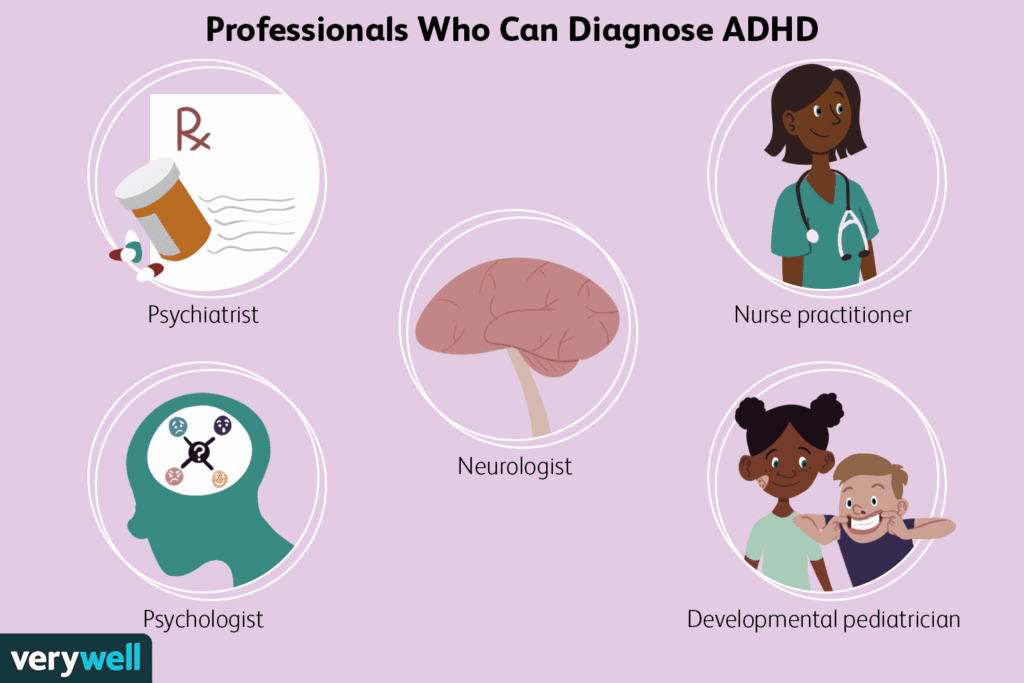
Diagnostic Criteria and Assessment Standards
ADHD diagnosis in Singapore follows international standards outlined in the Diagnostic and Statistical Manual of Mental Disorders, Fifth Edition (DSM-5). The comprehensive evaluation process typically requires 3-5 hours and involves multiple assessment components.
Essential diagnostic requirements include:
- Presence of at least six symptoms from either category (or five for adults 17+)
- Symptoms persisting for minimum six months
- Impairment evident across multiple settings
- Symptoms present before age 12
- Functional impairment in social, academic, or occupational areas
- Symptoms cannot be better explained by other mental health conditions
Related article: Anxiety Therapy in Singapore: Treatment and Recovery
Comprehensive Assessment Components
The clinical interview process begins with detailed interviews exploring developmental history from early childhood, educational and occupational performance patterns, family medical and psychiatric history, current functioning across various life domains, and previous mental health treatments or interventions.
Healthcare providers utilize various standardized testing procedures and validated assessment tools.
For children, these include Conners 4™ for comprehensive ADHD evaluation and TEA-Ch2 (Test of Everyday Attention for Children) for attention measurement.
Adult-specific assessments involve CAARS (Conners Adult ADHD Rating Scales), CPT (Continuous Performance Test) for attention and impulse control, WAIS-IV (Wechsler Adult Intelligence Scale) for cognitive ability assessment, and D-KEFS (Delis-Kaplan Executive Function System) for executive function evaluation.
| Assessment Tool | Purpose | Target Population |
|---|---|---|
| Conners 4™ | Comprehensive ADHD evaluation | Children and adolescents |
| CAARS (Conners Adult ADHD Rating Scales) | Adult-specific ADHD assessment | Adults 18+ |
| TEA-Ch2 (Test of Everyday Attention for Children) | Attention measurement | Children |
| CPT (Continuous Performance Test) | Attention and impulse control | Adults |
| WAIS-IV (Wechsler Adult Intelligence Scale) | Cognitive ability assessment | Adults |
| D-KEFS (Delis-Kaplan Executive Function System) | Executive function evaluation | Adults |
Some clinics in Singapore offer advanced diagnostic technologies including infrared brain scanning to monitor frontal lobe oxygen levels, eye-tracking technology to measure attention patterns, and computerized continuous performance testing for reaction time analysis.
Healthcare providers often request collateral information from multiple sources to ensure comprehensive assessment.
This includes family member interviews when appropriate, school reports and academic records, workplace performance evaluations, and previous medical or psychological records.
Related article: Eating Disorder Treatment in Singapore: Causes, Recovery
Where to Get ADHD Diagnosis in Singapore: Your Options
When seeking ADHD diagnosis in Singapore, you have two main pathways:
- Public Healthcare System: Subsidized rates, longer wait times, need referrals
- Private Healthcare Options: Higher costs, immediate access, choice of doctors
Public Healthcare System
The public healthcare system offers significantly subsidized rates for citizens and permanent residents, comprehensive multidisciplinary teams, integration with other medical services, and quality standardized assessment protocols.
To access public healthcare, individuals can visit neighborhood polyclinic for initial consultation, obtain referral to specialist at restructured hospital, or utilize CHAS cardholders to get referrals from participating GP clinics.
Appointments can be scheduled at Institute of Mental Health (IMH) or National University Hospital (NUH).
Cost considerations include subsidized consultation fees of approximately $40-60, non-subsidized consultation around $220-300, with additional testing fees that may apply separately.
However, there are potential limitations including extended waiting periods lasting weeks to months, limited choice of healthcare providers, and appointment scheduling constraints.
Private Healthcare Options
Private healthcare provides shorter waiting times for appointments, choice of preferred specialists, flexible scheduling options, personalized treatment approaches, and comprehensive diagnostic reports.
Private healthcare costs include initial consultation ranging from $200-400, comprehensive assessment costing $1,500-2,500, variable pricing for additional testing, and follow-up appointments between $150-300.
Leading private clinics throughout Singapore offer specialized ADHD services with experienced psychiatrists and clinical psychologists.
Treatment Approaches Available in Singapore
Medication Management
Methylphenidate-based medications remain the first-line treatment for ADHD in Singapore.
Stimulant medications include Ritalin in immediate-release formulation and Concerta in extended-release formulation, with dosage adjustments based on individual response and regular monitoring for effectiveness and side effects.
For individuals who cannot tolerate stimulants or have contraindications, non-stimulant alternatives are available.
These include atomoxetine for attention and impulse control, antidepressants for co-occurring mood disorders, and blood pressure medications for specific symptoms.
Regular medication monitoring ensures optimal dosage adjustments, side effect management, growth monitoring in children, cardiovascular health assessment, and academic or work performance tracking through regular follow-up appointments.
Psychological Interventions
Cognitive Behavioral Therapy (CBT) addresses the behavioral and thought patterns associated with ADHD through identifying negative thought patterns, developing effective coping strategies, improving organizational skills, managing procrastination and time management, and building self-esteem and confidence.
Dialectical Behavior Therapy (DBT) focuses on emotional regulation and interpersonal effectiveness by teaching distress tolerance techniques, developing mindfulness skills, improving interpersonal relationships, managing impulsive behaviors, and building emotional resilience.
Mindfulness-based interventions enhance present-moment awareness through attention regulation training, stress reduction techniques, emotional regulation skills, improved focus and concentration, and reduced anxiety and depression.
Coaching and Skills Training
ADHD coaching provides personalized strategy development, goal setting and achievement, time management improvement, organization system creation, and career and relationship guidance.
Social skills training is particularly beneficial for children and adolescents, offering peer interaction improvement, communication skills development, conflict resolution strategies, and emotional intelligence building.
Living with ADHD: Comprehensive Management Strategies
Lifestyle Modifications for Optimal Functioning
Regular physical activity and exercise provide multiple benefits for ADHD management by improving attention and concentration, reducing hyperactive behaviors, enhancing mood regulation, promoting better sleep quality, and increasing self-esteem and confidence.
While diet alone cannot treat ADHD, proper nutritional considerations support overall brain health through balanced meals with adequate protein, regular meal timing to maintain blood sugar stability, limiting processed foods and artificial additives, ensuring adequate omega-3 fatty acid intake, and staying properly hydrated throughout the day.
Quality sleep is crucial for ADHD symptom management through sleep hygiene optimization.
This involves consistent bedtime and wake-up routines, creating calm, technology-free sleep environments, managing medication effects on sleep patterns, addressing co-occurring sleep disorders, and implementing relaxation techniques before bed.
Organizational Systems and Structure
Establishing consistent daily routines reduces cognitive load through morning preparation checklists, work or school organization systems, evening wind-down routines, weekly planning and review sessions, and emergency backup plans for disruptions.
Leveraging technology for ADHD management includes smartphone apps for task management, calendar systems for appointment tracking, reminder systems for important deadlines, noise-cancelling headphones for focus, and time-tracking applications for productivity.
Creating ADHD-friendly environmental modifications involves minimizing visual distractions, organizing physical spaces effectively, using color-coding systems, creating dedicated work areas, and implementing noise reduction strategies.
Supporting Family Members with ADHD
Understanding and Empathy
Family support plays a crucial role in ADHD management success. Understanding that ADHD symptoms are neurological rather than character flaws helps create a supportive environment.
Communication strategies include active listening without immediate judgment, asking clarifying questions about experiences, validating struggles and challenges, celebrating strengths and achievements, and maintaining open, honest dialogue.
Educational approaches involve learning about ADHD from reputable sources, attending family therapy sessions when appropriate, joining support groups for families, understanding medication effects and side effects, and recognizing signs of other co-occurring conditions.
Practical Support Systems
Daily life assistance encompasses helping with organization and planning, providing gentle reminders for important tasks, creating structured environments at home, assisting with time management challenges, and supporting treatment adherence.
Emotional support involves recognizing and addressing shame or guilt, building self-esteem through positive reinforcement, helping develop coping strategies for difficult situations, encouraging professional help when needed, and maintaining patience during challenging periods.
Financial Considerations and Support
Insurance Coverage and Subsidies
Singapore citizens and permanent residents can access subsidized ADHD assessment and treatment through public healthcare systems.
Government subsidy eligibility depends on citizenship or permanent resident status, income level and household composition, referral pathway through polyclinics, and CHAS card eligibility for additional subsidies.
Some private health insurance policies may cover ADHD-related expenses including consultation and assessment fees, medication costs, psychological therapy sessions, and regular monitoring appointments.
ADHD treatment typically requires long-term financial commitment involving regular medication costs, ongoing therapy sessions, periodic assessment and monitoring, potential workplace accommodations, and educational support services.
ADHD in Educational and Workplace Settings
Educational Accommodations
Singapore’s Ministry of Education provides school-based support for students with ADHD through extended time for examinations, reduced distractions during testing, alternative assessment methods, behavioral support plans, and specialized classroom interventions.
Higher education institutions including universities and polytechnics offer various accommodations such as academic counseling services, assistive technology access, flexible attendance policies, alternative assignment formats, and examination modifications.
Workplace Considerations
Understanding employment rights and accommodations includes reasonable adjustments for job tasks, flexible working arrangements, regular break schedules, assistive technology provision, and performance evaluation modifications.
Career strategy involves choosing careers that align with ADHD strengths in creative and innovative fields, high-energy environments, variety in daily tasks, problem-solving opportunities, and flexible work structures.
Long-Term Prognosis and Management
Adult Outcomes
With proper diagnosis and treatment, individuals with ADHD can achieve success in various life domains including academic and career achievement, stable interpersonal relationships, effective parenting skills, financial management abilities, and overall life satisfaction.
Ongoing Management Requirements
ADHD is a chronic condition requiring lifelong management through regular medical monitoring, medication adjustments as needed, continued therapy or coaching, lifestyle modification maintenance, and family and social support systems.
Frequently Asked Questions
How much does ADHD diagnosis cost in Singapore?
The cost of ADHD diagnosis in Singapore varies significantly between public and private healthcare options.
In public hospitals, subsidized consultations for citizens and permanent residents typically cost around $40-60, while non-subsidized consultations range from $220-300.
Comprehensive private assessments can cost between $1,500-2,500, including detailed diagnostic reports. Additional testing fees may apply depending on the specific assessment tools used.
Can adults be diagnosed with ADHD for the first time in Singapore?
Yes, adults can definitely receive their first ADHD diagnosis in Singapore. Many adults discover they have ADHD when seeking help for ongoing attention, organization, or impulse control difficulties.
Adult ADHD diagnosis follows the same rigorous standards as childhood diagnosis, though the evaluation process considers how symptoms have manifested throughout the person’s lifetime.
Healthcare providers will explore childhood experiences and current functioning across multiple life domains.
What is the waiting time for ADHD assessment in public hospitals?
Waiting times for ADHD assessment in Singapore’s public healthcare system can range from several weeks to several months, depending on the specific hospital and current demand.
The Institute of Mental Health and other restructured hospitals prioritize cases based on urgency and available appointments.
Patients requiring faster assessment may consider private healthcare options, which typically offer appointments within days or weeks.
Do I need a referral to see a psychiatrist for ADHD assessment?
For subsidized rates in public hospitals, you typically need a referral from a polyclinic doctor or CHAS-participating GP.
However, you can also book direct consultations at public hospitals, though you’ll pay non-subsidized rates.
Private psychiatrists and clinical psychologists don’t require referrals, and you can book appointments directly. The referral pathway ensures proper care coordination and helps you access subsidized services.
What medications are available for ADHD treatment in Singapore?
Singapore offers various ADHD medications, with methylphenidate-based drugs being the most commonly prescribed.
These include immediate-release formulations like Ritalin and extended-release options like Concerta. Non-stimulant alternatives such as atomoxetine are available for individuals who cannot tolerate stimulants.
Medication selection depends on individual symptoms, medical history, and response to treatment, with regular monitoring ensuring optimal effectiveness.
Can ADHD be cured or will I need lifelong treatment?
ADHD is a chronic neurodevelopmental condition that cannot be “cured,” but it can be effectively managed with appropriate treatment and support.
Many individuals with ADHD lead successful, fulfilling lives with proper medication, therapy, and lifestyle modifications.
While some people may experience symptom changes over time, particularly reduced hyperactivity in adulthood, ongoing management strategies typically remain beneficial throughout life.
How accurate are online ADHD tests and self-assessments?
Online ADHD tests and self-assessments can provide general awareness about potential symptoms but should never replace professional evaluation.
These tools lack the comprehensive assessment required for accurate diagnosis and cannot rule out other conditions that may mimic ADHD symptoms.
Only qualified psychiatrists or clinical psychologists can provide official ADHD diagnoses using standardized assessment protocols and comprehensive clinical interviews.
What accommodations are available for ADHD students in Singapore schools?
Singapore’s Ministry of Education provides various accommodations for students with ADHD, including extended examination time, reduced distractions during testing, alternative assessment methods, and specialized classroom interventions.
Students must provide proper medical documentation from qualified healthcare providers to access these accommodations.
Schools work with parents and healthcare providers to develop individualized support plans.
Can women and girls be diagnosed with ADHD in Singapore?
Absolutely. While ADHD has historically been underdiagnosed in females, awareness of gender differences in symptom presentation has improved significantly.
Women and girls often display more inattentive symptoms rather than obvious hyperactive behaviors, leading to delayed recognition.
Healthcare providers in Singapore are increasingly trained to recognize female ADHD presentations, ensuring more accurate diagnosis and appropriate treatment.
What should I expect during an ADHD assessment appointment?
An ADHD assessment typically involves a comprehensive clinical interview covering your developmental history, current symptoms, and functional impairment across different life areas.
You may complete standardized questionnaires, undergo cognitive testing, and participate in attention-focused tasks. The assessment usually takes 3-5 hours and may require multiple appointments.
Healthcare providers may also request information from family members or review school/work records when relevant.
Is ADHD medication safe for long-term use?
ADHD medications, particularly stimulants like methylphenidate, have extensive research supporting their safety and effectiveness for long-term use when properly monitored.
Regular medical follow-ups ensure optimal dosing, monitor for side effects, and assess ongoing treatment effectiveness.
Healthcare providers carefully weigh the benefits of treatment against any potential risks, with most individuals experiencing significant improvement in functioning with minimal adverse effects.
Can I choose my doctor for ADHD treatment in public hospitals?
In Singapore’s public healthcare system, you typically cannot choose your specific doctor when accessing subsidized care.
Patients are assigned to available specialists based on appointment availability and clinical needs. However, if you’re willing to pay non-subsidized rates, you may request specific doctors at public hospitals.
Private healthcare offers complete choice of healthcare providers, though at higher costs.
This comprehensive guide provides the essential information needed to navigate ADHD diagnosis and treatment in Singapore.
Remember that seeking professional help is the crucial first step toward understanding and managing ADHD effectively. With proper support and treatment, individuals with ADHD can thrive in all areas of life.
General shopping ideas, independent of this article’s advice.
Swipe to compare products →Biofinest Gummy Vitamin Supplement – Beauty Energy Sleep Metabolism Men Women Kids Probiotics Multivitamin (60 Gummies)From S$17.95Tradishot Immunity Boost Drink | Turmeric Shot (Extra Strength) | Boost Immunity Energy & Well-being [7x35mL]S$38.00Optimum Nutrition, Gold Standard, 100% Whey Protein Powder, 2lbs (907g ) / 5 lbs (2.27 kg) / 10 lbs (4.54 kg)From S$82.89Prices may vary by option. Check the final price and delivery on Shopee.