

What is Topical Fluoride Treatment?
Topical fluoride treatment is a preventive dental procedure that involves the direct application of fluoride to the tooth surface.
Fluoride is a natural mineral that plays a crucial role in strengthening tooth enamel, helping to prevent dental caries, slow down decay progression, or stop it from worsening.
General shopping ideas, independent of this article’s advice.
Swipe to compare products → Biofinest Effervescent Vitamin C 1000mg D3 Zinc Collagen Multivitamin Calcium Magnesium Zinc Tablets Drink Sugar FreeFrom S$5.35Biofinest Probiotic 50 Billion CFU Enzyme Supplement 12 + 3 Prebiotics – Diet Slimming Eczema Detox Men Women (60 caps)From S$22.40Estalife Magnesium Glycinate 1000MG | Heart, Bone, Muscle, Sleep, Mood Health | 60 Veg CapsFrom S$13.99
Prices may vary by option. Check the final price and delivery on Shopee.
Highly concentrated topical fluoride is professionally applied to your teeth by dental professionals.
It works through several mechanisms: reducing mineral loss from tooth enamel, increasing the uptake of essential minerals to your permanent teeth, and inhibiting decay-causing bacteria, thereby effectively preventing tooth decay.
Dental health professionals recommend that topical fluoride products be professionally applied to teeth at least twice per year.
For patients with a high risk of tooth decay, this frequency can increase to four times annually. Both adults and children from 3 years of age can safely receive topical fluoride treatments.
You might be interested: Which Dental Clinic in Singapore Should You Consider? (Sort by Reviews)
Types of Topical Fluoride Treatments
Dental professionals can apply topical fluoride in various forms:
Fluoride Varnish
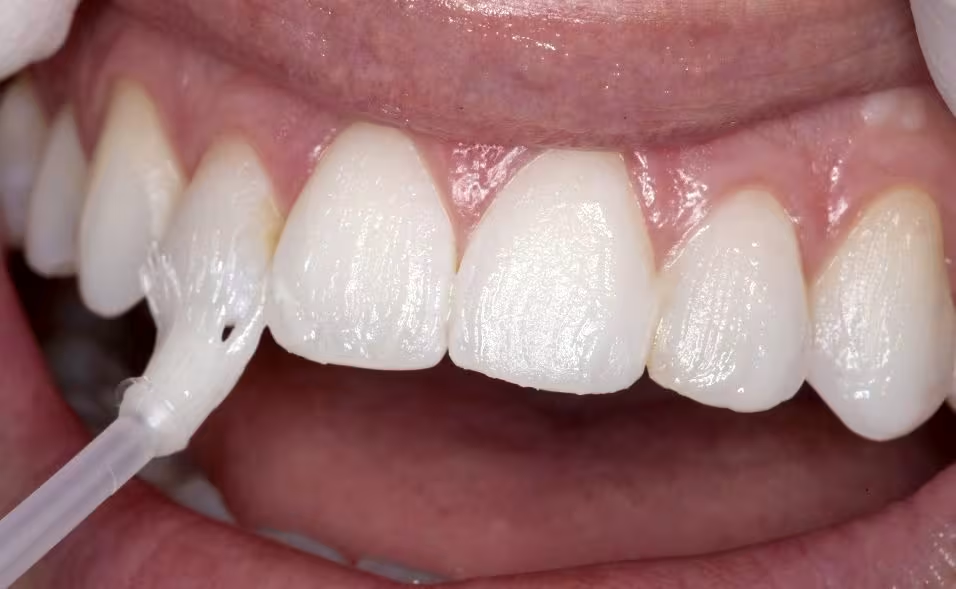
- A highly concentrated fluoride solution applied to the teeth in the form of a varnish
- Directly painted onto the tooth surface with a brush
- Hardens quickly, allowing it to remain in place for several hours
- Stays on the teeth for about 4-6 hours, during which time patients should avoid eating or drinking hot foods or beverages
Read more: Teeth Whitening in Singapore
Fluoride Gel or Foam
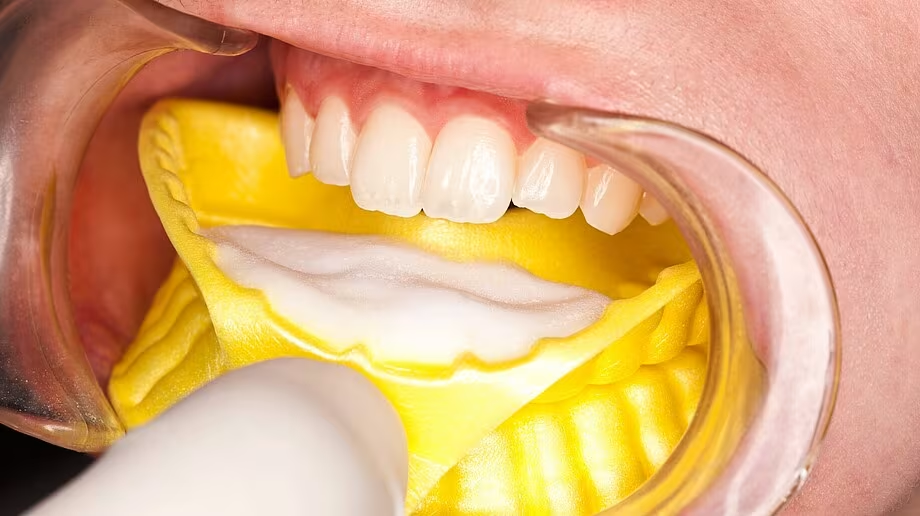
- Applied in a tray that is placed in the patient’s mouth
- The dentist or hygienist places the gel or foam in a mold that fits over the teeth
- The fluoride stays in contact with the teeth for several minutes, allowing absorption into the enamel
- Application typically lasts around 4 minutes and may be repeated several times during an appointment
Fluoride Rinse
- Typically used in dental offices or prescribed for home use
- After brushing, a small amount of fluoride mouth rinse is swished around the mouth for about a minute before spitting out
- Daily rinse for a prescribed period (usually a week or more) may be recommended for those at higher risk of decay
You might like: Smile Makeovers in Singapore: Costs, Procedures, and Benefits
Fluoride Toothpaste
- The most common and easily accessible form of fluoride treatment
- Used during daily brushing
- Helps maintain fluoride levels in the enamel to prevent cavities
Benefits of Topical Fluoride Treatment
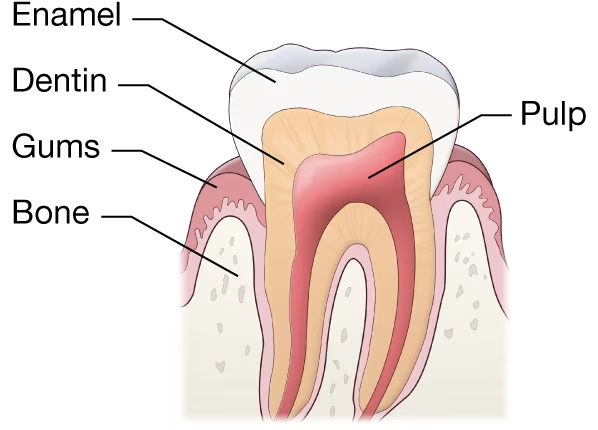
Helps Prevent Tooth Decay
As fluoride restores minerals in the surfaces of teeth, it creates a strong outer protective layer, making the teeth more resistant to acid attacks from bacteria and sugars in the mouth.
This protects the inner dentin and pulp layers, keeping teeth healthy and preventing cavity formation.
This might help: Complete Guide to Fixing a Gummy Smile: Causes and Treatment Options
Strengthens Tooth Enamel
The outermost layer of your tooth, the enamel, can wear down for several reasons including consumption of acidic drinks or aggressive brushing techniques.
When enamel wears down, tooth sensitivity often results. Fluoride helps remineralize an enamel layer that has been weakened by acids, making it more resistant to further decay and reducing tooth sensitivity.
Reverses Early Stages of Tooth Decay
Early stages of tooth decay (demineralization) can be reversed through the remineralization process aided by fluoride.
This happens when the enamel starts to lose minerals, but no visible cavity has yet formed on the tooth surface.
Reduces the Need for Costly Procedures Later
Preventive dental care is always more cost-effective than restorative treatments.
By maintaining strong, healthy teeth through regular fluoride treatments, patients can avoid needing more extensive and expensive procedures such as dental crowns, bridges, or implants in the future.
Related article: The Ultimate Guide To Seeing A Dentist In Singapore
Helps with Sensitivity
Fluoride treatments can help reduce tooth sensitivity by reinforcing enamel and protecting the underlying nerve endings that make teeth sensitive to hot, cold, or sweet stimuli.
The Topical Fluoride Treatment Procedure
The fluoride treatment process is quick, painless, and typically takes only 3-5 minutes to complete. Here’s what to expect during your appointment:
Stage 1: Pre-Application
- Routine Cleaning: A dental check-up, scaling and polishing, or airflow stain removal will usually be carried out first to ensure the teeth are clean before applying the fluoride.
Stage 2: Topical Fluoride Application
- Drying the Teeth: Your teeth will be dried before the topical fluoride is applied.
- Application Method:
- If a varnish is used: It will be directly coated over your teeth with a brush.
- If a gel is used: It will be held in a soft tray placed over all your teeth for a few minutes.
Stage 3: Post-Application Care
- After your topical fluoride application is complete, you should not eat, drink, or rinse for at least 30 minutes to enhance the protective effects on your teeth.
- Your dentist will advise you on how often you should return for future topical fluoride applications based on your individual oral health needs.
Who Should Get Fluoride Treatments?
While fluoride treatments benefit people of all ages, they are particularly recommended for:
Children
- Children with newly erupted permanent teeth (around ages 6-16) benefit greatly from fluoride treatments as their enamel is still developing and more susceptible to decay
- Studies have revealed that more than 50% of children in Singapore have one or more decayed teeth before they enter primary school
- Dentists recommend children start receiving fluoride treatment once their teeth begin to grow, typically every 3-6 months depending on the child’s risk of cavities
Related article: Pediatric Dentistry in Singapore: Complete Guide to Kids’ Dental Care
Adults at Higher Risk of Tooth Decay
- Individuals with a high sugar diet
- People with dry mouths (due to medical conditions or medications)
- People with existing cavities or dental restorations such as dental implants and dental crowns
- People undergoing orthodontic treatments, as braces can make it difficult to clean teeth thoroughly
Read more: Common Dental Problems in the Elderly: Symptoms, Prevention, and Treatment
Fluoride Treatment Recommendations
Recommended Frequency
Depending on your oral health, dental professionals typically recommend:
- For low-risk patients: Professional fluoride treatment every 6-12 months
- For high-risk patients: Treatment every 3-6 months
Daily Fluoride Intake Recommendations
- Birth to 3 years: 0.1 to 1.5 mg
- 4 to 6 years: 1 to 2.5 mg
- 7 to 10 years: 1.5 to 2.5 mg
- Adolescents and adults: 1.5 to 4 mg
For Optimal Results
In addition to professional fluoride treatments, dental professionals recommend:
- Brushing teeth three times a day with fluoride toothpaste
- Flossing daily
- Scheduling regular dental check-ups
- Maintaining a nutritious diet low in sugars and acids
Preventing Fluorosis in Children
Fluorosis is caused by excessive intake of fluoride, either by consuming supplements or swallowing too much toothpaste.
This can cause tooth discoloration and is common in children up to 8 years old when their adult teeth are developing.
To prevent fluorosis:
- Children under 3 years should use only a rice-sized amount of fluoridated toothpaste
- For children aged 3 to 6, a pea-sized amount of toothpaste is sufficient
- Caregivers should supervise a child’s teeth brushing to remind them to spit out toothpaste
- Do not use fluoride mouth rinses for young children to prevent swallowing too much fluoride
Sources of Fluoride in Daily Life
Dietary Sources of Fluoride
- Water (Singapore has a fluoridated public water supply)
- Tea and coffee
- Fruits (e.g., grapes, apples, watermelons, bananas)
- Vegetables (e.g., spinach, potatoes)
- Seafood (e.g., shrimp, crab legs)
- Baby formula
Factors That Increase Cavity Risk
To maintain optimal oral health, it’s important to avoid:
- Poor oral hygiene
- Poor diet high in sugars
- Lack of professional dental care
- Excessive drug or alcohol use
- Eating disorders
- Dry mouth conditions
Fluoride Treatment Cost in Singapore
The cost of fluoride treatment in Singapore varies depending on the specific needs of the patient and the frequency of treatment:
- Scaling and polishing: $50 – $180
- Topical fluoride application: $30 – $50
To help manage treatment expenses, many dental clinics in Singapore offer several financing options:
- Insurance coverage
- Medisave claims
- Subsidies under the Community Health Assist Scheme (CHAS) for eligible Singaporeans
Potential Risks and Side Effects
When administered by dental professionals, fluoride treatments are generally safe with minimal side effects. However, there are some considerations:
Dental Fluorosis
While fluoride is beneficial in preventing decay, excessive fluoride exposure (especially in children under the age of 6) can lead to dental fluorosis, which causes fluoride-induced tooth discoloration or white spots.
It’s important to follow your dentist’s advice regarding appropriate fluoride use for children.
Allergic Reactions
There’s a small chance of allergic reaction to fluoride, but this is extremely rare.
Fluoride Toxicity
Swallowing large amounts of fluoride can be harmful. It’s essential to avoid swallowing fluoride varnishes or gels during treatments.
Consumption of large amounts can lead to adverse effects, including fluoride poisoning, though this is uncommon with professional applications.
Efficacy of Fluoride Treatments
Multiple studies have demonstrated the effectiveness of fluoride treatments:
- According to Healthline, a study with children and adolescents reported 43% less likelihood of developing tooth decay after a year of fluoride treatment
- MedicalNewsToday cited a review that reported fluoride treatments having a significant effect in preventing cavities for both primary and permanent teeth
Frequently Asked Questions
How does fluoride treatment work?
Fluoride works by remineralizing tooth enamel, repairing early stages of tooth decay, and inhibiting the growth of harmful bacteria in the mouth. It integrates into the enamel structure, enhancing its resistance to acid attacks from plaque bacteria and sugars. This process creates a stronger outer layer of the teeth, protecting the inner layers from bacteria and reducing the risk of cavities.
Who can benefit from fluoride treatment?
Fluoride treatment is beneficial for people of all ages. Children, especially those between 6-16 years with newly erupted permanent teeth, gain significant benefits as their enamel is still developing.
Adults with a history of cavities, individuals with dry mouth conditions, people with existing dental restorations, and those with braces or other orthodontic appliances can particularly benefit from this preventive measure.
How often should I get fluoride treatments?
The frequency of fluoride treatments depends on your individual dental health needs.
For patients with low risk of cavities, treatments are typically recommended every 6-12 months during regular check-ups.
Those at higher risk of tooth decay, such as patients with braces, dry mouth, or a history of frequent cavities, may be advised to have treatments every 3-6 months.
Your dentist will determine the optimal schedule based on your specific oral health condition.
Are there any side effects of fluoride treatment?
Professional fluoride treatments are generally safe when applied by dental professionals.
The most common concern is dental fluorosis in children, which appears as white spots on the teeth due to excessive fluoride exposure during tooth development.
To prevent this, professional applications are carefully controlled, and parents should supervise young children when using fluoride toothpaste to prevent swallowing.
Allergic reactions to fluoride are extremely rare.
How long does a fluoride treatment take?
A fluoride treatment is a quick and painless procedure that usually takes only 3-5 minutes to complete.
The dentist applies fluoride gel, foam, or varnish to your teeth using a brush, tray, or specialized application method.
The entire dental visit, including cleaning and examination before the fluoride application, may take 30-60 minutes, but the fluoride treatment itself is a brief part of that appointment.
Can I eat or drink after a fluoride treatment?
After a fluoride treatment, you should avoid eating, drinking, or rinsing your mouth for at least 30 minutes.
This allows the fluoride to fully absorb into the tooth enamel and maximize its benefits.
For varnish applications, you may be advised to avoid hot beverages and crunchy or hard foods for several hours after treatment.
Your dentist will provide specific post-treatment instructions based on the type of fluoride applied.
Can fluoride treatments help with sensitivity?
Yes, fluoride treatments can help reduce tooth sensitivity. Fluoride helps to strengthen the enamel, which can decrease the sensitivity of exposed dentin and relieve discomfort caused by hot, cold, sweet, or acidic stimuli.
For patients with moderate to severe sensitivity, regular fluoride treatments combined with using desensitizing toothpaste can provide significant relief.
If sensitivity persists, consult your dentist as it could indicate other dental issues.
Is fluoride treatment covered by insurance in Singapore?
In Singapore, many dental insurance plans cover fluoride treatments, particularly for children as part of preventive dental care.
Coverage for adults may vary depending on the specific insurance policy. Additionally, Singaporeans can take advantage of government schemes like Medisave, which may cover certain dental procedures.
The Community Health Assist Scheme (CHAS) also provides subsidies for eligible Singaporeans. It’s advisable to check with your insurance provider and dental clinic about coverage options.
Can I consume fluoride in daily life?
Yes, you can obtain fluoride in your daily life through various sources. This is called systemic fluoride intake, where it directly enters your bloodstream through consumption.
Common sources include fluoridated water (Singapore has a fluoridated public water supply), certain foods like seafood, tea, and some fruits and vegetables, and fluoride supplements when prescribed by a dentist.
These sources of fluoride work alongside topical treatments to reduce the incidence of cavities and maintain dental health.
What can I not do after a fluoride treatment?
After a fluoride treatment, you should avoid:
- Eating or drinking for at least 30 minutes
- Brushing or flossing your teeth for several hours (as advised by your dentist)
- Consuming hot beverages or foods that may dissolve the fluoride coating
- Consuming highly acidic or abrasive foods that might remove the fluoride
- Smoking or using tobacco products immediately after treatment
- Consuming alcoholic beverages for several hours post-treatment
Following these guidelines ensures the fluoride has sufficient time to be absorbed into your tooth enamel for maximum benefit.
Is fluoride in drinking water safe?
Yes, fluoride in drinking water is safe as long as the concentration is maintained within recommended limits.
In Singapore, the public water supply is fluoridated as a preventive measure against tooth decay, with fluoride levels carefully monitored to ensure safety.
Community water fluoridation has been practiced for decades and is recognized by major health organizations worldwide as a safe and effective public health measure that benefits people of all ages and socioeconomic levels.
The fluoride concentration in Singapore’s water is maintained at optimal levels that provide dental benefits without posing health risks.
How much does topical fluoride treatment cost in Singapore?
In Singapore, the cost of topical fluoride treatment typically ranges from $30 to $50 per application.
This is usually in addition to the cost of a dental check-up or cleaning, which can range from $50 to $180.
The total cost may vary depending on the dental clinic, the type of fluoride application (varnish, gel, foam), and whether it’s part of a comprehensive dental package.
Some clinics may offer promotional rates or package deals that include fluoride treatments with regular check-ups and cleanings.
Do professional fluoride treatments stain teeth?
No, professional fluoride treatments do not stain teeth. The fluoride solutions used by dental professionals are specially formulated to be clear or tooth-colored and do not cause discoloration.
Some fluoride varnishes may temporarily make the teeth appear yellow or dull immediately after application, but this effect disappears after brushing once the waiting period is over.
Fluorosis (white spots on teeth) is different from staining and occurs only from excessive fluoride ingestion during tooth development, not from professional topical applications.
Is fluoride treatment necessary if I already use fluoride toothpaste?
While fluoride toothpaste provides daily low-concentration fluoride exposure, professional fluoride treatments offer significantly higher concentrations that provide enhanced protection against tooth decay.
These treatments create a stronger protective layer on the teeth that lasts for several months.
For individuals at low risk of cavities who maintain excellent oral hygiene, fluoride toothpaste may be sufficient.
However, those with a higher risk of tooth decay, history of cavities, dry mouth, or orthodontic appliances can benefit substantially from additional professional fluoride treatments despite regular use of fluoride toothpaste.
General shopping ideas, independent of this article’s advice.
Swipe to compare products →Biofinest Gummy Vitamin Supplement – Beauty Energy Sleep Metabolism Men Women Kids Probiotics Multivitamin (60 Gummies)From S$17.95Tradishot Immunity Boost Drink | Turmeric Shot (Extra Strength) | Boost Immunity Energy & Well-being [7x35mL]S$37.42Optimum Nutrition, Gold Standard, 100% Whey Protein Powder, 2lbs (907g ) / 5 lbs (2.27 kg) / 10 lbs (4.54 kg)From S$82.89Prices may vary by option. Check the final price and delivery on Shopee.