
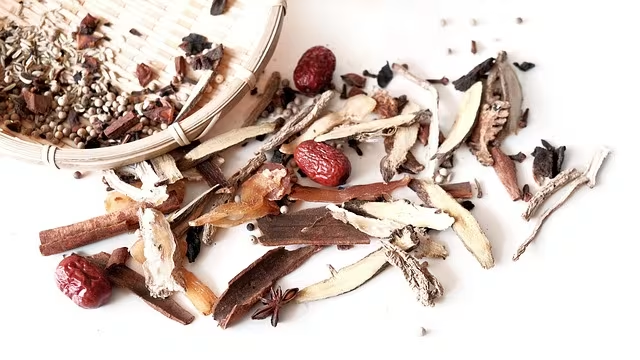
In the vibrant metropolis of Singapore, where cutting-edge technology meets ancient wisdom, Traditional Chinese Medicine (TCM) has become increasingly sought after for addressing fertility challenges.
This comprehensive guide explores how TCM approaches fertility, the scientific evidence supporting its effectiveness, and what couples in Singapore can expect when seeking TCM fertility treatments.
General shopping ideas, independent of this article’s advice.
Swipe to compare products → TCM Hair Tonic《保健堂》古方护发水 (100ml)S$98.00✨Medicated Pain Relief Plaster✨ Original TCM FormulaS$3.70Zappy Postpartum Body Wipes 20 Sheets Resealable (Ginger infused with TCM Extract)From S$26.80
Prices may vary by option. Check the final price and delivery on Shopee.
Read more: Best TCM Clinic in Singapore (Sort by Reviews)
Understanding Traditional Chinese Medicine and Fertility
The Ancient Wisdom of TCM
Dating back to the 3rd century BCE, Traditional Chinese Medicine represents one of the world’s oldest continuously practiced medical systems.
Unlike Western medicine’s focus on specific symptoms and conditions, TCM takes a holistic approach that considers the entire body as an interconnected system where balance is key to optimal health, including reproductive wellness.
At the foundation of TCM are several core concepts. Qi (气) represents the vital life energy that flows through the body, while Yin (阴) and Yang (阳) embody complementary energies—Yin being cool, moist, and feminine, while Yang is warm, dry, and masculine.
TCM also incorporates the Five Elements Theory (the interconnection of wood, fire, earth, metal, and water) and the Meridian System, which maps the pathways through which Qi flows throughout the body.
According to TCM philosophy, optimal fertility requires perfect harmony between these elements. When this balance is disrupted, fertility challenges may arise.
This might help: Best TCM Clinic in JB for Singaporeans
The TCM Perspective on Infertility
From a TCM viewpoint, fertility issues stem from imbalances in the body’s vital energies and organ systems. Three primary organs are considered essential for reproductive health:
- Kidney: Stores reproductive essence and governs development and reproduction
- Liver: Regulates the menstrual cycle and supports egg implantation
- Spleen: Influences sperm and egg quality and provides nutrition to the developing embryo
TCM practitioners identify specific patterns of disharmony that can affect fertility:
- Kidney Yin Deficiency: Often manifests as night sweats, dry vagina, insomnia, and irregular menstruation
- Liver Qi Stagnation: Typically caused by emotional stress and frustration, affecting menstrual regulation
- Spleen Qi Deficiency: Can lead to fatigue, heavy menstrual bleeding, and potential implantation failure
- Cold Womb Syndrome: Characterized by poor blood circulation to the uterus, making embryo implantation difficult
These imbalances can be caused by various factors including emotional stress, poor dietary habits, environmental influences, and modern lifestyle patterns.
Related article: TCM for Period Cramps in Singapore: How it Works
TCM Fertility Treatments Available in Singapore
These treatments are often personalized based on individual diagnosis and can be used alone or as complementary approaches alongside Western fertility treatments.
Acupuncture for Fertility Enhancement
Acupuncture involves the insertion of ultra-thin needles at specific points along the body’s meridians to restore energy flow and balance.
For fertility enhancement, acupuncture offers multiple benefits. It helps regulate menstrual cycles, enhances blood flow to reproductive organs, reduces stress and anxiety, balances hormone levels, improves ovarian function, and supports embryo implantation.
These combined effects create an optimal internal environment for conception.
For women, acupuncture treatments often target specific acupoints that regulate blood flow and hormone levels, potentially improving ovulation and relieving conditions like endometriosis and PCOS that can hinder successful embryo implantation.
For men, acupuncture focuses on addressing issues related to sperm health by targeting points associated with Liver Qi stagnation and Spleen Qi deficiency, which are often exacerbated by stress.
By alleviating oxidative stress that can damage sperm quality, acupuncture may improve the chances of successful fertilization.
Read more: Acupuncture in Singapore: Types, Benefits
Chinese Herbal Medicine

Chinese herbal formulations are prescribed based on individual diagnosis and typically address specific imbalances affecting fertility. These herbal remedies may:
- Correct hormonal imbalances
- Regulate menstrual cycles
- Improve follicle development
- Enhance sperm quality
- Nourish the uterine lining
- Support overall reproductive health
Common herbs used in fertility treatments include Dang Gui (Angelica sinensis), which enhances ovarian function by improving blood supply; Tu Si Zi (Cuscutae chinensis), which boosts egg quality; Sang Shen Zi (Fructus mori), which promotes improved egg quality; Ba Ji Tian (Morindae officinalis), which positively impacts ovulation; and Dan Shen (Salvia miltiorrhizae), which encourages blood circulation to reproductive organs.
For men, herbs like wolfberries (枸杞子) and Chinese dodder seed (菟丝子) target the Kidney and Liver function, while Codonopsis root (党参) and Astragalus (黄芪) support Spleen and Lung Qi to help develop high-quality sperm.
Moxibustion Therapy
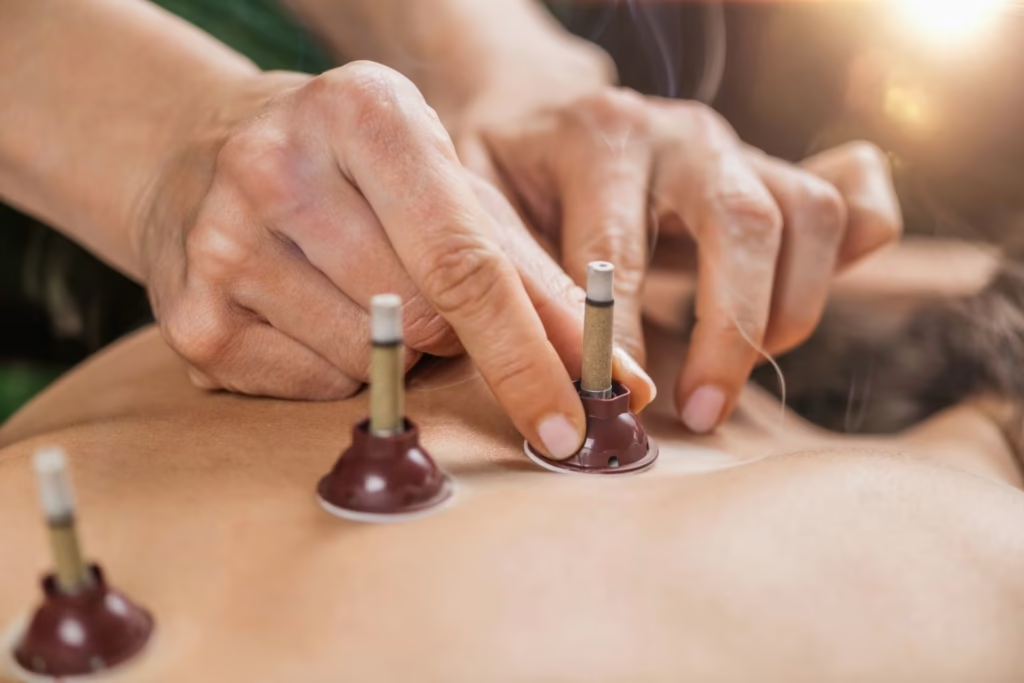
Moxibustion involves burning dried mugwort (moxa) on or near specific acupuncture points to stimulate Qi flow and warm the meridians.
This treatment is particularly beneficial for women with “Cold Womb Syndrome,” which is believed to make conception and embryo implantation difficult.
By placing burning dried mugwort on various points on the body, moxibustion stimulates Qi flow throughout the system.
This helps alleviate cold womb syndrome, regulate menstrual cycles, prepare the uterine environment for implantation, and improve blood circulation to reproductive organs.
Read more: Moxibustion in Singapore: Types, Benefits
Advanced Complementary Treatments
Many Singapore TCM clinics also offer modern complementary therapies alongside traditional treatments:
Electro-Lymphatic Therapy (ELT)
Similar to lymphatic drainage massage but without pressure, ELT helps clear stagnation in the lymphatic system.
This therapy offers numerous fertility benefits, including reduced inflammation, improved immunity, regulated stress response, relief for conditions like PCOS, enhanced circulation of reproductive hormones, and protected sperm quality through improved circulation.
Far-Infrared (FIR) Therapy
FIR therapy uses infrared rays to gently warm the body, providing therapeutic benefits that can be particularly helpful for fertility concerns.
This treatment approach is effective for alleviating Cold Womb Syndrome, detoxifying the body, improving circulation, reducing stress, and supporting better sleep quality.
The gentle warming effect helps create optimal conditions for reproductive health by addressing underlying imbalances that may affect fertility.
Cell Pro Therapy
This therapy harnesses negative ions to combat free radical damage and oxidative stress that can impact fertility in both men and women.
Cell Pro Therapy protects sperm DNA from oxidative damage, supports the female reproductive system, improves blood circulation and nutrient supply to the uterus, and reduces inflammation that could interfere with conception.
By addressing cellular-level health, this therapy aims to optimize the reproductive environment for successful conception.
Related article: Tuina Massage in Singapore: Benefits and Methods
TCM Fertility Treatment Plans in Singapore
Personalized Assessment and Diagnosis
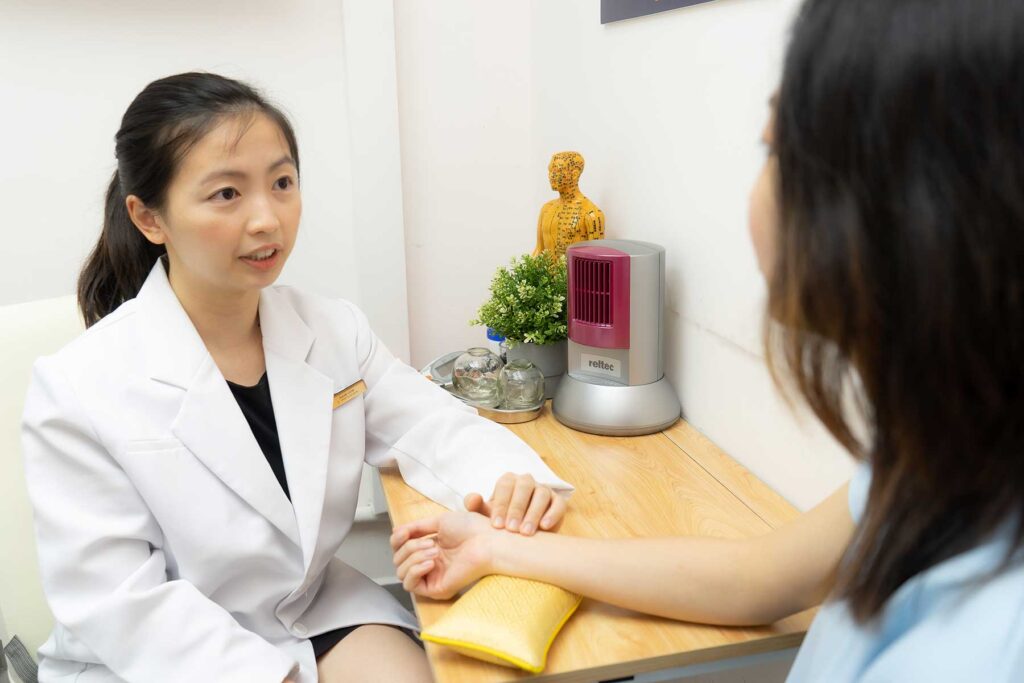
A comprehensive TCM fertility treatment plan in Singapore typically begins with a thorough assessment. During the initial consultation, a TCM physician will:
- Review medical history and fertility challenges
- Perform pulse diagnosis to detect imbalances
- Examine the tongue for additional diagnostic information
- Discuss lifestyle, diet, and emotional well-being
- Identify specific patterns of disharmony affecting fertility
Based on this assessment, the practitioner develops a customized treatment plan addressing the individual’s unique needs.
You might like: TCM for Irregular Menstruation
Treatment Duration and Timing
For optimal effectiveness, TCM fertility treatment in Singapore typically requires:
- Commitment from both partners (when applicable)
- Weekly or fortnightly treatments for at least 3-6 months
- Alignment with the woman’s menstrual cycle for timing-specific treatments
- Regular follow-ups and adjustments based on progress
For women, the timing of treatments often follows the phases of the menstrual cycle:
- Follicular phase (days 4-10): Focus on supporting follicle development
- Ovulation period: Enhancing the quality of ovulation
- Implantation window (6-10 days after ovulation): Supporting potential embryo implantation
The IVF Booster Programme
Many Singapore TCM clinics offer specialized “IVF Booster Programmes” designed to complement Western assisted reproductive technologies. These programs typically include:
- Pre-IVF treatments to prepare the body (typically beginning 3-6 months before IVF)
- Acupuncture during ovarian stimulation (once weekly to alternate days)
- Treatments to manage side effects from hormone medications
- Specific acupuncture sessions before and after embryo transfer
- Post-transfer support to enhance implantation success
Studies suggest that acupuncture can enhance IVF outcomes by:
- Improving egg quality and quantity
- Increasing endometrial thickness and quality
- Supporting embryo implantation
- Reducing stress during the IVF process
- Improving sperm quality (for male partners)
Scientific Evidence Supporting TCM for Fertility
The integration of TCM with modern fertility approaches is increasingly supported by scientific research, though results remain mixed.
A 2022 study of over 7,000 women undergoing IVF found that acupuncture improved rates of embryo implantation, pregnancies, and live births.
Research suggests the number of acupuncture treatments may influence success rates in managing female infertility.
Chinese herbs have been studied for their potential to enhance egg quality and ovarian function, and some studies indicate TCM approaches may help address unexplained infertility.
However, research results are mixed, with some studies showing no significant impact of acupuncture on IVF outcomes.
This highlights the importance of personalized treatment approaches and realistic expectations when considering TCM for fertility support.
Male and Female Fertility Issues Addressed by TCM
Female Fertility Concerns
TCM approaches can address various female fertility challenges:
- Irregular menstrual cycles: Using herbs and acupuncture to regulate hormones
- Endometriosis: Reducing inflammation and pain through balanced treatment
- PCOS (Polycystic Ovary Syndrome): Regulating hormones and addressing underlying imbalances
- Poor egg quality: Nourishing the Kidney essence and improving blood flow to ovaries
- Thin endometrial lining: Enhancing blood circulation to improve uterine lining
- Hormonal imbalances: Restoring natural balance through herbal remedies
- Stress-related fertility issues: Calming the mind and reducing impact of stress hormones
Male Fertility Concerns
For men, TCM fertility treatments focus on:
- Low sperm count: Tonifying Kidney essence and supporting production
- Poor sperm motility: Improving Qi and blood circulation
- Abnormal sperm morphology: Addressing underlying imbalances affecting development
- Erectile dysfunction: Enhancing Kidney Yang energy and blood flow
- Premature ejaculation: Balancing energy systems for better control
- Stress-related fertility issues: Supporting overall well-being and reducing oxidative stress
Choosing a TCM Fertility Clinic in Singapore
When selecting a TCM fertility clinic in Singapore, consider several important factors to ensure you receive quality care.
Look for practitioner qualifications, specifically physicians registered with the Traditional Chinese Medicine Practitioners Board (TCMPB), and choose clinics with specific expertise in reproductive health and specialization in fertility treatments.
Consider treatment facilities that offer comprehensive treatment options and integration with Western medicine, as some clinics work collaboratively with reproductive endocrinologists to provide holistic care.
While individual results vary, clinics may share their general success statistics, and patient testimonials can provide valuable insights into the clinic’s approach and effectiveness.
Initial consultations should be thorough and personalized, allowing practitioners to understand your specific fertility challenges and develop an appropriate treatment plan.
Taking time to research and evaluate these factors will help you find a clinic that aligns with your needs and treatment goals.
Preparing for Your TCM Fertility Journey
To maximize the benefits of TCM fertility treatments in Singapore, begin early—ideally 3-6 months before attempting conception or assisted reproductive procedures.
When possible, involve both partners in the treatment process. Women should monitor their basal body temperature (BBT) and menstrual cycles to help track progress.
Follow dietary recommendations provided by your practitioner, manage stress through recommended techniques, attend all scheduled treatments consistently, and maintain open communication with your TCM practitioner about any changes or Western treatments you may be undergoing.
Common TCM Fertility Treatment Approaches
Singapore TCM clinics typically address fertility through multiple complementary approaches:
Balancing Hormones
TCM treatments aim to correct hormonal imbalances and regulate menstrual cycles to ensure healthy ovulation, follicle development, and implantation potential.
Improving Circulation
Enhanced blood flow to reproductive organs promotes follicle development, supports healthy egg maturation, and nourishes the uterine lining for implantation.
Enhancing Sperm Health
Treatments focus on improving gonadal function to increase sperm production while alleviating oxidative stress that can damage sperm DNA.
Strengthening Body Constitution
Addressing underlying imbalances and deficiencies interfering with fertility (sperm quality, erectile function, etc.) while supporting overall immunity.
Providing Body and Mind Support
TCM approaches recognize the mind-body connection, offering treatments that reduce stress and anxiety while supporting immune function.
Improving Sexual Performance
Some treatments address performance issues that may impact conception chances.
Frequently Asked Questions
How does TCM view infertility differently from Western medicine?
TCM views infertility as a reflection of the body’s overall energy balance and harmony, including the Yin and Yang forces. Rather than focusing solely on reproductive organs or hormone levels,
TCM considers how imbalances in the entire body system might affect fertility. Key organs like the Kidney, Liver, and Spleen are evaluated for their role in reproductive health.
TCM practitioners look for patterns of disharmony such as Qi stagnation, blood deficiency, or excess heat or cold that may be impeding conception.
What specific TCM treatments are most effective for fertility enhancement?
The most effective TCM treatments for fertility enhancement typically include a combination of acupuncture, herbal medicine, and lifestyle modifications tailored to individual diagnoses.
Acupuncture helps regulate menstrual cycles, enhance blood flow to reproductive organs, and reduce stress.
Chinese herbal formulations address specific imbalances affecting fertility, such as nourishing Kidney essence or resolving Liver Qi stagnation.
Dietary adjustments and stress management techniques complement these treatments.
The effectiveness varies depending on individual conditions, with some people responding better to certain treatments than others.
How long should I try TCM fertility treatments before expecting results?
Most TCM practitioners recommend committing to fertility treatments for at least 3-6 months before expecting significant results. This timeframe allows for multiple menstrual cycles and gives the body time to respond to treatments. For women with irregular cycles or complex conditions, it may take longer to see improvements. In some cases, positive changes in menstrual regularity, reduced PMS symptoms, or improved energy levels may be noticed within the first few months, even before conception occurs. For couples undergoing IVF with TCM support, the timeline would align with their IVF schedule.
Can TCM fertility treatments improve egg quality?
TCM approaches may help improve egg quality by enhancing blood flow to the ovaries, reducing oxidative stress, and supporting hormonal balance.
Specific herbs like Dang Gui (Angelica sinensis) and Tu Si Zi (Cuscutae chinensis) are traditionally used to nourish the ovaries and enhance follicular development.
Acupuncture may improve ovarian function by increasing blood supply to reproductive organs. Additionally, TCM dietary recommendations focus on nutrients that support egg health.
While scientific evidence is still emerging, some studies suggest that these interventions may positively influence follicular development and potentially egg quality.
How does TCM address male fertility issues?
TCM addresses male fertility issues by focusing on improving sperm production, motility, and morphology through various treatments.
Acupuncture targets specific points related to reproductive function and reduces stress that can impair sperm production.
Herbal formulations like those containing wolfberries (枸杞子) and Chinese dodder seed (菟丝子) aim to nourish the Kidney and Liver, which TCM associates with reproductive health.
Lifestyle modifications address factors that may contribute to poor sperm quality, such as diet, alcohol consumption, and exposure to environmental toxins.
TCM also works to improve overall energy levels and reduce inflammation that might impact sperm health.
Can I combine TCM with Western fertility treatments like IVF?
Yes, TCM can be effectively combined with Western fertility treatments like IVF or IUI.
Many reproductive specialists now recognize the potential benefits of this integrative approach.
TCM treatments, particularly acupuncture, may help improve IVF outcomes by increasing blood flow to reproductive organs, reducing stress, and potentially improving egg quality and endometrial receptivity.
TCM can also help manage side effects from fertility medications. For optimal results, it’s important to inform both your reproductive endocrinologist and TCM practitioner about all treatments you’re receiving, allowing them to coordinate their approaches and avoid any potential conflicts.
What dietary recommendations do TCM practitioners typically make for fertility?
TCM dietary recommendations for fertility focus on nourishing reproductive energy while addressing individual imbalances. Generally, practitioners suggest eating warm, cooked foods and avoiding cold or raw foods that may create “cold” in the reproductive system.
Foods considered beneficial for fertility include black beans, black sesame seeds, walnuts, eggs, royal jelly, goji berries, and specific seafood.
Warming spices like ginger and cinnamon are often recommended. TCM practitioners typically advise reducing consumption of caffeine, alcohol, refined sugar, and processed foods.
Dietary guidance is personalized based on your TCM diagnosis—someone with “heat” patterns would receive different recommendations than someone with “cold” patterns.
How much do TCM fertility treatments cost in Singapore?
The cost of TCM fertility treatments in Singapore varies depending on the clinic, practitioner experience, and specific treatments required. Initial consultations typically range from SGD 80-150.
Acupuncture sessions generally cost between SGD 70-120 per session, with packages often available at reduced rates.
Herbal prescriptions may cost SGD 15-30 per day, depending on the complexity of the formula. Specialized programs like IVF support packages can range from SGD 1,500-3,000 for comprehensive treatment courses.
While not typically covered by standard insurance, some integrated healthcare plans may offer partial coverage for TCM treatments.
Many clinics offer package rates for fertility programs that include multiple treatment modalities.
What success rates do Singapore TCM clinics report for fertility treatments?
Success rates for TCM fertility treatments vary widely and depend on numerous factors including age, underlying fertility issues, treatment consistency, and whether TCM is used alone or in conjunction with Western treatments.
Most reputable Singapore TCM clinics avoid making specific success rate claims, as results are highly individualized.
Some clinics report that 30-40% of patients with unexplained infertility may conceive within 6-12 months of consistent TCM treatment.
For those using TCM alongside IVF, some studies suggest improvements in success rates by 7-15%. It’s important to have realistic expectations and to understand that TCM typically works gradually to improve overall reproductive health rather than providing quick fixes.
Are there any risks or side effects associated with TCM fertility treatments?
TCM fertility treatments are generally considered safe when administered by qualified practitioners, but they can have some risks and side effects.
Acupuncture occasionally causes minor bruising, bleeding, or soreness at needle sites, though serious complications are rare.
Herbal medicines may cause digestive discomfort, allergic reactions, or interact with Western medications. Quality and purity of herbs can vary, so obtaining them from reputable sources is essential.
Pregnant women should avoid certain herbs that may stimulate uterine contractions. The most significant risk comes from delayed seeking of appropriate medical care if serious fertility issues exist.
Always ensure your TCM practitioner is properly licensed and inform them of any medications you’re taking and any Western fertility treatments you’re undergoing.
How do I track progress during TCM fertility treatment?
Progress during TCM fertility treatment can be tracked through several indicators. For women, changes in menstrual cycle regularity, reduction in PMS symptoms, improved cervical mucus quality, and more consistent basal body temperature patterns may indicate positive responses to treatment. Regular follow-up consultations with your TCM practitioner will include pulse and tongue diagnosis to assess changes in your body’s balance. Some practitioners may recommend modern tracking methods like ovulation predictor kits or hormone testing to complement traditional assessments. For men, improvements in energy, stress levels, and sexual function may indicate progress, with sperm analysis providing objective measurements when available. Most importantly, communicate openly with your practitioner about any changes you notice, as subtle shifts can be meaningful indicators of improving fertility.
What is the role of stress management in TCM fertility treatments?
Stress management plays a crucial role in TCM fertility treatments, as emotional distress is considered a significant contributor to reproductive challenges.
TCM views emotional health as inseparable from physical health, with stress directly impacting Qi flow and organ function, particularly the Liver system which influences hormonal balance.
Acupuncture helps reduce stress hormones like cortisol while increasing endorphin production, creating a more favorable internal environment for conception.
Beyond acupuncture, TCM practitioners often incorporate breathing exercises, meditation, gentle movement practices like tai chi or qigong, and specific herbal formulations to calm the mind.
These stress management techniques are not simply supportive measures but are considered essential components of comprehensive fertility treatment within the TCM paradigm.
When is the best time to start TCM fertility treatments?
The best time to start TCM fertility treatments is ideally 3-6 months before attempting conception, whether naturally or through assisted reproductive technologies.
This timeline allows sufficient opportunity to address underlying imbalances, regulate menstrual cycles, improve egg or sperm quality, and enhance overall reproductive health.
For women with irregular cycles or specific conditions like PCOS or endometriosis, beginning treatment even earlier (6-12 months before planned conception) may be beneficial.
For couples already trying to conceive or preparing for IVF/IUI, starting TCM treatments as soon as possible can still provide benefits.
The TCM approach views fertility enhancement as a gradual process of restoring balance rather than a quick intervention, making earlier commencement more advantageous for optimal results.
Do both partners need to undergo TCM fertility treatments?
While not always necessary, having both partners undergo TCM fertility treatments is often recommended for optimal results.
Fertility involves the health of both partners, and TCM approaches recognize that male factors contribute to approximately 40-50% of fertility challenges.
Even when tests identify issues primarily in one partner, the other partner’s reproductive health can still influence conception success.
Additionally, the lifestyle of one partner (diet, stress levels, etc.) can affect the other partner’s fertility indirectly. TCM treatment for both partners allows for a more holistic approach to creating optimal conditions for conception.
That said, if one partner is reluctant or unable to participate, the other can still benefit from individualized TCM treatment.
General shopping ideas, independent of this article’s advice.
Swipe to compare products →Kidney Supplement | Thong Chai TCM |Bu Shen Yi Jing | Vital Energy & Essence Tonic– Replenish Qi, Yin-Yang Balance 补肾益精From S$58.00TCM Qi-Booster Tonic Soup《保健堂》补气养生汤S$48.00Upgraded Steam Spa Eye Mask TCM Formula | Heat pack | Heat Pad | Warmer | Sleep Mask | Eye PackS$0.35Prices may vary by option. Check the final price and delivery on Shopee.