
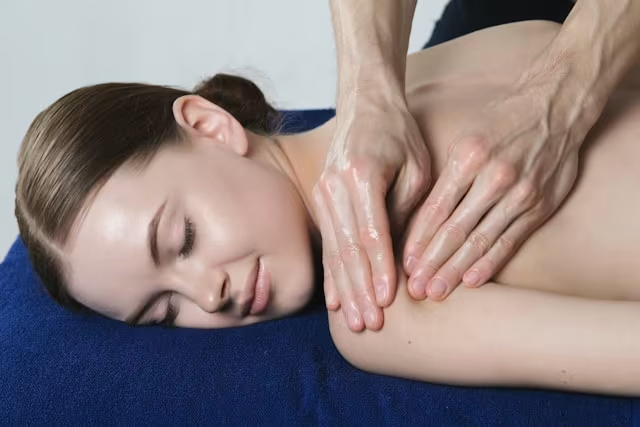
Tuina (pronounced “twee-nah”, Chinese: 推拿; pinyin: tuī ná) is an ancient therapeutic massage technique deeply rooted in Traditional Chinese Medicine (TCM).
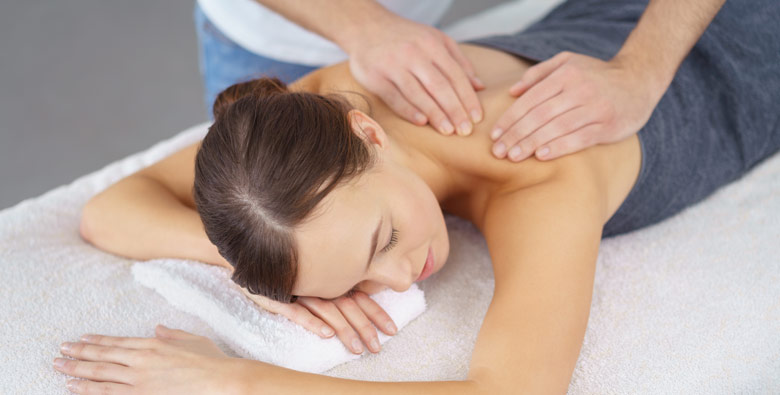
This hands-on bodywork therapy has been practiced for thousands of years as a method to restore balance and promote natural healing within the body.
General shopping ideas, independent of this article’s advice.
Swipe to compare products → TCM Hair Tonic《保健堂》古方护发水 (100ml)S$103.00✨Medicated Pain Relief Plaster✨ Original TCM FormulaS$3.70Zappy Postpartum Body Wipes 20 Sheets Resealable (Ginger infused with TCM Extract)From S$26.80
Prices may vary by option. Check the final price and delivery on Shopee.
The name itself reveals its fundamental techniques—”Tui” means “to push” and “Na” means “to lift and squeeze”—reflecting the dynamic movements practitioners use to stimulate the body’s energy pathways.
Unlike conventional Western massage techniques that primarily focus on muscle relaxation, Tuina works on a deeper level by targeting specific acupoints and meridians (energy channels) to remove blockages and restore the smooth flow of Qi (vital energy) throughout the body.
This holistic approach addresses both physical symptoms and their underlying causes, making Tuina an effective therapy for a wide range of health concerns.
In Singapore, Tuina massage has gained popularity as more people seek natural, non-invasive approaches to health and wellness.
The therapy is often practiced alongside other TCM treatments such as acupuncture, herbal medicine, and moxibustion, offering a comprehensive approach to healing and maintaining optimal health.
Read more: Best TCM Clinic in Singapore (Sort by Reviews)
Understanding the Principles of Tuina Massage
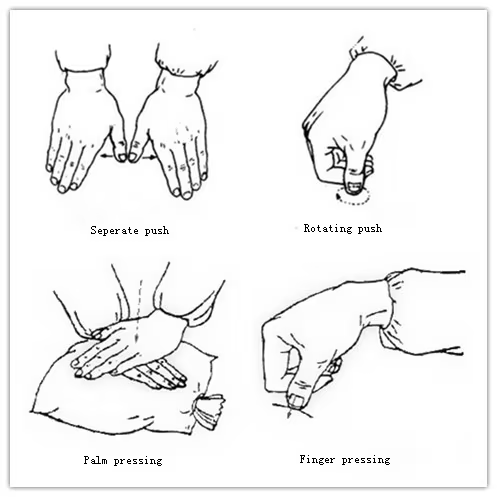
Tuina massage is founded on the fundamental TCM concept that health depends on the balanced flow of Qi through the body’s network of meridians.
When this energy flow becomes blocked or imbalanced due to factors like stress, injury, or poor lifestyle habits, various physical and emotional symptoms can manifest.
The primary goals of Tuina therapy include removing blockages in the meridians to restore proper Qi and blood circulation, correcting musculoskeletal misalignments, stimulating the body’s self-healing mechanisms, promoting deep relaxation, and strengthening the immune system for overall vitality.
Practitioners of Tuina use their hands, fingers, palms, and sometimes elbows to apply various techniques with different levels of pressure, rhythm, and intention.
The therapy can be gentle and soothing or more vigorous and stimulating, depending on the specific condition being treated and the individual’s constitution.
Read more: Best TCM Clinic in JB for Singaporeans
Specialized Techniques in Tuina Massage
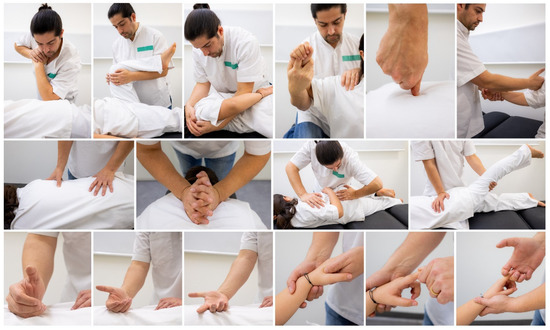
Tuina incorporates a diverse range of manipulative techniques, each with specific therapeutic applications. The eight fundamental techniques include:
- Pushing (Tui): Using the palms to push along meridians and muscle groups
- Holding (Na): Grasping and lifting muscle tissue to release tension
- Palpating (Mo): Circular rubbing movements to stimulate circulation
- Rejoining (Jie): Connecting techniques to realign joints and muscles
- Opposing (Duan): Applying pressure in opposite directions to release tension
- Lifting (Ti): Raising tissue to improve circulation and reduce adhesions
- Pressing (An): Direct pressure on acupoints to stimulate energy flow
- Kneading (Mo): Manipulating soft tissue to relieve stiffness and pain
Beyond these foundational techniques, Tuina encompasses several specialized methods for addressing specific health concerns:
Related article: Bone Setting in Singapore: Benefits and Treatment Method
The Rolling Method
This gentle approach focuses on soft tissue manipulation and is particularly effective for treating injuries and muscle sprains. Using rhythmic rolling movements, practitioners can release tension and improve flexibility in affected areas.
Bone Setting Method
This more advanced technique aims to realign the musculoskeletal system through specific manipulation procedures.
It’s especially beneficial for individuals suffering from joint injuries and nerve pain, helping to restore proper alignment and function.
One-Finger Pushing Method
Using precise acupressure techniques that target specific points, this method is primarily utilized for addressing internal ailments.
By stimulating key acupoints, practitioners can influence the function of corresponding internal organs and systems.
You might like: Acupuncture in Singapore: Types, Benefits
The Nei Gung Method
This comprehensive approach combines specialized massage techniques with exercises that generate “Nei Gong Qi” (internal energy work).
It’s particularly effective for rejuvenating depleted energy systems and addressing chronic fatigue or weakness.
Health Conditions Treated by Tuina Massage
Tuina massage is renowned for its versatility in addressing a wide spectrum of health concerns. In Singapore, people seek Tuina therapy for various conditions, including:
Musculoskeletal Issues
- Neck and shoulder stiffness or cervical spondylosis
- Frozen shoulder (adhesive capsulitis)
- Lower back pain and lumbar disc herniation
- Sciatica and lower limb discomfort
- Knee and heel pain
- Acute sprains and muscular strains
- Joint misalignments and restrictions
Read more: TCM Pediatric Massage in Singapore: Benefits and Techniques
Neurological and Stress-Related Conditions
- Headaches and migraines
- Insomnia and sleep disturbances
- Anxiety and mood imbalances
- Chronic fatigue syndrome
- Stress-related disorders
- Concentration difficulties
Rehabilitation and Recovery
- Post-stroke rehabilitation
- Recovery from sports injuries
- Support during cancer treatment recovery
- Post-surgical rehabilitation
Internal and Systemic Conditions
- Digestive disorders (bloating, indigestion)
- Respiratory issues
- Circulatory problems
- Immune system support
Read more: TCM Pain Management in Singapore: A Holistic Approach to Chronic Pain Relief
The Therapeutic Benefits of Tuina Massage
The holistic nature of Tuina massage generates a wide range of therapeutic effects that benefit both body and mind.
Scientific research supports many of these traditional benefits, showing that Tuina can significantly improve circulation, reduce chronic pain, and enhance sleep quality.
Physical Benefits
Tuina offers numerous physical benefits through its targeted approach. Enhanced blood circulation improves oxygen and nutrient delivery while removing metabolic waste products.
The therapy provides effective relief from both acute and chronic pain conditions while increasing joint flexibility and range of motion.
Many patients experience accelerated healing from injuries due to improved circulation and energy flow.
Additionally, by balancing the body’s systems and reducing stress, Tuina helps strengthen immune function and resistance to illness.
This might help: TCM Weight Management Singapore
Mental and Emotional Benefits
The therapeutic effects of Tuina extend beyond physical health to mental wellbeing.
The rhythmic, therapeutic touch triggers the relaxation response, helping to calm the nervous system and reduce stress hormones.
By addressing both physical discomfort and mental tension, many clients experience improved sleep quality and duration.
As energy flows more freely through the body, emotional balance improves, often leading to enhanced mood stability.
Many people also report greater mental clarity and focus following their Tuina sessions as physical tension dissipates.
Types of TCM Massage Therapies Available in Singapore
Singapore offers various specialized forms of Tuina massage, each designed to address specific health concerns:
1. Traditional Tuina Massage
The standard form of Tuina involves rhythmic pressing and kneading along the body’s energy pathways.
This approach is ideal for individuals experiencing chronic stiffness and general discomfort, providing relief by improving circulation and reducing muscular pain.
2. Pediatric Tuina
Specially adapted for children, pediatric Tuina employs gentle, precise techniques to address common childhood health issues such as digestive problems, colic, and sleep disruptions.
The approach ensures children receive appropriate treatment in a comfortable, reassuring manner.
3. Sports Injury Tuina
Designed specifically for athletes and active individuals, this specialized form of Tuina focuses on treating sports injuries and muscle strains.
Techniques such as gentle traction and controlled pressure help reduce pain, accelerate recovery, and restore full mobility.
4. Foot Pain and Strain Massage
This targeted therapy applies pressure to specific acupoints on the feet to relieve foot pain, enhance overall circulation, and combat stress and fatigue.
It’s particularly beneficial for individuals who spend long periods standing or walking.
5. Meridian Massage
Focusing on specific meridian pathways, this traditional technique aims to unblock energy channels, alleviate chronic pain, and support better functioning of internal organs.
Regular meridian massage can significantly improve energy levels and reduce emotional stress.
What to Expect During a Tuina Massage Session in Singapore
For those new to Tuina massage, knowing what to expect can help ensure a comfortable and beneficial experience:
Initial Consultation
Before beginning treatment, your Tuina practitioner will conduct a thorough consultation to understand your health concerns, medical history, and treatment goals.
This may include traditional diagnostic methods such as pulse examination and observation.
Preparation
Unlike many Western massage therapies, Tuina is typically performed while you remain fully clothed or with minimal exposure of the affected areas.
Comfortable, loose-fitting attire is recommended for your session.
The Treatment Process
The practitioner will use various techniques—including pushing, kneading, rolling, pressing, and rubbing—on specific areas of your body.
The pressure and intensity will be adjusted according to your condition and comfort level. Sessions typically last between 30 to 60 minutes, depending on your needs.
Post-Treatment Care
After your session, your practitioner may provide recommendations for self-care, including drinking plenty of water, avoiding cold showers for at least an hour, and specific exercises or stretches to enhance the treatment’s effects.
Follow-up Sessions
For chronic conditions, your practitioner may recommend a series of treatments to achieve optimal results. The frequency and number of sessions will depend on your specific situation and how your body responds to the therapy.
Enhancing Tuina Effectiveness with Modern Technology
While Tuina’s traditional techniques have proven effective for centuries, modern technology can enhance its therapeutic benefits.
One notable advancement in Singapore is the integration of INDIBA® RF Therapy with Tuina massage.
INDIBA uses 448kHz radiofrequency technology to generate deep thermal energy that activates cells, promotes microcirculation, reduces inflammation, and accelerates tissue repair.
When combined with Tuina massage, this technology offers several enhanced benefits:
- Deep Tissue Warming: INDIBA penetrates deeply to warm muscles and joints, increasing blood flow and making tissues more receptive to Tuina manipulations.
- Enhanced Cellular Regeneration: The radiofrequency stimulates ATP production, promoting faster cell repair and tissue recovery following Tuina treatment.
- Amplified Lymphatic Drainage: In conjunction with Tuina’s circulation-boosting effects, INDIBA accelerates the elimination of metabolic waste and reduces inflammation.
- Improved Treatment Outcomes: For chronic conditions like frozen shoulder, arthritis, and persistent back pain, the combination of Tuina and INDIBA often provides more effective and longer-lasting relief.
For optimal results, practitioners typically recommend applying INDIBA for 5-10 minutes before Tuina to prepare the tissues, followed by another 10-15 minutes after the massage to promote healing and reduce post-treatment soreness.
Who Should Consider Tuina Massage
Tuina massage can benefit a wide range of individuals. People suffering from chronic pain conditions often find significant relief through regular sessions.
Those dealing with stress-related disorders may experience both physical relaxation and mental calming effects.
Athletes appreciate Tuina for performance enhancement and faster recovery from training. Office workers experiencing tension from prolonged sitting can find relief for neck, shoulder, and back issues.
Individuals seeking natural approaches to health maintenance often incorporate Tuina into their wellness routines. With proper medical approval, those recovering from injuries or surgeries may benefit from carefully adapted Tuina techniques.
Many patients use Tuina to complement conventional medical treatments, while those experiencing sleep difficulties or fatigue often report improved rest and energy levels.
Precautions and Considerations
While Tuina massage is generally safe for most people, certain conditions require caution or contraindicate treatment.
Not Recommended For
Tuina is not advisable for individuals with acute infections or high fever, as the increased circulation may worsen these conditions.
People with fractures or severe osteoporosis should avoid Tuina until properly healed.
Those with open wounds, burns, or skin infections should wait until the skin has fully recovered. Individuals with bleeding disorders need to exercise caution, as Tuina can increase blood flow.
People with malignant tumors should only receive Tuina with explicit medical approval.
Pregnant women, especially in the first trimester, should inform their therapist and potentially seek alternative treatments.
Temporary Side Effects
Some people may experience mild, temporary reactions after Tuina massage.
These can include slight bruising in treated areas, which typically resolves within a few days. Temporary soreness or discomfort may occur, especially after deep tissue work.
Some clients report mild dizziness or lightheadedness immediately following treatment. A period of short-term fatigue might precede an overall increase in energy levels.
It’s essential to communicate openly with your practitioner about any discomfort during the session and to consult with your healthcare provider before starting Tuina if you have any underlying health conditions.
Choosing a Qualified Tuina Practitioner in Singapore
For a safe and effective Tuina experience, selecting a qualified practitioner is crucial. Consider these factors when making your choice:
Look for practitioners with formal training in TCM and Tuina from reputable institutions, as proper credentials ensure a foundation of knowledge and skill.
Experience matters—practitioners with several years in practice typically have developed refined techniques and better diagnostic abilities.
Research the practitioner’s reputation by reading reviews, seeking recommendations, and inquiring about their success with conditions similar to yours.
Visit the clinic before committing to treatment to ensure it maintains proper hygiene standards and provides a comfortable, professional atmosphere.
Effective communication is essential—choose a practitioner who listens attentively to your concerns and clearly explains their treatment approach.
The best practitioners offer personalized care, tailoring their approach to your specific needs rather than applying a one-size-fits-all treatment.
Frequently Asked Questions About Tuina Massage
What is the difference between Tuina and regular massage?
While regular massage primarily focuses on relaxing muscles and relieving tension, Tuina is a comprehensive therapeutic system based on Traditional Chinese Medicine principles.
Tuina practitioners work with the body’s meridian system to balance Qi (energy) flow, using specialized techniques that include acupressure, joint mobilization, and soft tissue manipulation.
The approach is more diagnosis-oriented and addresses both symptoms and underlying causes of health issues, whereas regular massage typically focuses more on relaxation and general muscle tension relief.
How many Tuina sessions will I need to see results?
The number of sessions required varies depending on your condition, its severity, and how long you’ve been experiencing symptoms.
For acute issues like recent sprains or mild tension, noticeable improvement may occur after just 1-3 sessions.
Chronic conditions that have persisted for months or years typically require a series of 5-10 sessions or more for substantial improvement.
Your practitioner will assess your progress regularly and adjust the treatment plan accordingly.
Many people choose to continue with maintenance sessions even after their primary concerns have been addressed to support overall wellness.
Is Tuina massage painful?
Tuina can range from gentle to quite firm, depending on the condition being treated and the specific techniques used.
Some therapeutic techniques may cause momentary discomfort, particularly when addressing chronically tight muscles or when working on acupressure points.
However, the sensation should never be overly painful or unbearable. A good practitioner will adjust the pressure based on your feedback and comfort level.
Any discomfort during treatment typically subsides quickly, and most people report feeling significantly better after the session is complete.
Can Tuina help with stress and anxiety?
Yes, Tuina massage can be very effective for managing stress and anxiety.
The treatment works by releasing physical tension stored in the body, which often accompanies psychological stress.
By restoring balanced energy flow throughout the meridian system, Tuina helps activate the parasympathetic nervous system (the “rest and digest” response), reducing stress hormones and promoting relaxation.
Many clients report feeling mentally calmer, more centered, and emotionally balanced after Tuina sessions. Regular treatments can help build resilience to stress and contribute to improved mood regulation.
Can I combine Tuina with other treatments?
Absolutely. Tuina works exceptionally well as part of an integrated approach to health and wellness. It can be effectively combined with other TCM modalities like acupuncture, herbal medicine, cupping, and moxibustion for enhanced results.
Many practitioners in Singapore offer comprehensive treatment plans that include multiple complementary therapies.
Tuina can also work alongside conventional medical treatments—many patients find that Tuina helps reduce medication side effects or accelerates healing from surgery or injury.
Always inform your Tuina practitioner about any other treatments you’re receiving to ensure they can tailor their approach appropriately.
How should I prepare for a Tuina massage session?
For the best experience, wear comfortable, loose-fitting clothing that allows the practitioner easy access to the areas being treated.
Avoid heavy meals right before your appointment, but don’t arrive hungry either—a light meal 1-2 hours before is ideal.
Stay well-hydrated before and after your session to help your body process and eliminate toxins released during treatment.
Arrive a few minutes early to complete any necessary paperwork and to mentally prepare for your session.
Be ready to communicate openly with your practitioner about your health concerns, pain levels, and comfort throughout the treatment.
Is Tuina safe for children and elderly people?
Yes, when performed by trained practitioners, Tuina is safe and beneficial for both children and elderly individuals.
For children, there is actually a specialized form called Pediatric Tuina, which uses gentler techniques specifically adapted for young bodies.
This can be effective for common childhood issues like digestive problems, sleep difficulties, and immune system support. For elderly individuals,
Tuina can help with age-related concerns such as arthritis, reduced mobility, poor circulation, and chronic pain.
The practitioner will adjust the pressure and techniques based on the age, condition, and constitution of the individual to ensure safety and effectiveness.
What should I do after a Tuina massage?
After your Tuina session, drink plenty of water to help flush toxins released during the treatment.
Avoid cold drinks and exposure to cold air or drafts for at least an hour, as the body is more susceptible to cold influences after treatment.
Try to rest and relax for the remainder of the day if possible, avoiding strenuous activity or heavy exercise. Some practitioners recommend a warm bath with Epsom salts to enhance the detoxification process and soothe any post-treatment soreness.
Follow any specific aftercare instructions provided by your practitioner, which may include gentle stretches or self-massage techniques to prolong the benefits of your treatment.
Can Tuina help with sports injuries?
Tuina is highly effective for both treating and preventing sports injuries. For acute injuries like sprains and strains, specialized Tuina techniques can reduce inflammation, alleviate pain, and accelerate healing by improving blood circulation to the affected area. For chronic sports-related conditions, Tuina can help break down scar tissue, improve range of motion, and restore proper function to injured tissues.
Athletes also benefit from preventative Tuina treatments that address muscle imbalances, release tension, and improve overall body mechanics before problems develop.
Many professional athletes in Singapore incorporate regular Tuina sessions into their training regimens to maintain peak performance and reduce injury risk.
How does Tuina massage differ from acupuncture?
While both Tuina and acupuncture are based on the same Traditional Chinese Medicine principles and work with the body’s meridian system, they differ in their approach.
Acupuncture involves inserting thin needles into specific points along the meridians to stimulate energy flow and promote healing.
Tuina, on the other hand, uses manual techniques like pressing, kneading, rolling, and stretching to achieve similar therapeutic effects without needles.
Some people who are uncomfortable with needles prefer Tuina as an alternative. In practice, these therapies are often complementary—many TCM practitioners use both acupuncture and Tuina together for enhanced results, especially when treating complex or chronic conditions.
Conclusion
Tuina massage represents a powerful bridge between ancient healing wisdom and modern wellness needs.
As more people in Singapore seek holistic approaches to health that address both physical symptoms and their underlying causes, this traditional therapy continues to gain recognition for its effectiveness and versatility.
Whether you’re struggling with chronic pain, recovering from an injury, dealing with stress-related issues, or simply seeking to maintain optimal health,
Tuina offers a natural, non-invasive approach that can complement other treatments or stand alone as a primary therapy.
By working with the body’s innate healing mechanisms and energy systems, Tuina not only addresses current health concerns but helps prevent future problems by restoring balance and proper function.
As with any therapeutic approach, the key to success lies in finding a qualified practitioner who can provide personalized treatment based on your specific needs and conditions.
With the right guidance and consistent care, Tuina massage can be an invaluable tool in your journey toward comprehensive health and wellbeing in today’s demanding world.
General shopping ideas, independent of this article’s advice.
Swipe to compare products →Kidney Supplement | Thong Chai TCM |Bu Shen Yi Jing | Vital Energy & Essence Tonic– Replenish Qi, Yin-Yang Balance 补肾益精From S$58.00TCM Qi-Booster Tonic Soup《保健堂》补气养生汤S$48.00Upgraded Steam Spa Eye Mask TCM Formula | Heat pack | Heat Pad | Warmer | Sleep Mask | Eye PackS$0.35Prices may vary by option. Check the final price and delivery on Shopee.