

Acupuncture is a fundamental treatment modality in Traditional Chinese Medicine (TCM) that has gained significant popularity in Singapore’s healthcare landscape.
This ancient healing practice involves the stimulation of specific points on or near the surface of the human body through various techniques, primarily using fine needles.
General shopping ideas, independent of this article’s advice.
Swipe to compare products → TCM Hair Tonic《保健堂》古方护发水 (100ml)S$98.00✨Medicated Pain Relief Plaster✨ Original TCM FormulaS$3.70Zappy Postpartum Body Wipes 20 Sheets Resealable (Ginger infused with TCM Extract)From S$26.80
Prices may vary by option. Check the final price and delivery on Shopee.
The core principle behind acupuncture lies in the TCM concept that energy, known as “qi” (pronounced “chee”), circulates throughout the body along specific pathways called meridians.
Each meridian connects to a particular organ system and features important stimulation points (acupoints) along its course.

When these points are stimulated through acupuncture, practitioners believe it promotes the circulation of qi and blood, regulates the function of internal organs, and balances the body’s yin and yang energies.
In Singapore, acupuncture is practiced in various settings including hospitals, TCM clinics, and integrated healthcare centers.
It has become increasingly recognized as a complementary approach to conventional medical treatments for various conditions.
Read more: Best TCM Clinic in Singapore (Sort by Reviews)
Understanding the Theoretical Foundation of Acupuncture
The Concept of Qi and Meridians
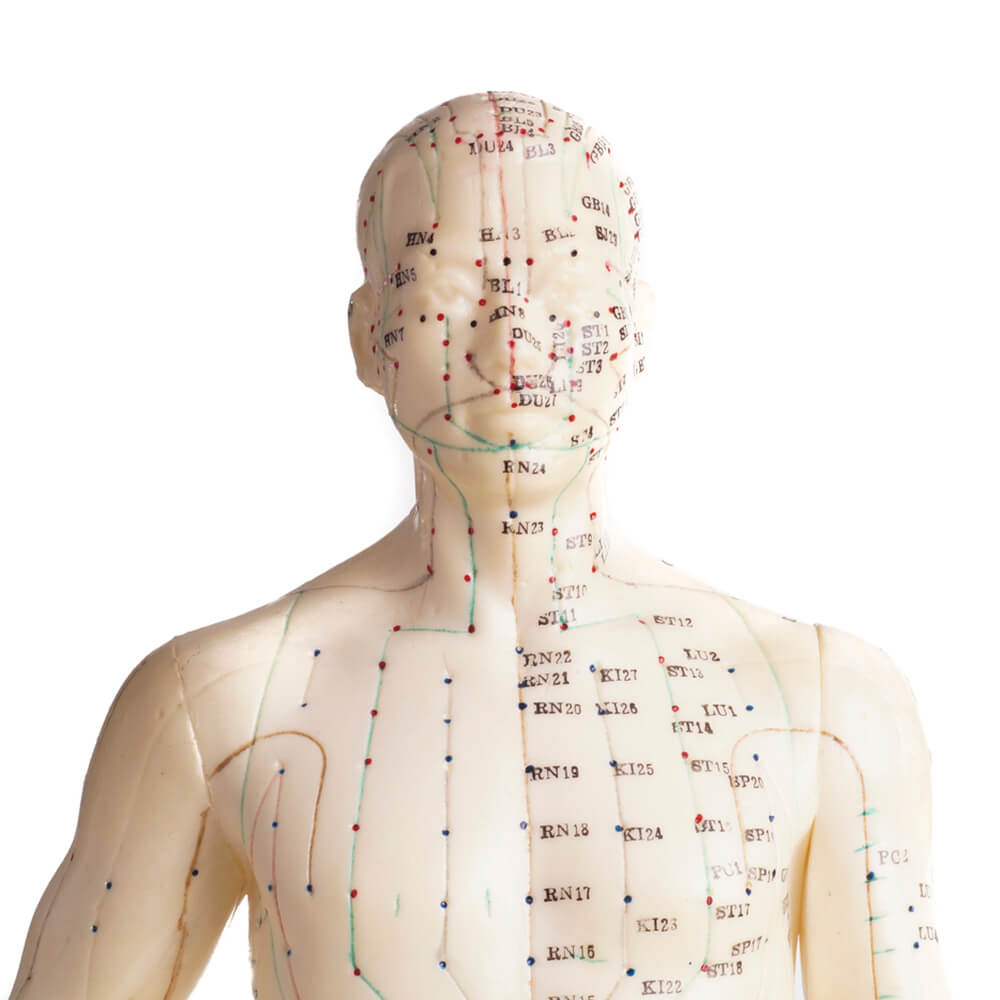
According to TCM theory, health depends on the smooth flow of qi throughout the body. When qi flows properly along the meridians, the body maintains a state of balance and wellness.
However, disruptions to this flow—caused by factors such as stress, injury, poor nutrition, or environmental influences like wind, cold, or dampness—can lead to energy imbalances that manifest as various health issues and symptoms.
Each meridian is connected to a specific organ system and has important stimulation points situated along it. In a healthy person, qi flows smoothly along these meridians, with energy well-dispersed throughout the channels.
When this energy flow becomes disrupted or imbalanced, pain or symptoms may arise.
Related article: Best TCM Clinic in JB for Singaporeans
Balance of Yin and Yang
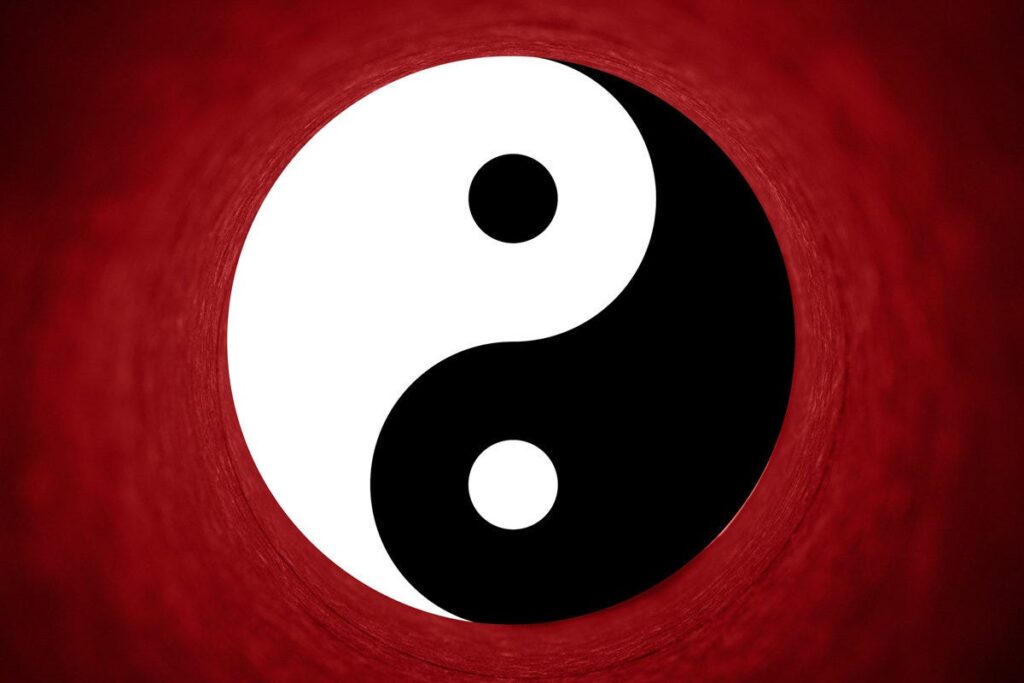
Central to TCM philosophy is the concept of yin and yang—complementary opposing forces that must remain in balance for optimal health.
Acupuncture aims to restore this balance when it becomes disrupted, addressing both the symptoms and root causes of health issues.
How Acupuncture Works: Eastern and Western Perspectives
Traditional Chinese Medicine Explanation
From a TCM perspective, acupuncture works by:
- Restoring the proper flow of qi along the meridians
- Balancing yin and yang energies within the body
- Regulating the function of internal organs (zang and fu)
- Removing blockages or stagnation in energy pathways
When acupuncture needles are inserted at specific points, they are believed to unblock and rebalance the flow of qi, allowing the body’s natural healing mechanisms to function optimally.
You might like: Cupping Therapy in Singapore: Types, Benefits
Modern Scientific Understanding
Contemporary research suggests several mechanisms through which acupuncture may exert its effects:
1. Endorphin Release and Pain Management
When acupuncture needles stimulate specific points, they activate sensory neurons that transmit signals to the brain.
This process triggers the release of endorphins—the body’s natural painkillers—from the hypothalamus and pituitary gland. These endorphins bind to opioid receptors on neurons, blocking pain signals and altering pain perception.
Additionally, acupuncture influences the release of neurotransmitters like serotonin and norepinephrine, which further help modulate pain signals and enhance analgesic effects.
Read more: TCM Pain Management in Singapore: A Holistic Approach to Chronic Pain Relief
2. Regulation of the Nervous System
Acupuncture stimulation sends signals to the brain and spinal cord, potentially influencing the central nervous system’s regulation of automatic bodily functions such as blood pressure, blood flow, and body temperature.
By enhancing neural communication pathways, acupuncture may help the body better self-regulate and maintain stability.
3. Neurotransmitter Balance
By stimulating specific acupuncture points, the practice can modulate the activity of various neurotransmitters. For example:
- Serotonin (influencing mood, sleep, and appetite) levels may increase through enhanced firing of serotonergic neurons
- GABA (gamma-aminobutyric acid) release may be enhanced, producing an inhibitory effect on neural activity that helps reduce stress and anxiety
4. Circulatory Benefits
Acupuncture needles create micro-traumas at insertion sites, prompting a healing response that includes increased local blood flow.
This enhanced circulation delivers more oxygen and nutrients to tissues while facilitating waste removal, potentially supporting faster recovery and improved cellular function.
You might like: TCM Pediatric Massage in Singapore: Benefits and Techniques
Types of Acupuncture Available in Singapore
Singapore’s acupuncture clinics offer various approaches to meet different health needs:
Traditional Acupuncture
The classic form of practice that focuses on balancing the body’s energy pathways to promote holistic healing.
Practitioners insert thin, sterile needles into specific acupoints along the meridians, sometimes manipulating them to enhance stimulation.
This approach aims to address the root causes of both physical and emotional health issues, with each treatment personalized to the individual’s unique health profile.
Electroacupuncture
This modern adaptation enhances traditional acupuncture by applying a mild electric current through the inserted needles. The controlled electrical charge intensifies stimulation at the acupuncture points and is particularly beneficial for treating:
- Deep-seated chronic conditions
- Osteoarthritis
- Various pain syndromes
- Neurological issues
The combination of electrical current and needle insertion provides comprehensive benefits for pain management and muscular relaxation.
You might be interested: Tuina Massage in Singapore: Benefits and Methods
Auricular Acupuncture
This specialized approach uses the ear as a microcosm of the entire body, with specific points corresponding to different physical and emotional aspects of health.
Practitioners insert fine needles into designated ear points, sometimes leaving small seeds from the Vaccaria plant taped to these points for extended stimulation (typically up to 7 days).
Auricular acupuncture is particularly valued for addressing:
- Stress and anxiety
- Addiction
- Pain management
The ear’s accessibility and the concentration of numerous reflex points make this approach efficient for focused therapeutic sessions.
Related article: Gua Sha in Singapore: Benefits, Techniques & Considerations
The Acupuncture Treatment Process
Before Your Treatment
To ensure the best possible experience and outcomes from acupuncture treatment in Singapore, consider these preparations:
- Maintain good personal hygiene to reduce the risk of bacterial infection
- Avoid wearing jewelry that might interfere with the treatment
- Wear loose, comfortable clothing that allows easy access to common treatment areas
- Avoid scheduling sessions when excessively fatigued, hungry, or emotionally upset
- Use the bathroom before your appointment, as sessions typically last 25-30 minutes
- Arrive with realistic expectations—some people experience immediate relief, while others may require several sessions before noticing benefits
During Your Treatment
A typical acupuncture session in Singapore involves:
- Initial Assessment: The practitioner will review your health history and examine relevant aspects such as your pulse, tongue, and areas of discomfort.
- Point Selection: Based on your specific condition and TCM diagnosis, the acupuncturist will select appropriate acupoints to target.
- Needle Insertion: Sterile, single-use needles (typically 1/4 to 1-inch deep) will be inserted at the selected points. You may experience a brief pinching sensation followed by numbness, tingling, warmth, or a dull ache—a phenomenon known as “de-qi,” which indicates the activation of qi.
- Additional Techniques: Depending on your treatment plan, the practitioner may incorporate:
- Needle manipulation to enhance stimulation
- Infrared heat lamps to introduce gentle warmth
- Electroacupuncture to provide gentle electrical stimulation
- Ear seeds for continued stimulation between sessions
- Rest Period: Once the needles are in place, you’ll rest for approximately 20-25 minutes while the treatment takes effect.
During treatment, it’s important to:
- Relax and maintain a comfortable position
- Avoid unnecessary movement
- Inform your acupuncturist immediately if you experience dizziness, nausea, cold sweat, shortness of breath, or any uncomfortable sensations
After Your Treatment
Following an acupuncture session, the practitioner will carefully remove all needles and check you for any side effects such as bleeding, swelling, or feeling faint.
You’ll remain under monitoring until confirmed ready to leave. You may notice immediate effects, while some benefits might develop over the next few days.
Benefits and Applications of Acupuncture
Acupuncture in Singapore is utilized for a wide range of health conditions:
Pain Management
Acupuncture is particularly recognized for its effectiveness in addressing various types of pain, including neck pain, low back pain, knee pain, frozen shoulder, headaches, and migraines. By stimulating the body’s natural pain-relieving mechanisms and improving blood circulation to affected areas, acupuncture offers a non-pharmacological approach to pain relief.
Neurological Conditions
Many patients seek acupuncture for neurological symptoms such as giddiness and tinnitus, headaches and migraines, and certain types of neuropathy.
Mental Health Support
Acupuncture may help address anxiety and insomnia, stress management, and emotional balance.
The practice’s influence on neurotransmitters and the nervous system may contribute to improved mood regulation and relaxation.
Respiratory Issues
Some patients find relief from chronic cough, certain allergic reactions, and recurrent respiratory infections.
Other Applications
Additional conditions for which acupuncture is sought include digestive disorders, support during cancer treatment for symptom management, fertility challenges, and general wellness and prevention.
Who Should Consider Acupuncture
Acupuncture in Singapore may be beneficial for several groups of people. Individuals with chronic pain, particularly those seeking alternatives to manage persistent discomfort when conventional treatments have provided limited relief, often find acupuncture helpful.
People experiencing stress-related issues, including those with sleep disturbances, anxiety, or tension headaches, may also benefit from treatment.
Patients seeking complementary care who want to integrate multiple approaches to address complex health concerns frequently turn to acupuncture.
Those interested in preventive health, focusing on maintaining wellness and addressing minor imbalances before they develop into significant health issues, can also find value in regular treatments.
Additionally, individuals with specific conditions, including those with IBS, fertility challenges, menopausal symptoms, or those recovering from injuries, may experience positive outcomes.
Who Should Approach with Caution or Avoid Acupuncture
While acupuncture is generally safe, certain individuals should consult their healthcare provider before seeking treatment.
Pregnant women should avoid acupuncture in the stomach area and lumbosacral region during pregnancy, as it may stimulate contractions. People with severe heart conditions should exercise caution, as the stimulation involved could potentially exacerbate certain heart issues.
Individuals with bleeding disorders or those taking blood thinners face increased risk of bleeding or bruising and should discuss treatment options carefully with their healthcare provider.
Those with compromised immune systems may have increased infection risk, though this is minimal with proper sterile techniques.
People with implanted electrical devices, such as pacemakers, should be particularly cautious when considering electroacupuncture treatments.
Finding a Qualified Acupuncturist in Singapore
To ensure safe and effective acupuncture treatment in Singapore, consider these factors when selecting a practitioner:
Qualifications and Credentials
Look for acupuncturists with a diploma or degree in Traditional Chinese Medicine (TCM), registration with the appropriate regulatory bodies in Singapore, and additional specialized training for specific conditions if relevant to your needs.
Facility Standards
Ensure the clinic maintains a clean, professional environment with proper sterilization protocols and uses single-use, disposable needles for all treatments.
Treatment Approach
Consider whether the practitioner takes time to understand your complete health history, explains the treatment plan clearly, integrates acupuncture with other appropriate TCM or conventional approaches when beneficial, and collaborates with other healthcare providers when necessary for comprehensive care.
Understanding Treatment Expectations
Treatment Course
A typical acupuncture course in Singapore consists of five to ten sessions spanning several weeks.
The ideal frequency is one to two sessions per week during the initial phase, though this varies based on individual needs and appointment availability.
Each session typically lasts about twenty-five minutes, providing sufficient time for proper needle placement and therapeutic effect.
Response Variability
Individual responses to acupuncture vary significantly from person to person. Some people notice immediate improvement after the first session, while others experience changes a day or two following treatment.
Some individuals notice delayed improvement several days after sessions, and certain patients may require multiple sessions before experiencing noticeable benefits. It’s important to understand that some people may not respond to acupuncture at all.
Complex or chronic conditions typically require more sessions before observable benefits appear. Patience and consistency with the treatment plan are essential for achieving optimal results, particularly for long-standing health issues.
Combining Acupuncture with Other Approaches
For optimal results, acupuncture in Singapore is often part of a comprehensive approach to health:
Lifestyle Modifications
Practitioners typically recommend incorporating regular physical activity appropriate to your condition, following balanced nutrition based on Traditional Chinese Medicine principles, ensuring adequate rest and stress management, and avoiding factors that may exacerbate your condition.
These lifestyle adjustments work synergistically with acupuncture treatments to enhance healing and maintain long-term health benefits.
Integrated Care
Many patients benefit from coordination between acupuncture and conventional medical care, allowing for a holistic treatment approach that addresses health concerns from multiple angles.
Combined approaches using multiple TCM modalities such as herbal medicine, cupping, or dietary therapy can enhance treatment effectiveness.
Treatment plans are gradually adjusted based on progress, ensuring that the therapeutic approach evolves with the patient’s changing needs and response to treatment.
FAQ About Acupuncture in Singapore
Are acupuncture needles sterile?
Acupuncturists in Singapore use pre-sterilized, individually packaged disposable needles for each treatment.
This single-use approach ensures there is no transmission of communicable diseases between patients. The strict adherence to these standards has made the risk of infection from professional acupuncture extremely low.
How deep do the needles penetrate?
The depth of needle penetration varies depending on several factors: the nature of your condition, the underlying anatomy of the selected acupuncture points, your body type, age, and overall constitution.
Generally, needles are inserted between 1/4 to 1-inch deep. Your acupuncturist will adjust the depth appropriately based on your individual needs and the specific points being treated.
Does acupuncture hurt?
People experience acupuncture differently. Most feel minimal discomfort as the needles are inserted, while others feel no pain at all. Once properly positioned, the needles should not cause pain.
Some people may experience sensations similar to a tingling, warmth, dull ache, numbness, or heaviness—either locally or in areas distant from the needle. These sensations, known as “de qi,” are considered normal and indicate the activation of qi flow.
If a needle causes genuine discomfort, inform your practitioner immediately so they can make adjustments.
What should I do before acupuncture treatment?
To prepare for your acupuncture session, follow these important guidelines. Maintain good personal hygiene to minimize infection risk and remove jewelry that might interfere with treatment.
Wear loose, comfortable clothing that allows easy access to treatment areas, and women should avoid one-piece dresses and tight stockings.
Plan to eat a light meal one to two hours before your appointment, avoiding arriving hungry or overly full. Avoid coming for treatment when excessively fatigued or emotionally upset, as this can affect your body’s response to the therapy.
Continue taking prescribed medications unless otherwise advised by your physician.
What should I do during acupuncture treatment?
During your acupuncture session, relax and maintain the comfortable position suggested by your practitioner.
Avoid unnecessary movement or changing your body position, breathe normally, and try to clear your mind.
Communication with your acupuncturist is important, so let them know if you experience any discomfort or unusual sensations.
Be sure to inform your practitioner if you feel pain so proper adjustments can be made to ensure your comfort and treatment effectiveness.
How many acupuncture treatments will I need?
The number of treatments varies significantly depending on your specific condition, its severity, and how long you’ve been experiencing it.
Acute conditions may respond quickly, sometimes within 2-4 sessions. Chronic conditions typically require more extended treatment, often 6-12 sessions or more.
Each course usually consists of 5-10 treatment sessions. The ideal frequency is 1-2 sessions per week during the initial phase.
Your acupuncturist will develop an individualized treatment plan and may adjust it based on your progress. Regular reassessment helps determine when to reduce frequency or conclude treatment.
What conditions can acupuncture help treat?
During your acupuncture session, relax and maintain the comfortable position suggested by your practitioner.
Avoid unnecessary movement or changing your body position, breathe normally, and try to clear your mind.
Communication with your acupuncturist is important, so let them know if you experience any discomfort or unusual sensations.
Be sure to inform your practitioner if you feel pain so proper adjustments can be made to ensure your comfort and treatment effectiveness.
Can acupuncture be combined with conventional medical treatment?
Yes, acupuncture can complement conventional medical treatments. Many healthcare facilities in Singapore now offer integrated approaches that combine Western medicine with TCM practices like acupuncture. This collaborative approach often provides more comprehensive care, particularly for complex or chronic conditions.
Always inform both your acupuncturist and conventional healthcare providers about all treatments you’re receiving to ensure safe, coordinated care. Acupuncture is generally considered an adjunctive therapy rather than a replacement for necessary conventional medical treatment.
Is facial acupuncture the same as regular acupuncture?
Facial acupuncture and regular acupuncture are distinct services with different objectives and approaches.
Regular acupuncture primarily treats chronic issues, provides pain relief, balances the body, and addresses ailments related to immunity, discomfort, and pain.
Facial acupuncture, however, focuses specifically on rejuvenating facial skin and promoting anti-aging effects.
While traditional facial treatments include exfoliation, cleansing, or masks, facial acupuncture uses fine needles at specific facial points to stimulate blood flow and potentially enhance collagen production.
This approach aims to improve skin appearance by addressing underlying imbalances according to TCM principles rather than through topical treatments.
Why do acupuncturists examine my tongue?
Tongue examination is a critical diagnostic tool in TCM. Acupuncturists carefully observe the color, texture, coating, and shape of your tongue as these characteristics provide valuable insights into your internal health status.
The tongue is considered a map of the body’s internal organs, and changes in specific areas may indicate imbalances in corresponding organs or systems.
For example, a pale tongue might suggest blood deficiency, while a red tongue could indicate heat patterns. Tongue coating thickness, color, and distribution offer clues about digestive function and potential pathogenic factors.
This examination, combined with pulse diagnosis and your health history, helps the acupuncturist develop a personalized treatment plan addressing your specific pattern of disharmony.
What are the potential side effects of acupuncture?
When performed by qualified practitioners using sterile, single-use needles, acupuncture has minimal risks. Common minor side effects include:
- Soreness or slight bruising at needle sites
- Minor bleeding when needles are removed
- Temporary fatigue following treatment
- Lightheadedness (particularly during first sessions)
These effects typically resolve quickly without intervention. Serious complications are extremely rare when treatment is provided by trained professionals following proper protocols. If you experience unusual or persistent effects following treatment, contact your acupuncturist or healthcare provider.
Who regulates acupuncture practice in Singapore?
In Singapore, acupuncture practice is regulated to ensure public safety and treatment quality. Practitioners must meet specific educational requirements, typically a diploma or degree in Traditional Chinese Medicine (TCM).
Regulatory oversight helps maintain professional standards and provides consumers with confidence in their treatment providers.
Is acupuncture covered by insurance in Singapore?
Coverage for acupuncture varies among insurance providers in Singapore. Some integrated shield plans and private health insurance policies include acupuncture when performed by registered practitioners for specific conditions.
Check with your insurance provider regarding your specific policy coverage. Some employers also include TCM treatments in their employee benefits packages. Always confirm coverage details before beginning treatment.
Conclusion
Acupuncture represents a valuable component of Singapore’s diverse healthcare landscape, offering a holistic approach to addressing various health concerns.
Whether sought as a primary intervention or as complementary care alongside conventional treatment, acupuncture’s long history and growing research base continue to support its role in contemporary health management.
For those considering acupuncture in Singapore, finding a qualified practitioner and approaching treatment with realistic expectations are key to a positive experience.
The individualized nature of acupuncture means that treatment plans are tailored to each person’s unique constitution and health needs, potentially offering benefits beyond symptom management to support overall wellness and balance.
General shopping ideas, independent of this article’s advice.
Swipe to compare products →Kidney Supplement | Thong Chai TCM |Bu Shen Yi Jing | Vital Energy & Essence Tonic– Replenish Qi, Yin-Yang Balance 补肾益精From S$58.00TCM Qi-Booster Tonic Soup《保健堂》补气养生汤S$48.00Upgraded Steam Spa Eye Mask TCM Formula | Heat pack | Heat Pad | Warmer | Sleep Mask | Eye PackS$0.35Prices may vary by option. Check the final price and delivery on Shopee.