

Menstrual cramps affect more than 80% of women worldwide, with approximately 20% experiencing pain severe enough to disrupt their daily activities.
In Singapore, Traditional Chinese Medicine (TCM) has emerged as an increasingly popular and effective approach to managing period cramps, offering natural alternatives that address root causes rather than merely masking symptoms.
This comprehensive guide explores how TCM practitioners in Singapore approach menstrual pain, the various treatment options available, expected costs, and what you can expect from your treatment journey.
General shopping ideas, independent of this article’s advice.
Swipe to compare products → TCM Hair Tonic《保健堂》古方护发水 (100ml)S$98.00✨Medicated Pain Relief Plaster✨ Original TCM FormulaS$3.70Zappy Postpartum Body Wipes 20 Sheets Resealable (Ginger infused with TCM Extract)From S$26.80
Prices may vary by option. Check the final price and delivery on Shopee.
This might help: Best TCM Clinic in Singapore (Sort by Reviews)
Understanding Menstrual Cramps: The Medical Foundation
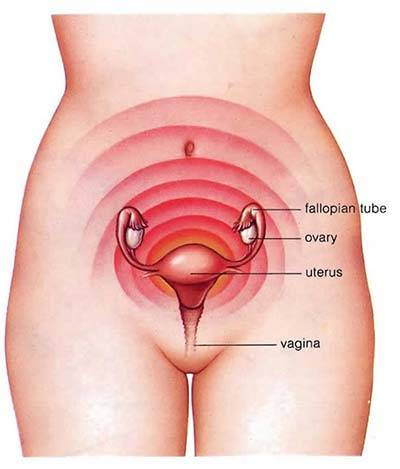
Menstrual cramps, medically known as dysmenorrhea, occur when the muscular walls of the uterus contract vigorously during menstruation to shed the uterine lining.
These contractions compress blood vessels, temporarily blocking blood and oxygen supply to the uterus, which triggers the release of pain-inducing chemicals called prostaglandins.
The intensity of menstrual cramps varies significantly among women, with symptoms including:
- Sharp stabbing sensations in the lower abdomen
- Dull, persistent aching in the pelvic region
- Intense cramping that radiates to the lower back
- Pain extending to the hips and inner thighs
- Pressure sensations in the abdominal area
- Associated symptoms like nausea, headaches, and fatigue
This might be helpful: Best TCM Clinic in JB for Singaporeans
Primary vs Secondary Dysmenorrhea
Healthcare professionals classify menstrual cramps into two distinct categories:
Primary dysmenorrhea represents the common monthly menstrual cramps experienced by most women without underlying medical conditions.
This type typically affects younger women and may diminish with age. The pain usually lasts between 12 to 72 hours and may be accompanied by nausea, dizziness, fatigue, or diarrhea.
Secondary dysmenorrhea results from underlying medical conditions and often presents more severe pain that can occur outside the menstrual period.
Common causes include endometriosis, adenomyosis, pelvic inflammatory disease, cervical stenosis, and uterine fibroids. This type typically requires more comprehensive treatment approaches.
You might be interested: TCM Fertility Treatments in Singapore
The TCM Perspective on Menstrual Cramps
Traditional Chinese Medicine views menstrual cramps through a fundamentally different lens than Western medicine.
Rather than focusing solely on prostaglandins and uterine contractions, TCM considers menstrual pain as a manifestation of imbalances in the body’s vital energy (Qi) and blood circulation.
According to TCM philosophy, the body maintains health through the harmonious balance of Yin and Yang energies.
When this balance becomes disrupted, various health issues, including menstrual cramps, can arise. TCM identifies several primary patterns that contribute to period pain.
The Three Root Causes in TCM
Liver Qi Stagnation represents one of the most common patterns associated with menstrual cramps in TCM. The liver system governs the smooth flow of Qi and blood throughout the body, particularly to the reproductive organs.
When liver Qi becomes stagnant due to emotional stress, lifestyle factors, or constitutional weaknesses, it can cause sharp, stabbing pain that often spreads from the lower abdomen to the waist and back.
This type of pain typically improves when small blood clots are expelled during menstruation.
Cold Accumulation occurs when excessive consumption of cold foods and beverages, exposure to cold environments, or constitutional weakness allows cold energy to accumulate in the body.
This cold energy obstructs the normal flow of Qi to the uterus, creating blood stasis and intensifying uterine muscle contractions.
You might like: TCM for Irregular Menstruation
Women experiencing cold accumulation often feel better with warmth and may notice darker menstrual blood with clots.
Qi and Blood Deficiency affects women with weaker constitutions, those recovering from major illnesses, or individuals who have experienced significant blood loss.
When the body lacks sufficient Qi and blood to nourish the uterus properly, it results in dull, aching pain that typically occurs before or during menstruation.
This pattern often accompanies fatigue, pale complexion, and lighter menstrual flow.
The Role of Key Organ Systems
TCM recognizes several organ systems that play crucial roles in menstrual health:
The Kidney system governs reproductive function and provides the fundamental energy needed for healthy menstruation.
Kidney deficiency can lead to irregular periods, painful cramping, and reproductive health issues.
The Spleen system manages digestion and the production of Qi and blood from food.
When spleen function becomes compromised through irregular eating habits or excessive cold food consumption, it can result in insufficient nourishment for the reproductive organs.
The Chong and Ren meridians serve as the primary channels responsible for regulating menstruation and nourishing the reproductive system.
When these meridians receive inadequate nourishment due to Qi and blood deficiencies, menstrual irregularities and pain can occur.
Related article: TCM Pain Management in Singapore: A Holistic Approach to Chronic Pain Relief
TCM Treatment Approaches in Singapore
Singapore’s TCM practitioners employ various traditional and modern therapeutic approaches to address menstrual cramps effectively.
These treatments focus on restoring balance, improving circulation, and strengthening the body’s natural healing abilities.
Acupuncture Treatment
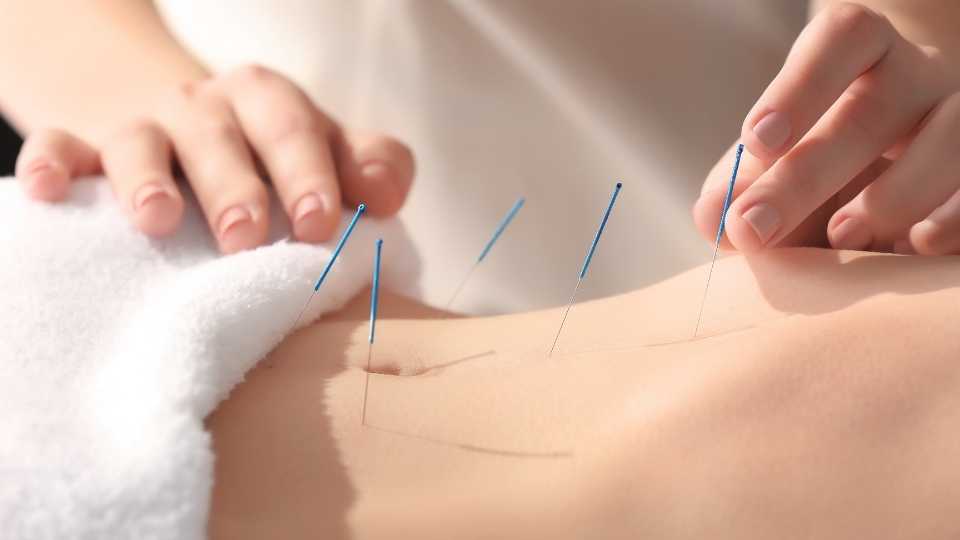
Acupuncture forms the cornerstone of TCM treatment for menstrual cramps in Singapore.
This ancient practice involves inserting thin, sterile needles into specific acupuncture points (acupoints) to regulate Qi flow and restore balance to the body’s energy systems.
For menstrual cramps, acupuncturists typically target points that correspond to the liver, kidney, spleen, and the Chong and Ren meridians.
The most commonly used acupoint for period pain is Spleen 6 (Sanyinjiao), located on the inner leg just above the ankle. This point effectively helps regulate menstrual cycles and alleviate cramping.
Treatment protocols usually begin 5-7 days before menstruation starts, with sessions lasting approximately 20-30 minutes. Most practitioners recommend a treatment course of 2-4 months, with weekly maintenance sessions to support regular menstrual cycles.
Read more: Acupuncture in Singapore: Types, Benefits
Moxibustion Therapy
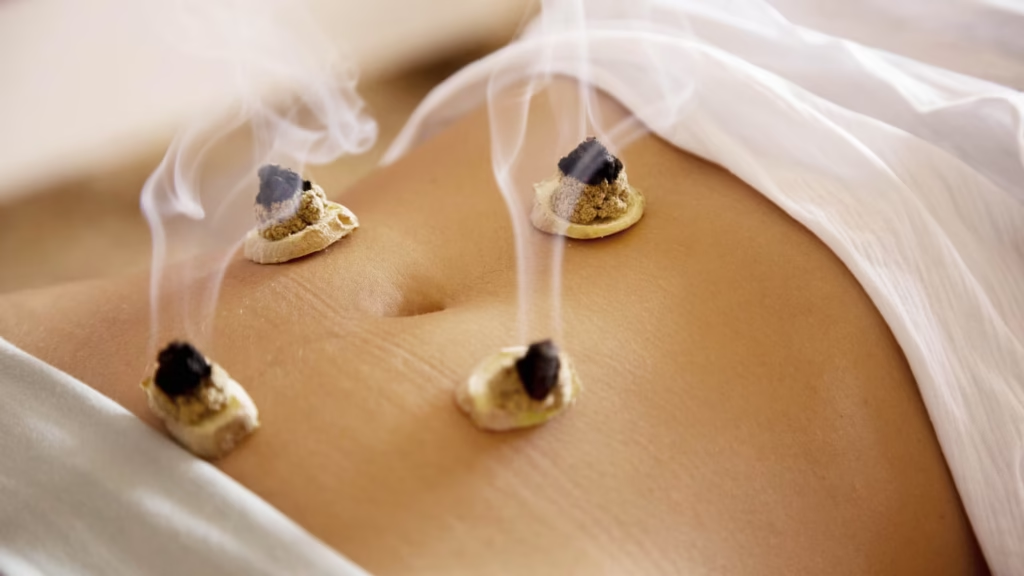
Moxibustion, known as “moxa” treatment, involves burning dried mugwort (Artemisia vulgaris) near specific acupoints to generate therapeutic heat.
This traditional technique helps warm and invigorate blood circulation, stimulate Qi flow, strengthen kidney yang energy, and dispel cold accumulation.
During moxibustion treatment, practitioners light moxa sticks shaped like cigars and hold them approximately 3 centimeters above selected acupoints, allowing the warmth to penetrate the body.
Each session typically lasts 20-30 minutes, with a complete treatment course comprising about 12 sessions.
Moxibustion proves particularly effective for women whose menstrual cramps stem from cold accumulation patterns, offering gentle warmth that helps dissolve stagnation and improve circulation.
Read more: Moxibustion in Singapore: Types, Benefits
Chinese Herbal Medicine
TCM practitioners in Singapore often prescribe customized herbal formulations to address the specific patterns contributing to each individual’s menstrual cramps.
These carefully crafted combinations work to improve Qi and blood flow, nourish organ systems, and address underlying imbalances.
Common herbs used for menstrual health include:
Angelica sinensis (Dang Gui) serves as both a blood mover and blood nourisher, helping to circulate blood flow throughout the body while preventing blood stagnation.
This herb is often called the “female ginseng” due to its powerful effects on women’s reproductive health.
Ginger functions as a warming herb that helps expel cold energy from the body, making it particularly beneficial for women experiencing cold-type menstrual cramps.
Safflower increases blood circulation and helps clear blockages in the reproductive organs, promoting smoother menstrual flow.
Sichuan Lovage Rhizome (Chuan Xiong) assists with blood flow and circulation throughout the body, helping to reduce stagnation-related pain.
Fennel acts as a warming herb that can help relieve pain caused by cold energy accumulation in the body.
Modern TCM Innovations
Progressive TCM clinics in Singapore have begun incorporating technology-enhanced treatments alongside traditional methods:
Electro-Lymphatic Therapy (ELT) represents a non-invasive therapeutic approach that promotes lymphatic flow and drainage, encouraging better blood circulation throughout the body.
For women with conditions like endometriosis or uterine fibroids that cause inflammation and menstrual cramps, ELT can effectively reduce inflammation and alleviate discomfort.
Negative Ion Therapy utilizes negatively charged ions to promote wellness by improving cell metabolism and rejuvenation, resulting in healthier red blood cells.
This therapy addresses blood deficiency patterns while promoting circulation to reduce menstrual cramping.
Self-Care Techniques and Pressure Point Massage
In addition to professional treatments, TCM offers several self-care techniques that women can practice at home to manage menstrual cramps:
Key Acupressure Points
Large Intestine 4 (Hegu) is located in the tender spot between the thumb and index finger.
Massaging this point for 60-90 seconds can help relieve pain and promote overall well-being.
Liver 3 (Taichong) can be found in the tender webbing between the knuckles of the big toe and second toe.
Stimulating this point helps move stagnant Qi and reduce cramping associated with liver Qi stagnation.
Spleen 6 (Sanyinjiao) is positioned on the inside of the leg just above the ankle.
This versatile point helps relieve period cramps while supporting overall reproductive health.
Lifestyle Recommendations
TCM emphasizes the importance of lifestyle modifications to prevent and manage menstrual cramps:
- Dietary Adjustments: Avoid cold and raw foods, particularly ice cream, cold beverages, sushi, and salads, which can worsen cold accumulation and cramping
- Warming Foods: Focus on warm, cooked foods that support digestive function and Qi production
- Nourishing Grains: Consume grains, cereals, and tubers such as brown rice, whole wheat bread, and potatoes to strengthen blood and Qi production
- Body Warmth: Keep the belly and feet warm to prevent cold energy from entering the body and disrupting circulation
- Sleep Hygiene: Wear socks to bed and use heating pads for significant relief during menstruation
- Gentle Exercise: Engage in regular, gentle activities such as yoga, tai chi, or walking to improve Qi flow and prevent stagnation
Treatment Expectations and Timeline
When beginning TCM treatment for menstrual cramps in Singapore, patients should understand the typical treatment process and expected outcomes.
Initial Assessment
Your first visit to a TCM practitioner will involve a comprehensive assessment of your overall health and menstrual history.
The practitioner will examine your tongue, check your pulse, and ask detailed questions about your symptoms, lifestyle, diet, and emotional state.
Keeping a menstrual diary tracking your cycles, symptoms, and pain levels can provide valuable information for creating an effective treatment plan.
Treatment Duration and Frequency
Most TCM practitioners recommend beginning treatment 5-7 days before menstruation starts for optimal results.
A typical treatment course lasts 2-4 months, allowing time for the body to rebalance and establish healthier patterns.
Weekly treatments during the initial phase help maintain consistent therapeutic effects, with many practitioners suggesting ongoing monthly maintenance sessions once symptoms improve.
What to Expect During Treatment
Acupuncture sessions typically last 20-30 minutes, during which patients lie comfortably while needles remain in place.
Most people find the experience relaxing, with many falling asleep during treatment. The needles used are extremely thin, causing minimal discomfort during insertion.
Moxibustion treatments create a pleasant warming sensation as the moxa burns near acupoints.
The smoke produced has a distinctive herbal aroma that most patients find soothing.
Costs and Insurance Coverage in Singapore
Understanding the financial aspects of TCM treatment helps patients plan their healthcare budget effectively.
Treatment Costs
Acupuncture treatments in Singapore typically range from $50 to $75 per session, depending on the clinic location and practitioner experience.
Moxibustion treatments generally cost between $60 and $80 per session.
Herbal medicine prescriptions vary significantly based on the specific herbs prescribed and treatment duration, with monthly costs ranging from $100 to $300.
Insurance and Medisave Coverage
Unfortunately, outpatient TCM treatments are not covered under Singapore’s Medisave system.
However, many private health insurance plans now include TCM coverage, so patients should check with their insurance providers before beginning treatment.
Some TCM clinics offer payment plans or package deals for multiple sessions, making treatment more affordable for those requiring extended care.
Potential Side Effects and Safety Considerations
TCM treatments for menstrual cramps are generally safe when performed by qualified practitioners, but patients should be aware of potential side effects.
Acupuncture Side Effects
Common side effects include minor bleeding, soreness, or bruising at needle insertion sites. Some patients may experience temporary dizziness or fainting, particularly during their first treatment session.
Moxibustion Side Effects
Mild skin reactions, dermatitis, or localized pain and bruising may occur following moxibustion treatment.
These effects typically resolve within a few days.
When to Seek Immediate Care
If side effects worsen or persist beyond a few days, patients should contact their TCM practitioner immediately.
Additionally, women should seek medical attention if menstrual cramps suddenly become severe or are accompanied by fever, heavy bleeding, or other concerning symptoms.
When to Consider TCM Treatment
Several situations indicate that TCM treatment might be beneficial for managing menstrual cramps:
- Severe Pain: When menstrual pain interferes with daily activities, work, or school performance
- Medication Limitations: For those who haven’t found adequate relief from conventional pain medications
- Natural Preference: Women who prefer holistic, natural treatment approaches over pharmaceutical options
- Preventive Care: Even those with mild symptoms can benefit from maintaining regular cycles and improving reproductive health
- Irregular Patterns: Experiencing very heavy or light periods, irregular timing, or pain outside of menstruation
- Associated Symptoms: When cramps are accompanied by severe mood changes, digestive issues, or other concerning symptoms
- Chronic Conditions: Women with underlying reproductive health conditions seeking complementary treatment approaches
Post-Treatment Care Guidelines
Following TCM treatment sessions, patients should observe certain guidelines to maximize therapeutic benefits:
- Rest and Recovery: Get adequate rest and maintain proper hydration to support the body’s healing process
- Activity Restrictions: Avoid strenuous exercise or demanding activities for the remainder of the treatment day
- Dietary Considerations: Refrain from smoking, alcohol consumption, and cold foods or beverages for at least 12 hours post-treatment
- Moxibustion-Specific Care: After moxibustion treatment, avoid showering for 12 hours and minimize exposure to air conditioning or fans
- Environmental Awareness: Protect yourself from wind and cold environments that can counteract warming treatments
Integrating TCM with Conventional Medicine
Many women in Singapore successfully combine TCM treatments with conventional medical care for comprehensive menstrual health management.
This integrative approach can provide both immediate symptom relief and long-term healing.
Women taking hormonal contraceptives, pain medications, or other treatments should inform their TCM practitioner about all medications and supplements.
Most TCM treatments can safely complement conventional therapies, though timing and dosages may need adjustment.
For women with secondary dysmenorrhea caused by conditions like endometriosis or fibroids, regular monitoring by gynecologists alongside TCM treatment ensures comprehensive care and early detection of any changes in underlying conditions.
Choosing the Right TCM Practitioner in Singapore
Selecting a qualified and experienced TCM practitioner is crucial for achieving optimal treatment results:
Professional Credentials: Look for practitioners registered with the TCM Practitioners Board (TCMPB) in Singapore
Specialization: Seek practitioners with specific experience treating women’s health issues and gynecological conditions
Clinic Reputation: Choose established TCM clinics offering specialized women’s health programs
Additional Training: Consider practitioners with extra qualifications in reproductive health and menstrual disorders
Patient Reviews: Read testimonials and ask for referrals from friends or healthcare providers
Communication Style: Ensure the practitioner takes time to explain diagnoses and treatment plans thoroughly
Comfort Level: Feel confident asking questions about experience, approach, and expected outcomes during consultations
The Future of TCM for Menstrual Health in Singapore
As healthcare in Singapore continues to evolve toward more integrative approaches, TCM treatment for menstrual cramps is gaining increased recognition and acceptance.
Research supporting the effectiveness of acupuncture and other TCM modalities for women’s health continues to grow, providing evidence-based support for these traditional practices.
Technology integration within TCM practice is expanding, with some clinics incorporating diagnostic tools, treatment monitoring systems, and patient education resources to enhance traditional care methods.
Government initiatives supporting traditional medicine research and practice development suggest continued growth and innovation in Singapore’s TCM sector, potentially leading to improved accessibility and insurance coverage in the future.
Frequently Asked Questions
How effective is TCM treatment for period cramps compared to conventional medicine?
Research shows that TCM treatments, particularly acupuncture, can reduce menstrual cramp intensity and duration by up to 50%.
Unlike conventional pain medications that provide temporary symptom relief, TCM addresses underlying imbalances that contribute to menstrual pain, often resulting in long-term improvement.
Many women find TCM most effective when used consistently over several menstrual cycles, allowing the body time to rebalance and establish healthier patterns.
How long does it take to see results from TCM treatment for menstrual cramps?
Most women begin noticing improvements within 2-3 treatment sessions, though significant changes typically occur after completing a full treatment course of 2-4 months.
Some patients experience immediate relief following their first acupuncture session, while others may need several treatments before experiencing noticeable changes.
The timeline varies depending on individual constitution, severity of symptoms, and underlying patterns contributing to the menstrual cramps.
Can I continue taking pain medications while receiving TCM treatment?
Yes, most pain medications can be safely combined with TCM treatments, though you should inform your TCM practitioner about all medications you are taking.
Many women find they can gradually reduce their reliance on pain medications as TCM treatments begin to provide relief.
However, never discontinue prescribed medications without consulting your healthcare provider, and always coordinate care between your TCM practitioner and primary care physician.
Are there any foods I should avoid during TCM treatment for period cramps?
TCM emphasizes avoiding cold and raw foods, particularly during menstruation and treatment periods.
This includes ice cream, cold beverages, sushi, salads, and foods that are considered “cooling” in nature such as citrus fruits, watermelon, and cucumber.
Instead, focus on warm, cooked foods like soups, stews, herbal teas, and ginger-based dishes that support digestive function and promote circulation.
What should I expect during my first TCM consultation for menstrual cramps?
Your first consultation will typically last 60-90 minutes and include a comprehensive health assessment.
The practitioner will examine your tongue, check your pulse from multiple positions, and ask detailed questions about your menstrual history, symptoms, lifestyle, diet, sleep patterns, and emotional well-being.
Bring a record of your recent menstrual cycles, including timing, flow, and associated symptoms.
The practitioner will then explain their diagnosis according to TCM principles and recommend a personalized treatment plan.
Can TCM help with severe menstrual conditions like endometriosis or PCOS?
TCM can be beneficial as a complementary treatment for complex reproductive health conditions, though these typically require integrated care with conventional medicine.
For conditions like endometriosis, adenomyosis, or PCOS, TCM treatments can help manage symptoms, reduce inflammation, and support overall reproductive health.
However, regular monitoring by a gynecologist remains essential for these conditions, and some cases may require surgical or hormonal interventions alongside TCM care.
Is it safe to receive acupuncture during menstruation?
Yes, receiving acupuncture during menstruation is generally safe and can actually be beneficial for managing menstrual symptoms.
Many TCM practitioners prefer to treat patients during their period as it provides valuable diagnostic information about their condition.
However, some practitioners may adjust needle placement or avoid certain points during heavy flow days. Always inform your practitioner about your menstrual status before treatment.
How do I know if my period cramps are severe enough to require professional treatment?
You should consider professional TCM treatment if your menstrual cramps interfere with daily activities, work, or school; require frequent pain medication use; are accompanied by very heavy bleeding, severe mood changes, or digestive issues; occur outside of your menstrual period; or have worsened over time.
Even mild cramps can benefit from TCM treatment for overall reproductive health maintenance and prevention of more severe symptoms.
Can teenagers receive TCM treatment for menstrual cramps?
Yes, TCM treatment is safe and effective for teenagers experiencing menstrual cramps. In fact, addressing menstrual health issues early can help establish healthy patterns and prevent more severe problems in adulthood.
Teenage patients may require gentler treatment approaches and shorter session durations.
Parent or guardian consent is typically required for minors, and practitioners often provide education about menstrual health and self-care techniques.
What is the difference between moxibustion and acupuncture for treating period cramps?
Acupuncture uses thin needles inserted into specific points to regulate Qi flow and can address various patterns of menstrual cramps.
Moxibustion uses burning mugwort to generate therapeutic heat and is particularly effective for cramps caused by cold accumulation patterns.
Many practitioners combine both techniques for comprehensive treatment, using acupuncture to regulate energy flow and moxibustion to warm and strengthen the reproductive system.
The choice depends on your specific TCM diagnosis and individual constitution.
How can I maintain the benefits of TCM treatment between sessions?
Maintain treatment benefits by following dietary recommendations, practicing regular self-massage on recommended acupoints, keeping your feet and abdomen warm, engaging in gentle exercise like yoga or walking, managing stress through meditation or relaxation techniques, and maintaining regular sleep schedules.
Many practitioners provide take-home herbal teas or recommend specific lifestyle modifications to support treatment outcomes between sessions.
Are there any contraindications for TCM treatment of menstrual cramps?
TCM treatment is contraindicated in certain situations including active infections or fever, pregnancy (some acupoints and herbs are contraindicated), bleeding disorders or anticoagulant medication use, and certain skin conditions at needle insertion sites.
Women with pacemakers should avoid electrical stimulation during acupuncture.
Always provide complete medical history to your TCM practitioner, including all medications, supplements, and health conditions before beginning treatment.
General shopping ideas, independent of this article’s advice.
Swipe to compare products →Kidney Supplement | Thong Chai TCM |Bu Shen Yi Jing | Vital Energy & Essence Tonic– Replenish Qi, Yin-Yang Balance 补肾益精From S$58.00TCM Qi-Booster Tonic Soup《保健堂》补气养生汤S$48.00Upgraded Steam Spa Eye Mask TCM Formula | Heat pack | Heat Pad | Warmer | Sleep Mask | Eye PackS$0.35Prices may vary by option. Check the final price and delivery on Shopee.