
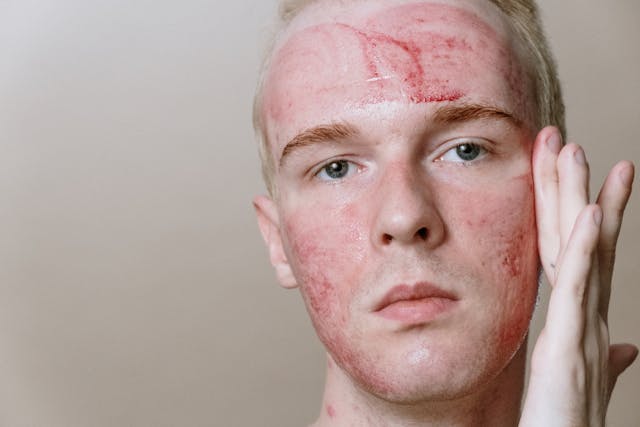
Post-Inflammatory Erythema (PIE) is a skin condition characterized by pink, red, or purplish marks that appear after skin inflammation or injury.
Unlike pigmentation issues, these marks result from damage to small blood vessels beneath the skin’s surface, causing visible redness that can persist for months or even years if left untreated.
PIE is more prevalent in individuals with lighter skin tones (Fitzpatrick skin types I-III) and can significantly impact self-esteem and confidence, making timely treatment crucial for both skin health and emotional well-being.
You might like: INFINI RF Microneedling: Treat Your Acne Scars
Understanding Post-Inflammatory Erythema

PIE occurs when inflammation damages the capillaries near the skin’s surface. When the skin experiences trauma, it triggers a response from the body to increase blood flow to the affected area for healing.
In the case of PIE, this heightened blood supply leads to a visible red or purplish hue on the skin surface, indicating where the inflammation once was.
These discolorations are flat and often resemble a rash. Although PIE is not harmful or contagious, it can be a significant cosmetic concern for people affected by it. The marks don’t cause bumps or scarring, but their persistence can lead to psychological distress.
Types of Post-Inflammatory Erythema
Post-inflammatory erythema can present in several different forms:
Erythematous Macules: These are small, flat red or pink spots on the skin, usually less than 1 centimeter in diameter.
They result from damage to the capillaries near the skin’s surface and are a common manifestation of PIE following acne or minor skin injuries.
Erythematous Papules: These are slightly raised bumps on the skin with a red or pink hue, usually less than 1 centimeter in diameter but distinguishable by their raised nature.

They can result from more significant skin trauma or inflammation, such as severe acne lesions or allergic reactions.
Erythematous Patches: These are larger areas of red or pink discoloration on the skin, usually greater than 1 centimeter in diameter.
Erythematous patches might occur after extensive skin inflammation or injury, and their larger size can make them more noticeable and potentially distressing.
This might help: The Ultimate Guide to Acne Removal in Singapore
Causes of Post-Inflammatory Erythema
Several conditions and factors can trigger PIE:
Common Causes
Acne Vulgaris: Inflammatory acne lesions, like pustules or cysts, are a major cause of PIE. The inflammatory process damages small blood vessels, leading to redness that persists even after the acne resolves.
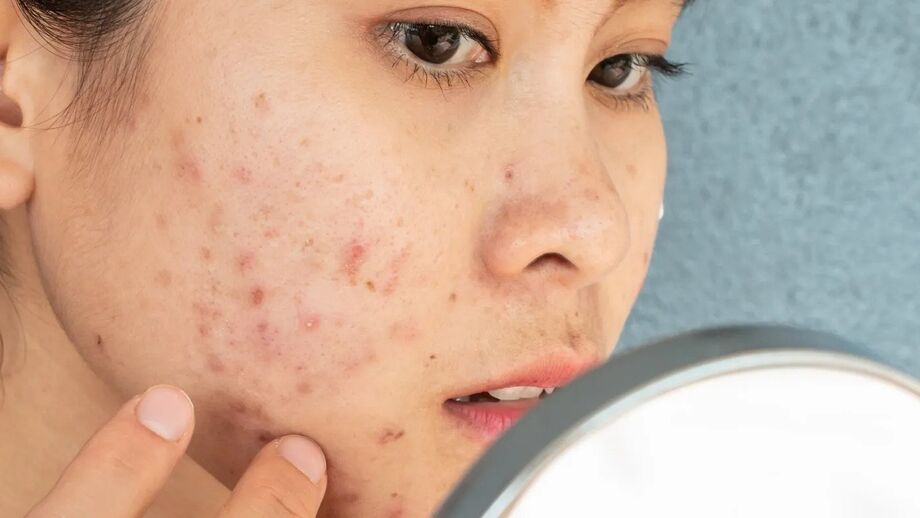
Skin Injuries: Scratches, cuts, or wounds that cause inflammation can lead to PIE when they heal.
Other Inflammatory Skin Conditions: Conditions like eczema, rosacea, and dermatitis can trigger erythema through their inflammatory processes.
Aesthetic Treatments: Procedures such as microdermabrasion, chemical peels, or laser treatments can cause PIE if the skin isn’t properly protected during healing.
Read more: FAQs About Acne Scar Treatments In Singapore
Key Triggers
Picking at or irritating acne lesions: This can worsen inflammation and lead to scarring or prolonged healing.
Sun exposure without proper protection: Failing to use sunscreen can cause skin damage, dark spots, and premature aging. UV exposure can dilate blood vessels and make redness more pronounced.
Genetic predisposition to sensitive skin: Some individuals are naturally more prone to irritation and redness due to their genetic makeup.
You might like: Which Acne Scar Treatment Clinic in Singapore Should You Consider? (Sort by Reviews)
PIE vs. Post-Inflammatory Hyperpigmentation (PIH)
Both PIE and Post-Inflammatory Hyperpigmentation (PIH) result from inflammation but differ in cause and appearance:
| Feature | Post-inflammatory erythema (PIE) | Post-inflammatory hyperpigmentation (PIH) |
|---|---|---|
| Definition | Pink, Red, or Purple skin discoloration | Light to Dark Brown skin discoloration |
| Cause | Small blood vessel dilation and skin thinning | Reactive melanin production from inflammation or injury |
| Skin Type Affected | Lighter skin tones | Darker skin tones |
| Trigger | Acne, Rosacea, Inflammatory dermatoses | Acne, Eczema, Insect Bites, Psoriasis |
| Duration | Can last weeks to months | Can last months to years |
| Prognosis | May resolve with time and treatment | Tends to be stubborn and persists longer |
| What else it can look like | Rosacea, Seborrheic dermatitis | Melasma, Lentigines, Rieh’s melanosis |
PIE presents as red or pink spots from capillary damage, common in lighter skin tones. PIH appears as brown or dark spots due to excess melanin, more common in darker skin tones (Fitzpatrick types IV-VI).
PIE results from vascular damage, while PIH is pigmentation-related, and both can coexist, particularly in acne cases.
You might be interested: Best Acne Scar Treatment Clinic in JB for Singaporeans
Symptoms of Post-Inflammatory Erythema
PIE presents as flat red, pink, or sometimes purple spots in areas previously affected by acne or inflammation.
These spots may be sensitive, worsen with heat or sun exposure, and can persist for months without treatment.
A key identifier of PIE is persistent erythema, where the redness remains even after the initial skin condition has resolved.
This lingering redness is a response to inflammation and can last anywhere from several weeks to a few years, depending on the severity of the initial skin trauma and the individual’s skin healing capabilities.
Another symptom associated with PIE is sensitivity or tenderness in the affected areas. The skin may be uncomfortable or sore to the touch, particularly in the condition’s early stages due to the increased blood flow during healing.
How to Prevent Post-Inflammatory Erythema
Preventing PIE largely involves controlling the initial inflammation and avoiding further irritation to the skin:
- Avoid Picking or Squeezing: Picking at acne lesions or scratching inflamed skin can worsen PIE by further damaging the capillaries.
- Gentle Skincare: Use mild, non-irritating cleansers and moisturizers to support the skin’s healing process.
- Treat Acne and Inflammatory Conditions Early: Prompt treatment of acne or other skin conditions such as eczema can reduce the chances of developing PIE.
- Sun Protection: Daily use of a broad-spectrum sunscreen (SPF 30 or higher) helps protect the skin and prevent worsening erythema. UV exposure can dilate blood vessels and make redness more pronounced.
Read more: The Ultimate Guide to Acne Treatments in Singapore
Effective Treatment Options for PIE
PIE may fade naturally over time, but for those seeking faster resolution, several treatment options can effectively reduce redness and speed up recovery:
1. Topical Treatments
Moisturizers and steroids are used to manage inflammation and soothe the skin, aiding in the improvement of PIE. Moisturizers help restore the skin barrier and maintain hydration, while steroids reduce redness and inflammation, promoting faster recovery.
Several specific topical ingredients have shown effectiveness:
- Tranexamic acid: Known to inhibit plasmin, tranexamic acid reduces inflammatory mediators, leading to a decrease in redness. It also has potent anti-inflammatory and melanin-reducing properties.
- Brimonidine: Through its anti-inflammatory and vasoconstriction effects, brimonidine reduces the diameter of blood vessels to decrease blood flow to the affected areas.
- Niacinamide: Niacinamide or vitamin B3 minimizes redness and enhances skin resilience, often found in serums and creams.
- Vitamin C: As a potent antioxidant, vitamin C can help reduce inflammation and improve skin tone by enhancing collagen synthesis and protecting against photodamage.
- Azelaic Acid: This dicarboxylic acid reduces inflammation and promotes healthy skin cell growth, making it valuable for both PIE and acne.
- Oxymetazoline (OXZ): An established treatment that reduces the appearance of PIE by its vasoconstriction effects.
Read more: How to Remove Whiteheads Permanently: Doctors Advice
2. Light and Laser Treatment
For advanced PIE, light treatments can be highly effective in reducing symptoms:
- Pulsed Dye Laser (PDL): PDL targets blood vessels at the skin’s surface, reducing redness and promoting collagen production to improve skin texture. It can be customized based on erythema severity and skin type, requiring multiple sessions for optimal results.
- Intense Pulsed Light (IPL): IPL uses broad-spectrum light to target various skin chromophores. It reduces vascular redness, improves darker skin tones and texture, and addresses pigmentation issues and sun damage. Although not a laser, IPL offers versatility for treating a wider range of skin concerns.
- Nd:YAG Laser: Nd:YAG lasers in the nano-second and pico-second laser range may be beneficial at addressing erythema, hyperpigmentation, and atrophic acne scars.
- Fractional Laser Treatments: These lasers create micro-injuries in the skin, stimulating the body’s natural healing process and reducing erythema over time.
3. Chemical Peels
Chemical peels, like those with alpha-hydroxy acids (AHAs) such as glycolic acid and lactic acid, can be beneficial for treating PIE.
AHAs exfoliate the skin, promoting the growth of healthier skin by removing dead skin cells. These peels dissolve the ‘glue’ that binds skin cells, revealing a smoother texture and helping to even out skin tone and reduce redness.
AHAs also stimulate cellular regeneration and collagen production, repairing damaged blood vessels and reducing the appearance of PIE.
However, it’s important to use chemical peels under professional guidance to prevent skin irritation or damage.
4. Microneedling
Microneedling effectively treats PIE by creating controlled micro-injuries on the skin.
This stimulates natural wound healing, boosting collagen and elastin production for improved skin elasticity, firmness, and texture.
It also enhances the absorption of topical treatments, accelerates healing, and reduces erythema when combined with topical treatments. Microneedling promotes new skin cell regeneration, improving skin texture over time.
5. Fractional RF Microneedling
Fractional Radiofrequency (RF) Microneedling is an advanced treatment that combines microneedling with radiofrequency energy to improve skin texture, tone, and appearance.
This treatment is particularly effective for addressing both PIE and acne scars:
- Reduction of erythema: The heat generated by the RF helps in the resorption of unwanted blood vessels through its ablative effect.
- Acne scar resurfacing: By inducing controlled micro-injuries and delivering RF energy, this treatment stimulates the production of new collagen, helping to fill in atrophic acne scars for a smoother skin surface.
- Minimal Downtime: Unlike more invasive procedures, fractional RF microneedling has minimal downtime, allowing patients to resume their normal activities relatively quickly.
- Customizable Treatment: The depth of needle penetration and the intensity of RF energy can be adjusted to suit the specific needs of the patient, ensuring personalized and effective treatment.
Living with Post-Inflammatory Erythema
Living with PIE can be challenging, but there are effective ways to manage its appearance and protect your skin daily:
Concealing Redness with Makeup
Start with a green-tinted primer: It helps neutralize redness before applying foundation.
Use a non-comedogenic, hypoallergenic foundation: A mineral-based foundation provides coverage without clogging pores or irritating the skin.
Choose concealers with added benefits: Look for products with salicylic acid or niacinamide to treat acne inflammation while covering redness. Gently dab onto affected areas with your fingertips or a soft brush.
Set with non-comedogenic loose powder: This ensures your makeup stays in place throughout the day.
Always remove makeup thoroughly: End your day with a gentle cleanser to keep your pores clear.
Sun Protection for PIE
Protecting your skin from the sun is essential to prevent PIE from worsening:
Always apply sunscreen (SPF 30 or higher): Sun exposure can worsen redness and slow skin healing.
Use a non-comedogenic sunscreen: This prevents pore clogging and further irritation.
Reapply sunscreen every two hours: Do this if you’re staying outdoors for a long time or if you’re sweating. Consider using a powder-based SPF for easy reapplication over makeup.
General Skincare Advice
- Stick to a gentle skincare routine: Avoid harsh scrubs or products that can irritate the skin.
- Incorporate soothing ingredients: Use products with niacinamide or aloe vera to reduce redness.
- Stay consistent with your routine: Managing PIE takes time and dedication, but these daily habits can make a big difference.
Does Post-Inflammatory Erythema Leave Permanent Skin Damage?
Post-inflammatory erythema (PIE) doesn’t typically cause permanent skin damage.
It’s a superficial condition with red or purple discoloration that results from capillary damage near the skin’s surface due to inflammation. While it can persist, it usually doesn’t leave permanent acne scars or changes in skin texture.
However, if PIE is associated with severe acne or other scarring skin conditions, residual marks or texture changes may occur after the erythema subsides.
Various treatments, consistent skincare routines, and sun protection can effectively manage PIE and limit long-term effects.
Frequently Asked Questions
How can I get rid of my post-inflammatory erythema (PIE)?
PIE can be treated with both at-home approaches and professional treatments. At home, use topical products containing niacinamide, azelaic acid, or tranexamic acid to reduce redness and inflammation.
Maintain a gentle skincare routine with proper sun protection to prevent worsening. For faster and more dramatic results, professional treatments like Pulsed Dye Laser (PDL), Intense Pulsed Light (IPL), or fractional RF microneedling are highly effective as they directly target the damaged blood vessels.
Most patients require multiple sessions spaced several weeks apart for optimal results. Consult with a dermatologist or aesthetic practitioner to determine the most appropriate treatment plan for your specific case.
Will post-inflammatory erythema (PIE) go away on its own?
Yes, PIE can fade naturally over time, but it may take several months to years depending on its severity and how well the skin is cared for. The healing process varies significantly between individuals. Mild cases may resolve in 4-6 weeks with proper care, while more severe cases can persist for many months. Consistent use of sun protection and gentle skincare products will support the natural healing process. However, targeted treatments can significantly accelerate recovery time compared to waiting for natural resolution.
What is the best treatment for post-inflammatory erythema (PIE)?
The most effective treatment for PIE often involves a multi-modal approach customized to individual skin type and condition severity.
Laser therapy, particularly Pulsed Dye Laser (PDL), is considered the gold standard as it specifically targets blood vessels causing the redness.
For persistent cases, combining PDL with topical treatments containing niacinamide, azelaic acid, or tranexamic acid provides enhanced results.
Fractional RF microneedling also shows excellent outcomes, especially when PIE coexists with acne scarring.
For those seeking less intensive options, consistent use of topical anti-inflammatory ingredients and diligent sun protection can gradually improve the condition. The optimal treatment varies based on skin type, severity, and individual healing response.
Can post-inflammatory erythema (PIE) acne be permanent?
PIE is not permanent but can take considerable time to fade without proper treatment. Without intervention, it may persist for months or even years, especially in cases with severe initial inflammation or in individuals with genetic predisposition to vascular reactivity.
Factors that may prolong PIE include continued sun exposure without protection, recurring inflammation, or picking at the affected areas.
However, with appropriate medical treatment and consistent skincare, even long-standing PIE can be significantly improved or completely resolved. Early intervention typically yields faster and more complete resolution.
Does vitamin C fade post-inflammatory erythema (PIE)?
Vitamin C may help reduce redness and inflammation associated with PIE, but it is not the most effective treatment when used alone.
As an antioxidant, vitamin C helps protect the skin from free radical damage and promotes collagen synthesis, which can support healing of damaged blood vessels. It also has anti-inflammatory properties that may calm redness.
However, for significant improvement of PIE, vitamin C works better as part of a comprehensive treatment approach that includes other targeted interventions like niacinamide, azelaic acid, or professional laser treatments.
For optimal results, look for stable forms of vitamin C in concentrations between 10-20% and use consistently in your morning routine, followed by sunscreen.
What worsens post-inflammatory erythema (PIE)?
Several factors can exacerbate PIE and prolong its duration. Sun exposure is perhaps the most significant aggravating factor, as UV rays can dilate blood vessels and intensify redness.
Additional factors include skin irritation from harsh skincare products, excessive exfoliation, or abrasive physical scrubs. Picking or squeezing at the affected areas damages capillaries further and can worsen inflammation.
Extreme temperature changes, particularly heat exposure through hot showers or saunas, can temporarily increase blood flow to the face and make PIE more noticeable.
Certain dietary factors such as alcohol, spicy foods, and caffeine may also trigger temporary flares in some individuals by causing vasodilation. Stress and hormonal fluctuations can worsen underlying inflammatory conditions, potentially impacting PIE as well.
How do you fade post-inflammatory erythema (PIE) fast?
For the quickest improvement of PIE, a combination of professional treatments and targeted homecare provides the best results. Light and laser treatments like Pulsed Dye Laser (PDL) or Intense Pulsed Light (IPL) typically offer the most rapid improvement, with visible reduction in redness often seen after just 1-3 sessions.
Between professional treatments, apply topical products containing multiple anti-inflammatory ingredients such as niacinamide (5%), azelaic acid (10-20%), and tranexamic acid.
Incorporating LED red light therapy at home can provide additional benefits by promoting healing and reducing inflammation. Strict sun avoidance and daily use of broad-spectrum SPF 50 sunscreen are essential to prevent worsening.
Cool compresses or refrigerated skincare products can temporarily reduce the appearance of redness before important events. Remember that even with aggressive treatment, complete resolution typically requires patience and consistent care.
How can I speed up the healing of my post-inflammatory erythema (PIE)?
To accelerate PIE healing, adopt a comprehensive approach combining professional treatments with diligent home care.
Regular use of sunscreen with SPF 30 or higher is essential, as UV exposure slows healing and worsens redness.
Follow a gentle skincare routine with a mild cleanser and soothing moisturizer to maintain skin barrier integrity.
Apply targeted anti-inflammatory topical products such as niacinamide, azelaic acid, tranexamic acid, or centella asiatica extracts consistently. Professional laser treatments, particularly PDL or IPL, can significantly speed recovery.
Proper hydration, both internally through adequate water intake and externally through hydrating serums containing ingredients like hyaluronic acid, supports skin healing.
Avoid potential irritants such as alcohol, fragrance, and harsh exfoliants in skincare products. If you’re prone to PIE, treat any new inflammatory skin conditions promptly to prevent additional damage.
How long does post-inflammatory erythema (PIE) take to clear up?
PIE typically requires several months to over a year to fully fade, depending on its severity and whether treatment is used. Without targeted treatment, mild cases may improve within 3-6 months with proper skincare and sun protection.
Moderate to severe cases can persist for 6-12 months or longer. Professional treatments like laser therapy can significantly shorten this timeline, with many patients seeing substantial improvement after 2-3 monthly sessions.
Individual factors such as skin type, age, and overall health also influence healing time. Younger individuals with good circulation generally heal faster than older adults.
Consistency with treatment and avoiding factors that worsen PIE (like sun exposure or skin irritation) are key determinants of how quickly the condition resolves.
Can salicylic acid cure post-inflammatory erythema (PIE)?
Salicylic acid is more effective for treating and preventing acne than directly addressing PIE. As a beta-hydroxy acid (BHA), it works by exfoliating the skin and unclogging pores, which can help manage the acne that often causes PIE in the first place.
While salicylic acid has some anti-inflammatory properties that might slightly reduce redness, it’s not specifically targeted at treating the vascular damage that causes PIE.
For directly addressing PIE, ingredients like niacinamide, azelaic acid, or tranexamic acid are more effective. However, salicylic acid can play a supportive role in a comprehensive PIE treatment plan by preventing new acne breakouts that could lead to additional PIE.
For best results, use salicylic acid at appropriate concentrations (1-2% for daily use) and combine with ingredients specifically targeting redness and vascular healing.
Is niacinamide good for post-inflammatory erythema (PIE)?
Yes, niacinamide is highly effective for reducing the redness and inflammation associated with PIE.
As a form of vitamin B3, niacinamide offers multiple benefits that directly address the underlying causes of PIE.
It strengthens the skin barrier, reduces inflammation, and improves microcirculation while inhibiting the transfer of pigment within the skin. Studies show that concentrations of 5-10% can significantly reduce redness and improve overall skin tone with consistent use over 8-12 weeks.
Niacinamide also works synergistically with other skincare ingredients, enhancing the effectiveness of treatments like azelaic acid or vitamin C.
Additionally, it’s well-tolerated by most skin types, including sensitive skin, making it an excellent choice for those with reactive skin prone to PIE.
For optimal results, use niacinamide-containing products both morning and evening as part of your regular skincare routine.
What skincare is good for post-inflammatory erythema (PIE)?
An effective skincare routine for PIE focuses on gentle cleansing, targeted treatments, hydration, and sun protection. Start with a mild, non-foaming cleanser free of harsh surfactants that could compromise the skin barrier.
For treatment, incorporate products containing key anti-inflammatory ingredients like niacinamide (5-10%), azelaic acid (10-20%), tranexamic acid, centella asiatica, or licorice root extract.
Layer these under a ceramide-rich moisturizer to support skin barrier repair and reduce sensitivity. Daily application of a broad-spectrum SPF 50 sunscreen is non-negotiable, preferably with mineral filters that are less likely to cause irritation.
For additional benefits, consider incorporating a vitamin C serum in the morning to provide antioxidant protection and support collagen production. At night, gentle retinoids can be carefully introduced to promote cell turnover, but should be buffered with moisturizer if any irritation occurs.
Avoid physical scrubs, alcohol-based toners, and fragranced products that may trigger inflammation.
By understanding the nature of Post-Inflammatory Erythema and implementing appropriate prevention and treatment strategies, individuals can effectively manage this condition and achieve clearer, healthier skin.
Remember that consistency is key, and results may take time depending on the severity of the condition and individual skin factors.
Explore everyday essentials and compare current offers on Shopee.
Browse ShopeeAffiliate link: Urban Living may earn a commission from qualifying purchases, at no extra cost to you.