

Bruises are a common medical issue experienced by people of all ages across Singapore. Whether from a minor accident, sports activity, or medical procedure, proper bruise treatment can significantly accelerate healing and prevent complications.
General shopping ideas, independent of this article’s advice.
Swipe to compare products → SKIN1004 Madagascar Centella Hyalu-cica Water-Fit Sun Serum SPF50 PA++++, No White Cast, Long-lasting, Hydrating, Lightweight, for Daily Use | 50mlFrom S$17.90Shieldmonster Magnetic iPhone Case 18 Pro Max/17 Pro Max/16e/15/14/13/12 Camera Control Charging M.S TPU Phone CoverFrom S$7.99Shieldmonster iPhone Case 360° 18 Pro Max/17e/16/15/14 Rotate Magnetic Ring Holder Wireless Charging Phone Cover CasingS$16.99
Prices may vary by option. Check the final price and delivery on Shopee.
This comprehensive guide explores everything Singaporeans need to know about effective bruise management.
You might like: Scars, Pores, And Milia: A Doctor Answers Readers’ Skin Questions
Understanding What Bruises Are
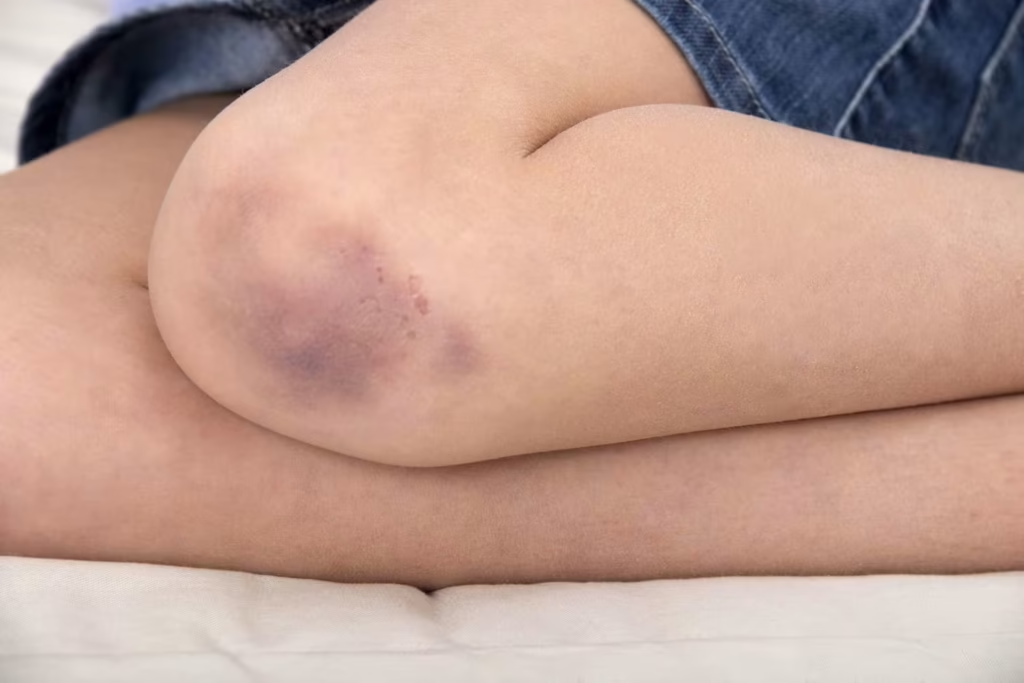
A bruise, medically termed ecchymosis, develops when blood vessels under the skin rupture due to impact or trauma. When these vessels break, blood leaks into surrounding tissue, creating the characteristic discoloration visible on the skin’s surface.
Unlike wounds that break the skin barrier, bruises occur beneath intact skin layers, though they can still cause considerable discomfort and cosmetic concerns.
The human body contains thousands of small blood vessels close to the skin surface. When these vessels are damaged, they release small amounts of blood that collect in the surrounding tissues.
Your body gradually reabsorbs this blood over time, which explains why bruises change color and eventually disappear.
Read more: A Complete Guide To Laser And Skin Treatments In Singapore
Different Types of Bruises
Bruises vary in severity and location, affecting treatment approaches and healing timelines:
| Type | Description | Location | Characteristics |
|---|---|---|---|
| Subcutaneous | Most common type | Just beneath the skin surface | Visible discoloration, mild to moderate pain |
| Intramuscular | More significant injury | Within muscle tissue | Often more painful, deeper, may restrict movement |
| Periosteal | Most severe bruising | On or near bone surfaces | Very painful, slow to heal, possible bone involvement |
Understanding which type of bruise you’re dealing with helps determine the appropriate treatment strategy and when medical attention might be necessary.
The Bruise Healing Timeline
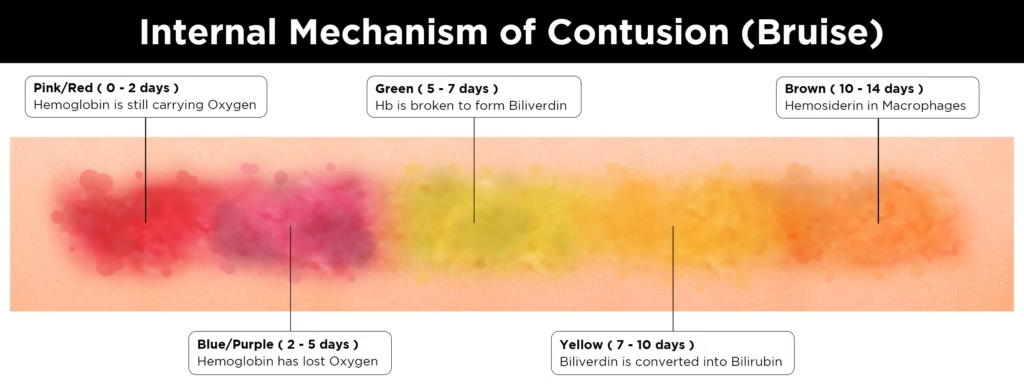
Bruises follow a predictable healing pattern, with color changes indicating progress through various healing stages:
- Initial Stage (Days 0-2): The bruise appears red or purple immediately after injury as blood pools beneath the skin.
- Early Healing (Days 3-5): The bruise darkens to deep blue or black as hemoglobin in the blood breaks down.
- Mid-healing (Days 5-10): Green and yellow tones emerge as the body continues processing and absorbing blood components.
- Late Healing (Days 10-14): The bruise fades to a light brown before completely disappearing as the body completes the healing process.
It’s important to note that this color progression may appear differently on various skin tones. People with darker skin might observe purple, dark brown, or black discoloration without seeing the typical green-yellow stages as clearly.
Additionally, larger bruises or those in areas with less circulation may take longer to progress through these healing stages.
You might be interested: A Complete Guide To Laser And Skin Treatments In Singapore
Effective First Aid for Bruises (First 24-48 Hours)
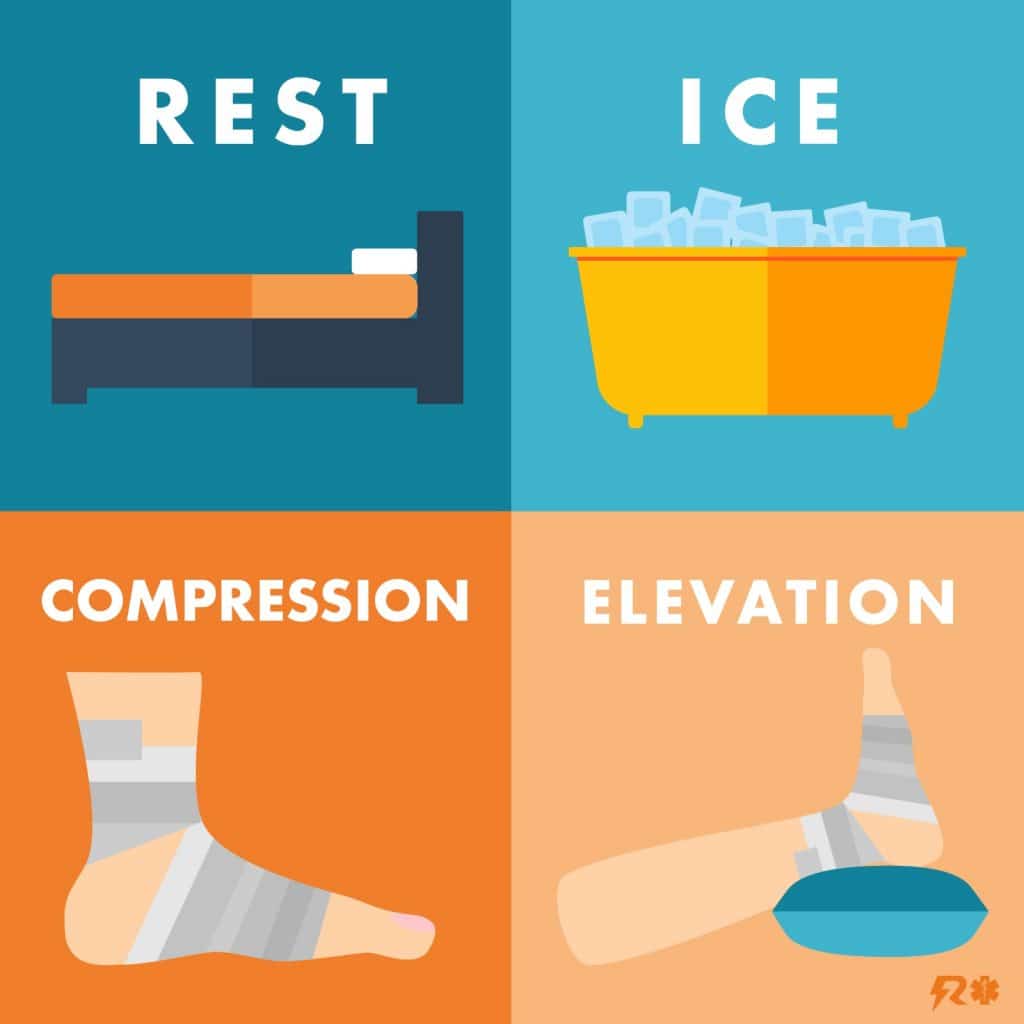
Immediate treatment after injury can significantly reduce bruise severity and accelerate healing. The RICE method provides an effective framework for initial bruise management:
Rest
- Immediately stop activities that caused the injury
- Minimize movement of the affected area when possible
- Allow your body to begin the natural healing process without additional stress
Ice Therapy
- Apply an ice pack wrapped in a thin cloth or towel to the affected area
- Maintain ice application for 10-15 minutes at a time
- Never place ice directly on skin to avoid cold injuries
- Repeat every 1-2 hours during waking hours
- Cold reduces blood flow to the area, limiting internal bleeding and swelling
Compression
- Apply an elastic bandage around the affected area
- Ensure the bandage provides firm but not constrictive pressure
- Remove periodically to check skin color and circulation
- Compression helps limit swelling and provides structural support
Elevation
- Position the injured area above heart level whenever possible
- Use pillows or cushions to maintain elevation during rest
- This technique leverages gravity to reduce blood flow and minimize swelling
You might be interested: Guide to Seeing a Dermatologist in Singapore
Advanced Bruise Treatment (After 48 Hours)
Once the initial phase has passed, different treatment approaches become more beneficial:
Heat Therapy
- Apply warm compresses to the bruised area for 15-20 minutes several times daily
- Use moderately warm, not hot, temperatures to avoid skin damage
- Heat therapy promotes increased blood circulation
- Improved circulation speeds up the body’s natural absorption of pooled blood
Pain Management
- Acetaminophen (Paracetamol) is generally recommended for pain control
- Avoid aspirin during the first 48 hours as it may increase bleeding
- Non-steroidal anti-inflammatory drugs (NSAIDs) like ibuprofen can be introduced after the initial phase
- Always follow dosage instructions and consult a healthcare professional if uncertain
You might like: Complete Guide to Keloid Scar Removal in Singapore
Natural and Alternative Remedies
Several natural approaches may complement conventional bruise treatment:
Topical Applications
- Arnica cream: A traditional remedy that may help reduce bruise visibility
- Vitamin K cream: Supports blood clotting processes and may accelerate healing
- Aloe vera gel: Provides skin-soothing properties and may reduce inflammation
Dietary Supplements
- Bromelain: An enzyme found in pineapples with anti-inflammatory properties
- Vitamin C: Supports collagen production and blood vessel integrity
- Bioflavonoids: Plant compounds that may strengthen capillary walls
You might like: Melasma Treatment in Singapore
Traditional Medicine Approaches
- Traditional Chinese Medicine (TCM): Available at specialized clinics throughout Singapore
- Herbal poultices: Applied externally to improve circulation to bruised areas
- Comfrey-based treatments: Traditional healing herb sometimes recommended for bruises
While many people report benefits from these natural approaches, scientific evidence varies in quality and quantity. It’s advisable to consult healthcare professionals before using any alternative treatments, especially if you’re taking medications or have underlying health conditions.
When to Seek Medical Attention
While most bruises heal without medical intervention, certain scenarios warrant professional evaluation to rule out serious underlying conditions.
Unexplained bruising occurring without any remembered trauma should be assessed by a healthcare provider, as should bruises that appear frequently or develop extremely easily.
Bruising larger than the size of your palm requires medical attention, particularly when accompanied by severe pain, swelling, or pressure sensation in the bruised area.
Bruises affecting vision or occurring around the eyes need immediate evaluation due to potential complications.
Signs of potential infection, including increasing warmth, redness expanding beyond the bruise boundaries, or fever, require prompt medical care.
Bruising accompanied by joint or bone pain, deformity, or limited movement suggests possible fracture or more serious injury.
Additionally, bruises that fail to improve or continue to expand after 48 hours should be professionally evaluated.
Related article: Vein Removal Treatment
Public Healthcare Options
Polyclinics provide accessible care for non-urgent bruise assessment and general health concerns.
Emergency departments at public hospitals offer immediate care for severe cases requiring urgent attention.
Singapore General Hospital and National University Hospital offer comprehensive care with specialized departments for complex cases.
Private Healthcare Options
Private clinics throughout residential neighborhoods provide convenient access to medical evaluation and treatment.
Private hospitals offer specialized care if more advanced treatment or diagnostic procedures are needed.
Sports medicine specialists are available for athletic injuries that may involve complex bruising patterns or underlying tissue damage.
Complementary Medicine
Traditional Chinese Medicine (TCM) practitioners offer alternative approaches to bruise treatment and healing support.
Integrative medicine clinics combine conventional medical care with traditional approaches, providing comprehensive treatment options for patients seeking holistic care.
Risk Factors for Increased Bruising
Several factors can make you more susceptible to bruising:
Age-Related Factors
Older adults experience thinning skin and less protective fat layers, making them more vulnerable to bruising from minor impacts.
Children may bruise easily during active play due to their high activity levels and developing coordination, but they generally heal quickly due to their robust circulation and tissue repair mechanisms.
Medical Conditions
Blood clotting disorders like hemophilia significantly increase bruising tendency due to impaired clotting mechanisms.
Platelet function issues or low platelet counts can lead to prolonged bleeding and easier bruising.
Vitamin deficiencies, particularly vitamins C, K, and D, affect blood vessel integrity and clotting function.
Liver conditions affecting protein production can impair the body’s ability to form proper blood clots and maintain healthy blood vessels.
Medication Influences
Blood thinners (anticoagulants) like warfarin are specifically designed to prevent clotting, which increases bruising risk.
Antiplatelet medications such as aspirin affect platelet function and can lead to easier bruising.
Corticosteroids can thin skin over time, making blood vessels more fragile and prone to damage.
Certain antibiotics and antidepressants may also affect clotting mechanisms or blood vessel integrity.
Lifestyle Factors
Intensive exercise can cause microtrauma to blood vessels and tissues, leading to increased bruising in active individuals.
Contact sports participation naturally increases exposure to impacts that cause bruising. Occupational hazards involving physical impacts, such as construction work or manual labor, can increase bruising frequency.
Understanding your personal risk factors can help you take appropriate preventive measures and know when to be more concerned about bruising patterns that may indicate underlying health issues.
Prevention Strategies for Singapore Residents
Taking proactive steps can significantly reduce your risk of bruising:
Home Safety Modifications
Remove tripping hazards from high-traffic areas to prevent falls that commonly cause bruising injuries.
Improve lighting in staircases and hallways to enhance visibility and reduce the risk of bumping into objects or missing steps.
Secure loose rugs and electrical cords that can create tripping hazards throughout the home. Install grab bars in bathrooms if necessary, particularly for older adults or those with mobility concerns.
Sports and Recreation Protection
Wear appropriate protective gear for your chosen activity, ensuring equipment fits properly and meets safety standards.
Use knee and elbow pads during high-risk activities such as cycling, skating, or contact sports.
Consider shin guards for contact sports where leg injuries are common. Ensure proper technique to minimize injury risk by working with qualified instructors or coaches who can help you learn safe movement patterns.
Nutritional Support
Consume foods rich in vitamin C, such as calamansi, guava, and bell peppers, which support blood vessel health and healing. Include vitamin K sources in your diet, such as kangkong, spinach, and broccoli, which are essential for proper blood clotting function.
Ensure adequate protein intake for tissue repair and healing, as protein provides the building blocks for blood vessel and tissue regeneration.
Stay well-hydrated to maintain healthy circulation and support optimal blood flow throughout the body.
Medication Management
Discuss bruising concerns with your doctor if taking blood thinners, as dosage adjustments or additional monitoring may be necessary.
Consider medication timing if participating in physical activities, spacing doses appropriately around exercise or sports participation.
Follow medical advice regarding activity restrictions, particularly when starting new medications that may affect bleeding or bruising.
Monitor for changes in bruising patterns when starting new medications and report significant changes to your healthcare provider promptly.
Frequently Asked Questions
How long does it typically take for a bruise to heal?
Most bruises heal completely within 2-3 weeks, though healing times vary based on several factors.
Smaller, superficial bruises may disappear within 7-10 days, while larger or deeper bruises, especially those affecting muscle tissue, might take 3-4 weeks to resolve fully.
Factors influencing healing time include the bruise’s location and severity, your age, overall health status, and how well you follow treatment recommendations.
Areas with good blood circulation tend to heal faster than regions with less blood flow. If a bruise hasn’t shown significant improvement after two weeks, consulting a healthcare provider may be advisable.
Should I apply heat or ice to a new bruise?
For new bruises, ice therapy is the recommended approach during the first 24-48 hours after injury. Cold application helps constrict blood vessels, reducing the amount of bleeding into surrounding tissues and minimizing swelling.
Wrap ice or a cold pack in a thin cloth (never apply directly to skin) and apply for 10-15 minutes every 1-2 hours when awake.
After this initial period of approximately two days, transition to heat therapy. Warm compresses help increase circulation to the area, which promotes faster absorption of the pooled blood and accelerates the healing process.
Always ensure heat sources are moderately warm rather than hot to prevent skin damage.
Is it normal for a bruise to get darker before it gets better?
Yes, it’s completely normal and expected for bruises to darken before they begin to fade. This color change represents your body’s natural healing process as it breaks down and reabsorbs the blood components.
Initially, a bruise appears red or purple. Within a few days, it typically darkens to blue or black as oxygen is depleted from the hemoglobin in the pooled blood.
As your body continues processing these blood components, the bruise transitions through various color stages including green and yellow before finally fading to a light brown and disappearing altogether.
This progression indicates that healing is proceeding normally, though the specific colors may be less noticeable on darker skin tones.
Can I exercise with a bruise?
Light physical activity is generally acceptable with a bruise, but you should avoid strenuous exercise that directly impacts the affected area until pain and tenderness subside.
For bruises on limbs or joints, consider modifying your workout routine to minimize stress on the injured region.
Low-impact activities like walking or swimming may be preferable to high-impact exercises during healing.
Listen to your body’s signals—increasing pain during activity suggests you should scale back. For athletes and regular exercisers, compression garments may provide additional support while active.
If the bruise resulted from a more significant injury, consult a healthcare provider before resuming your normal exercise regimen.
When should I suspect a more serious injury beyond a simple bruise?
Seek medical attention promptly if your bruise exhibits any of these warning signs: severe pain disproportionate to the apparent injury; rapid swelling or a feeling of pressure under the skin; numbness, tingling, or limited movement in the affected area; a bruise that continues to expand rather than shrink over time; visible deformity around the bruised area; or bruising that appears alongside symptoms like confusion, severe headache, or dizziness following an injury.
These signs may indicate complications such as compartment syndrome, fracture, internal bleeding, or head injury requiring immediate medical evaluation.
Additionally, unexplained bruising without trauma, especially if recurring, warrants medical investigation as it could signal an underlying health condition.
Are there foods that can help bruises heal faster?
Certain foods can support bruise healing through their nutritional properties. Incorporate foods rich in vitamin C (such as guava, kiwi, and citrus fruits) to support collagen production and strengthen blood vessels.
Leafy green vegetables like kangkong, spinach, and kale provide vitamin K, which helps with proper blood clotting.
Fresh pineapple contains bromelain, an enzyme with natural anti-inflammatory properties that may reduce swelling. Colorful berries offer anthocyanins and other antioxidants that support healing.
Protein-rich foods provide the building blocks needed for tissue repair. Staying well-hydrated is also essential for optimal circulation and healing.
While these dietary approaches complement conventional treatment, they should not replace medical care for serious injuries.
Is it safe to massage a bruise?
Avoid massaging a fresh bruise during the first 48 hours after injury, as this may increase bleeding into the tissue and potentially worsen the bruise.
After this initial period has passed, gentle massage around (not directly on) the bruised area may help improve circulation and promote healing.
Any massage should be performed with light pressure and stopped immediately if it causes increased pain.
If you’re considering massage for a significant bruise, consulting with a physical therapist or qualified massage practitioner can ensure appropriate techniques.
For those using anti-coagulant medications or with bleeding disorders, massage should generally be avoided around bruised areas. Traditional practices like gua sha or cupping should not be performed on bruised skin.
Do herbal remedies work for bruise treatment?
Several herbal remedies show promising results for bruise treatment, though scientific evidence varies in quality. Arnica, available as creams and gels in Singapore pharmacies, has been used traditionally for bruising and some studies suggest modest benefits for reducing discoloration.
Comfrey contains compounds that may support tissue repair, though it should only be used on unbroken skin. Witch hazel offers astringent properties that might reduce swelling when applied topically.
While these natural options appear helpful for many people, results vary individually, and some herbal products may cause skin sensitivity or interact with medications.
Purchase only from reputable sources, follow product instructions carefully, and consult healthcare providers before use, especially if you’re pregnant, nursing, taking medications, or have chronic health conditions.
Can I cover a bruise with makeup?
Yes, you can safely cover a bruise with makeup provided the skin isn’t broken or irritated.
For optimal coverage, start with clean, moisturized skin and apply a color-correcting concealer before foundation.
The color corrector should contrast with the bruise color: use yellow or orange correctors for bluish-purple bruises, green correctors for reddish areas, and peachy-pink correctors for greenish-yellow bruises.
Apply the corrector sparingly directly to the bruise, then gently pat (don’t rub) a skin-matching concealer over it, followed by foundation if desired. Set with translucent powder for longer-lasting coverage.
Choose hypoallergenic products to minimize irritation risk. Remember to remove all makeup before sleep to allow the skin to breathe and continue healing naturally.
Why do I bruise more easily than others?
Easier bruising compared to others may result from various factors, including genetic predisposition, which affects blood vessel strength and skin thickness. Women typically bruise more readily than men due to differences in skin thickness and hormonal influences.
Aging naturally increases bruising tendency as skin thins and blood vessels become more fragile.
Certain medications, particularly blood thinners, aspirin, and corticosteroids, significantly increase bruising risk. Nutritional factors like vitamin C, K, or D deficiencies can compromise blood vessel integrity or clotting function.
Underlying medical conditions such as liver disorders, bleeding disorders, or autoimmune conditions may also contribute. If you’ve noticed a recent increase in unexplained bruising, consulting a healthcare provider is advisable, especially when accompanied by symptoms like fatigue, unusual bleeding, or prolonged illness.
Conclusion
Understanding proper bruise treatment helps Singapore residents manage this common issue effectively.
While most bruises heal naturally with basic care, knowing when to seek medical attention prevents complications.
By combining immediate first aid, appropriate ongoing care, and preventive strategies, you can minimize bruising incidents and ensure optimal healing when they do occur.
Remember that unexplained or severe bruising may indicate underlying health issues requiring professional evaluation.
Singapore’s comprehensive healthcare system offers multiple options for assessment and treatment, from polyclinics to specialized hospital departments.
The next time you experience a bruise, apply these evidence-based approaches to support your body’s natural healing process and return to your daily activities with minimal disruption.
General shopping ideas, independent of this article’s advice.
Swipe to compare products →Shieldmonster Premium iPhone Case for 18 Pro Max/18 Pro/Duo/17 Pro Max/17e/16/15 Transparent Clear Hard Soft TPU PhoneFrom S$3.99The Ordinary Glycolic Acid 7% Exfoliating Toner – 100mL/240mL | Smooth Skin, AHA TonerFrom S$18.00Salicylic Acid Daily Gentle Cleanser 150ml, Salicylic Acid 0.5%, Tea Tree Leaf Oil 0.2%, Acne Treatment Cleanser for Acne-prone Skin, BHA CleanserS$12.14Prices may vary by option. Check the final price and delivery on Shopee.