
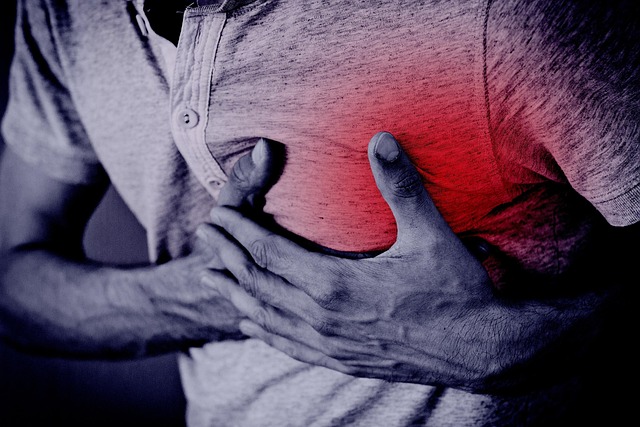
Chest pain is a common complaint that can range from mild discomfort to severe distress. While many immediately associate chest pain with heart attacks, there are numerous potential causes, some benign and others life-threatening.
This comprehensive guide will help you understand the nature of chest pain, its various causes, when to seek medical attention, and available treatment options.
General shopping ideas, independent of this article’s advice.
Swipe to compare products → Biofinest Effervescent Vitamin C 1000mg D3 Zinc Collagen Multivitamin Calcium Magnesium Zinc Tablets Drink Sugar FreeFrom S$5.35Biofinest Probiotic 50 Billion CFU Enzyme Supplement 12 + 3 Prebiotics – Diet Slimming Eczema Detox Men Women (60 caps)From S$22.40Estalife Magnesium Glycinate 1000MG | Heart, Bone, Muscle, Sleep, Mood Health | 60 Veg CapsFrom S$13.99
Prices may vary by option. Check the final price and delivery on Shopee.
What is Chest Pain?
Chest pain refers to any discomfort or pain felt along the front of your body above the abdomen. It can present as a dull ache, sharp stabbing, burning sensation, pressure, tightness, or squeezing feeling in the chest area.
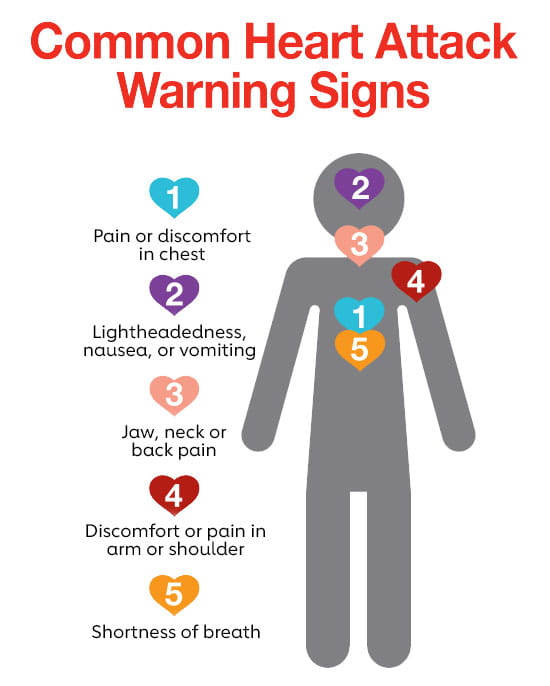
For some individuals, the pain may radiate to other parts of the body such as the neck, jaw, shoulders, back, or arms—particularly the left arm.
This symptom is commonly associated with coronary artery disease, where typical chest pain presents as a dull ache in the central chest lasting for several minutes (usually 5 to 15 minutes).
This pain is often aggravated by physical activity or emotional stress and relieved by rest.
Related article: Health Screening in Singapore
Types of Chest Pain
Understanding the character and quality of chest pain is essential in identifying its underlying cause.
Sharp or stabbing chest pain is often associated with conditions like pericarditis (inflammation of the sac around the heart), pleuritis (inflammation of the lining of the lungs), musculoskeletal problems, or shingles.
This type of pain is usually localized to a specific area and may worsen with certain movements or breathing.
Pressure or squeezing chest pain is commonly linked to heart-related issues such as angina or heart attack.
This sensation may feel like someone is pressing or squeezing the chest and can radiate to the arms, shoulders, neck, jaw, or back.
Angina is typically exacerbated by physical activity and may indicate reduced blood flow to the heart.
A burning sensation in the chest is often a sign of acid reflux or gastroesophageal reflux disease (GERD). This type of pain is frequently accompanied by a sour taste in the mouth and can be triggered by eating or lying down.
Aching or dull chest pain may be related to muscle strain, costochondritis, or anxiety. This discomfort is usually mild to moderate in intensity and can persist for hours or days.
Chest tightness or constriction is often linked to heart issues or anxiety and panic attacks.
This sensation may come on suddenly and is frequently accompanied by shortness of breath, sweating, or dizziness.
Related article: Best JB Health Screening Clinics for Singaporeans
Causes of Chest Pain
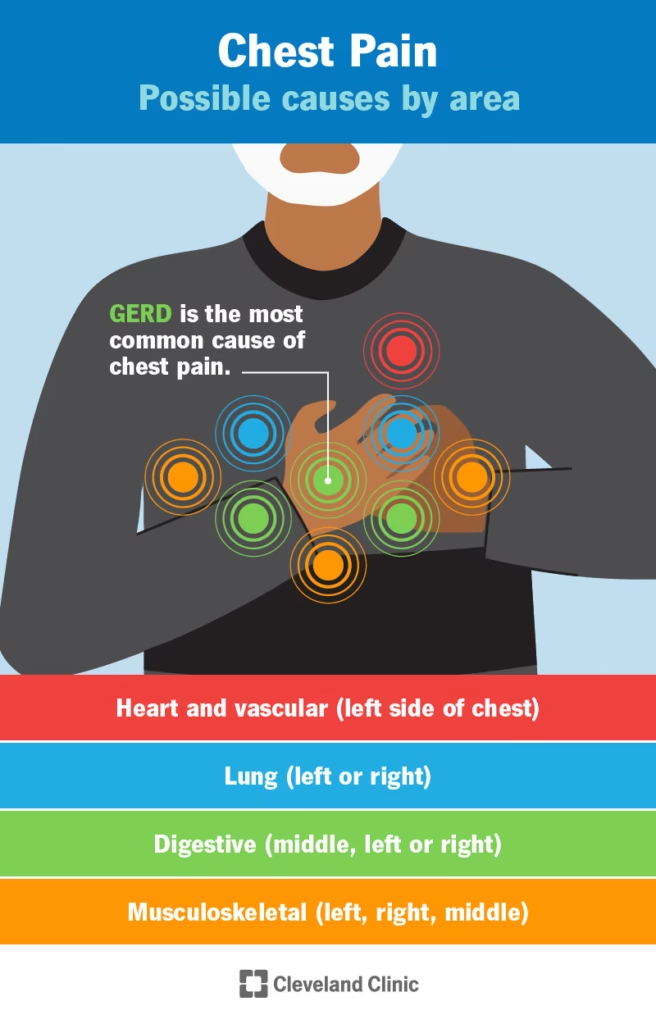
Chest pain can stem from various sources including the heart, lungs, digestive system, or musculoskeletal structures.
Heart-Related Causes
- Angina
- Caused by reduced blood flow to the heart muscle due to narrowed coronary arteries
- Typically feels like squeezing pressure in the chest
- Often triggered by physical exertion, emotional stress, or heavy meals
- Usually improves with rest
- Heart Attack (Myocardial Infarction)
- Occurs when blood flow to part of the heart is blocked, causing damage to heart muscle
- Presents as severe chest pain or discomfort lasting longer than 15 minutes
- Not relieved by rest and may be accompanied by shortness of breath, cold sweats, nausea, or light-headedness
- Requires immediate medical attention
- Pericarditis
- Inflammation of the pericardium (sac surrounding the heart)
- Causes sharp, stabbing pain that may worsen when lying down or breathing deeply
- Often improves when sitting up and leaning forward
- Aortic Dissection
- A tear in the wall of the aorta
- Presents as sudden, severe, ripping chest pain
- Medical emergency requiring immediate treatment
Read more: Which Cardiologist in Singapore Should You Consider? (Sort by Reviews)
Non-Heart-Related Causes
- Musculoskeletal Issues
- Pulled muscles, trauma from strain during exercise
- Rib fractures or bruised muscles from falls or accidents
- Pain typically worsens with movement or deep breathing
- Lung Conditions
- Pneumonia or other lung infections
- Pulmonary embolism (blood clot in the lungs)
- Pleuritis (inflammation of the lining around the lungs)
- Often accompanied by fever, cough, or breathing difficulties
- Gastrointestinal Problems
- Acid reflux or GERD
- Esophageal spasms
- Peptic ulcers
- Usually accompanied by burning sensation and may worsen after eating
- Psychological Factors
- Anxiety or panic attacks
- Stress
- Can cause chest tightness, rapid heartbeat, and shortness of breath
Related article: Acid Reflux and GERD in Singapore: Causes, Symptoms, and Treatments
Symptoms Associated with Chest Pain
Depending on the underlying cause, chest pain may be accompanied by various additional symptoms. These can include shortness of breath, cold sweats, dizziness, or fatigue.
Patients may also experience nausea or vomiting, along with a rapid or irregular heartbeat. If the chest pain is lung-related, it may be accompanied by fever or cough.
Difficulty swallowing may indicate an esophageal origin, while feelings of anxiety or impending doom can accompany serious cardiac events.
Diagnosing Chest Pain
When a patient presents with chest pain, healthcare providers prioritize ruling out life-threatening conditions first:
Initial Diagnostic Tests
An electrocardiogram (ECG) is typically one of the first tests performed, as it records the electrical activity of the heart and can detect signs of heart attack or abnormal heart rhythms.
Blood tests are crucial for diagnosis and may include cardiac enzyme tests to check for heart damage and a complete blood count to detect infection or inflammation.
A chest X-ray provides visualization of the heart, lungs, and chest structures, helping to identify lung problems, heart enlargement, or rib fractures.
When more detailed imaging is needed, a computerized tomography (CT) scan provides comprehensive images of chest structures and is particularly useful for diagnosing aortic dissection, pulmonary embolism, or various lung conditions.
Additional tests may be ordered based on initial findings and clinical suspicion.
These can include stress tests to evaluate heart function under exertion, echocardiograms to assess heart structure and function, coronary angiography to visualize blood vessels supplying the heart, or endoscopy when digestive issues are suspected as the underlying cause.
Read more: Comprehensive Guide to Coronary Angioplasty in Singapore
Heart Attack vs. Cardiac Arrest
A common cause of chest pain is heart attack, which differs significantly from cardiac arrest:
| Aspect | Heart Attack | Cardiac Arrest |
|---|---|---|
| Definition | Sudden obstruction of blood flow in a coronary artery | Dangerous electrical malfunction in the heart |
| Effect | Part of heart muscle doesn’t receive blood and is at risk of injury | Heart pumps ineffectively, vital organs can’t receive blood and oxygen |
| Warning Signs | Severe chest pain/discomfort lasting >15 minutes, not relieved by rest | Often occurs without warning; occasionally preceded by chest pain, palpitations, shortness of breath |
| Symptoms | Pronounced: severe chest pain, new onset at rest/minimal exertion, shortness of breath, cold sweat, nausea | Sudden loss of consciousness, collapse, pulselessness |
| Immediate Action | Requires immediate medical attention; may need blood-thinning medication, angioplasty, or bypass surgery | Needs emergency treatment; call ambulance, perform CPR, use AED while waiting for help |
When to Seek Medical Help
Chest pain can indicate a serious condition requiring immediate attention. Seek emergency medical care if you experience:
- Pain in the center of your chest or pain that spreads to arms, shoulders, back, neck, jaw, or abdomen
- Chest pain that lasts more than 10-15 minutes, especially at rest
- Chest pain accompanied by sweating, nausea, difficulty breathing, or irregular heartbeat
- Chest pain that increases with physical exertion
- Chest pain with discoloration of skin, fingers, or toes (blue or gray)
- Chest pain with coughing up blood
- Chest pain with dizziness or weakness
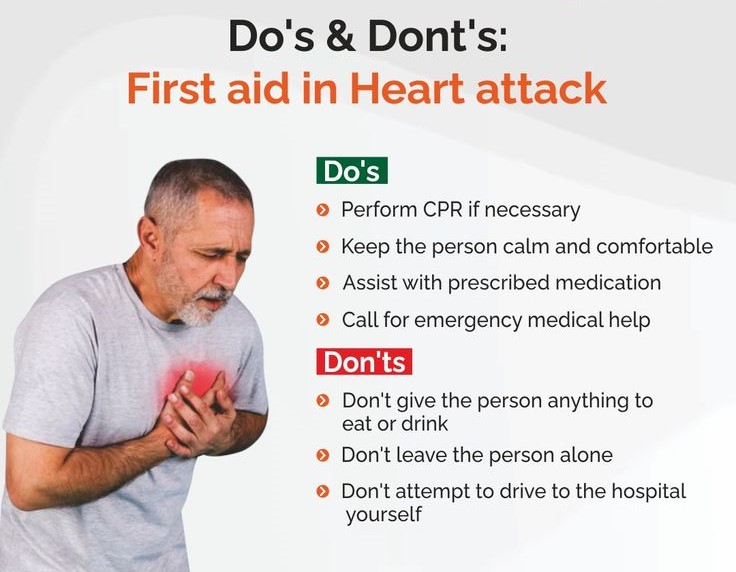
DO NOT DRIVE yourself to the hospital if experiencing severe chest pain. Call an ambulance immediately.
This might help: Anxiety Therapy in Singapore: Treatment and Recovery
Treatment Options for Chest Pain
Treatment varies based on the underlying cause:
For Heart-Related Chest Pain
- Medications:
- Nitrates: Prevent and relieve angina by relaxing blood vessels to increase blood and oxygen supply
- Examples: isosorbide dinitrate, glyceryl trinitrate (GTN)
- Side effects: flushing, dizziness, headaches
- Beta Blockers: Reduce workload of the heart by lowering heart rate and blood pressure
- Examples: atenolol, bisoprolol, metoprolol
- Side effects: dizziness, fatigue, sleep disturbances
- Calcium Channel Blockers: Relax blood vessels and slow heart rate
- Examples: amlodipine, diltiazem, nifedipine
- Side effects: dizziness, headaches, leg swelling
- Trimetazidine: Preserves energy metabolism of heart muscle cells
- Used as second-line treatment
- Side effects: mild gastrointestinal discomfort
- Nitrates: Prevent and relieve angina by relaxing blood vessels to increase blood and oxygen supply
- Procedures and Surgeries:
- Coronary angioplasty with balloon and stent placement
- Coronary artery bypass surgery (CABG)
- Aortic dissection repair
For Non-Heart-Related Chest Pain
Treatment for non-heart-related chest pain depends on the specific underlying cause.
Antibiotics may be prescribed for lung infections, while anti-inflammatory medications can help address musculoskeletal pain.
Acid reflux-related chest pain often responds well to antacids or proton pump inhibitors.
When psychological factors contribute to chest pain, anti-anxiety medications and therapy may be recommended to address the root cause.
This might help: Which Gastroenterologist in Singapore Should You Consider?
Prevention and Lifestyle Changes
Regardless of the underlying cause of chest pain, several lifestyle modifications can help prevent future episodes.
Maintaining a healthy, balanced diet that’s low in saturated fat and sodium supports overall cardiovascular health. Regular exercise is beneficial, though you should consult with your healthcare provider before starting any new exercise program.
Eliminating smoking and limiting alcohol consumption are crucial steps for both heart and lung health.
Effective stress management plays an important role in preventing chest pain episodes.
Controlling blood pressure, cholesterol levels, and diabetes helps reduce the risk of heart-related complications.
Maintaining a healthy weight reduces strain on your cardiovascular system.
Additionally, identifying and avoiding specific triggers that worsen your symptoms, whether they’re certain foods, activities, or stressors, can significantly reduce the frequency of chest pain episodes.
Post-Treatment Care
If you’ve been treated for chest pain, proper follow-up care is essential for your recovery and long-term health.
Take all prescribed medications exactly as directed by your healthcare provider, and never stop taking them without medical consultation.
Attend all scheduled follow-up appointments to monitor your progress and adjust treatment as needed.
Report any new or worsening symptoms to your healthcare team immediately, as these could indicate complications or the need for treatment modifications.
Make the lifestyle changes recommended by your doctor, as these often play a crucial role in preventing future episodes.
If your healthcare provider recommends cardiac rehabilitation, participate fully in the program to optimize your recovery and reduce future risks.
Finally, if a family member has cardiac issues, consider learning CPR and how to use an automated external defibrillator (AED) to be prepared for emergency situations.
FAQ
What causes chest pain besides heart problems?
Chest pain can be caused by various non-cardiac conditions including lung infections like pneumonia, musculoskeletal issues such as strained muscles or rib fractures, gastrointestinal problems like acid reflux or heartburn, and psychological factors such as anxiety or panic attacks.
Pulled muscles from exercise, excessive coughing, or trauma can result in chest pain.
Additionally, inflammation of the cartilage connecting ribs to the breastbone (costochondritis) is another common cause.
How can I tell if chest pain is serious?
Chest pain that should prompt immediate medical attention includes: pain lasting more than 15 minutes, pain that radiates to your jaw, neck, or arms (particularly the left arm), pain accompanied by shortness of breath, cold sweats, nausea, or dizziness, and pain that feels like pressure or squeezing.
Additionally, chest pain that occurs at rest or with minimal exertion, or pain that is not relieved by rest, may indicate a serious condition requiring urgent evaluation.
What does angina feel like?
Angina typically presents as a squeezing pressure or heaviness in the chest. It is often triggered by physical activity, emotional stress, or after heavy meals, and usually improves with rest.
The discomfort may radiate to the arms, shoulders, neck, jaw, or back. Some people describe it as feeling like someone is standing on their chest.
Episodes usually last 5-15 minutes and can be reliably predicted by specific triggers.
What’s the difference between heartburn and heart attack?
While both conditions can cause chest discomfort, heartburn (acid reflux) typically causes a burning sensation behind the breastbone that may rise toward the throat, often accompanied by a sour taste in the mouth. It frequently occurs after eating or when lying down.
A heart attack, conversely, usually causes pressure, tightness, or squeezing in the chest that may radiate to the arms, jaw, or back, and is often accompanied by shortness of breath, sweating, or nausea.
Heart attack pain generally doesn’t improve with antacids and may persist despite rest.
When should I call an ambulance for chest pain?
Call an ambulance immediately if you experience: chest pain lasting more than 10-15 minutes, severe pain that doesn’t respond to rest or nitroglycerin (if prescribed), pain accompanied by shortness of breath, cold sweats, nausea, dizziness, or irregular heartbeat, pain that spreads to your arms, neck, jaw, or back, or if you’ve previously been diagnosed with heart disease and are having symptoms that feel different or worse than usual.
Remember, it’s always better to err on the side of caution with chest pain.
What tests are done to diagnose the cause of chest pain?
Initial diagnostic tests often include an electrocardiogram (ECG) to record heart electrical activity, blood tests to check for cardiac enzymes that indicate heart damage, chest X-ray to visualize the heart and lungs, and sometimes a computerized tomography (CT) scan.
Depending on initial findings, additional tests might include an echocardiogram (ultrasound of the heart), stress tests to see how the heart functions during exercise, coronary angiography to examine coronary arteries, or an MRI.
For non-cardiac causes, tests might include endoscopy or esophageal motility studies.
How is cardiac chest pain treated?
Treatment for cardiac chest pain depends on the underlying cause. For angina, medications may include nitrates to dilate blood vessels, beta blockers to reduce heart workload, calcium channel blockers to relax blood vessels, and antiplatelet drugs to prevent blood clots.
For heart attacks, emergency treatments include clot-dissolving medications, balloon angioplasty with stent placement, or bypass surgery.
Long-term management includes medications to control risk factors (like high blood pressure or cholesterol) and lifestyle modifications such as diet changes, regular exercise, and smoking cessation.
Can anxiety cause chest pain?
Yes, anxiety and panic attacks can cause significant chest pain or discomfort.
This typically manifests as sharp, stabbing pain or tightness in the chest, often accompanied by rapid heartbeat, shortness of breath, sweating, and a sense of impending doom.
The chest discomfort from anxiety differs from cardiac chest pain in that it’s usually sharper, may change with position or breathing, and typically doesn’t radiate to other areas in the same pattern as heart-related pain.
However, since the symptoms can overlap with serious conditions, it’s important to have unexplained chest pain evaluated medically.
What lifestyle changes can help prevent chest pain?
Important lifestyle modifications include: maintaining a heart-healthy diet low in saturated fats and sodium, engaging in regular physical activity appropriate for your fitness level, quitting smoking, limiting alcohol consumption, maintaining a healthy weight, managing stress through relaxation techniques or mindfulness practices, getting adequate sleep, and controlling conditions like high blood pressure, diabetes, and high cholesterol through proper medication adherence and regular medical check-ups.
For those with known heart disease, cardiac rehabilitation programs can provide structured support for making these changes.
What is the difference between unstable and stable angina?
Stable angina follows a predictable pattern, occurring with similar levels of exertion or stress and relieved by rest or medication.
Episodes typically last 5-15 minutes and don’t change in frequency or severity over time.
Unstable angina, however, marks a change in the pattern—pain may occur with less exertion than before, last longer, feel more severe, or happen at rest.
Unstable angina may not respond as well to medication and represents a medical emergency as it can signal an impending heart attack.
Any change in angina patterns should prompt immediate medical evaluation.
General shopping ideas, independent of this article’s advice.
Swipe to compare products →Biofinest Gummy Vitamin Supplement – Beauty Energy Sleep Metabolism Men Women Kids Probiotics Multivitamin (60 Gummies)From S$17.95Tradishot Immunity Boost Drink | Turmeric Shot (Extra Strength) | Boost Immunity Energy & Well-being [7x35mL]S$37.42Optimum Nutrition, Gold Standard, 100% Whey Protein Powder, 2lbs (907g ) / 5 lbs (2.27 kg) / 10 lbs (4.54 kg)From S$82.89Prices may vary by option. Check the final price and delivery on Shopee.