
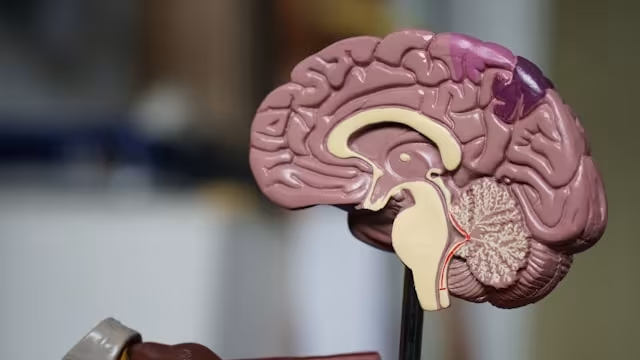
Understanding the Pituitary Gland: The Body’s Master Hormone Control Center
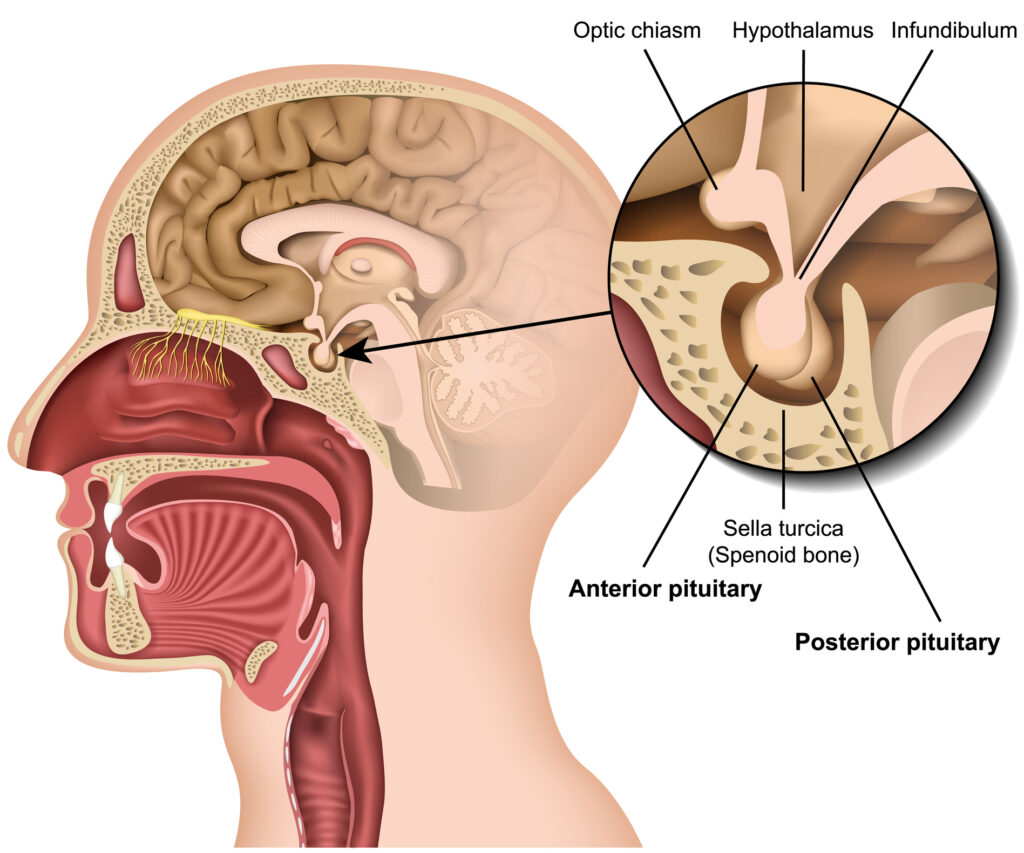
The pituitary gland, though only about the size of a pea, plays a critical role in regulating numerous bodily functions.
Located at the base of the brain, just behind the bridge of your nose, it’s often referred to as the “master hormone gland” because it produces hormones that control many other endocrine glands throughout the body.
Explore everyday essentials and compare current offers on Shopee.
Browse ShopeeConnected to the hypothalamus (the part of the brain that controls body temperature, hunger, and thirst), the pituitary gland works in harmony with this brain region to maintain physiological balance and regulate the release of essential hormones.
These hormones influence growth and development, metabolism and energy levels, water balance in the body, reproductive functions, stress response, thyroid function, and many other critical physiological processes.
The pituitary gland is divided into two main parts—the anterior pituitary and the posterior pituitary—each responsible for producing different hormones that regulate specific bodily functions.
Related article: Which Endocrinologist in Singapore Should You Consider?
Key Hormones Produced by the Pituitary Gland
Anterior Pituitary Hormones:
The anterior pituitary produces several critical hormones.
Adrenocorticotropic Hormone (ACTH) stimulates the adrenal glands to produce cortisol, helping regulate metabolism, immune response, and stress management.
Thyroid-Stimulating Hormone (TSH) prompts the thyroid gland to produce thyroxine (T4) and triiodothyronine (T3), which regulate metabolism and energy levels.
Growth Hormone (GH) manages growth, cellular repair, and metabolism, influencing bone and muscle development.
Luteinizing Hormone (LH) triggers ovulation in women and stimulates testosterone production in men, while Follicle-Stimulating Hormone (FSH) supports reproductive functions, including egg development in women and sperm production in men.
Prolactin is primarily known for stimulating milk production after childbirth, but also influences various reproductive functions.
Related article: Testosterone Replacement Therapy in Singapore: Symptoms, Causes, Benefits
Posterior Pituitary Hormones:
The posterior pituitary releases two main hormones.
Oxytocin, often called the “love hormone,” plays a role in social bonding and triggers uterine contractions during labor and milk ejection during breastfeeding.
Antidiuretic Hormone (ADH), also known as Vasopressin, helps regulate water balance by controlling water reabsorption by the kidneys and influences blood vessel constriction.
Common Pituitary Gland Disorders
When the pituitary gland malfunctions, it can either overproduce or underproduce specific hormones, leading to various health conditions that affect bodily functions.
Here are the most common pituitary gland disorders:
Pituitary Tumors (Adenomas)
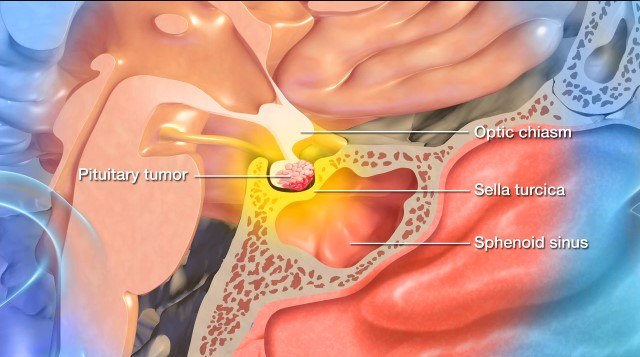
Pituitary adenomas are noncancerous tumors that develop in the pituitary gland.
They represent the most common type of pituitary disorder and can be categorized as:
- Functioning adenomas: Tumors that produce excessive amounts of hormones
- Non-functioning adenomas: Tumors that don’t produce hormones but may press on surrounding structures
These tumors can grow slowly and may not cause symptoms initially.
However, as they enlarge, they can press on nearby structures (like optic nerves) or disrupt normal hormone production.
Related article: Male Infertility in Singapore: Causes, Diagnosis, and Treatment Options
Hypopituitarism
Hypopituitarism occurs when the pituitary gland fails to produce sufficient amounts of one or more hormones.
This condition can develop suddenly after trauma or surgery, or gradually over time.
The symptoms depend on which hormones are deficient, but may include fatigue, decreased sex drive, infertility, and irregular menstrual cycles in women.
Hyperpituitarism
This condition involves the excessive production of hormones by the pituitary gland, usually caused by tumors. Specific types include:
Prolactinoma
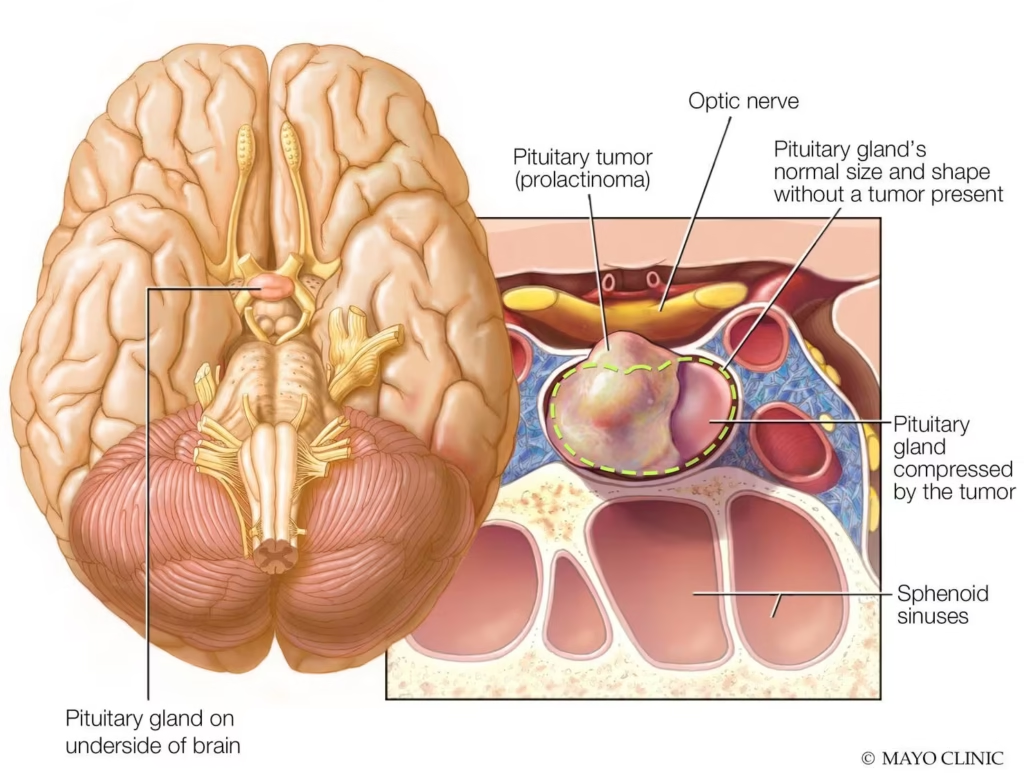
Prolactinomas are benign tumors that cause excessive production of prolactin.
They are the most common type of functioning pituitary adenoma and more frequently occur in women, though men can also be affected.
Symptoms in women include irregular or absent menstrual periods, infertility, menopausal-like symptoms, and unexpected milk production from the breasts (galactorrhea).
Men may experience decreased libido, erectile dysfunction, reduced muscle mass, and breast tenderness.
Read more: Erectile Dysfunction Treatment in Singapore
Acromegaly
Acromegaly results from excessive growth hormone production in adults, typically caused by a pituitary adenoma.
It leads to gradual enlargement of hands, feet, and facial features.
In children, excessive growth hormone causes gigantism, characterized by abnormal height increases.
Without treatment, acromegaly can lead to serious complications, including cardiovascular problems, diabetes, and sleep apnea.
Cushing’s Disease
Cushing’s disease occurs when the pituitary gland produces too much adrenocorticotropic hormone (ACTH), which stimulates the adrenal glands to release excessive cortisol.
Symptoms include weight gain (especially around the face and abdomen), easy bruising, muscle weakness, high blood pressure, and diabetes mellitus.
Read more: Cushing Syndrome Treatment: Causes, Symptoms
Diabetes Insipidus
This condition involves inadequate production or utilization of antidiuretic hormone (ADH), leading to excessive thirst and urination.
It should not be confused with diabetes mellitus, which involves blood sugar regulation.
Read more: Diabetes Treatment in Singapore: Types, Risks
Other Pituitary Disorders
- Pituitary Apoplexy: Sudden bleeding into the pituitary gland, often due to a pituitary tumor, causing severe headaches, vision changes, and hormonal imbalances
- Sheehan’s Syndrome: Occurs due to blood loss during childbirth, resulting in reduced blood supply to the pituitary gland and subsequent hormone deficiencies
- Empty Sella Syndrome: Condition where the pituitary gland appears flattened or shrunken
- Rathke’s Cleft Cysts: Noncancerous fluid-filled sacs that develop from embryonic remnants
Signs and Symptoms of Pituitary Disorders
The symptoms of pituitary disorders vary widely depending on the specific condition and which hormones are affected.
Here are some common signs to be aware of:
General Symptoms
Several symptoms commonly appear across different types of pituitary disorders, though their severity and combination can vary significantly between patients.
Headaches often develop as pituitary tumors or inflammation create pressure within the confined space of the skull.
Fatigue and weakness frequently occur when hormone imbalances disrupt the body’s normal energy regulation and metabolic processes.
Changes in weight may manifest as unexplained weight gain or loss when hormones that control metabolism and appetite become disrupted.
Vision problems can develop when enlarged pituitary glands or tumors press against the optic nerves that cross directly above the pituitary gland.
Mood changes or behavioral issues commonly arise when hormonal imbalances affect neurotransmitter function and emotional regulation centers in the brain.
Related article: Understanding Low Libido in Women: Causes, Treatment and Impact
Hormone-Specific Symptoms
Growth Hormone Abnormalities: Growth hormone imbalances manifest differently depending on age.
In adults, symptoms often include changes in facial features, enlarged hands and feet, and joint pain.
Children may show abnormal growth patterns that are either too rapid or too slow.
Sex Hormone Imbalances: Women typically experience irregular or absent menstrual periods, infertility, and reduced libido.
Men may develop erectile dysfunction, decreased facial hair, and reduced muscle mass.
Both sexes can experience loss of libido and are at risk for osteoporosis.
Thyroid Hormone Issues: Imbalances in thyroid hormones can cause sensitivity to temperature (feeling abnormally cold or hot), unexplained weight changes, alterations in hair and skin texture, constipation or loose stools, and varying energy levels from fatigue to hyperactivity.
Cortisol Abnormalities: When cortisol levels are disrupted, patients may develop easy bruising, purple stretch marks, weight gain concentrated around the abdomen and face, mood disturbances, high blood pressure, and diabetes.
Prolactin Excess: Elevated prolactin levels often cause unexpected milk production from breasts, menstrual irregularities, and reduced fertility.
Antidiuretic Hormone (ADH) Issues: Problems with ADH regulation typically result in excessive thirst, frequent urination, and dehydration, as the body struggles to maintain proper water balance.
Diagnosis of Pituitary Disorders in Singapore
Singapore’s healthcare system offers advanced diagnostic capabilities for pituitary disorders. Diagnosis typically involves a combination of the following:
Medical History and Physical Examination
Your doctor will begin with a thorough review of your medical history and symptoms, followed by a physical examination to look for signs of hormone imbalances.
Blood and Urine Tests
Comprehensive hormone level testing measures the concentrations of various hormones in your blood and urine to evaluate pituitary function accurately.
Growth hormone levels are assessed to detect deficiencies or excesses that affect normal growth and metabolism.
Prolactin measurements help identify prolactinomas and other conditions affecting reproductive function and milk production.
ACTH and cortisol testing evaluates the pituitary-adrenal axis that controls stress response and metabolism.
Thyroid hormones are measured to assess the pituitary’s control over thyroid function and metabolic regulation.
Sex hormones including estrogen, testosterone, LH, and FSH are tested to evaluate reproductive function and sexual development.
Other pituitary hormones are measured as needed to provide a comprehensive picture of pituitary gland function and identify specific deficiencies or excesses.
Dynamic Testing
These tests evaluate how the pituitary gland responds to stimulation or suppression:
- Dexamethasone Suppression Test: Assesses cortisol production and helps diagnose Cushing’s disease
- Insulin Tolerance Test: Evaluates growth hormone and ACTH reserve
- Water Deprivation Test: Helps diagnose diabetes insipidus
Imaging Studies
- Magnetic Resonance Imaging (MRI): The preferred imaging method for examining the pituitary gland, providing detailed images that can reveal tumors as small as a few millimeters
- Computed Tomography (CT): Sometimes used if MRI is contraindicated
- Visual Field Testing: Evaluates whether a pituitary tumor is affecting vision by compressing the optic nerves
Treatment Options for Pituitary Disorders in Singapore
Singapore offers world-class treatment options for pituitary disorders.
The treatment approach depends on the specific condition, tumor size (if present), hormone levels, and the patient’s overall health.
Medication Therapy
Medications can effectively treat certain pituitary disorders:
- Prolactinomas: Dopamine agonists (cabergoline, bromocriptine) reduce prolactin levels and shrink tumor size
- Acromegaly: Somatostatin analogs, GH receptor antagonists, and dopamine agonists help normalize growth hormone levels
- Cushing’s Disease: Medications that block cortisol production or action
- Diabetes Insipidus: Desmopressin (synthetic ADH) to control water balance
Surgical Intervention
Surgery is often necessary for many pituitary tumors, especially those causing significant symptoms or not responding to medication.
Transsphenoidal Surgery is the most common approach in Singapore for removing pituitary tumors.
This minimally invasive procedure accesses the pituitary gland through the nose and sphenoid sinus, avoiding the need for external incisions.
The benefits of transsphenoidal surgery include:
- No visible scarring
- Faster recovery time
- Reduced complications compared to traditional open surgery
- Precise tumor removal with preservation of normal pituitary tissue
In some cases, a transcranial approach (through the skull) may be necessary for larger or more complex tumors.
Radiation Therapy
When surgery cannot completely remove a tumor or if the tumor recurs, radiation therapy may be recommended:
- Conventional Radiation: Delivered over multiple sessions
- Stereotactic Radiosurgery (including Gamma Knife): Delivers a highly focused dose of radiation precisely to the tumor in a single session
Radiation treatment helps shrink tumors and lower abnormal hormone production, though effects may take months or years to fully manifest.
Hormone Replacement Therapy
For patients with hypopituitarism or those who have undergone surgery or radiation that affects pituitary function, hormone replacement therapy is essential:
- Cortisol Replacement: Hydrocortisone or prednisone
- Thyroid Hormone Replacement: Levothyroxine
- Sex Hormone Replacement: Testosterone for men; estrogen and progesterone for women
- Growth Hormone Therapy: Synthetic growth hormone injections
- Antidiuretic Hormone Replacement: Desmopressin for diabetes insipidus
Regular monitoring and dose adjustments are crucial for effective hormone replacement therapy.
When to Seek Medical Attention
It’s important to consult a healthcare professional if you It’s important to consult a healthcare professional if you experience symptoms that could indicate pituitary dysfunction.
Persistent or severe headaches warrant evaluation, especially when they’re new, worsening, or accompanied by other neurological symptoms.
Unexplained changes in weight that occur without dietary or lifestyle modifications should be investigated for underlying hormonal causes.
Vision changes, especially loss of peripheral vision, require urgent attention as they may indicate pressure on the optic nerves from pituitary enlargement.
Fatigue that doesn’t improve with rest may signal hormone deficiencies that affect energy metabolism and cellular function. Irregular menstrual cycles or unexpected cessation of periods in women of reproductive age can indicate disrupted reproductive hormone production.
Erectile dysfunction or decreased libido may reflect hormonal imbalances affecting sexual function and reproductive health.
Excessive thirst and urination could indicate diabetes insipidus or other hormone-related conditions affecting fluid balance.
Growth abnormalities in children or adults may signal growth hormone disorders requiring specialized evaluation.
Significant mood changes that are persistent or severe may reflect hormonal influences on brain chemistry and emotional regulation.
Early diagnosis and treatment of pituitary disorders can prevent complications and improve outcomes.
Seeking Treatment in Singapore
Singapore is renowned for its excellent healthcare system and specialist care for endocrine and pituitary disorders. Leading hospitals and medical centers offer comprehensive services from diagnosis to treatment:
- Singapore General Hospital (SGH) – Houses specialized endocrinology departments with expertise in pituitary disorders
- National University Hospital (NUH) – Offers integrated care from multiple specialists
- Mount Elizabeth Hospital – Provides advanced diagnostic and treatment options
- Khoo Teck Puat Hospital – Known for excellent endocrinology services
- Gleneagles Hospital – Features international specialists in endocrinology
Most facilities feature multidisciplinary teams including endocrinologists, neurosurgeons, radiation oncologists, and specialized nurses to provide comprehensive care.
Recovery and Long-term Management
Recovery from pituitary disorders depends on the specific condition and treatment approach.
After surgical intervention, patients typically stay in the hospital for 2-5 days, with full recovery taking several weeks.
Long-term management typically involves comprehensive ongoing care to ensure optimal outcomes.
Regular follow-up appointments with endocrinologists or specialized pituitary teams monitor treatment effectiveness and detect any changes in condition.
Periodic hormone level testing ensures that hormone replacement therapies are appropriately dosed and that pituitary function remains stable or improves.
Imaging studies to monitor tumor recurrence provide early detection of any regrowth that might require additional treatment.
Adjustments to hormone replacement therapy are made as needed based on laboratory results, symptoms, and life changes such as aging or pregnancy.
Lifestyle modifications to support overall health include maintaining proper nutrition, regular exercise, stress management, and adequate sleep to optimize hormone function and general well-being.
With proper treatment and management, many patients with pituitary disorders can lead normal, healthy lives.
Early detection and intervention significantly improve outcomes and quality of life for those affected by these complex hormonal conditions.
Frequently Asked Questions
What is the pituitary gland and why is it important?
The pituitary gland is a small, pea-sized gland located at the base of the brain. It’s often called the “master gland” because it produces hormones that control several other endocrine glands.
These hormones regulate critical bodily functions including growth, metabolism, sexual development, reproduction, and stress response.
Despite its small size, the pituitary gland is essential for maintaining hormonal balance and ensuring proper functioning of multiple body systems.
How common are pituitary disorders in Singapore?
While specific statistics for Singapore are limited, pituitary disorders are relatively uncommon worldwide.
Pituitary adenomas (tumors) are the most frequent pituitary disorder, with a prevalence of approximately 1 in 1,000 people.
Some pituitary conditions may be underdiagnosed due to subtle symptoms that develop gradually.
In Singapore’s healthcare system, improved diagnostic capabilities have led to more accurate identification of these conditions.
What are the most common symptoms that might indicate a pituitary problem?
Common symptoms include unexplained weight changes, fatigue, headaches (particularly behind the eyes), vision problems, irregular menstrual cycles in women, decreased libido, erectile dysfunction in men, unexpected milk production from breasts, excessive thirst and urination, mood changes, and in some cases, changes in facial features or enlargement of hands and feet.
However, symptoms vary widely depending on which hormones are affected and whether there’s overproduction or underproduction.
How are pituitary disorders diagnosed in Singapore?
Diagnosis typically begins with a detailed medical history and physical examination.
Blood and urine tests measure hormone levels, while dynamic tests assess pituitary function under stimulation or suppression.
Imaging studies, particularly MRI, provide detailed views of the pituitary gland to identify tumors or abnormalities.
In Singapore, advanced diagnostic technologies and specialized endocrinology centers ensure accurate and timely diagnosis.
What are the treatment options available for pituitary disorders in Singapore?
Singapore offers comprehensive treatment options including medication therapy (such as dopamine agonists for prolactinomas), minimally invasive surgical approaches (primarily transsphenoidal surgery), advanced radiation therapy (including stereotactic radiosurgery), and hormone replacement therapy.
Treatment plans are individualized based on the specific disorder, tumor characteristics (if present), and patient factors.
Singapore’s healthcare system provides access to world-class specialists and facilities for pituitary disorder management.
How successful is pituitary tumor surgery in Singapore?
Success rates for pituitary tumor surgery in Singapore are comparable to international standards, with experienced neurosurgeons achieving excellent outcomes.
For most pituitary adenomas, transsphenoidal surgery success rates range from 70-90%, depending on tumor size, location, and type.
Smaller tumors and those confined to the pituitary gland have the highest success rates.
Singapore’s medical centers employ advanced surgical navigation technology and minimally invasive techniques to maximize tumor removal while preserving normal pituitary function.
Will I need hormone replacement after treatment for a pituitary disorder?
The need for hormone replacement depends on your specific condition and treatment.
Some patients may need temporary hormone replacement after surgery until the pituitary gland recovers its function.
Others may require lifelong hormone replacement if significant portions of the pituitary gland are affected by the tumor or removed during surgery.
Regular hormone level monitoring helps determine the appropriate replacement therapy and dosages.
Your endocrinologist will develop a personalized plan based on your specific needs.
How long is the recovery period after pituitary surgery in Singapore?
Hospital stays typically range from 2-5 days following transsphenoidal surgery. Most patients can resume normal activities within 4-6 weeks, though complete recovery may take up to 3 months.
During recovery, patients should avoid strenuous activities, heavy lifting, and actions that increase pressure in the head (like bending over).
Follow-up appointments monitor healing and hormone levels.
Singapore’s hospitals provide comprehensive post-surgical care and rehabilitation services to support recovery.
Are pituitary disorders hereditary?
Most pituitary disorders, including common pituitary adenomas, are not hereditary and occur sporadically without family history.
However, some rare conditions like Multiple Endocrine Neoplasia type 1 (MEN1) have a genetic component and can run in families.
If you have relatives with pituitary disorders or other endocrine conditions, inform your doctor, as genetic testing might be recommended in certain cases.
What should I look for in a specialist when seeking treatment for pituitary disorders in Singapore?
Look for endocrinologists and neurosurgeons with specific expertise in pituitary disorders.
Consider specialists who are board-certified, affiliated with major hospitals like Singapore General Hospital or National University Hospital, and who work within multidisciplinary pituitary disorder teams.
Experience matters—ask about the number of similar cases they’ve treated.
Patient reviews and recommendations from other healthcare providers can also guide your choice.
Many leading specialists in Singapore have international training and participate in ongoing research in the field.
How frequently will I need follow-up appointments after treatment?
Initially, follow-up appointments may be scheduled every 3-6 months to monitor hormone levels and recovery.
These visits include blood tests to check hormone function and possibly imaging studies to ensure complete tumor removal or to monitor for recurrence.
As your condition stabilizes, appointments may become less frequent, typically once or twice yearly for long-term monitoring.
Patients on hormone replacement therapy require regular follow-ups to adjust medication dosages as needed.
Can pituitary disorders affect fertility, and can this be treated?
Yes, pituitary disorders can significantly impact fertility in both men and women by disrupting sex hormone production.
Conditions like prolactinomas, Cushing’s disease, and hypopituitarism can cause irregular or absent menstruation in women and reduced sperm production in men.
Fortunately, treating the underlying pituitary disorder often restores fertility. If hormone deficiencies persist, fertility treatments and assisted reproductive technologies are available in Singapore’s advanced fertility centers.
Consultation with both an endocrinologist and a fertility specialist is recommended for optimal care.
What lifestyle modifications should I make if diagnosed with a pituitary disorder?
While lifestyle changes don’t replace medical treatment, they can support overall health and management of symptoms.
Maintain a balanced diet rich in nutrients, engage in regular physical activity as permitted by your condition, ensure adequate sleep, and manage stress effectively.
For specific conditions like Cushing’s syndrome, limiting salt intake may help control blood pressure. Patients with diabetes insipidus should ensure adequate fluid intake.
Always consult your healthcare provider before making significant lifestyle changes, as recommendations vary based on your specific condition and treatment plan.
How does Singapore’s healthcare system support patients with pituitary disorders?
Singapore’s healthcare system provides comprehensive support through public and private facilities. Subsidized care is available at public hospitals, while MediSave, MediShield Life, and integrated shield plans help cover treatment costs.
The system emphasizes multidisciplinary care, bringing together endocrinologists, neurosurgeons, radiation oncologists, ophthalmologists, and specialized nurses.
Patient support services include counseling, support groups, and rehabilitation programs.
Singapore’s medical tourism infrastructure also accommodates international patients seeking specialized care for pituitary disorders.
Are there any new or innovative treatments for pituitary disorders being developed or available in Singapore?
Singapore stays at the forefront of medical innovations for pituitary disorders.
Recent advances include enhanced endoscopic surgical techniques providing better visualization during tumor removal, improved targeted radiation therapy reducing damage to surrounding tissues, and newer pharmaceutical options with fewer side effects.
Ongoing research explores personalized medicine approaches based on genetic profiles and tumor characteristics.
Singapore’s participation in international clinical trials also provides eligible patients access to emerging treatments before they become widely available.
Explore everyday essentials and compare current offers on Shopee.
Browse Shopee