

Infertility affects approximately 15% of couples in Singapore who are unable to conceive successfully after 12 months of trying to have a child.
Explore everyday essentials and compare current offers on Shopee.
Browse ShopeeContrary to common perception, infertility is not predominantly a female issue. In fact, male factors contribute to about 50-60% of all infertility cases, either as the sole cause or in combination with female factors.
Despite this prevalence, conversations around infertility often remain centered on women, leading to misconceptions and delayed diagnosis for men experiencing fertility challenges.
This comprehensive guide explores the causes, diagnosis, and treatment options for male infertility in Singapore, aiming to provide clear, accurate information for those navigating this challenging journey.
You might be interested: Testosterone Replacement Therapy in Singapore: Symptoms, Causes, Benefits
Understanding Male Infertility
Male infertility is a condition that lowers the chances of a man’s female partner getting pregnant. According to statistics in Singapore:
| Cause of Infertility | Percentage |
|---|---|
| Female problem only | 39% |
| Male problem only | 20% |
| Both male and female problems | 26% |
| No obvious cause for infertility | 15% |
This means that in nearly half of all infertility cases in Singapore, male factors play a significant role. What makes male infertility particularly challenging to identify is that in nearly all cases, men will not observe any obvious signs or symptoms.
Sexual intercourse, erection, and ejaculation usually occur without difficulty, and the quantity and appearance of semen generally appear normal to the naked eye. Medical tests are typically necessary to identify underlying issues.
Related article: Erectile Dysfunction Treatment in Singapore
The Male Reproductive System
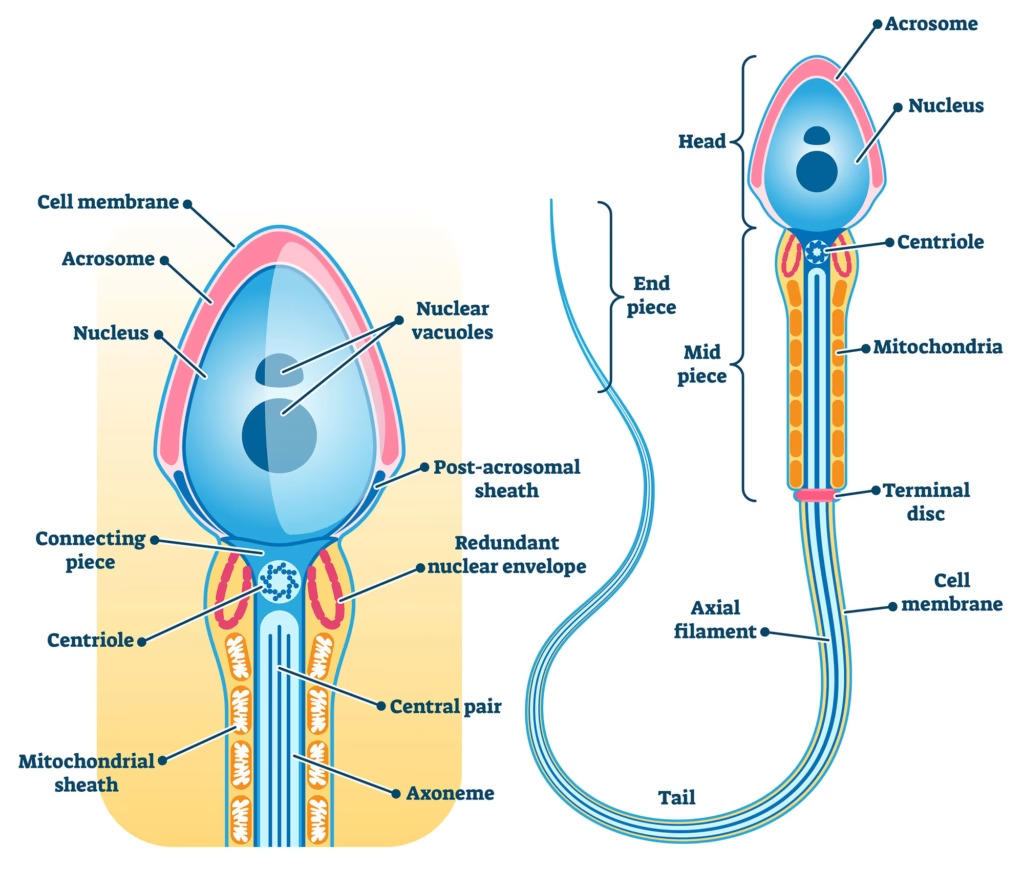
To understand male infertility, it’s essential to know how the male reproductive system works.
Sperm Production
Sperm production begins in the testes, where the hormone testosterone is also produced. In healthy young men, approximately 100 million sperm are produced daily. After production, sperm travel through:
- The epididymis – where they mature
- The vas deferens – the tube that transports sperm
- The urethra – before exiting the body during ejaculation
The entire process of sperm production and maturation takes just under three months (about 72 days). This means that any serious illness or condition may affect sperm production for up to three months afterward.
Related article: Understanding Low Libido in Women: Causes, Treatment and Impact
Sperm Structure and Function
A healthy sperm consists of three main parts:
- The head – contains the genetic material needed for fertilization
- The mid-piece (neck) – provides energy for movement
- The tail – enables the sperm to swim toward the egg
For successful fertilization, sperm must be able to move effectively (motility) to propel themselves through cervical mucus and travel through the uterus and fallopian tube to reach the egg. They must also be normally shaped to penetrate the outer shell of the egg and deliver their genetic material.
Key Components for Male Fertility
Four essential components are necessary for satisfactory sperm production and successful pregnancy:
- Normal hormonal stimulation from the pituitary gland
- Normal sperm production in the tubules of the testes
- An unobstructed sperm pathway
- Effective natural sperm delivery
If any of these components are compromised, fertility issues may arise.
Read more: TCM Fertility Treatments in Singapore
Common Causes of Male Infertility
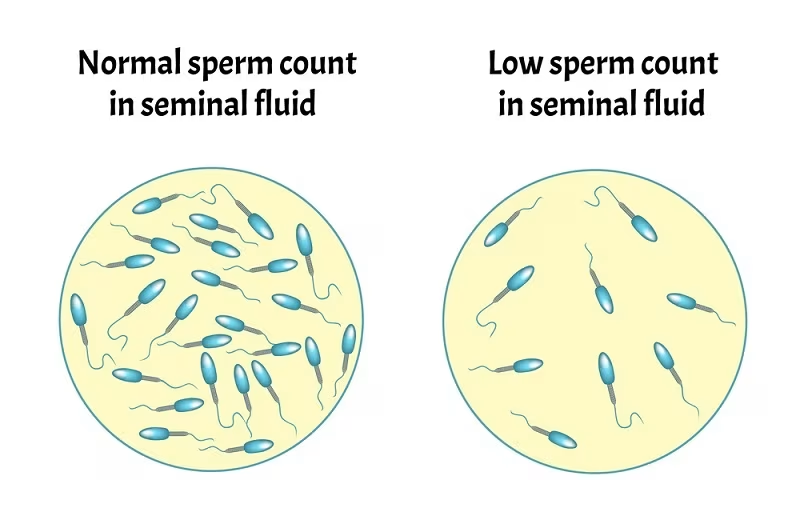
Male infertility can stem from various causes, ranging from sperm production issues to hormonal imbalances and lifestyle factors.
Sperm Production Problems
The most common causes of male infertility related to sperm include:
- Azoospermia – No sperm cells are produced or found in the ejaculate
- Oligospermia – Few sperm cells are produced
- Teratospermia – A high proportion of sperm is abnormally shaped
- Low motility – Sperm cannot swim effectively to reach the egg
Obstruction or Blockages
Physical obstructions within the male reproductive system can prevent sperm from reaching their intended destination, creating significant fertility challenges.
Blocked or absent vas deferens, which are the tubes responsible for transporting sperm from the testes to the urethra, can completely prevent sperm from being present in the ejaculate.
This condition may be congenital, meaning present from birth, or acquired through injury or infection.
Genetic conditions such as cystic fibrosis can cause congenital absence of the vas deferens, making natural conception impossible without medical intervention.
Previous medical procedures like vasectomy, which is designed to permanently prevent sperm transport, or injuries to reproductive organs from trauma, surgery, or infection can also create blockages that interfere with normal sperm delivery.
You might like: Circumcision in Singapore
Immunological Issues
The immune system can sometimes interfere with male fertility through mechanisms that mistakenly target the body’s own reproductive cells.
Sperm antibodies develop when the immune system incorrectly identifies sperm as foreign invaders and attacks them, significantly interfering with sperm motility and their ability to successfully fertilize an egg.
High sperm DNA fragmentation represents another immunological concern that affects sperm quality at the cellular level.
This condition involves damage to the genetic material within sperm cells, which significantly affects a sperm’s ability to fertilize an egg and can lead to failed conception attempts or early pregnancy loss.
Sexual Dysfunction
Various sexual health issues can significantly impact male fertility by interfering with the delivery of sperm during intercourse.
Erectile dysfunction prevents or impairs the ability to achieve and maintain an erection sufficient for successful intercourse, making natural conception difficult or impossible.
Retrograde ejaculation is a condition where semen flows backward into the bladder instead of exiting through the penis during orgasm, preventing sperm from reaching the female reproductive tract.
Additionally, low sexual frequency or poor timing of intercourse relative to the female partner’s fertile window can significantly reduce the chances of conception, even when sperm quality is normal.
Related article: Menopause Treatment Singapore
Hormonal Imbalances
The complex hormonal system that regulates male reproduction can be disrupted in several ways that impact fertility.
Deficiency of luteinizing hormone (LH) and follicle-stimulating hormone (FSH), which are produced by the pituitary gland, can severely impair sperm production since these hormones are essential for stimulating the testes to produce sperm.
Low testosterone levels affect not only sperm production but also sexual desire and function, creating multiple barriers to successful conception.
High prolactin levels, which can be caused by pituitary disorders or certain medications, can suppress the normal hormonal signals needed for sperm production and sexual function.
You might like: Hysterectomy in Singapore: Costs, Risks, Treatment
Medical Conditions
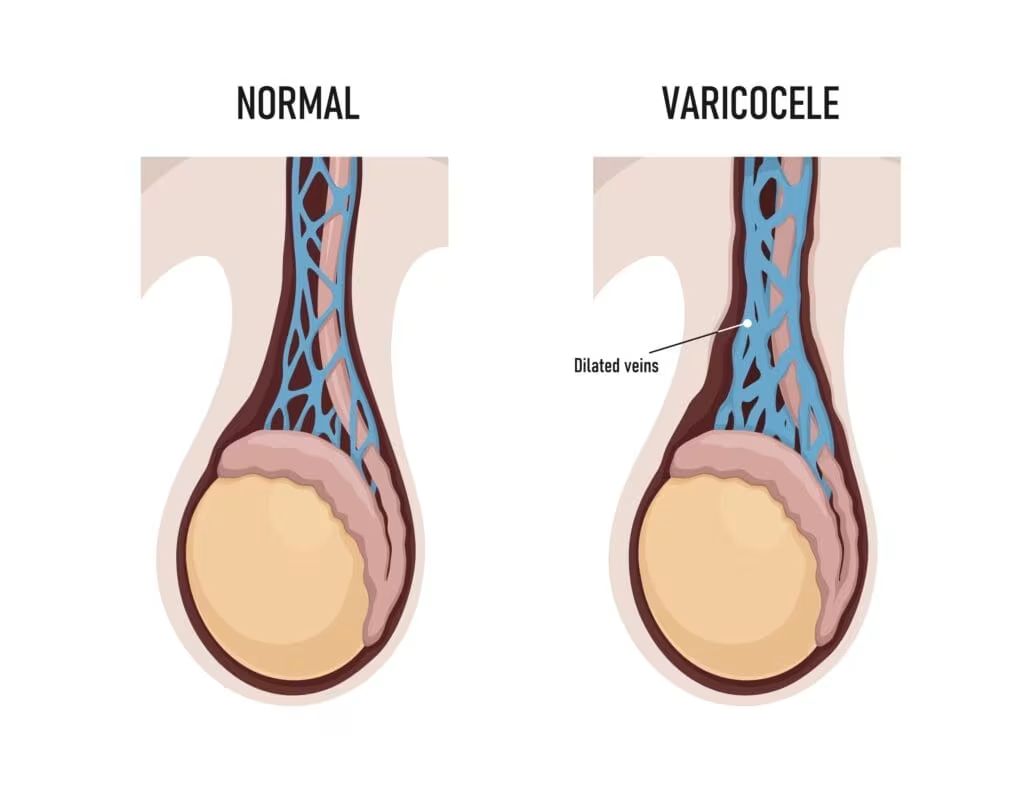
Several medical conditions can directly or indirectly affect male fertility through various mechanisms.
Varicoceles, which are enlarged veins in the scrotum, can impair sperm production by increasing the temperature around the testes and affecting blood flow to these vital organs.
Infections affecting the reproductive tract, including sexually transmitted infections or other bacterial infections, can damage sperm-producing tissues or create blockages that prevent normal sperm transport.
Tumors, whether benign or malignant, can disrupt normal hormone production or physically interfere with reproductive function.
Undescended testicles, a condition where one or both testes fail to descend into the scrotum during development, can significantly impair sperm production due to the higher body temperature outside the scrotum.
Chromosomal or genetic disorders can affect every aspect of male reproductive function, from sperm production to hormone regulation, often resulting in severe fertility challenges.
Risk Factors for Male Infertility
Several factors can increase the risk of male infertility:
Age
While men continue to produce sperm throughout their lives unlike women who have a finite number of eggs, sperm quality tends to decline significantly after age 40 to 45.
This age-related decline includes decreased sperm volume in each ejaculate, reduced motility that impairs sperm’s ability to swim effectively toward an egg, and changes in sperm morphology that affect their shape and structure.
Perhaps most concerning is the increased damage to sperm DNA that occurs with advancing age, which can lead to higher rates of genetic abnormalities, miscarriage, and certain birth defects.
These age-related changes mean that older fathers may face greater challenges in achieving pregnancy and may have increased risks for certain pregnancy complications.
Lifestyle Factors
Many lifestyle choices significantly impact male fertility, offering opportunities for men to improve their reproductive health through behavioral changes.
Smoking damages sperm DNA and reduces sperm count through the toxic effects of nicotine and other harmful chemicals, making it one of the most important modifiable risk factors for male infertility.
Excessive alcohol consumption affects hormone production and directly impacts sperm quality, while drug use, including anabolic steroids and recreational drugs, can severely disrupt the delicate hormonal balance needed for normal sperm production.
High BMI and obesity are associated with significant hormonal changes that can impair fertility, including reduced testosterone levels and increased estrogen production.
Environmental factors also play crucial roles in male fertility. Exposure to environmental toxins, including pesticides, industrial chemicals, and radiation, can damage sperm-producing cells and affect sperm quality.
Frequent exposure to heat from sources such as saunas, hot tubs, or even laptops placed on the lap can impair sperm production since sperm development requires temperatures slightly below normal body temperature.
Chronic stress can significantly affect hormonal balance and sexual function, creating both physiological and psychological barriers to conception.
Managing stress through healthy coping mechanisms and lifestyle modifications can help optimize reproductive health and improve overall well-being.
Diagnosing Male Infertility
Medical investigation for infertility should involve both partners from the beginning. For men, this process typically includes:
Initial Consultation
A thorough medical history and physical examination to identify potential issues or risk factors, including:
- Past medical conditions
- Previous surgeries
- Family history
- Lifestyle factors
- Medications
Semen Analysis
Semen analysis is the most essential component of diagnosing male infertility. This laboratory test examines freshly ejaculated semen, measuring:
| Parameter | Normal Value |
|---|---|
| Volume of semen | More than 2ml |
| Sperm concentration | More than 20 million sperm per ml |
| Sperm motility | More than 50%, forward progression |
| Sperm morphology | More than 15% has a normal shape (strict criteria) |
| White blood cells | Less than 1 million cells per ml |
Semen analysis should be performed at specialized laboratories using methods approved by the World Health Organization. Because semen parameters can vary from day to day, multiple samples may be required for accurate assessment.
Additional Tests
Based on the results of the semen analysis and physical examination, additional tests may be recommended:
- Hormonal testing – Blood tests to measure testosterone, FSH, LH, and other hormones
- Scrotal ultrasound – To visualize the testicles and surrounding structures
- Transrectal ultrasound – To check the prostate and look for blockages
- Post-ejaculation urinalysis – To check for retrograde ejaculation
- Genetic tests – To identify chromosomal abnormalities
- Testicular biopsy – To examine sperm production directly
- Anti-sperm antibody tests – To detect immune system issues affecting sperm
- Specialized sperm function tests – To assess survival and ability to penetrate an egg
Types of Male Infertility and Treatment Options
Male infertility can be categorized into different types based on the underlying cause and treatment potential:
Treatable Conditions
About one in eight infertile men has a treatable condition that can be overcome. After appropriate treatment, couples can try to conceive naturally without assisted reproductive techniques.
- Hormonal Disorders
- Deficiency of luteinizing hormone (LH) and follicle-stimulating hormone (FSH)
- Treatment with synthetic hormones can restart sperm production
- Spontaneous pregnancies are common after treatment
- Blockages of Sperm Transport
- May result from developmental disorders, infections, or previous vasectomy
- Bypass surgery is sometimes possible depending on the level of obstruction
- Alternatively, sperm can be surgically retrieved for use in IVF
- Medical Therapy Issues
- Infertility caused by medications like anabolic steroids or cytotoxic therapy
- Sperm production usually recovers with cessation of therapy or medication change
- Sperm Antibodies
- Interferes with fertility by reducing sperm motility and fertilization
- Therapy targeted at the sperm antibodies can increase pregnancy chances
- In some cases, IVF may be necessary
- Sexual Function Disorders
- Includes erectile dysfunction, ejaculation issues, and timing problems
- Often responds to treatment and proper counseling
Untreatable Sterility
Men with untreatable sterility typically have azoospermia, a condition characterized by the complete absence of sperm in their ejaculate.
This severe form of male infertility is usually caused by chromosomal or genetic disorders that affect sperm production from birth, inflammation of the testes that has caused permanent damage, or certain drug treatments that have irreversibly impaired the reproductive system.
In these cases, the sperm-producing cells either did not develop properly during fetal development or have been irreversibly destroyed by disease, injury, or medical treatment.
When couples face this challenging diagnosis, they may need to consider alternative options for building their family, such as adoption or donor insemination using sperm from a carefully screened donor.
Untreatable Sub-fertility
Most men who are investigated for infertility issues are diagnosed with untreatable sub-fertility, a condition that significantly reduces but does not completely eliminate their chances of natural conception.
This condition is characterized by lower sperm numbers than normal ranges, reduced motility that impairs the sperm’s ability to reach and fertilize an egg, and a lower percentage of sperm with normal forms and shapes that are necessary for successful fertilization.
In cases of untreatable sub-fertility, the likelihood of spontaneous pregnancy depends greatly on additional female factors that may either help or hinder conception.
These factors include the female partner’s age, particularly if she is over 35 when fertility naturally begins to decline, or the presence of conditions like endometriosis that can affect fertility.
For couples facing this diagnosis, early recourse to assisted reproduction technologies is often the key to achieving a successful pregnancy outcome.
Treatment Approaches for Male Infertility
Treatment options for male infertility depend on the specific diagnosis and may include:
Lifestyle Modifications
Lifestyle changes form the foundation of male infertility treatment and can significantly improve sperm quality and overall reproductive health.
Weight management is crucial, as obesity can negatively affect hormone levels and sperm production. Reducing alcohol consumption and quitting smoking are essential steps, as both substances can impair sperm quality and quantity.
Avoiding excessive heat exposure, such as from hot tubs, saunas, or tight clothing, helps protect sperm production since elevated temperatures can damage developing sperm.
Stress reduction techniques including meditation, counseling, or relaxation exercises can help improve overall health and potentially boost fertility.
Regular exercise supports overall health and can help maintain optimal weight and hormone balance, though excessive exercise should be avoided as it may have negative effects.
Medication and Hormone Therapy
Medical interventions may be necessary when infections or hormonal imbalances contribute to infertility.
Antibiotics are prescribed to treat bacterial infections that may be affecting sperm production or function.
Hormone treatments can address specific imbalances that interfere with normal sperm production, helping to restore optimal reproductive function.
Medications to improve sexual function may be prescribed when erectile dysfunction or other sexual performance issues are contributing factors to the couple’s infertility challenges.
Surgical Interventions
Several surgical procedures can address structural problems that interfere with male fertility.
Varicocele repair involves correcting enlarged veins in the scrotum that can impair sperm production and quality.
Vasectomy reversal may be performed for men who previously had a vasectomy but now wish to father children naturally.
Surgical removal of blockages in the reproductive tract can restore the normal flow of sperm from the testes to the ejaculate.
When natural sperm production exists but cannot be delivered normally, procedures to retrieve sperm directly from the testes may be necessary.
These include Testicular Sperm Aspiration (TESA) and Micro-epididymal Sperm Aspiration (MESA), which allow for direct collection of viable sperm for use in assisted reproduction.
Assisted Reproductive Technologies (ART)
When natural conception is not possible or unlikely, assisted reproductive technologies offer hope for couples struggling with male factor infertility.
These sophisticated medical procedures can overcome many barriers to fertilization and pregnancy.
Intrauterine Insemination (IUI)
Intrauterine Insemination involves placing the man’s processed semen sample directly into the woman’s uterus during her fertile period.
This procedure is particularly suitable for men with mild to moderate sperm issues, as it bypasses some natural barriers and concentrates the healthiest sperm closer to the egg.
IUI represents a less invasive and more affordable option compared to more complex assisted reproductive technologies, making it often the first choice for couples with less severe fertility challenges.
In Vitro Fertilization (IVF)
In Vitro Fertilization is a more complex procedure where fertilization occurs manually in a controlled laboratory environment rather than naturally within the woman’s body.
The comprehensive IVF process includes ovarian stimulation to produce multiple eggs, egg retrieval through a minor surgical procedure, fertilization of the eggs with sperm in the laboratory, and embryo transfer back into the woman’s uterus.
IVF is typically recommended for more severe cases of male infertility where simpler interventions are unlikely to be successful.
Intracytoplasmic Sperm Injection (ICSI)
Intracytoplasmic Sperm Injection represents a revolutionary advancement in treating severe male factor infertility.
During this highly specialized procedure, a single sperm is directly injected into an individual egg, bypassing all natural barriers to fertilization.
ICSI has transformed the treatment landscape for severe male infertility and can achieve successful fertilization even with very low sperm counts or poor sperm quality.
This technique substantially reduces the chance of failed fertilization compared to conventional IVF, making it the preferred method when male factor infertility is severe or when previous IVF attempts have failed due to fertilization problems.
Sperm Retrieval Techniques
When sperm cannot be obtained through normal ejaculation, surgical methods can extract sperm directly from the reproductive tract.
These sophisticated procedures include Testicular Sperm Aspiration (TESA), Micro-epididymal Sperm Aspiration (MESA), and Testicular Sperm Extraction (TESE), each designed for specific clinical situations.
These sperm retrieval techniques are particularly valuable in cases of azoospermia where no sperm are present in the ejaculate, or severe oligospermia where sperm numbers are extremely low.
The retrieved sperm can then be used immediately for ICSI or can be frozen for future use, providing flexibility in treatment planning and multiple opportunities for conception attempts.
Coping with Male Infertility in Singapore
Male infertility can present significant emotional challenges. In Singapore, cultural norms and societal expectations may make it difficult for men to open up about fertility issues or seek help.
Emotional and Social Challenges
- Men are often more hesitant to seek help when dealing with infertility
- Social expectations and cultural norms may discourage men from showing vulnerability
- There can be feelings of guilt, inadequacy, or embarrassment
- Fertility challenges can strain relationships
Support Resources
- Fertility Support SG – A non-profit organization offering support groups and resources
- Professional counseling – Many fertility clinics in Singapore offer psychological support
- Online communities – Forums and groups where men can share experiences anonymously
- Educational resources – Information to better understand fertility issues
Importance of Comprehensive Assessment
Male infertility deserves the same medical attention as female factor infertility. Assessment of an infertile couple should include evaluation of the male partner from the outset, given the frequency of male contribution to fertility issues.
This approach enables:
- Detection and early treatment of treatable conditions
- Potential avoidance of unnecessary assisted reproduction techniques
- Reduction of delays to appropriate treatment when needed
- Improved overall success rates
Conclusion
Male infertility is a significant factor in up to half of all infertility cases in Singapore.
With advances in medical technology and treatment options, most forms of male infertility can now be treated or overcome.
The key is early detection through proper testing and a comprehensive approach that considers both partners.
By understanding the causes, seeking appropriate diagnosis, and exploring available treatment options, couples facing fertility challenges can make informed decisions about their path to parenthood.
FAQ Section
What is the definition of male infertility?
Male infertility is a condition that diminishes a man’s ability to impregnate his female partner.
Clinically, it is recognized when a couple fails to achieve pregnancy after 12 months of regular, unprotected intercourse, with the male partner being identified as the contributing factor.
This can result from issues with sperm production, function, or delivery.
How common is male infertility in Singapore?
In Singapore, about 15% of couples experience infertility after trying to conceive for a year.
Male factors contribute to approximately 46% of these cases—20% are due solely to male issues, while 26% involve both male and female factors.
This makes male infertility a significant concern affecting many couples in Singapore.
At what age does male fertility start to decline?
While men can produce sperm throughout their lives, the quality tends to decline around age 40-45. After this age, there are measurable decreases in semen volume, sperm motility, morphology, and an increase in DNA fragmentation.
The risk of genetic abnormalities in offspring also increases with paternal age. However, the decline in male fertility is more gradual and less dramatic than the female fertility decline.
What are the symptoms of male infertility?
Unlike many medical conditions, male infertility typically presents no obvious symptoms. Sexual function, erection, ejaculation, and the appearance of semen usually remain normal.
The primary indication is simply the inability to conceive after a year of trying. In some cases, there may be signs of underlying conditions such as pain or swelling in the testicles, reduced facial or body hair, or sexual dysfunction.
How is male infertility diagnosed?
Diagnosis typically begins with a comprehensive medical history and physical examination.
The primary diagnostic test is semen analysis, measuring volume, sperm count, motility, and morphology. Additional tests may include hormonal blood tests, ultrasound examinations, genetic testing, and in some cases, testicular biopsy.
For accurate assessment, multiple semen samples may be required due to natural variations.
What lifestyle factors can affect male fertility?
Several lifestyle factors can significantly impact male fertility.
These include smoking, excessive alcohol consumption, recreational drug use, anabolic steroid use, obesity, exposure to environmental toxins, frequent heat exposure to the testicles (from saunas, hot tubs, or laptop use), and high stress levels.
Making positive lifestyle changes can often improve sperm quality and overall fertility.
Can male infertility be cured?
Whether male infertility can be “cured” depends on the underlying cause. Some conditions, such as hormonal imbalances, infections, or obstructions, can be effectively treated, allowing for natural conception.
Other conditions may be manageable but not curable, requiring assisted reproductive technologies.
Approximately one in eight infertile men has a fully treatable condition, while others may need ongoing assistance.
What is ICSI and how does it help with male infertility?
Intracytoplasmic Sperm Injection (ICSI) is an advanced fertility treatment where a single sperm is directly injected into an egg to facilitate fertilization.
It has revolutionized the treatment of severe male factor infertility, making conception possible even with very low sperm counts or poor sperm quality.
ICSI is typically performed as part of an IVF cycle and has substantially reduced the chances of failed fertilization compared to conventional IVF.
How does age affect male fertility?
While men don’t experience a sharp fertility decline like women do, age does impact male fertility.
As men age, particularly after 45, there’s a gradual decrease in sperm volume, motility, and normal morphology. The genetic quality of sperm also decreases, with higher rates of DNA fragmentation.
This can lead to reduced fertility, longer time to pregnancy, and slightly increased risks of certain conditions in offspring.
What support is available for men with infertility in Singapore?
In Singapore, men with infertility can access support through various channels.
Medical support is available at fertility clinics and specialized urology practices. Emotional support can be found through organizations like Fertility Support SG, which offers support groups, resources, and awareness campaigns. Many fertility clinics also provide counseling services.
Additionally, online communities allow men to connect with others experiencing similar challenges while maintaining anonymity.
Can male infertility be prevented?
While not all causes of male infertility can be prevented, several measures can help maintain optimal fertility.
These include maintaining a healthy weight, regular exercise, limiting alcohol consumption, avoiding smoking and recreational drugs, protecting the testicles from excessive heat and trauma, limiting exposure to environmental toxins, and managing chronic health conditions.
Regular health check-ups can also help identify and address potential issues early.
How does varicocele affect fertility and can it be treated?
A varicocele is an enlargement of veins within the scrotum, similar to varicose veins in legs.
It can lead to increased testicular temperature, which may impair sperm production and quality.
Varicoceles are found in about 15% of the general male population but in approximately 40% of men with infertility.
Treatment through surgical repair (varicocelectomy) may improve sperm quality in some cases, though the effectiveness varies based on individual factors.
What is azoospermia and what options are available?
Azoospermia is the absence of sperm in ejaculated semen and accounts for about 15% of male infertility cases.
It can be either obstructive (where sperm is produced but blocked from entering the ejaculate) or non-obstructive (where sperm production is severely impaired or absent).
Treatment options depend on the type and cause but may include surgical correction of blockages, hormone therapy, or sperm retrieval techniques combined with ICSI for assisted reproduction.
How do sperm antibodies affect fertility?
Sperm antibodies occur when the immune system mistakenly attacks sperm as foreign invaders.
This typically happens after injury, infection, or surgery that breaks the natural barriers separating sperm from the immune system. These antibodies can cause sperm to clump together, reduce motility, or prevent attachment to the egg.
Treatment may involve corticosteroids in some cases, though many couples with this issue will require assisted reproductive technologies like IVF with ICSI.
What role does genetic testing play in male infertility?
Genetic testing is increasingly important in diagnosing male infertility, particularly for men with severely low sperm counts or azoospermia.
Tests may identify chromosomal abnormalities, Y-chromosome microdeletions, or mutations in specific genes related to sperm production or function.
This information helps determine appropriate treatment options and allows couples to understand potential risks of passing genetic conditions to offspring, enabling informed reproductive decisions.
Explore everyday essentials and compare current offers on Shopee.
Browse Shopee