

Libido, commonly known as sexual desire or drive, is an important indicator of an adult woman’s general health.
This natural instinctual urge exists across all species for reproduction purposes, but for humans, it plays a crucial role beyond procreation.
General shopping ideas, independent of this article’s advice.
Swipe to compare products → Biofinest Effervescent Vitamin C 1000mg D3 Zinc Collagen Multivitamin Calcium Magnesium Zinc Tablets Drink Sugar FreeFrom S$5.95Biofinest Probiotic 50 Billion CFU Enzyme Supplement 12 + 3 Prebiotics – Diet Slimming Eczema Detox Men Women (60 caps)From S$22.40Estalife Magnesium Glycinate 1000MG | Heart, Bone, Muscle, Sleep, Mood Health | 60 Veg CapsFrom S$13.99
Prices may vary by option. Check the final price and delivery on Shopee.
A healthy libido helps maintain intimate relationships and sustains emotional bonds between partners.
Low libido refers to a reduced interest in sexual activity or a lack of sexual drive.
Research has highlighted a higher occurrence of low libido among Asian women, often attributed to cultural conservatism.
However, in Singapore specifically, women appear increasingly empowered to address libido concerns proactively.
Recent studies have revealed significant insights about Singaporean women’s sexual health.
A landmark study by KK Women’s and Children’s Hospital (KKH) found that while over 50% of middle-aged women in Singapore are sexually active, many experience sexual dysfunction issues, with low sexual desire and difficulty reaching orgasm being the most commonly reported problems.
This article explores the complexities of low libido, its various causes, and how it can be effectively addressed.
You might like: Which Gynaecologist in Singapore Should You Consider?
The Science of Libido: Understanding the Biological Foundations
Sexual desire varies significantly from person to person, with numerous factors influencing its intensity and expression. Women experience different levels of libido throughout their lives, with changes occurring due to both natural biological processes and external factors.
Common Symptoms of Low Libido
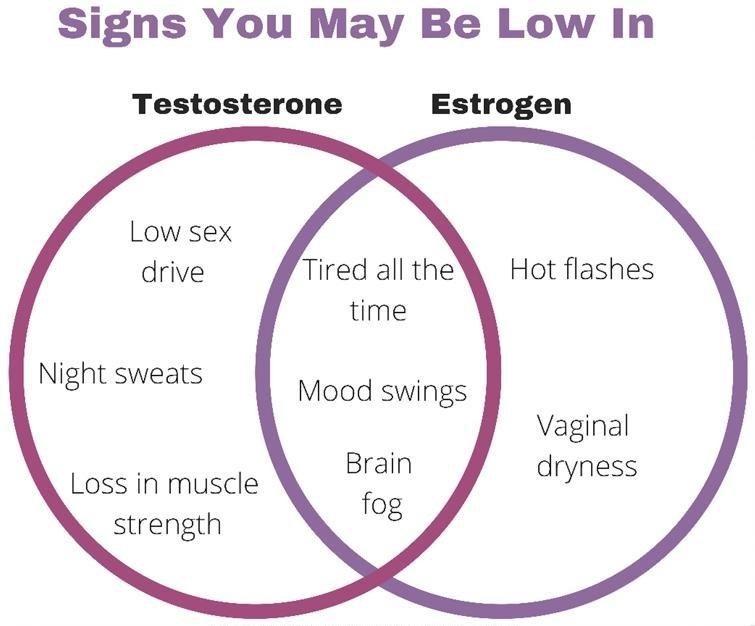
Women experiencing low libido might notice several indicators:
- Sudden disinterest in sexual activity
- Absence of sexual thoughts or fantasies
- Difficulty becoming aroused
- Inability to reach orgasm
Related article: Testosterone Replacement Therapy in Singapore: Symptoms, Causes, Benefits
The Hormonal Connection
From a biological perspective, changes in libido often stem from hormonal fluctuations.
The gonadal hormone plays a primary role in maintaining libido, while androgens, estrogen, and testosterone also significantly influence sexual function.
These hormones contribute to a woman’s psychosexual stimulation and increase sensitivity and blood flow—elements crucial for pleasure sensory perception.
Hormone levels naturally fluctuate throughout a woman’s life, helping explain variations in libido across different age groups.
You might like: Male Infertility in Singapore: Causes, Diagnosis, and Treatment Options
Libido Patterns Across Age Groups
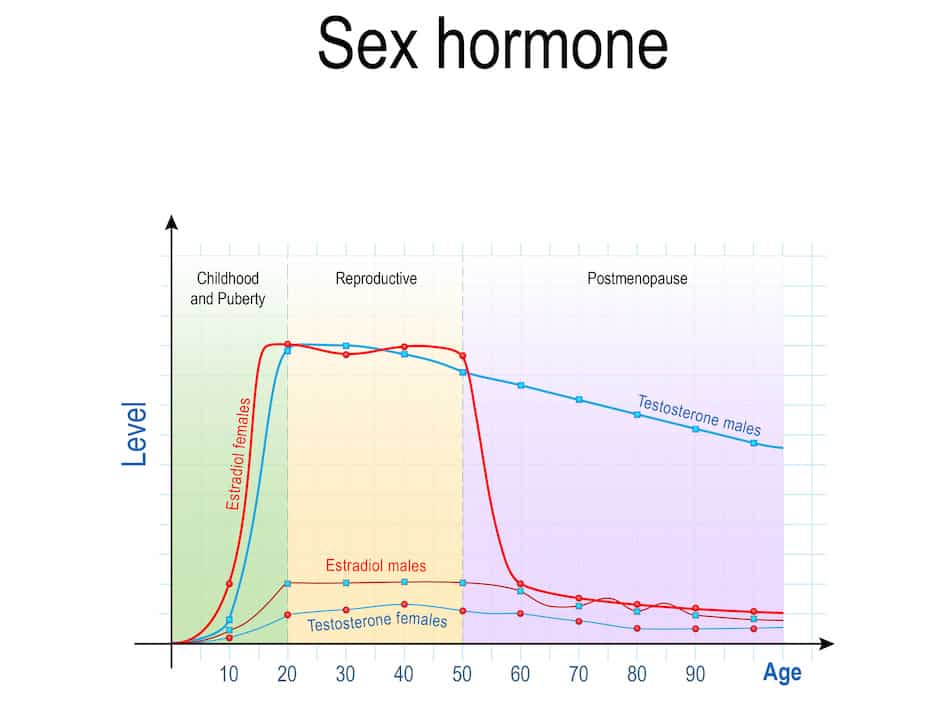
| Age Group | Typical Libido Characteristics |
|---|---|
| 20-30 years | High biological drive to reproduce but moderate levels of sexual drive. Women tend to be more selective about when and with whom to engage sexually (high sexual selection cognition). |
| 31-44 years | Fertility begins to decline, but women’s sexual desire often increases during this period. Studies indicate women tend to have more frequent sexual activity in these age groups. |
| 45+ years | Sexual drive typically decreases as estrogen levels decline. Women undergoing perimenopause often experience a progressive decrease in libido. Sexual desire in this age group tends to be more psychologically driven rather than biologically motivated. |
Biopsychosocial Factors: What Causes Low Libido in Women?
While age-related patterns provide a general framework for understanding libido changes, they don’t tell the complete story.
Many women experience patterns that deviate from these norms because libido isn’t solely a biological phenomenon—it’s a complex interplay of biological, psychological, and social factors.
This might help: Erectile Dysfunction Treatment in Singapore
Biological Factors
Several biological elements can contribute to reduced sexual desire:
- Pregnancy and Postpartum Period: Many new mothers experience decreased libido. While hormonal changes play a role, fatigue and increased stress related to lifestyle changes are significant contributors.
- Sexual Dysfunction: Conditions like vaginismus (fear of vaginal penetration) and dyspareunia (painful intercourse) can significantly lower sexual desire and inhibit orgasm.
- Underlying Health Conditions: Low libido can sometimes manifest as a secondary symptom of chronic conditions including hypertension, diabetes, rheumatoid arthritis, heart disease, stroke, cancer, and certain gynecological conditions.
- Medications: Some medications, particularly antidepressants and oral contraceptives, can reduce sexual drive as a side effect.
This might help: Breast Screening in Singapore: Early Detection and Prevention
Psychological Factors
Mental and emotional aspects often have profound effects on sexual desire:
- Mental Health Issues: Depression and anxiety frequently lead to diminished sexual interest. This is commonly observed in mothers experiencing postpartum depression.
- Low Self-Esteem: Body image issues and physical insecurities can significantly impact libido. New mothers may experience reduced sexual confidence due to changes in their postpartum bodies.
- Trust and Infidelity Concerns: When trust is broken in relationships, sexual desire often declines. Even after deciding to move past infidelity, unconscious mental resistance can persist.
- Sexual Oppression: Feelings of shame or guilt associated with sexuality can lower libido even without significant biological changes. These feelings might stem from sexual trauma, disempowerment, or past abuse.
Related article: HPV Vaccination in Singapore: A Comprehensive Guide
Social Factors
Social and cultural contexts shape sexual desire in important ways:
- Career and Education Priorities: Younger women in their 20s often prioritize career advancement and education, which can manifest as reduced interest in sexual relationships.
- Sexual Conservatism: Women practicing sexual conservatism may experience lower libido as a conscious choice, particularly in religious communities or conservative societies.
Treatment Approaches: Managing Low Libido Effectively
Low libido treatment varies depending on the underlying causes. Given its complex nature, healthcare providers typically adopt multifaceted approaches.
Medical Interventions
Regular gynecological check-ups and health screenings are essential for identifying potential biological factors affecting libido.
These evaluations may reveal issues like thyroid disorders that can cause hormone dysregulation and lower sexual desire.
Sexual dysfunction issues can be addressed at sexual health clinics under the supervision of registered medical professionals.
Working with specialists helps identify the root causes of problems like painful intercourse, fear of penetration, or inability to orgasm.
When biological issues are identified and explained, partners often gain understanding and empathy, which can prevent relationship strain.
Read more: Menopause Treatment Singapore
Psychological Interventions
Psychological factors affecting libido can be effectively addressed through various therapeutic approaches:
- Cognitive Behavioral Therapy (CBT): This approach helps identify and change negative thought patterns about sexuality and body image.
- Mindfulness-Based Therapy (MBT): Focusing on present-moment awareness can reduce anxiety about sexual performance and increase pleasure during intimate experiences.
Both therapies have shown scientific efficacy in addressing low libido issues. For women not diagnosed with clinical mental health conditions, these approaches still provide valuable psychological support.
Mothers experiencing postpartum depression should particularly seek psychological assistance, as untreated depression can affect both libido and child development.
Treatment options may include pharmacological approaches, psychotherapy, or non-pharmacological interventions.
For couples dealing with infidelity, couple therapy or marriage counseling can help repair relationship trust. Research shows that while couples experiencing infidelity initially report significant distress, therapeutic intervention can lead to substantial improvement within six months.
Holistic Lifestyle Approaches
Several lifestyle modifications can positively impact libido:
- Aphrodisiac Diet: Certain foods can naturally enhance female libido. Scientifically supported aphrodisiacs include maca, ginkgo biloba, saffron, fenugreek, and red ginseng. These foods are rich in vitamins, antioxidants, magnesium, zinc, iron, and other essential micronutrients.
- Stress Management: Incorporating effective stress reduction techniques like regular exercise, yoga, meditation, journaling, and spending time in nature can dramatically improve mood and, consequently, libido.
- Sleep Prioritization: Poor sleep quality inevitably leads to reduced sexual interest. Implementing good sleep hygiene practices is essential before assuming low libido stems from other causes.
The Viagra Question: Can Women Take the “Blue Pill”?
There has been increasing interest among women in self-medicating for low libido, including using sildenafil (Viagra).
While approved by regulatory agencies for treating erectile dysfunction in men, Viagra is not approved for use by women in Singapore due to potential risks and complications, including:
- Headaches
- Nasal congestion
- Flushing
- Visual disturbances
- Indigestion
- Palpitations
Women should consult healthcare professionals rather than self-medicating for libido issues.
When to Seek Professional Help
Medical attention is warranted when libido loss:
- Persists for over a month
- Causes significant personal distress
- Negatively impacts quality of life or relationship health
Prolonged low desire might indicate Hypoactive Sexual Desire Disorder (HSDD).
The key difference between ordinary low libido and HSDD is that the latter causes significant distress and reduced quality of life.
Individuals with HSDD may feel distressed even at the thought of sexual activity and might avoid masturbation.
If HSDD is suspected, referral to a gynecologist and sexual health clinic is appropriate. Further investigations can identify specific issues, such as genito-pelvic pain/penetration disorder, sexual interest/arousal disorder, or female orgasmic disorder.
The Singapore Context: Research and Statistics
Sexual health research specific to Singapore provides valuable insights into local patterns and concerns:
A groundbreaking study led by KKH examined over 500 women in Singapore between 18 and 45 years old who were attempting to conceive within the year. The findings were revealing:
- Nearly 60% of participants experienced low sexual function, indicating risk for sexual dysfunction
- Women with low sexual function were less likely to attempt conception
- Those who did try to conceive took longer to get pregnant
The research evaluated women’s sexual experiences across six domains: desire, arousal, lubrication, orgasm, satisfaction, and pain.
Scores below the median value of 22 (on a scale of 2-30) indicated low sexual function and risk for sexual dysfunction.
Female sexual dysfunction in Singapore is classified into three categories according to diagnostic standards:
- Genito-pelvic pain/penetration disorder (GPP/PD)
- Sexual interest/arousal disorder
- Female orgasmic disorder
To qualify for diagnosis, symptoms must:
- Be present 75-100% of the time
- Persist for at least 6 months
- Cause significant distress
- Not be attributable to substance use, medications, psychiatric conditions, severe relationship distress, or other significant stressors
The Relationship Dimension: Impact on Partnerships
Sexual satisfaction and relationship happiness are deeply interconnected. When sexual issues arise, they can affect non-sexual aspects of relationships, potentially leading to:
- Communication problems
- Emotional friction
- Trust issues
- Feelings of rejection or inadequacy
Nearly 60% of Singaporean women reportedly have low sex drive, which not only affects their personal satisfaction but also impacts relationship dynamics and even fertility outcomes.
Sexual problems in relationships may manifest as:
- Persistent pain during intercourse
- Difficulties with penetration
- Inability to experience arousal or reach orgasm
- General sexual dissatisfaction
These challenges can trigger relationship vulnerabilities, potentially causing insecurity, jealousy, resentment, or perceptions of diminished partner interest.
Effective sexual communication becomes essential for improving relationship satisfaction when these issues arise.
Conclusion
Low libido in women is a complex issue influenced by biological, psychological, and social factors.
In Singapore, research indicates a significant prevalence of sexual dysfunction among women, with low desire being one of the most commonly reported problems.
Addressing low libido requires understanding its multifaceted nature and potentially implementing a combination of medical interventions, psychological support, and lifestyle modifications.
Women experiencing persistent issues should seek professional guidance rather than self-medicating.
Remember that working to address libido concerns is a healthy endeavor and should not be associated with guilt or shame.
As awareness grows, conversations about female sexual health will hopefully gain greater momentum in Singapore and across Asia, challenging traditional beliefs and acknowledging that a satisfying sexual life is equally important for women as it is for men.
Frequently Asked Questions
What is the difference between low libido and sexual dysfunction?
Low libido refers to a reduced interest in sexual activity or lack of sexual drive. Sexual dysfunction, on the other hand, is a broader term that encompasses problems with responding sexually or experiencing sexual pleasure.
For a condition to be classified as sexual dysfunction, symptoms must be present at least 75% of the time, persist for at least 6 months, cause significant distress, and not be attributable to substance use, medications, psychiatric conditions, or severe relationship distress.
Low libido can be one symptom of sexual dysfunction, but not all cases of low libido qualify as dysfunction.
How common is low libido among Singaporean women?
According to research conducted by KK Women’s and Children’s Hospital, nearly 60% of Singaporean women surveyed experienced low sexual function, indicating a high prevalence of potential sexual issues including low libido.
The study examined over 500 women of reproductive age (18-45 years) who were attempting to conceive.
These findings suggest that low libido and other sexual health concerns are significant issues among Singaporean women.
Can stress affect my libido?
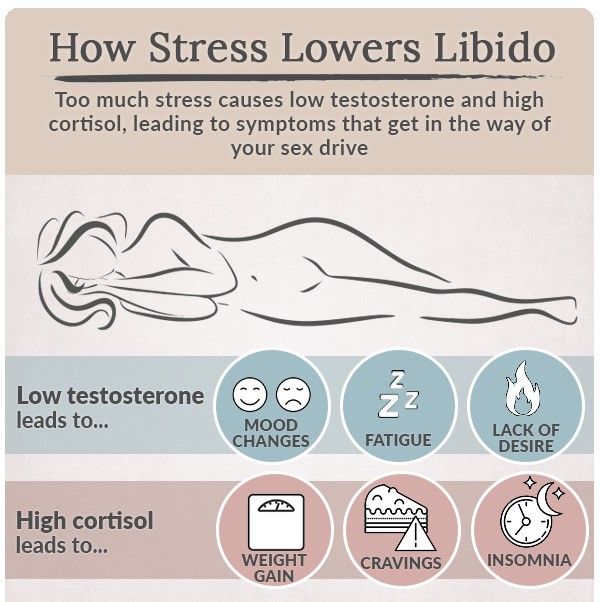
Yes, stress has a significant impact on libido. When experiencing high stress levels, the body produces cortisol, which can decrease the production of sex hormones.
Additionally, stress often leads to mental preoccupation, fatigue, and mood disturbances, all of which can reduce sexual interest.
Implementing effective stress management techniques—such as regular exercise, meditation, yoga, journaling, and spending time in nature—can improve mood and consequently enhance libido.
Is low libido after childbirth normal?
Yes, experiencing low libido after childbirth is extremely common and normal.
This change stems from multiple factors: hormonal fluctuations (particularly decreases in estrogen and testosterone), physical recovery from delivery, fatigue from infant care responsibilities, stress of adapting to parenthood, and potential body image concerns.
Many new mothers also experience emotional adjustments that can temporarily reduce sexual interest.
While these changes are normal, if low libido persists and causes significant distress, speaking with a healthcare provider might help identify solutions.
Can medications affect my sex drive?
Absolutely. Several medications can reduce libido as a side effect. Antidepressants (particularly selective serotonin reuptake inhibitors or SSRIs) are commonly associated with decreased sexual desire and other sexual side effects. Hormonal contraceptives can alter hormone levels that influence libido. Other medications that may affect sex drive include antihypertensives (blood pressure medications), antihistamines, certain pain medications, and some medications for treating psychiatric conditions. If you notice changes in your libido after starting a new medication, consult your healthcare provider who might adjust your dosage or suggest an alternative treatment.
How does age affect female libido?
Female libido typically follows certain patterns across age groups, though individual experiences vary considerably. Women in their 20s often have high biological drive to reproduce but moderate levels of sexual drive, with greater selectivity about sexual partners.
In the 31-44 age range, many women experience heightened sexual desire despite declining fertility.
After age 45, sexual drive often decreases as estrogen levels drop, particularly during perimenopause. In these later years, libido tends to be more psychologically driven rather than biologically motivated.
However, these patterns aren’t universal, and many women’s experiences differ from these generalizations.
Is Viagra effective for treating low libido in women?
Viagra (sildenafil) is not approved for treating low libido in women in Singapore or most other countries.
While some women have attempted to self-medicate with Viagra, it works differently in women than in men.
Viagra primarily improves blood flow to the genital area, which may address some physical aspects of arousal, but it doesn’t directly increase sexual desire.
Additionally, using Viagra without medical supervision can lead to side effects including headaches, flushing, visual disturbances, indigestion, and palpitations. Women experiencing low libido should consult healthcare professionals rather than self-medicating.
How does low libido affect fertility?
Research indicates a connection between low libido and fertility challenges.
The KKH study in Singapore found that women with low sexual function were less likely to attempt conception, and when they did try to conceive, they often took longer to get pregnant.
This relationship likely stems from multiple factors: couples with sexual desire discrepancies may have less frequent intercourse, reducing conception opportunities; stress about fertility can further decrease libido; and underlying hormonal imbalances might simultaneously affect both fertility and sexual desire.
Addressing libido issues may therefore indirectly support fertility goals for some couples.
What role does traditional cultural conservatism play in sexual desire among Singaporean women?
Cultural conservatism can significantly influence how women experience and express their sexuality in Singapore and other Asian societies.
Traditional values that discourage open discussion of sexuality or that associate sex primarily with reproduction rather than pleasure may contribute to sexual repression or guilt.
Some women raised in conservative environments may internalize beliefs that inhibit sexual desire or expression.
However, modern Singapore represents a blend of traditional Asian values and progressive attitudes, with younger generations often adopting more open perspectives on sexuality.
Sexual conservatism remains a personal choice for some women who may not perceive their lower libido as problematic.
What treatments are available for sexual pain disorders?
Sexual pain disorders like dyspareunia (painful intercourse) and vaginismus (involuntary muscle contraction preventing penetration) require multidisciplinary treatment approaches.
Medical interventions might include identifying and treating underlying physical conditions like infections, inflammation, hormonal issues, or anatomical problems.
Pelvic floor physical therapy can help address muscle tension and improve comfort. Psychological approaches such as cognitive-behavioral therapy can help with anxiety, fear, or trauma associated with sexual pain.
For some women, vaginal dilators help gradually increase comfort with penetration. Treatment should be tailored to the specific cause and may combine multiple approaches for optimal results.
How important is communication about sexual issues in relationships?
Communication about sexual issues is fundamentally important for relationship health.
Open, honest dialogue about sexual desires, preferences, and challenges helps partners understand each other’s needs and find mutually satisfying solutions.
Without proper communication, sexual issues often lead to misunderstandings, resentment, feelings of rejection, or incorrect assumptions about a partner’s motives or feelings.
Studies show that couples who communicate effectively about sex report higher relationship satisfaction and sexual fulfillment.
Creating a safe, non-judgmental space for these conversations is essential, and some couples benefit from working with relationship counselors or sex therapists to improve their sexual communication skills.
General shopping ideas, independent of this article’s advice.
Swipe to compare products →Biofinest Gummy Vitamin Supplement – Beauty Energy Sleep Metabolism Men Women Kids Probiotics Multivitamin (60 Gummies)From S$17.95Tradishot Immunity Boost Drink | Turmeric Shot (Extra Strength) | Boost Immunity Energy & Well-being [7x35mL]S$38.00Optimum Nutrition, Gold Standard, 100% Whey Protein Powder, 2lbs (907g ) / 5 lbs (2.27 kg) / 10 lbs (4.54 kg)From S$82.89Prices may vary by option. Check the final price and delivery on Shopee.