
Understanding HPV and Its Impact
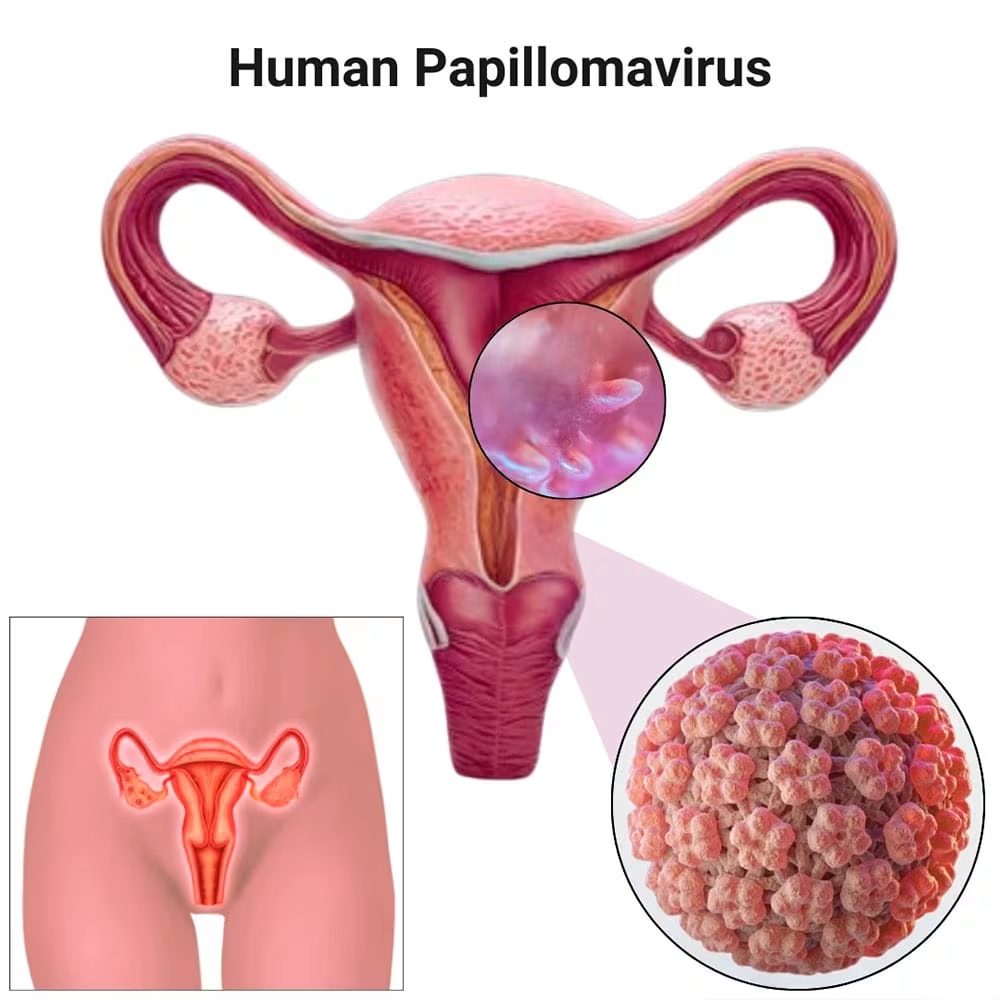
Human papillomavirus (HPV) represents one of the most common viral infections worldwide, with approximately 8 out of 10 people contracting it at some point in their lives.
As a diverse group of over 100 related viruses, HPV can affect various parts of the body, with about 30 types specifically targeting the genital areas.
General shopping ideas, independent of this article’s advice.
Swipe to compare products → Biofinest Effervescent Vitamin C 1000mg D3 Zinc Collagen Multivitamin Calcium Magnesium Zinc Tablets Drink Sugar FreeFrom S$5.95Biofinest Probiotic 50 Billion CFU Enzyme Supplement 12 + 3 Prebiotics – Diet Slimming Eczema Detox Men Women (60 caps)From S$22.40Estalife Magnesium Glycinate 1000MG | Heart, Bone, Muscle, Sleep, Mood Health | 60 Veg CapsFrom S$13.99
Prices may vary by option. Check the final price and delivery on Shopee.
Despite being so prevalent, HPV infection often goes unnoticed as many people’s immune systems naturally clear the virus without causing any symptoms.
However, persistent infection with high-risk HPV strains can lead to serious health consequences, particularly cervical cancer in women.
In Singapore, cervical cancer ranks as the 10th most common cancer affecting women, despite being highly preventable through vaccination and regular screening.
The good news is that effective vaccination programs and increased awareness are helping to reduce this preventable disease’s impact.
This might be helpful: Which Gynaecologist in Singapore Should You Consider?
What is HPV and How Does It Spread?
The human papillomavirus spreads primarily through direct skin-to-skin contact, most commonly during sexual activity between partners.
This transmission occurs during vaginal, anal, or oral sex with someone who carries the virus, making HPV one of the most easily transmitted sexually transmitted infections.
Importantly, HPV can spread even when an infected person shows no visible signs or symptoms of infection, which contributes significantly to its widespread prevalence.
Many people unknowingly transmit the virus to their partners because they are completely unaware of their infection status.
While sexual contact represents the primary transmission route for genital HPV types, the virus can occasionally be transmitted through other means.
These alternative transmission routes include sharing contaminated sex toys that haven’t been properly cleaned between uses, transmission from mother to infant during childbirth (though this is rare), and through close physical contact with infected areas of the body.
Several risk factors increase the likelihood of contracting HPV during one’s lifetime.
Having multiple sexual partners increases exposure opportunities and raises the statistical probability of encountering someone with HPV.
Engaging in unprotected sexual intercourse removes barrier protection that can reduce transmission risk.
Having a sexual partner who has HPV, whether known or unknown, obviously increases exposure risk.
Additionally, having a weakened immune system due to illness, medications, or other factors can make individuals more susceptible to contracting and retaining HPV infections.
Related article: HIV Testing in Singapore: Everything You Need to Know
High-Risk vs. Low-Risk HPV Types
Not all HPV strains create the same level of health concern, and medical professionals generally categorize them into two major types based on their potential to cause serious health problems.
Low-Risk HPV Types:
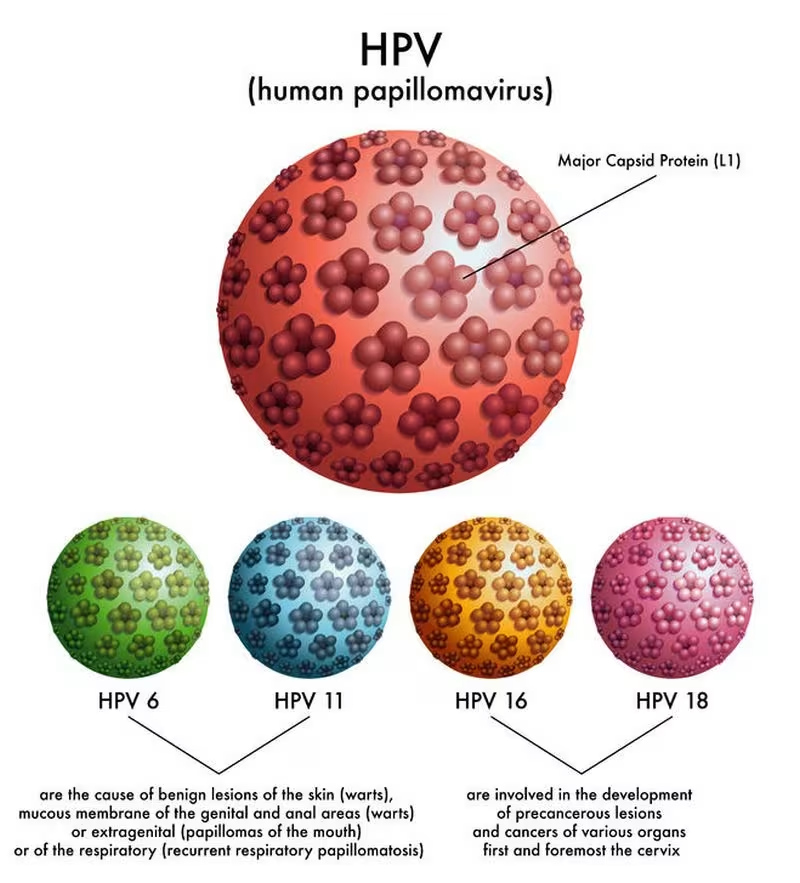
Low-risk HPV types include strains such as HPV 6 and HPV 11, which are primarily responsible for causing genital warts in both men and women.
These types rarely lead to cancer development, making them a nuisance rather than a serious health threat.
Despite being classified as low-risk, these strains account for approximately 90% of all genital warts cases, making them the most common cause of this benign but bothersome condition.
High-Risk HPV Types:
High-risk HPV types include strains such as HPV 16 and HPV 18, which pose significantly greater health concerns due to their potential to cause persistent infections and cellular changes.
These types can lead to precancerous or cancerous changes in infected tissues over time, particularly when the immune system fails to clear the infection naturally.
The impact of high-risk HPV types on cancer development is substantial and well-documented.
HPV 16 and 18 alone are estimated to account for approximately 70% of all cervical cancer cases worldwide, making them the most dangerous strains from a cancer prevention standpoint.
Other high-risk HPV types, including types 31, 33, 45, 52, and 58, contribute to an additional 20% of cervical cancers, demonstrating that multiple high-risk strains pose significant health threats.
You might be interested: Endometriosis Treatment in Singapore
HPV-Related Health Conditions
Persistent HPV infection can lead to various health conditions that affect both men and women, though the specific conditions and cancer types vary somewhat between genders.
Conditions Affecting Women
Women face several serious health consequences from persistent high-risk HPV infections.
Cervical cancer represents the most well-known and common HPV-related cancer in women, developing when high-risk HPV types cause persistent cellular changes in cervical tissue.
Vaginal cancer and vulvar cancer can also result from HPV infection, though these are less common than cervical cancer.
Anal cancer affects women who have been infected with high-risk HPV types, particularly those who engage in anal sexual activity.
Additionally, women can develop genital warts from low-risk HPV types, which, while not dangerous, can cause significant discomfort and emotional distress.
You might like: Menopause Treatment Singapore
Conditions Affecting Men
Men can develop several serious health conditions from HPV infection, though these are often less well-known than women’s health consequences.
Penile cancer, while rare, can result from persistent high-risk HPV infection and can have devastating consequences for men’s health and quality of life.
Anal cancer affects men who have been infected with high-risk HPV types, particularly men who have sex with men.
Like women, men can develop genital warts from low-risk HPV types, causing discomfort and relationship concerns.
Oropharyngeal or throat cancer represents an increasingly recognized consequence of HPV infection in men, often related to oral sexual activity with infected partners.
Related article: Hysterectomy in Singapore: Costs, Risks, Treatment
Conditions Affecting Both Genders
Several HPV-related health conditions can affect both men and women equally.
Oropharyngeal cancer, which affects the throat, tonsils, and base of the tongue, can develop in anyone who has been infected with high-risk HPV types through oral sexual contact.
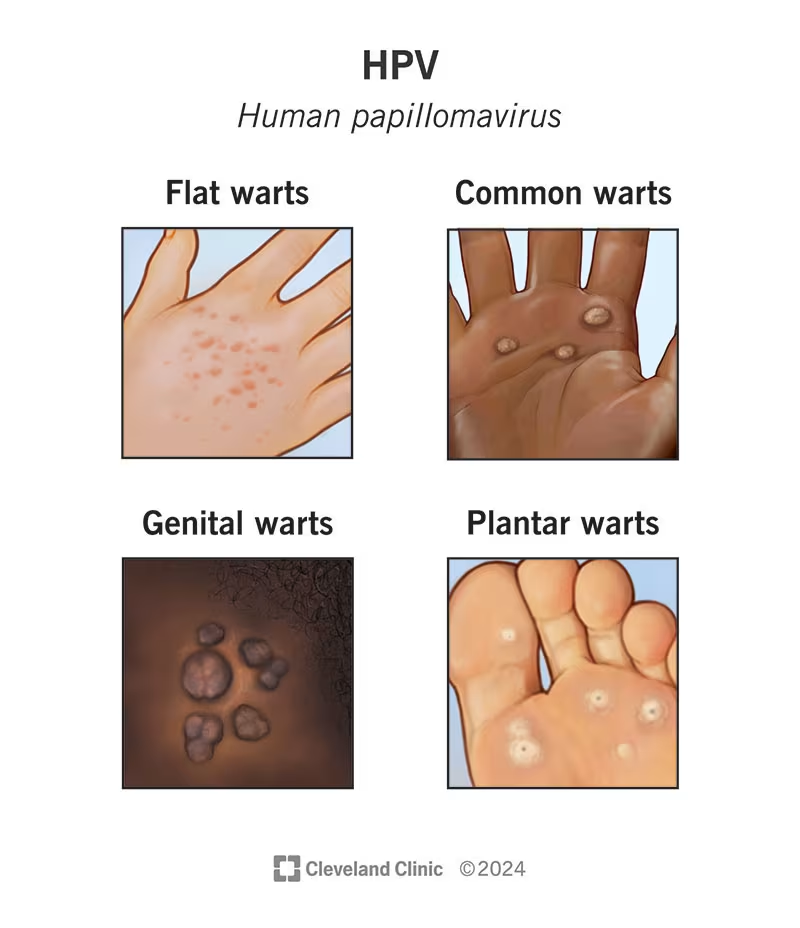
Beyond genital and cancer-related conditions, HPV can cause various types of warts on different parts of the body.
Common warts appear as rough, raised growths typically found on hands and fingers, usually caused by HPV types that don’t affect the genital area.
Plantar warts develop as hard, grainy spots on the feet and can be quite painful when walking. Flat warts appear as smooth, slightly raised lesions that can occur on various parts of the body and are often multiple in number.
Related article: Breast Screening in Singapore: Early Detection and Prevention
HPV Vaccination: The Primary Prevention Strategy
Since there is no cure for HPV infection itself, prevention through vaccination represents the most effective strategy against HPV-related diseases.
HPV vaccines provide protection against specific HPV types that commonly cause cancer and genital warts.
Available HPV Vaccines in Singapore
Currently, two main types of HPV vaccines are available in Singapore:
1. HPV2 (Cervarix):
- Protects against HPV types 16 and 18
- These two types account for approximately 70% of cervical cancers
- Registered for use in females
- Government subsidies available for eligible females
2. HPV9 (Gardasil 9):
- Provides broader protection against 9 HPV types (6, 11, 16, 18, 31, 33, 45, 52, 58)
- Protects against up to 90% of cervical cancer-causing HPV types
- Provides 15-20% additional protection against cancers of the vulva, vagina, and anus compared to earlier vaccines
- Prevents up to 90% of genital warts
- Registered for use in both females and males
- No government subsidies available
Related article: Erectile Dysfunction Treatment in Singapore
Who Should Get Vaccinated?
Under Singapore’s National Childhood Immunisation Schedule (NCIS) and National Adult Immunisation Schedule (NAIS), HPV vaccination is recommended for:
Females aged 9 to 26 years:
- Vaccination is most effective when administered before exposure to HPV
- Ideally before first sexual activity
- Those who are sexually active may still benefit, as they may not have been exposed to all HPV types covered by the vaccine
Males aged 9 to 26 years:
- While not included in the national immunization schedules, males can still receive the vaccination
- This helps protect against HPV-related cancers affecting males and reduces virus transmission
- Those interested should consult with a healthcare provider
Vaccination Schedule
The number of doses required depends on the age when vaccination begins:
For females aged 9-14 years:
- 2 doses are recommended
- Second dose given 5-13 months after the first dose
For females aged 15 years and above:
- 3 doses are recommended
- Second dose given 1-2.5 months after the first dose
- Third dose given 5-12 months after the first dose
It’s important to complete the full vaccination series with the same HPV vaccine type. If you wish to change the type mid-series, consult your healthcare provider.
Who Should Not Be Vaccinated?
HPV vaccination may not be suitable for individuals who are:
- Pregnant
- Allergic to any components of the vaccine or yeast
- Experiencing a moderate or severe acute illness
- Already experiencing symptoms of an allergic reaction to a previous dose
Government Subsidies and Cost Information
To encourage HPV vaccination and reduce cervical cancer rates, the Singapore government provides subsidies for eligible individuals:
For Singapore Citizens (SC)
SC females aged 9 to 17:
- At schools: HPV2 vaccination is offered free to Secondary 1 and Secondary 2 female students
- At CHAS GP clinics and polyclinics: HPV2 vaccination is fully subsidized (pay $0)
SC females aged 18 to 26:
- At CHAS GP clinics:
- Orange and Blue CHAS card holders pay a maximum of $23 per dose for HPV2 vaccination
- Green and non-CHAS card holders pay a maximum of $45 per dose for HPV2 vaccination
- At polyclinics:
- Subsidies for HPV2 vaccination are based on individual means testing
- Verification of costs directly with the polyclinic is recommended
For Permanent Residents (PR)
PR females aged 9 to 26:
- At CHAS GP clinics: HPV2 vaccination is available without subsidies
- At polyclinics: Subsidized HPV2 vaccination is available (costs should be verified directly)
MediSave Coverage
Singapore Citizens and Permanent Residents have the benefit of using their MediSave accounts to pay for any remaining out-of-pocket expenses for HPV2 vaccination at participating healthcare facilities.
This coverage applies at both Community Health Assist Scheme (CHAS) general practitioner clinics and government polyclinics, making the vaccination more affordable and accessible for eligible individuals.
The MediSave option helps reduce the financial burden of vaccination by allowing people to use their mandatory healthcare savings to cover costs that aren’t fully covered by government subsidies.
This system ensures that cost doesn’t become a significant barrier to receiving this important preventive healthcare service.
HPV9 (Gardasil 9) Costs
Government subsidies and MediSave benefits are not available for HPV9 vaccination, meaning that individuals who prefer this broader protection option must pay the full cost out-of-pocket.
This vaccine offers protection against nine HPV strains compared to the two or four strains covered by other HPV vaccines, providing more comprehensive protection against HPV-related cancers and genital warts.
Pricing for HPV9 vaccination varies significantly between different clinics and healthcare providers throughout Singapore.
Because of this price variation, it’s advisable for patients to check directly with multiple healthcare providers to compare costs and find the most affordable option for their budget and preferences.
School-Based Vaccination Program
Since 2019, Singapore has implemented a comprehensive school-based HPV vaccination program designed to provide widespread protection for young women during their adolescent years.
This program is offered to females attending Ministry of Education (MOE)-registered secondary schools, Special Education (SPED) schools, privately-funded schools, and full-time Madrasahs, ensuring broad coverage across different educational institutions.
The vaccination is administered to students in Secondary 1 and 2, targeting girls at an optimal age when the vaccine provides maximum effectiveness before potential HPV exposure.
Students who miss the school-based vaccination for any reason are not left behind, as they will be contacted by Health Promotion Board vendors and offered options to complete their vaccination series at a later time.
For Home-Schooled or Overseas Students
Female Singapore Citizens and Permanent Residents who are home-schooled or studying overseas have several convenient options to ensure they don’t miss out on HPV vaccination opportunities.
They can book appointments with CHAS general practitioner providers through the Health Appointment System, which provides an organized way to access subsidized vaccination services.
Alternatively, these students can email “Contact_YPS@HPB.gov.sg” to schedule an appointment at the Student Health Centre (SHC), where vaccination is fully subsidized for both citizens and permanent residents until age 17.
This ensures that young women receive the same level of financial support regardless of their educational circumstances.
For those who prefer other healthcare settings, students can also contact their preferred polyclinic or private medical clinic that offers HPV vaccination services, giving them flexibility in choosing their healthcare provider while still accessing this important preventive service.
Side Effects and Safety
Like all vaccines, HPV vaccines may cause some side effects, though most are mild and temporary, resolving on their own within a few days.
Understanding these potential reactions helps patients prepare for vaccination and recognize normal responses versus concerning symptoms.
Common side effects:
The most frequently reported side effects include pain, redness, and swelling at the injection site, which are normal inflammatory responses as the body builds immunity.
Some people may experience systemic symptoms such as fever, headache, dizziness, nausea, and fatigue following vaccination.
Some individuals may feel faint after receiving the vaccine, which is why healthcare providers recommend sitting for 15 minutes after vaccination to ensure safety and monitor for any immediate reactions.
This precaution helps prevent falls and allows medical staff to provide immediate assistance if needed.
For managing these common side effects, patients can apply a cold compress to the injection site to reduce pain and swelling.
Taking paracetamol can help alleviate pain, headache, or fever that may develop after vaccination. Most side effects resolve on their own without requiring any specific treatment.
Rare but serious side effects requiring immediate medical attention:
While rare, some serious side effects require immediate medical attention and should prompt patients to seek emergency care. These include swelling of the face, eyes, lips, or tongue, which may indicate a severe allergic reaction.
Difficulty breathing represents another emergency symptom that requires immediate medical intervention.
The development of itchy skin rashes over the entire body can also indicate a serious allergic reaction that needs prompt medical evaluation and treatment.
Patients experiencing any of these symptoms should seek immediate medical care or contact emergency services.
It’s important to emphasize that HPV vaccines have been thoroughly tested in extensive clinical trials and approved as safe and effective by regulatory authorities worldwide.
The vaccines do not contain live viruses, so they cannot cause HPV infection, making them safe even for individuals with compromised immune systems.
Beyond Vaccination: Cervical Cancer Screening
While HPV vaccination significantly reduces the risk of cervical cancer by preventing infection with the most dangerous HPV strains, it doesn’t provide 100% protection against all cancer-causing HPV types.
Regular screening remains essential for early detection of abnormal cellular changes that could develop into cancer if left untreated.
Pap Smear Test
The Pap smear test screens for abnormal changes in cervical cells that may indicate precancerous or cancerous conditions.
This screening is recommended every three years for women between 25 to 29 years old, providing regular monitoring during the years when HPV-related changes are most likely to develop.
The Pap smear is a fast and simple procedure where a healthcare provider uses a soft brush to gently collect cells from the cervix during a routine pelvic examination.
These collected cells are then examined under a microscope by trained laboratory technicians who look for abnormalities that might indicate cellular changes requiring further evaluation or treatment.
HPV Test
The HPV test specifically screens for high-risk HPV strains in cervical cells, providing direct detection of the virus rather than looking for cellular changes it might cause.
This test is recommended every five years for women aged 30 years and above, offering a longer screening interval than Pap smears because of its higher sensitivity.
Research has shown that HPV testing is more effective than Pap smears for determining cervical cancer risk in older women, as it can detect high-risk infections before they cause visible cellular changes.
The sample collection process is identical to that used for a Pap smear, making it convenient for healthcare providers to perform both tests simultaneously when indicated.
HPV DNA Self-Collection Kit
The HPV DNA self-collection kit represents an innovative, easy-to-use self-screening tool that allows women to test for HPV detection in the privacy of their own homes.
This kit can identify the presence of high-risk HPV strains before cervical cell changes occur, providing early warning of infection that may require monitoring or treatment.
This screening option is suitable for females aged 30 and above who are or have been sexually active, targeting the population most likely to have persistent HPV infections that could lead to cancer.
The self-collection kit is available for purchase at Raffles Medical general practitioner clinics, providing convenient access to this screening technology.
For accurate results, collected samples must be returned to the clinic within 72 hours of collection, ensuring that the biological material remains viable for laboratory analysis.
This time requirement makes the test convenient for most users while maintaining the integrity of the testing process.
Long-Term Protection
The HPV vaccination offers sustained protection against the HPV subtypes covered by the vaccines, such as HPV 6, 11, 16, and 18. Currently, there are no recommendations for additional vaccine booster shots, suggesting that the protection is long-lasting.
Frequently Asked Questions
What is HPV and how common is it?
HPV (human papillomavirus) is a group of more than 100 related viruses that can infect various parts of the body. It’s extremely common, with approximately 8 out of 10 people contracting it at some point in their lives.
Most infections clear naturally without causing problems, but persistent infections with high-risk strains can lead to cancer.
How is HPV transmitted?
HPV is primarily transmitted through skin-to-skin contact, most commonly during sexual activity (vaginal, anal, or oral).
It can also spread through sharing contaminated sex toys and, rarely, from mother to infant during childbirth. The virus can spread even when an infected person shows no symptoms.
What cancers are associated with HPV?
HPV is associated with several types of cancer, including cervical, vulvar, and vaginal cancer in women; penile cancer in men; and anal and oropharyngeal (throat) cancer in both genders.
Cervical cancer is the most common HPV-related cancer, with HPV types 16 and 18 accounting for about 70% of cases.
At what age should HPV vaccination be given?
HPV vaccination is recommended for females aged 9-26, with the ideal time being before first sexual exposure.
The vaccine is most effective when given between ages 9-14, as the immune response is stronger in younger individuals.
Males aged 9-26 can also receive the vaccination, though it’s not currently included in Singapore’s national immunization schedules.
How many doses of HPV vaccine are needed?
The number of doses depends on age. For those who start vaccination between ages 9-14, two doses are recommended (with the second dose given 5-13 months after the first).
For those 15 years and older, three doses are recommended (with specific timing between doses). It’s important to complete the full series for maximum protection.
Can I get vaccinated if I’m already sexually active?
Yes, you can still benefit from HPV vaccination even if you’re already sexually active.
While the vaccine is most effective before any exposure to HPV, sexually active individuals may not have been exposed to all the HPV types the vaccine protects against.
Consult your healthcare provider about your specific situation.
Are there any side effects from the HPV vaccine?
Most side effects from HPV vaccines are mild and temporary, including pain, redness, and swelling at the injection site, headache, fever, dizziness, nausea, and fatigue.
Serious allergic reactions are rare but require immediate medical attention. The vaccines have been extensively tested and proven safe and effective.
Can the HPV vaccine cause HPV infection?
No, HPV vaccines cannot cause HPV infection. The vaccines do not contain live viruses – they contain virus-like particles that cannot cause infection but can trigger an immune response to protect against future HPV exposure.
Is HPV vaccination only for females?
While Singapore’s national immunization schedules currently recommend HPV vaccination primarily for females, certain HPV vaccines (like Gardasil 9) are approved for both males and females.
Males can benefit from vaccination to protect against HPV-related cancers affecting them and to reduce virus transmission. Males interested in vaccination should consult their healthcare provider.
Does the HPV vaccine provide 100% protection against cervical cancer?
No, while HPV vaccines are highly effective, they don’t provide 100% protection against all cervical cancers.
HPV2 (Cervarix) protects against HPV types 16 and 18, which cause about 70% of cervical cancers, while HPV9 (Gardasil 9) provides protection against types that cause about 90% of cervical cancers.
Regular cervical screening remains important even after vaccination.
Do I need regular cervical screening even after getting vaccinated?
Yes, regular cervical screening (Pap smear or HPV test) is still recommended even after complete HPV vaccination.
The vaccines don’t protect against all cancer-causing HPV types, and they don’t treat existing HPV infections.
For women aged 25-29, a Pap smear every three years is recommended, while women 30 and above should get an HPV test every five years.
Are there government subsidies available for HPV vaccination in Singapore?
Yes, the Singapore government provides subsidies for HPV2 vaccination for eligible females aged 9-26.
Singapore Citizens receive full subsidies for ages 9-17, while ages 18-26 receive partial subsidies depending on CHAS card status.
Permanent Residents can receive subsidized vaccination at polyclinics. MediSave can also be used to cover remaining out-of-pocket expenses.
Can pregnant women receive the HPV vaccine?
No, HPV vaccination is not recommended during pregnancy. If you become pregnant after starting the vaccination series, you should postpone remaining doses until after pregnancy.
There’s no evidence that the vaccine affects fertility or causes pregnancy complications, but it’s given with caution as a precautionary measure.
What’s the difference between HPV2 and HPV9 vaccines?
HPV2 (Cervarix) protects against two high-risk HPV types (16 and 18) that cause about 70% of cervical cancers.
HPV9 (Gardasil 9) provides broader protection against nine HPV types (6, 11, 16, 18, 31, 33, 45, 52, 58), preventing up to 90% of cervical cancers and 90% of genital warts.
HPV2 is government-subsidized, while HPV9 must be paid for out-of-pocket.
How long does protection from the HPV vaccine last?
Current research indicates that HPV vaccines provide long-lasting protection. Studies have shown protection lasting at least 10 years with no evidence of waning immunity.
At present, there are no recommendations for booster doses, suggesting that the protection is considered durable over time.
Conclusion
HPV vaccination represents a crucial preventive measure against cervical cancer and other HPV-related diseases. In Singapore, the government’s subsidies and school-based programs make this protection accessible to many.
For maximum effectiveness, vaccination should ideally occur before exposure to HPV, typically before becoming sexually active.
However, vaccination alone isn’t enough. Regular cervical cancer screening remains essential for early detection and treatment of any abnormalities.
By combining vaccination with regular screening, we can significantly reduce the impact of this preventable disease.
If you’re considering HPV vaccination for yourself or someone in your care, consult with a healthcare provider to determine eligibility, discuss any concerns, and make an informed decision about this important preventive health measure.
General shopping ideas, independent of this article’s advice.
Swipe to compare products →Biofinest Gummy Vitamin Supplement – Beauty Energy Sleep Metabolism Men Women Kids Probiotics Multivitamin (60 Gummies)From S$17.95Tradishot Immunity Boost Drink | Turmeric Shot (Extra Strength) | Boost Immunity Energy & Well-being [7x35mL]S$38.00Optimum Nutrition, Gold Standard, 100% Whey Protein Powder, 2lbs (907g ) / 5 lbs (2.27 kg) / 10 lbs (4.54 kg)From S$82.89Prices may vary by option. Check the final price and delivery on Shopee.