

Menopause represents a significant transition in a woman’s life. Understanding what happens during this phase, recognizing the symptoms, and knowing the available treatment options can help women in Singapore navigate this natural life change with confidence and minimal discomfort.
General shopping ideas, independent of this article’s advice.
Swipe to compare products → Biofinest Effervescent Vitamin C 1000mg D3 Zinc Collagen Multivitamin Calcium Magnesium Zinc Tablets Drink Sugar FreeFrom S$5.35Biofinest Probiotic 50 Billion CFU Enzyme Supplement 12 + 3 Prebiotics – Diet Slimming Eczema Detox Men Women (60 caps)From S$22.10Estalife Magnesium Glycinate 1000MG | Heart, Bone, Muscle, Sleep, Mood Health | 60 Veg CapsFrom S$13.46
Prices may vary by option. Check the final price and delivery on Shopee.
What is Menopause?
Menopause refers to the final menstrual period a woman experiences, marking the end of her reproductive years.
Often called “the change of life,” it occurs when the production of female hormones estrogen and progesterone drastically reduces.
A woman is considered postmenopausal when she has had no periods for 12 consecutive months.
Most women in Singapore experience natural menopause between the ages of 45 and 55, with the average age being around 50-52 years.
This transition doesn’t happen overnight but involves a series of changes that can span several years.
You might be interested: Egg Freezing in Singapore
Perimenopause vs. Menopause
Perimenopause is the transitional period leading up to menopause. During this time, women may experience irregular periods and begin noticing some menopausal symptoms. This phase can last for several years before menopause officially occurs.
Menopause itself is confirmed when a woman has not had a period for 12 consecutive months, marking the permanent end of menstruation and fertility.
How Do I Know I’m Experiencing Menopause?
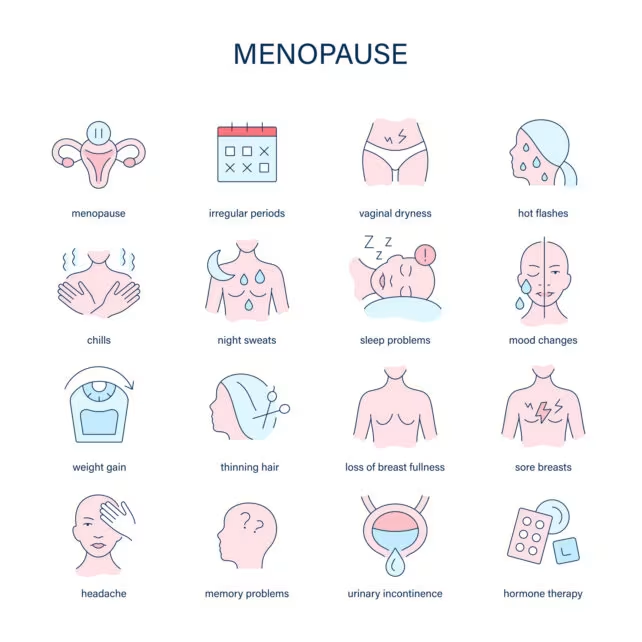
If you’re going through menopause, you might notice changes in your menstrual cycle such as:
- Having periods more or less frequently than your usual cycle
- Experiencing bleeding that lasts fewer days than before
- Skipping one or more periods
- Having lighter or heavier bleeding
These changes, along with other symptoms described below, can indicate that you’re entering the menopausal transition.
You might like: Breast Screening in Singapore: Early Detection and Prevention
Common Symptoms of Menopause
Symptoms commonly reported around the time of menopause include:
- Hot flashes and night sweats: Sudden feelings of warmth spreading throughout the body, often accompanied by sweating and redness in the face and neck
- Sleep difficulties: Including insomnia and disrupted sleep patterns
- Mood changes: Such as irritability, anxiety, depression, and mood swings
- Physical changes: Including bodily aches and pains, dry skin, and weight gain
- Vaginal and sexual changes: Such as vaginal dryness, painful intercourse, and decreased libido
- Urinary issues: Like urinary frequency or urinary tract infections
- Cognitive changes: Including memory problems and difficulty concentrating
- Other symptoms: Thinning hair, chills, and fatigue
Not all women experience all these symptoms, and the severity can vary widely from person to person.
Some women have minimal discomfort, while others find their symptoms significantly impact their quality of life.
Read more: Understanding Low Libido in Women: Causes, Treatment and Impact
When to See a Doctor About Menopause
If you’re over 45 and experiencing symptoms of menopause that don’t significantly affect your daily life, you generally don’t need to consult a doctor.
However, medical attention is recommended if:
- Your symptoms are affecting your quality of life (e.g., hot flashes preventing good sleep)
- You’re feeling sad, losing interest in things, or finding it difficult to cope with family life or work
- Your period occurs more often than once every three weeks
- You experience heavy menstrual flow or spotting between periods
- You’ve had no bleeding for 12 months (postmenopausal) and then start bleeding again, even if it’s minimal
You might be interested: Which Gynaecologist in Singapore Should You Consider?
Diagnosing Menopause
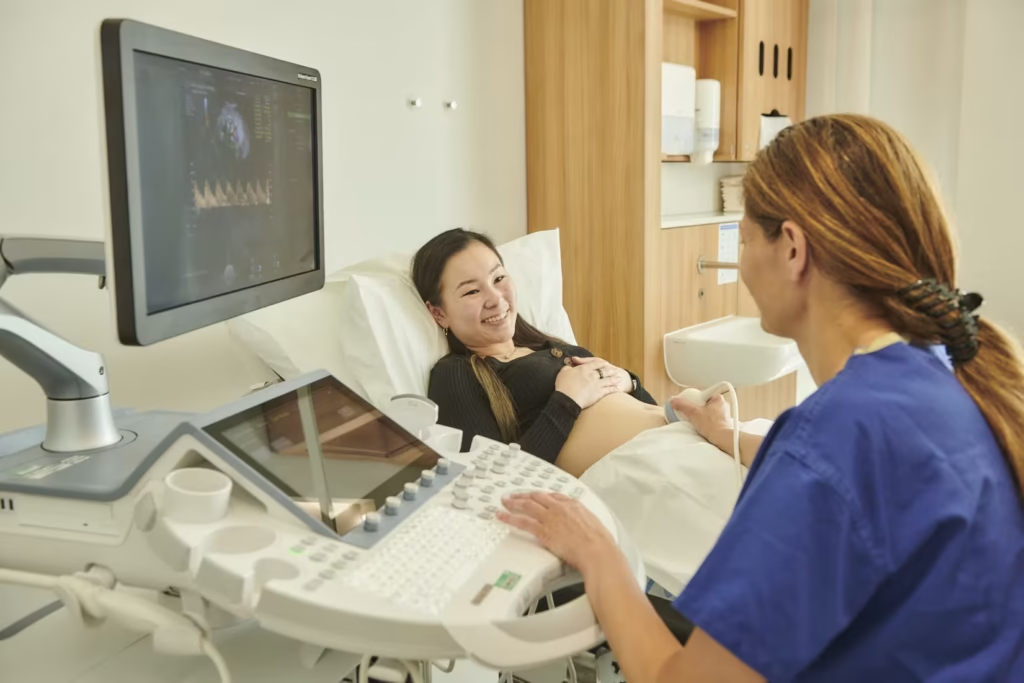
Menopause is typically diagnosed based on a woman’s symptoms and menstrual pattern. For most women over 45, no specific tests are required. However, your doctor may recommend:
- Follicle-stimulating hormone (FSH) and estrogen (estradiol) tests: FSH levels rise and estrogen levels fall during menopause
- Thyroid-stimulating hormone (TSH) test: To rule out hypothyroidism, which can cause symptoms similar to menopause
Treatment Options for Menopause in Singapore
Not every woman needs treatment for menopause. Management approaches should be tailored to individual needs, symptoms, and medical history. Here are the main options available in Singapore:
Related article: TCM for Irregular Menstruation
Self-Management Strategies
Making lifestyle changes can significantly reduce the severity of menopausal symptoms:
- Healthy diet and exercise: Maintain a balanced diet rich in calcium and vitamin D, exercise regularly, and maintain a healthy weight
- Quit smoking: Smoking can worsen menopausal symptoms and increase health risks
- Manage hot flashes: Carry a fan, dress in layers, have cool drinks handy, and use facial water sprays
- Avoid triggers: Limit consumption of spicy foods, red meats, caffeine, and alcohol that may trigger hot flashes
- Stress management: Incorporate relaxation techniques such as deep breathing, meditation, or yoga
Menopause Hormone Therapy (MHT)
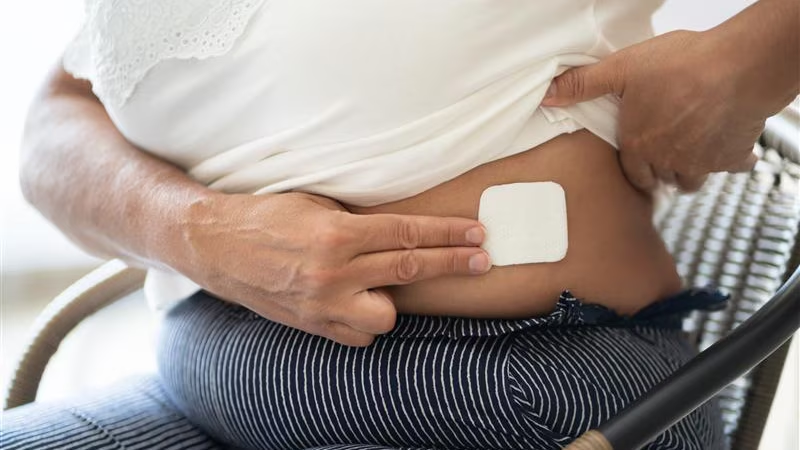
Formerly known as Hormone Replacement Therapy (HRT), Menopause Hormone Therapy is one of the most effective treatments for menopausal symptoms, particularly hot flashes, mood changes, vaginal dryness, and urinary issues.
Types of MHT:
- Estrogen pills: Most effective for relieving menopausal symptoms and protecting against bone loss
- Vaginal estrogen: Administered directly into the vagina using creams, tablets, or rings to relieve vaginal dryness and discomfort during intercourse
- Combined estrogen and progestin: For women who have not had a hysterectomy
While MHT is effective and generally safe for many women in their 40s and 50s experiencing menopausal symptoms, the benefits must be weighed against potential risks such as:
- Blood clots (thromboembolism)
- Breast cancer
- Heart attack
- Stroke
MHT is not recommended for women who have had:
- Breast cancer
- Heart attack
- Stroke
- Blood clots
Any woman taking MHT should be reviewed regularly by her doctor, with the aim of achieving symptom relief using the lowest dose for the shortest duration possible.
Alternative Treatments
Some women find relief from menopausal symptoms with alternative approaches:
- Herbal supplements:
- Phytoestrogens (plant estrogens) found in soy, lentils, chickpeas, legumes, flaxseed, whole grains, and certain fruits and vegetables
- Red clover or eucommia bark tablets
- Black cohosh
- Ginkgo biloba
- Acupuncture: May provide relief for women experiencing hot flashes
- Other medications:
- Antidepressants: Can reduce hot flashes and help with mood changes, even in women who are not depressed
- Medications for high blood pressure and night sweats
- Vaginal lubricants and moisturizers for vaginal dryness
Important note:
Some, like black cohosh, have been occasionally linked to liver damage. It’s not recommended to take these treatments for longer than 6 months without medical supervision.
Long-term Health Considerations After Menopause
After menopause, women have an increased risk of certain health conditions that require attention:
Osteoporosis
The decline in estrogen levels during menopause increases the risk of osteoporosis (bone weakening). To reduce this risk:
- Increase dietary intake of calcium and vitamin D (supplements may be necessary)
- Stay physically active with weight-bearing exercises
- Consider bone density screening
Related article: Arthritis Treatment in Singapore: Causes, Risks, Symptoms
Cardiovascular Disease
Risk of heart disease increases after menopause due to changing hormone levels. Preventive measures include:
- Regular exercise
- Heart-healthy diet
- Blood pressure, cholesterol, and blood sugar monitoring
Read more: Which Cardiologist in Singapore Should You Consider? (Sort by Reviews)
Cancer Screenings
- Breast cancer screening should start for all women over 40
- Colon cancer screening for women over 50
- Sexually active women should have regular Pap smears
General Health Monitoring
Regular health screenings become increasingly important after 40 for conditions like:
- Diabetes
- Hypertension
- High cholesterol
Embracing Menopause Positively
Menopause doesn’t mean life has taken a turn for the worse. Many women see it as a new beginning—a time to “take stock” of their lives and set new goals.
The menopause transition occurs at a time when women may be juggling multiple roles as mothers of teenagers, caregivers for elderly parents, and members of the workforce. Creating some “me time” is important to maintain balance in life during this transition.
Menopause can be viewed as an opportunity to assess your lifestyle and health and make a commitment to wellness in your mature years.
Menopause Treatment in Singapore Healthcare Settings
In Singapore, women can access menopause-related healthcare through:
- Gynecologists in public and private hospitals
- Women’s health clinics
- Polyclinics
- Primary care physicians
A recent study of the Singaporean population has shown that management practices in response to menopause were diverse and rarely involved accessing health professionals.
However, consulting healthcare providers can significantly improve the menopause experience through proper diagnosis and personalized treatment plans.
Frequently Asked Questions
Can menopause be delayed?
Menopause begins differently for every woman, depending on factors such as genetics, ethnicity, diet, and lifestyle.
While there are no proven ways to delay menopause, your gynecologist can recommend approaches to help manage and treat your symptoms when they occur.
Can I still get pregnant during menopause?
You can still get pregnant as long as you are menstruating, even if your cycles are less frequent. If you have sex and do not wish to become pregnant, some form of birth control is recommended.
However, if you have not menstruated for 12 consecutive months, it is generally safe to say you have completed menopause and are unlikely to get pregnant.
Do periods suddenly stop in menopause?
Menopause does not happen suddenly. Most women experience a transition period (perimenopause) with changes in menstrual patterns before periods stop completely.
Some women experience lighter or heavier bleeding, irregular periods, or more frequent periods during the perimenopausal stage.
What diet is good for menopause?
The general dietary guidelines for women going through menopause include:
- Consuming about 1,200 milligrams of calcium daily to help prevent osteoporosis
- Including sufficient iron (about 8 milligrams daily) from lean red meat, nuts, eggs, fish, and green leafy vegetables
- Reducing intake of fat, sodium, and sugar
- Staying well-hydrated with at least 8 glasses of water daily
- Including fruits, vegetables, and whole grains
How do I manage menopause-related weight gain?
Menopause belly fat occurs because as estrogen levels drop, body fat is redistributed from the hips, thighs, and buttocks to the abdomen. Ways to manage this include:
- Avoiding excess calories, particularly from sugar and alcohol
- Increasing physical activity, especially strength training
- Reducing overall calorie intake
- Maintaining consistent meal times
How do I deal with menopause hair loss?
Many women experience hair thinning or slower hair growth during menopause due to hormonal changes. While you cannot completely stop this process, these approaches may help:
- Eating a diet rich in nutrients such as Vitamin C, Vitamin D, phytoestrogens, and iron
- Exercising regularly to boost circulation and manage stress
- Reducing stress, which can exacerbate hair loss
- Limiting harsh hair styling techniques like dyeing, perming, and heat treatments
How do I treat menopause heart palpitations?
Heart palpitations during menopause are common and sometimes occur with hot flushes and sleep disturbances. Management approaches include:
- Avoiding stimulants such as caffeine, nicotine, and alcohol
- Practicing relaxation techniques like meditation, yoga, and deep breathing exercises
- Staying hydrated
If heart palpitations are concerning or persistent, consult your doctor as they can also be symptoms of other conditions.
Why does menopause cause osteoporosis?
During perimenopause and menopause, estrogen and progesterone levels decline significantly. Since estrogen helps maintain bone strength, this decline increases the risk of osteoporosis.
Preventive measures include calcium and vitamin D supplementation, weight-bearing exercise, and in some cases, medication.
Will fibroids disappear after menopause?
Due to decreasing hormone levels during menopause, existing fibroids may shrink and sometimes disappear. However, fibroids can still develop during and after menopause in some women.
Are herbal supplements effective for menopause symptoms?
Scientific evidence supporting the effectiveness of herbal supplements for menopause is limited. While some women report benefits from supplements like black cohosh, soy isoflavones, or red clover, others experience no relief.
Additionally, these supplements may carry risks and can interact with medications. Consult with your healthcare provider before starting any supplement regimen.
How long do menopause symptoms last?
The duration of menopause symptoms varies widely among women. Hot flashes and night sweats typically last for 1-2 years after the final menstrual period, but for some women, they can persist for 10 years or more. Other symptoms like vaginal dryness tend to worsen over time without treatment.
By understanding menopause and the available treatment options in Singapore, women can approach this natural life transition with confidence and maintain their quality of life throughout the process.
General shopping ideas, independent of this article’s advice.
Swipe to compare products →Biofinest Gummy Vitamin Supplement – Beauty Energy Sleep Metabolism Men Women Kids Probiotics Multivitamin (60 Gummies)From S$17.65Optimum Nutrition, Gold Standard, 100% Whey Protein Powder, 2lbs (907g ) / 5 lbs (2.27 kg) / 10 lbs (4.54 kg)From S$75.36Tradishot Immunity Boost Drink | Turmeric Shot (Extra Strength) | Boost Immunity Energy & Well-being [7x35mL]S$27.34Prices may vary by option. Check the final price and delivery on Shopee.