
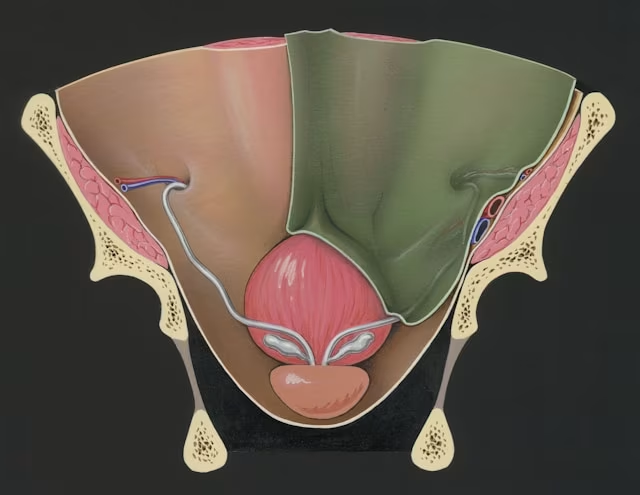
Understanding Hysterectomy
A hysterectomy is a major surgical procedure that involves the removal of the uterus (womb).
Depending on the specific medical condition and circumstances, this surgery may also include the removal of the cervix (neck of the womb), fallopian tubes, and in some cases, one or both ovaries.
Explore everyday essentials and compare current offers on Shopee.
Browse ShopeeOnce a woman undergoes a hysterectomy, she will no longer experience menstrual periods and cannot bear children.
This comprehensive guide aims to provide detailed information about hysterectomy procedures in Singapore, helping women understand what to expect before, during, and after the surgery.
Read more: Which Gynaecologist in Singapore Should You Consider?
Types of Hysterectomy
There are several types of hysterectomies, each involving different extents of tissue removal depending on the medical condition being treated and the patient’s specific circumstances.
The choice of procedure depends on factors such as the underlying diagnosis, patient age, desire for future fertility, and the surgeon’s assessment of what will provide the best outcome.
Partial or Subtotal Hysterectomy involves removing only the upper portion of the uterus while leaving the cervix intact.
This approach may be suitable for certain conditions where preserving the cervix is beneficial for maintaining pelvic floor support or when the cervix is healthy and doesn’t require removal.
Total Hysterectomy involves complete removal of both the uterus and cervix, making it the most common type of hysterectomy performed.
This procedure is appropriate for many gynecological conditions and provides definitive treatment while eliminating the need for future cervical cancer screening.
Radical Hysterectomy represents the most extensive approach, involving removal of the entire uterus, cervix, and part of the vagina.
Surrounding tissues and lymph nodes may also be removed as part of this procedure.
Radical Hysterectomy is typically performed in cases of cancer to ensure complete removal of cancerous tissue and reduce the risk of recurrence.
Related article: Understanding Low Libido in Women: Causes, Treatment and Impact
Medical Reasons for Hysterectomy
Hysterectomy is usually considered as a treatment option when other less invasive treatments have been unsuccessful or are not suitable.
The most common medical conditions that may necessitate a hysterectomy include:
Non-Cancerous Conditions
Fibroids are non-cancerous growths that develop in the muscular wall of the uterus. They can cause symptoms such as heavy menstrual bleeding, pelvic pain, pressure on adjacent organs, and in some cases, fertility issues.
When fibroids are large, numerous, or cause significant symptoms that don’t respond to other treatments, a hysterectomy may be recommended.
Adenomyosis
This condition occurs when the inner lining of the uterus (endometrium) grows into the muscular wall of the uterus.
It can lead to severe menstrual pain, heavy bleeding, and enlargement of the uterus. When medication fails to control symptoms, hysterectomy provides a definitive solution.
You might be interested: Male Infertility in Singapore: Causes, Diagnosis, and Treatment Options
Endometriosis is a condition where tissue similar to the uterine lining grows outside the uterus, typically on the ovaries, fallopian tubes, or other pelvic organs.
It can cause chronic pelvic pain, painful periods, and fertility problems. In severe cases that don’t respond to conservative treatments, a hysterectomy may be considered.
This occurs when weakened pelvic muscles allow the uterus to descend or drop into the vaginal canal.
Symptoms can include urinary incontinence, difficulty with bowel movements, and a sensation of heaviness or pulling in the pelvis.
When symptoms are severe and other treatments fail, a hysterectomy combined with pelvic floor repair may be necessary.
You might like: Erectile Dysfunction Treatment in Singapore
Cancerous Conditions
Uterine Cancer
When cancer develops in the lining of the uterus (endometrial cancer) or in the muscular wall (uterine sarcoma), a hysterectomy is often the primary treatment.
Cervical Cancer
In cases of cervical cancer, a radical hysterectomy is typically performed, often as part of a comprehensive treatment plan that may include radiation and chemotherapy.
Ovarian Cancer
When ovarian cancer is diagnosed, treatment typically involves removal of the ovaries, fallopian tubes, and uterus.
Related article: HPV Vaccination in Singapore: A Comprehensive Guide
Other Indications
Abnormal Uterine Bleeding
Persistent, heavy, or irregular menstrual bleeding that doesn’t respond to other treatments may warrant a hysterectomy, especially when it leads to anemia or significantly impacts quality of life.
Chronic Pelvic Pain
When chronic pelvic pain is linked to gynecological conditions and conservative treatments fail to provide relief, a hysterectomy might be considered as a last resort.
Emergency Situations
In rare cases, a hysterectomy may be performed as an emergency procedure to control severe bleeding during childbirth complications when other measures have failed.
Related article: Endometriosis Treatment in Singapore
Surgical Approaches for Hysterectomy
The approach used for a hysterectomy depends on several factors, including the reason for surgery, the size of the uterus, the patient’s overall health, previous surgical history, and the surgeon’s expertise. There are four main approaches:
1. Abdominal Hysterectomy (Open Surgery)
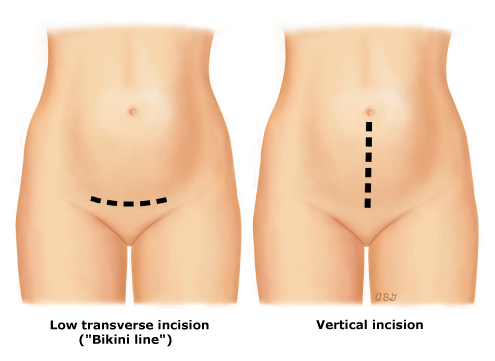
In an abdominal hysterectomy, the surgeon makes an incision across the lower abdomen (horizontal “bikini” cut) or vertically from the navel to the pubic bone. This approach:
- Provides the surgeon with a clear view of the pelvic organs
- May be necessary for cases involving large fibroids, cancer, or extensive adhesions
- Typically requires a hospital stay of 3-5 days
- Has a longer recovery period of approximately 6-8 weeks
- Results in a visible abdominal scar
You might want: Menopause Treatment Singapore
2. Laparoscopic Hysterectomy (Minimally Invasive)
During a laparoscopic hysterectomy, the surgeon makes several small incisions (approximately 1cm) in the abdomen.
Carbon dioxide gas is used to inflate the abdomen, creating space for the operation.
A laparoscope (thin tube with a camera) and specialized instruments are inserted through these incisions to perform the surgery. The uterus is typically removed through the vagina.
Benefits of this approach include:
- Smaller incisions leading to minimal scarring
- Reduced pain after surgery
- Lower risk of infection
- Shorter hospital stay (usually 1-2 days)
- Faster recovery (approximately 3-4 weeks)
- Less disruption to bowel function
3. Vaginal Hysterectomy
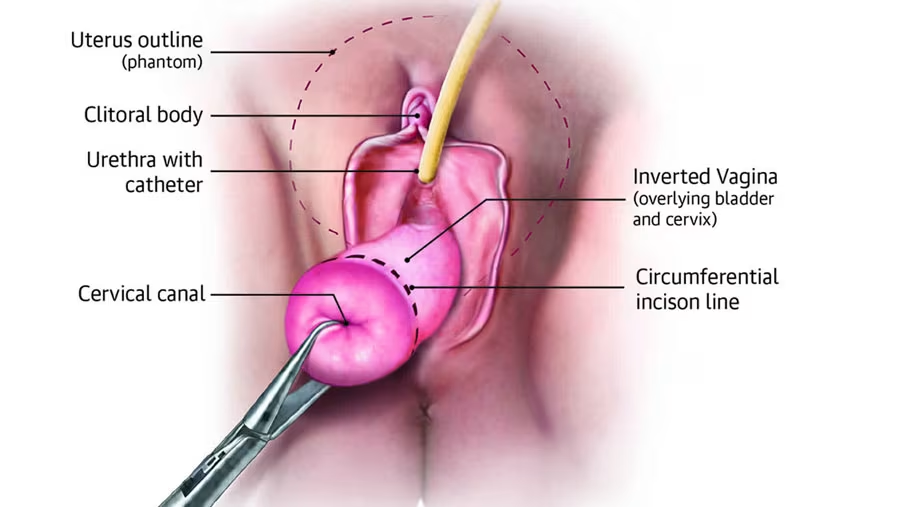
In a vaginal hysterectomy, the entire procedure is performed through the vagina with no external incisions.
The surgeon makes an incision inside the vagina to access and remove the uterus. This approach:
- Leaves no visible external scars
- Generally results in less pain and a quicker recovery
- Typically requires a shorter hospital stay
- May not be suitable for women with a very large uterus or significant scarring from previous surgeries
4. Robot-Assisted Hysterectomy
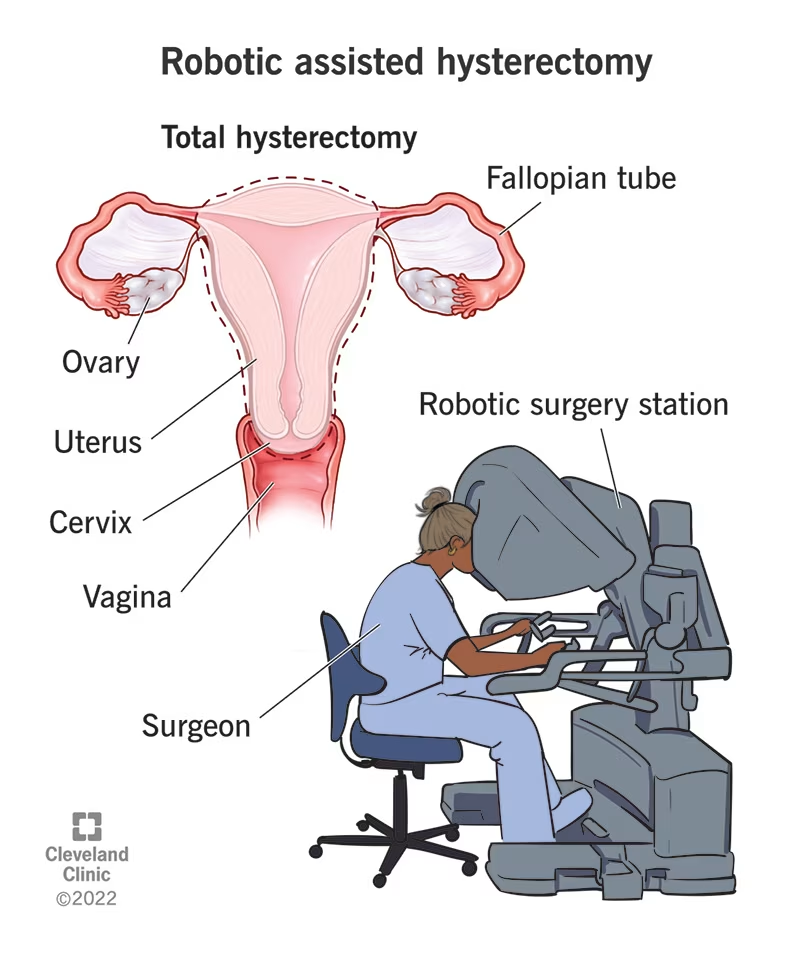
Similar to laparoscopic surgery, robot-assisted hysterectomy is a minimally invasive procedure that uses small abdominal incisions.
The difference is that the surgeon controls robotic arms from a console. These arms mimic the surgeon’s hand movements with greater precision.
- Enhanced 3D visualization for the surgeon
- Greater precision and control
- Benefits similar to traditional laparoscopic surgery
- Typically higher cost due to specialized equipment
Preparing for Hysterectomy Surgery
Medical Evaluation
Before scheduling a hysterectomy, patients undergo a thorough medical evaluation to ensure the procedure is necessary and appropriate.
This comprehensive assessment aims to confirm the diagnosis and establish that surgery is the most suitable treatment option for the patient’s condition.
The evaluation process includes assessing the patient’s overall health and determining their suitability for surgery, taking into account any underlying medical conditions that might affect surgical outcomes.
The surgeon will determine the most appropriate surgical approach based on factors such as the patient’s anatomy, previous surgical history, and the specific condition being treated.
During this evaluation, the healthcare team will discuss the risks associated with the procedure and provide information about expected outcomes, helping patients make informed decisions about their treatment.
This thorough preparation ensures that both patient and surgeon are well-prepared for the procedure.
Pre-Surgery Tests
Depending on the patient’s age and medical history, several pre-operative tests may be required to ensure surgical safety.
These typically include blood tests to assess overall health and identify any potential bleeding disorders or infections.
A chest X-ray may be performed to evaluate lung health, while an electrocardiogram (ECG) can assess heart function and identify any cardiac abnormalities.
Pelvic ultrasound or other imaging studies may be necessary to provide detailed information about the anatomy and help guide surgical planning.
These tests help the surgical team anticipate potential complications and plan the most appropriate surgical approach.
Medication Adjustments
The healthcare team will provide specific instructions regarding medication management before surgery.
Patients will receive clear guidance about which medications to continue taking and which should be discontinued before the procedure.
Aspirin and blood-thinning medications typically need to be stopped approximately one week before surgery to reduce bleeding risk, though this timing may vary based on individual circumstances.
Patients will receive instructions about when to stop eating and drinking, usually beginning at midnight before the surgery day.
This fasting period is essential for safe administration of anesthesia and reduces the risk of complications during the procedure.
Bowel Preparation
Some surgeons may recommend bowel preparation before surgery to reduce the risk of complications, especially when the intestines are located near the surgical site.
This preparation may include following a clear liquid diet the day before surgery to ensure the digestive system is empty during the procedure.
Laxatives or enemas may be prescribed to clear the bowels completely before surgery.
This preparation helps create optimal surgical conditions and reduces the risk of contamination or complications if the bowel is inadvertently injured during the procedure.
Hospital Admission
Patients will typically be admitted to the hospital either the day before surgery or on the morning of surgery for afternoon procedures.
The timing of admission depends on the complexity of the case, the patient’s medical status, and hospital policies.
What to Expect During Hospitalization
Day of Surgery
On the day of surgery, the surgical area will be carefully prepared, which may include shaving the surgical site if necessary to maintain sterility.
Patients will be transferred to the operating theater where the anesthesiologist will administer either general anesthesia or regional anesthesia, depending on the surgical approach and patient factors.
The surgery will be performed using the predetermined approach that was discussed during pre-operative consultations.
After the procedure is completed, patients will be closely monitored in a recovery area where medical staff will assess their initial recovery before transferring them to their hospital room.
Post-Operative Care
Immediately following surgery, patients can expect several standard post-operative care measures designed to ensure safety and comfort.
An intravenous (IV) line will provide necessary fluids and medications, while a urinary catheter will be placed to drain urine and monitor kidney function during the initial recovery period.
Medical staff will continuously monitor vital signs including blood pressure, pulse, and temperature to ensure stable recovery.
Pain management will be provided through prescribed medications, with the healthcare team working to keep patients comfortable while promoting healing.
The gradual reintroduction of fluids and food typically begins the day after surgery, starting with clear liquids and advancing to solid foods as the digestive system returns to normal function.
This careful progression helps prevent nausea and ensures that the body can properly process nutrition during recovery.
Hospital Stay Duration
The length of hospital stay varies significantly based on the type of hysterectomy performed and individual recovery factors.
Abdominal hysterectomy typically requires a hospital stay of 3 to 5 days due to the more extensive surgical approach and longer recovery time needed.
Laparoscopic or vaginal hysterectomy generally allows for shorter hospital stays of 1 to 3 days, as these minimally invasive approaches typically result in less pain and faster recovery.
Robot-assisted hysterectomy often requires the shortest hospital stay of 1 to 2 days, reflecting the precision and minimal invasiveness of this advanced surgical technique.
Early Mobilization
Getting out of bed and moving around as soon as possible after surgery is strongly encouraged and represents an important part of the recovery process.
Early mobilization helps prevent the formation of dangerous blood clots in the legs, which can potentially travel to the lungs and cause serious complications.
Movement also aids in the recovery of normal bowel function, helping to prevent constipation and intestinal complications that can occur after abdominal surgery.
Early activity accelerates overall healing by improving circulation and reducing the risk of respiratory complications such as pneumonia that can develop when patients remain immobile for extended periods.
Risks and Complications
As with any major surgery, hysterectomy carries certain risks. While complications are relatively rare, they may include:
Common Complications
Several complications occur with relative frequency and are generally manageable when they arise.
Bleeding during or after surgery can occur, though modern surgical techniques and careful monitoring help minimize this risk.
Infections may develop at the surgical site, in the urinary tract, or at the vaginal cuff where tissues have been sewn together.
Wound complications can include infection, delayed healing, or keloid formation, particularly in patients prone to excessive scar tissue development.
Some patients may experience pain or numbness around the incision site, which usually improves over time but may persist in some cases.
Less Common Complications
More serious but less frequent complications can occur during hysterectomy.
Injury to surrounding organs such as the bladder, bowel, ureters, or blood vessels may happen, particularly in cases where anatomy is distorted by disease or previous surgery.
These injuries typically require immediate repair and may extend the surgical time and recovery period.
The formation of blood clots in deep veins poses a serious risk, as these clots can potentially travel to the lungs and cause life-threatening pulmonary embolism.
The development of adhesions, which are bands of scar tissue that can bind organs together, may cause future complications including bowel obstruction or chronic pain.
Vaginal cuff dehiscence, where the vaginal incision separates after surgery, is an uncommon but serious complication that may require additional surgical repair.
Bowel obstruction can develop weeks or months after surgery due to adhesion formation or other factors related to the surgical procedure.
Rare Complications
Some complications occur very infrequently but represent serious risks that patients should understand.
Complications related to anesthesia, while rare with modern anesthetic techniques, can include allergic reactions, breathing difficulties, or cardiovascular problems.
In some cases, technical difficulties during laparoscopic surgery may necessitate conversion to open surgery, extending the procedure time and changing the recovery process.
Occasionally, additional surgeries may be needed to address complications that arise either during the initial procedure or in the post-operative period.
Factors That May Increase Risk
Several patient factors can increase the likelihood of complications during and after hysterectomy.
Overweight or obese patients face higher risks due to increased technical difficulty of the surgery, longer operative times, and greater likelihood of wound healing problems and infections.
Patients with poorly controlled medical conditions such as diabetes, hypertension, or heart disease have elevated complication risks because these conditions can impair healing and increase the likelihood of cardiovascular or respiratory problems during surgery.
A history of previous abdominal or pelvic surgeries can increase surgical complexity due to scar tissue and altered anatomy.
Smoking significantly increases complication risks by impairing wound healing, increasing infection rates, and elevating the risk of respiratory and cardiovascular complications.
Smokers are strongly advised to quit well before surgery to reduce these risks and improve their overall surgical outcomes.
Recovery After Hysterectomy
Short-Term Recovery (First Few Weeks)
During the initial recovery period, you should:
- Take prescribed pain medications as needed
- Complete the full course of antibiotics if prescribed
- Rest adequately while gradually increasing physical activity
- Avoid heavy lifting (nothing heavier than 5 kg) for 4-6 weeks
- Avoid driving for 2-3 weeks (or as advised by your doctor)
- Expect some vaginal discharge or spotting for up to 6 weeks
Restrictions During Recovery
You will be advised to avoid:
- Sexual intercourse for 4-6 weeks
- Strenuous exercise for 6-8 weeks
- Heavy lifting for at least 6 weeks
- Driving until you can comfortably wear a seatbelt and perform emergency stops
- Vaginal douching or using tampons during healing
Follow-Up Care
You will typically have follow-up appointments with your gynecologist:
- One week after discharge (to check wound healing)
- One month after surgery (for a comprehensive assessment)
- Further follow-ups as needed based on your recovery progress
Long-Term Recovery and Effects
Physical Recovery
Complete physical recovery may take 6-8 weeks for abdominal hysterectomy and 3-4 weeks for laparoscopic or vaginal procedures. Internal healing may take longer.
Hormonal Effects
The hormonal effects of hysterectomy depend on whether the ovaries were removed:
- If ovaries are preserved (conserved): You may continue to produce hormones and not experience immediate menopausal symptoms, though you may enter menopause slightly earlier than you would have naturally.
- If ovaries are removed (oophorectomy): You will experience surgical menopause immediately after surgery, regardless of age. Symptoms may include hot flashes, night sweats, mood changes, and vaginal dryness.
Hormone Replacement Therapy (HRT)
If you experience menopausal symptoms after surgery, your doctor may recommend hormone replacement therapy to alleviate these symptoms, particularly if you’re younger than the natural menopausal age.
Sexual Function
Most women can resume sexual activity 4-6 weeks after surgery. Many women report no change or even improvement in sexual function after hysterectomy, particularly if they previously experienced pain during intercourse due to their gynecological condition.
Long-Term Considerations
Psychological Impact
Some women may experience a range of emotions after a hysterectomy, including:
- Relief from chronic symptoms
- Grief over the loss of fertility (if applicable)
- Changes in body image perception
- Adjustment to the physical changes
Mental health support, counseling, or support groups can be beneficial during this adjustment period.
Pelvic Floor Health
Without the uterus, there is an increased risk of pelvic floor weakening over time. Pelvic floor exercises (Kegel exercises) are recommended to maintain strength and prevent issues like urinary incontinence or pelvic organ prolapse.
Choosing a Healthcare Provider in Singapore
When considering a hysterectomy in Singapore, it’s important to:
- Seek a qualified gynecologist with extensive experience in the specific type of hysterectomy you require
- Discuss all available treatment options before deciding on surgery
- Understand the surgeon’s approach and comfort level with different surgical techniques
- Consider seeking a second opinion, especially for non-emergency situations
- Verify that the hospital has comprehensive facilities for gynecological surgeries
Frequently Asked Questions
What is the average cost of a hysterectomy in Singapore?
The cost of a hysterectomy in Singapore varies depending on the type of procedure, hospital choice (public vs. private), and whether you’re a Singapore citizen, permanent resident, or foreigner.
Generally, costs range from SGD 8,000 to SGD 20,000. Medisave and insurance may cover a significant portion of these costs, depending on your policy and the medical necessity of the procedure.
Always check with your insurance provider and hospital for specific cost estimates.
How long is the recovery period after a hysterectomy?
Recovery time varies significantly based on the surgical approach. For an abdominal hysterectomy, full recovery typically takes 6 to 8 weeks.
Laparoscopic and vaginal hysterectomies generally have shorter recovery periods of about 3 to 4 weeks.
However, internal healing continues for several months after surgery. Your doctor will provide specific guidelines based on your individual case and the type of surgery performed.
Will I go into menopause after a hysterectomy?
Whether you experience menopause after a hysterectomy depends on whether your ovaries are removed during the procedure.
If your ovaries remain intact, you won’t experience immediate menopause, though some women enter menopause a few years earlier than they might have naturally.
If both ovaries are removed (bilateral oophorectomy), you will enter surgical menopause immediately, regardless of your age, and may experience symptoms like hot flashes, night sweats, and mood changes.
How will a hysterectomy affect my sexual life?
Most women can resume sexual activity approximately 4 to 6 weeks after surgery, once healing is complete.
Many women report either no change or improvement in sexual function after a hysterectomy, particularly if they previously experienced pain during intercourse due to their gynecological condition.
Some women may notice changes in sensation or lubrication, which can often be addressed with lubricants or other treatments if necessary.
What alternatives are there to a hysterectomy?
Alternatives to hysterectomy vary depending on the underlying Alternatives to hysterectomy vary significantly depending on the underlying condition being treated, and many women may have several treatment options available before considering surgical removal of the uterus.
These alternatives range from conservative medical management to minimally invasive procedures that can provide symptom relief while preserving the uterus.
Medication-based treatments represent one of the most conservative approaches and may include hormonal treatments designed to regulate menstrual cycles, reduce heavy bleeding, or shrink problematic tissue growth.
Pain management medications can help control symptoms associated with various gynecological conditions, providing relief without requiring surgical intervention.
Minimally invasive procedures offer middle-ground options between medication and major surgery.
Endometrial ablation involves destroying the lining of the uterus to reduce or eliminate heavy menstrual bleeding, while uterine artery embolization can shrink fibroids by cutting off their blood supply.
These procedures typically require shorter recovery times than hysterectomy while addressing specific symptoms.
Conservative surgical approaches can address particular conditions while preserving the uterus and surrounding organs.
Myomectomy involves removing fibroids while leaving the uterus intact, making it an excellent option for women who wish to maintain their fertility.
Endometriosis excision surgery can remove endometrial tissue growths without requiring hysterectomy.
Non-surgical approaches focus on symptom management and overall health improvement.
Pelvic floor physical therapy can help address pelvic pain and dysfunction through targeted exercises and techniques. Lifestyle modifications including dietary changes, exercise programs, and stress management can significantly improve symptoms for many gynecological conditions.
For certain conditions, watchful waiting may be appropriate, particularly when symptoms are mild or when conditions may improve naturally with time.
This approach involves regular monitoring and symptom management while avoiding immediate intervention.
It’s essential to discuss all available treatment options with your healthcare provider to determine the most appropriate approach for your specific situation, considering factors such as your age, desire for future fertility, severity of symptoms, and overall health status.
Will I need hormone replacement therapy after my hysterectomy?
The need for hormone replacement therapy (HRT) depends primarily on whether your ovaries are removed during the hysterectomy.
If both ovaries are removed and you haven’t reached natural menopause age, your doctor may recommend HRT to manage symptoms of surgical menopause and reduce health risks associated with early estrogen loss, such as osteoporosis and cardiovascular issues.
If your ovaries remain, HRT is typically not necessary unless you experience early menopause symptoms.
How do I prepare for a hysterectomy surgery?
Preparation for hysterectomy involves several important steps designed to ensure optimal surgical outcomes and smooth recovery.
Thorough preparation helps reduce complications and can significantly improve the overall surgical experience.
Patients must complete all pre-surgical tests and evaluations as ordered by their healthcare team, including blood work, imaging studies, and any specialist consultations that may be required.
Following medication instructions precisely is crucial, including knowing which medications to continue taking and which should be discontinued before surgery to minimize bleeding risk and avoid drug interactions.
Arranging for help at home during the recovery period is essential, as patients will have lifting restrictions and may need assistance with daily activities for several weeks following surgery.
This support system should include help with household tasks, meal preparation, and transportation to follow-up appointments.
Preparing the home environment for comfort during recovery involves setting up a comfortable recovery area with easy access to necessities, ensuring that frequently used items are within easy reach, and creating a supportive environment for healing.
Patients should follow fasting instructions carefully, typically avoiding food and drink after midnight before surgery to ensure safe anesthesia administration.
Some patients may need to complete bowel preparation as directed by their surgeon, which helps reduce infection risk and creates optimal surgical conditions.
Throughout the preparation process, patients should discuss any concerns or questions with their healthcare team to ensure they feel confident and well-informed before surgery.
The surgeon and healthcare team will provide specific instructions tailored to each patient’s individual situation, medical history, and the type of hysterectomy planned.
What should I expect immediately after waking up from surgery?
Upon waking from anesthesia after hysterectomy surgery, patients can expect to find themselves in a recovery area where medical staff will closely monitor their condition as they emerge from anesthesia.
This recovery period allows healthcare providers to ensure that patients are stable before transferring them to their hospital room.
Patients will have an intravenous (IV) line in place that provides necessary fluids and medications during the initial recovery period.
A urinary catheter will be present to drain urine and allow medical staff to monitor kidney function and urine output, which are important indicators of recovery progress.
Some degree of pain or discomfort is normal following major surgery, but this will be actively managed with prescribed pain medications to keep patients as comfortable as possible.
The healthcare team will work to balance effective pain control with maintaining alertness and preventing side effects from pain medications.
Nausea is a common side effect of anesthesia that many patients experience upon waking, but anti-nausea medications are readily available to provide relief and improve comfort.
As the anesthesia gradually wears off, patients will experience a gradual return to full awareness and normal cognitive function.
Medical staff will regularly check vital signs, assess pain levels, and monitor overall condition during this immediate post-operative period.
Once the patient’s condition stabilizes and they meet specific recovery criteria, they will be transferred to their hospital room where the next phase of recovery will begin.
Is it normal to experience emotional changes after a hysterectomy?
Yes, it’s entirely normal to experience a range of emotions after a hysterectomy.
Some women feel relief from chronic symptoms, while others may experience feelings of loss, particularly regarding fertility. Hormonal changes (if ovaries were removed) can also affect mood.
Some women report mood swings, depression, or anxiety during recovery. If emotional changes are severe or persistent, it’s important to discuss them with your healthcare provider, as support resources are available to help during this adjustment period.
When can I return to work after having a hysterectomy?
The timeline for returning to work depends on several factors, including the type of hysterectomy performed, your individual recovery progress, and the physical demands of your job. Generally:
- Desk jobs or light work: 2-4 weeks after laparoscopic/vaginal hysterectomy; 4-6 weeks after abdominal hysterectomy
- Physically demanding jobs: 6-8 weeks for laparoscopic/vaginal; 8-12 weeks for abdominal
Your surgeon will provide specific guidance based on your recovery progress and type of work.
Conclusion
A hysterectomy is a significant surgical procedure that can provide relief from various gynecological conditions when other treatments have been unsuccessful.
The decision to undergo a hysterectomy should be made after careful consideration of all available options and thorough discussion with your healthcare provider.
In Singapore, patients have access to high-quality gynecological care with various surgical approaches available to suit individual needs.
Understanding the procedure, preparing adequately, and following post-operative instructions are essential for a smooth recovery and optimal outcomes.
Remember that each woman’s experience with hysterectomy is unique, and recovery timelines can vary.
Always follow your doctor’s specific advice regarding your recovery and don’t hesitate to ask questions or seek support when needed.
Explore everyday essentials and compare current offers on Shopee.
Browse Shopee