

Anger represents one of humanity’s most fundamental emotions, serving as a natural response to perceived threats, injustices, or frustrations.
While this powerful feeling plays an essential role in human survival and motivation, uncontrolled anger can transform from a protective mechanism into a destructive force that damages relationships, careers, and personal well-being.
General shopping ideas, independent of this article’s advice.
Swipe to compare products → Biofinest Effervescent Vitamin C 1000mg D3 Zinc Collagen Multivitamin Calcium Magnesium Zinc Tablets Drink Sugar FreeFrom S$5.95Biofinest Probiotic 50 Billion CFU Enzyme Supplement 12 + 3 Prebiotics – Diet Slimming Eczema Detox Men Women (60 caps)From S$22.40Estalife Magnesium Glycinate 1000MG | Heart, Bone, Muscle, Sleep, Mood Health | 60 Veg CapsFrom S$13.99
Prices may vary by option. Check the final price and delivery on Shopee.
In Singapore’s fast-paced, high-stress environment, understanding and managing anger effectively has become increasingly crucial for maintaining mental health and harmonious relationships.
Related article: Which Psychologist in Singapore Should You Consider? (Sort by Reviews)
The Nature of Anger and Its Purpose
Anger emerges as an intense emotional response when we encounter situations that challenge our sense of fairness, safety, or personal boundaries.
This emotion triggers profound physiological changes, including elevated heart rate, increased adrenaline production, and heightened muscle tension.
These bodily responses prepare us for action, enabling quick reactions to potential dangers or motivating us to address injustices.
When channeled constructively, anger serves valuable purposes. It signals that something requires attention, motivates positive change, and helps establish personal boundaries.
However, the distinction between healthy and problematic anger lies in frequency, intensity, and expression methods.
Healthy anger dissipates after addressing the triggering situation, while problematic anger persists, escalates disproportionately, or manifests through harmful behaviors.
Related article: Which Psychiatrist in Singapore Should You Consider?
Recognizing When Anger Becomes Problematic

Understanding the transition from normal anger to anger management issues requires recognizing specific warning signs and patterns.
Anger becomes problematic when it interferes with daily functioning, damages relationships, or poses risks to physical and mental health.
Physical Manifestations of Anger Issues
The body provides clear signals when anger reaches unhealthy levels:
- Cardiovascular changes: Persistent elevation in heart rate and blood pressure, even during non-stressful situations
- Muscular tension: Chronic tightness in neck, shoulders, and back muscles that persists beyond anger episodes
- Autonomic responses: Excessive sweating, facial flushing, and temperature fluctuations
- Motor behaviors: Unconscious clenching of fists, trembling, or shaking
- Digestive disturbances: Stomach problems linked to chronic stress from frequent anger
You might like: Complete Guide to Depression Therapy in Singapore
Emotional and Behavioral Indicators
Beyond physical symptoms, emotional and behavioral patterns signal anger management difficulties:
- Emotional volatility: Rapid mood swings, persistent irritability, and disproportionate reactions to minor frustrations
- Resentment accumulation: Inability to release past grievances, leading to mounting bitterness
- Emotional overflow: Feeling overwhelmed by anger intensity, struggling to regain emotional equilibrium
- Anticipatory tension: Constant readiness for conflict, expecting provocations in routine interactions
- Emotional exhaustion: Feeling drained after anger episodes, experiencing guilt or shame about reactions
Categories of Anger Management Challenges
Understanding different anger patterns helps identify appropriate intervention strategies. Mental health professionals recognize several distinct categories of anger-related difficulties:
Related article: Alcohol Addiction Treatment in Singapore
Chronic Anger Patterns
Individuals experiencing chronic anger live in a state of perpetual irritation.
They interpret neutral situations as threatening, react defensively to constructive feedback, and maintain hypervigilance for potential slights.
This pattern exhausts both the individual and their social circle, as relationships become minefields requiring constant navigation around triggers.
Passive-Aggressive Expression
Some individuals struggle with direct anger expression, instead channeling frustration through indirect behaviors.
his pattern includes subtle sabotage, persistent sarcasm, deliberate procrastination, or emotional withdrawal.
While avoiding direct confrontation, passive-aggressive patterns create toxic environments and prevent authentic problem resolution.
Explosive Anger Episodes
Explosive anger involves sudden, intense outbursts disproportionate to triggering events.
These episodes often include verbal aggression, property destruction, or physical violence. Individuals may experience a “rage blackout,” later struggling to recall specific actions during the episode.
This pattern poses significant risks to relationships and personal safety.
Related article: Eating Disorder Treatment in Singapore: Causes, Recovery
Intermittent Explosive Disorder (IED)
IED represents the most severe anger management challenge, characterized by recurrent explosive episodes occurring multiple times weekly.
These outbursts result in significant distress, impaired functioning, and potential legal consequences.
IED requires professional intervention, as it indicates underlying neurological or psychological factors requiring specialized treatment.
The Far-Reaching Impact of Unmanaged Anger
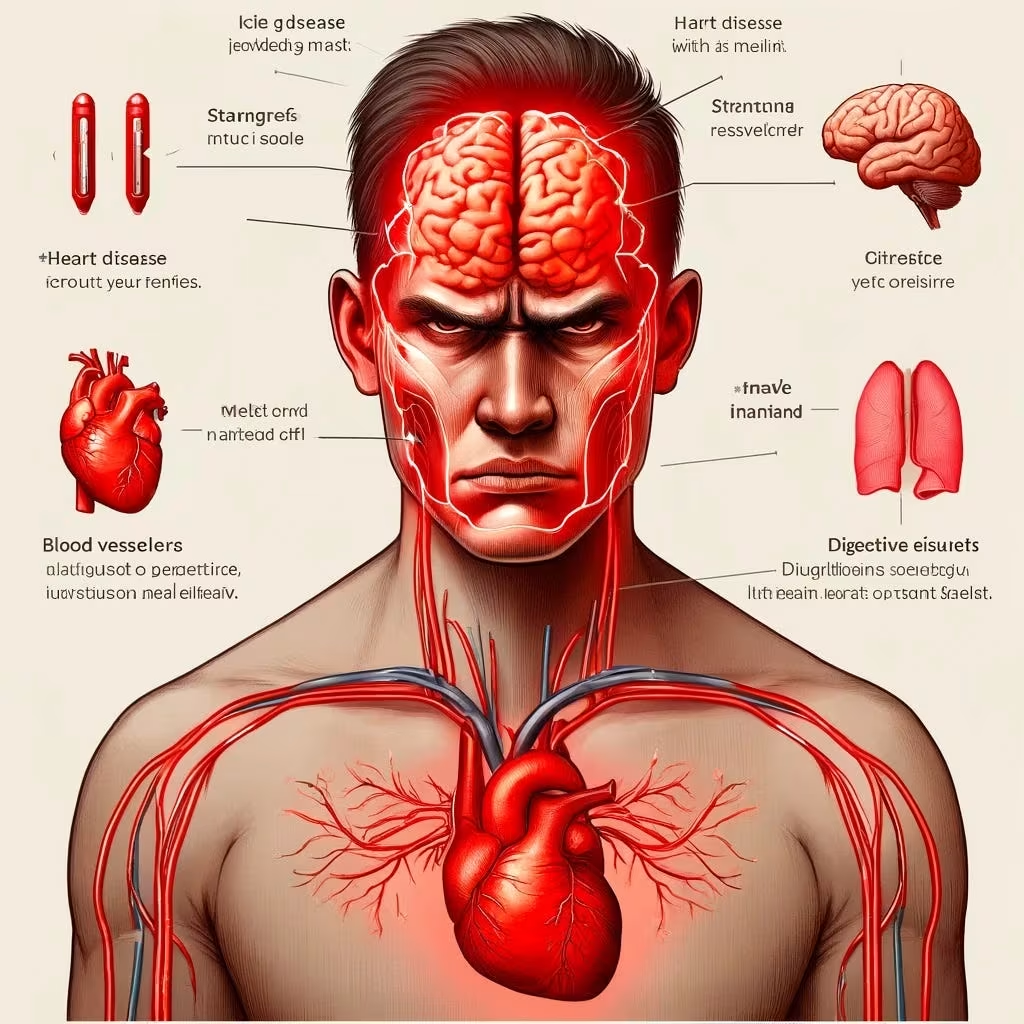
Chronic anger problems extend beyond momentary discomfort, creating cascading effects across multiple life domains:
Health Consequences
Persistent anger places tremendous strain on physical systems:
| Body System | Short-term Effects | Long-term Consequences |
|---|---|---|
| Cardiovascular | Elevated blood pressure, rapid heart rate | Hypertension, heart disease, stroke risk |
| Immune | Temporary suppression | Increased susceptibility to illness |
| Digestive | Acid production, appetite changes | Ulcers, irritable bowel syndrome |
| Musculoskeletal | Tension, pain | Chronic pain conditions, headaches |
| Endocrine | Stress hormone release | Metabolic disruptions, diabetes risk |
Relationship Deterioration
Uncontrolled anger erodes trust and intimacy in personal relationships. Partners, children, and friends may develop hypervigilance, constantly monitoring for signs of impending outbursts.
This dynamic creates emotional distance, communication breakdowns, and eventual relationship dissolution.
Children exposed to frequent parental anger may develop their own emotional regulation difficulties, perpetuating intergenerational patterns.
Professional Consequences
Workplace anger creates hostile environments, damages professional reputation, and limits career advancement.
Colleagues may avoid collaboration, supervisors may question judgment capabilities, and opportunities may disappear. In severe cases, workplace anger incidents lead to termination or legal action.
You might be interested: Comprehensive Guide to Drug Addiction Treatment in Singapore
Social Isolation
As anger drives away supportive relationships, individuals face increasing isolation. Social withdrawal compounds anger problems, eliminating opportunities for perspective-taking and emotional support.
This isolation creates a self-reinforcing cycle, intensifying anger while reducing resources for managing it.
Therapeutic Approaches for Anger Management
Professional anger management therapy in Singapore offers evidence-based interventions tailored to individual needs.
Qualified therapists employ various approaches to address anger’s underlying causes while developing practical management strategies.
This might help: Psychotherapy in Singapore: Types, Benefits, and How to Get Started
Cognitive-Behavioral Therapy (CBT)

CBT remains the gold standard for anger management treatment. This approach examines connections between thoughts, emotions, and behaviors, helping individuals identify and modify anger-triggering thought patterns.
Through functional analysis, clients discover how specific interpretations fuel anger responses. CBT techniques include:
- Cognitive restructuring: Challenging distorted thoughts that amplify anger
- Trigger identification: Mapping situations, people, or thoughts that provoke anger
- Response interruption: Developing strategies to pause between trigger and reaction
- Behavioral experiments: Testing new responses in controlled settings
Mindfulness-Based Interventions
Mindfulness approaches teach present-moment awareness without judgment, enabling individuals to observe anger without immediate reaction. These techniques include:
- Body scan meditation: Recognizing physical anger signals early
- Breath awareness: Using breathing as an anchor during emotional storms
- Acceptance practices: Acknowledging anger without resistance or amplification
- Compassion cultivation: Developing self-compassion to reduce anger-fueling self-criticism
Psychodynamic Exploration
Psychodynamic therapy investigates anger’s deeper psychological roots, examining how past experiences shape current emotional patterns. This approach explores:
- Attachment patterns: Understanding how early relationships influence anger expression
- Defense mechanisms: Recognizing how anger masks vulnerable emotions
- Transference dynamics: Examining how past relationships replay in current interactions
- Unconscious motivations: Uncovering hidden needs driving anger responses
Family Systems Therapy
When anger primarily manifests within family contexts, systems therapy addresses relational dynamics perpetuating conflict.
This approach examines communication patterns, power structures, and intergenerational anger transmission.
Family members learn collaborative problem-solving while developing healthier interaction patterns.
Group Therapy Programs
Group settings provide unique benefits for anger management. Participants gain perspective through shared experiences, practice new skills with peer support, and receive feedback in a safe environment. Groups foster accountability while normalizing the struggle with anger management.
Practical Anger Management Techniques
Effective anger management combines professional therapy with daily practice of specific techniques:
Immediate Response Strategies
When anger surges, these techniques provide immediate relief:
Deep breathing exercises: Slow, diaphragmatic breathing activates the parasympathetic nervous system
Progressive muscle relaxation: Systematically tensing and releasing muscle groups reduces physical tension
Grounding techniques: Using sensory awareness to anchor in the present moment
Time-out protocols: Temporarily removing oneself from triggering situations
Long-term Management Practices
Sustained anger management requires consistent practice:
Regular exercise: Physical activity releases tension while boosting mood-regulating neurotransmitters
Sleep hygiene: Adequate rest improves emotional regulation capacity
Stress reduction: Managing overall stress levels prevents anger accumulation
Creative expression: Channeling emotions through art, writing, or music
Communication Enhancement
Effective communication prevents anger escalation through several key approaches.
Assertiveness training helps individuals express their needs directly without resorting to aggression.
Active listening involves taking the time to understand others’ perspectives before responding to situations.
Using “I” statements allows people to take ownership of their feelings without placing blame on others.
Finally, developing conflict resolution skills enables individuals to navigate disagreements in a constructive manner.
When to Seek Professional Help
Recognizing when self-management proves insufficient marks a crucial step toward recovery.
Consider professional anger management therapy when experiencing frequent arguments that disrupt multiple relationships.
Seek help if you find yourself engaging in physical aggression or destroying property during anger episodes.
Professional intervention is also warranted when persistent resentment interferes with daily enjoyment or when work and legal problems stem from anger incidents.
Additionally, therapy becomes necessary when family members express fear or feel they must walk on eggshells around you.
Consider professional help if you’re experiencing physical health problems linked to chronic anger or if your attempts at self-management have been unsuccessful.
The Journey Through Anger Management Therapy
Understanding what to expect from therapy reduces anxiety and improves engagement:
Initial Assessment Phase
Therapists begin by comprehensively evaluating anger patterns, triggers, and impacts. This assessment includes exploring personal history, current stressors, and previous management attempts.
Therapists may use standardized assessments to measure anger severity and identify co-occurring conditions.
Collaborative Treatment Planning
Following assessment, therapists work with clients to establish realistic goals and select appropriate interventions.
Treatment plans remain flexible, adjusting as clients progress and encounter new challenges.
Skill Development and Practice
Therapy sessions focus on developing practical skills while processing underlying issues. Clients practice techniques during sessions, then apply them in daily life. Therapists provide feedback and refinement suggestions based on real-world experiences.
Progress Monitoring and Adjustment
Regular progress reviews ensure treatment effectiveness. Therapists and clients collaborate in identifying successes, addressing obstacles, and modifying approaches as needed.
Supporting Someone with Anger Management Issues
Family members and friends play crucial roles in supporting individuals who are addressing anger problems. It’s important to approach the person with compassion by expressing concern without judgment or criticism.
Establishing clear boundaries helps protect personal safety while maintaining a supportive presence.
Avoid enabling behaviors by refusing to excuse or minimize harmful expressions of anger.
Encourage the person to seek professional help by providing resources and support for therapy.
Most importantly, practice self-care to maintain your own personal well-being while supporting others through their journey.
Creating Long-term Change
Successful anger management extends beyond symptom reduction to fundamental life changes:
Developing Emotional Intelligence
Understanding and managing emotions effectively prevents anger accumulation. This includes recognizing emotional triggers, understanding underlying needs, and developing adaptive expression methods.
Building Resilience
Strengthening overall coping capacity reduces vulnerability to anger triggers. Resilience development includes stress management, problem-solving skills, and maintaining supportive relationships.
Addressing Underlying Issues
Many anger problems stem from unresolved trauma, depression, or anxiety. Comprehensive treatment addresses these root causes while managing anger symptoms.
Lifestyle Modifications
Sustainable anger management often requires lifestyle changes supporting emotional well-being. This may include career adjustments, relationship changes, or relocating from toxic environments.
Frequently Asked Questions
What distinguishes normal anger from anger requiring professional help?
Normal anger arises proportionally to triggering events, dissipates after expression, and doesn’t significantly impair functioning.
Problematic anger occurs frequently, intensely, or disproportionately, persisting long after triggers resolve.
When anger consistently damages relationships, threatens safety, or impairs daily functioning, professional intervention becomes necessary.
How long does anger management therapy typically require?
Treatment duration varies significantly based on individual factors, anger severity, and underlying issues.
Some individuals experience improvement within 8-12 sessions, while others require longer-term therapy.
Complex cases involving trauma or co-occurring conditions may need extended treatment. Therapists regularly assess progress and adjust treatment length accordingly.
Can anger management therapy help even without severe anger problems?
Absolutely. Therapy benefits anyone seeking improved emotional regulation, regardless of severity.
Early intervention prevents minor irritability from escalating into significant problems. Many individuals pursue therapy proactively, developing skills before anger impacts their lives negatively.
What if someone needs help but refuses to acknowledge their anger problem?
Involuntary therapy rarely succeeds, as personal motivation drives change.
When someone denies anger problems despite clear evidence, loved ones should focus on protecting themselves while maintaining openness to future help-seeking.
Individual therapy for affected family members provides support and coping strategies while the person with anger issues moves toward readiness.
Do anger management techniques work for children and adolescents?
Yes, but approaches require age-appropriate modifications. Children benefit from play therapy techniques, visual aids, and parental involvement.
Adolescents respond well to group programs and technology-assisted interventions.
Early intervention during developmental years prevents anger patterns from solidifying into adulthood.
How do cultural factors influence anger expression and management in Singapore?
Singapore’s multicultural context creates unique considerations for anger management.
Different cultures maintain varying norms regarding emotional expression, conflict resolution, and help-seeking behaviors.
Effective therapy acknowledges these cultural influences while helping individuals develop personally authentic management strategies.
What role does medication play in anger management?
While no medications specifically treat anger, certain prescriptions address underlying conditions contributing to anger problems.
Antidepressants, mood stabilizers, or anti-anxiety medications may help when anger stems from depression, bipolar disorder, or anxiety.
Medication works best combined with therapy, addressing both biological and psychological factors.
Can workplace stress management programs address anger issues?
Many Singapore employers offer Employee Assistance Programs (EAPs) including anger management support.
These programs provide confidential counseling, stress management workshops, and referrals for specialized treatment.
Workplace interventions effectively address job-related anger while promoting overall employee well-being.
How do online anger management programs compare to in-person therapy?
Online programs offer accessibility and convenience, particularly beneficial for those with scheduling constraints or mobility limitations. However, severe anger problems typically require personalized, face-to-face intervention.
Online programs work best for mild issues or as supplements to traditional therapy.
What happens if anger problems lead to legal issues?
Court-mandated anger management represents a specific intervention category. These programs focus on accountability, victim impact awareness, and preventing recurrence.
While mandated treatment can catalyze positive change, voluntary help-seeking before legal involvement yields better outcomes.
Conclusion
Anger management represents a journey toward emotional mastery and improved life quality.
While anger serves important functions, uncontrolled expression creates devastating consequences across health, relationships, and professional domains.
Singapore’s mental health infrastructure provides comprehensive support through various therapeutic approaches, from cognitive-behavioral interventions to mindfulness practices.
Successful anger management extends beyond controlling outbursts to understanding underlying triggers, developing emotional intelligence, and creating sustainable lifestyle changes.
Whether experiencing mild irritability or severe explosive episodes, professional help offers pathways toward healthier emotional expression.
The decision to seek anger management support demonstrates strength and self-awareness.
Through commitment to the therapeutic process and consistent practice of management techniques, individuals transform destructive anger patterns into opportunities for growth, deeper self-understanding, and more fulfilling relationships.
In Singapore’s supportive therapeutic environment, effective anger management remains accessible to all who seek positive change.
General shopping ideas, independent of this article’s advice.
Swipe to compare products →Biofinest Gummy Vitamin Supplement – Beauty Energy Sleep Metabolism Men Women Kids Probiotics Multivitamin (60 Gummies)From S$17.95Tradishot Immunity Boost Drink | Turmeric Shot (Extra Strength) | Boost Immunity Energy & Well-being [7x35mL]S$38.00Optimum Nutrition, Gold Standard, 100% Whey Protein Powder, 2lbs (907g ) / 5 lbs (2.27 kg) / 10 lbs (4.54 kg)From S$82.89Prices may vary by option. Check the final price and delivery on Shopee.