

Understanding STDs and Their Importance
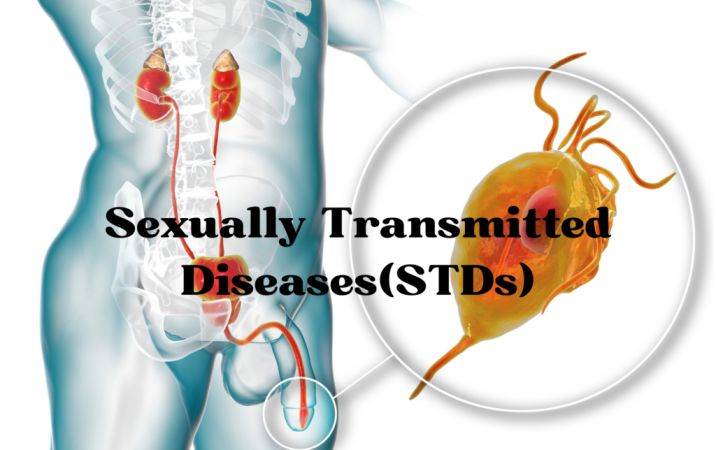
Sexually Transmitted Diseases (STDs), also known as Sexually Transmitted Infections (STIs), are infections transmitted primarily through sexual contact. They can be caused by various pathogens including bacteria, viruses, and parasites that can affect different parts of the body including the genitals, throat, anus, and sometimes even other body parts like the eyes or skin.
STDs deserve serious attention because many can remain completely asymptomatic while causing potential harm. This silent nature makes regular testing crucial for sexually active individuals, even those in seemingly monogamous relationships.
The risk of contracting an STD increases significantly if:
- You or your partner has multiple sexual partners
- You engage in unprotected sexual intercourse
- Your partner is known to have an STD
- You engage in risky sexual activities
Early detection through comprehensive STD testing enables prompt treatment, preventing serious complications and further transmission to partners.
Explore everyday essentials and compare current offers on Shopee.
Browse ShopeeRead more: HIV Testing in Singapore: Everything You Need to Know
Common STDs in Singapore
According to recent data, the top 5 STIs in Singapore (per 100,000 people) are:
| STI | Number of new cases per 100,000 people |
|---|---|
| Chlamydia | 26.9 |
| Genital Warts | 15.3 |
| Gonorrhea | 11.8 |
| Syphilis | 11.2 |
| Genital Herpes | 6.9 |
Chlamydia
Most commonly asymptomatic, but may cause burning sensation when urinating and clear discharge from genitals. If left untreated, it can lead to pelvic inflammatory disease in women and fertility issues.
Genital Herpes
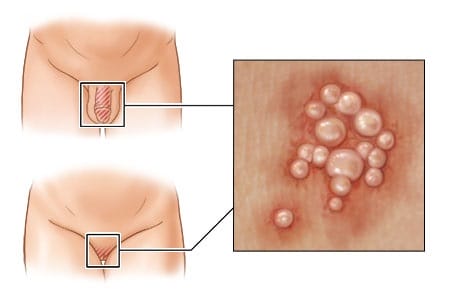
Characterized by blistering of the skin in small clusters with a burning sensation. While incurable, it can be managed with medication.
Related article: Erectile Dysfunction Treatment in Singapore
Gonorrhea
Symptoms include burning while urinating, greenish or yellowish discharge, pelvic pain, and discomfort during sexual intercourse. Can also affect the throat and rectum.
Syphilis
A progressive infection with different stages. Primary syphilis typically presents as a painless ulcer or sore at the site of infection. Secondary syphilis may cause rashes on the body including palms and soles. Tertiary syphilis can lead to serious organ damage if left untreated.
HIV (Human Immunodeficiency Virus)
HIV attacks the immune system and can lead to AIDS if not treated. Early symptoms may include flu-like symptoms, but many people have no symptoms for years.
Common STD Symptoms
While many STDs can be asymptomatic, watch out for these common signs that may indicate an infection:
- Abnormal discharge from penis, vagina, or anus
- Pain or burning sensation during urination
- Itching or pain in the genital area
- Rashes, sores, ulcers, or blisters on genitals or around mouth
- Unusual growths or lumps on sexual organs
- Swelling, pain, or discomfort in the testicles
- Swelling of lymph nodes in the groin
- Rash affecting the body, hands, and feet
- Bleeding after sex
- Pain during sexual intercourse
- Flu-like symptoms (especially with HIV)
Remember, many STDs may not show any symptoms at all, which is why regular testing is crucial for sexually active individuals.
Related article: HPV Vaccination in Singapore: A Comprehensive Guide
The STD Testing Process in Singapore
Before Your Test
Preparation:
- For urine STD tests: Hold your urine for at least 2 hours prior to the test
- For vaginal swab tests: Avoid testing during menstruation
- For abnormal discharge: Don’t clean off any abnormal discharge before testing as a swab sample needs to be collected
During Your Consultation
Your doctor will:
- Assess your STD risk through a detailed medical history
- Perform physical examinations if necessary
- Recommend appropriate STD screening packages based on your risk factors and sexual practices
- Explain the testing procedures and answer any questions you might have
Related article: Male Infertility in Singapore: Causes, Diagnosis, and Treatment Options
Types of STD Tests
Depending on your sexual practices and risk factors, your doctor may recommend:
Blood Tests:
- For detecting HIV, syphilis, hepatitis B and C
- Different types of HIV tests are available, including rapid tests with results in 20 minutes
Urine Tests:
- For detecting chlamydia, gonorrhea, and non-specific urethritis
- Non-invasive and convenient
Swab Tests:
- Can be performed on the penis, vagina, throat, rectum, or other potentially infected areas
- Helps detect various infections including chlamydia, gonorrhea, herpes, and others
You might like: Endometriosis Treatment in Singapore
After Your Test
Results of STD tests typically take 3-7 working days. Results can be communicated via phone or email, maintaining strict confidentiality. Reports are not sent by mail to protect privacy.
Specific STD Tests and Their Functions
HIV Tests
Several HIV testing options are available in Singapore, each designed to detect the virus at different stages and with varying levels of accuracy.
The HIV PCR RNA test is extremely effective for detecting HIV in its earliest stage and can deliver accurate results from 10 to 12 days after exposure.
This test is also used to measure viral load for patients who are already living with HIV, making it valuable for both diagnosis and ongoing monitoring.
The HIV P24 Antigen & Antibody Combo Test represents fourth-generation testing technology that detects both HIV antibodies and antigens.
This might be helpful: Breast Screening in Singapore: Early Detection and Prevention
This test is recommended after the 28-day window period for the most accurate results and is effective at screening for HIV from the 28-day post-exposure period and beyond.
The HIV Antibody-only Test is a third-generation test that specifically detects HIV antibodies in the blood.
HIV antibodies are typically detectable between 14 to 20 days post-exposure, and over 99.9% of infected individuals will have detectable antibodies by 90 days after exposure.
The Pro-Viral DNA HIV Blood Test offers a lower false-positive rate and can be used 10 days post-exposure.
This test is particularly effective for diagnosis in special cases, such as newborns born to HIV-positive mothers where standard antibody tests may not be reliable.
Rapid HIV Testing provides results within minutes and is performed by trained healthcare professionals.
This option eliminates lengthy waiting periods that can cause significant anxiety for patients seeking immediate answers about their HIV status.
Related article: Understanding Low Libido in Women: Causes, Treatment and Impact
Other Common STD Tests
STD testing protocols differ slightly between males and females due to anatomical differences and varying transmission patterns.
For male STD testing, several blood tests are commonly performed, including syphilis tests such as VDRL, RPR, TPPA, and EIA blood tests. Hepatitis screening involves HBs Ag & HBs Ab tests for Hepatitis B and Anti-HCV tests for Hepatitis C.
Herpes testing includes both PCR swab tests and Type 1 & 2 IgG blood tests for comprehensive detection.
Male patients also undergo Chlamydia and Gonorrhea testing through CTNG PCR urine tests, which provide accurate results through a simple urine sample.
Non-Specific Urethritis screening is performed through urine testing to detect inflammation that may indicate various bacterial infections.
For female STD testing, women receive the same blood tests as males for syphilis, HIV, hepatitis, and herpes detection.
However, Chlamydia and Gonorrhea testing for women typically involves CTNG PCR swab tests rather than urine samples.
Additional female-specific testing includes screening for Trichomonas, Gardnerella, and Candida through vaginal swab tests, which can detect common infections that particularly affect women.
Treatment of STDs
Many STDs can be effectively treated, especially when caught early. Treatment options vary depending on the specific infection:
| Condition | Treatment |
|---|---|
| HIV | PEP, PrEP Tablets |
| Gonorrhea | Recommended Injection and Tablets |
| Chlamydia | Tablets (single dose or 2-week course) |
| Syphilis | Recommended Injections (Tablets if allergic) |
| NSU (Non-Specific Urethritis) | Tablets |
| Herpes Simplex Virus | Tablets and/or Cream |
| Bacterial Vaginosis | Tablets |
| Candidiasis | Tablets or Creams, vaginal tablet inserts for women |
| Trichomoniasis | Tablets |
| Crabs/Pubic lice | Lotion |
| HPV Warts | Cream, Freezing, Surgery or Laser. Vaccinations also helpful |
| Molluscum | Cream, Freezing, Surgery or Laser |
It’s important to note that attempting self-treatment with home remedies (like apple cider vinegar) or over-the-counter antibiotics can lead to serious complications such as skin burns or antibiotic resistance. Always seek professional medical advice for STD treatment.
Importance of Regular STD Testing
Regular STD testing is strongly recommended for all sexually active adults, regardless of whether they experience any symptoms.
This recommendation is based on several critical health factors that make routine screening essential for maintaining sexual health and preventing complications.
Many STDs can remain completely asymptomatic for extended periods, meaning infected individuals may unknowingly carry and transmit infections to their partners.
Early detection through regular testing allows for prompt treatment, which significantly reduces the risk of developing serious complications that can affect long-term health.
Knowing your STD status helps prevent unintentional transmission to sexual partners, contributing to overall public health.
Perhaps most importantly, some STDs can lead to serious health issues if left untreated, including infertility, chronic pain, and increased susceptibility to other infections.
Regular screening helps identify these conditions before they progress to more serious stages.
Regular screening is also frequently undertaken by people who are starting a new sexual relationship, getting married, or entering into a long-term monogamous relationship.
Individuals who have multiple sexual partners or engage in high-risk sexual activities particularly benefit from frequent testing to monitor their health status and ensure early intervention if needed.
Where to Get STD Testing in Singapore
Comprehensive STD testing is readily available throughout Singapore at various types of healthcare facilities.
Specialized STD clinics offer focused expertise in sexual health and typically provide the most comprehensive testing panels.
Self-testing clinics provide convenient options for individuals who prefer more autonomous testing experiences.
General practitioner clinics offer STD testing as part of broader healthcare services, making it easy to incorporate testing into routine medical care.
Additionally, clinics that specialize in men’s or women’s health can provide gender-specific expertise and testing protocols tailored to particular health needs.
Many clinics throughout Singapore prioritize providing discreet, professional, and non-judgmental testing services in comfortable environments.
Patient confidentiality is a top priority at these facilities, ensuring that individuals can seek testing without concerns about privacy or discrimination.
FAQ
How do I know if I need to be tested for STDs?
Several specific circumstances should prompt individuals to seek STD testing to protect their health and the health of their partners.
You should consider getting tested if you have symptoms suggesting a possible STD infection, as early detection can prevent complications and enable prompt treatment.
If your partner has tested positive for an STD, immediate testing is crucial to determine your status and begin treatment if necessary.
Recent changes in sexual partners, having multiple sexual partners, or engaging in unprotected sex all increase risk levels and warrant testing.
Individuals who engage in high-risk sexual activities or use intravenous drugs should seek regular testing due to increased exposure risks.
Additionally, if you’re planning to have a baby, STD testing is essential because many sexually transmitted infections can be passed to infants during childbirth, making prenatal screening a critical component of pregnancy care.
How long does it take for test results to be available?
Generally, test results will be available within 3-7 working days. Some rapid tests, particularly for HIV, can provide results within 20 minutes.
What is the accuracy of STD tests?
Most STD tests are typically 99% accurate when performed correctly. However, each test has a specific window period during which the infection may not be detectable.
Which areas of the body can be tested?
STD tests can be performed on various parts of the body including the penis, vagina, cervix, throat, and anus. The type of test depends on your sexual practices and potential exposure sites.
Do I need to prepare anything before the test?
For urine tests, it’s best to avoid urinating for at least 1 hour before the test. For vaginal swab tests, it’s advisable to avoid testing during menstruation. No other specific preparation is required beforehand.
Is the STD test painful?
Most STD tests are not painful. Urine tests simply require providing a urine sample. Blood tests involve a quick needle prick. Swab tests may cause mild, momentary discomfort but are not typically painful.
How often should I get tested for STDs?
The frequency of STD testing depends on your sexual activity and risk factors:
- Annually for sexually active individuals in monogamous relationships
- Every 3-6 months for those with multiple partners
- After each new sexual partner
- Immediately if you experience symptoms or know you’ve been exposed
Are STD tests confidential?
Yes, STD tests are strictly confidential. Healthcare providers prioritize patient privacy. Test results are typically communicated via phone or email rather than mail to maintain confidentiality.
Can STDs be cured?
Many bacterial STDs like chlamydia, gonorrhea, and syphilis can be completely cured with appropriate antibiotics if treated early. Viral STDs like HIV, herpes, and HPV cannot be cured but can be effectively managed with medication. Early detection through testing is key to successful treatment.
What happens if I test positive for an STD?
If you test positive, your healthcare provider will discuss treatment options based on your specific diagnosis. They may also recommend notifying past partners so they can get tested. Follow-up testing may be needed to ensure the infection has been cleared after treatment.
Remember, getting tested for STDs is a responsible step toward maintaining your sexual health and protecting your partners. Many STDs can be effectively treated when caught early, preventing serious complications down the line.
Explore everyday essentials and compare current offers on Shopee.
Browse Shopee