
What Are Tonsil Stones?
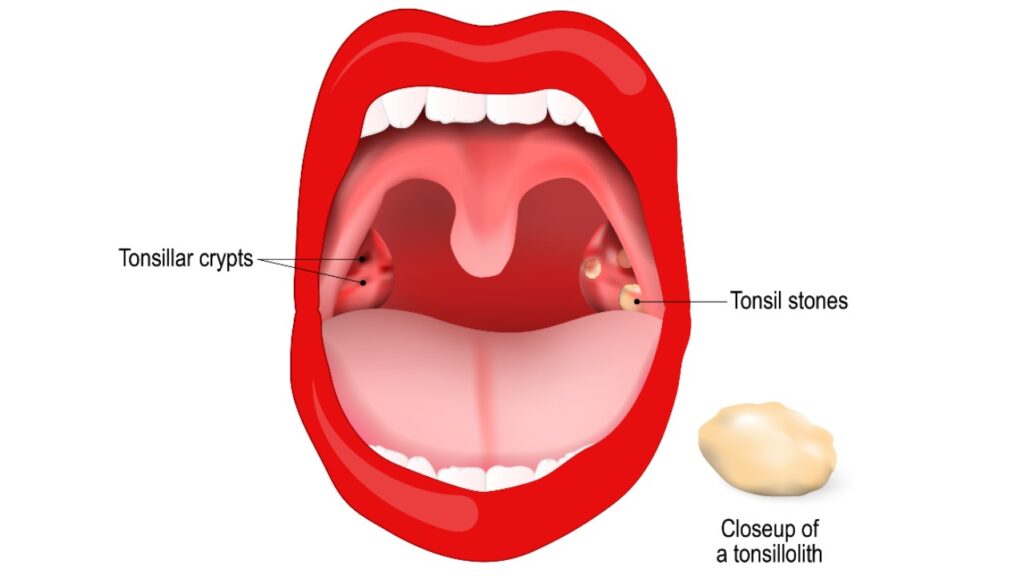
Tonsil stones, medically known as tonsilloliths, are small yellow or white calcified deposits that form in the crevices (crypts) of your tonsils.
Your tonsils are small swellings located on the side walls of your throat, featuring an irregular surface with multiple small pockets or crypts that give them a pock-marked appearance.
General shopping ideas, independent of this article’s advice.
Swipe to compare products → Biofinest Effervescent Vitamin C 1000mg D3 Zinc Collagen Multivitamin Calcium Magnesium Zinc Tablets Drink Sugar FreeFrom S$5.95Biofinest Probiotic 50 Billion CFU Enzyme Supplement 12 + 3 Prebiotics – Diet Slimming Eczema Detox Men Women (60 caps)From S$22.40Estalife Magnesium Glycinate 1000MG | Heart, Bone, Muscle, Sleep, Mood Health | 60 Veg CapsFrom S$13.99
Prices may vary by option. Check the final price and delivery on Shopee.
These hardened deposits range in size from barely noticeable to several centimeters in rare cases.
While generally harmless, tonsil stones can cause significant discomfort, including persistent bad breath, sore throat, and a sensation of something stuck in your throat.
This might help: Which ENT Doctor in Singapore Should You Consider?
How Tonsil Stones Form
Tonsil stones develop when debris such as food particles, dead cells, and bacteria become trapped in the small crypts or pockets on the surface of your tonsils.
Over time, these trapped materials combine with minerals like calcium from saliva and harden, forming calcified deposits.
Interestingly, tonsil stones are actually biofilms – complex matrices of different bacteria.
Similar to a corn cob structure made of extracellular polymers, these biofilms house various bacteria.
The bacteria deep within these structures grow very slowly due to limited oxygen and nutrients, making them resistant to antibiotics.
This characteristic makes tonsil stones similar to dental plaque, which is also a biofilm.
Common Symptoms of Tonsil Stones
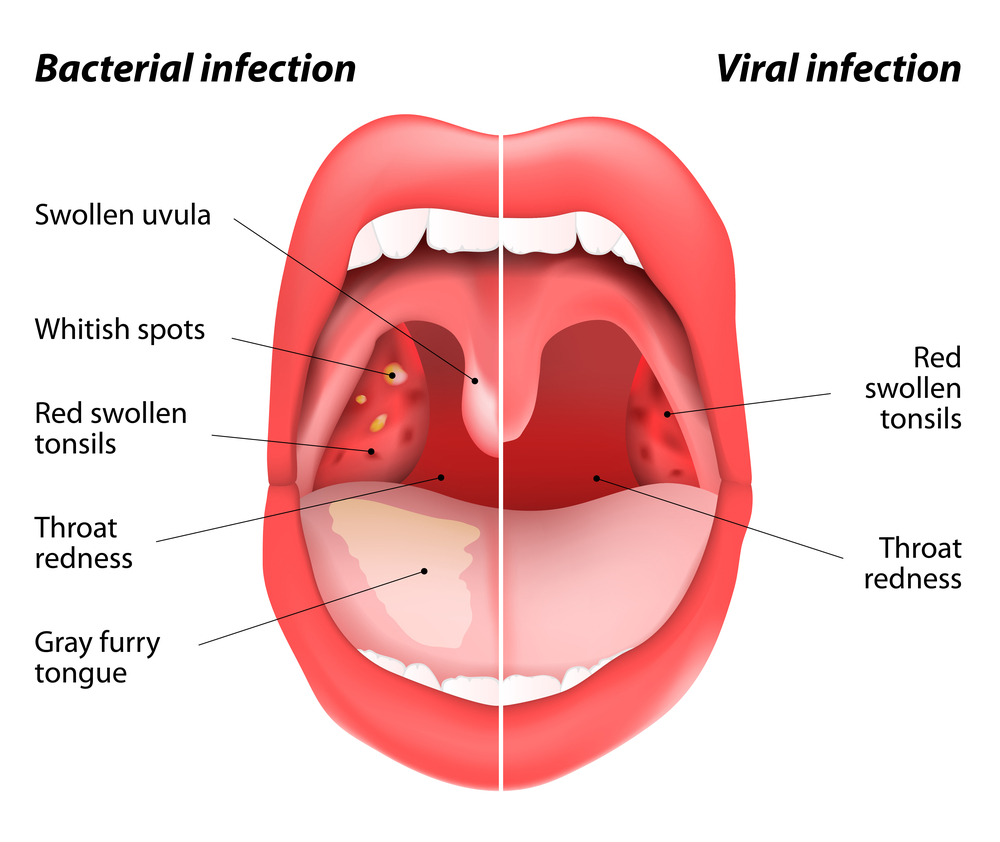
Not everyone with tonsil stones experiences symptoms, but when they do occur, they can include:
- Bad Breath (Halitosis): Perhaps the most common and noticeable symptom, often persistent even after brushing
- Sore Throat: Ranging from mild discomfort to significant pain
- Foreign Body Sensation: A persistent feeling that something is stuck in the back of your throat
- Difficulty Swallowing: Especially with larger stones
- Ear Pain: Due to shared nerve pathways between the tonsils and ears
- Visible White Spots: Small white or yellow deposits visible at the back of the throat
- Persistent Cough: As your body attempts to clear the foreign object
- Swollen Tonsils: Inflammation around the area of the stones
Risk Factors and Causes
Several factors increase your risk of developing tonsil stones:
- Chronic Tonsillitis: Persistent inflammation of the tonsils
- Poor Oral Hygiene: Inadequate brushing and flossing
- Enlarged Tonsillar Crypts: Deeper or larger pockets in the tonsils where debris can accumulate
- Dehydration: Leads to reduced saliva production and drier mouth conditions
- Mouth Breathing: Often due to nasal blockage, causes desiccation of the throat and tonsils
- Smoking: Irritates the tonsil tissue and contributes to inflammation
- Acid Reflux: Can cause throat irritation and inflammation, creating conditions favorable for stone formation
- Post-Nasal Drip: Excess mucus can contribute to debris accumulation
Read more: Acid Reflux and GERD in Singapore: Causes, Symptoms, and Treatments
Home Remedies for Tonsil Stones
If you’re experiencing mild tonsil stones, several home remedies may help dislodge them and provide relief:
Gargling
- Salt Water: Dissolve half a teaspoon of salt in warm water and gargle vigorously for 30 seconds, several times a day
- Apple Cider Vinegar: Mix one tablespoon with warm water and gargle to help break down the stones
- Antiseptic Mouthwash: Products like Listerine or Betadine may help dislodge stones and reduce bacterial growth
Manual Removal Techniques
- Cotton Swabs: Gently press against the tonsil near the stone and push upward to dislodge it
- Water Irrigators: Use a low-pressure water flosser to aim at the stones (start with the lowest setting)
- Gentle Coughing: Sometimes a deliberate cough can help expel loose stones
Preventive Measures
- Stay Hydrated: Drink 6-8 glasses of water daily to help reduce thick secretions
- Oral Hygiene: Practice thorough dental hygiene, including brushing teeth, tongue, and flossing
- Avoid Irritants: Reduce smoking and alcohol consumption
When to See an ENT Specialist in Singapore
While many tonsil stones can be managed at home, you should consult an ENT (Ear, Nose, and Throat) specialist in Singapore if you experience:
- Severe or persistent sore throat
- Difficulty swallowing
- Enlarged, visibly red tonsils
- Fever or other signs of infection
- Recurring tonsil stones despite home treatments
- Significant impact on quality of life due to chronic bad breath
Medical Treatments for Tonsil Stones
When home remedies aren’t effective, an ENT specialist may recommend:
Non-Surgical Approaches
- Professional Removal: Using specialized tools to safely extract the stones
- Antibiotics: If an infection is present, though antibiotics alone aren’t very effective against biofilms
- Addressing Contributing Factors: Treating underlying conditions like acid reflux with medications such as proton pump inhibitors (e.g., omeprazole, rabeprazole)
Surgical Options
- Tonsillectomy: Complete removal of the tonsils, which eliminates the possibility of future tonsil stones
- Cryptolysis: A less invasive procedure that involves ablation (removal) of the crypts that harbor tonsil stones, though there is a risk of recurrence
Tonsillectomy: Is It Right for You?
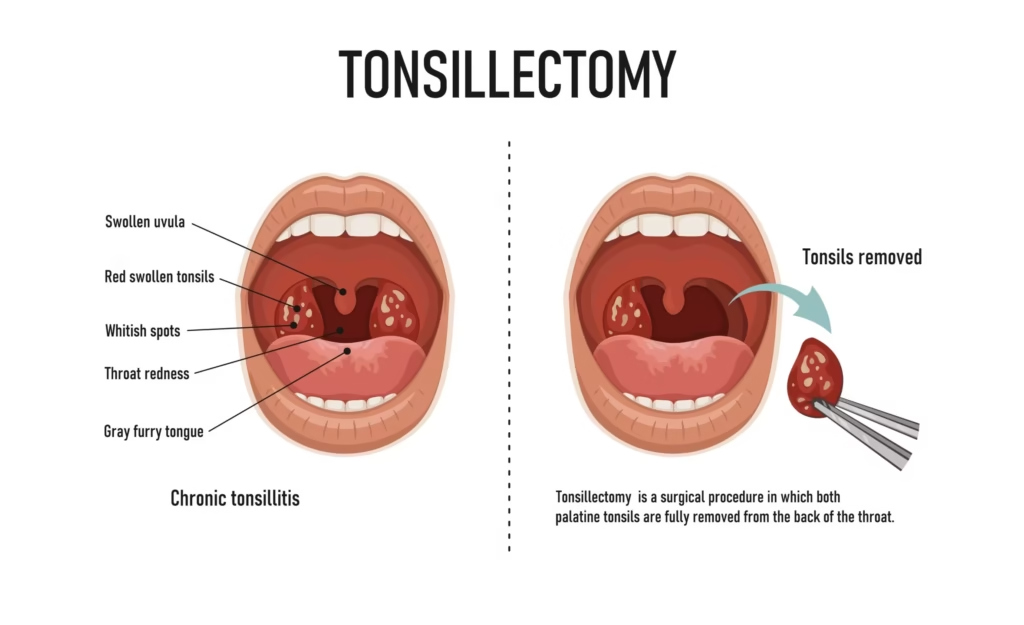
Tonsillectomy is a surgical procedure to remove the tonsils completely. While effective at preventing tonsil stones permanently, it’s typically only recommended for severe cases.
Reasons to Consider Tonsillectomy
Several medical conditions may warrant consideration of tonsillectomy as a treatment option.
Recurrent or frequent tonsillitis that significantly impacts quality of life is one of the primary indications for this surgical procedure.
Chronic tonsil stones that cause significant discomfort and cannot be managed through conservative treatments may also necessitate tonsil removal.
Severe halitosis that affects quality of life and is directly caused by tonsil-related issues can be another compelling reason for surgery.
Additionally, difficulty breathing or swallowing due to enlarged tonsils that interfere with daily activities may require surgical intervention to restore normal function.
Benefits of Tonsillectomy
Tonsillectomy offers several significant benefits for patients who meet the criteria for surgery.
The procedure provides complete elimination of tonsil stones, permanently resolving this recurring problem.
Patients typically experience a reduced frequency of throat infections, as the tonsils are often a source of recurrent bacterial and viral infections.
The surgery leads to resolution of chronic bad breath that is specifically caused by tonsil stones and bacterial buildup in the tonsillar crypts.
Overall, patients who undergo tonsillectomy for appropriate indications often experience improved quality of life, particularly those who have been suffering from severe symptoms that impact their daily activities and social interactions.
Recovery and Considerations
Recovery after tonsillectomy involves a healing period of approximately three to four weeks, during which patients must follow specific care instructions.
During the initial recovery phase, the surgical wound appears as white patches at the back of the throat, which is a normal part of the healing process and should not cause alarm.
Pain management is crucial during recovery and typically involves a combination of painkillers, antiseptic gargles, and soothing lozenges to minimize discomfort.
Patients must avoid certain foods that could irritate the healing tissue, particularly spicy and acidic foods, for a period of two to four weeks following surgery.
Activities such as vigorous exercise and alcohol consumption should also be avoided during this recovery period to prevent complications.
While tonsillectomy is generally safe, there is a small risk of bleeding complications, occurring in under five percent of cases.
Patients should be aware of this potential complication and follow all post-operative instructions carefully to minimize risks and ensure proper healing.
Impact of Tonsil Stones on Overall Health
Beyond the discomfort and social implications of bad breath, tonsil stones can indicate overall oral health issues.
The connection between oral health and systemic health is well-established, making proper management of tonsil stones an important health consideration.
Persistent biofilms in the mouth, whether in the form of dental plaque or tonsil stones, can contribute to chronic inflammation, which has been linked to various health conditions.
Addressing tonsil stones promptly helps maintain not just oral health but potentially contributes to overall wellbeing.
Preventing Tonsil Stones in Singapore’s Climate
Singapore’s humid climate can potentially contribute to throat and respiratory issues. Here are specific preventive measures for those living in Singapore:
- Maintain consistent hydration in the hot, humid climate
- Use air conditioning or dehumidifiers to reduce environmental moisture that can contribute to post-nasal drip
- Be vigilant about oral hygiene, especially after consuming local foods with strong flavors that might contribute to deposits
- Consider regular professional dental cleanings to maintain optimal oral health
Conclusion
Tonsil stones, while generally harmless, can cause significant discomfort and social embarrassment due to bad breath.
Understanding their causes and treatment options empowers individuals to address this condition effectively.
From simple home remedies to medical interventions, several approaches can help manage and prevent tonsil stones.
If you’re experiencing persistent symptoms in Singapore, consulting with an ENT specialist can provide you with personalized treatment options for lasting relief.
Frequently Asked Questions
What exactly causes the bad breath associated with tonsil stones?
The bad breath (halitosis) associated with tonsil stones occurs because the biofilms contain anaerobic bacteria that produce sulfur compounds when they break down proteins.
These sulfur compounds have a distinctly unpleasant odor that can be difficult to mask with regular oral hygiene.
The location of tonsil stones at the back of the throat also makes them challenging to reach with normal brushing and rinsing, allowing the odor-producing bacteria to thrive.
Can children get tonsil stones?
Yes, children can develop tonsil stones, though they are more common in teenagers and adults. Children generally have more active tonsil tissue as part of their developing immune system, which can sometimes lead to enlarged tonsils with deeper crypts where debris can accumulate. If a child complains of throat discomfort or exhibits signs of bad breath, it’s worth examining their throat for signs of tonsil stones and consulting a pediatrician if necessary.
Does removing tonsils weaken the immune system?
No, removing tonsils does not significantly weaken the immune system, especially in adults and older children.
While tonsils are part of the lymphatic system and play a role in immune function, they represent only a small component of our overall immune defense.
The immune system has many redundancies, with protection provided by the spleen, bone marrow, lymph nodes, and thymus.
Multiple studies have shown that tonsillectomy is a safe procedure with no significant negative effects on immune function.
How long does it take for tonsil stones to form?
Tonsil stones can form over varying periods, from days to weeks. The formation speed depends on several factors, including individual tonsil anatomy, oral hygiene practices, diet, and overall oral health.
In people prone to tonsil stones, new formations can occur relatively quickly after removal if the underlying causes aren’t addressed.
Regular preventive measures are important for those with recurrent stones.
Are antibiotics effective against tonsil stones?
Antibiotics are generally not very effective against established tonsil stones.
This is because tonsil stones are biofilms where bacteria are protected within a matrix structure, with the bacteria deep inside growing very slowly.
Antibiotics typically work best against rapidly dividing bacteria. While a course of antibiotics might help treat any active infection surrounding the stones and temporarily reduce symptoms, they rarely eliminate the stones themselves.
Physical removal and addressing underlying causes remain the most effective approaches.
Will gargling with mouthwash dissolve tonsil stones?
Gargling with antiseptic mouthwash may help with tonsil stones, but it typically won’t dissolve existing stones completely.
Mouthwash can help in several ways: it may loosen smaller stones, reduce bacterial growth that contributes to stone formation, and temporarily improve bad breath.
Alcohol-free antiseptic mouthwashes are preferred, as alcohol can dry the mouth and potentially worsen the condition.
For established stones, physical removal methods are usually more effective than gargling alone.
Can dietary changes help prevent tonsil stones?
Yes, certain dietary modifications may help reduce the likelihood of developing tonsil stones. Reducing dairy consumption can decrease mucus production, which may contribute to stone formation.
Similarly, limiting sugar intake can reduce bacterial growth in the mouth. Staying well-hydrated is crucial as it helps flush away food particles and bacteria from the throat.
Some people also report benefits from reducing acidic foods and beverages that might irritate the throat and tonsils.
Are tonsil stones contagious?
No, tonsil stones themselves are not contagious and cannot be transmitted from person to person.
They form due to individual factors like tonsil anatomy, oral hygiene, and specific conditions in a person’s mouth.
However, some of the bacteria that contribute to tonsil stone formation can potentially be transmitted through close contact, such as kissing.
Maintaining good oral hygiene is important regardless of whether you have tonsil stones or not.
What’s the difference between tonsillitis and tonsil stones?
Tonsillitis is an inflammation or infection of the tonsils, usually caused by viruses or bacteria, resulting in symptoms such as sore throat, difficulty swallowing, fever, and visibly red, swollen tonsils.
Tonsil stones, on the other hand, are calcified deposits that form in the crypts of the tonsils, primarily causing bad breath, mild discomfort, and a foreign body sensation.
While chronic tonsillitis can contribute to tonsil stone formation, they are distinct conditions.
However, they can occur simultaneously, with tonsillitis potentially making tonsil stones more likely to develop.
How can I tell if I have tonsil stones if I can’t see them?
Not all tonsil stones are visible, as they may be deeply embedded in the tonsil crypts.
Signs that might indicate hidden tonsil stones include persistent bad breath that doesn’t improve with normal oral hygiene, a chronic feeling of something stuck in the throat, slight pain or discomfort when swallowing, and occasional ear pain.
If you experience these symptoms without visual confirmation of stones, it may be worth consulting an ENT specialist who can perform a thorough examination to identify hidden stones.
General shopping ideas, independent of this article’s advice.
Swipe to compare products →Biofinest Gummy Vitamin Supplement – Beauty Energy Sleep Metabolism Men Women Kids Probiotics Multivitamin (60 Gummies)From S$17.95Tradishot Immunity Boost Drink | Turmeric Shot (Extra Strength) | Boost Immunity Energy & Well-being [7x35mL]S$38.00Optimum Nutrition, Gold Standard, 100% Whey Protein Powder, 2lbs (907g ) / 5 lbs (2.27 kg) / 10 lbs (4.54 kg)From S$82.89Prices may vary by option. Check the final price and delivery on Shopee.