
Understanding Obstructive Sleep Apnea
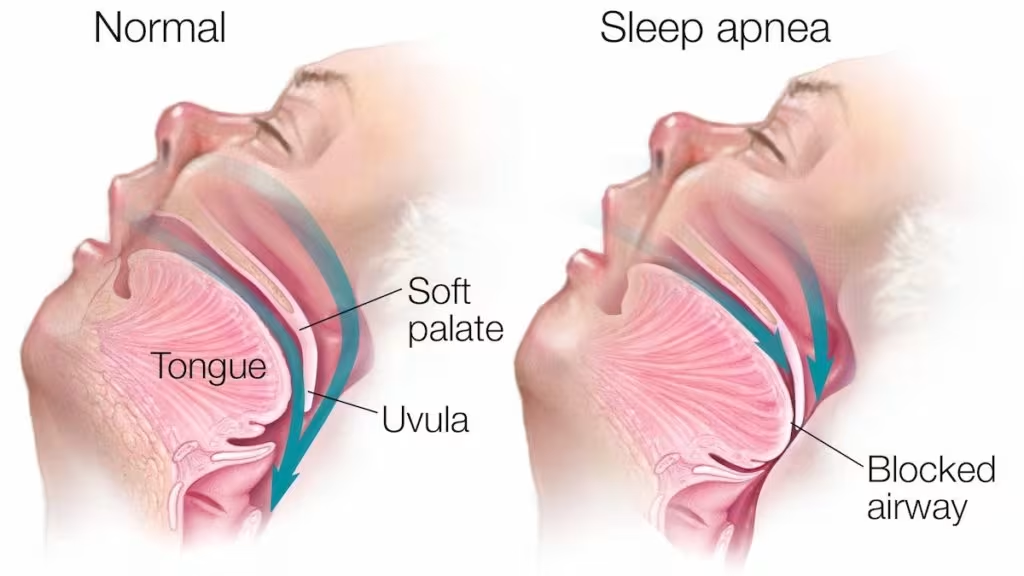
Obstructive Sleep Apnea (OSA) is a serious sleep disorder where a person experiences repeated blockage to breathing during sleep.
In OSA, the upper airway collapses repeatedly during sleep, creating an effect similar to being repeatedly choked throughout the night.
General shopping ideas, independent of this article’s advice.
Swipe to compare products → Biofinest Effervescent Vitamin C 1000mg D3 Zinc Collagen Multivitamin Calcium Magnesium Zinc Tablets Drink Sugar FreeFrom S$5.95Biofinest Probiotic 50 Billion CFU Enzyme Supplement 12 + 3 Prebiotics – Diet Slimming Eczema Detox Men Women (60 caps)From S$22.40Estalife Magnesium Glycinate 1000MG | Heart, Bone, Muscle, Sleep, Mood Health | 60 Veg CapsFrom S$13.99
Prices may vary by option. Check the final price and delivery on Shopee.
During these episodes, sleep is interrupted and there are recurrent dips in blood oxygen levels, putting stress on the heart. As a result, sleep becomes unrefreshing, leading to daytime sleepiness and irritability.
Recent data from the Singapore Health Study estimated that 30.5 percent of Singapore’s population has moderate to severe OSA.
As obesity is a risk factor for OSA, the prevalence is likely to rise further due to the worsening obesity epidemic, though interestingly, studies show that those of Chinese ethnicity have the lowest obesity rates among the three major ethnic groups in Singapore but the highest prevalence of OSA.
Read more: Which ENT Doctor in Singapore Should You Consider?
Common Symptoms of Sleep Apnea
One of the most common signs of obstructive sleep apnea is snoring or gasping for air during sleep.
As the quality of sleep is affected, patients may experience daytime sleepiness while working or driving.
The most prominent sleep-related symptoms include loud, frequent snoring that often disturbs bed partners.
Patients may experience choking or gasping episodes during sleep, along with episodes where breathing stops entirely during sleep (usually noticed by another person observing the sleeper).
These breathing interruptions lead to abrupt and frequent awakenings throughout the night, preventing deep, restorative sleep.
Many people with sleep apnea wake up feeling unrefreshed despite spending adequate time in bed.
Morning symptoms often include waking up with a headache or a dry mouth, which result from the breathing difficulties and oxygen disruptions that occur during sleep.
Frequent urination at night is another common symptom, as the body’s stress response to breathing interruptions affects normal hormone regulation.
Restlessness during sleep and night sweats may also occur as the body struggles to maintain normal breathing patterns.
Excessive daytime sleepiness is one of the most debilitating symptoms of obstructive sleep apnea, often interfering with work performance and daily activities.
Patients frequently experience difficulties with concentration at work or during studies, as the brain doesn’t receive adequate rest during fragmented sleep.
The condition also affects emotional well-being, causing mood swings and irritability that can strain personal and professional relationships.
Many individuals notice a reduced libido, which can be attributed to both the physical exhaustion and hormonal disruptions caused by poor sleep quality.
These symptoms collectively impact quality of life and can lead to more serious health complications if left untreated.
This might help: Health Screening in Singapore
Causes and Risk Factors
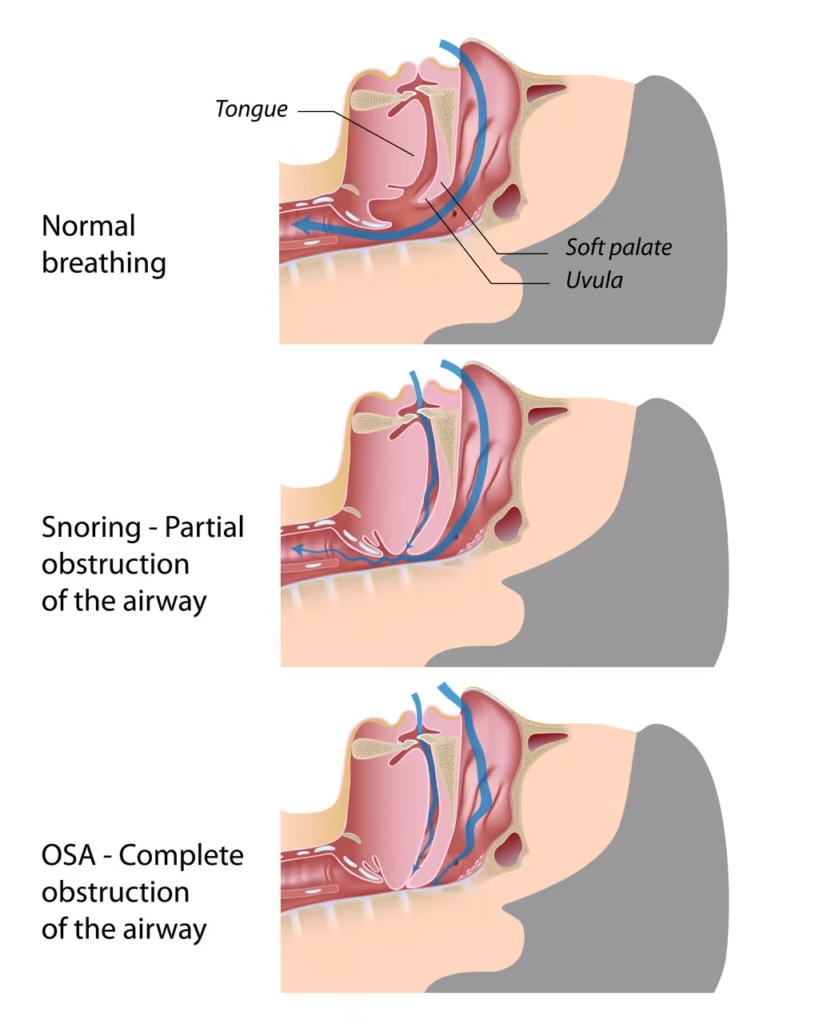
Individuals with OSA have a narrower upper airway and repeated upper airway obstruction during sleep.
This leads to poor sleep quality, sleep deprivation, and cardiovascular abnormalities that put tremendous stress on the heart and body.
The upper airway obstruction leads to decreased oxygen supply to the brain, heart, and other organs, causing the heart to work harder to provide oxygen to the tissues, leading to medical consequences in the long run.
Risk Factors for OSA Include:
- Anatomic abnormality: OSA occurs because of anatomic abnormality in the upper airway leading to obstruction. The sites involved include the nose (enlarged turbinates, deviated nasal septum, and nasal polyps), oropharynx (long, redundant and thick palate and uvula, large tonsils), and hypopharynx/base of tongue (lingual tonsillar hypertrophy, floppy epiglottis, and bulky tongue).
- Genetics: Genetic predisposition leading to facial and jaw abnormalities are known predisposing risk factors.
- Medications/Alcohol: Mild or intermittent snoring may be a result of medications (like sedatives) or alcohol that induce relaxation of the upper airway muscles.
- Weight: Weight gain can contribute to snoring and OSA. Excessive fat accumulation in the upper airway can amplify an existing anatomic narrowing.
- Gender and Age: Men are more likely to develop sleep apnea compared to women, although the risk for women increases after menopause. Older adults are at a higher risk due to decreased muscle tone that can lead to airway collapse.
This might help: The Ultimate Guide to Losing Weight in Singapore
Health Complications of Untreated OSA
In addition to causing sleep disruption and daytime symptoms, OSA can increase the risks of serious health complications such as:
- Memory loss
- Stroke (Almost 70% of people who have had a stroke have OSA)
- Hypertension (>35% of people with sleep apnea suffer from hypertension)
- Diabetes
- Depression
- Heart failure and heart attacks (by 2 to 3 times)
- Risk of motor vehicle accidents (by 7 times)
- Increased risk of work-related accidents
- Poor performance at work or in school
- Early onset dementia
- Drug-resistant hypertension
This might help: Diabetes Treatment in Singapore: Types, Risks
OSA can result in drug-resistant hypertension. Patients may notice a gradual increase in the dosage of medication needed to control the hypertension.
Left untreated, OSA can lead to heart disease as well. The disturbed sleep in an OSA sufferer can lead to an increase in inflammatory markers in the blood.
These proteins are released when the body is under stress, including during disturbed sleep.
They can damage the blood vessel walls, leading to a build-up of atheroma (artery-blocking plaque) and calcium deposits in the coronary arteries and neck vessels.
Related article: Comprehensive Guide to Coronary Angioplasty in Singapore
Diagnosis of Sleep Apnea
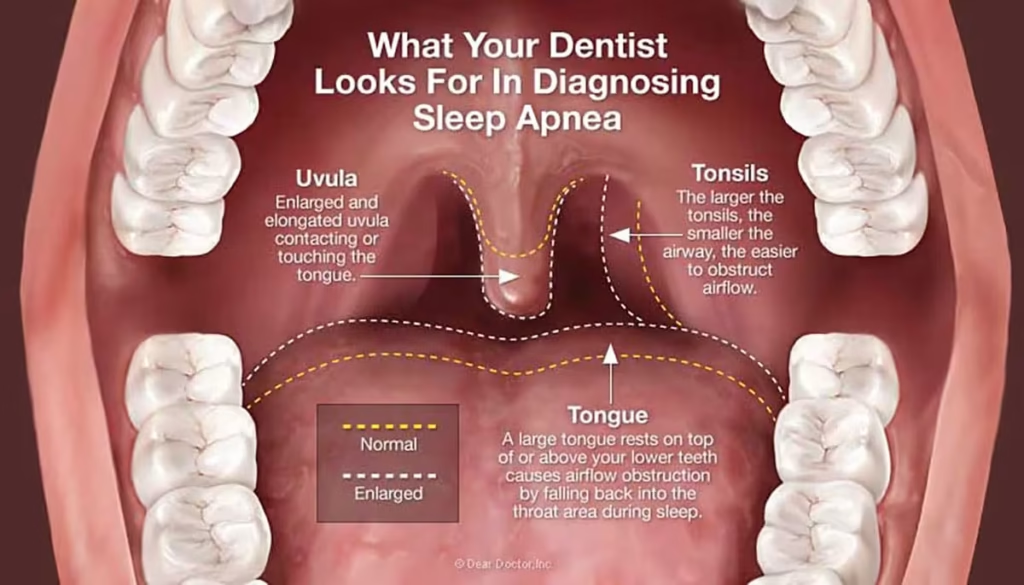
Consult your physician if you have loud snoring or excessive daytime sleepiness despite getting enough sleep. Your physician will evaluate the possible causes and advise on the appropriate management.
You may be referred to a sleep disorders clinic for a comprehensive evaluation of your problem. Evaluation of obstructive sleep apnea includes:
- Thorough sleep history
- Physical examination
- Examination of the airway via an endoscope to assess for any narrowing
- Sleep study (polysomnography)
Sleep Study
A sleep study or inpatient overnight diagnostic polysomnography (PSG) is an overnight non-invasive diagnostic test performed in a sleep laboratory.
The PSG monitors the different stages of sleep, breathing effort, oxygen levels, heart rhythm, and muscle activity during sleep. The severity of OSA can also be determined.
The portable home sleep test (HST) provides a convenient alternative to the inpatient PSG and can be performed in the comfort of your own bedroom.
Related article: Insomnia Treatment in Singapore
However, the HST may not be suitable for everyone, and the choice of which test to use should be made in consultation with your sleep physician.
Sleep studies will measure the Apnea-Hypopnea Index (AHI): The AHI indicates the severity of sleep apnea by determining the average number of apneic (breathing cessation) and hypopneic (shallow breathing) episodes per hour of sleep.
Treatment Options for OSA
Treatment of obstructive sleep apnea is determined and customized depending on the root cause(s).
Given the possible long-term complications of obstructive sleep apnea, it is important to follow up with appropriate treatment once diagnosed.
The management of obstructive sleep apnea is multidisciplinary in nature and may involve specialists from medical specialties such as otolaryngology and respiratory medicine to dental specialties such as oral and maxillofacial surgery and orthodontics.
1. Continuous Positive Airway Pressure (CPAP)
A medical device called Continuous Positive Airway Pressure (CPAP) is considered the gold standard treatment for OSA. CPAP is safe, generally well-tolerated, and highly effective.
This device must be worn nightly, and long-term CPAP compliance is essential for its effectiveness.
CPAP therapy works by quietly delivering pressurized air to the nose and back of the throat to prevent the airway from collapsing during sleep. There are two important parts of the CPAP machine:
The Mask
CPAP is administered through a mask that seals either the nose, the mouth, or both. There are different types of masks:
- Nasal masks
- Oral-nasal masks
- Nasal pillows
- Full face masks
- Oral masks
The Machine
Most CPAP machines today are small, quiet, and relatively portable.
Modern CPAP devices can deliver a fixed pressure or may have sophisticated software that can detect obstruction and self-adjust the delivered pressure (autotitrating machines).
Benefits of CPAP
OSA sufferers who start using CPAP report sleeping better and feeling more energetic and less sleepy during the day. Benefits include:
- Improved sleep quality
- Improved daytime sleepiness
- Improved memory and cognition
- Improved blood pressure control
- Improvement in bed partner’s sleep with the elimination of snoring
Common Problems with CPAP
It may take a while to get used to CPAP treatment. Common issues include:
- Dryness of the upper airway: A humidifier can help increase air moisture.
- Mask air leak: Proper adjustment or finding an alternative mask may be needed.
- Difficulties getting used to wearing the mask: Try using it while awake for short periods.
- Difficulties falling asleep: A ‘ramp’ function that gradually increases pressure can help.
- CPAP pressure is too high: Consult your doctor for pressure adjustments.
With time, patience, and support, CPAP can significantly benefit overall health and quality of life.
2. Oral Appliances for OSA
An oral appliance (OA) or a dental splint is an alternative to CPAP in managing snoring and mild to moderate OSA.
OA looks like removable functional braces worn by children or mouth guards that protect teeth during sports.
There are many names for an OA:
- Mandibular advancement device
- Mandibular advancement splint
- Sleep apnea mouth guard
- Sleep apnea dental appliance
- Sleep apnea oral appliance
How Do Oral Appliances Work? In oral devices such as mandibular devices, there are built-in mechanisms to thrust the mandible (lower jaw) forward.
The tongue, soft palate, other muscles, and soft tissues in the mouth and throat become stretched and taut as the mandible is re-positioned anteriorly.
With the tongue and soft palate shifted forward and away from the airway, the caliber of the airway increases.
Side Effects of Oral Appliances:
- Open mouth posture and drooling during sleep
- Jaw muscle and tooth soreness (especially the incisors)
- Transient change in bite position
- Potential for small permanent change in jaw position after long-term use
3. Surgery for OSA
Surgery is indicated for OSA when first-line treatments such as behavioral and lifestyle modifications, CPAP therapy, and dental appliances have failed.
Surgery is also recommended when patients have easily correctable abnormalities of the upper airway, such as enlarged tonsils and adenoids.
Types of Surgery for OSA include:
Nasal Surgery
In the nose, structures like the turbinate may be enlarged due to allergic rhinitis, or the nasal septum may be deviated. Surgical options include:
- Reducing the size of the turbinates
- Straightening the deviated nasal septum
- Removing enlarged adenoids
- Endoscopic sinus surgery to treat nasal polyps and sinusitis
This might help: Sinus Lifts and Augmentation in Singapore
Palatal Surgery
The area behind the soft palate is the most common site of obstruction. Options include:
- Radiofrequency ablation of the soft palate
- Tonsillectomy and uvulopalatopharyngoplasty (UPPP)
- Variations like uvulopalatal flap, relocation pharyngoplasty, lateral pharyngoplasty, and barbed reposition pharyngoplasty
Hypopharyngeal and Base of Tongue Surgery
The base of the tongue and lingual tonsils may be enlarged. Options include:
- Radio frequency ablation to reduce tongue size
- Median glossectomy
- Transoral Robotic Surgery (TORS)
- Bony skeletal surgery (sliding genioplasty, genioglossus advancement, hyoid suspension)
Maxillomandibular Advancement Surgery
This is a more invasive but effective surgery with up to a 90% success rate. Both the upper and lower jaws are surgically advanced, increasing the space behind both the palate and the tongue base.
Hypoglossal Nerve Stimulation
This novel therapy involves implanting a device beneath the skin in the chest that applies mild stimulation to the hypoglossal nerve to achieve optimal tongue protrusion during sleep.
Tracheostomy
This involves creating a hole in the windpipe in the lower part of the neck to bypass the upper airway obstruction.
Although simple with a nearly 100% success rate, it’s poorly accepted by patients due to stigma and associated problems.
4. Lifestyle Changes and Self-Management
Lifestyle changes can help manage mild cases of OSA:
- Sleep on your side to reduce apnea episodes
- Lose weight if obese
- Exercise regularly
- Quit smoking
- Avoid alcohol at night
- Avoid sleeping pills/sedatives
- Maintain a healthy weight
- Ensure nasal passages are clear for breathing
This might help: Alcohol Addiction Treatment in Singapore
5. Myofunctional Therapy and Nasal Breathing Exercises
Myofunctional therapy comprises exercises designed to enhance the tone and strength of tongue and throat muscles.
These exercises aim to alleviate upper airway collapse during sleep in OSA patients.
Special Considerations
OSA in Women
OSA in women usually presents atypically and tends to be underdiagnosed.
Female OSA sufferers may present with different symptoms than the ‘classic’ symptoms of snoring, disturbed sleep, and excessive sleepiness during the day. Instead, women may experience fatigue, insomnia, morning headaches, mood disturbances, or other symptoms.
OSA in Children
While the typical OSA sufferer is the middle-aged male who snores, OSA can occur in children as well.
Consequences of untreated OSA in children include failure to thrive, bed-wetting, attention-deficit disorder, behavioral problems, poor academic performance, and cardiopulmonary disease.
The most common cause of OSA in children is adenotonsillar hypertrophy (unusual enlargement of the adenoids and tonsils).
Frequently Asked Questions
Is obstructive sleep apnea dangerous and must it be treated?
Obstructive sleep apnea has been linked to increased chances of heart disease, stroke, and irregular heart rhythms.
Unfortunately, not all the long-term effects of untreated sleep apnea are known today.
However, continual lack of refreshing sleep can lead to depression, irritability, lack of energy, a high risk of motor vehicular accidents, workplace accidents, and many other problems.
Most specialists agree that obstructive sleep apnea is dangerous and should not be ignored.
If I have sleep apnea, how can I help myself?
Besides seeking medical attention, there are several things doctors suggest you can do to alleviate obstructive sleep apnea including weight loss, quitting smoking, eliminating alcohol, and avoiding sedatives, especially before bedtime.
Sleeping on your side rather than on your back can also help reduce the incidence of apnea during sleep.
I don’t awake repeatedly throughout the night. Does it mean I do not have sleep apnea?
No. Most people with sleep apnea do not realize that they are awakening to breathe repeatedly throughout the night.
This is because the arousal is slight and most people become accustomed to this.
However, even this slight arousal is enough to disrupt the pattern of sleep and lead to unrefreshing sleep.
What should I do if I think I may have sleep apnea?
The best thing is to see your doctor. They may refer you to a specialist or sleep disorders unit for you to undergo evaluation, which may include spending the night in a sleep lab to undergo a sleep study called polysomnogram.
How common is sleep apnea in Singapore?
Recent data from the Singapore Health Study estimated that 30.5 percent of Singapore’s population has moderate to severe OSA.
The prevalence is expected to rise further due to the increasing obesity epidemic.
Can children have sleep apnea?
Yes, children can have sleep apnea. The most common cause in children is adenotonsillar hypertrophy (enlarged adenoids and tonsils).
Consequences of untreated OSA in children include failure to thrive, bed-wetting, attention-deficit disorder, behavioral problems, poor academic performance, and cardiopulmonary disease.
How effective is CPAP therapy for sleep apnea?
CPAP is considered the gold standard treatment for OSA. It is highly effective when used consistently.
OSA sufferers who start using CPAP often report sleeping better and feeling more energetic and less sleepy during the day.
Some report feeling better after the first day of treatment, while for others, the improvement may only become apparent after a few weeks of sustained use.
Are there alternatives to CPAP for treating sleep apnea?
Yes, alternatives include oral appliances (mandibular advancement devices), various surgical procedures depending on the cause of obstruction, hypoglossal nerve stimulation, and lifestyle modifications.
The appropriate treatment depends on the severity of OSA and individual factors.
How is sleep apnea diagnosed?
Diagnosis typically involves a thorough sleep history, physical examination, and a sleep study (polysomnography) that monitors breathing patterns, oxygen levels, heart rhythm, and muscle activity during sleep.
Home sleep tests are also available as a more convenient option for some patients.
Can lifestyle changes alone manage sleep apnea?
For mild cases, lifestyle changes such as weight loss, regular exercise, avoiding alcohol before bed, sleeping on your side, and maintaining nasal patency may help manage symptoms.
However, moderate to severe cases typically require additional interventions like CPAP, oral appliances, or surgery.
General shopping ideas, independent of this article’s advice.
Swipe to compare products →Biofinest Gummy Vitamin Supplement – Beauty Energy Sleep Metabolism Men Women Kids Probiotics Multivitamin (60 Gummies)From S$17.95Tradishot Immunity Boost Drink | Turmeric Shot (Extra Strength) | Boost Immunity Energy & Well-being [7x35mL]S$38.00Optimum Nutrition, Gold Standard, 100% Whey Protein Powder, 2lbs (907g ) / 5 lbs (2.27 kg) / 10 lbs (4.54 kg)From S$82.89Prices may vary by option. Check the final price and delivery on Shopee.