

Anxiety disorders represent one of the most prevalent mental health challenges affecting individuals across Singapore.
While experiencing occasional worry or nervousness is a natural human response to stressful situations, persistent and overwhelming anxiety that disrupts daily functioning may indicate the presence of an anxiety disorder requiring professional intervention.
General shopping ideas, independent of this article’s advice.
Swipe to compare products → Biofinest Effervescent Vitamin C 1000mg D3 Zinc Collagen Multivitamin Calcium Magnesium Zinc Tablets Drink Sugar FreeFrom S$5.35Biofinest Probiotic 50 Billion CFU Enzyme Supplement 12 + 3 Prebiotics – Diet Slimming Eczema Detox Men Women (60 caps)From S$22.40Estalife Magnesium Glycinate 1000MG | Heart, Bone, Muscle, Sleep, Mood Health | 60 Veg CapsFrom S$13.99
Prices may vary by option. Check the final price and delivery on Shopee.
Understanding Anxiety: When Normal Worry Becomes a Disorder
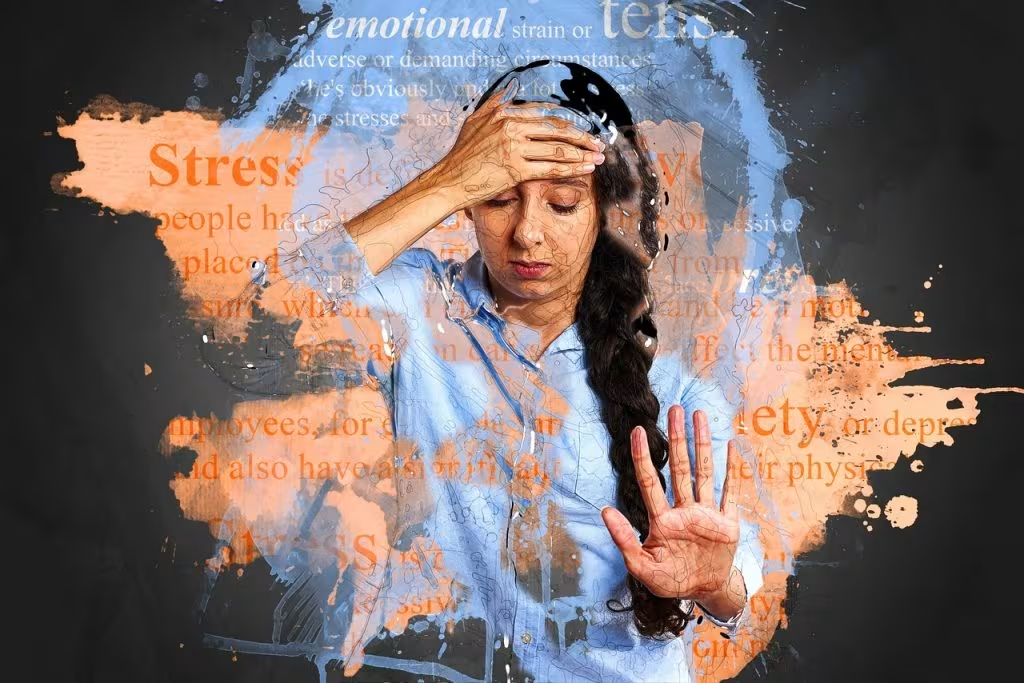
Anxiety manifests as a complex emotional response characterized by feelings of apprehension, unease, and concern about future-oriented events.
This psychological state serves an important evolutionary purpose, helping individuals prepare for potential threats and navigate challenging situations.
However, the distinction between healthy anxiety and an anxiety disorder lies in the intensity, duration, and impact on one’s quality of life.
Healthy anxiety typically presents with identifiable triggers, remains temporary in nature, and maintains proportionality to the actual situation at hand.
Conversely, anxiety disorders involve excessive, persistent worry that may occur without clear triggers and significantly impairs an individual’s ability to function in daily activities, relationships, and professional responsibilities.
The transition from normal anxiety to a clinical disorder often occurs when symptoms persist for extended periods, typically exceeding six months, and create substantial distress that interferes with multiple areas of life functioning.
Related article: Which Psychologist in Singapore Should You Consider? (Sort by Reviews)
Recognizing the Signs and Symptoms of Anxiety Disorders
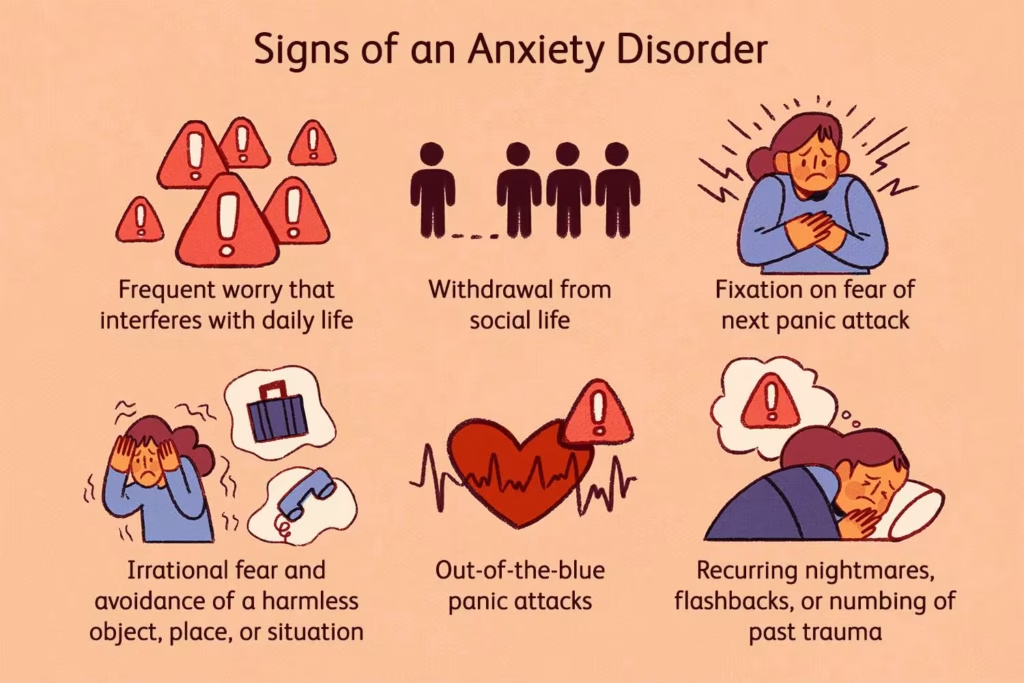
Anxiety disorders manifest through a combination of cognitive, physiological, and behavioral symptoms that can vary significantly between individuals. Understanding these manifestations is crucial for recognizing when professional help may be beneficial.
Cognitive Symptoms
The mental aspects of anxiety disorders often involve persistent negative thought patterns and excessive worry. Individuals may experience intrusive thoughts about potential future threats or dangers, even when no immediate risk exists.
These cognitive symptoms frequently include catastrophic thinking patterns, where minor concerns become magnified into worst-case scenarios, and black-and-white thinking that allows no middle ground between perfect outcomes and complete disasters.
Many people with anxiety disorders also struggle with feelings of being out of control and engage in anxious self-preoccupation, becoming intensely focused on perceived personal shortcomings and inadequacies.
You might like: Which Psychiatrist in Singapore Should You Consider?
Physiological Symptoms
The physical manifestations of anxiety disorders reflect the body’s heightened state of arousal and preparation for potential danger. Common physiological symptoms include:
- Rapid or irregular heartbeat
- Shortness of breath or feeling of suffocation
- Excessive sweating, particularly in the palms or underarms
- Trembling or shaking in the hands or throughout the body
- Muscle tension, especially in the neck, shoulders, and jaw
- Gastrointestinal disturbances, including nausea and stomach discomfort
- Dizziness or lightheadedness
- Sleep disturbances ranging from difficulty falling asleep to frequent awakening
Related article: Complete Guide to Depression Therapy in Singapore
Behavioral Symptoms
Anxiety disorders often drive individuals toward avoidance behaviors as a means of managing their distress.
These behavioral patterns may include procrastination on important tasks, absenteeism from work or social commitments, and presenteeism, where individuals are physically present but mentally disengaged due to anxiety.
Avoidance behaviors can become increasingly pervasive, leading to significant restrictions in daily activities and social interactions.
Types of Anxiety Disorders Commonly Treated in Singapore
Mental health professionals in Singapore diagnose and treat various forms of anxiety disorders, each characterized by specific symptoms and triggers.
Generalized Anxiety Disorder (GAD)
GAD represents one of the most prevalent anxiety disorders, characterized by chronic and pervasive worry about multiple life domains.
Individuals with GAD experience excessive anxiety about everyday concerns such as work performance, family relationships, financial security, and health matters, even when there is little objective reason for concern.
The worry associated with GAD is typically described as “free-floating,” meaning it can shift from one concern to another without clear resolution.
This persistent anxiety must be present for at least six months and is usually accompanied by physical symptoms including restlessness, easy fatigue, irritability, muscle tension, and sleep disturbances.
Related article: PTSD Treatment in Singapore: Types, Recovery and Healing
Panic Disorder
Panic disorder involves recurrent, unexpected panic attacks that create intense fear of experiencing future episodes. A panic attack represents an abrupt surge of overwhelming fear or discomfort that reaches peak intensity within minutes.
During these episodes, individuals may experience a combination of physical and emotional symptoms including heart palpitations, chest pain, shortness of breath, dizziness, sweating, trembling, and fears of dying or losing control.
The unpredictable nature of panic attacks often leads to significant behavioral changes, as individuals may begin avoiding places or situations where previous attacks occurred or where escape might be difficult.
Social Anxiety Disorder
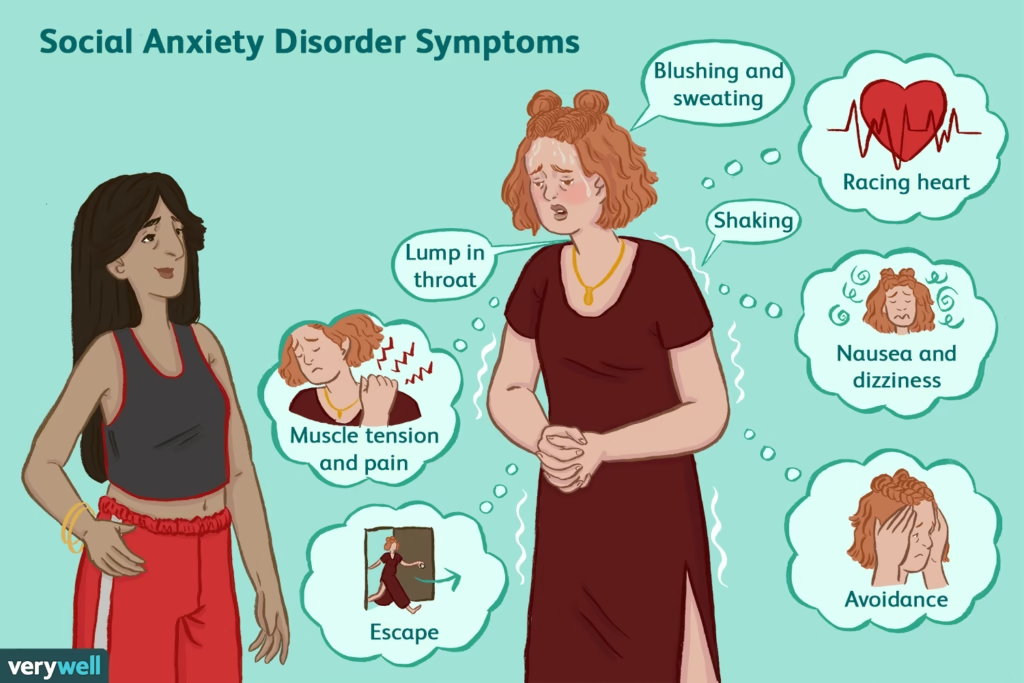
Also known as social phobia, this condition involves intense fear and anxiety related to social situations where the individual may be subject to scrutiny or evaluation by others.
The fear extends beyond normal social nervousness and can encompass various scenarios, from casual conversations and eating in public to formal presentations or performances.
Individuals with social anxiety disorder often experience physical symptoms such as blushing, trembling, or nausea when faced with social situations, and may go to great lengths to avoid these encounters, significantly impacting their personal and professional relationships.
Read more: Autism Assessment in Singapore
Specific Phobias
Specific phobias involve intense, irrational fears of particular objects or situations that pose little actual danger.
Common phobias include fear of heights, flying, specific animals, medical procedures, or natural phenomena.
When confronted with the phobic stimulus, individuals typically experience immediate anxiety responses similar to panic attacks.
The severity of specific phobias can range from mild discomfort to complete avoidance of the feared object or situation, potentially causing significant life disruption.
Obsessive-Compulsive Disorder (OCD)
While no longer classified strictly as an anxiety disorder in current diagnostic manuals, OCD remains closely associated with anxiety and is commonly treated using similar therapeutic approaches.
OCD involves persistent, unwanted thoughts (obsessions) that create significant distress, leading to repetitive behaviors or mental acts (compulsions) performed to reduce anxiety.
Common obsessions include concerns about contamination, fears of causing harm to others, or needs for symmetry and order. Corresponding compulsions might involve excessive handwashing, repeated checking behaviors, or arranging objects in specific patterns.
This might help: Psychotherapy in Singapore: Types, Benefits, and How to Get Started
Post-Traumatic Stress Disorder (PTSD)
PTSD can develop following exposure to or witnessing traumatic events such as accidents, natural disasters, violence, or abuse.
Symptoms include intrusive memories or flashbacks of the traumatic event, avoidance of trauma-related stimuli, negative changes in mood and cognition, and alterations in arousal and reactivity.
Individuals with PTSD may experience hypervigilance, exaggerated startle responses, sleep disturbances, and difficulty concentrating, all of which can significantly impact daily functioning.
Read more: PTSD Treatment in Singapore: Types, Recovery and Healing
Understanding the Causes and Risk Factors
Anxiety disorders typically develop through a complex interaction of biological, psychological, and environmental factors.
Understanding these contributing elements can help individuals and their healthcare providers develop more effective treatment strategies.
Biological Factors
Research has identified several biological mechanisms that contribute to anxiety disorders. Neurotransmitter imbalances, particularly involving gamma-aminobutyric acid (GABA), serotonin, and norepinephrine, can affect the brain’s ability to regulate anxiety responses.
GABA serves as the brain’s primary inhibitory neurotransmitter, helping to slow down nerve signals and reduce anxiety levels. When GABA function is compromised, individuals may experience heightened anxiety responses.
Additionally, elevated levels of stress hormones such as cortisol can contribute to chronic anxiety states.
Genetic predisposition also plays a significant role, with family history of anxiety or other mental health conditions increasing an individual’s risk.
Environmental and Psychological Factors
Environmental stressors and life experiences significantly influence anxiety disorder development.
Major life events such as loss of loved ones, relationship difficulties, financial hardship, or work-related stress can trigger anxiety symptoms in vulnerable individuals.
Childhood experiences are particularly influential, with early exposure to trauma, neglect, or overprotective parenting styles increasing the likelihood of developing anxiety disorders in adulthood.
Additionally, personality traits such as perfectionism, excessive self-criticism, or behavioral inhibition during childhood can predispose individuals to anxiety-related difficulties.
Medical and Substance-Related Factors
Various medical conditions can either cause or exacerbate anxiety symptoms.
Thyroid disorders, heart conditions, respiratory problems, and certain medications or substances can produce anxiety-like symptoms or trigger anxiety disorders in susceptible individuals.
Comprehensive Treatment Approaches for Anxiety Disorders
Effective treatment of anxiety disorders in Singapore typically involves a combination of psychotherapy, medication when appropriate, and lifestyle modifications.
Mental health professionals work collaboratively with patients to develop individualized treatment plans that address specific symptoms and life circumstances.
Psychotherapy: The Foundation of Anxiety Treatment
Psychotherapy, particularly cognitive-behavioral therapy (CBT), represents the most widely researched and effective treatment approach for anxiety disorders.
The therapeutic process involves helping individuals identify and understand the connections between their thoughts, emotions, and behaviors while developing practical skills for managing anxiety symptoms.
Cognitive-Behavioral Therapy (CBT)
CBT focuses on identifying and modifying negative thought patterns and behaviors that contribute to anxiety.
Therapists work with clients to recognize cognitive distortions such as catastrophic thinking, all-or-nothing reasoning, and excessive focus on potential negative outcomes.
Through this process, individuals learn to develop more balanced and realistic thought patterns.
The behavioral component of CBT involves gradually exposing individuals to anxiety-provoking situations in a controlled, supportive environment.
This systematic approach helps reduce avoidance behaviors and builds confidence in managing anxiety responses.
Exposure Therapy
Exposure therapy represents a specialized form of CBT particularly effective for specific phobias, social anxiety, and panic disorder.
The treatment involves gradual, systematic exposure to feared objects or situations while providing tools for managing anxiety responses.
This process helps individuals learn that their feared outcomes are unlikely to occur and that they can tolerate anxiety without engaging in avoidance behaviors.
Mindfulness-Based Interventions
Mindfulness approaches teach individuals to observe their thoughts and feelings without judgment while focusing attention on the present moment.
These techniques can be particularly helpful for managing worry and rumination, common features of anxiety disorders.
Medication Options
When anxiety symptoms significantly impair daily functioning or when psychotherapy alone is insufficient, medication may be recommended as part of a comprehensive treatment plan.
Antidepressants
Selective serotonin reuptake inhibitors (SSRIs) and serotonin-norepinephrine reuptake inhibitors (SNRIs) are typically the first-line medication treatments for anxiety disorders.
These medications work by improving the brain’s use of neurotransmitters that regulate mood and anxiety responses.
Common SSRIs include escitalopram and fluoxetine, while SNRIs include duloxetine and venlafaxine. These medications typically require several weeks to achieve full therapeutic effects and are generally well-tolerated by most individuals.
Benzodiazepines
Benzodiazepines such as alprazolam and clonazepam can provide rapid relief from acute anxiety symptoms. However, these medications are typically prescribed for short-term use due to the potential for dependence and tolerance development.
They are most commonly used during the initial phases of treatment while other interventions take effect.
Lifestyle Modifications and Self-Help Strategies
Complementing professional treatment with lifestyle changes can significantly enhance recovery outcomes and help prevent symptom recurrence.
Stress Management Techniques
Regular practice of stress reduction techniques such as deep breathing exercises, progressive muscle relaxation, and guided imagery can help individuals develop greater control over their anxiety responses.
These techniques are particularly valuable during acute anxiety episodes and can be practiced independently.
Physical Exercise and Nutrition
Regular physical activity has been shown to reduce anxiety symptoms through various mechanisms, including the release of endorphins and improvement in overall stress resilience.
A balanced diet that supports stable blood sugar levels and adequate nutrition can also contribute to improved mood regulation.
Sleep Hygiene
Quality sleep is essential for managing anxiety symptoms. Establishing consistent sleep schedules, creating relaxing bedtime routines, and addressing sleep disturbances can significantly impact anxiety levels.
Health Anxiety: A Special Focus
Health anxiety, also known as illness anxiety or hypochondriasis, represents a specific form of anxiety disorder characterized by excessive worry about having or developing serious medical conditions.
This condition has become increasingly prevalent, particularly with the widespread availability of medical information online.
Recognizing Health Anxiety
Individuals with health anxiety typically engage in frequent body checking, seeking repeated medical consultations for minor symptoms, and spending excessive time researching medical conditions online.
Despite medical reassurance and normal test results, the anxiety persists and may shift to concerns about different health conditions.
Treatment Approaches for Health Anxiety
Cognitive-behavioral therapy specifically adapted for health anxiety focuses on helping individuals understand the relationship between their health concerns and anxiety responses.
Treatment typically involves challenging catastrophic interpretations of bodily sensations, reducing checking behaviors, and gradually decreasing reassurance-seeking behaviors.
Specific techniques used in health anxiety treatment include:
The ABC Model: This framework helps individuals examine the relationship between activating events (bodily sensations), beliefs (interpretations), and consequences (emotional and behavioral responses).
Cognitive Restructuring: This process involves identifying and challenging irrational health-related thoughts and developing more balanced interpretations of bodily sensations.
Behavioral Experiments: These structured activities help individuals test their health-related predictions and gather evidence about the accuracy of their concerns.
When to Seek Professional Help in Singapore
Recognizing when anxiety has progressed beyond normal stress responses is crucial for accessing appropriate treatment.
Professional help should be considered when anxiety symptoms persist for several weeks, significantly interfere with daily activities or relationships, or prevent individuals from achieving important personal or professional goals.
Additional indicators for seeking professional support include:
- Persistent avoidance of important activities or situations due to anxiety
- Physical symptoms that interfere with daily functioning
- Difficulty maintaining work performance or academic achievement
- Strain in personal relationships due to anxiety-related behaviors
- Use of alcohol or other substances to manage anxiety symptoms
Finding Quality Anxiety Therapy in Singapore
Singapore offers numerous resources for individuals seeking anxiety treatment, including private practice psychologists, psychiatrists, and counseling centers.
When selecting a mental health professional, consider factors such as their training and experience with anxiety disorders, therapeutic approach, and compatibility with your personal preferences and cultural background.
Many healthcare providers in Singapore offer both English and other language services, ensuring accessibility for the diverse population.
Additionally, some insurance plans may cover mental health services, making treatment more accessible.
Frequently Asked Questions
What is the difference between normal anxiety and an anxiety disorder?
Normal anxiety typically has clear triggers, is temporary in nature, and remains proportional to the actual situation without significantly impairing daily functioning.
An anxiety disorder involves excessive, persistent worry that may occur without clear triggers and substantially interferes with daily activities, relationships, and work performance for extended periods.
How long does anxiety therapy typically take to show results?
The duration of anxiety therapy varies significantly depending on the individual and the severity of symptoms.
Many people begin experiencing some improvement within the first few weeks of treatment, with more substantial changes typically occurring over several months of consistent therapy.
Some individuals may benefit from shorter-term interventions, while others may require longer-term support.
Is medication always necessary for treating anxiety disorders?
Medication is not always necessary for treating anxiety disorders. Many individuals achieve significant improvement through psychotherapy alone, particularly cognitive-behavioral therapy.
Medication is typically recommended when symptoms significantly impair daily functioning or when therapy alone has not provided sufficient relief.
The decision about medication should always be made collaboratively between the individual and their healthcare provider.
Can anxiety disorders be completely cured?
While anxiety disorders may not always be completely “cured” in the traditional sense, they can be effectively managed to the point where symptoms no longer significantly interfere with daily life.
Many individuals learn skills through therapy that allow them to manage their anxiety effectively and lead fulfilling lives.
The goal of treatment is typically symptom management and improved quality of life rather than complete elimination of all anxiety.
What should I expect during my first therapy session?
The first therapy session typically involves sharing information about your concerns, personal history, and goals for treatment.
Your therapist will ask questions to better understand your symptoms and develop an appropriate treatment plan.
This initial session is also an opportunity to determine if you feel comfortable working with the therapist and to ask any questions about the therapeutic process.
Are there support groups available for anxiety in Singapore?
Yes, Singapore offers various support groups and resources for individuals with anxiety disorders.
These groups provide opportunities to connect with others who have similar experiences, share coping strategies, and receive peer support. Support groups can be particularly helpful as a complement to individual therapy.
How do I know if my therapist is qualified to treat anxiety disorders?
When selecting a therapist, look for professionals who have specific training and experience in treating anxiety disorders.
Many qualified therapists will have credentials in psychology, counseling, or social work, along with specialized training in evidence-based treatments for anxiety such as cognitive-behavioral therapy.
Don’t hesitate to ask potential therapists about their experience and approach to treating anxiety.
Can children and adolescents receive anxiety therapy in Singapore?
Yes, children and adolescents can receive specialized anxiety therapy in Singapore.
Many mental health professionals specialize in working with younger populations and use age-appropriate therapeutic techniques.
Early intervention for childhood anxiety can be particularly beneficial in preventing more severe difficulties in adulthood.
What if I’m not comfortable discussing certain topics in therapy?
It’s completely normal to feel uncomfortable discussing certain topics, especially early in the therapeutic process.
Good therapists will respect your pace and boundaries, working within your comfort level while gently encouraging growth when appropriate. You should never feel pressured to discuss something you’re not ready to address.
How much does anxiety therapy cost in Singapore?
The cost of anxiety therapy in Singapore varies depending on factors such as the type of provider, location, and whether you have insurance coverage.
Private practice therapists typically charge different rates, and some insurance plans may cover mental health services.
Many providers offer sliding scale fees or payment plans to make treatment more accessible.
Can I receive anxiety therapy in languages other than English?
Yes, many mental health professionals in Singapore offer services in multiple languages to serve the diverse population.
When seeking therapy, you can specifically look for providers who offer services in your preferred language to ensure comfortable and effective communication.
What role does family play in anxiety treatment?
Family members can play an important supportive role in anxiety treatment, particularly when they understand the nature of anxiety disorders and learn how to provide appropriate support.
Some therapists may include family sessions as part of the treatment process, especially when working with children and adolescents or when family dynamics contribute to anxiety symptoms.
General shopping ideas, independent of this article’s advice.
Swipe to compare products →Biofinest Gummy Vitamin Supplement – Beauty Energy Sleep Metabolism Men Women Kids Probiotics Multivitamin (60 Gummies)From S$17.95Tradishot Immunity Boost Drink | Turmeric Shot (Extra Strength) | Boost Immunity Energy & Well-being [7x35mL]S$37.42Optimum Nutrition, Gold Standard, 100% Whey Protein Powder, 2lbs (907g ) / 5 lbs (2.27 kg) / 10 lbs (4.54 kg)From S$82.89Prices may vary by option. Check the final price and delivery on Shopee.