

Singapore has established itself as a leading healthcare destination in Southeast Asia, with cardiovascular care being one of its strongest specialties. With heart disease remaining a significant health concern—accounting for approximately 32% of deaths in Singapore in 2021—choosing the right cardiac care becomes crucial for maintaining optimal heart health.
This comprehensive guide will help you navigate the landscape of cardiology services in Singapore, from understanding different types of heart specialists to making informed decisions about your cardiac care.
General shopping ideas, independent of this article’s advice.
Swipe to compare products → Biofinest Effervescent Vitamin C 1000mg D3 Zinc Collagen Multivitamin Calcium Magnesium Zinc Tablets Drink Sugar FreeFrom S$5.95Biofinest Probiotic 50 Billion CFU Enzyme Supplement 12 + 3 Prebiotics – Diet Slimming Eczema Detox Men Women (60 caps)From S$22.40Estalife Magnesium Glycinate 1000MG | Heart, Bone, Muscle, Sleep, Mood Health | 60 Veg CapsFrom S$13.99
Prices may vary by option. Check the final price and delivery on Shopee.
Read more: Heart Disease Treatment in Singapore
Understanding Cardiology and the Role of Cardiologists

Cardiology represents a specialized branch of internal medicine focused on diagnosing, treating, and preventing conditions affecting the cardiovascular system.
Cardiologists are medical doctors who dedicate their expertise to managing diseases of the heart and blood vessels, serving as your primary partners in maintaining cardiovascular health.
These medical professionals undergo extensive training beyond medical school, requiring an additional six years of specialized education.
This rigorous preparation ensures they possess the knowledge and skills necessary to handle complex cardiac conditions ranging from routine preventive care to life-threatening emergencies.
The scope of cardiology extends far beyond treating heart attacks. Modern cardiologists address various conditions including heart failure, arrhythmias, valve disorders, congenital heart defects, and vascular diseases.
They also play a crucial role in preventive medicine, helping patients identify risk factors and implement lifestyle changes to maintain heart health.
Read more: Chest Pain: Causes, Symptoms, and Treatment Options
Types of Heart Specialists in Singapore
Singapore’s cardiology landscape includes several subspecialties, each focusing on specific aspects of heart care. Understanding these distinctions helps you identify the most appropriate specialist for your needs.
Non-Invasive Cardiologists
Non-invasive cardiologists primarily work in outpatient settings, focusing on prevention and management of heart conditions through non-surgical approaches.
These specialists excel in diagnostic procedures that don’t require incisions or invasive techniques.
Their expertise includes performing and interpreting diagnostic tests such as electrocardiograms, echocardiograms, stress tests, and cardiac imaging studies.
They manage conditions like hypertension, heart failure, and coronary artery disease through medication management, lifestyle counseling, and ongoing monitoring.
Interventional Cardiologists
Interventional cardiologists represent a highly specialized field requiring additional fellowship training beyond standard cardiology education. These specialists perform minimally invasive procedures using catheter-based techniques to diagnose and treat cardiovascular conditions.
Their primary focus involves procedures like angioplasty, stent placement, and cardiac catheterization. Often described as “cardiac plumbing,” interventional cardiology addresses blocked arteries through sophisticated techniques that restore blood flow without requiring open-heart surgery. These specialists typically practice in high-volume centers and require extensive hands-on experience to master their craft.
Electrophysiologists
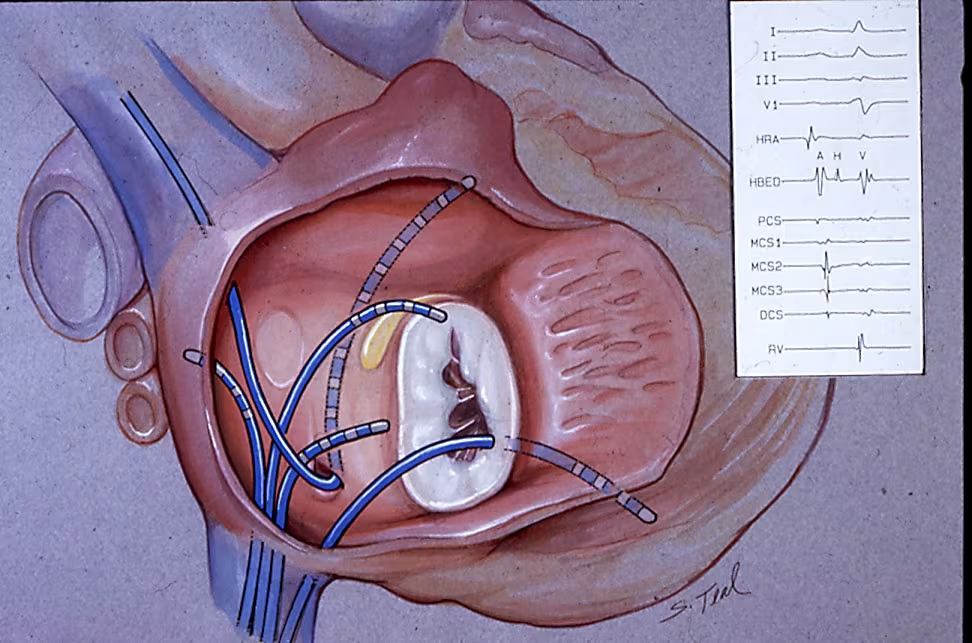
Cardiac electrophysiologists specialize in the electrical system of the heart, focusing on diagnosing and treating rhythm disorders. These specialists understand the complex electrical impulses that control heartbeat patterns and address problems when this system malfunctions.
Modern electrophysiology has evolved significantly beyond simple pacemaker insertion. Today’s specialists can perform complex procedures including ablation therapy, where they use radiofrequency energy to eliminate problematic electrical pathways causing arrhythmias. They also specialize in advanced device therapy, including sophisticated pacemakers and defibrillators.
Training and Qualifications for Cardiologists in Singapore
The path to becoming a cardiologist in Singapore involves rigorous academic and clinical preparation. After completing five years of medical school and one year of housemanship or internship, aspiring cardiologists must complete approximately six years of residency training.
This comprehensive training program includes three years of internal medicine training followed by three years of advanced specialist training specifically in cardiology. During this period, trainees rotate through various departments to gain comprehensive exposure to different aspects of cardiac care.
Most cardiologists in Singapore receive training at prestigious institutions including the National Heart Centre, Singapore General Hospital, National University Hospital, and Changi General Hospital. This training ensures exposure to diverse patient populations and complex cases, preparing them for independent practice.
Upon completion of their training program, these physicians emerge as associate consultants, having demonstrated competency in inpatient care, outpatient management, diagnostic procedures, and interventional techniques appropriate to their chosen subspecialty.
Recognizing When You Need Cardiac Care

Understanding when to seek cardiological evaluation can significantly impact your long-term heart health. Several key indicators suggest the need for specialist consultation, ranging from specific symptoms to risk factor assessment.
Symptom-Based Indicators
Certain symptoms warrant immediate or prompt cardiological evaluation:
- Heart palpitations – Especially when accompanied by dizziness, chest pain, or shortness of breath
- Unexplained shortness of breath – During normal activities, at rest, or when lying flat
- Chest discomfort – Pressure, tightness, burning, or pain that may radiate to arms, neck, jaw, or back
- Fainting episodes – Sudden loss of consciousness or near-fainting spells
- Sudden onset of fatigue – Unusual tiredness that interferes with daily activities
- Unexplained swelling – In legs, feet, ankles, or abdomen
- Rapid weight gain – Several pounds gained over a few days without dietary changes
- Irregular heartbeat – Heart racing, skipping beats, or fluttering sensations
These symptoms may indicate various cardiac conditions requiring professional assessment and management.
Risk Factor Assessment
Even without symptoms, certain risk factors warrant preventive cardiological consultation:
- Strong family history – Parents or siblings with early heart disease (men under 55, women under 65)
- Multiple cardiovascular risk factors – Having 2 or more of the following conditions:
- Uncontrolled hypertension – Blood pressure consistently above 140/90 mmHg
- Diabetes or pre-diabetes – Elevated blood sugar levels or insulin resistance
- High cholesterol levels – LDL cholesterol above 100 mg/dL or low HDL cholesterol
- Obesity – BMI over 30 or waist circumference over 90cm (women) or 80cm (men)
- Smoking history – Current smokers or recent quitters
- Sedentary lifestyle – Less than 150 minutes of moderate exercise per week
- Chronic stress – Ongoing work, financial, or personal stress
- Sleep disorders – Sleep apnea or chronic sleep deprivation
The presence of metabolic syndrome—a cluster of conditions including abdominal obesity, high blood pressure, elevated blood sugar, and abnormal cholesterol levels—particularly warrants cardiological assessment for risk stratification and prevention planning.
Finding the Right Cardiologist in Singapore
Selecting an appropriate cardiologist involves evaluating multiple factors to ensure you receive optimal care tailored to your specific needs. The process requires balancing medical expertise, accessibility, cost considerations, and personal compatibility.
Evaluating Qualifications and Experience
When selecting a cardiologist, consider these key qualification factors that will help ensure you receive the highest quality care.
Essential Qualifications
Board certification in cardiology represents the minimum requirement, indicating that the physician has completed all necessary training and passed rigorous examinations.
You should also verify the cardiologist’s medical school credentials, ensuring they graduated from a reputable institution with good standing.
Completion of residency training is crucial, as cardiologists must first complete internal medicine training followed by specialized cardiology training.
Additionally, fellowship training in subspecialty areas may be relevant depending on your specific condition, as this represents advanced, focused expertise beyond general cardiology.
Finally, look for evidence of continuing education, which demonstrates the physician’s commitment to ongoing professional development and staying current with medical advances.
Experience Indicators
The number of years in practice serves as an important benchmark, with generally five or more years indicating substantial clinical experience.
Case volume is another critical factor, as cardiologists who treat a high number of patients often develop greater expertise and clinical intuition.
For specific procedures you may need, inquire about the physician’s procedure experience, including how many of these specific interventions they perform annually. Hospital affiliations reveal important information about the quality of associated medical institutions and available resources.
Academic involvement, such as teaching medical students, conducting research, or publishing scientific papers, often indicates a physician who stays at the forefront of their field.
Professional memberships in organizations like the Singapore Cardiac Society or international cardiology associations demonstrate ongoing engagement with the broader medical community.
Subspecialty Expertise
It’s essential to match your specific condition with a cardiologist whose specialist expertise aligns with your needs, as cardiology encompasses many different areas of focus.
For unusual or high-risk conditions, seek out physicians with complex case experience who have successfully managed similar challenging situations.
Technology proficiency is increasingly important, as you want a cardiologist who is familiar with the latest diagnostic tools and treatment methods available.
Finally, consider whether the physician takes a multidisciplinary approach, collaborating effectively with other specialists when your care requires input from multiple medical disciplines.
Hospital affiliations provide valuable insight into both practice quality and available resources.
Cardiologists affiliated with reputable institutions typically have access to advanced technology, multidisciplinary teams, and comprehensive support services that can significantly enhance your overall care experience.
Geographic and Practical Considerations
Location and accessibility significantly impact your ongoing care experience, particularly for patients requiring regular follow-up visits or those with mobility limitations.
Consider proximity to your home or workplace, public transportation access, and parking availability.
Appointment scheduling flexibility becomes important for maintaining regular care without disrupting work or personal commitments.
Some practices offer extended hours, weekend appointments, or telehealth consultations that may better accommodate your schedule.
The physical accessibility of clinic facilities should accommodate any mobility challenges you might have. Well-designed facilities include appropriate elevator access, designated parking spaces, and barrier-free examination rooms.
Public Versus Private Cardiac Care Options
Singapore’s healthcare system offers both public and private pathways for accessing cardiological care, each with distinct advantages and considerations. Understanding these options helps you make informed decisions based on your priorities and circumstances.
Public Healthcare Through National Heart Centre
The National Heart Centre Singapore serves as the country’s premier public cardiac care facility, offering comprehensive services under Singapore’s subsidized healthcare system. Wait times for routine consultations typically range from four to six weeks, though urgent cases receive expedited attention.
Public care requires referral from polyclinics or approved healthcare providers to qualify for subsidized rates. Even as a new patient, you’ll be seen by qualified consultants, though initial screening by medical officers often precedes consultant evaluation.
The public system offers excellent clinical outcomes and access to advanced treatments at significantly reduced costs for eligible patients. However, you may have limited choice in selecting specific cardiologists and generally longer wait times for non-urgent appointments.
Private Practice Advantages
Private cardiac care offers several distinct advantages, primarily centered around convenience and personalized service.
Appointment scheduling typically accommodates requests within one to two days, with many practices accepting walk-in patients for urgent concerns.
Private practice allows you to choose and maintain continuity with specific cardiologists, fostering stronger doctor-patient relationships and more personalized care approaches.
This continuity becomes particularly valuable for managing chronic conditions requiring ongoing specialist involvement.
The private route often provides more flexible scheduling, comfortable facilities, and reduced waiting times during appointments. However, these conveniences come with significantly higher costs and may not be covered by all insurance plans.
Understanding Costs and Insurance Coverage
Healthcare costs represent a significant consideration when seeking cardiological care in Singapore. Understanding the fee structure and insurance implications helps you plan for cardiac care expenses and make informed decisions about treatment options.
Private Practice Fees
Private cardiologists typically charge the following rates:
- Initial consultation – $150 to $200
- Follow-up consultation – $100 to $150
- Medications – $100 to $200 additional per visit
- Basic diagnostic tests – $50 to $200 (ECG, basic blood tests)
- Echocardiogram – $200 to $400
- Stress testing – $300 to $600
- 24-hour Holter monitoring – $200 to $400
- Advanced imaging – $800 to $2,000 (cardiac MRI, CT angiography)
- Cardiac catheterization – $3,000 to $8,000
- Angioplasty with stent – $15,000 to $30,000
- Complex procedures – $20,000 to $50,000+ (depending on complexity)
Interventional procedures represent the highest cost category, with angioplasty, stent placement, and similar treatments potentially costing tens of thousands of dollars. These procedures often require hospitalization, adding facility fees and recovery costs to total expenses.
Public Healthcare Pricing Structure
The National Heart Centre offers significantly reduced fees for eligible patients:
Subsidized Rates (Singapore Citizens & PRs with referral):
- First consultation – $57
- Follow-up consultation – $38
- Diagnostic tests – Heavily subsidized rates
- Procedures – Significantly reduced costs
Private Rates at Public Institutions:
- First consultation – $120 to $155
- Follow-up consultation – $79 to $112
- No referral required – But higher costs than subsidized care
- Still lower than private practice – More affordable than private clinics
Eligibility Requirements for Subsidized Care:
- Singapore citizenship or PR status – Must hold Singapore NRIC
- Polyclinic referral – Or referral from SAF medical officer
- Cannot choose specific doctor – Assigned based on availability
- Longer wait times – 4-6 weeks for routine appointments
Subsidized care eligibility requires Singapore citizenship or permanent residency status, along with appropriate referrals from approved healthcare providers. Foreign visitors and those seeking specific cardiologists typically don’t qualify for subsidized rates.
Insurance and Medisave Coverage
Medisave coverage applies to specific approved treatments and diagnostic procedures, with annual withdrawal limits designed to support ongoing cardiac care.
Chronic disease management including diabetes, hypertension, and heart disease qualifies for up to $500 per year in Medisave withdrawals.
Diagnostic imaging including MRI scans, CT studies, and specialized ultrasound procedures qualify for separate Medisave coverage up to $600 annually.
These allowances help offset the costs of comprehensive cardiac evaluation and monitoring.
Private insurance coverage varies significantly by plan and provider. Many policies cover cardiological consultations and treatments, though coverage levels, deductibles, and approved provider networks differ substantially.
Verify your specific coverage details before scheduling appointments to avoid unexpected expenses.
What to Expect During Your Cardiac Consultation
Your initial cardiological consultation establishes the foundation for ongoing cardiac care. Understanding the evaluation process helps you prepare effectively and maximize the value of your appointment time.
Pre-Appointment Preparation
Gathering relevant medical documentation before your appointment streamlines the evaluation process:
- Previous cardiac tests – ECGs, echocardiograms, stress tests, cardiac catheterization reports
- Complete medication list – Include dosages, frequency, and any recent changes
- Hospital records – Discharge summaries from any cardiac-related hospitalizations
- Laboratory results – Recent blood tests, cholesterol panels, diabetes markers
- Imaging studies – X-rays, CT scans, MRI results related to heart or chest
- Family medical history – Heart disease, stroke, diabetes in parents, siblings, children
- Symptom diary – When symptoms occur, triggers, duration, severity, relieving factors
- Insurance information – Policy details, referral letters if required
- List of questions – Write down concerns and topics you want to discuss
- Current health status – Recent changes in symptoms, weight, exercise tolerance
Create a list of questions and concerns you want to address during your appointment. Writing these down prevents forgetting important topics during the consultation and ensures you receive the information you need for informed decision-making.
The Consultation Process
Your cardiologist will begin with a detailed medical history review, exploring your symptoms, risk factors, family history, lifestyle habits, and current medications.
This conversation provides crucial context for interpreting examination findings and test results.
The physical examination focuses on cardiovascular system assessment, including heart rhythm evaluation, blood pressure measurement, peripheral pulse assessment, and listening for abnormal heart sounds or murmurs.
Your cardiologist may also evaluate for signs of heart failure such as fluid retention or breathing difficulties.
Based on initial findings, your cardiologist may recommend diagnostic tests to gather additional information about your heart function and structure.
These might include electrocardiograms, blood tests, imaging studies, or specialized procedures depending on your specific situation.
Diagnostic Testing Options
Modern cardiology offers numerous diagnostic tools for comprehensive heart evaluation.
Electrocardiograms provide immediate information about heart rhythm and electrical activity, often performed during your office visit for immediate interpretation.
Echocardiography uses ultrasound technology to visualize heart structure and function, assessing valve operation, chamber sizes, and pumping efficiency.
This non-invasive test provides detailed information about heart performance and identifies structural abnormalities.
Stress testing evaluates heart function during increased demand, helping identify coronary artery disease that might not be apparent at rest. Various stress testing protocols accommodate different patient capabilities and clinical questions.
Advanced imaging techniques including cardiac MRI, CT angiography, and nuclear studies provide highly detailed information about heart structure, blood flow, and tissue characteristics when more sophisticated evaluation becomes necessary.
Common Heart Conditions and Treatment Approaches
Understanding prevalent cardiac conditions helps you recognize potential health concerns and appreciate various treatment approaches available in Singapore’s healthcare system.
Coronary Artery Disease
Coronary artery disease represents the most common form of heart disease, occurring when blood vessels supplying the heart muscle become narrowed or blocked by fatty deposits.
This condition can lead to chest pain, heart attacks, and other serious complications if left untreated.
Treatment approaches vary depending on disease severity and patient factors. Lifestyle modifications including dietary changes, exercise programs, and smoking cessation form the foundation of management for all patients.
Medications help control risk factors, reduce symptoms, and prevent disease progression.
Interventional treatments become necessary when medical management proves insufficient. Angioplasty with stent placement can restore blood flow to blocked arteries through minimally invasive procedures.
More extensive disease may require surgical bypass procedures to restore adequate circulation.
Heart Rhythm Disorders
Arrhythmias encompass various abnormal heart rhythm patterns, ranging from benign occasional irregularities to life-threatening conditions requiring immediate intervention.
These disorders can cause palpitations, dizziness, fatigue, or more serious symptoms depending on their nature and frequency.
Treatment strategies depend on the specific arrhythmia type and its impact on your quality of life and overall health. Some rhythm disorders require only monitoring and lifestyle adjustments, while others need medication management or procedural interventions.
Advanced treatments include catheter ablation procedures that eliminate abnormal electrical pathways causing rhythm problems.
Implantable devices such as pacemakers or defibrillators provide ongoing rhythm management for patients with more serious electrical system disorders.
Heart Failure
Heart failure occurs when the heart muscle cannot pump blood effectively enough to meet the body’s needs.
This condition can result from various underlying causes including coronary artery disease, high blood pressure, valve problems, or cardiomyopathy.
Management focuses on improving symptoms, slowing disease progression, and enhancing quality of life. Medications form the cornerstone of treatment, with several drug classes proven to improve outcomes and reduce hospitalizations.
Lifestyle modifications play crucial roles in heart failure management, including sodium restriction, fluid management, regular exercise within appropriate limits, and weight monitoring.
Advanced treatments may include specialized devices or, in selected cases, heart transplantation.
Comprehensive Heart Screening Options
Preventive cardiac screening helps identify heart disease risk factors and detect conditions before symptoms develop.
Singapore offers various screening approaches tailored to different risk levels and individual circumstances.
Basic Screening Components
Fundamental cardiac screening includes blood pressure measurement, cholesterol level assessment, and blood sugar evaluation to identify major cardiovascular risk factors.
These basic measurements provide important information about your heart disease risk and guide further evaluation needs.
Electrocardiogram screening can detect rhythm abnormalities, previous heart attacks, and other electrical system problems that might not cause noticeable symptoms.
This simple, non-invasive test provides valuable baseline information for ongoing cardiac health monitoring.
Family history assessment and lifestyle evaluation help identify additional risk factors that might not be apparent from physical measurements alone.
Understanding genetic predisposition and modifiable risk factors guides personalized prevention strategies.
Advanced Screening Procedures
Echocardiography provides detailed assessment of heart structure and function, identifying valve problems, chamber enlargement, and pumping efficiency issues that might not be detectable through basic screening methods.
Exercise stress testing evaluates heart function during increased demand, helping identify coronary artery disease in patients who might have normal resting test results.
Various stress testing protocols accommodate different patient capabilities and clinical situations.
Advanced imaging techniques including cardiac CT scanning and MRI provide highly detailed anatomical information when more comprehensive evaluation becomes indicated based on initial screening results or risk factor assessment.
Monitoring and Follow-up
Holter monitoring records heart rhythm over 24-hour periods, capturing intermittent arrhythmias that might not be detected during brief office visits. This extended monitoring helps evaluate palpitations, unexplained symptoms, or medication effectiveness.
Blood pressure monitoring over extended periods provides more accurate assessment than single office measurements, helping identify white coat hypertension or masked hypertension that affects treatment decisions.
Regular follow-up screening helps track changes in risk factors and disease progression over time, allowing for timely adjustment of prevention strategies and treatment approaches.
Treatment Options and Interventions
Modern cardiology offers comprehensive treatment approaches ranging from lifestyle modifications to advanced surgical interventions.
Understanding available options helps you participate in treatment decisions and set appropriate expectations.
Non-Invasive Treatments
Lifestyle modifications form the foundation of cardiovascular health management, often providing significant benefits when implemented consistently.
Dietary changes focusing on heart-healthy eating patterns can substantially impact cholesterol levels, blood pressure, and overall cardiovascular risk.
Regular physical activity programs tailored to individual capabilities and conditions improve heart function, reduce risk factors, and enhance overall quality of life.
Exercise prescriptions should be developed with professional guidance to ensure safety and effectiveness.
Medication management addresses various aspects of cardiovascular health including blood pressure control, cholesterol reduction, blood clotting prevention, and heart rhythm regulation.
Modern cardiac medications have proven effectiveness in preventing complications and improving outcomes.
Interventional Procedures
Cardiac catheterization provides both diagnostic and therapeutic capabilities, allowing direct visualization of coronary arteries and measurement of heart pressures and function. This procedure serves as the foundation for many interventional treatments.
Angioplasty with stent placement represents a highly effective treatment for blocked coronary arteries, restoring blood flow through minimally invasive techniques.
Modern stent technology includes drug-eluting designs that reduce the risk of re-blockage.
Valve repair and replacement procedures address problems with heart valves that control blood flow through the heart chambers. Both surgical and catheter-based approaches are available depending on valve location and problem severity.
Surgical Interventions
Coronary artery bypass surgery creates alternate pathways for blood flow around blocked arteries using vessels from other parts of the body.
This procedure remains an important treatment option for extensive coronary artery disease.
Heart transplantation represents the ultimate treatment for end-stage heart failure when other approaches prove insufficient. Singapore’s transplant program offers this option for carefully selected candidates who meet strict medical criteria.
Implantable device therapy includes pacemakers for rhythm disorders and defibrillators for life-threatening arrhythmias. These sophisticated devices provide ongoing cardiac support and monitoring capabilities.
Frequently Asked Questions
How long does it take to get an appointment with a cardiologist in Singapore?
Private practice cardiologists typically offer appointments within one to two days, with many accepting walk-in patients for urgent concerns.
Public healthcare through the National Heart Centre usually requires four to six weeks for routine consultations, though urgent cases receive expedited scheduling.
Emergency cardiac conditions receive immediate attention regardless of the healthcare pathway chosen.
What should I bring to my first cardiology appointment?
Prepare a comprehensive medical history including previous cardiac tests, current medications, family history of heart disease, and any relevant hospital records or imaging studies.
Write down your symptoms, including when they occur and what triggers them. Bring a list of questions you want to discuss and ensure you have your insurance information and identification documents.
How much does cardiac care cost in Singapore?
Private cardiologist consultations typically cost $150-200 for initial visits, with medications adding $100-200 to total expenses. Subsidized care at National Heart Centre costs Singapore citizens $57 for first consultations and $38 for follow-ups.
Interventional procedures can cost tens of thousands of dollars, while diagnostic tests vary widely depending on complexity and technology requirements.
Can foreigners access cardiac care in Singapore?
Foreigners can access both private and public cardiac care in Singapore, though they don’t qualify for subsidized rates at public institutions.
Private healthcare provides the most straightforward access for international patients, with many facilities offering specialized services for medical tourists. Costs for foreigners are significantly higher than subsidized rates for citizens and permanent residents.
What’s the difference between interventional and non-invasive cardiologists?
Non-invasive cardiologists focus on diagnosing and treating heart conditions through medications, lifestyle changes, and diagnostic procedures that don’t require incisions.
Interventional cardiologists perform minimally invasive procedures using catheters to treat blocked arteries, repair valves, and address structural heart problems. Both types work together to provide comprehensive cardiac care.
How do I know if I need to see a cardiologist?
Consider cardiological consultation if you experience chest pain, shortness of breath, heart palpitations, fainting episodes, or unexplained fatigue.
Risk factors including family history of heart disease, diabetes, high blood pressure, high cholesterol, obesity, or smoking also warrant preventive evaluation. Your primary care doctor can help determine if specialist referral is appropriate.
Is cardiac screening covered by insurance in Singapore?
Medisave covers approved chronic disease management up to $500 annually and diagnostic imaging up to $600 per year for eligible procedures.
Private insurance coverage varies significantly by plan and provider, with many policies covering consultations and treatments at different levels. Check your specific coverage details before scheduling appointments to understand your financial responsibility.
What happens during a cardiac catheterization procedure?
Cardiac catheterization involves inserting a thin, flexible tube through a blood vessel (usually in the wrist or groin) and guiding it to the heart. Contrast dye is injected to visualize coronary arteries on X-ray images, identifying blockages or abnormalities.
The procedure can be purely diagnostic or include treatment such as angioplasty and stent placement if blockages are found.
How long is recovery after heart procedures?
Recovery times vary significantly depending on the procedure type and individual factors. Diagnostic catheterization typically requires several hours of observation with same-day discharge.
Angioplasty with stent placement usually involves overnight observation. More complex procedures like bypass surgery require several days of hospitalization and weeks to months of recovery time.
Can heart disease be prevented?
Many forms of heart disease can be prevented or significantly delayed through lifestyle modifications and risk factor management.
Regular exercise, heart-healthy diet, smoking cessation, stress management, and maintaining healthy weight all contribute to cardiovascular health.
Early identification and treatment of risk factors like high blood pressure, diabetes, and high cholesterol are crucial for prevention.
What emergency signs require immediate cardiac attention?
Severe chest pain, especially when accompanied by shortness of breath, sweating, nausea, or pain radiating to arms, neck, or jaw, requires immediate emergency care.
Other urgent symptoms include sudden severe shortness of breath, fainting episodes, rapid or irregular heartbeat with symptoms, and sudden onset of severe fatigue or weakness. Don’t hesitate to call emergency services for these situations.
How often should I see my cardiologist for follow-up care?
Follow-up frequency depends on your specific condition and treatment plan. Patients with stable chronic conditions might see their cardiologist every six months to annually, while those with active problems or recent procedures may need monthly visits initially.
Your cardiologist will establish an appropriate follow-up schedule based on your individual needs and response to treatment.
General shopping ideas, independent of this article’s advice.
Swipe to compare products →Biofinest Gummy Vitamin Supplement – Beauty Energy Sleep Metabolism Men Women Kids Probiotics Multivitamin (60 Gummies)From S$17.95Tradishot Immunity Boost Drink | Turmeric Shot (Extra Strength) | Boost Immunity Energy & Well-being [7x35mL]S$38.00Optimum Nutrition, Gold Standard, 100% Whey Protein Powder, 2lbs (907g ) / 5 lbs (2.27 kg) / 10 lbs (4.54 kg)From S$82.89Prices may vary by option. Check the final price and delivery on Shopee.