

In the realm of facial aesthetics, the chin plays a pivotal role in defining facial harmony and balance.
General shopping ideas, independent of this article’s advice.
Swipe to compare products → 50pcs FREE 50pcs 100pcs FREE 200pcs | Custom Print | Mirrorcoat Sticker | Cheapest on ShopeeFrom S$0.10MillionParcel Bubble Polymailer Bag | Polymailer with Bubble Wrap | Bubble Mailer | Bubble EnvelopeFrom S$0.21Summer Women Thin Long-Sleeved Ice Silk Sunscreen Cardigan TopS$1.09
Prices may vary by option. Check the final price and delivery on Shopee.
Being constantly on display, our face is typically the first thing people notice about us. While some individuals are naturally blessed with well-proportioned features, others may feel that their chin structure detracts from their overall facial appearance.
Fortunately, modern cosmetic procedures like genioplasty offer solutions for those seeking to enhance their chin profile and achieve better facial harmony.
What is Genioplasty?
Genioplasty, also known as chin augmentation in Singapore, is a surgical procedure designed to reshape or enhance the chin’s size and projection.
This procedure aims to improve the contouring of the face by augmenting or reducing the chin size, depending on the individual’s preferences and facial structure.
A well-executed genioplasty can transform your overall appearance and help achieve a more balanced, V-shaped face profile that’s highly desired in Asian aesthetics.
The procedure is performed by both plastic surgeons and, interestingly, by dentists in Singapore due to its potential dental advantages in improving bite structure and facial profile.
Depending on a person’s unique features and aesthetic goals, the jawbone may be narrowed, widened, moved forward, backward, or adjusted vertically.
You might be interested: The Ultimate Guide to HIFU Treatment in Singapore
Types of Genioplasty Procedures
Sliding Genioplasty
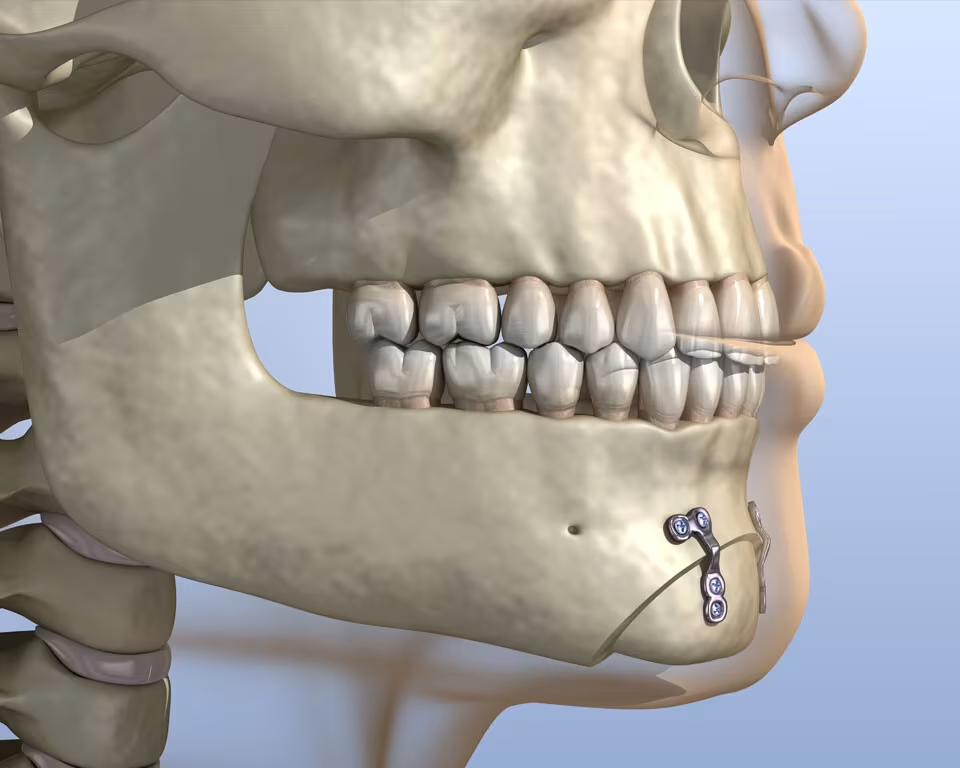
Sliding genioplasty, also known as osseous genioplasty, is a surgical procedure that involves the removal of the chin bone from the rest of the jaw and relocating it to correct a chin defect.
This technique is particularly recommended for:
- Individuals with severe retrogenia (when the chin is positioned too far back)
- Correcting chins that protrude too far forward
- Addressing chins that are too long or too short
- Cases requiring significant chin advancement or reduction
Related article: Best HIFU Treatment Clinic in Singapore
The Procedure:
- The surgeon makes an incision inside the mouth along the lower gum line
- The soft tissue is separated from the bone using a surgical saw
- The chin bone is cut and moved to the desired position (forward, backward, or vertically adjusted)
- Titanium plates and screws secure the bone in its new position
- The incision is closed with dissolvable sutures
A major advantage of sliding genioplasty is that it uses your own bone tissue, which eliminates concerns about implant rejection or migration.
Additionally, it allows for multi-dimensional adjustments, including both horizontal and vertical modifications of the chin.
Chin Implants
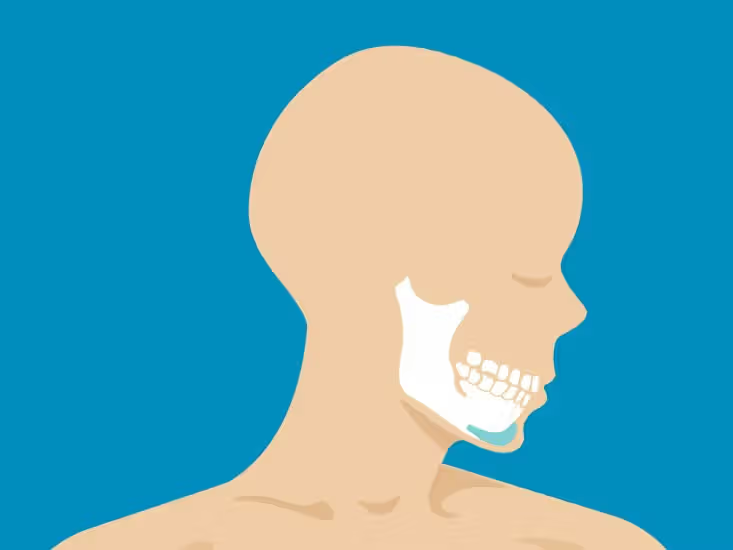
Chin implant surgery uses synthetic implants to enhance the appearance of the chin by increasing its projection or improving its shape.
This procedure can be performed through surgical or non-surgical methods.
Read more: Ultherapy Cost in Singapore: Is It Right For Me?
Surgical Chin Implants:
- Involves placing a silicone or other alloplastic (synthetic) implant onto the chin bone
- The implant adheres to the bone and creates the desired projection
- Typically performed as an outpatient procedure under local anesthesia
- Results in a more pronounced chin profile with minimal scarring
Non-Surgical Chin Augmentation:
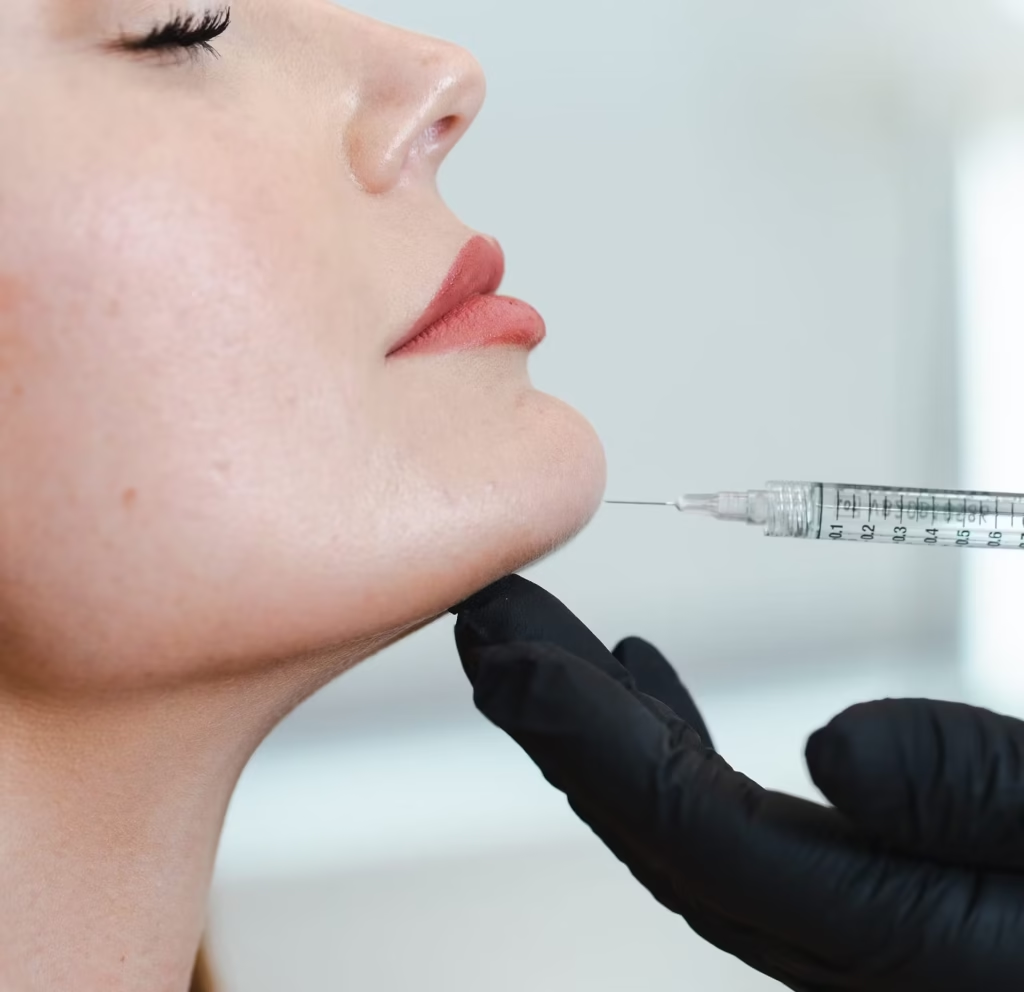
- Utilizes soft tissue fillers to enhance chin appearance
- Can fill dents or level out the chin without surgery
- Provides temporary results that require maintenance
- Offers immediate improvements with minimal downtime
Chin implant surgery is generally considered simpler and more straightforward than sliding genioplasty. It requires less technical expertise and is suitable for patients seeking horizontal projection improvements.
However, it doesn’t provide the same versatility for vertical adjustments that sliding genioplasty offers.
Read more: The Ultimate Guide to Chin Fillers in Singapore
Who Should Consider Genioplasty?
Genioplasty is particularly beneficial for individuals with:
- Receding chins (retrogenia) that affect facial harmony
- Overly prominent or extended chins that disrupt facial balance
- Asymmetrical or misaligned chins
- Abnormal dental bite that could be improved through chin repositioning
- Desire for more defined facial contours and improved profile
It’s worth noting that a recessed chin not only disrupts facial symmetry but can also create health problems when the under-projection is significant.
Additionally, genioplasty is an excellent option for those seeking dramatic results in facial contouring.
Related article: Types of Non-Surgical Facelifts in Singapore
Benefits of Genioplasty
Genioplasty offers both aesthetic and functional benefits, making it more than just a cosmetic procedure:
Enhanced Facial Harmony
- Improves the balance between the chin, nose, and other facial features
- Creates better facial proportions and symmetry
- Defines the jawline for a more sculpted appearance
Improved Bite Structure
- Can enhance dental occlusion and bite balance
- Addresses functional issues related to chin position
- Potentially improves certain oral functions
Aesthetic Improvements
- Creates a more defined profile and jawline
- Enhances the overall facial appearance
- Helps achieve the desired V-line face that’s popular in Asian aesthetics
Psychological Benefits
- Increases self-confidence and satisfaction with appearance
- Provides a more youthful-looking jawline with fewer wrinkles
- Corrects features that may have caused self-consciousness
You might be interested: Dermal Fillers in Singapore: The Comprehensive Guide
The Genioplasty Procedure: What to Expect
Stage 1: Consultation
The consultation phase is crucial for determining the most appropriate approach for your specific needs:
- Your face will be measured and analyzed using X-ray and CT imaging
- The surgeon will discuss your aesthetic goals and expectations
- The most suitable option (sliding genioplasty or chin implant) will be identified
- A treatment plan will be created based on your facial structure and desired outcome
During this stage, your surgeon may use 3D imaging to simulate potential results, helping you visualize the expected outcome.
This is also the time to address any questions or concerns about the procedure.
Stage 2: Pre-Operative Preparations
Before undergoing genioplasty, patients should:
- Stop certain medications or supplements as advised by their surgeon
- Avoid smoking, as it can impede healing
- Undergo required blood tests or examinations
- Follow specific instructions regarding eating, drinking, and medications prior to surgery
These preparations help minimize surgical risks and promote faster healing during the recovery period.
Stage 3: The Genioplasty Procedure
The procedure typically takes 1-2 hours and is performed under local anesthesia or intravenous sedation if required:
- An incision is made on the inner side of the lower gum area (intraoral approach)
- The surgeon accesses the lower jawbone through this incision
- For sliding genioplasty, the bone is cut and repositioned, then secured with plates and screws
- For chin implants, a pocket is created where the implant is placed and secured
- The incision is closed with dissolvable sutures
The entire process is typically performed inside the mouth, which means there are no visible external scars.
This intraoral approach is one of the key advantages of the procedure.
Stage 4: Post-Operative Care and Recovery
The recovery time after genioplasty usually takes about a week, though this can vary based on:
- Individual healing capacity
- The type of procedure performed (sliding genioplasty vs. implant)
- Any complications such as infection
Immediate Post-Operative Care:
- Take prescribed antibiotics and pain medication
- Rinse your mouth with antiseptic wash after every meal
- Keep your head elevated, even during sleep
- Apply cold compresses to reduce swelling
- Follow a liquid and soft food diet initially
First Week After Surgery:
- Expect swelling, bruising, and some discomfort
- You may find it difficult to keep your mouth open or move your tongue
- Eating and speaking may be challenging initially
- Continue taking prescribed medications and using oral rinses
Long-term Recovery:
- Most visible swelling subsides within 1-2 weeks
- Continue to avoid strenuous physical activity and contact sports
- Use sun protection if the procedure involved external incisions
- Attend follow-up appointments to monitor healing progress
By the end of the first month, most patients can resume normal activities, though subtle swelling may persist for several months.
The final results of genioplasty become fully apparent once all swelling has resolved, typically within 3-6 months.
You might like: Comprehensive Guide to Cheek Fillers in Singapore
Potential Risks and Complications
Like any surgical procedure, genioplasty carries certain risks that patients should be aware of:
- Infection or allergic reaction to implants or surgical materials
- Exposure of the screws or plates used to secure the bone
- Nerve damage resulting in numbness of the mouth or lip
- Implant shifting from its original position
- Improper sizing of implants leading to aesthetic imbalance
- Injury to teeth, gums, or surrounding nerves
- Permanent loss of sensation or scarring
- Bone resorption over time (particularly with implants)
It’s important to choose a qualified and experienced surgeon to minimize these risks. Following all pre-operative and post-operative instructions carefully also helps reduce the likelihood of complications.
Surgical vs. Non-Surgical Chin Augmentation
When considering chin enhancement, it’s important to understand the differences between surgical and non-surgical options:
Surgical Chin Augmentation
Advantages:
- Provides permanent or long-lasting results
- Allows for significant changes in chin projection and shape
- Can address multiple dimensions of chin aesthetics
- One-time procedure with lasting benefits
Disadvantages:
- Higher upfront cost
- Longer recovery period (1-2 weeks)
- Surgical risks and potential complications
- Permanent changes that may be difficult to reverse
Non-Surgical Chin Augmentation
Advantages:
- Minimal to no downtime
- Immediate results visible after the procedure
- Lower risk of complications
- Less invasive with no incisions
- Lower initial cost
- Can be reversed or adjusted if needed
Disadvantages:
- Temporary results requiring repeat treatments
- Limited ability to address significant structural issues
- Cannot provide the same dramatic results as surgery
- Cumulative costs may exceed surgical options over time
The choice between surgical and non-surgical approaches depends on your specific needs, desired outcome, willingness to undergo surgery, and financial considerations.
Many patients opt for non-surgical options initially before committing to permanent surgical changes.
Non-Surgical Chin Enhancement Options
Dermal Fillers
Injectable fillers can enhance chin projection and improve definition without surgery:
- Hyaluronic acid fillers provide immediate volume enhancement
- Results last approximately 1-2 years depending on the filler type
- The procedure takes about 15-30 minutes with minimal discomfort
- No downtime required, with patients returning to normal activities immediately
HIFU (High-Intensity Focused Ultrasound)
HIFU treatments can help tighten skin and contour the chin area:
- Uses ultrasound energy to stimulate collagen production
- Can help reduce double chin appearance and define the jawline
- Non-invasive with no needles or incisions
- Results develop gradually over 2-3 months after treatment
Fat Freezing (Cryolipolysis)
This treatment targets stubborn fat deposits under the chin:
- Uses cold temperatures to eliminate fat cells permanently
- Helps define the chin and jawline by reducing submental fat
- No needles, pain, or downtime required
- Results become visible within 1-3 months after treatment
These non-surgical options provide alternatives for patients who aren’t ready for surgery or prefer less invasive approaches. They can also be used in combination for enhanced results.
Cost of Genioplasty in Singapore
The cost of chin enhancement procedures in Singapore varies based on the technique, surgeon’s expertise, and facility:
- Sliding Genioplasty: SGD $10,000 – $15,000
- Chin Implant Surgery: SGD $4,500 – $7,000
- Non-Surgical Chin Augmentation (Fillers): SGD $700 – $1,000 per syringe
These prices are approximate and may vary between different clinics and practitioners. Additional costs may include consultation fees, anesthesia, medication, and follow-up care.
Choosing the Right Procedure
Selecting the most appropriate chin enhancement procedure requires careful consideration of:
- Your Facial Structure: The underlying anatomy of your face determines which approach will yield the best results.
- Desired Outcome: Consider the degree of change you’re seeking—subtle enhancements may require less invasive approaches than dramatic transformations.
- Medical History: Certain medical conditions or previous surgeries may influence your suitability for specific procedures.
- Recovery Time: Factor in how much downtime you can accommodate in your schedule.
- Budget Considerations: While cost shouldn’t be the primary factor, it’s an important practical consideration.
The best approach is to consult with a qualified facial plastic surgeon who can assess your unique facial structure and recommend the most appropriate procedure based on your specific goals.
Post-Procedure Care Guidelines
Immediate Post-Surgery (Day of Surgery)
- Take prescribed medications as directed
- Drink plenty of water and juices; avoid caffeine and tea
- Engage in mild physical activity combined with adequate rest
- Take short 10-minute walks every two hours to promote circulation
- Avoid smoking as it impedes healing
First Week After Procedure
- Continue taking prescribed antibiotics and pain medications
- Keep your head elevated at all times, even during sleep
- Limit physical activity but maintain gentle walking
- Use sun protection regardless of weather conditions
- Avoid products that may irritate your skin
- Continue using prescribed oral antiseptic rinses
- Follow a soft food diet to minimize jaw movement
One Month Post-Procedure
- Continue avoiding smoking
- Use sunscreen (SPF 30 or higher) when outdoors
- Sleep with head slightly elevated
- Gradually return to normal activities as advised by your surgeon
Six Weeks Post-Procedure
- Resume regular exercise routines with proper protection for contact sports
- Most residual swelling and discomfort should have subsided
- The chin’s new position or shape should be stabilizing
Following these guidelines helps ensure optimal healing and the best possible aesthetic outcome from your genioplasty procedure.
Frequently Asked Questions
What is the difference between sliding genioplasty and chin implants?
Sliding genioplasty involves cutting and repositioning the actual chin bone, allowing for multi-dimensional adjustments in any direction.
It uses your own tissue and provides permanent results, but is a more invasive procedure requiring bone cuts and fixation with plates and screws.
Chin implants, on the other hand, involve placing a synthetic implant over the existing chin bone to enhance projection. This procedure is simpler, less invasive, and generally focuses on horizontal enhancement only.
The main concerns with implants include potential migration, infection, or rejection of the foreign material over time.
How long does genioplasty recovery take?
Most patients require about 1-2 weeks for initial recovery, during which swelling and bruising gradually subside.
You can typically return to work after 7-10 days, though strenuous activities should be avoided for at least 3-4 weeks.
Complete healing with final results may take 3-6 months as residual swelling continues to resolve.
Will genioplasty leave visible scars?
One of the major advantages of genioplasty is that incisions are typically made inside the mouth (intraoral approach), leaving no visible external scars.
In some implant cases, a small incision may be made under the chin, but it’s usually well-concealed in a natural crease and fades over time.
Is genioplasty painful?
During the procedure, you’ll be under anesthesia and won’t feel pain. Post-operatively, most patients experience moderate discomfort rather than severe pain, which is manageable with prescribed pain medications.
The most uncomfortable period is usually the first 3-5 days after surgery.
Can genioplasty help with a double chin?
While genioplasty enhances chin projection and shape, it primarily addresses bone structure rather than excess fat or skin.
For double chin concerns, complementary procedures such as liposuction, neck lift, or non-surgical options like fat freezing or HIFU might be more appropriate.
Many patients combine these treatments with genioplasty for comprehensive lower face rejuvenation.
How long do the results of genioplasty last?
Sliding genioplasty results are permanent as they involve repositioning your natural bone structure. Chin implants are also considered permanent, though there’s a small risk of implant shifting or bone resorption over time.
Non-surgical options like fillers provide temporary results lasting 1-2 years, requiring maintenance treatments.
Can I combine genioplasty with other facial procedures?
Yes, genioplasty is frequently combined with other facial procedures such as rhinoplasty (nose surgery), jaw surgery, liposuction, or facelift for comprehensive facial harmonization.
Combining procedures can address multiple concerns in a single recovery period and often yields more balanced, natural-looking results.
How do I find the right surgeon for genioplasty in Singapore?
Look for board-certified plastic surgeons or maxillofacial surgeons with specific experience in genioplasty procedures.
Review before-and-after photos of previous patients, read testimonials, and schedule consultations with multiple specialists to discuss your goals and concerns.
Ensure the surgeon has a good understanding of facial proportions and aesthetics, particularly within Asian facial structures.
Can genioplasty fix an asymmetrical chin?
Yes, genioplasty is an effective solution for correcting chin asymmetry. Sliding genioplasty in particular allows for precise adjustments to address uneven chin structure.
The surgeon can reshape the bone to create better symmetry and balance in the lower face.
What happens if I’m not satisfied with my genioplasty results?
If you’re dissatisfied with your results, first discuss your concerns with your surgeon during follow-up appointments. Minor irregularities might resolve as swelling subsides.
For persistent issues, revision procedures are possible, though they may require waiting until complete healing has occurred (typically 6-12 months after the initial surgery).
Conclusion
Genioplasty in Singapore offers individuals the opportunity to enhance their facial aesthetics and achieve better facial harmony.
Whether through surgical procedures like sliding genioplasty and chin implants or non-surgical alternatives, there are multiple options available to address various chin concerns.
The key to successful results lies in choosing the right procedure for your specific needs and working with a qualified, experienced surgeon who understands facial aesthetics and proportions.
While the journey may involve some recovery time and potential risks, many patients find that the improved facial balance and enhanced self-confidence make genioplasty a worthwhile investment.
By understanding the different procedures, their benefits, risks, and recovery processes, you can make an informed decision about whether genioplasty is right for you and which approach will best help you achieve your aesthetic goals.
General shopping ideas, independent of this article’s advice.
Swipe to compare products →mixshop Dog Poop Bag/Pet Poop Bag/Small Garbage Rubbish bag, samll plastic bagS$0.17MillionParcel Kraft Paper Bag for Gift | Door Gift Bag for Present | Gift Bags | Party Bag | Goodie BagFrom S$0.16MillionParcel Carton Box N | Packing Box | Moving Box | Cardboard box | Boxes for Moving | Delivery box | Storage BoxFrom S$0.57Prices may vary by option. Check the final price and delivery on Shopee.