
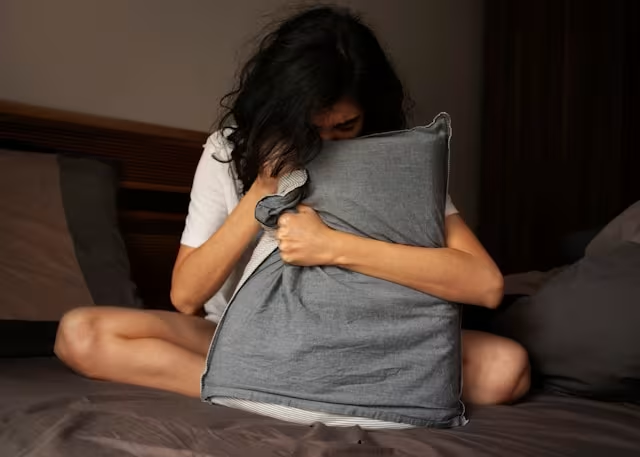
Sleep should be a restorative period that allows your body and mind to recover from daily activities.
General shopping ideas, independent of this article’s advice.
Swipe to compare products → Biofinest Effervescent Vitamin C 1000mg D3 Zinc Collagen Multivitamin Calcium Magnesium Zinc Tablets Drink Sugar FreeFrom S$5.35Biofinest Probiotic 50 Billion CFU Enzyme Supplement 12 + 3 Prebiotics – Diet Slimming Eczema Detox Men Women (60 caps)From S$22.40Estalife Magnesium Glycinate 1000MG | Heart, Bone, Muscle, Sleep, Mood Health | 60 Veg CapsFrom S$13.99
Prices may vary by option. Check the final price and delivery on Shopee.
However, millions of people worldwide struggle with various sleep-related conditions that significantly impact their quality of life.
In Singapore, sleep disorders affect individuals across all age groups, creating challenges that extend far beyond nighttime rest into daytime functioning and overall health.
Sleep disorders encompass a broad range of medical conditions that disrupt normal sleep patterns, affecting either the quality, quantity, or timing of sleep.
These conditions can manifest as difficulty falling asleep, staying asleep, or experiencing restorative sleep, ultimately leading to daytime fatigue, reduced cognitive function, and various health complications.
This might help: Which ENT Doctor in Singapore Should You Consider?
Understanding Sleep Disorders: More Than Just Poor Sleep
Sleep disorders represent complex medical conditions that interfere with natural sleep cycles rather than occasional sleepless nights.
These conditions persistently disrupt sleep architecture, leading to chronic sleep deprivation and its associated health consequences.
The distinction between temporary sleep difficulties and clinical sleep disorders lies in their duration, frequency, and impact on daily functioning.
When sleep disorders remain unaddressed, they create a cascade of physiological and psychological effects that can severely compromise an individual’s health, relationships, and professional performance.
The consequences extend beyond feeling tired, potentially contributing to serious medical conditions and safety concerns.
Primary Categories of Sleep Disorders
Insomnia Disorder
Insomnia stands as the most prevalent sleep disorder, characterized by persistent difficulty initiating sleep, maintaining sleep, or experiencing early morning awakening with inability to return to sleep.
This condition exists independent of medication effects or other underlying medical or psychiatric conditions.
Short-term insomnia typically persists for several days to weeks, often triggered by specific stressors or life changes.
Chronic insomnia, however, extends for a month or longer, requiring comprehensive evaluation and targeted treatment approaches.
Individuals with insomnia frequently experience daytime impairment, including fatigue, mood disturbances, and decreased concentration.
Read more: Insomnia Treatment in Singapore
Sleep Apnea Syndrome
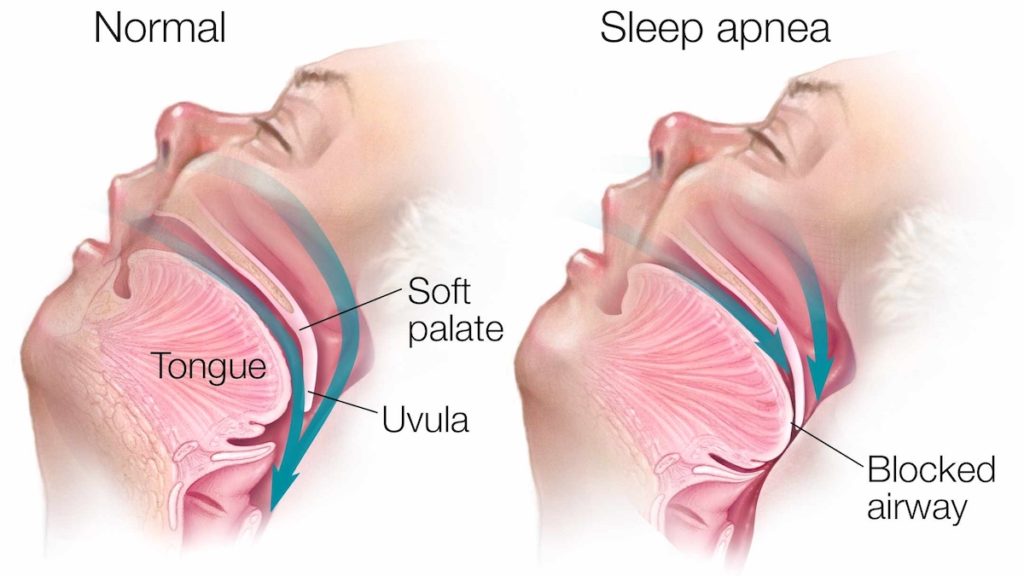
Sleep apnea represents a potentially serious condition where breathing repeatedly stops and starts during sleep.
These breathing interruptions cause frequent awakenings throughout the night as the body attempts to restore normal oxygen levels.
Most individuals with sleep apnea remain unaware of these nighttime awakenings but experience significant daytime consequences.
The condition affects both adults and children, with obstructive sleep apnea being the most common form.
During apneic episodes, the airway becomes blocked due to relaxed throat tissues, preventing adequate airflow.
Central sleep apnea, though less common, occurs when the brain fails to send proper signals to breathing muscles.
This might help: Psychotherapy in Singapore: Types, Benefits, and How to Get Started
Narcolepsy
Narcolepsy manifests as overwhelming and uncontrollable urges to sleep during typical waking hours.
Individuals with this neurological condition may experience sudden sleep attacks regardless of their environment or activity level.
Additional symptoms include sleep paralysis, where individuals temporarily cannot move upon waking or falling asleep, and vivid hallucinations during sleep transitions.
Cataplexy, a sudden loss of muscle control triggered by strong emotions, affects some individuals with narcolepsy.
These episodes can range from slight muscle weakness to complete collapse, creating safety concerns in various situations.
Restless Legs Syndrome
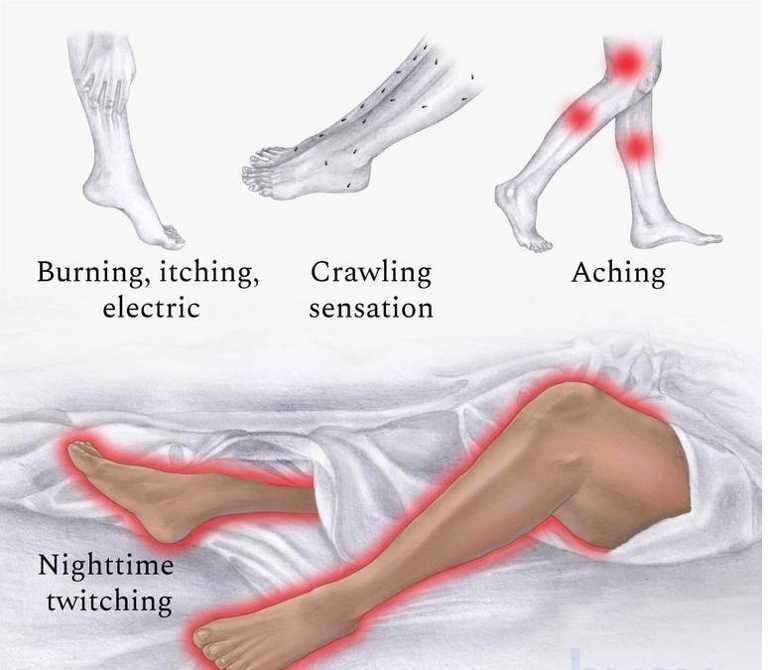
Restless Legs Syndrome creates an irresistible urge to move the legs, typically accompanied by uncomfortable sensations described as crawling, aching, or tingling.
These sensations intensify during periods of inactivity and predominantly occur during evening and nighttime hours, significantly interfering with sleep initiation.
The symptoms temporarily improve with movement, leading individuals to repeatedly move their legs or walk around during the night.
This disruption prevents adequate rest and often affects bed partners as well.
Root Causes and Contributing Factors
Stress and Psychological Factors
Psychological stress represents the primary contributor to insomnia development.
Significant life events such as bereavement, job loss, academic pressures, or relationship changes can trigger acute insomnia episodes.
When the mind remains active during intended sleep periods, the natural transition to sleep becomes increasingly difficult.
Depression and anxiety disorders frequently co-occur with sleep disturbances, creating bidirectional relationships where each condition can worsen the other.
Low mood states can perpetuate rumination during nighttime hours, further complicating sleep initiation and maintenance.
You might like: Anxiety Therapy in Singapore: Treatment and Recovery
Physical and Medical Causes
Sleep apnea typically results from anatomical factors that narrow or obstruct the upper airway.
Excess tissue around the neck area, small jaw structure, large overbite, or enlarged tonsils can contribute to airway obstruction.
Lifestyle factors such as excessive alcohol consumption before bedtime can also exacerbate breathing difficulties during sleep.
Narcolepsy stems from central nervous system dysfunction, specifically involving deficiencies in hypocretin, a brain chemical that regulates sleep-wake cycles.
While genetic factors may contribute, most cases occur without family history.
Traumatic brain injuries or autoimmune conditions may also trigger narcolepsy development.
Restless Legs Syndrome appears to involve dopamine imbalances in the brain, affecting muscle movement control signals.
Iron deficiency, kidney dysfunction, peripheral neuropathy, and spinal cord conditions can contribute to symptom development.
The condition shows higher prevalence in women and often emerges during pregnancy.
Read more: Complete Guide to Depression Therapy in Singapore
Lifestyle and Environmental Influences
Modern lifestyle patterns significantly impact sleep quality and disorder development. Irregular sleep schedules, excessive screen time before bedtime, and consumption of stimulants like caffeine, nicotine, or alcohol can disrupt natural circadian rhythms.
Shift work and frequent time zone changes further complicate the body’s internal clock regulation.
Environmental factors including noise pollution, light exposure, temperature fluctuations, and uncomfortable sleeping conditions can contribute to sleep disorder development and perpetuation.
Health Consequences of Untreated Sleep Disorders
Immediate Physical Effects
Untreated sleep disorders create immediate physical consequences that affect daily functioning.
Persistent sleep deprivation leads to microsleep episodes, brief involuntary sleep periods lasting several seconds that occur without conscious awareness.
These episodes pose significant safety risks, particularly when operating vehicles or machinery.
Sleep deprivation compromises immune system function by disrupting the production of infection-fighting antibodies and other immune factors during sleep.
This weakening extends recovery time from illnesses and increases susceptibility to infections and diseases.
This might help: Psychotherapy in Singapore: Types, Benefits, and How to Get Started
Cognitive and Emotional Impact
Chronic sleep disorders significantly impair cognitive function, affecting memory consolidation, attention span, decision-making abilities, and creative thinking.
These deficits can substantially impact academic performance, professional productivity, and overall quality of life.
Emotional regulation becomes increasingly difficult with persistent sleep deprivation.
Individuals may experience mood swings, increased irritability, reduced patience, and heightened emotional reactivity.
Long-term sleep deprivation can contribute to developing anxiety disorders, depression, and in severe cases, hallucinations or paranoid thoughts.
Related article: ADHD Diagnosis in Singapore
Long-term Health Risks
Sleep disorders create substantial risks for developing chronic medical conditions.
Cardiovascular complications include increased risk of heart attacks, strokes, and hypertension due to disrupted cardiovascular regulation during sleep.
Sleep deprivation also affects glucose metabolism, potentially leading to insulin resistance, diabetes, and obesity.
The relationship between sleep disorders and metabolic dysfunction creates compounding health risks.
Poor sleep affects hormone regulation, including those controlling hunger and satiety, often leading to weight gain and further exacerbating conditions like sleep apnea.
Comprehensive Treatment Approaches
Cognitive Behavioral Therapy for Insomnia
Cognitive Behavioral Therapy for Insomnia (CBT-I) represents the gold standard treatment for insomnia disorders.
This structured program helps individuals identify and modify thoughts, behaviors, and environmental factors that interfere with sleep.
CBT-I typically includes sleep restriction therapy, stimulus control techniques, relaxation training, and cognitive restructuring.
The therapy process begins with detailed sleep pattern assessment, often requiring patients to maintain sleep diaries for comprehensive evaluation.
Treatment plans are then customized based on individual sleep challenges and contributing factors.
CBT-I has demonstrated superior long-term effectiveness compared to medication approaches alone.
You might be interested: PTSD Treatment in Singapore: Types, Recovery and Healing
Medical Interventions
Prescription medications serve important roles in sleep disorder management, particularly during acute phases or when combined with behavioral interventions.
Common medications include benzodiazepines like diazepam and lorazepam for short-term insomnia relief, and non-benzodiazepine sleep aids like zopiclone.
Antidepressant medications often prove beneficial for insomnia cases involving anxiety or depression.
These medications can typically be used long-term when appropriately monitored.
However, all sleep medications carry potential side effects including daytime sedation, cognitive impairment, and fall risks, particularly in elderly populations.
Specialized Treatments for Sleep Apnea
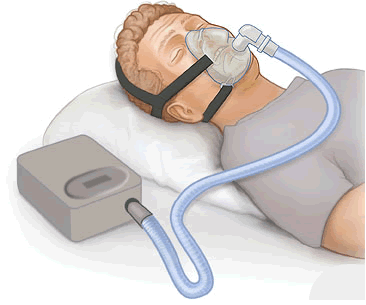
Continuous Positive Airway Pressure (CPAP) therapy remains the primary treatment for obstructive sleep apnea.
CPAP devices deliver gentle pressurized air through a mask, maintaining airway patency throughout sleep.
Proper CPAP setup and adherence counseling significantly improve treatment success rates.
Alternative treatments include dental appliances that reposition the jaw and tongue to improve airway space, particularly effective for mild to moderate sleep apnea cases.
Surgical interventions may be necessary for severe cases or when conservative treatments prove inadequate.
Comprehensive Sleep Disorder Management
Treatment approaches for narcolepsy typically combine medication management with lifestyle modifications.
Stimulant medications help control excessive daytime sleepiness, while other drugs can address cataplexy and sleep paralysis symptoms.
Scheduled napping and consistent sleep routines provide additional symptom management.
Restless Legs Syndrome treatment often begins with addressing underlying conditions such as iron deficiency or kidney dysfunction.
When symptomatic treatment becomes necessary, medications that affect dopamine pathways can provide significant relief.
Lifestyle modifications including regular exercise and avoiding caffeine may also help manage symptoms.
Advanced Sleep Disorder Services in Singapore
Comprehensive Sleep Centers
Singapore’s healthcare system offers sophisticated sleep disorder evaluation and treatment through specialized sleep centers.
These facilities provide multidisciplinary care combining expertise from respiratory medicine, ear, nose and throat specialists, dental professionals, sports medicine, general surgery, and psychological medicine departments.
Modern sleep laboratories feature advanced wireless monitoring technology, conducting hundreds of sleep studies annually.
These facilities simulate home environments while providing comprehensive monitoring of brain activity, heart function, breathing patterns, oxygen levels, and movement during sleep.
Diagnostic Technologies
Polysomnography represents the gold standard for sleep disorder diagnosis, providing detailed recordings of multiple physiological parameters during sleep.
These overnight studies capture brain waves, eye movements, muscle activity, heart rhythm, airflow, breathing effort, and blood oxygen levels throughout the sleep period.
Additional diagnostic tools include Multiple Sleep Latency Tests (MSLT) for narcolepsy evaluation and Maintenance of Wakefulness Tests (MWT) for assessing daytime alertness. Home sleep studies offer convenient alternatives for specific conditions, particularly suspected obstructive sleep apnea cases.
Innovative Treatment Technologies
Advanced treatment technologies include videoendoscopic computer-assisted measurement (CAM) for precise identification of upper airway obstruction sites.
This innovation enables targeted surgical planning when necessary for sleep apnea treatment.
Comprehensive treatment programs often incorporate weight management services, including medically supervised weight loss programs and bariatric surgery options for appropriate candidates.
These approaches address underlying factors contributing to sleep-disordered breathing conditions.
Sleep Hygiene and Prevention Strategies
Essential Sleep Hygiene Practices
Consistent sleep schedules form the foundation of good sleep hygiene.
Maintaining regular bedtime and wake times, including weekends, helps synchronize the body’s internal clock and promotes natural sleep-wake cycles.
This consistency conditions the body to expect sleep at appropriate times.
Creating optimal sleep environments involves controlling temperature, noise, and light levels in sleeping areas.
Cool, quiet, and dark environments promote better sleep quality and reduce sleep disruptions.
Investing in comfortable bedding and supportive mattresses can significantly impact sleep quality.
Regular physical exercise improves sleep quality by reducing stress and anxiety while promoting physical tiredness that facilitates sleep onset.
However, vigorous exercise should be avoided within several hours of bedtime to prevent sleep interference.
Essential lifestyle modifications for better sleep include:
- Avoid large meals, caffeine, alcohol, and nicotine within 2-4 hours of bedtime
- Maintain consistent sleep and wake times every day
- Create a cool, quiet, and dark sleeping environment
- Exercise regularly but not close to bedtime
- Limit screen time one hour before bed
Technology and Sleep Environment
Managing screen time before bedtime helps preserve natural melatonin production and circadian rhythm regulation.
The blue light emitted by electronic devices can suppress melatonin release, making sleep initiation more difficult.
Establishing technology-free periods before bedtime promotes better sleep preparation.
Creating relaxing pre-sleep routines signals the body to prepare for rest.
Activities such as reading, gentle stretching, meditation, or warm baths can help transition from daily activities to sleep-ready states.
The goal is to create consistent cues that prepare both mind and body for sleep.
When to Seek Professional Help
Warning Signs Requiring Professional Attention
Professional evaluation becomes necessary when sleep difficulties persist for more than a few weeks or significantly impact daily functioning.
Critical symptoms that warrant immediate medical attention include chronic daytime fatigue despite adequate time in bed, frequent awakenings with difficulty returning to sleep, or safety concerns related to excessive sleepiness.
Sleep apnea symptoms requiring immediate attention include loud snoring with breathing pauses, gasping or choking during sleep, and severe daytime sleepiness.
These symptoms indicate potentially serious health risks requiring prompt medical evaluation.
Other concerning symptoms that warrant professional evaluation include:
- Falling asleep suddenly during daily activities
- Uncontrollable urges to move legs during rest
- Experiencing hallucinations or sleep paralysis
- Chronic mood changes related to poor sleep
Choosing Appropriate Care
Sleep medicine specialists provide comprehensive evaluation and treatment planning for complex sleep disorders.
These professionals can coordinate multidisciplinary care approaches and access advanced diagnostic technologies when necessary.
Primary care physicians often serve as initial contact points for sleep concerns, providing basic evaluation and treatment for common sleep difficulties while referring complex cases to specialized centers when appropriate.
Frequently Asked Questions
What constitutes a sleep disorder versus occasional poor sleep?
Sleep disorders involve persistent patterns of sleep difficulty lasting weeks or months, significantly impacting daily functioning and health.
Occasional poor sleep due to temporary stressors or environmental factors typically resolves without intervention, while sleep disorders require professional evaluation and treatment to improve.
How do I know if my snoring indicates sleep apnea?
Sleep apnea snoring typically involves loud, irregular patterns with periods of silence followed by gasping or choking sounds.
If family members observe breathing pauses during sleep, or if you experience excessive daytime sleepiness despite adequate time in bed, professional evaluation is recommended to assess for sleep apnea.
Can sleep disorders be completely cured?
Treatment outcomes vary depending on the specific disorder and individual factors.
Many sleep disorders can be effectively managed with appropriate treatment, leading to significant symptom improvement and restored sleep quality.
Some conditions like sleep apnea require ongoing management, while others like certain types of insomnia may resolve completely with proper treatment.
What should I expect during a sleep study?
Sleep studies involve overnight monitoring in specialized facilities designed to simulate home environments.
Sensors attached to your body record brain activity, breathing patterns, heart function, and movement throughout the night.
Most people adapt to the monitoring equipment and achieve representative sleep for accurate diagnosis.
Are sleeping pills safe for long-term use?
Most sleeping medications are intended for short-term use due to potential side effects and dependency concerns.
Long-term sleep medication use should always be supervised by healthcare professionals who can monitor for adverse effects and evaluate ongoing treatment necessity.
Non-medication approaches often provide safer long-term solutions.
How does age affect sleep disorders?
Sleep patterns naturally change with aging, including earlier bedtimes, more frequent awakenings, and less deep sleep.
However, significant sleep disruption at any age warrants evaluation.
Older adults may be more susceptible to certain sleep disorders and medication side effects, requiring specialized care approaches.
Can children develop sleep disorders?
Children can experience various sleep disorders including sleep apnea, parasomnias, and restless legs syndrome.
Pediatric sleep disorders often present differently than adult conditions and may impact growth, development, and academic performance.
Early recognition and treatment are crucial for optimal outcomes.
What role does diet play in sleep quality?
Dietary choices significantly impact sleep quality through various mechanisms.
Large meals before bedtime can cause discomfort and disrupt sleep, while caffeine and alcohol consumption can interfere with sleep architecture.
Balanced nutrition throughout the day supports healthy sleep patterns.
How do shift workers manage sleep disorders?
Shift workers face unique challenges in maintaining healthy sleep patterns due to disrupted circadian rhythms.
Management strategies include consistent sleep schedules on days off, strategic light exposure, sleep-promoting environments during daytime sleep, and sometimes melatonin supplementation under medical supervision.
What is the connection between mental health and sleep disorders?
Mental health conditions and sleep disorders frequently co-occur, with each potentially worsening the other.
Depression and anxiety can contribute to insomnia development, while chronic sleep deprivation can increase risk of developing mood disorders.
Comprehensive treatment often addresses both aspects simultaneously.
Are home sleep tests as accurate as laboratory studies?
Home sleep tests can effectively diagnose certain conditions like obstructive sleep apnea but provide less comprehensive information than full laboratory studies.
The choice between testing methods depends on suspected conditions, individual circumstances, and clinical judgment. Laboratory studies remain the gold standard for complex cases.
How long does sleep disorder treatment typically take?
Treatment duration varies significantly based on the specific disorder, severity, chosen treatment approaches, and individual response.
Some individuals experience improvement within weeks of starting treatment, while others may require months of consistent intervention to achieve optimal results.
Chronic conditions often require ongoing management.
General shopping ideas, independent of this article’s advice.
Swipe to compare products →Biofinest Gummy Vitamin Supplement – Beauty Energy Sleep Metabolism Men Women Kids Probiotics Multivitamin (60 Gummies)From S$17.95Tradishot Immunity Boost Drink | Turmeric Shot (Extra Strength) | Boost Immunity Energy & Well-being [7x35mL]S$37.42Optimum Nutrition, Gold Standard, 100% Whey Protein Powder, 2lbs (907g ) / 5 lbs (2.27 kg) / 10 lbs (4.54 kg)From S$82.89Prices may vary by option. Check the final price and delivery on Shopee.