
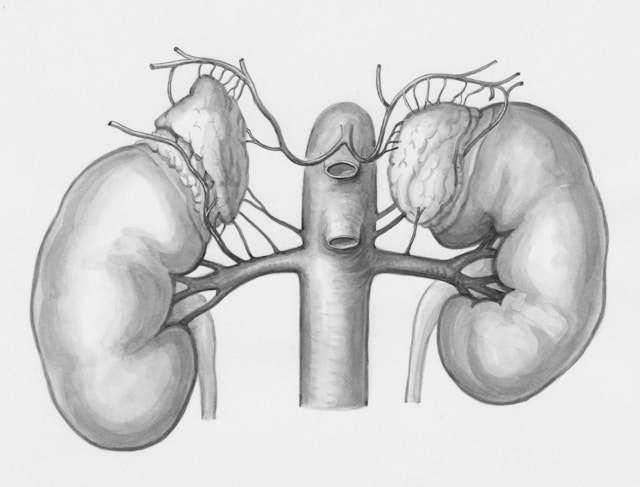
Singapore’s tropical climate and modern lifestyle have contributed to an increasing prevalence of kidney stones among its population.
General shopping ideas, independent of this article’s advice.
Swipe to compare products → TCM Hair Tonic《保健堂》古方护发水 (100ml)S$103.00✨Medicated Pain Relief Plaster✨ Original TCM FormulaS$3.70Zappy Postpartum Body Wipes 20 Sheets Resealable (Ginger infused with TCM Extract)From S$26.80
Prices may vary by option. Check the final price and delivery on Shopee.
While conventional Western medicine offers effective treatments, Traditional Chinese Medicine (TCM) provides a holistic approach that addresses both the symptoms and underlying imbalances that contribute to stone formation.
This comprehensive guide explores how TCM can complement modern medical care in preventing, managing, and treating kidney stones in Singapore.
Related article: Best TCM Clinic in Singapore (Sort by Reviews)
Understanding Kidney Stones: A Dual Perspective
The Western Medical View
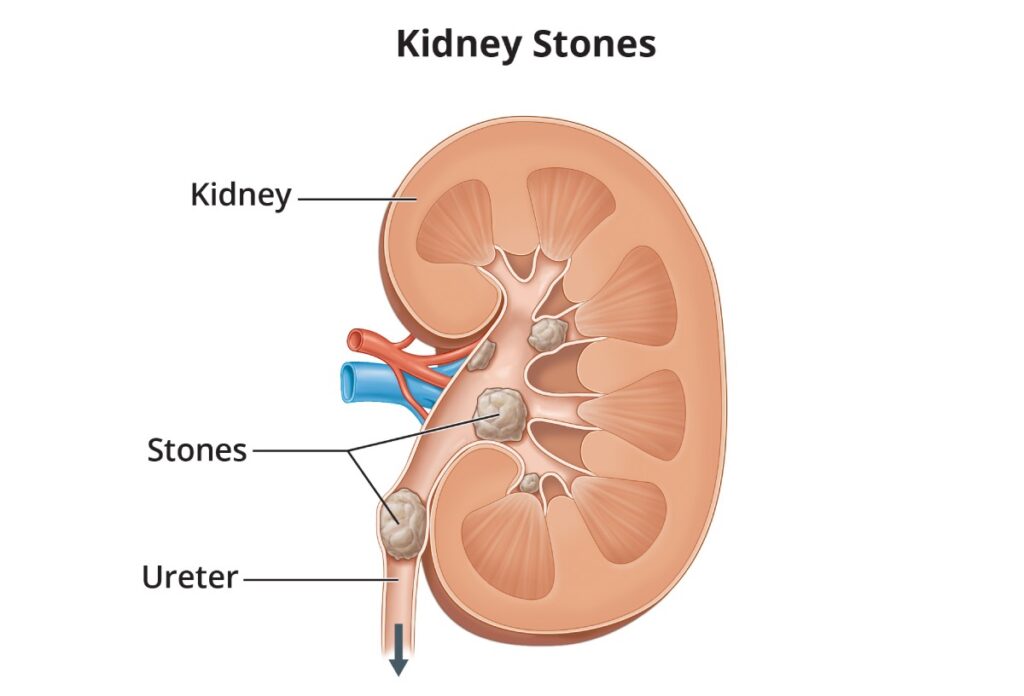
Kidney stones develop when the concentration of certain minerals and substances in urine exceeds the kidney’s ability to maintain them in solution.
This supersaturation leads to crystal formation, which eventually grows into stones. The most common types include calcium oxalate stones, uric acid stones, calcium phosphate stones, and cystine stones.
The formation process begins with nucleation, where crystal nuclei form on epithelial cell surfaces or existing crystals.
These nuclei then aggregate into larger formations through a process influenced by various inhibitors and promoters in the urine.
When the balance tips toward stone formation, individuals may experience severe pain, blood in urine, nausea, and urinary difficulties.
Risk factors for kidney stone development include dehydration, high sodium intake, excessive animal protein consumption, obesity, certain medications, and genetic predisposition.
Singapore’s hot, humid climate increases the risk of dehydration, making residents particularly susceptible to stone formation.
More information: Best TCM Clinic in JB for Singaporeans
The TCM Perspective
Traditional Chinese Medicine views kidney stones through the lens of pattern differentiation and holistic body assessment.
In TCM terminology, kidney stones fall under conditions such as “Shi Lin” (stone strangury), “Xue Lin” (blood strangury), or “Re Lin” (heat strangury), depending on the presenting symptoms and underlying constitutional patterns.
According to TCM theory, kidney stones primarily result from:
Damp-Heat Accumulation: The most common pattern involves damp-heat in the lower burner, which impairs the transformation and transportation of fluids, leading to the formation of pathological substances that crystallize into stones.
Kidney Deficiency Patterns: Both kidney yin and yang deficiency can contribute to stone formation.
Kidney yin deficiency leads to internal heat and fluid metabolism disorders, while kidney yang deficiency affects the warming and transforming functions necessary for proper fluid processing.
Qi Stagnation: Emotional stress, irregular lifestyle, and poor dietary habits can cause qi stagnation, particularly in the liver, which affects the smooth flow of qi and fluids throughout the body.
Constitutional Weakness: Some individuals have inherent weakness in their kidney system, making them more susceptible to stone formation throughout their lives.
Related article: TCM Fertility Treatments in Singapore
TCM Diagnostic Approach
Pattern Identification
TCM practitioners in Singapore employ comprehensive diagnostic methods to identify the underlying patterns contributing to kidney stones:
Tongue Examination: The tongue’s color, coating, and texture provide insights into internal heat patterns, dampness accumulation, and organ function status.
Pulse Analysis: Different pulse qualities indicate various patterns – a rapid, slippery pulse might suggest damp-heat, while a deep, weak pulse could indicate kidney deficiency.
Constitutional Assessment: Practitioners evaluate the patient’s overall constitution, including their response to climate, emotional tendencies, digestive function, and energy levels.
Symptom Pattern Analysis: The timing, location, and nature of pain, along with urinary symptoms, help determine the specific TCM pattern involved.
You might be interested: TCM Pediatric Massage in Singapore: Benefits and Techniques
Individualized Treatment Planning
Based on the pattern identification, TCM practitioners develop personalized treatment strategies that may include:
- Herbal medicine formulations tailored to the specific pattern
- Acupuncture protocols targeting relevant meridians and points
- Dietary therapy recommendations
- Lifestyle modifications aligned with TCM principles
- Qi cultivation exercises such as qigong or tai chi
TCM Treatment Modalities for Kidney Stones
Herbal Medicine
Chinese herbal medicine forms the cornerstone of TCM treatment for kidney stones.
Formulations are carefully crafted to address the underlying patterns while promoting stone dissolution and passage.
Common Herbs and Their Functions:
Rehmannia (Sheng Di Huang/Shu Di Huang): Nourishes kidney yin, clears heat, and supports fluid metabolism.
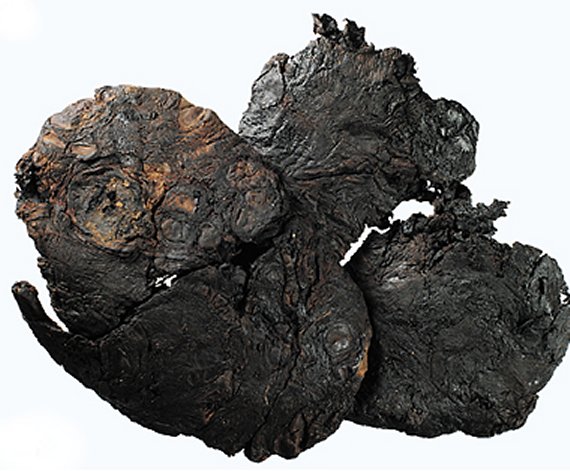
The raw form clears heat and cools blood, while the prepared form tonifies kidney yin and essence.
You might like: TCM for Irregular Menstruation
Cistanche (Rou Cong Rong): Strengthens kidney yang, moistens the intestines, and supports overall kidney function.
Particularly beneficial for individuals with kidney yang deficiency patterns.
Chinese Yam (Huai Shan/Shan Yao): Tonifies kidney qi, strengthens the spleen, and helps with frequent urination and other kidney deficiency symptoms.
Plantain Seed (Che Qian Zi): Promotes diuresis, clears heat from the urinary system, and helps facilitate stone passage.
Lysimachia (Jin Qian Cao): Specifically targets stone dissolution and has been extensively researched for its litholytic properties.
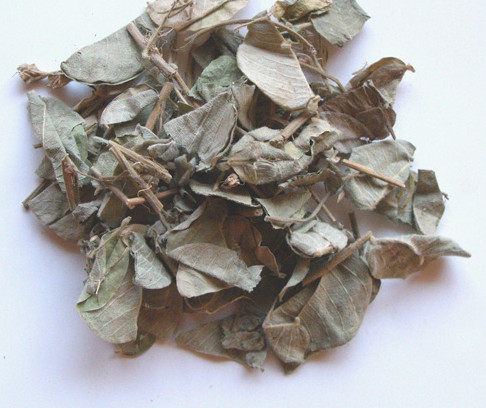
Pyrrosia Leaf (Shi Wei): Clears heat, promotes urination, and helps resolve blood in urine associated with kidney stones.
Acupuncture Treatment
Acupuncture offers a non-invasive approach to managing kidney stones by:
- Reducing pain and inflammation
- Promoting smooth qi flow in relevant meridians
- Supporting kidney function
- Facilitating stone passage
- Addressing underlying constitutional imbalances
Key Acupuncture Points:
He Gu (Large Intestine 4): Regulates qi circulation and provides analgesic effects for pain management.
Zu San Li (Stomach 36): Strengthens overall energy and supports digestive function, which is crucial for preventing stone recurrence.
Tai Xi (Kidney 3): The source point of the kidney meridian, directly supporting kidney function and addressing kidney deficiency patterns.
San Yin Jiao (Spleen 6): Benefits the kidneys, spleen, and liver, helping to regulate fluid metabolism and hormonal balance.
Research conducted in Singapore and internationally has shown that acupuncture can effectively reduce creatinine levels and improve kidney function markers, making it a valuable adjunct to conventional treatment.
Read more: Acupuncture in Singapore: Types, Benefits
Dietary Therapy
TCM dietary therapy goes beyond simple nutritional advice, incorporating the energetic properties of foods to support healing and prevent recurrence.
Therapeutic Food Categories:
Foods for Clearing Heat and Dampness: Winter melon, corn silk tea, mung beans, and barley help clear pathogenic heat and excess dampness from the system.
Kidney-Nourishing Foods: Black sesame, black beans, walnuts, goji berries, and mulberries support kidney essence and function according to TCM five-element theory.
Qi-Moving Foods: Citrus peel, radish, and fennel help promote smooth qi circulation and prevent stagnation.
Cooling and Moistening Foods: Pears, lily bulbs, and tremella mushrooms help balance internal heat and support yin fluids.
Read more: TCM Pain Management in Singapore: A Holistic Approach to Chronic Pain Relief
Integrative Treatment Approach in Singapore
Combining TCM with Conventional Medicine
Singapore’s healthcare system allows for the integration of TCM with conventional medical treatments. This approach offers several advantages:
Enhanced Treatment Efficacy: Research indicates that combining TCM herbs with conventional treatments like Extracorporeal Shock Wave Lithotripsy (ESWL) can improve stone passage rates and reduce recurrence.
Reduced Side Effects: TCM treatments can help minimize the side effects of conventional procedures and medications.
Comprehensive Care: While conventional medicine excels at acute stone management, TCM addresses the underlying constitutional factors that predispose individuals to stone formation.
Preventive Focus: TCM’s emphasis on prevention aligns well with Singapore’s healthcare goals of reducing chronic disease burden.
Treatment Protocols
Acute Phase Management: For patients experiencing acute stone episodes, TCM practitioners may focus on pain relief through acupuncture while supporting conventional medical emergency care.
Post-Treatment Recovery: After procedures like ESWL or surgical stone removal, TCM can accelerate recovery, reduce inflammation, and strengthen the kidney system.
Long-term Prevention: TCM shines in preventing stone recurrence through constitutional strengthening, dietary guidance, and lifestyle modifications.
Prevention Strategies: TCM Approach
Constitutional Strengthening
TCM prevention focuses on strengthening the individual’s constitution rather than simply avoiding risk factors. This involves:
Kidney System Support: Regular use of kidney-tonifying herbs and foods helps maintain optimal kidney function and resistance to stone formation.
Spleen Function Enhancement: Since the spleen governs transformation and transportation of fluids in TCM theory, supporting spleen function prevents pathological fluid accumulation.
Emotional Balance: Managing stress and emotional health prevents qi stagnation that can contribute to stone formation.
Seasonal Adjustments
Singapore’s tropical climate requires specific TCM adaptations:
Hot Season Care: During particularly hot and humid periods, emphasis on clearing heat and promoting appropriate sweating while maintaining proper hydration.
Cooling Foods: Regular consumption of naturally cooling foods helps balance the body’s internal temperature without creating dampness.
Fluid Management: TCM teaches appropriate fluid intake that considers individual constitution rather than applying universal recommendations.
Lifestyle Recommendations
Sleep Patterns: TCM emphasizes the importance of adequate sleep for kidney health, particularly sleeping during kidney time (5-7 PM and 5-7 AM in the traditional clock).
Exercise Balance: Moderate exercise that promotes qi circulation without depleting kidney essence is recommended.
Stress Management: TCM practices like meditation, qigong, and tai chi help maintain emotional equilibrium and prevent qi stagnation.
Specialized TCM Clinics in Singapore
Treatment Availability
Singapore offers numerous options for TCM kidney stone treatment:
Integrated Medical Centers: Several hospitals and medical centers in Singapore now offer combined TCM and Western medical services for kidney stone management.
Specialized TCM Clinics: Dedicated TCM practitioners with expertise in kidney diseases provide comprehensive traditional treatments.
Research Institutions: Singapore’s commitment to TCM research ensures access to evidence-based traditional treatments.
Quality Assurance
Practitioner Licensing: All TCM practitioners in Singapore must be licensed and registered with relevant authorities, ensuring quality care.
Herb Quality Control: Stringent regulations govern the quality and safety of Chinese herbs available in Singapore.
Integration Standards: Clear protocols exist for integrating TCM with conventional medical care in institutional settings.
Research and Evidence
Clinical Studies
Recent research in Singapore and internationally has demonstrated the effectiveness of TCM approaches for kidney stones:
Herbal Medicine Research: Studies show that specific TCM formulations can reduce stone recurrence rates and improve kidney function parameters.
Acupuncture Efficacy: Clinical trials indicate that acupuncture can effectively manage stone-related pain and support kidney function.
Integrated Approaches: Research supports the safety and efficacy of combining TCM with conventional treatments for optimal outcomes.
Future Directions
Singapore’s commitment to advancing TCM research continues with ongoing studies examining:
- Optimal integration protocols for TCM and conventional medicine
- Personalized medicine approaches based on TCM constitution types
- Prevention strategies tailored to Singapore’s unique climate and population
- Long-term outcomes of integrated treatment approaches
Cost Considerations and Insurance
Treatment Costs
TCM treatment costs in Singapore vary depending on the complexity and duration of treatment:
- Initial consultations typically range from SGD 80-150
- Follow-up sessions cost SGD 60-120
- Herbal medicine costs vary based on prescription complexity
- Acupuncture sessions range from SGD 80-200
Insurance Coverage
Several insurance plans in Singapore now include TCM coverage:
- Medisave can be used for certain TCM treatments at approved institutions
- Private insurance plans increasingly offer TCM benefits
- Company health plans may include TCM coverage
Choosing the Right TCM Practitioner
Qualifications to Look For
Education and Training: Ensure practitioners have proper TCM education from recognized institutions.
Specialization: Look for practitioners with specific experience in kidney diseases and urological conditions.
Integration Experience: Practitioners who work well with conventional medical teams provide the best integrated care.
Research Involvement: Practitioners engaged in clinical research often provide the most current, evidence-based care.
Questions to Ask
- What is your experience treating kidney stones with TCM?
- How do you coordinate care with conventional medical doctors?
- What evidence supports your treatment approach?
- How do you monitor progress and adjust treatment?
- What are the expected timeframes for improvement?
Comprehensive FAQ Section
What is the TCM approach to treating kidney stones compared to Western medicine?
TCM treats kidney stones by addressing the underlying constitutional imbalances that lead to stone formation, focusing on patterns like damp-heat accumulation and kidney deficiency.
While Western medicine excellently manages acute symptoms and removes stones through procedures like ESWL or surgery, TCM emphasizes prevention, constitutional strengthening, and reducing recurrence rates through herbal medicine, acupuncture, and lifestyle modifications.
How effective is TCM for preventing kidney stone recurrence?
Clinical studies demonstrate that TCM approaches can significantly reduce kidney stone recurrence rates.
The combination of constitutional strengthening through herbal medicine, dietary therapy based on individual patterns, and lifestyle modifications addresses the root causes of stone formation.
Patients who follow comprehensive TCM prevention protocols often experience substantially lower recurrence rates compared to those relying solely on conventional preventive measures.
Can TCM treatments be safely combined with conventional medical treatments for kidney stones?
Yes, TCM treatments can be safely combined with conventional medical treatments when coordinated properly.
Many Singapore medical centers now offer integrated approaches where TCM practitioners work alongside urologists and nephrologists.
However, it’s essential to inform all healthcare providers about all treatments being received to ensure proper coordination and avoid any potential interactions.
What herbs are most commonly used in Singapore for kidney stone treatment?
The most commonly prescribed herbs include Lysimachia (Jin Qian Cao) for stone dissolution, Plantain Seed (Che Qian Zi) for promoting urination, Rehmannia for nourishing kidney yin, and various heat-clearing herbs depending on the individual’s pattern.
Formulations are always customized based on the patient’s specific TCM diagnosis, constitution, and current symptoms rather than using standard prescriptions.
How long does TCM treatment typically take for kidney stones?
Treatment duration varies significantly based on stone size, location, underlying constitution, and treatment goals.
Acute symptom management might show improvement within days to weeks, while constitutional strengthening and prevention protocols typically require 3-6 months or longer.
For chronic stone formers, ongoing maintenance treatment may be recommended to prevent recurrence.
Are there specific dietary recommendations in TCM for kidney stone patients?
TCM dietary therapy is highly individualized based on the patient’s constitutional pattern.
Generally, recommendations include adequate hydration with room temperature or warm water, reducing foods that create internal heat and dampness (like excessive spicy or greasy foods), incorporating kidney-nourishing foods like black beans and goji berries, and eating according to seasonal principles to maintain internal balance.
What role does acupuncture play in kidney stone treatment?
Acupuncture serves multiple functions in kidney stone treatment including pain management during acute episodes, supporting kidney function, promoting smooth qi flow to facilitate stone passage, and addressing underlying constitutional imbalances.
Specific point combinations are selected based on the individual’s TCM pattern diagnosis and may include points like Tai Xi (Kidney 3), He Gu (Large Intestine 4), and Zu San Li (Stomach 36).
How do I find a qualified TCM practitioner for kidney stones in Singapore?
Look for practitioners registered with Singapore’s TCM regulatory bodies who have specific experience in kidney diseases.
Many are affiliated with established TCM clinics, integrated medical centers, or hospitals.
Consider practitioners who can work collaboratively with conventional medical teams and who stay current with research in TCM urology.
Personal referrals from satisfied patients or conventional doctors can also be valuable.
What should I expect during my first TCM consultation for kidney stones?
The initial consultation typically lasts 60-90 minutes and includes detailed questioning about your symptoms, medical history, lifestyle, and overall health patterns.
The practitioner will examine your tongue, take your pulse, and may perform other traditional diagnostic assessments.
Based on this information, they’ll explain your TCM pattern diagnosis and recommend a treatment plan that may include herbal medicine, acupuncture, dietary changes, and lifestyle modifications.
Can TCM help with kidney stones during pregnancy?
TCM can offer safe support for pregnant women with kidney stones, but treatment must be carefully modified.
Many herbs commonly used for kidney stones are contraindicated during pregnancy, so practitioners must select pregnancy-safe alternatives.
Acupuncture can be particularly helpful for pain management when conventional pain medications are limited.
Always work with practitioners experienced in treating pregnant women and coordinate care with your obstetrician.
How does Singapore’s climate affect kidney stone formation and TCM treatment?
Singapore’s hot, humid climate increases dehydration risk and heat accumulation in the body according to TCM theory, both contributing to stone formation.
TCM treatment strategies are adapted to address these climate-related factors through increased emphasis on clearing heat and dampness, seasonal dietary adjustments, and recommendations for maintaining proper hydration while avoiding excessive cold drinks that can damage spleen function.
What is the cost comparison between TCM and conventional kidney stone treatment?
While conventional acute treatments like ESWL or surgery may have higher upfront costs, TCM’s focus on prevention and reducing recurrence can be more cost-effective long-term.
Initial TCM treatment costs include consultations, herbal medicine, and acupuncture sessions, but the investment in prevention often reduces the need for repeated expensive procedures.
Many insurance plans in Singapore now cover TCM treatments, making it more accessible.
General shopping ideas, independent of this article’s advice.
Swipe to compare products →Kidney Supplement | Thong Chai TCM |Bu Shen Yi Jing | Vital Energy & Essence Tonic– Replenish Qi, Yin-Yang Balance 补肾益精From S$58.00TCM Qi-Booster Tonic Soup《保健堂》补气养生汤S$48.00Upgraded Steam Spa Eye Mask TCM Formula | Heat pack | Heat Pad | Warmer | Sleep Mask | Eye PackS$0.35Prices may vary by option. Check the final price and delivery on Shopee.