

Understanding Egg Freezing
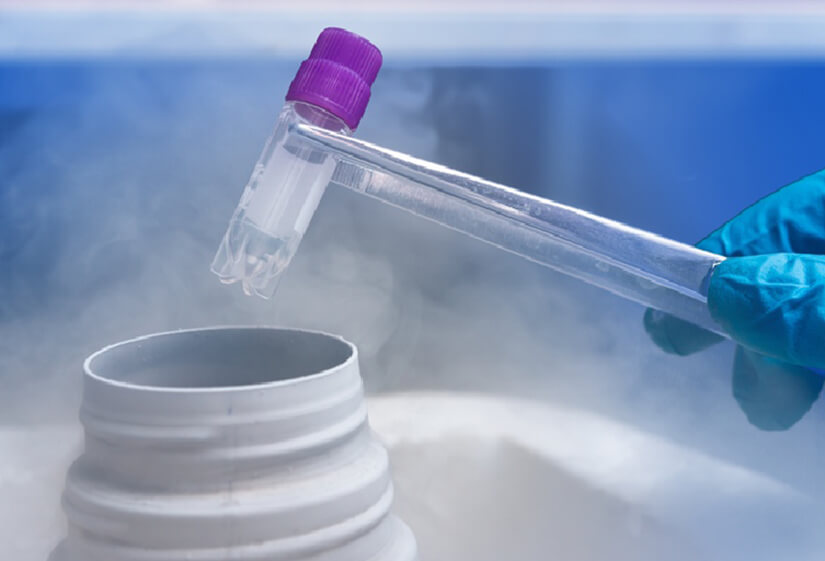
Egg freezing, also known as mature oocyte cryopreservation, is a fertility preservation method that allows women to safeguard their reproductive potential by harvesting eggs at a younger age for future use.
This process involves collecting eggs from the ovaries, freezing them in an unfertilized state, and storing them until needed.
General shopping ideas, independent of this article’s advice.
Swipe to compare products → Biofinest Effervescent Vitamin C 1000mg D3 Zinc Collagen Multivitamin Calcium Magnesium Zinc Tablets Drink Sugar FreeFrom S$5.95Biofinest Probiotic 50 Billion CFU Enzyme Supplement 12 + 3 Prebiotics – Diet Slimming Eczema Detox Men Women (60 caps)From S$22.40Estalife Magnesium Glycinate 1000MG | Heart, Bone, Muscle, Sleep, Mood Health | 60 Veg CapsFrom S$13.99
Prices may vary by option. Check the final price and delivery on Shopee.
When a woman decides to use her frozen eggs, they are thawed, combined with sperm through intracytoplasmic sperm injection (ICSI), and implanted in her uterus through in vitro fertilization (IVF).
Read more: A Comprehensive Guide to In-Vitro Fertilisation (IVF) in Singapore
Egg Freezing in Singapore: Legal Framework
Starting from July 1, 2023, Singapore has legalized elective egg freezing for non-medical reasons, representing a significant shift in the country’s approach to fertility preservation.
Women aged between 21 and 37, regardless of marital status, can now undergo this procedure at authorized fertility centers like Raffles Fertility Centre.
It’s important to note that while any eligible woman can freeze her eggs, Singapore’s Ministry of Health stipulates that only legally married women can use their frozen eggs for pregnancy.
Women over 45 who wish to use their frozen eggs must undergo additional health and psychological assessments according to MOH guidelines.
Reasons for Egg Freezing
Women may choose to freeze their eggs for various reasons:
Medical Considerations
- Medical conditions affecting fertility, such as sickle cell anemia, autoimmune diseases like lupus, or low egg reserves (often following ovarian cyst removal)
- Preservation before undergoing cancer treatments like radiation or chemotherapy that might damage fertility
- Protection against other medical procedures that could impact reproductive capacity
Read more: Endometriosis Treatment in Singapore
Personal Planning
- Preserving younger, healthier eggs for future family planning
- Career advancement or educational pursuits that may delay family formation
- Absence of a suitable partner at the time when fertility is optimal
- Taking control of one’s reproductive timeline while pursuing other life goals
The Egg Freezing Process
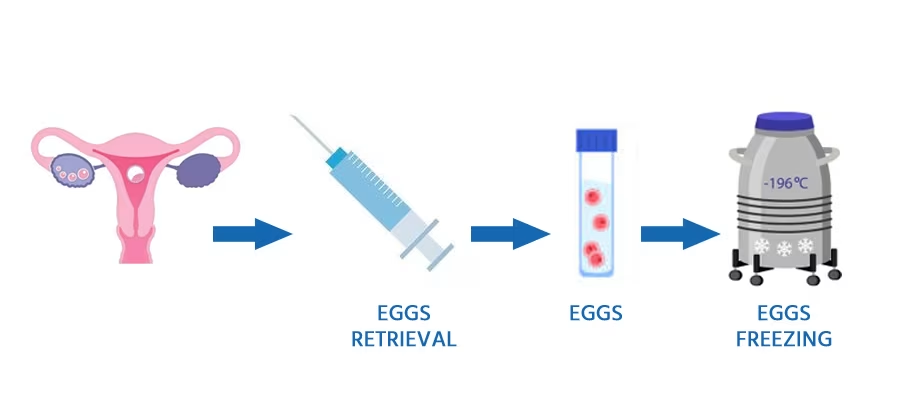
The egg freezing journey involves several key stages:
1. Initial Consultation and Testing
Before beginning the egg freezing process, you’ll undergo several tests:
- Ovarian reserve testing to measure the quantity and quality of eggs through Anti-Müllerian Hormone (AMH) blood tests
- Ultrasound examination of the ovaries to assess ovarian function and check for conditions like ovarian cysts
- Reproductive hormone tests like FSH, LH, and Estradiol to determine the appropriate treatment plan
- Screening for infectious diseases including HIV, hepatitis B and C, cytomegalovirus, and rubella
Related article: HIV Testing in Singapore: Everything You Need to Know
2. Ovarian Stimulation
- Daily hormonal injections of follicle-stimulating hormone (FSH) and sometimes luteinizing hormone (LH) for approximately two weeks
- These hormones stimulate the ovaries to produce multiple eggs instead of the single egg typically produced during a normal menstrual cycle
- Regular monitoring through ultrasounds and blood tests to track follicle growth and development
You might be interested: HPV Vaccination in Singapore: A Comprehensive Guide
3. Egg Retrieval
- Once the follicles reach optimal size, a minor surgical procedure called transvaginal ultrasound-guided oocyte retrieval is performed
- This procedure is conducted under sedation or anesthesia and typically takes about 15-30 minutes
- Using a thin needle guided by ultrasound, the eggs are gently suctioned from the follicles
- Most women return to normal activities within a day or two, though you may receive medical leave for 3-5 days
4. Cryopreservation
- Retrieved eggs are examined by embryologists to determine maturity
- Mature eggs are frozen through vitrification, a rapid freezing technique that prevents ice crystal formation
- The eggs are placed in a protective medium in tiny straws and stored in liquid nitrogen at -196°C
- Frozen eggs can be stored for many years without significant deterioration
You might like: Hysterectomy in Singapore: Costs, Risks, Treatment
Preparing for Egg Freezing
Preparing your body for egg freezing can optimize the chances of success:
- Maintain a healthy diet and lifestyle
- Achieve a normal BMI (19-25) to help with ovarian response
- Exercise moderately for at least 150 minutes per week
- Avoid substances harmful to egg quality:
- Quit smoking at least 3 months before beginning the process
- Reduce caffeine consumption
- Minimize alcohol intake
- Avoid recreational drugs
- Manage any existing medical conditions like diabetes or thyroid disorders
- Reduce stress levels through appropriate self-care measures
If you’re currently using hormonal birth control, your fertility specialist may recommend discontinuing it a month before starting the egg freezing process.
This “rest period” allows your ovaries to resume normal function, potentially improving response to fertility medications.
IUDs don’t necessarily need to be removed during egg freezing.
This might help: Menopause Treatment Singapore
Understanding Success Rates and Factors
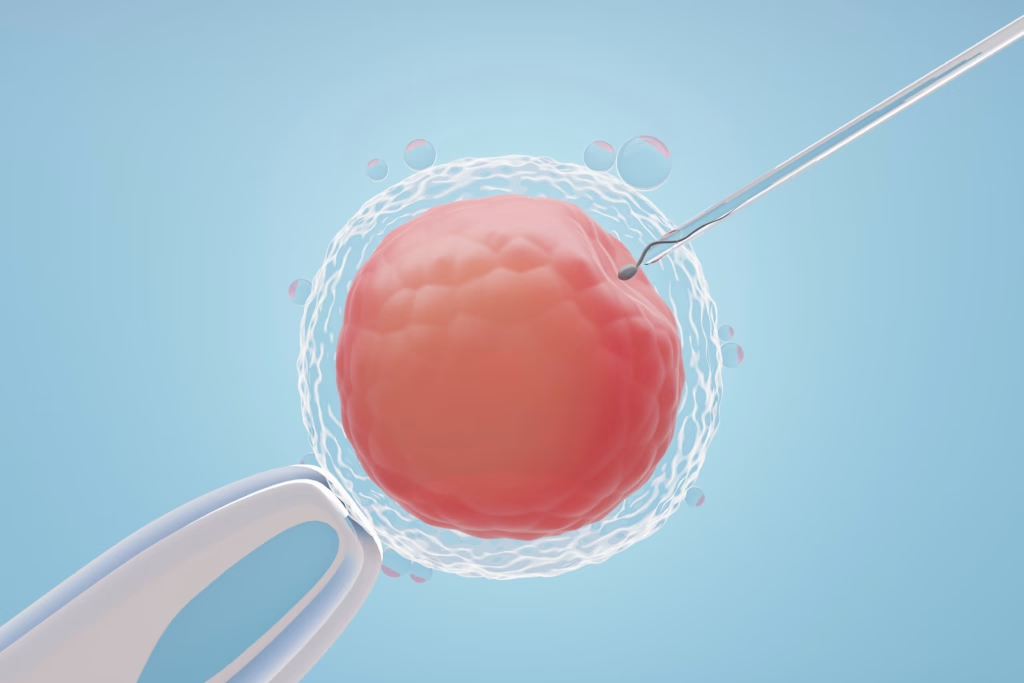
The success of egg freezing depends on several key factors:
Age at Freezing
Age is the most critical factor affecting egg freezing success. Women who freeze eggs at a younger age typically have better outcomes:
- Women in their 20s to early 30s have higher numbers of healthy eggs with fewer chromosomal abnormalities
- By late 30s, approximately half of a woman’s eggs may have chromosomal abnormalities
- Monthly pregnancy chances drop to about 5% by the time a woman reaches her 40s
Read more: Understanding Low Libido in Women: Causes, Treatment and Impact
Number of Eggs Retrieved and Stored
The number of eggs needed varies by age:
- For a 60% chance of live birth:
- Age 30: approximately 5 eggs needed
- Age 34: approximately 10 eggs needed
- Age 38: approximately 15 eggs needed
- Multiple egg collection cycles may be necessary to obtain sufficient eggs for future use
Egg Survival Rates Through the Process
Not all eggs will successfully navigate the freezing, thawing, and fertilization process:
- Approximately 90% of eggs survive the thawing process for women under 36
- Survival rates drop to about 80% for women over 36
- Around 50-70% of thawed eggs will fertilize successfully with sperm
- About 40-50% of fertilized eggs develop into good quality embryos
- Approximately 50% of transferred quality embryos result in pregnancy
Risks and Considerations
As with any medical procedure, egg freezing carries certain risks:
Physical Risks
- Ovarian Hyperstimulation Syndrome (OHSS): While rare, fertility medications can cause ovaries to become swollen and painful. Severe OHSS can lead to shortness of breath, fluid retention, and blood clots
- Complications from egg retrieval: Rare risks include bleeding, infection, or damage to surrounding tissues
- Side effects from medications: Some women experience symptoms similar to PMS, including bloating, breast tenderness, and mood fluctuations
Emotional Considerations
- Emotional stress during the process
- Managing expectations about future success rates
- Understanding that egg freezing doesn’t guarantee future pregnancy
- Higher miscarriage risks for women who froze eggs at an older age
Financial Aspects
- The significant cost of the procedure and ongoing storage fees
- Potential need for multiple egg retrieval cycles
- Future costs associated with thawing, fertilization, and implantation
Costs of Egg Freezing in Singapore
The Elective Egg Freezing Package at Raffles Fertility Centre costs $12,888 (inclusive of GST). This package includes:
- Preconception test
- Cycle management (consultation and ultrasound scan)
- Fertility medications/injections (Gonal F, Puregon, or Rekovelle)
- Oocyte pick-up and freezing
- First year of storage
Additional costs not covered in the package:
- Initial consultations and scans before stimulation begins
- AMH and other hormone/blood tests
- Storage fees after the first year (approximately $250-500 annually)
- Any medications or supplements not listed in the package
- Nursing injection fees
- Future costs for thawing, fertilization, and embryo transfer
Age and Egg Quality: The Biological Clock
Understanding the relationship between age and fertility is crucial when considering egg freezing:
The Biological Reality
- Women are born with all the eggs they will ever have—about 1-2 million at birth
- By puberty, this number decreases to approximately 300,000-400,000
- Only one egg typically matures during each menstrual cycle while others from that cycle degenerate
- From age 35 onwards, both egg quantity and quality decline more rapidly
- By late 30s, around 50% of eggs may have chromosomal abnormalities
- These abnormalities often lead to failed implantation or miscarriage
The Advantage of Freezing Earlier
Freezing eggs at a younger age essentially “stops the clock” on egg aging. If a woman freezes eggs at 30 and uses them at 40, her chances of success and risk of miscarriage are more comparable to those of a 30-year-old woman than a 40-year-old.
While the ovaries age, the uterus typically remains healthy until around age 50, allowing for successful pregnancies using younger frozen eggs even in a woman’s 40s.
Special Considerations for Older Women
Women over 35 considering egg freezing should be aware of certain additional factors:
- Lower number of eggs retrieved during the process
- Higher likelihood of chromosomal abnormalities in eggs
- Potentially needing multiple egg retrieval cycles
- Higher pregnancy risks if using eggs later in life, including:
- Increased risk of miscarriage
- Greater chance of pregnancy complications like hypertension and gestational diabetes
- Higher risk of intrauterine growth restriction
- More complex deliveries
Women over 45 who wish to use their frozen eggs in Singapore must fulfill the MOH Extended Health Screening and Psychological Screening Criteria due to increased health risks associated with advanced maternal age.
FAQ About Egg Freezing in Singapore
How many eggs do I have?
Women are born with all the eggs they will ever have. At 20 weeks gestation, a female fetus has about 6 million eggs.
By birth, this number drops to 1-2 million, and by puberty, only about 300,000-400,000 remain. During each menstrual cycle, one egg typically matures while others present that month degenerate.
You can undergo testing to determine your current ovarian reserve through blood tests measuring Anti-Müllerian Hormone (AMH) and transvaginal ultrasound to count antral follicles.
How do I know if egg freezing would work for me?
Suitability for egg freezing is assessed through age evaluation and ovarian reserve testing.
These tests include blood work to measure hormone levels and a transvaginal ultrasound to examine your ovaries.
The results provide information about your egg quantity and quality, helping you and your doctor determine if egg freezing is appropriate for your situation.
How do I check my fertility?
True fertility can only be definitively determined by achieving pregnancy. Tests like AMH levels and antral follicle counts primarily indicate egg quantity rather than quality.
While these tests provide valuable information about ovarian reserve, they cannot guarantee future fertility success.
Your age and pregnancy history also offer insights into your reproductive potential.
What does a low AMH mean?
Anti-Müllerian Hormone (AMH) helps assess ovarian reserve—the remaining egg supply. A normal AMH range for fertile women aged 20-38 is approximately 14.2-28.6 pmol/l. Lower AMH levels suggest reduced ovarian reserve but don’t necessarily indicate poor egg quality until levels become extremely low. AMH is just one factor in the fertility equation and should be considered alongside age and other fertility markers.
How can I prepare my body for egg freezing?
Optimize your body for egg freezing by:
- Following a balanced, nutrient-rich diet
- Maintaining a healthy BMI between 19-25
- Exercising moderately for at least 150 minutes weekly
- Quitting smoking at least 3 months before treatment
- Limiting alcohol and caffeine consumption
- Avoiding recreational drugs
- Managing chronic conditions like diabetes or thyroid disorders
- Practicing stress-reduction techniques
- Taking prenatal vitamins or supplements as recommended by your doctor
How long does the egg freezing process take?
The entire egg freezing process typically spans 4-6 weeks from initial consultation to egg retrieval.
The ovarian stimulation phase lasts about 10-14 days, followed by the egg retrieval procedure.
The timeline may vary based on your individual circumstances and response to the fertility medications.
What does the egg freezing process involve?
The egg freezing process consists of three main stages:
- Fertility assessment through blood tests and ultrasound to evaluate your current fertility status
- Ovarian stimulation using hormone medications to produce multiple eggs
- Egg retrieval and freezing, where eggs are collected under mild sedation and cryopreserved
Is freezing your eggs painful?
During ovarian stimulation, some women experience bloating and discomfort similar to premenstrual syndrome symptoms.
The egg retrieval procedure itself is performed under sedation, so you shouldn’t feel pain during the process.
Following retrieval, you might experience mild discomfort similar to menstrual cramps, which typically subsides within a few days and can be managed with over-the-counter pain relievers.
What are the side effects of hormone medications?
Side effects from fertility medications vary considerably between individuals. Some women experience minimal effects, while others may have symptoms similar to intense PMS, including:
- Bloating
- Breast tenderness
- Mood fluctuations
- Headaches
- Fatigue
- Mild injection site reactions Serious side effects like OHSS are rare but require immediate medical attention.
Do you offer assistance with medication injections?
Yes, fertility clinics in Singapore provide injection training sessions and instructional videos to teach you the proper technique for administering the medications.
The injection needles are typically very small, similar to those used for insulin. If you’re uncomfortable with self-injection, nursing services may be available at an additional cost.
Do I have to stop birth control before I freeze eggs?
Birth control pills or patches should be discontinued before beginning the egg freezing process as they suppress ovulation.
For those who have been on hormonal birth control for an extended period, doctors often recommend a one-month “rest” period to allow the ovaries to resume normal function.
IUDs typically don’t need to be removed during the egg freezing process. You can resume birth control after the egg retrieval procedure is complete.
How many eggs would you recommend freezing, and is the number dependent on age?
The recommended number of eggs to freeze depends on your age and ovarian reserve. Generally:
- For women under 35 with good ovarian function: 10-15 mature eggs
- For women over 35 or those with reduced ovarian function: consult with your doctor to determine the ideal number of attempts
Research suggests that for a 60% chance of live birth:
- At age 30: approximately 5 eggs needed
- At age 34: approximately 10 eggs needed
- At age 38: approximately 15 eggs needed
Multiple egg collection cycles may be necessary to achieve these targets.
When coming back to use my frozen eggs, how many are thawed at a time?
When you’re ready to use your frozen eggs, the number thawed depends on your specific situation and goals. Typically, not all eggs are thawed at once unless necessary.
The thawed eggs will be fertilized using intracytoplasmic sperm injection (ICSI), where a single sperm is injected directly into each egg.
This technique is essential because the egg’s outer layer hardens during freezing, making natural fertilization difficult.
Your fertility specialist will help determine the optimal number of eggs to thaw based on factors like your egg count, the age at which they were frozen, and your partner’s sperm quality.
If I come back to use my eggs at a later date, would I have to go through in vitro fertilization (IVF) again?
When you freeze eggs, you’re completing a significant portion of the IVF process—essentially the “IV” (in vitro) part.
When you return to use your eggs, you’ll need to complete the “F” (fertilization) part. This includes thawing the eggs, fertilizing them with sperm through ICSI, culturing the resulting embryos, and transferring them to your uterus.
You won’t need to undergo ovarian stimulation or egg retrieval again if you have sufficient frozen eggs.
Does it matter how old I am when I decide to use my eggs?
Your age when using frozen eggs impacts the pregnancy process but not the egg quality. If you freeze eggs at 32 and use them at 42, your chances of success and miscarriage risk are more similar to those of a 32-year-old than a 42-year-old.
However, pregnancy at an advanced age (particularly over 45) carries additional health risks including hypertension, gestational diabetes, and complicated deliveries.
In Singapore, women over 45 must fulfill MOH screening criteria before undergoing assisted reproduction. The uterus generally remains healthy for pregnancy until around age 50 for most women in good health.
How can I be sure that my eggs are only used for me and are not used for other patients?
Your frozen eggs are your personal property with strict protocols ensuring their security. Fertility clinics implement rigorous quality checks and identity safeguards, including:
- Detailed labeling and tracking systems
- Secure storage in separate containers
- Multiple verification procedures
- Comprehensive documentation of your exact egg count
Upon completing the egg freezing procedure, you’ll receive a detailed summary report confirming the number of eggs stored.
Clinics maintain strict ethical guidelines preventing your eggs from being used without your explicit consent.
Will I hurt my future fertility by freezing my eggs?
Egg freezing does not impair your future fertility. During a normal menstrual cycle, many immature eggs compete to become the single egg released during ovulation, with the remaining eggs naturally degrading.
The egg freezing process simply retrieves these eggs before they degenerate, rather than taking eggs that would otherwise contribute to future fertility.
After egg retrieval, your body continues its normal cycles and fertility remains unaffected.
What if I do not need these frozen eggs and would like to consider donating them?
If you decide you no longer need your frozen eggs, donation may be an option depending on the policies of your fertility center.
This important decision requires thorough discussion with your doctor. Additional blood tests may be required before eggs can be donated.
Policies regarding egg donation vary between clinics, so it’s essential to understand the specific guidelines of your facility regarding disposition options for unused eggs.
What is the best age to freeze eggs?
The ideal age for egg freezing balances egg quality against the likelihood of needing the eggs later.
Women in their early 30s (around 30-35) are generally considered to be in the optimal window, with age 32-35 being particularly favorable.
At this age, women typically still have good egg quality and quantity while being more likely to actually use the frozen eggs in the future than women in their 20s, who may conceive naturally without needing their frozen eggs.
While freezing eggs younger typically yields better results, women up to age 37 can still benefit from the procedure, although they may require multiple egg retrieval cycles.
General shopping ideas, independent of this article’s advice.
Swipe to compare products →Biofinest Gummy Vitamin Supplement – Beauty Energy Sleep Metabolism Men Women Kids Probiotics Multivitamin (60 Gummies)From S$17.95Tradishot Immunity Boost Drink | Turmeric Shot (Extra Strength) | Boost Immunity Energy & Well-being [7x35mL]S$38.00Optimum Nutrition, Gold Standard, 100% Whey Protein Powder, 2lbs (907g ) / 5 lbs (2.27 kg) / 10 lbs (4.54 kg)From S$82.89Prices may vary by option. Check the final price and delivery on Shopee.