
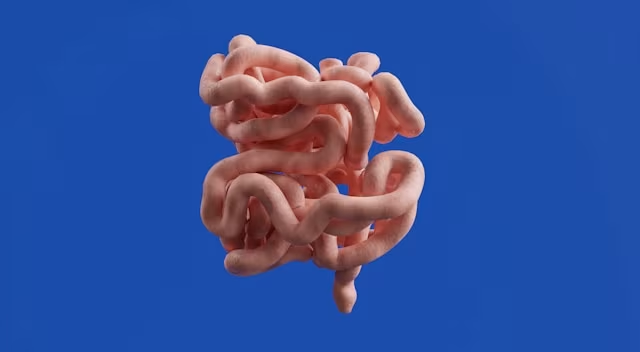

Celiac disease is a serious autoimmune disorder where the consumption of gluten triggers an immune response that damages the small intestine.
When individuals with celiac disease consume foods containing gluten—a protein found in wheat, barley, and rye—their immune system reacts by attacking the small intestine.
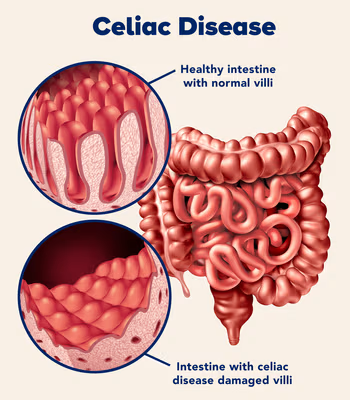
This attack damages the villi, the tiny finger-like projections lining the small intestine responsible for nutrient absorption.
General shopping ideas, independent of this article’s advice.
Swipe to compare products → Biofinest Effervescent Vitamin C 1000mg D3 Zinc Collagen Multivitamin Calcium Magnesium Zinc Tablets Drink Sugar FreeFrom S$5.95Biofinest Probiotic 50 Billion CFU Enzyme Supplement 12 + 3 Prebiotics – Diet Slimming Eczema Detox Men Women (60 caps)From S$22.40Estalife Magnesium Glycinate 1000MG | Heart, Bone, Muscle, Sleep, Mood Health | 60 Veg CapsFrom S$13.99
Prices may vary by option. Check the final price and delivery on Shopee.
Over time, this damage prevents proper nutrient absorption, leading to various health complications including malnutrition, anemia, and osteoporosis.
Unlike food allergies or intolerances, celiac disease is a medical condition that can have serious long-term health implications if left untreated.
It’s estimated that celiac disease affects approximately 1% of the population worldwide, making it relatively common among autoimmune disorders.
However, many cases remain undiagnosed or are diagnosed after significant delays, increasing the risk of complications.
Read more: Which Gastroenterologist in Singapore Should You Consider?
Recognizing the Symptoms of Celiac Disease
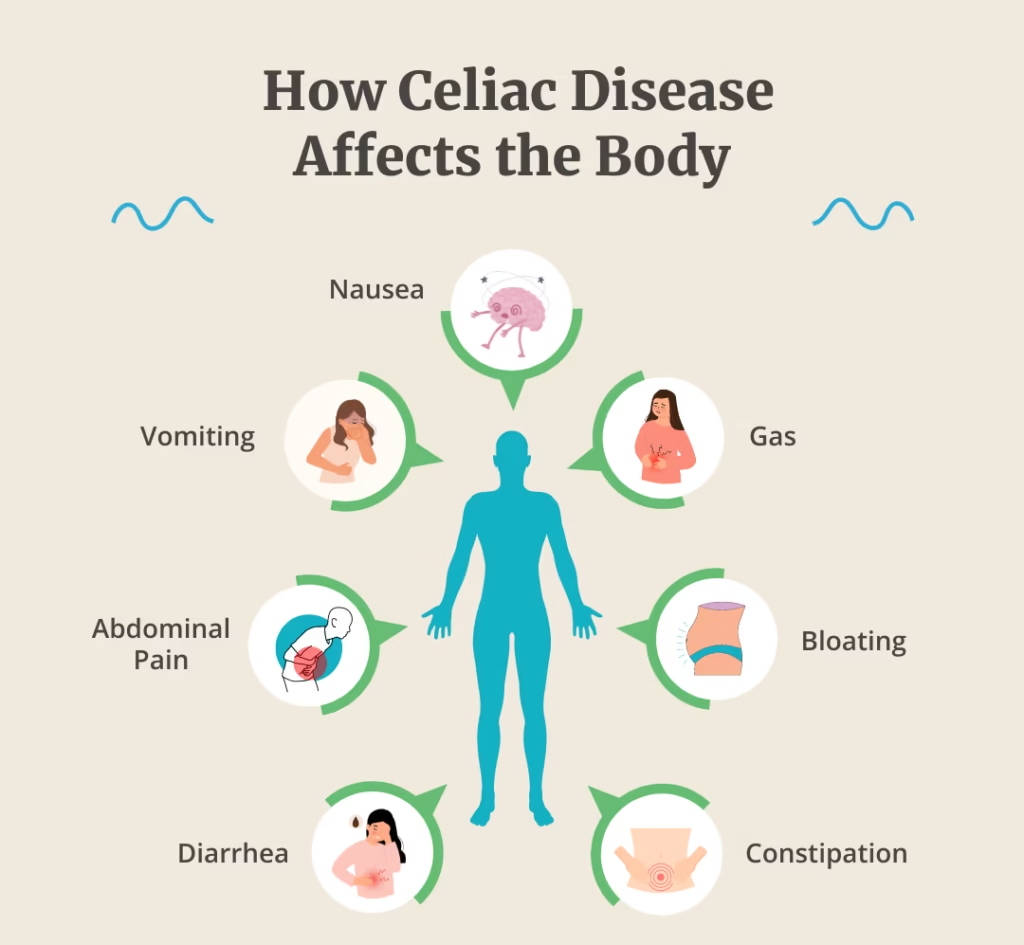
Celiac disease presents with a wide range of symptoms that vary significantly among individuals, making diagnosis challenging.
Some people may experience primarily digestive issues, while others might have symptoms that appear unrelated to the digestive system.
Common Digestive Symptoms
- Diarrhea and constipation: Frequent, persistent bouts of diarrhea or constipation are common, especially in children
- Bloating and gas: Excessive gas and abdominal bloating after consuming gluten
- Abdominal pain: Chronic abdominal discomfort that can affect daily activities
- Nausea and vomiting: Ranging from mild nausea to severe vomiting after gluten consumption
Related article: Functional Dyspepsia Treatment in Singapore
Non-Digestive Symptoms
- Fatigue: Persistent tiredness due to nutrient malabsorption and anemia
- Weight changes: Unexplained weight loss due to malnutrition or, in some cases, weight gain from inflammation-related water retention
- Skin rash (Dermatitis herpetiformis): Intensely itchy, blistering rashes typically appearing on elbows, knees, buttocks, and sometimes the scalp or back
- Anemia: Iron deficiency anemia resulting from poor iron absorption, causing paleness, dizziness, and shortness of breath
- Neurological symptoms: Headaches, anxiety, depression, or tingling and numbness in extremities
- Bone and joint problems: Joint pain and frequent fractures due to calcium and vitamin D malabsorption
This might be helpful: Acid Reflux and GERD in Singapore: Causes, Symptoms, and Treatments
Symptoms in Children
- Poor growth: Failure to thrive or stunted growth
- Delayed puberty: Hormonal imbalances due to nutritional deficiencies
- Dental enamel defects: Permanent damage to tooth enamel
- Attention and learning disabilities: Cognitive issues related to nutritional deficiencies
It’s important to note that some individuals with celiac disease may be asymptomatic despite having intestinal damage.
These “silent” cases are often discovered during screening for other conditions or due to family history.
Causes and Risk Factors for Celiac Disease
Celiac disease develops from a combination of genetic, environmental, and dietary factors.
Understanding these factors can help identify individuals at higher risk who may benefit from screening.
You might be interested: Irritable Bowel Syndrome (IBS): Causes, Symptoms and Treatment in Singapore
Genetic Factors
Celiac disease has a strong hereditary component. The condition is strongly associated with specific gene variants, particularly HLA-DQ2 and HLA-DQ8.
Individuals with first-degree relatives (parents, siblings, or children) with celiac disease have a significantly higher risk of developing the condition themselves—approximately 10-15% compared to the general population.
Autoimmune Conditions
People with other autoimmune disorders have an increased risk of developing celiac disease. Common associated conditions include:
- Type 1 diabetes
- Autoimmune thyroid diseases (Hashimoto’s thyroiditis or Graves’ disease)
- Rheumatoid arthritis
- Microscopic colitis
- Addison’s disease
The presence of one autoimmune condition often increases susceptibility to others due to shared genetic and immunological factors.
Read more: Type 1 Diabetes Treatment in Singapore: Causes, Risks
Environmental Triggers
Several environmental factors may trigger the onset of celiac disease in genetically predisposed individuals:
- Infections or viral illnesses
- Pregnancy
- Surgery
- Severe emotional stress
- Early-life dietary factors (timing of gluten introduction in infancy)
These triggers can disrupt the immune system and initiate the abnormal response to gluten that characterizes celiac disease.
Related article: Health Screening in Singapore
Diagnosing Celiac Disease in Singapore
Accurate diagnosis of celiac disease is crucial for proper management.
In Singapore, gastroenterologists and pediatric specialists follow a comprehensive diagnostic approach that typically includes several steps.
Blood Tests
The first step in diagnosis usually involves blood tests to detect celiac-specific antibodies:
- Tissue transglutaminase antibodies (tTG-IgA): The most sensitive and specific test for celiac disease
- Endomysial antibodies (EMA): Highly specific for celiac disease
- Deamidated gliadin peptide antibodies (DGP): Useful in cases where IgA may be deficient
These tests must be performed while the patient is still consuming gluten, as antibody levels decrease when gluten is removed from the diet.
This might help: Best JB Health Screening Clinics for Singaporeans
Genetic Testing
Genetic testing for HLA-DQ2 and HLA-DQ8 genes can help determine genetic susceptibility.
While having these genes doesn’t confirm celiac disease (as many people with these genes never develop the condition), their absence can help rule out the disease.
Endoscopy with Biopsy
The gold standard for confirming celiac disease is an upper gastrointestinal endoscopy with small intestine biopsies. During this procedure:
- A thin, flexible tube with a camera examines the small intestine
- Small tissue samples are collected from the duodenum (first part of the small intestine)
- These samples are examined under a microscope to identify villous atrophy, crypt hyperplasia, and inflammation—hallmarks of celiac disease
In Singapore, this procedure is performed by gastroenterologists in major hospitals and specialized digestive health centers.
Capsule Endoscopy
In some cases, particularly when traditional endoscopy is inconclusive or other conditions are suspected, capsule endoscopy may be used.
This involves swallowing a small camera capsule that captures images of the entire small intestine, providing a more comprehensive view of intestinal damage.
Treatment Options for Celiac Disease in Singapore
Treatment of celiac disease focuses on eliminating gluten from the diet, addressing nutritional deficiencies, and managing complications.
In Singapore, a multidisciplinary approach involving gastroenterologists, dietitians, and sometimes other specialists provides comprehensive care.
Non-Surgical Treatment
Gluten-Free Diet
The cornerstone of celiac disease treatment is a strict, lifelong gluten-free diet. This means eliminating all foods containing wheat, barley, rye, and their derivatives.
In Singapore, patients are typically referred to registered dietitians who specialize in celiac disease management to help navigate this significant dietary change.
The gluten-free diet requires avoiding:
- Wheat products (including semolina, durum, emmer, bulgur, spelt, farina, Kamut)
- Barley (and malt made from barley)
- Rye
- Most beers, ales, and lagers
- Many processed foods containing hidden gluten
Safe alternatives include:
- Rice and rice-based products
- Corn (maize)
- Quinoa
- Millet
- Buckwheat
- Tapioca
- Certified gluten-free oats
You might like: Non-Invasive Body Contouring Treatments in Singapore
In Singapore, availability of gluten-free products has improved significantly in recent years, with specialized sections in major supermarkets and dedicated gluten-free stores.
Many restaurants also offer gluten-free options, though careful questioning about food preparation is essential to avoid cross-contamination.
Nutritional Supplements
Patients with celiac disease often require supplementation to address deficiencies resulting from malabsorption. Common supplements prescribed in Singapore include:
- Iron for anemia
- Calcium and vitamin D for bone health
- B vitamins, particularly B12 and folate
- Zinc and other trace minerals
These supplements support recovery and help maintain overall health while the intestine heals following gluten elimination.
Medication
While medications cannot cure celiac disease, they may help manage specific symptoms or complications:
- Dapsone or other anti-inflammatory drugs: May be prescribed to control the skin rashes associated with dermatitis herpetiformis
- Corticosteroids: In cases of severe intestinal inflammation or persistent symptoms despite dietary changes
- Immunosuppressants: May be necessary for refractory celiac disease (when symptoms persist despite strict gluten avoidance)
Surgical Treatment
Surgery is rarely indicated for celiac disease itself but may be necessary for complications. A small bowel resection—removing a damaged portion of the small intestine—may be considered if complications arise, such as:
- Intestinal cancer
- Obstruction or strictures
- Severe ulcers
- Perforation
After surgery, the remaining parts of the intestine are reconnected to allow digestion to continue.
This approach is only considered when dietary changes and medications prove ineffective.
Specialized Celiac Disease Care in Singapore
Singapore offers comprehensive care for celiac disease patients through both public and private healthcare systems.
Several gastroenterology centers in Singapore specialize in the diagnosis and management of celiac disease and other digestive disorders.
Key healthcare providers include:
- Major public hospitals with gastroenterology departments
- Private specialist clinics focusing on digestive health
- Pediatric gastroenterology services for children with celiac disease
These facilities offer the full spectrum of diagnostic tests, nutritional counseling, and ongoing management for celiac disease.
Many providers create personalized treatment plans that include:
- Regular monitoring of nutritional status
- Follow-up endoscopies to assess intestinal healing
- Support for maintaining a gluten-free lifestyle
- Management of associated conditions
Living with Celiac Disease in Singapore
Managing celiac disease in Singapore requires practical strategies for maintaining a gluten-free lifestyle while navigating local food culture.
Practical Tips for Gluten-Free Living
- Develop a go-to home menu: Create a repertoire of gluten-free recipes using locally available ingredients
- Carry gluten-free snacks: Keep emergency snacks in your bag, car, or office for situations where gluten-free options are limited
- Research restaurant options: Identify restaurants with reliable gluten-free menus or where staff understand cross-contamination concerns
- Use translation cards: For expatriates or when dining at local establishments where English may be limited
- Join support groups: Connect with others living with celiac disease in Singapore for recommendations and emotional support
Resources in Singapore
Several resources are available to support individuals with celiac disease in Singapore:
- Dietitian services in major hospitals
- Online communities and support groups
- Specialty stores with gluten-free products
- Apps that help identify gluten-free options in local restaurants
Long-term Management
Long-term management of celiac disease requires:
- Regular medical follow-up: Monitoring for nutritional deficiencies and potential complications
- Strict dietary adherence: Maintaining a 100% gluten-free diet for life
- Vigilance for hidden gluten: Checking medications, supplements, and processed foods for gluten-containing ingredients
- Prevention of cross-contamination: Using separate cooking utensils and preparation areas for gluten-free foods
With proper management, most people with celiac disease can lead healthy, symptom-free lives and prevent the long-term complications associated with the condition.
Potential Complications of Untreated Celiac Disease
Left untreated, celiac disease can lead to serious health complications. Understanding these risks emphasizes the importance of proper diagnosis and management.
Nutritional Complications
- Osteoporosis and bone fractures: Due to calcium and vitamin D malabsorption
- Anemia: From iron, folate, or vitamin B12 deficiencies
- Vitamin and mineral deficiencies: Affecting various body systems
- Growth retardation in children: Leading to short stature and delayed development
Digestive System Complications
- Malnutrition: Despite adequate food intake
- Additional food intolerances: Particularly lactose intolerance
- Intestinal ulcers: Potential for perforation in severe cases
- Intestinal strictures: Narrowing of the intestine due to scarring
- Collagenous sprue: A rare condition causing permanent collagen deposits in the intestinal lining
Other Systemic Complications
- Increased risk of other autoimmune disorders: More likely the longer celiac disease goes untreated
- Neurological problems: Including peripheral neuropathy and ataxia
- Pregnancy complications: Higher rates of miscarriage and preterm delivery
- Liver disease: Elevated liver enzymes and progressive liver damage
- Increased cancer risk: Primarily intestinal lymphoma and adenocarcinoma
Early diagnosis and strict adherence to a gluten-free diet significantly reduce these risks, emphasizing the importance of proper medical care.
Recent Advances in Celiac Disease Treatment
While the gluten-free diet remains the cornerstone of celiac disease management, research into additional treatment options continues. Some promising areas include:
- Enzyme supplements: To help break down gluten in the digestive tract
- Tight junction regulators: To prevent gluten from passing through the intestinal barrier
- Immunomodulatory therapies: To reduce the immune response to gluten
- Gluten vaccines: To induce tolerance to gluten
These approaches may eventually offer additional options for managing celiac disease, though they are not yet approved for clinical use.
Frequently Asked Questions About Celiac Disease
What is the difference between celiac disease and gluten sensitivity?
Celiac disease is an autoimmune disorder where gluten consumption causes damage to the small intestine. It can be diagnosed through specific blood tests and intestinal biopsies.
Non-celiac gluten sensitivity, on the other hand, causes symptoms similar to celiac disease but does not result in intestinal damage and cannot be detected through the same diagnostic tests.
While both conditions improve with gluten elimination, celiac disease has more serious long-term health implications if untreated.
Can children outgrow celiac disease?
No, celiac disease is a lifelong condition that cannot be outgrown. Once diagnosed, individuals must maintain a strict gluten-free diet permanently.
The good news is that with proper dietary management, children with celiac disease can grow and develop normally, and symptoms typically resolve once gluten is removed from their diet.
How long does it take to see improvement after starting a gluten-free diet?
Many people begin to feel better within days to weeks after eliminating gluten from their diet. Digestive symptoms often improve first, while other symptoms may take longer to resolve. Complete healing of the intestinal lining typically takes several months to years, depending on the extent of damage before diagnosis. Regular follow-up with healthcare providers can monitor this healing process.
Can celiac disease develop suddenly in adulthood?
Yes, celiac disease can develop at any age, including adulthood, even after years of consuming gluten without noticeable issues.
Environmental triggers like stress, pregnancy, surgery, or viral infections may activate the disease in genetically predisposed individuals.
This is why some people report a sudden onset of symptoms despite having consumed gluten their entire lives.
Are there any medications that can allow someone with celiac disease to eat gluten?
Currently, there are no approved medications that allow people with celiac disease to safely consume gluten.
Research into potential treatments is ongoing, but at present, the only effective management is strict gluten avoidance.
Some over-the-counter enzyme supplements claim to help with gluten digestion, but these are not FDA-approved for celiac disease treatment and should not replace a gluten-free diet.
How do I avoid cross-contamination when preparing gluten-free foods?
To avoid cross-contamination:
- Use separate toasters, cutting boards, and utensils for gluten-free foods
- Prepare gluten-free foods before handling gluten-containing foods
- Clean cooking surfaces thoroughly before preparing gluten-free items
- Store gluten-free products on upper shelves to prevent crumbs falling from above
- Use separate containers for condiments like butter, jam, and peanut butter to prevent crumb transfer
- Consider having designated gluten-free cooking equipment for items like pasta strainers that are difficult to clean completely
Can I drink alcohol if I have celiac disease?
Some alcoholic beverages are naturally gluten-free, while others contain gluten or may be cross-contaminated during production. Safe options generally include:
- Wine (all varieties)
- Distilled spirits (even those made from wheat, as the distillation process removes gluten proteins)
- Ciders (check for gluten-containing additives)
- Gluten-free labeled beers
Beverages to avoid include traditional beers, lagers, ales, and malt beverages. Always check labels or contact manufacturers if uncertain about a product’s gluten content.
How do I handle social situations and eating out with celiac disease?
Managing social situations with celiac disease requires planning and communication:
- Research restaurants in advance and call ahead to discuss options
- Explain your needs clearly to servers and kitchen staff
- Consider eating something before attending events where safe options might be limited
- Offer to bring a dish to share at gatherings
- Use smartphone apps that identify gluten-free friendly restaurants
- Carry a small card explaining celiac disease requirements for kitchen staff
- Join support groups to learn from others’ experiences with local dining options
What should I do if I accidentally consume gluten?
If you accidentally consume gluten, stay hydrated and rest. Unfortunately, there’s no medication to immediately counteract gluten exposure.
Different people react differently—some may experience symptoms within hours, while others might not have symptoms for days.
Monitor your symptoms and contact your healthcare provider if they become severe or persistent. Return to strict gluten avoidance after the exposure and give your body time to recover.
Is a gluten-free diet healthier for everyone?
A gluten-free diet is medically necessary for people with celiac disease and may benefit those with non-celiac gluten sensitivity.
However, there’s no conclusive evidence that it provides health benefits for the general population without these conditions.
In fact, without proper planning, gluten-free diets can lack essential nutrients found in whole grains.
Many gluten-free substitutes are also higher in sugar, fat, and calories than their gluten-containing counterparts. Anyone considering a gluten-free diet should consult with a healthcare provider or dietitian.
General shopping ideas, independent of this article’s advice.
Swipe to compare products →Biofinest Gummy Vitamin Supplement – Beauty Energy Sleep Metabolism Men Women Kids Probiotics Multivitamin (60 Gummies)From S$17.95Tradishot Immunity Boost Drink | Turmeric Shot (Extra Strength) | Boost Immunity Energy & Well-being [7x35mL]S$38.00Optimum Nutrition, Gold Standard, 100% Whey Protein Powder, 2lbs (907g ) / 5 lbs (2.27 kg) / 10 lbs (4.54 kg)From S$82.89Prices may vary by option. Check the final price and delivery on Shopee.