
Understanding Erectile Dysfunction
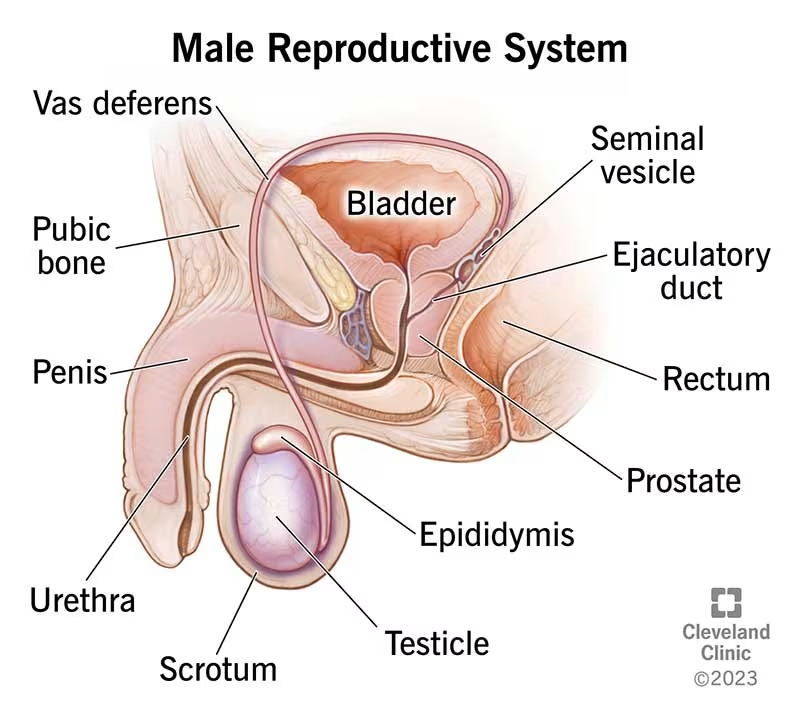
Erectile dysfunction (ED), sometimes referred to as impotence, is characterized by the consistent inability to achieve or maintain an erection firm enough for satisfactory sexual intercourse.
This condition affects millions of men worldwide and becomes increasingly common with age, though it can affect men at any stage of life.
In Singapore, studies suggest that approximately 51.3% of men over the age of 30 experience some degree of erectile dysfunction. Despite its prevalence, many men feel embarrassed to seek professional help, often suffering in silence as the condition affects their self-esteem, causes stress, and potentially strains intimate relationships.
You might like: Circumcision in Singapore
The Physiology of Erections
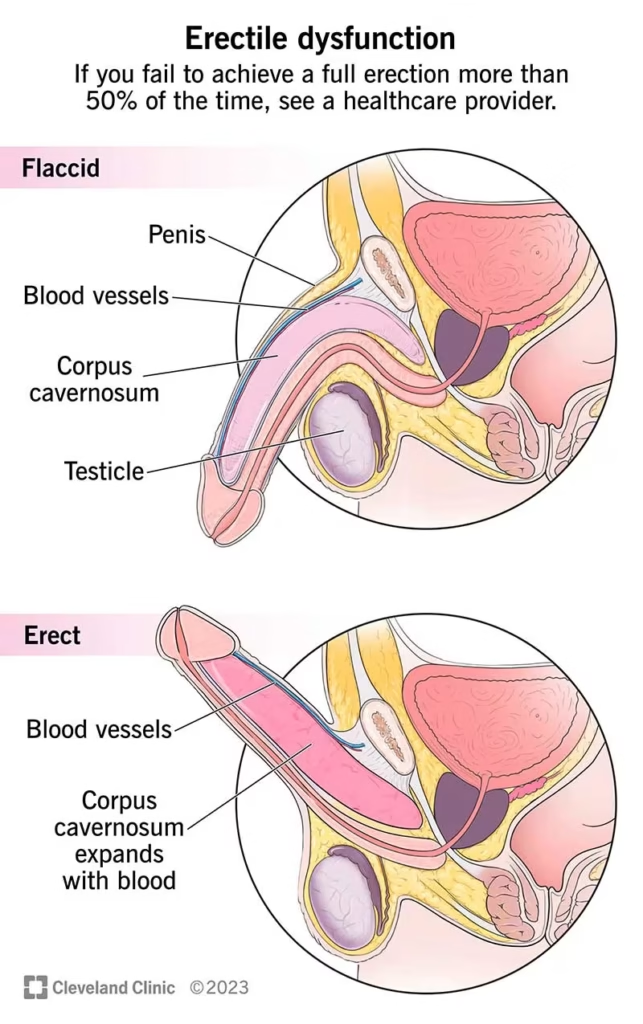
To understand erectile dysfunction, it’s important to first understand how erections function normally. An erection begins with sensory or mental stimulation, which triggers impulses from the brain and local nerves.
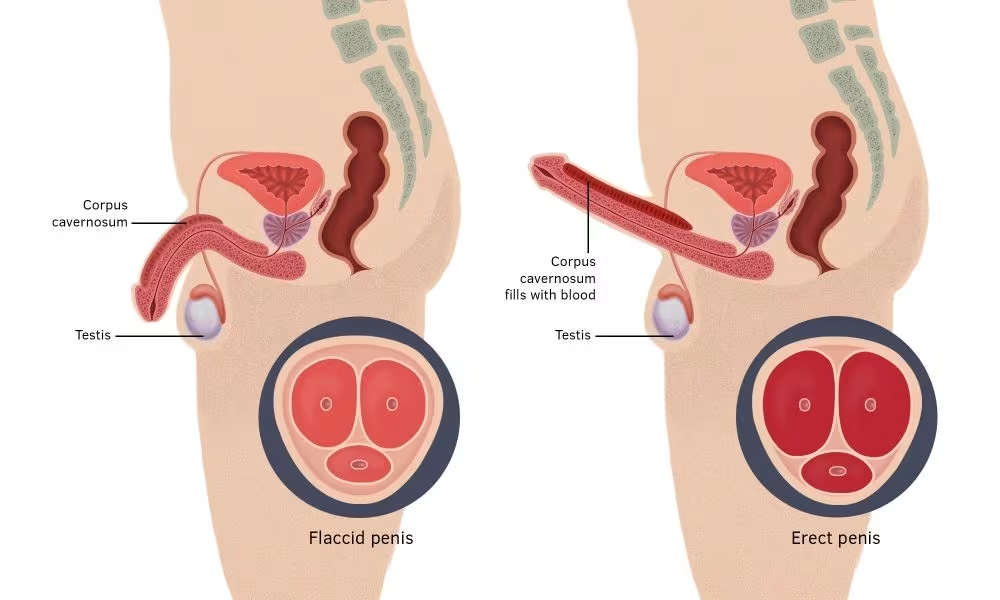
These impulses cause the muscles of the corpora cavernosa (two chambers in the penis) to relax, allowing blood to flow in through the arteries and fill these spaces.
Explore everyday essentials and compare current offers on Shopee.
Browse ShopeeAs the chambers expand, the penis enlarges and stiffens. The tunica albuginea, a membrane covering the corpora cavernosa, helps maintain the erection by trapping the blood within these chambers.
When sexual activity concludes, muscles in the penis contract, stopping the inflow of blood and opening veins that allow blood to exit the penis, returning it to its flaccid state.
Types of Erectile Dysfunction
Erectile dysfunction can be categorized into several types based on its underlying causes:
- Psychogenic ED: Caused exclusively by psychological factors such as performance anxiety, stress, or relationship issues, with no underlying physical cause.
- Organic ED: Linked to physical conditions and includes:
- Vascular ED: Results from poor blood flow due to conditions like atherosclerosis or hypertension
- Neurogenic ED: Stems from nerve damage associated with diabetes, Parkinson’s disease, or spinal injuries
- Hormonal ED: Caused by imbalances in testosterone or thyroid disorders
- Anatomical ED: Involves structural issues of the penis, such as Peyronie’s disease (abnormal curvature due to scar tissue)
- Mixed ED: Combines both psychological and physical causes, which is actually quite common as physical ED often leads to psychological stress that further exacerbates the condition.
- Iatrogenic ED: Results from medical interventions such as pelvic surgery or as a side effect of certain medications.
Related article: Testosterone Replacement Therapy in Singapore: Symptoms, Causes, Benefits
Symptoms and Signs of Erectile Dysfunction
Erectile dysfunction can manifest in several different ways, ranging from mild occasional difficulties to complete inability to achieve erections.
Some men experience occasional difficulty achieving an erection, which may occur sporadically during times of stress, fatigue, or other temporary factors.
More concerning is persistent trouble getting an erection whenever sexual activity is attempted, which indicates a more systematic problem with erectile function.
Many men struggle with difficulty maintaining an erection long enough for satisfactory sexual activity, even when they can initially achieve an erection.
This can be particularly frustrating and may lead to performance anxiety that compounds the problem.
In the most severe cases, some men experience complete inability to achieve an erection at any time, regardless of circumstances or level of arousal.
Additionally, some men may notice reduced interest in sexual activity, though this symptom may be related to decreasing libido rather than erectile dysfunction itself, making it important to distinguish between desire and physical capability issues.
It’s important to understand that occasional erectile difficulties don’t necessarily constitute erectile dysfunction, as temporary problems can affect any man due to stress, fatigue, relationship issues, or other transient factors.
Erectile dysfunction is typically diagnosed when symptoms persist over an extended period, causing significant distress and negatively affecting one’s quality of life and intimate relationships.
Related article: TCM Fertility Treatments in Singapore
Risk Factors and Causes
Multiple factors can contribute to the development of erectile dysfunction, often working in combination to create or worsen the condition.
Understanding these various causes helps both patients and healthcare providers develop comprehensive treatment approaches.
Physical Causes
Cardiovascular health plays a crucial role in erectile function, as proper blood flow is essential for achieving and maintaining erections.
Cardiovascular diseases such as atherosclerosis and heart disease can significantly impair blood flow to the penis, making erections difficult or impossible.
Hypertension, or high blood pressure, damages blood vessels throughout the body, including those that supply the penis with blood during sexual arousal.
Metabolic conditions create additional challenges for erectile function. Diabetes mellitus affects both blood flow and nerve function, creating multiple pathways through which it can impair erectile capability.
High cholesterol levels contribute to blood vessel damage and reduced circulation, while obesity and metabolic syndrome create hormonal imbalances and circulatory problems that interfere with normal sexual function.
Neurological conditions can disrupt the complex nerve signals required for normal erectile function.
Parkinson’s disease and multiple sclerosis both affect the nervous system’s ability to coordinate the physiological processes necessary for erections.
Sleep disorders can affect hormone production and overall health in ways that impact sexual function.
Read more: Insomnia Treatment in Singapore
Structural problems within the penis itself can cause erectile dysfunction.
Peyronie’s disease involves the development of scar tissue inside the penis, which can prevent normal blood flow and cause painful, curved erections that may make sexual activity difficult or impossible.
Hormonal factors, particularly reduced testosterone levels, can significantly impact both sexual desire and erectile capability.
Various prescription medications can interfere with erectile function as side effects, including antihypertensive medications used to treat high blood pressure, antidepressants that affect neurotransmitter balance, and antihistamines used for allergies.
Substance abuse presents additional risks, as alcohol can impair both immediate sexual performance and long-term erectile health, tobacco use damages blood vessels and reduces circulation, and recreational drugs can have various negative effects on sexual function.
Psychological Causes
Mental health plays a significant role in erectile function, as sexual response involves complex interactions between the mind and body.
Depression can reduce interest in sexual activity and interfere with the brain’s ability to trigger the physical processes necessary for erections.
Anxiety, whether generalized or specifically related to sexual performance, can create a cycle where worry about erectile function actually causes or worsens the problem.
Chronic stress affects hormone levels and can interfere with the relaxation and mental focus needed for normal sexual response.
Relationship problems create emotional barriers that can manifest as physical sexual difficulties, while performance anxiety specifically related to sexual activity can become a self-perpetuating problem.
Past traumatic experiences, particularly those involving sexual trauma, can create psychological barriers to normal sexual function that may require specialized counseling to address.
Various mental health disorders can affect sexual function through their impact on mood, energy levels, and overall well-being.
This might help: Anxiety Therapy in Singapore: Treatment and Recovery
Lifestyle Contributors
Several lifestyle factors significantly impact erectile function and represent areas where men can take active steps to improve their sexual health.
Smoking damages blood vessels throughout the body and specifically reduces blood flow to the penis, making it one of the most important modifiable risk factors for erectile dysfunction.
Excessive alcohol consumption can impair both immediate sexual performance and long-term erectile health through its effects on the nervous system, hormone production, and blood vessel function.
A sedentary lifestyle contributes to poor cardiovascular health, reduced blood flow, and hormonal imbalances that can all negatively impact erectile function.
Poor dietary choices, particularly those high in processed foods, saturated fats, and sugar, contribute to cardiovascular disease, diabetes, and obesity, all of which are risk factors for erectile dysfunction.
Inadequate sleep affects hormone production, particularly testosterone, and can reduce overall energy and sexual interest.
Chronic stress from work, relationships, or other life pressures can create both psychological and physical barriers to normal sexual function, highlighting the importance of effective stress management techniques for maintaining sexual health.
Related article: Complete Guide to Depression Therapy in Singapore
Age-Related Prevalence
Erectile dysfunction becomes more prevalent with age, though it’s not an inevitable part of aging. The following table illustrates the approximate prevalence rates by age group:
| Age Group | Prevalence of ED |
|---|---|
| 45 years | 5% |
| 65 years and older | 15-25% |
| 75 years and older | 50% |
When to See a Doctor
You should consult a healthcare professional if erectile dysfunction:
- Persists for more than a few weeks or months
- Appears suddenly, especially after an injury or starting a new medication
- Causes significant distress or relationship problems
- Occurs alongside other symptoms such as premature or delayed ejaculation
- Is accompanied by other health concerns like diabetes, heart disease, or anxiety
Early intervention is crucial as erectile dysfunction can sometimes be a warning sign of more serious underlying health conditions, such as cardiovascular disease or diabetes.
Read more: Diabetes Treatment in Singapore: Types, Risks
Diagnosis of Erectile Dysfunction in Singapore
Diagnosing erectile dysfunction typically involves several steps:
Medical and Sexual History
Your doctor will conduct a thorough evaluation of your medical and sexual history to understand the nature and extent of your erectile issues. This may include discussions about:
- The onset and duration of symptoms
- The quality and frequency of your erections
- Your overall sexual desire
- Any history of trauma or surgery
- Current medications and existing health conditions
- Lifestyle factors like smoking, alcohol consumption, and exercise habits
Physical Examination
A comprehensive physical examination may reveal clues about systemic problems contributing to ED:
- Examination of the penis and testicles for abnormalities
- Assessment of secondary sex characteristics
- Checking peripheral pulses to evaluate blood circulation
- Neurological testing to assess nerve function
- Rectal examination to assess prostate health
Laboratory Tests
Various blood tests may be ordered to identify underlying conditions:
- Complete blood count to check for anemia
- Blood glucose levels to screen for diabetes
- Lipid profile to assess cholesterol levels
- Testosterone levels to evaluate hormonal status
- Thyroid function tests
- Liver and kidney function tests
Specialized Tests
In some cases, additional tests may be performed:
- Doppler ultrasound to assess blood flow to the penis
- Nocturnal penile tumescence and rigidity testing to evaluate nighttime erections
- Neurological tests to assess nerve function
- Psychological evaluation to identify mental health contributors
These comprehensive evaluations help healthcare providers in Singapore determine the underlying causes of erectile dysfunction and develop an appropriate treatment plan tailored to each patient’s specific needs.
Prevention Strategies
Preventing erectile dysfunction often involves addressing modifiable risk factors and maintaining overall health:
- Manage chronic conditions: Keep diabetes, heart disease, and other chronic conditions well-controlled through regular medical care.
- Adopt a heart-healthy lifestyle: What’s good for your cardiovascular health is good for your sexual health.
- Exercise regularly: Aim for at least 30 minutes of moderate physical activity most days of the week.
- Maintain a healthy weight: Obesity is strongly linked to erectile dysfunction.
- Eat a balanced diet: Focus on fruits, vegetables, whole grains, and lean proteins while limiting processed foods and saturated fats.
- Limit alcohol consumption: Excessive drinking can contribute to erectile dysfunction.
- Quit smoking: Smoking damages blood vessels and restricts blood flow throughout the body, including to the penis.
- Manage stress effectively: Practice relaxation techniques, mindfulness, or seek counseling if necessary.
- Prioritize mental health: Address depression, anxiety, or other mental health concerns promptly.
- Get regular check-ups: Early detection and treatment of health issues can prevent complications that might lead to ED.
Treatment Options for Erectile Dysfunction in Singapore
Singapore offers various treatment approaches for erectile dysfunction, ranging from lifestyle modifications to advanced medical interventions. The treatment plan is typically tailored to the individual based on the underlying cause, severity of symptoms, overall health status, and personal preferences.
Lifestyle Modifications
For many men, especially those with mild ED, lifestyle changes can significantly improve erectile function:
- Dietary improvements: Adopting a Mediterranean-style diet rich in fruits, vegetables, whole grains, fish, and olive oil can improve vascular health.
- Regular exercise: Both aerobic activities and strength training can enhance cardiovascular health, improve blood flow, and boost testosterone levels.
- Weight management: Losing excess weight can improve hormonal balance and reduce strain on the cardiovascular system.
- Smoking cessation: Quitting smoking can improve vascular health and erectile function relatively quickly.
- Alcohol moderation: Reducing alcohol intake can improve sexual performance for many men.
- Stress reduction: Techniques such as yoga, meditation, and deep breathing exercises can help manage stress that may contribute to ED.
Psychological Interventions
When psychological factors play a role in erectile dysfunction, various therapeutic approaches may help:
- Psychotherapy: Individual therapy can address anxiety, depression, or past traumatic experiences affecting sexual function.
- Cognitive Behavioral Therapy (CBT): This structured approach helps identify and change negative thought patterns that may contribute to performance anxiety.
- Couples counseling: Addressing relationship issues and improving communication can reduce stress and anxiety related to sexual performance.
- Sex therapy: Specialized counseling focused specifically on sexual issues can help couples navigate intimacy challenges.
Oral Medications
Phosphodiesterase type 5 (PDE5) inhibitors are the first-line medical treatment for most men with erectile dysfunction in Singapore:
- Sildenafil (Viagra): Works within 30-60 minutes and remains effective for approximately 4-6 hours.
- Tadalafil (Cialis): Available in daily low-dose formulations or as a higher-dose “on-demand” option that can work for up to 36 hours.
- Vardenafil (Levitra): Similar to sildenafil but may work slightly faster for some men.
- Avanafil (Stendra): The newest PDE5 inhibitor, which typically works faster than other options.
These medications enhance the effects of nitric oxide, a natural chemical that relaxes penile muscles and increases blood flow during sexual stimulation.
They do not automatically cause erections but rather improve the body’s natural response to sexual stimulation.
Important note: Men taking nitrate-based medications for heart conditions should not use PDE5 inhibitors, as the combination can cause dangerous drops in blood pressure.
Always consult with a healthcare provider before starting any medication.
Injectable Treatments
For men who don’t respond to oral medications, penile injection therapy may be an option:
- Alprostadil (Caverject, Edex): This medication is injected directly into the side of the penis using a fine needle, causing increased blood flow and an erection within 5-20 minutes that typically lasts about an hour.
- Tri-mix: A combination of three medications (papaverine, phentolamine, and alprostadil) that may be more effective than alprostadil alone for some men.
Although the idea of injecting the penis may seem intimidating, many men find that the process is less uncomfortable than anticipated, and the results can be highly effective.
Vacuum Erection Devices
A vacuum erection device (VED) is a non-invasive option that creates an erection through mechanical means:
- A plastic cylinder is placed over the penis
- A pump (hand or battery-operated) creates a vacuum that draws blood into the penis
- Once erect, an elastic ring is moved from the cylinder to the base of the penis to maintain the erection
- The ring can remain in place for up to 30 minutes
This option can be effective for men with various causes of ED and has minimal side effects, though some men find it cumbersome or report that it creates an unnatural sensation.
Extracorporeal Shock Wave Therapy (ESWT)
ESWT is a newer non-invasive treatment available in Singapore:
- Low-intensity shock waves are applied to different areas of the penis and perineum
- This stimulates the growth of new blood vessels (neovascularization)
- Improved blood flow can enhance the ability to achieve and maintain erections
- Typically requires 6-12 sessions of about 15-20 minutes each
- No significant side effects have been reported
- Results may continue to improve for several months after treatment
ESWT is particularly promising for men with vascular erectile dysfunction and may enhance the effectiveness of PDE5 inhibitors in men who previously had limited response to these medications.
Surgical Options
When other treatments are ineffective, surgical interventions may be considered:
Penile Implants
- Malleable (semi-rigid) implants: Simple bendable rods placed within the erection chambers of the penis, allowing it to be positioned up for sexual activity or down for concealment
- Inflatable implants: More complex devices with fluid-filled cylinders in the erection chambers, a pump in the scrotum, and a reservoir in the abdomen—offering a more natural appearance and function
Vascular Surgery
- Arterial reconstruction: May help younger men with discrete blockages due to traumatic injuries
- Venous ligation: Blocking veins that allow blood to leak from the penis, which may help in specific cases of venous leakage
Surgical options generally have high satisfaction rates but are typically considered only after other treatments have failed due to their invasive nature and potential complications.
Cost Considerations in Singapore
Treatment costs for erectile dysfunction in Singapore vary widely depending on the approach:
- Oral medications may cost between SGD 10-100 per tablet, depending on the brand and dosage
- Injectable treatments range from SGD 30-80 per dose
- Vacuum devices typically cost SGD 300-500 for a quality device
- ESWT treatments may cost SGD 400-700 per session, with multiple sessions required
- Surgical implants generally range from SGD 15,000-30,000, depending on the type of implant and hospital
Many private insurance plans in Singapore may cover consultations and some treatments for erectile dysfunction, particularly when it’s secondary to conditions like diabetes or after prostate surgery.
However, coverage varies significantly between policies.
Living with Erectile Dysfunction
Beyond medical treatments, coping with erectile dysfunction involves:
- Open communication: Honest discussions with your partner about feelings and expectations can reduce anxiety
- Exploring intimacy: Remembering that satisfying intimate relationships involve more than just intercourse
- Support groups: Connecting with others facing similar challenges can provide emotional support and practical advice
- Holistic health approach: Addressing overall physical and mental health as part of managing ED
- Regular follow-up care: Maintaining ongoing communication with healthcare providers to adjust treatments as needed
Frequently Asked Questions About Erectile Dysfunction
Is erectile dysfunction common in Singapore?
Yes, erectile dysfunction is quite common in Singapore. Studies indicate that approximately 51.3% of Singaporean men over the age of 30 report experiencing some degree of erectile dysfunction.
The prevalence increases significantly with age, with about 9.1% of men in their forties reporting severe ED, rising to 43.5% of men in their sixties.
At what age does erectile dysfunction typically start?
While erectile dysfunction can affect men of any age, it becomes more common as men get older.
The risk begins to increase around age 40, with a significant jump after age 50.
However, younger men can also experience ED, particularly when psychological factors, substance use, or underlying health conditions are present.
Can erectile dysfunction be completely cured?
Whether erectile dysfunction can be completely cured depends on its underlying cause. When ED is primarily due to psychological factors or lifestyle issues, addressing these root causes can sometimes completely resolve the condition. When ED results from physical causes, complete reversal may not always be possible, but the condition can almost always be effectively managed with proper treatment.
How effective are oral medications for treating erectile dysfunction?
Oral medications like PDE5 inhibitors (Viagra, Cialis, etc.) are effective for approximately 70-80% of men with erectile dysfunction.
Their effectiveness varies depending on the underlying cause of ED, with higher success rates for those with psychological causes and somewhat lower success rates for those with severe vascular disease or diabetes.
Regular use of these medications may also improve spontaneous erections over time for some men.
What lifestyle changes are most effective for improving erectile function?
The most effective lifestyle modifications for improving erectile function focus on enhancing overall cardiovascular health, which directly impacts the body’s ability to achieve and maintain erections.
Regular physical exercise, particularly aerobic activity, strengthens the cardiovascular system and improves blood flow throughout the body, including to the penis.
Maintaining a healthy weight helps optimize hormone levels and reduces the risk of diabetes and other conditions that can interfere with erectile function.
Following a Mediterranean-style diet rich in fruits, vegetables, whole grains, and healthy fats provides the nutrients needed for optimal vascular health and hormone production.
Quitting smoking is one of the most important steps men can take, as tobacco use directly damages blood vessels and significantly impairs circulation to the penis.
Limiting alcohol consumption helps preserve both immediate sexual performance and long-term erectile health.
Managing stress effectively through relaxation techniques, exercise, or counseling can address both psychological and physical barriers to normal sexual function.
Getting adequate sleep is essential for maintaining healthy testosterone levels and overall energy needed for sexual activity.
These lifestyle factors work synergistically to improve cardiovascular health and circulation, which directly impacts erectile function and overall sexual health.
Are there any natural remedies that work for erectile dysfunction?
While many “natural” remedies are marketed for erectile dysfunction, most lack strong scientific evidence to support their effectiveness.
However, some approaches have shown promise in limited research studies, though they should not replace proven medical treatments.
L-arginine supplementation, an amino acid that may improve nitric oxide production in blood vessels, has shown some potential benefits in certain studies.
Some traditional herbs like Panax ginseng and Tribulus terrestris have been studied for their potential effects on sexual function, though results have been mixed and more research is needed.
Acupuncture has shown some promise in small studies for improving erectile function, possibly through its effects on blood flow and nerve function.
Pelvic floor exercises, which strengthen the muscles involved in sexual function, may help some men improve their erectile capability.
It’s important to discuss any supplements or alternative treatments with a healthcare provider before trying them, as they may interact with prescribed medications or have unexpected side effects that could be harmful.
How should I talk to my partner about erectile dysfunction?
When discussing erectile dysfunction with your partner, thoughtful communication can strengthen your relationship and improve treatment outcomes.
Choose a relaxed, private moment outside the bedroom when both of you can focus on the conversation without distractions or performance pressure.
Be honest and direct about your experiences and feelings, sharing both the physical symptoms you’re experiencing and the emotional impact they’re having on you.
It’s crucial to emphasize that erectile dysfunction is a medical condition, not a reflection of your attraction to your partner or your feelings about the relationship.
Include your partner in treatment decisions when appropriate, as their support and understanding can significantly improve treatment success and relationship satisfaction.
If communication about this topic proves difficult or creates tension, consider couples counseling to help navigate these sensitive conversations.
Most partners respond supportively when approached with openness, honesty, and a focus on finding solutions together rather than dwelling on the problem itself.
Can cycling cause erectile dysfunction?
Extended cycling on improperly fitted bicycles can potentially contribute to erectile dysfunction by compressing nerves and blood vessels in the perineum, which is the area between the scrotum and anus.
This compression can temporarily reduce blood flow and nerve function needed for normal erections.
However, this risk can be significantly minimized through proper cycling practices. Using a properly fitted bicycle with a suitable saddle that doesn’t put excessive pressure on the perineum is essential.
Wearing padded cycling shorts provides additional cushioning and can help distribute pressure more evenly.
Taking regular breaks during long rides allows blood flow to return to normal and reduces the cumulative effects of pressure on sensitive areas.
Adjusting riding position to reduce perineal pressure, such as using a more upright posture or saddle with a cutout design, can also help minimize risk.
For most recreational cyclists, the significant cardiovascular benefits of cycling likely outweigh any potential risks to erectile function, especially when proper precautions are taken.
What is the success rate of penile implant surgery?
Penile implant surgery has one of the highest satisfaction rates among all ED treatments, with patient satisfaction rates between 85-95%. Modern implants are highly reliable, with mechanical survival rates exceeding 90% at 5 years and 70-80% at 10 years. Partner satisfaction rates are similarly high. Complications such as infection occur in less than 5% of cases at experienced surgical centers.
Can medications for other conditions cause erectile dysfunction?
YNumerous medications prescribed for common medical conditions can contribute to erectile dysfunction as an unintended side effect.
Antihypertensive medications, especially beta-blockers and thiazide diuretics used to treat high blood pressure, can interfere with the blood flow and nerve signals needed for normal erections.
Antidepressants, particularly selective serotonin reuptake inhibitors (SSRIs), commonly affect sexual function including erectile capability, though this effect varies among different individuals and medications.
Antihistamines used for allergies, antipsychotic medications for mental health conditions, and hormone treatments can all potentially impact erectile function through various mechanisms.
Some anti-seizure medications and certain medications prescribed for enlarged prostate can also contribute to erectile difficulties.
The challenge is that many of these medications are essential for treating serious health conditions, creating a need to balance overall health with sexual function.
If you suspect that your medication is affecting your erectile function, it’s important to consult your doctor before making any changes to your treatment regimen.
Often, adjusting dosages or switching to alternative medications within the same therapeutic class can help maintain treatment effectiveness while minimizing sexual side effects.
Is Extracorporeal Shock Wave Therapy (ESWT) safe for all men with ED?
ESWT is generally considered safe for most men with vasculogenic Extracorporeal Shock Wave Therapy is generally considered safe for most men with vasculogenic erectile dysfunction, offering a non-invasive treatment option that can help improve natural erectile function.
However, this treatment may not be appropriate for all men with erectile dysfunction.
Men with penile implants should not undergo ESWT, as the shock waves could potentially damage the implant device. Active penile infections represent another contraindication, as the treatment could potentially worsen the infection or interfere with healing. Men with blood clotting disorders may face increased risks from the procedure, and certain anatomical abnormalities of the penis may make the treatment inappropriate or ineffective.
The best candidates for ESWT are typically men with mild to moderate vasculogenic erectile dysfunction, particularly those who have experienced a partial response to oral medications but desire improved natural function. This treatment appears to work by stimulating blood vessel growth and improving circulation to the penis.
Does Singapore healthcare system cover erectile dysfunction treatments?
Coverage for erectile dysfunction treatments in Singapore varies:
- Public healthcare subsidies typically don’t cover ED treatments unless they’re secondary to specific medical conditions like diabetes complications or post-surgical rehabilitation
- MediSave generally cannot be used for most ED treatments
- Private insurance coverage varies significantly between policies, with some covering consultations and treatments, particularly when ED is secondary to covered medical conditions
- Most men pay out-of-pocket for ED medications and treatments in Singapore
It’s advisable to check with your specific insurance provider about coverage options.
How do I choose the best erectile dysfunction specialist in Singapore?
When selecting an ED specialist in Singapore, consider these factors:
- Qualifications: Look for urologists or men’s health specialists with specific training and experience in sexual medicine
- Experience: Physicians who regularly treat ED will be most familiar with the latest treatments and approaches
- Hospital affiliation: Specialists at major hospitals or academic medical centers may have access to more treatment options
- Patient reviews: While keeping privacy concerns in mind, patient satisfaction can be a useful indicator
- Communication style: Choose a doctor you feel comfortable discussing sensitive topics with
Many patients begin with a referral from their primary care physician or seek specialists at established urology centers in Singapore.
Conclusion
Erectile dysfunction is a common condition that can significantly impact quality of life and relationships.
Fortunately, with the range of treatments available in Singapore today, most men can find an effective management approach that works for their specific situation.
If you’re experiencing erectile difficulties, remember that seeking help early can lead to better outcomes and may help identify important underlying health conditions.
With proper medical care and a comprehensive approach addressing physical, psychological, and lifestyle factors, most men can regain satisfying sexual function and improve their overall well-being.
Explore everyday essentials and compare current offers on Shopee.
Browse Shopee